Find the right next activity.
Shortlists with context—not just links. Choose by age, goal, format, or the kind of afternoon your family needs.
Best early-reading resources for preschoolers
Help a preschooler build a warm, playful relationship with words, sounds, and stories—without turning every activity into a lesson.
Open guide →
Best early-math activities for preschoolers
Build number sense through counting, sorting, shapes, patterns, and everyday puzzles that feel like play.
Open guide →Best reading practice for ages 5-7
A focused guide to phonics, decodable reading, stories, vocabulary, and comprehension practice for young readers.
Open guide →
Best science activities for ages 5-7
Turn “why?” into a small investigation with science activities that invite children to observe, predict, test, and explain.
Open guide →
Best beginner coding resources for ages 8-10
Find friendly ways for children to learn sequencing, patterns, debugging, and creative problem-solving through code.
Open guide →Best math practice for ages 8-10
Support children who are building fluency while learning to explain strategies, spot patterns, and solve unfamiliar problems.
Open guide →Best screen-free science activities for kids
A practical collection of science ideas that begin with real materials, movement, observation, and conversation.
Open guide →
Best printable creative activities for kids
Give children an easy starting point for drawing, coloring, cutting, designing, and making something of their own.
Open guide →Best calm independent activities for kids
When families need a quieter moment, these resources offer manageable ways to read, draw, solve, listen, or explore.
Open guide →
Best multilingual learning resources for kids
Help children explore stories, vocabulary, creativity, and knowledge across languages with resources families can actually use together.
Open guide →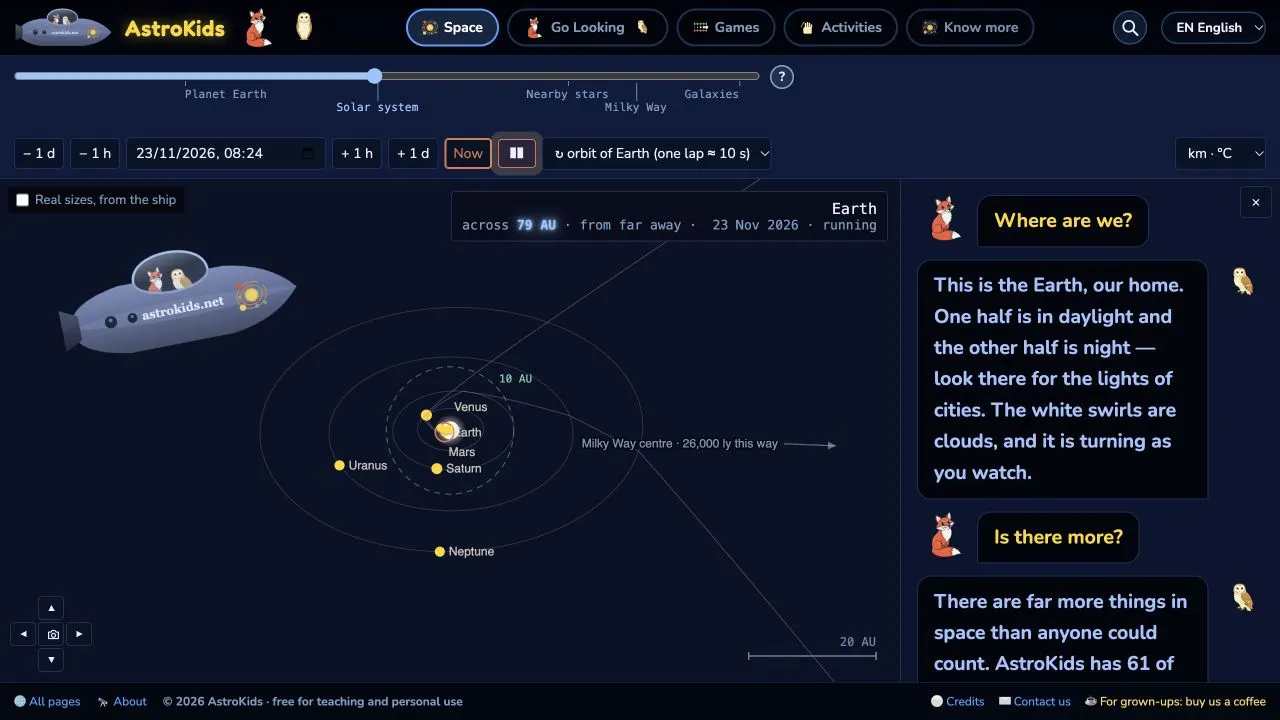
Plan a first stargazing night with kids
A first stargazing night can be as simple as spotting the Moon from a familiar place. Ask your child to choose one thing to look for and draw what they expect to see. A single target gives everyone something to notice, even if you only stay out long enough to make one sketch.
Open guide →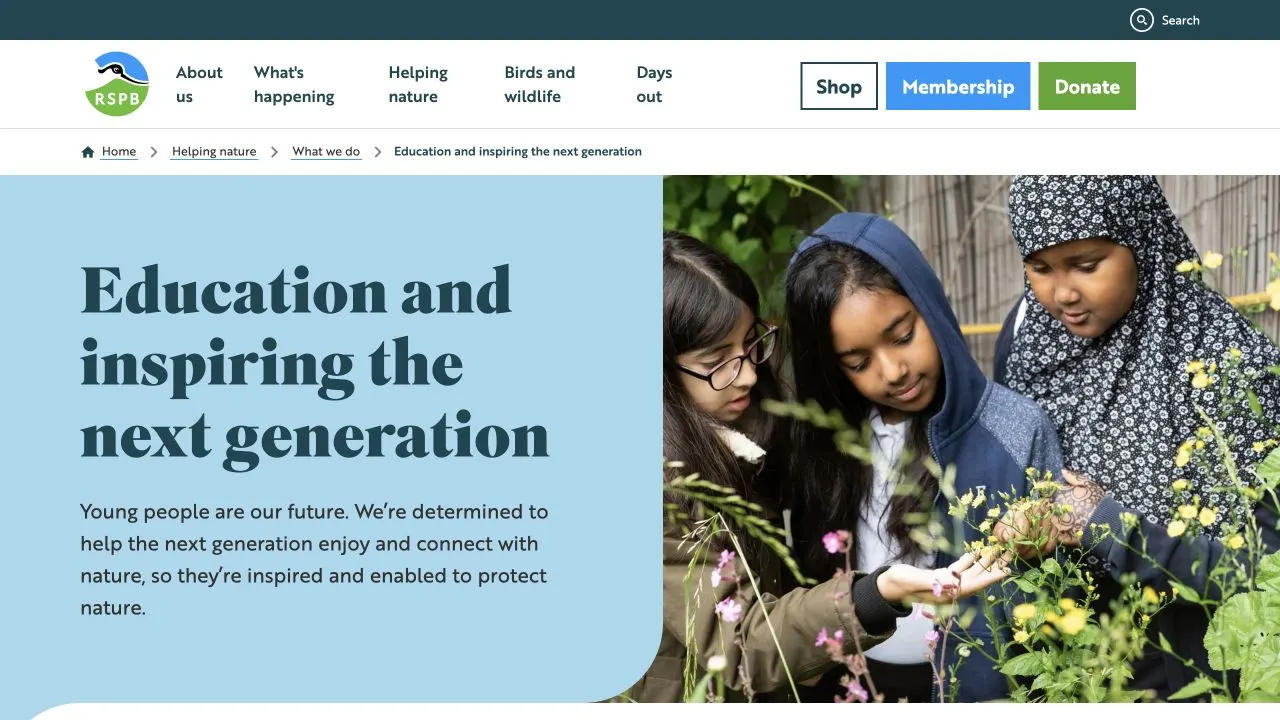
Start backyard birdwatching with kids
Choose a window, yard, or park bench where your child can sit and watch. Start with one question they can answer by looking, such as where the birds land. A page with three columns for time, place, and what the bird did gives them a record to compare the next time you watch.
Open guide →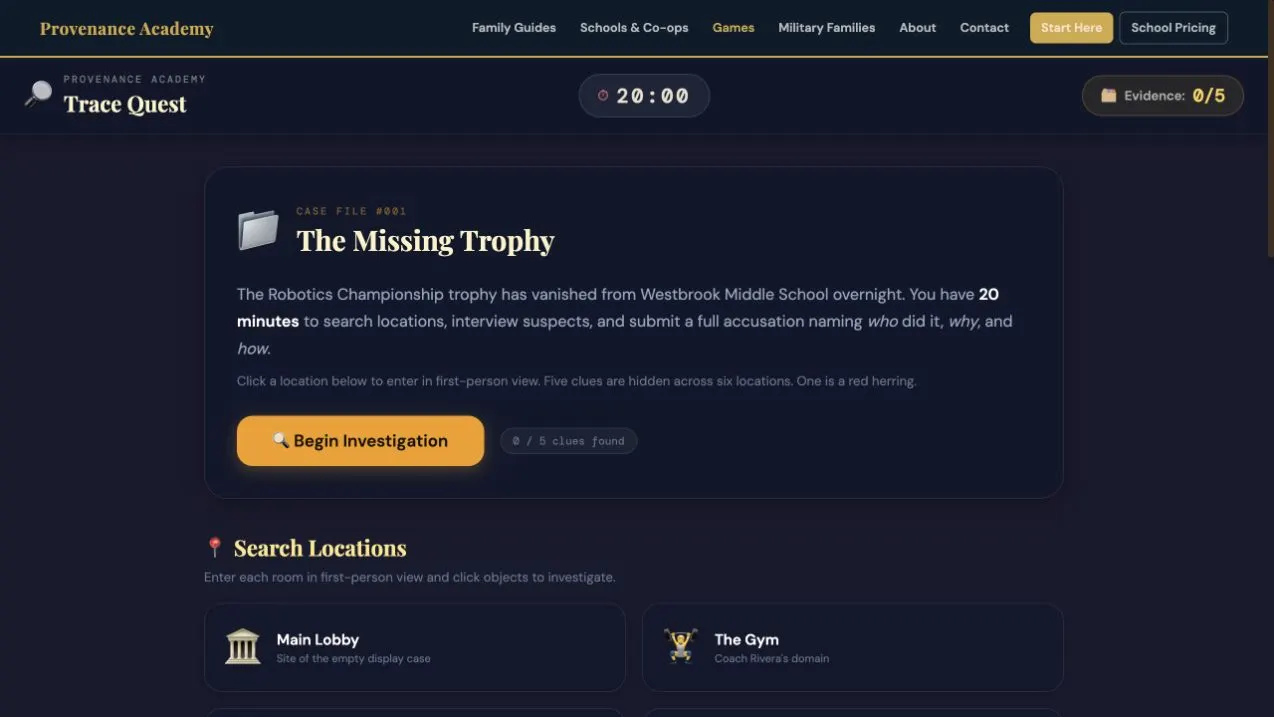
Teach kids to fact-check an online claim
When a screenshot or surprising headline catches your child’s eye, write down the exact claim together. Start with a low-stakes example, such as a caption that names the place where an animal photo was taken. Give your child a chance to say what evidence would change their mind before you open a search result.
Open guide →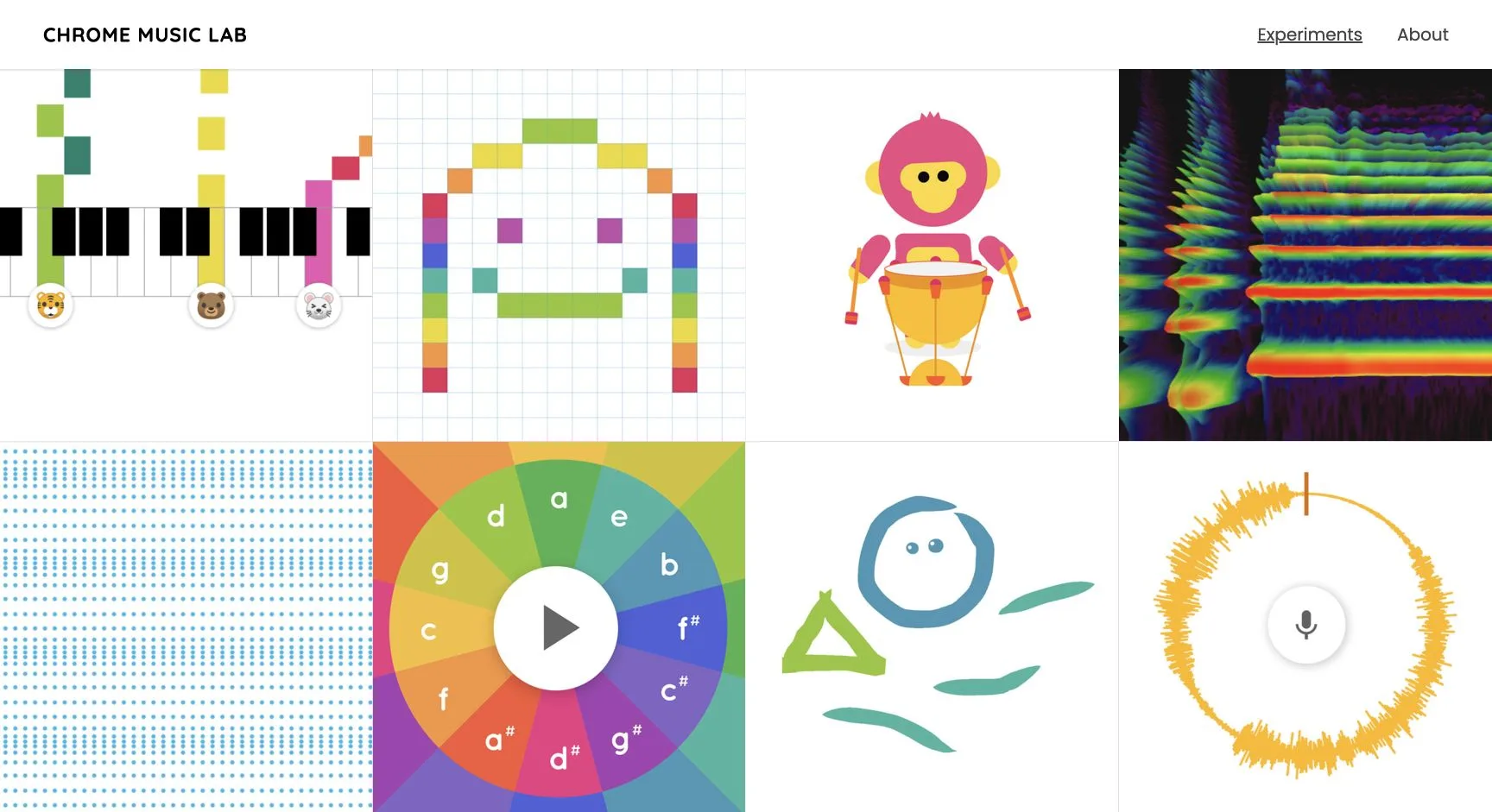
Make rhythm patterns with kids
Tap a steady beat together and ask your child to squeeze two taps into one beat. You now have a tiny rhythm to repeat, change, or teach someone else. If your child likes making tracks on a screen, try the same pattern in a browser tool and see whether it sounds the way they expected.
Open guide →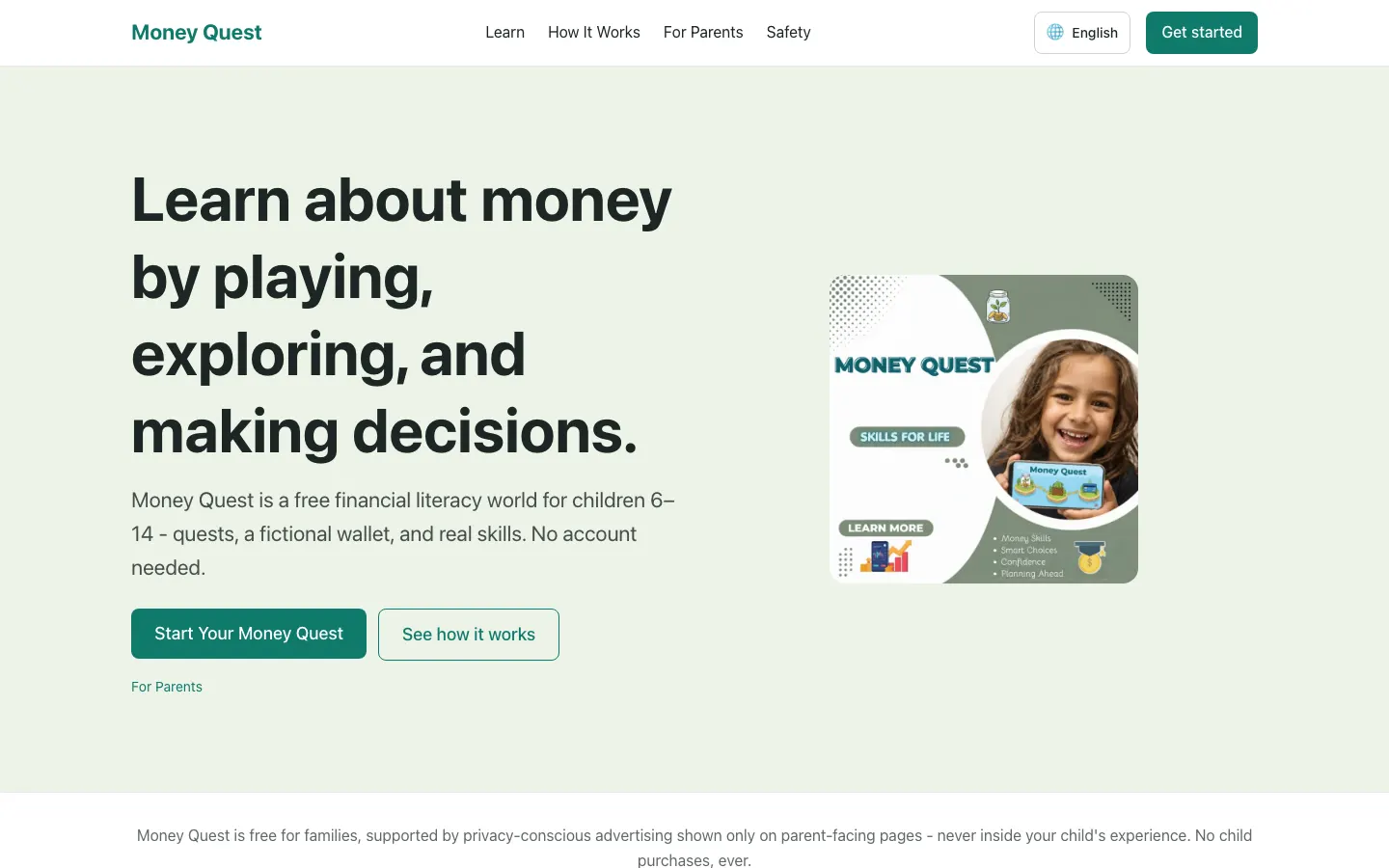
Teach kids to make a first budget
Give your child ten pretend tokens and an imaginary shopping list with three prices. Ask what they would buy if they also wanted to keep three tokens for later. The point of the activity is giving them a real choice to explain. Restart with new prices and see whether their reasoning changes.
Open guide →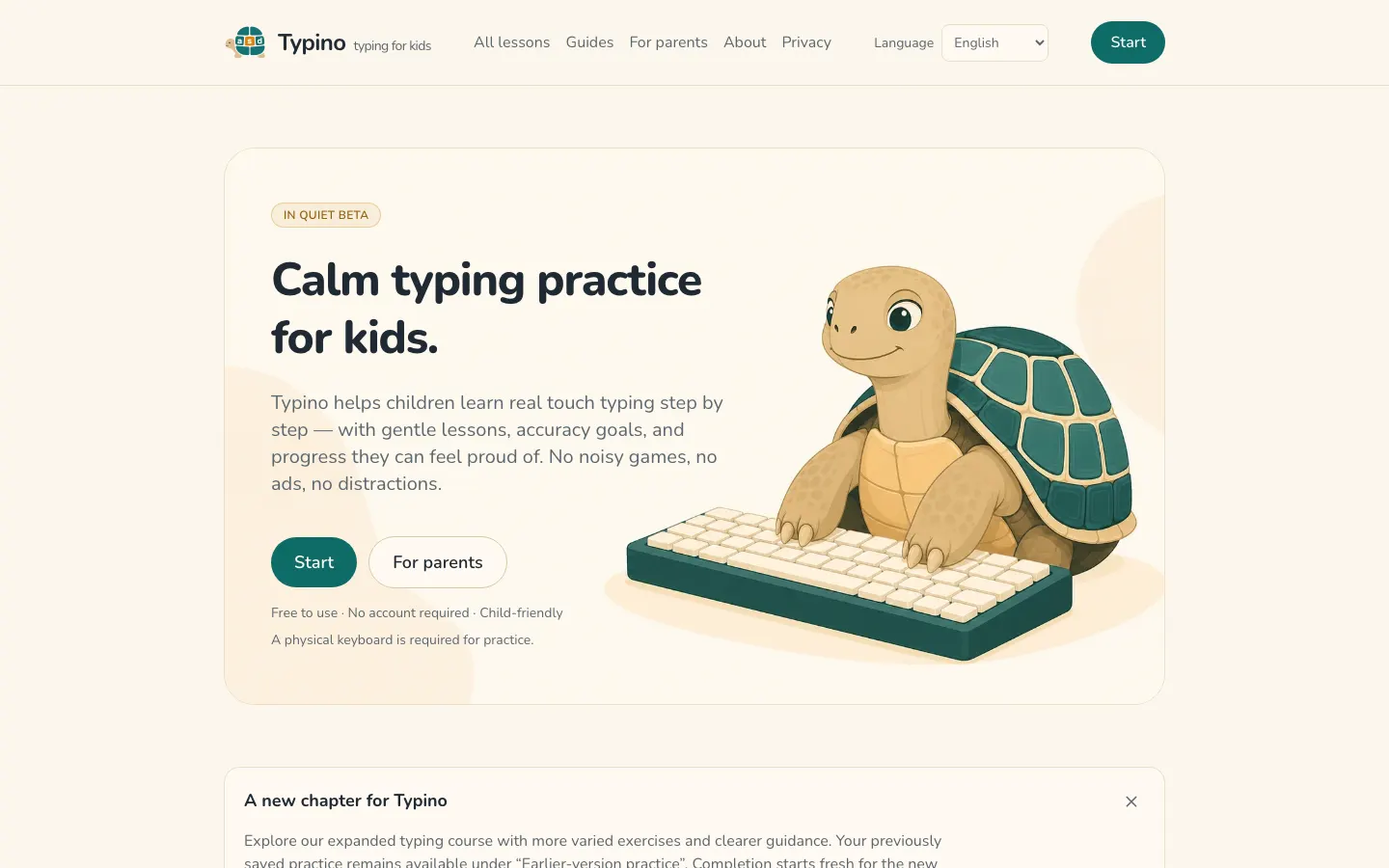
Choose first touch-typing lessons for kids
If your child can find letters by looking at the keyboard, try a short lesson that introduces just a few keys. Watch whether they can repeat the same pattern after a mistake. That tells you more about the fit of a first lesson than its speed score.
Open guide →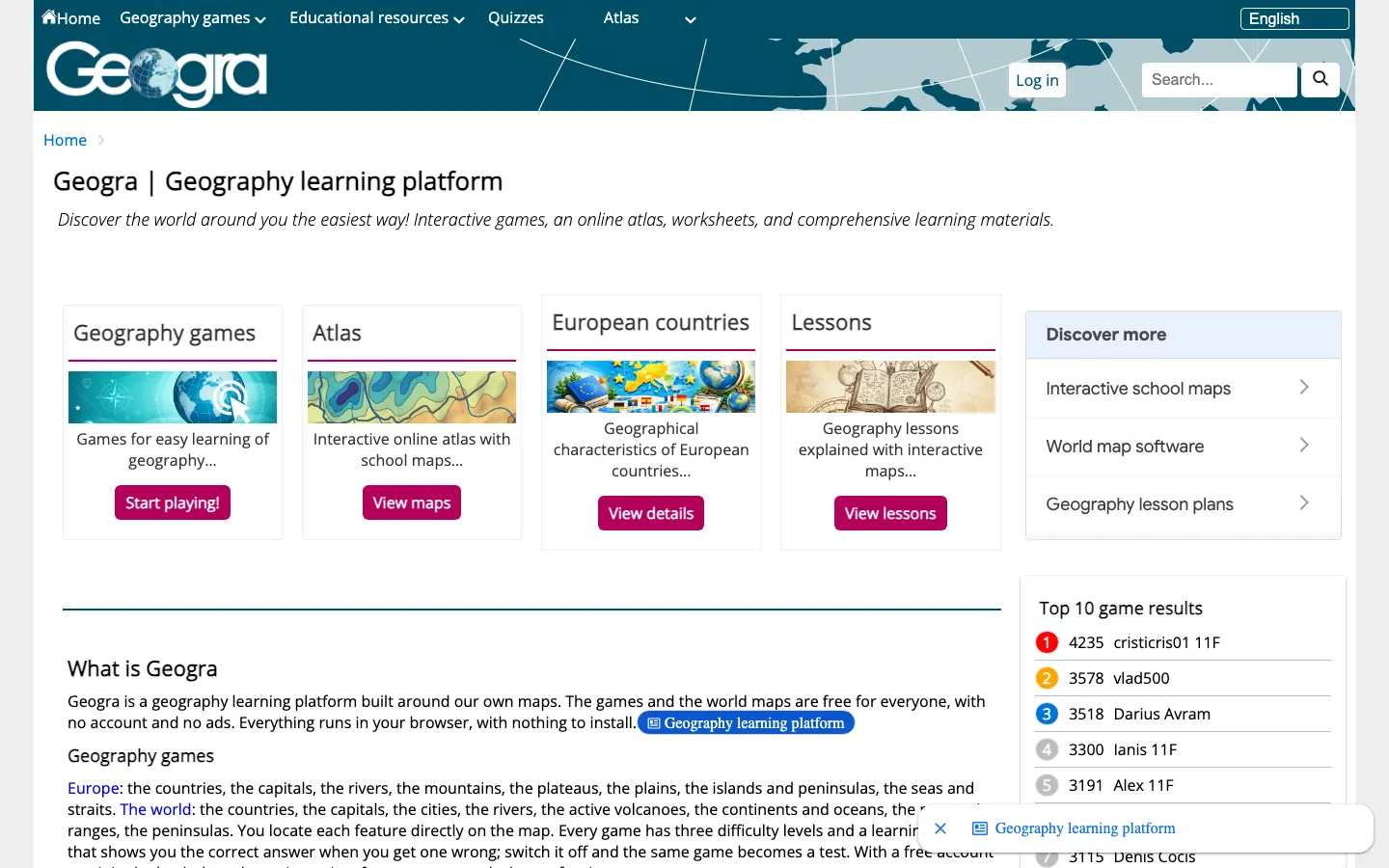
Teach map reading with geography clues
Give your child a map and a clue such as “find a country on this coast that borders two others.” Ask them to show two details that support their guess. A clue game gives you a place to investigate, and an atlas gives you time to trace the reasoning after a guess.
Open guide →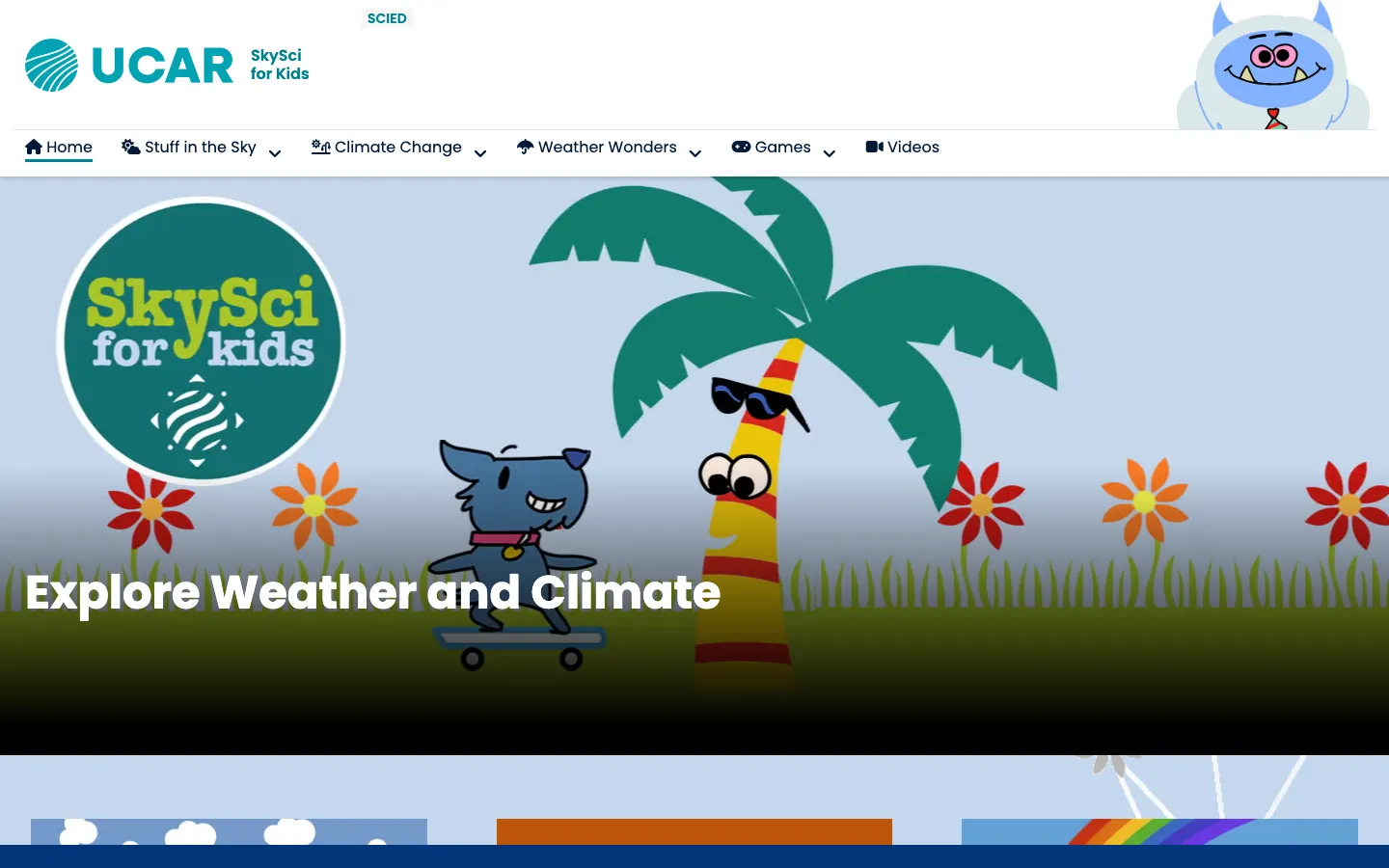
Keep a weather journal with kids
Pick one window and a time of day you can use for several days. Have your child draw the sky and add a word or two about what they can see. Later, compare the sketches and let them pick a question for a weather resource, such as why a gray sky sometimes brings no rain.
Open guide →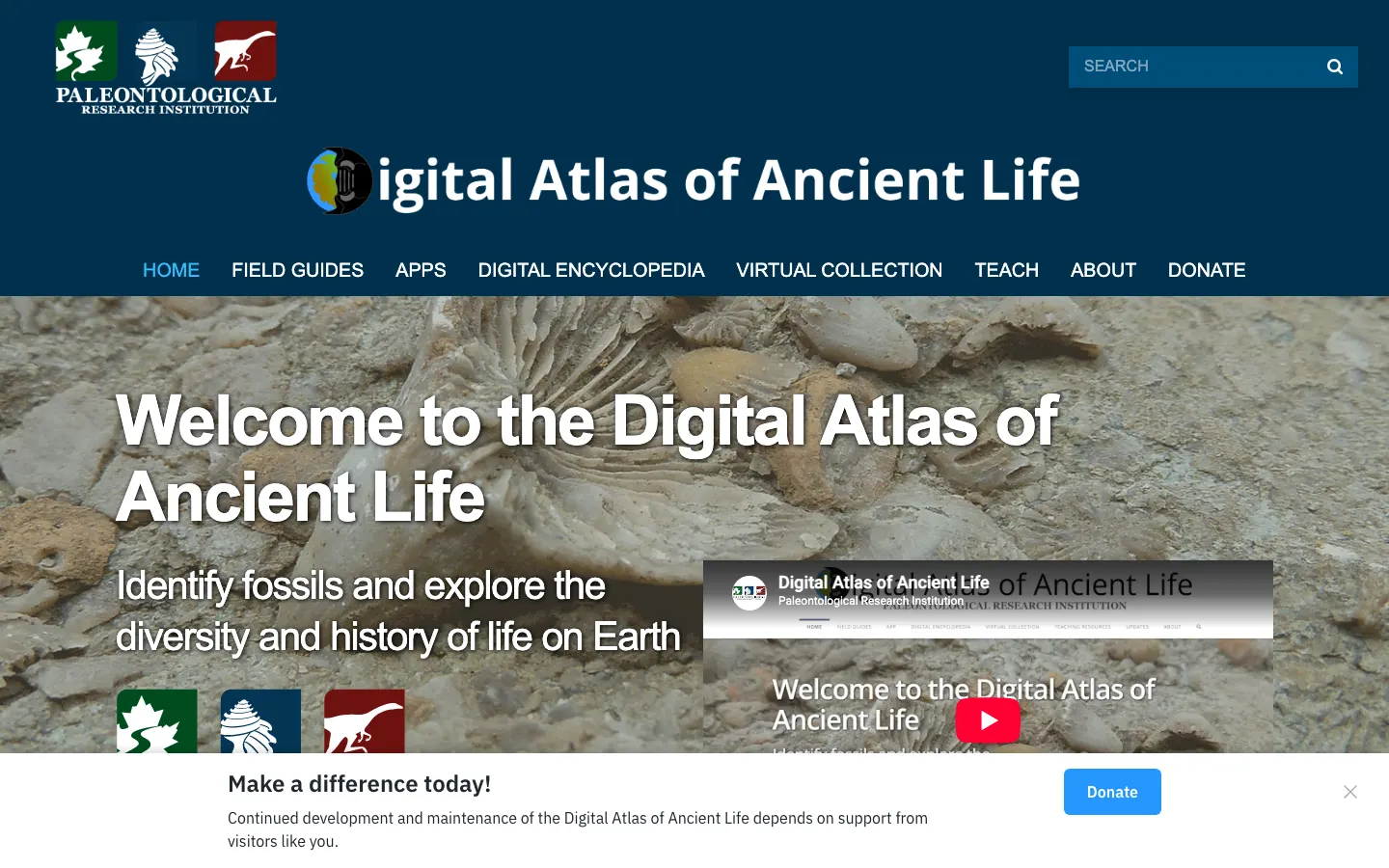
Try a fossil detective activity with kids
Open a photo or 3D model of a fossil and cover the label for a moment. Ask your child to point out a feature they can see, such as ridges, a spiral, or a repeating pattern. Then read the label together and see which observations it helps explain.
Open guide →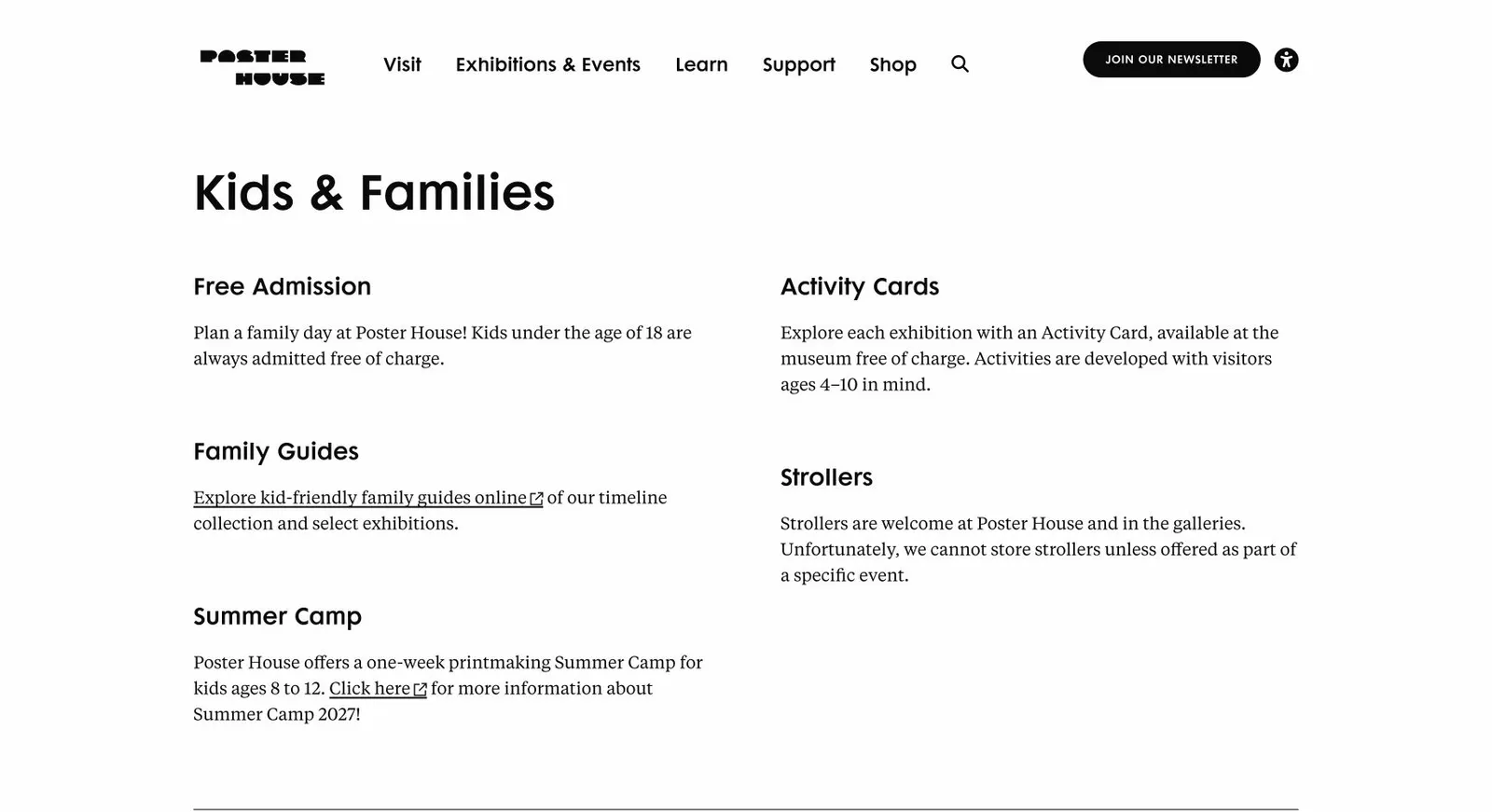
Help kids look closely at art in a museum
Before walking past the first picture your child points to, stop and let them choose a detail to investigate. Ask them to show where they see it. One artwork and a few minutes of conversation can give the visit a shape, even when nobody has read the wall text yet.
Open guide →
Read a poem aloud together
If your child thinks poetry means looking for the right answer, give them a different job. Ask them to direct your reading. Let them pick a short poem about something they like, then have them signal where you should slow down, whisper, or stop. Listen to how a single pause changes the way a funny or surprising line lands.
Open guide →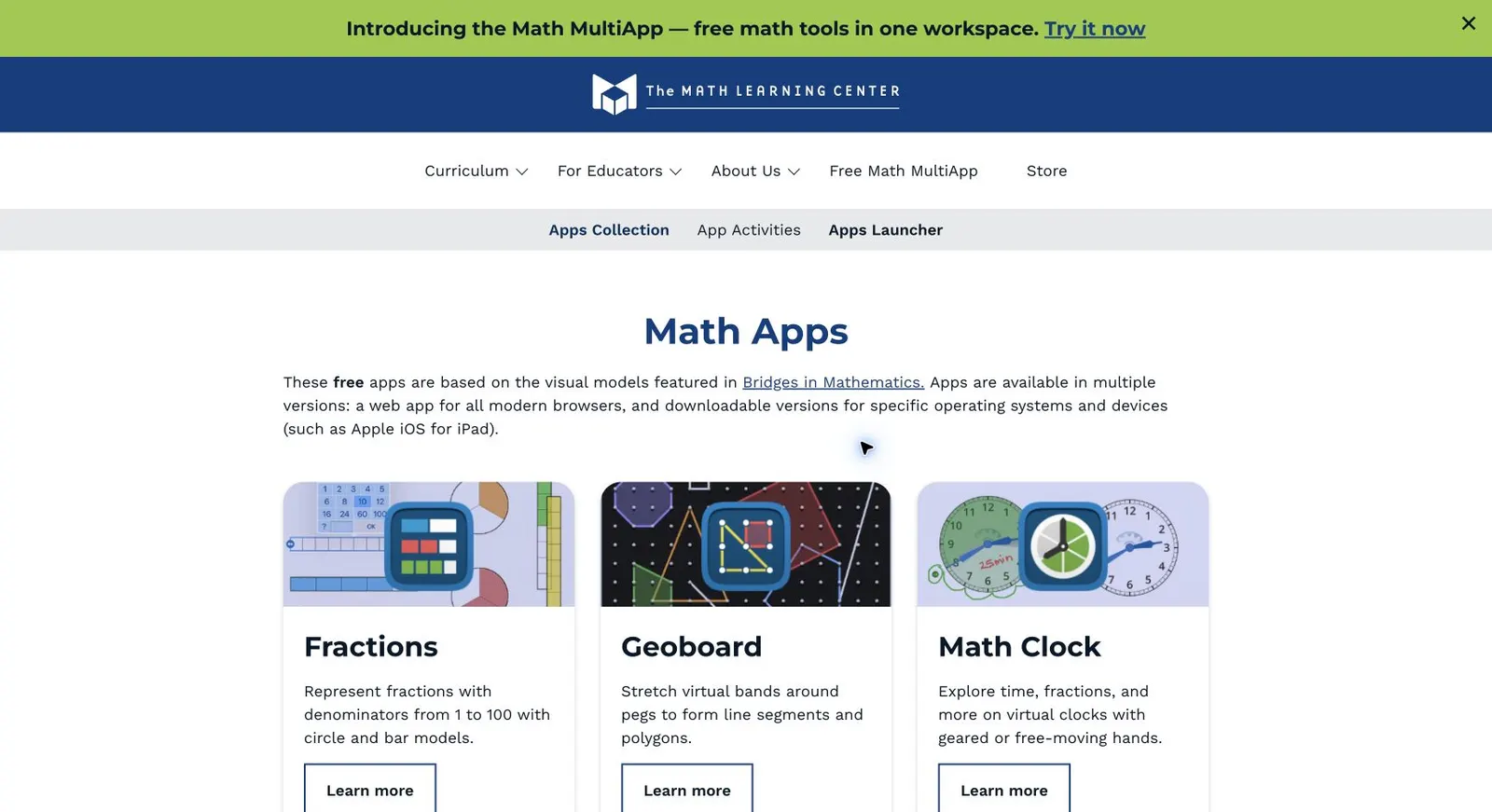
Show equivalent fractions with paper strips
When your child sees 1/2 and 2/4, ask them to show where both numbers would end on strips of the same length. Folding one strip into halves and the other into quarters makes the two names visible. Ask your child to describe what changed about the pieces and what stayed the same about the length they covered.
Open guide →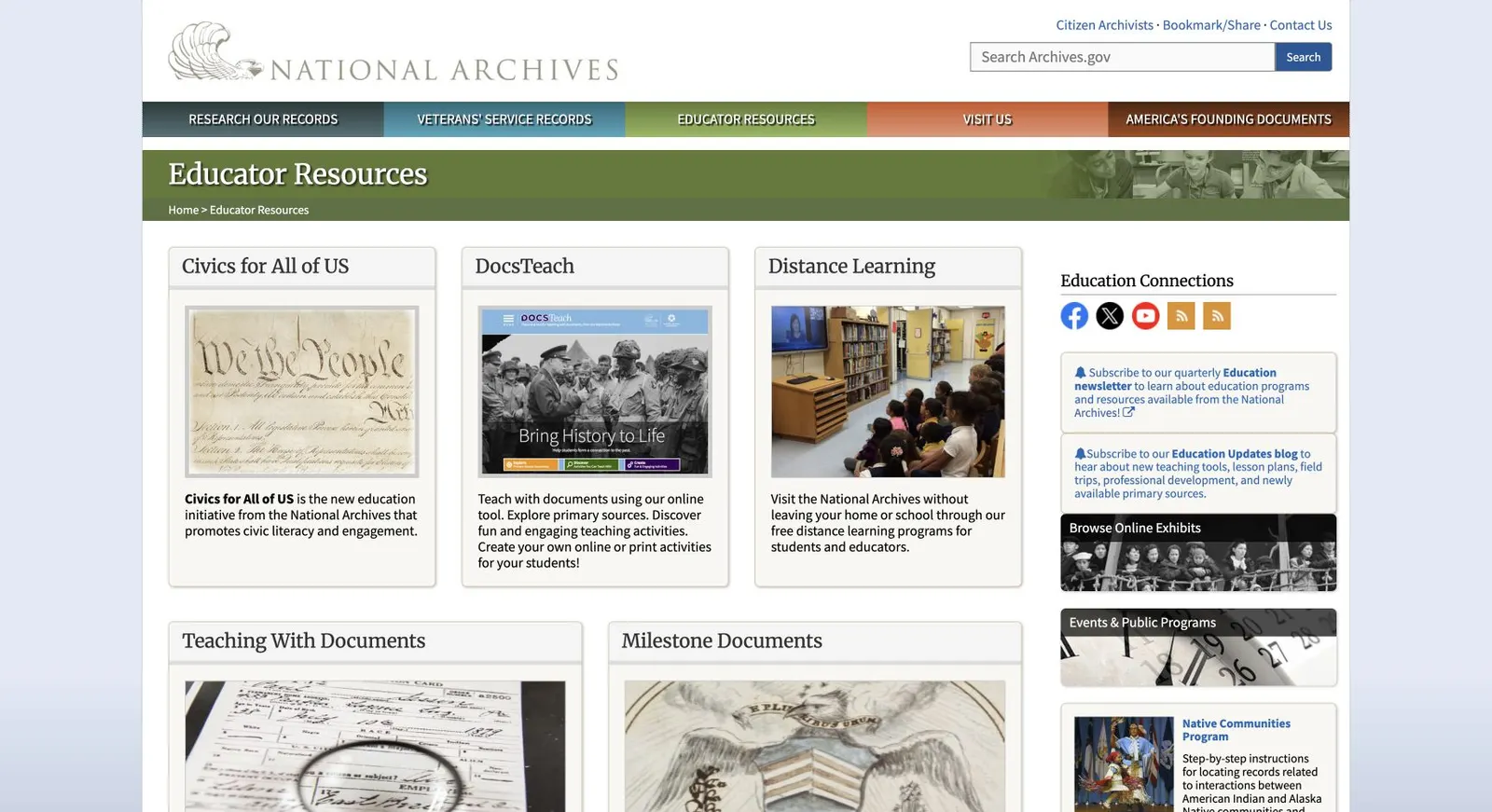
Investigate a historic photograph with kids
Choose one photo of a street, classroom, ship, or workplace with details your child can point to. Cover the caption at first. Ask them to find one object they recognize and one they would like to ask someone about. This starts a history conversation even when neither of you knows the place or date.
Open guide →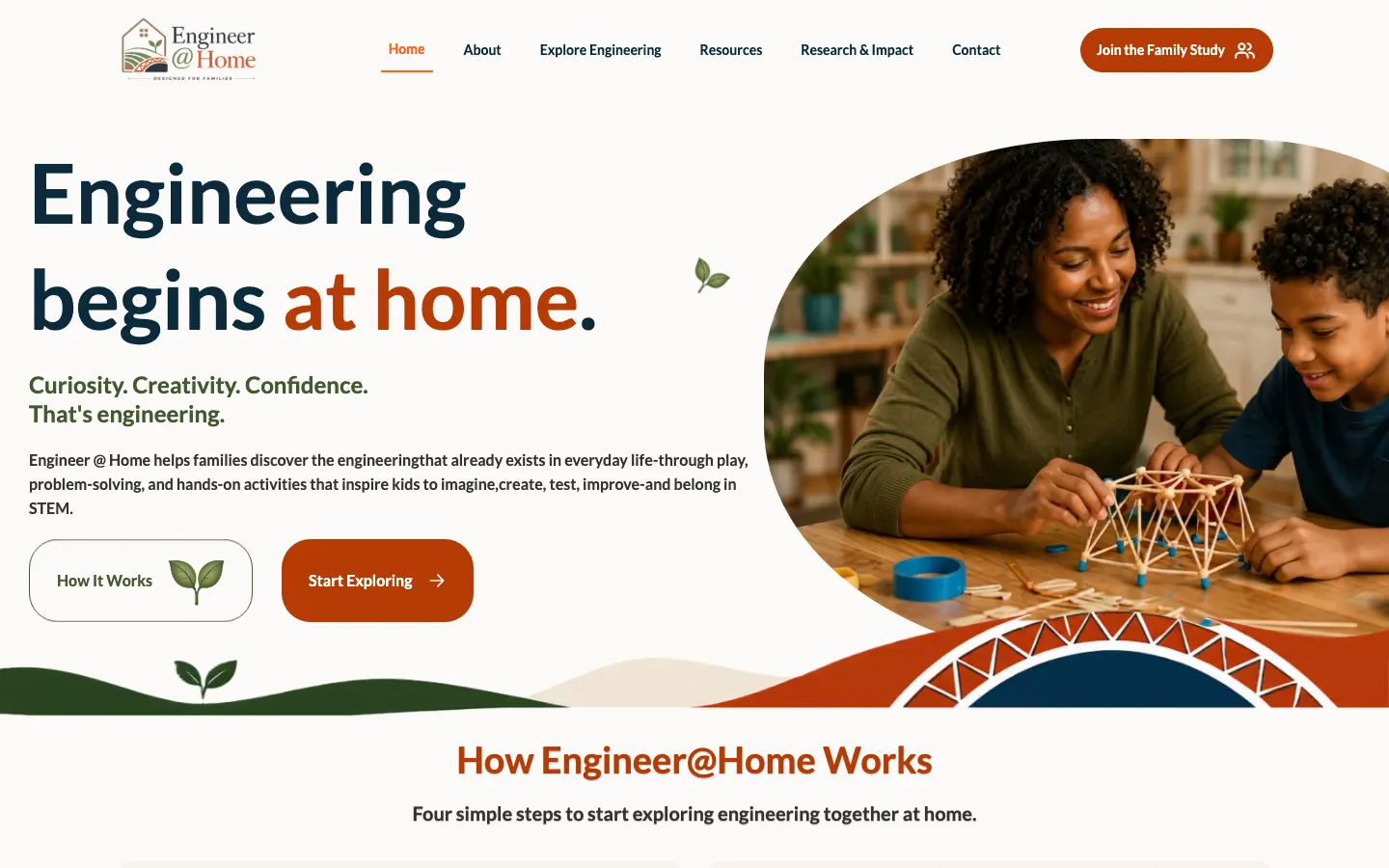
Build and test a paper bridge with kids
Two books and a sheet of paper make a first engineering problem. How can your child keep the paper from sagging across the gap? Ask them to test a flat sheet first and watch where it gives way. Their next design can be as simple as folding up two edges and trying the same test again.
Open guide →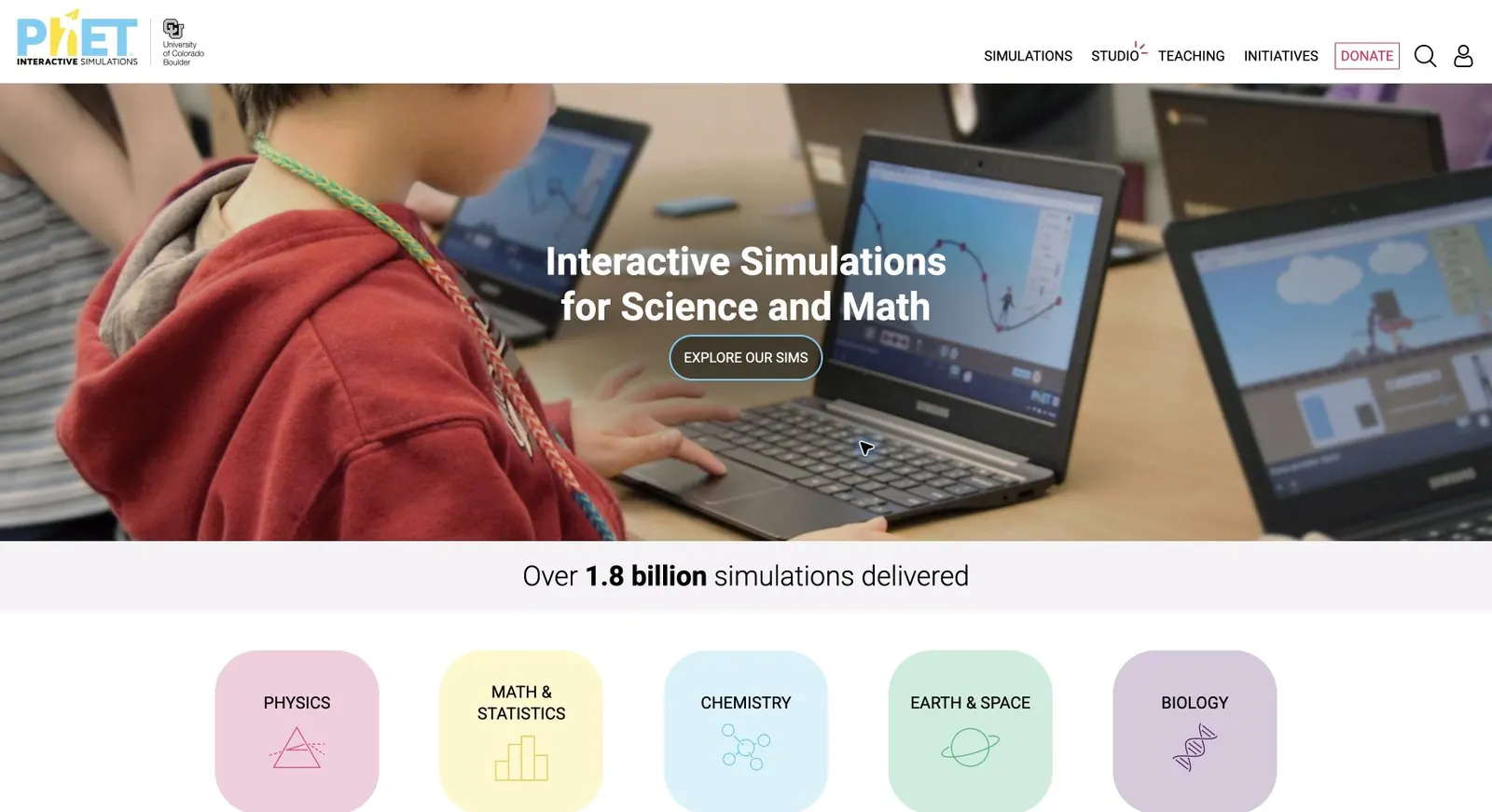
Build a first virtual circuit with kids
Start with a puzzle on screen. A battery, a bulb, and wires are visible, but the lamp is dark. Ask your child to trace a path from one battery terminal through the bulb and back to the other terminal. Give them time to find the break and decide what to change before you move any parts.
Open guide →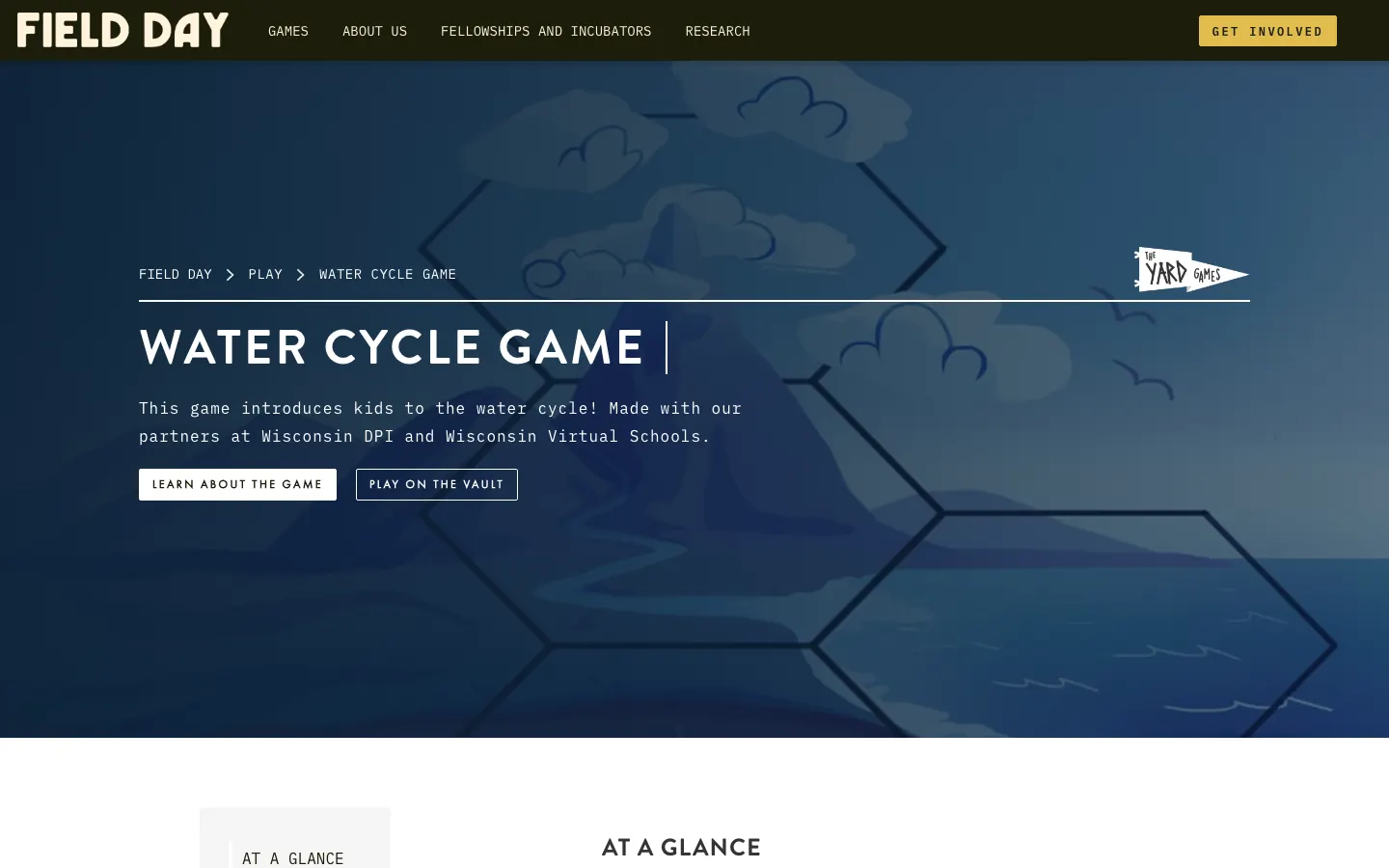
Trace where rainwater can go
After a rain, ask your child to choose one spot on a view from the window or in a photo. It could be a roof, a puddle, or a patch of soil. Draw the spot and add two arrows for different places the water could go. That small map gives you a place to start talking about why water does not always follow the same route.
Open guide →
Draw a food web with your child
Start with three cards for a plant, an animal that eats it, and a predator. Ask your child to draw an arrow from each food source toward the eater. Then add a fourth card that shares a food source with an animal already on the page. Talk about what that extra connection tells you about the habitat.
Open guide →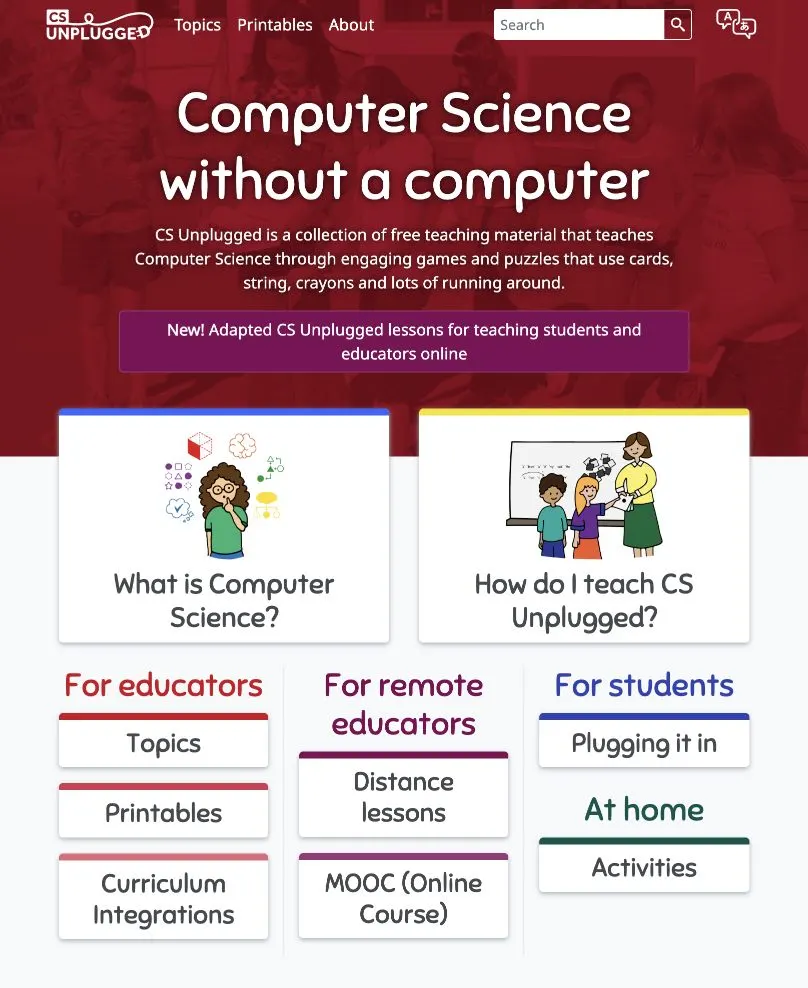
Play an unplugged coding game on a grid
Draw a grid and give your child a toy to move from one corner to a marked square. Agree on a few commands, then let your child write or arrange them before you move the toy. Following the instructions exactly gives both of you something to laugh about if the toy arrives at an unexpected square.
Open guide →
Measure how a flashlight shadow changes
Give your child one object with a clear outline, such as a cardboard shape. Shine a flashlight toward a wall and hold the object in between. Ask your child to predict how the shadow will change if the object moves closer to the light. Keep the outline from each position so they can compare the result directly.
Open guide →
Draw and check line symmetry with kids
Draw half a leaf along the fold of a sheet of paper. Invite your child to make a mirror image on the other side and then fold the sheet to check it. Pick one point on each outline and compare its distance from the crease. Your child can use that check to draw the rest of the reflected outline.
Open guide →
Track the Moon’s phases with kids
Start a Moon log the next time your child spots the Moon, even in daylight. Draw a circle and outline the part you can see lit up. Put the date and time next to it. A few days later, make a second drawing and ask your child whether more or less of the side facing us looks lit.
Open guide →
Watch a bean seed sprout with kids
A seed planted in a pot hides the first changes under the soil. Start with a clear container so your child can look for them. Draw the bean before setting it up and ask where they think the first root will appear. Leave space under that sketch for a dated picture of what actually happens.
Open guide →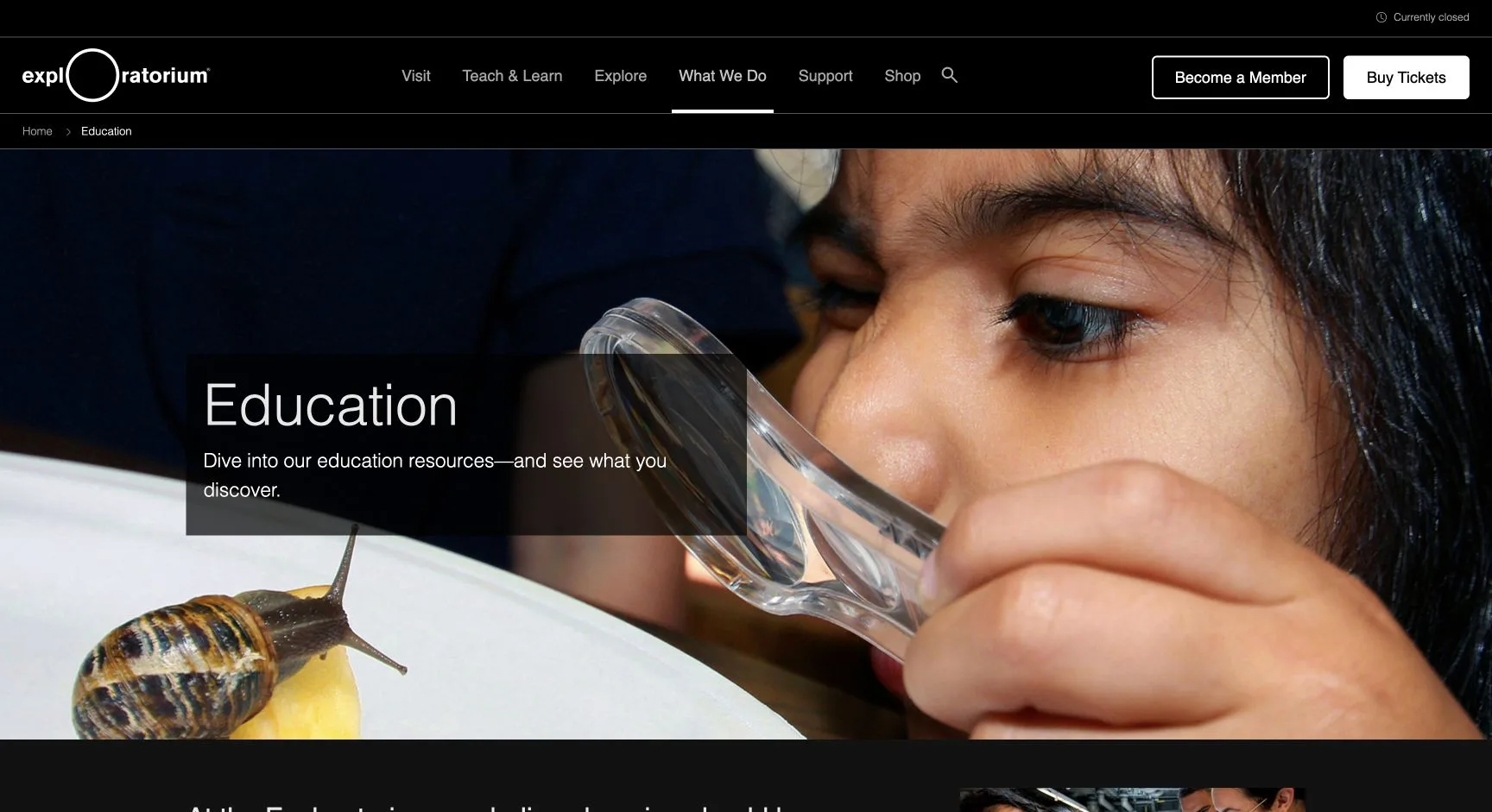
See and hear sound vibrations with kids
Let part of a flexible plastic ruler extend over a table edge, then hold the rest down and give the free end a gentle pluck. Ask your child where they can see movement and when they hear a sound. Shorten the overhang and have them predict whether the next note will sound higher or lower.
Open guide →Compare area and perimeter with square tiles
Give your child twelve equal paper squares and tell them to build two different rectangular gardens. Each garden needs a fence around the outside. Ask which garden would need more fence, then give them a way to check by tracing and counting the exposed tile edges.
Open guide →Teach binary numbers with dot cards
Make four cards with eight, four, two, and one dot, then lay them left to right in that order. Give your child the number six and ask which cards to turn face up so the visible dots total six. Once they find four plus two, keep the unused cards in their places so your child can see all four positions.
Open guide →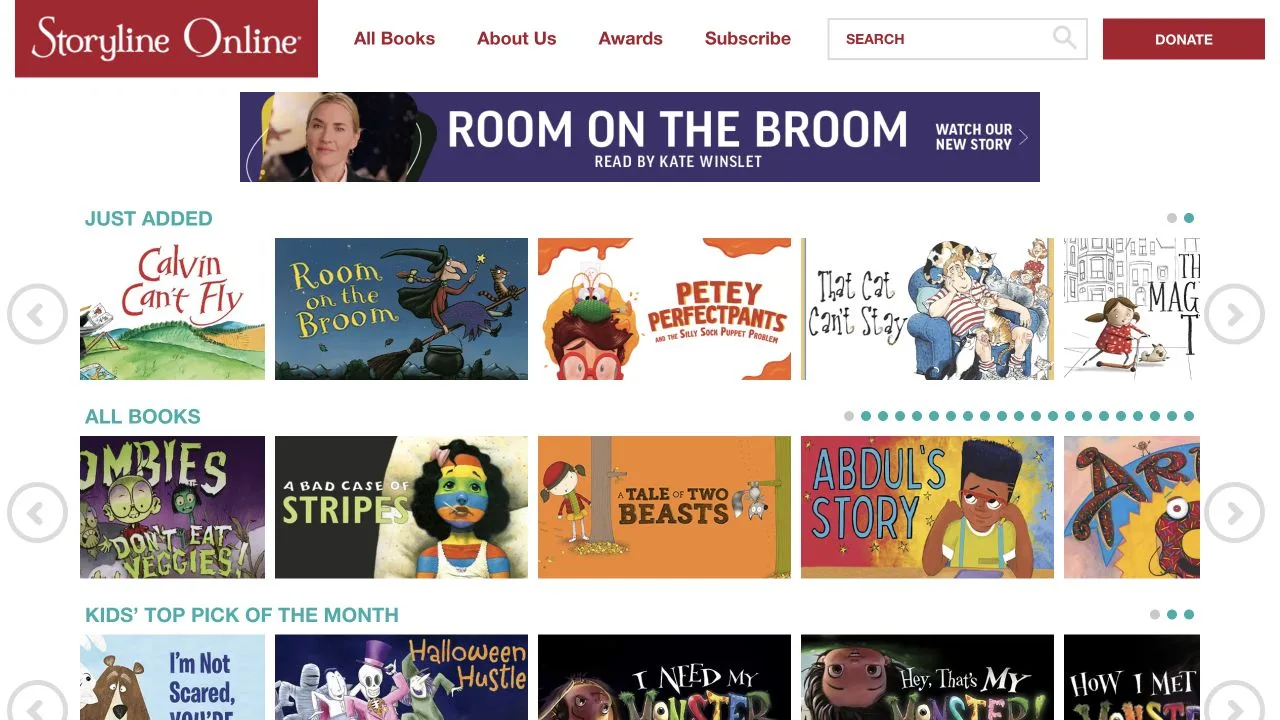
Retell a picture book with a story map
After a picture book, draw three empty boxes. Invite your child to fill them with the problem, one important thing the character did, and the result. You can write down what they say while they draw. Then let them use the pictures to tell the story to someone who missed it.
Open guide →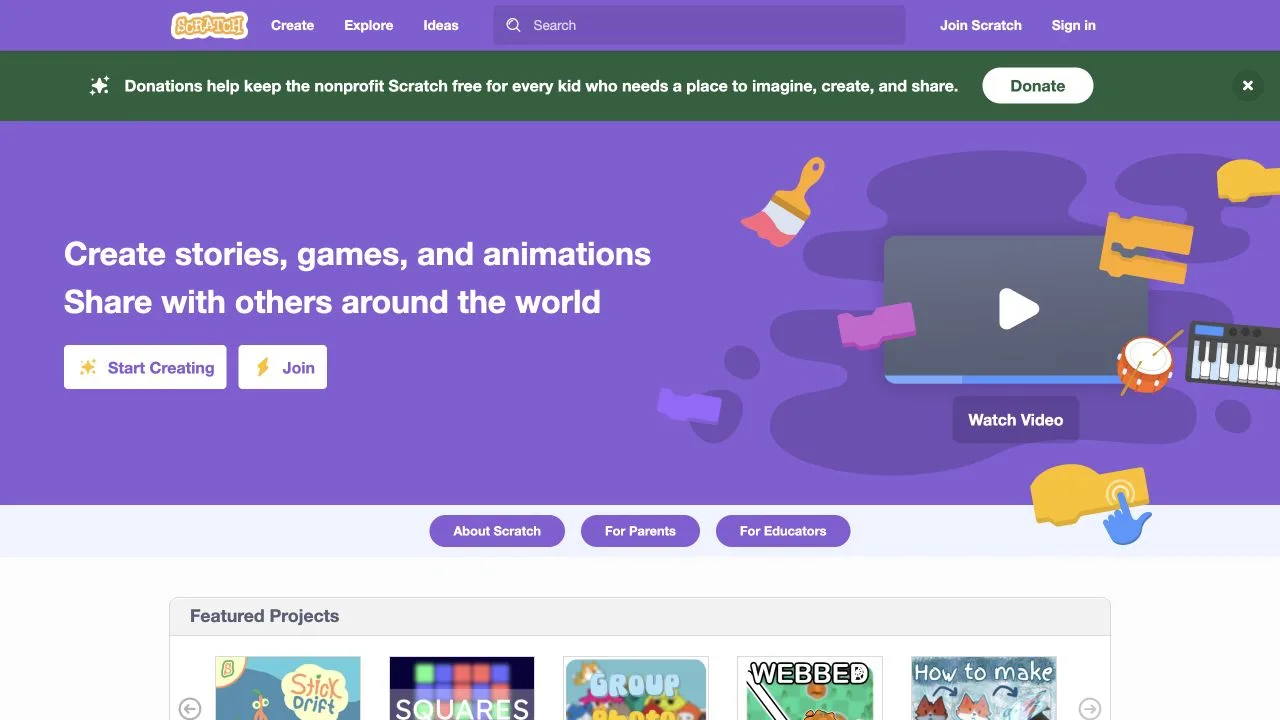
Make a two-frame animation with kids
Ask your child to draw a face with open eyes, then copy it and close the eyes in the second drawing. Swap between the two pictures on screen to make a blink. This gives your child a short animation they can change by editing a drawing or adjusting how long each pose stays visible.
Open guide →
Test why a foil boat floats
Cut two equal pieces of foil and form one into a shallow boat with raised sides. Crumple the second into a compact ball. Let your child predict how each will sit in a shallow basin of water. If both float, compare how much of each shape is under water and which one has room to carry cargo.
Open guide →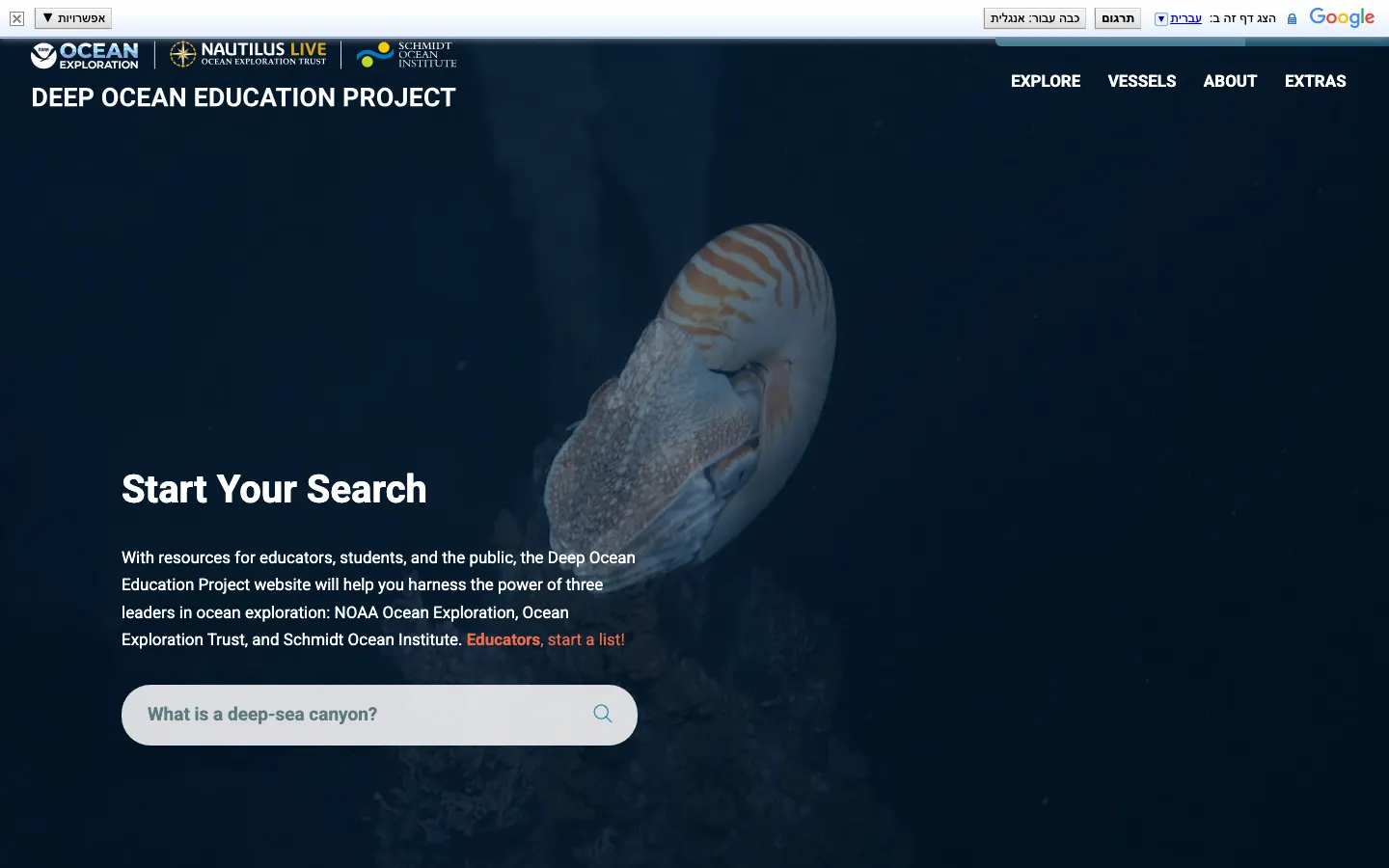
Draw the ocean’s light zones with kids
Turn a sheet of paper upright and draw the sea surface near the top. Ask your child to shade the water from bright at the top to dark below. Leave space to draw an animal in each region. One question can steer the whole picture. Where would an animal need to make its own light for another animal to see it?
Open guide →Teach elapsed time with a clock and number line
Tell your child a story about a walk that begins at 3:45 and ends at 4:10. Draw a line with those two times marked and leave room for one time between them. Ask what happens when the clock reaches four. That familiar hour mark gives you two short intervals your child can add together.
Open guide →
Solve a first tangram puzzle with kids
Give your child two small tangram triangles and ask how they could make a square. Once their diagonal edges meet, trace the square and try making it again with the pieces turned a different way. This gives your child a move to try when a corner in a larger puzzle looks hard to fill.
Open guide →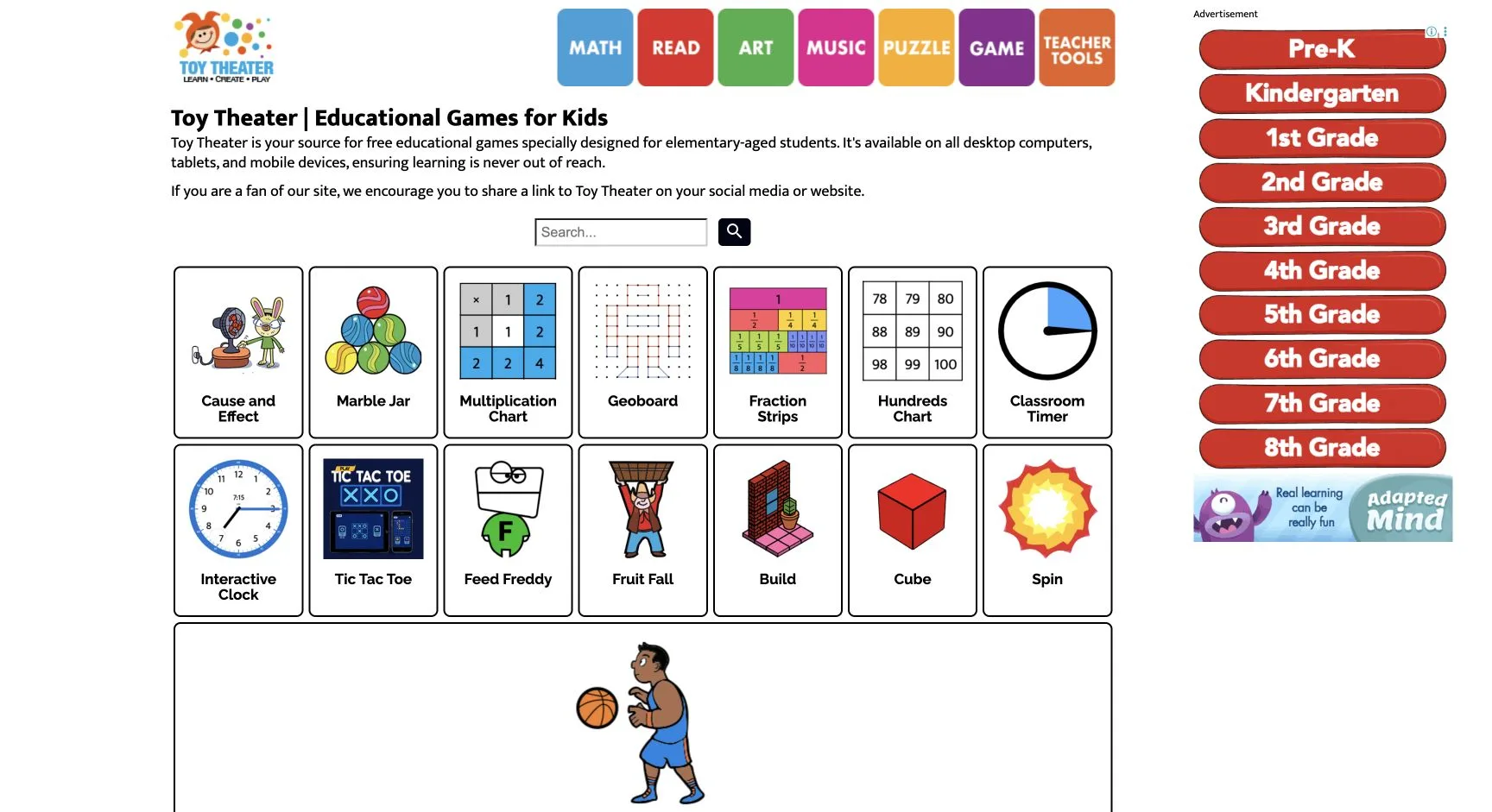
Teach probability with a coin toss tally
Before you flip a coin, ask your child how many heads they expect in ten tries. Write down their prediction, then record the actual sequence. A result such as seven heads is a chance to talk about what “equally likely” means for one fair flip and what can happen in a short run.
Open guide →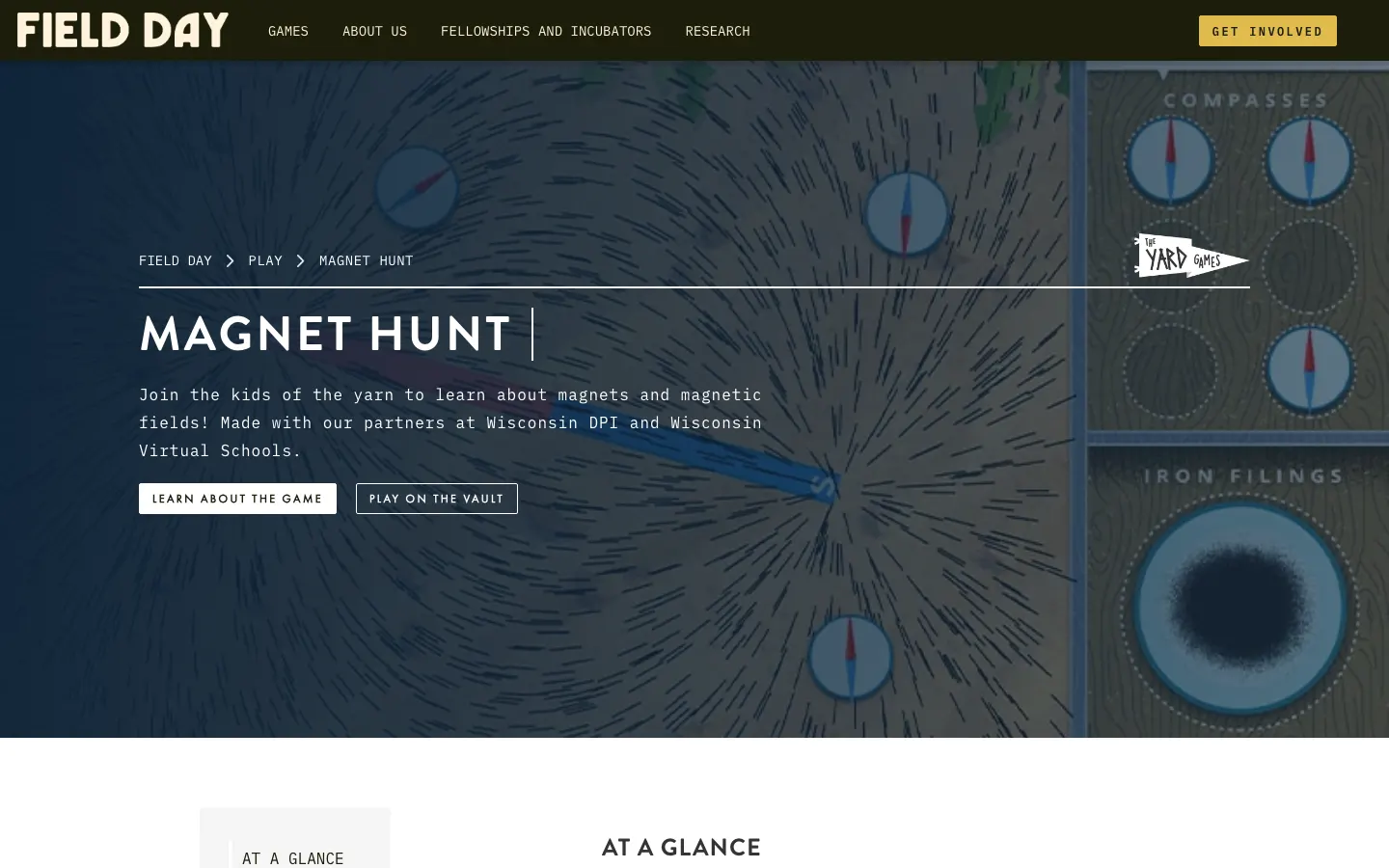
Map a magnetic field with a virtual compass
Sketch a bar magnet and mark four places around it. Ask your child to predict which way the same end of a compass needle would point at each place. Then move a virtual compass and draw arrows for what you see. The changing directions give your child something concrete to compare.
Open guide →
Count flower visits with kids
Sit where you can see a small patch of flowers and choose a boundary your child can point to. For five minutes, tally the times an insect lands on a flower inside that boundary. If your child spots the same-looking insect twice, ask whether you’re counting visits or individual insects.
Open guide →
Compare soil runoff with and without cover
Put the same soil in two shallow trays and cover one with a layer of leaves. Ask which tray will send more sediment to the bottom when it rains. After a small pour, let the catch water settle so your child can compare how much material moved, even if both samples look cloudy at first.
Open guide →
Make an American Revolution timeline with kids
Write four events from the American Revolution on separate cards and ask where the Declaration of Independence belongs among them. Put the cards on a paper timeline and count the years between the events. Then let your child choose one museum object or document that helps explain what was happening at one point.
Open guide →
Balance a ruler lever with kids
Balance a ruler on a small stable support and put matching counters the same distance from the middle on both sides. Then add a second counter to one side. Ask your child where the single counter could go to bring the ruler back to level. Let them move it and see how distance changes the pull on the balance.
Open guide →Mix red, green, and blue light with kids
Ask your child to predict the color they’ll see when red and green light overlap. Try it in a virtual light mixer and record the result. Then leave both lights on and bring up the blue light. Changing one setting at a time lets your child see what each new light contributes.
Open guide →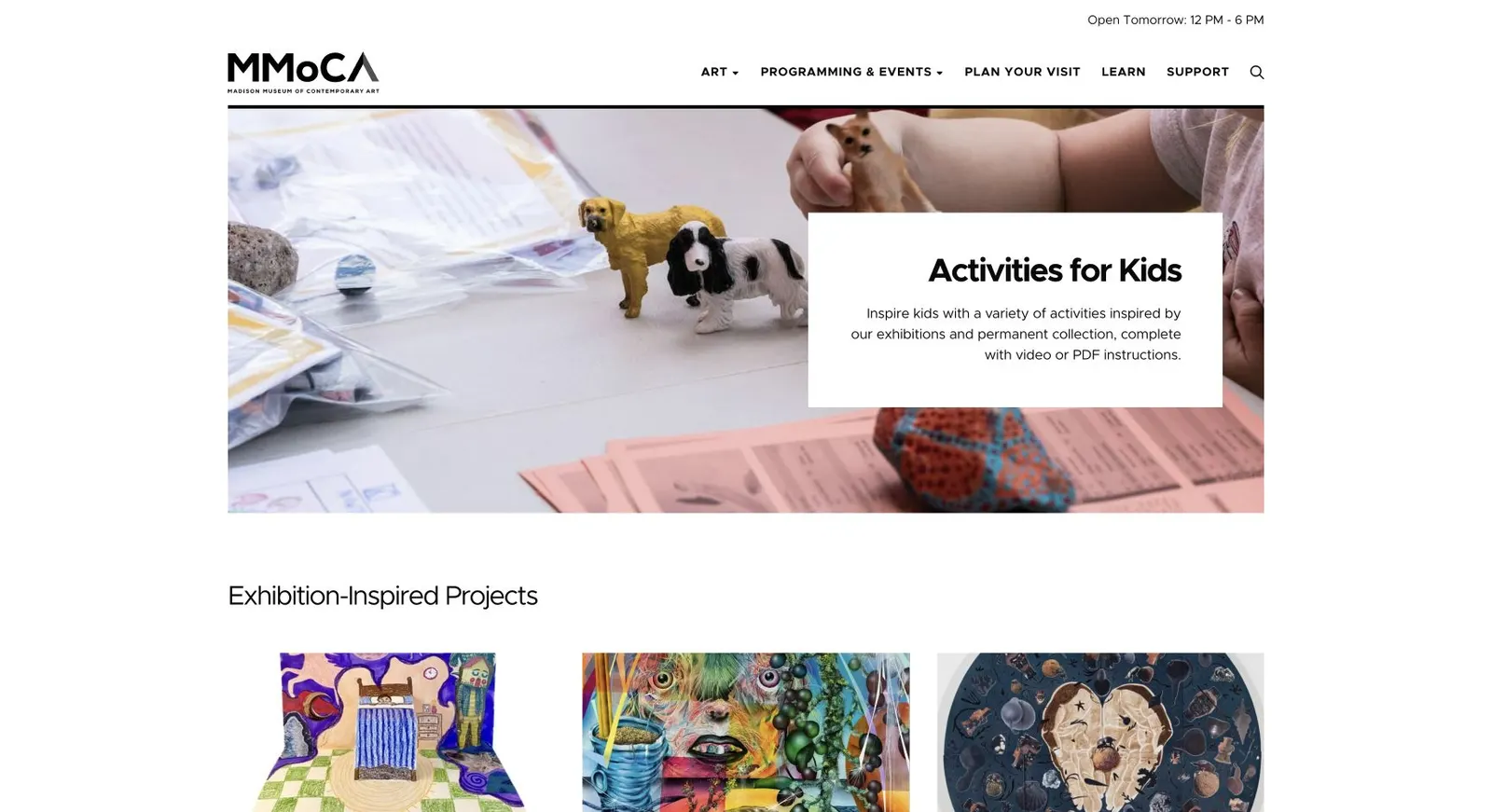
Weave a paper checkerboard with kids
Place two wide strips across a slotted sheet of paper. Start the first strip over the first band and the second strip under it. Ask your child to look at the squares where the strips cross and predict how the next row should start. The repeating pattern gives you a way to spot a skipped step together.
Open guide →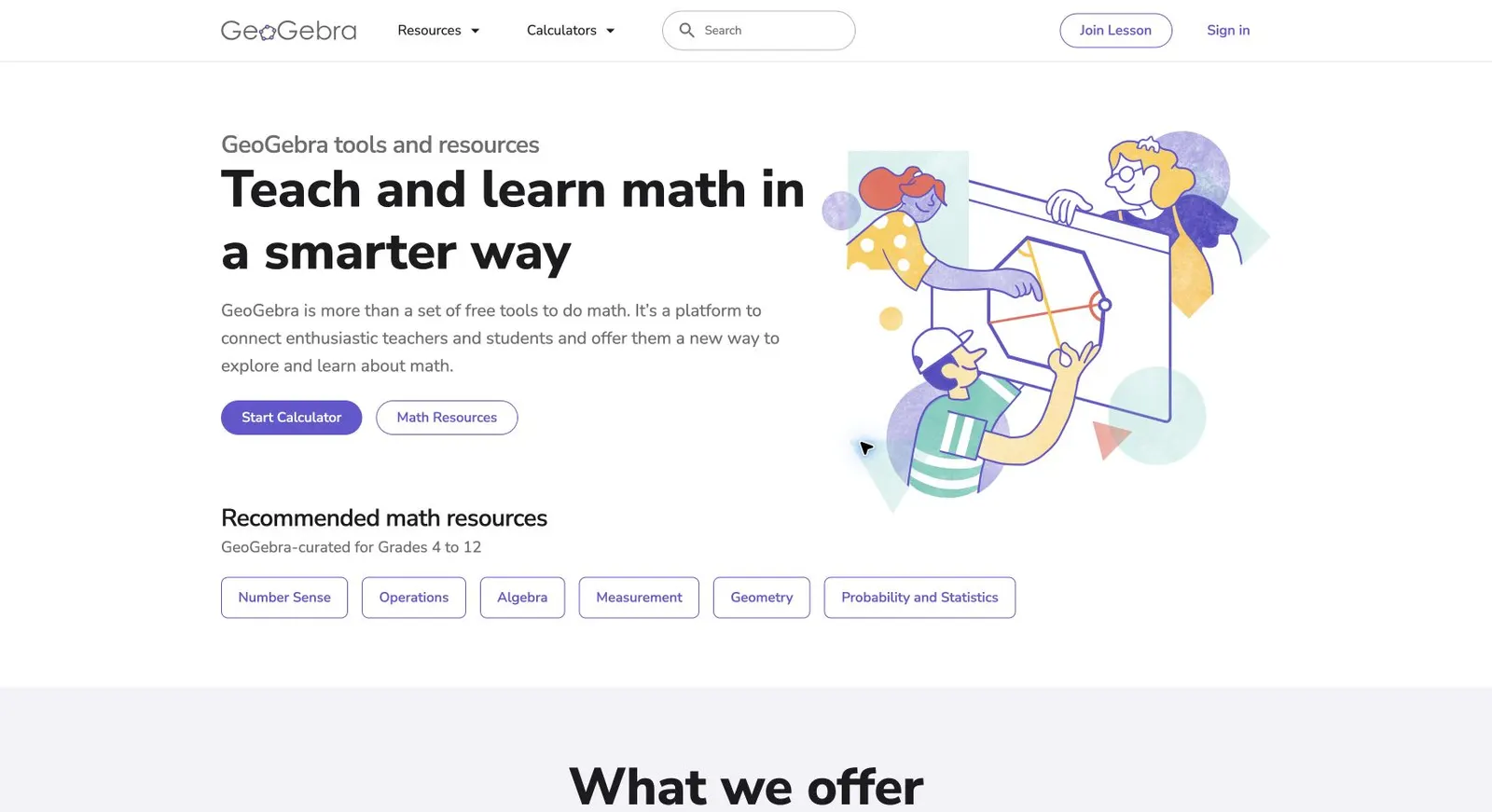
Play a coordinate grid treasure hunt
Draw a grid, hide a treasure at one intersection on your copy, and ask your child to name a guess as an ordered pair. A guess of (4, 2) means four units across and two up from the origin. Choose a spot where swapping the numbers changes the guess so your child can see why order matters.
Open guide →Turn a family survey into a bar graph
Let your child ask each person at home which of three games they would pick for game night. Give everyone one vote and keep a tally beside each choice. Then draw one bar per game and use its height to show how many votes it got. The graph gives your child two things to compare at a glance: which game got more votes and by how many.
Open guide →Find prime numbers with a hundreds chart
Circle 2 on a number grid, then cross out 4, 6, 8, and the other multiples of 2. Ask your child to find the smallest unmarked number greater than 2. It is 3, so circle it and cross out its larger multiples. Repeating this pattern turns “Is this number prime?” into something your child can test and explain.
Open guide →Test paper helicopter blades with kids
Fold a paper helicopter and drop it from hand height so your child can watch the blades begin to turn. Make a second copy with two shorter blades and ask which model will reach the floor first. A paper rotor makes the start of the spin visible and gives your child a design they can change and test again.
Open guide →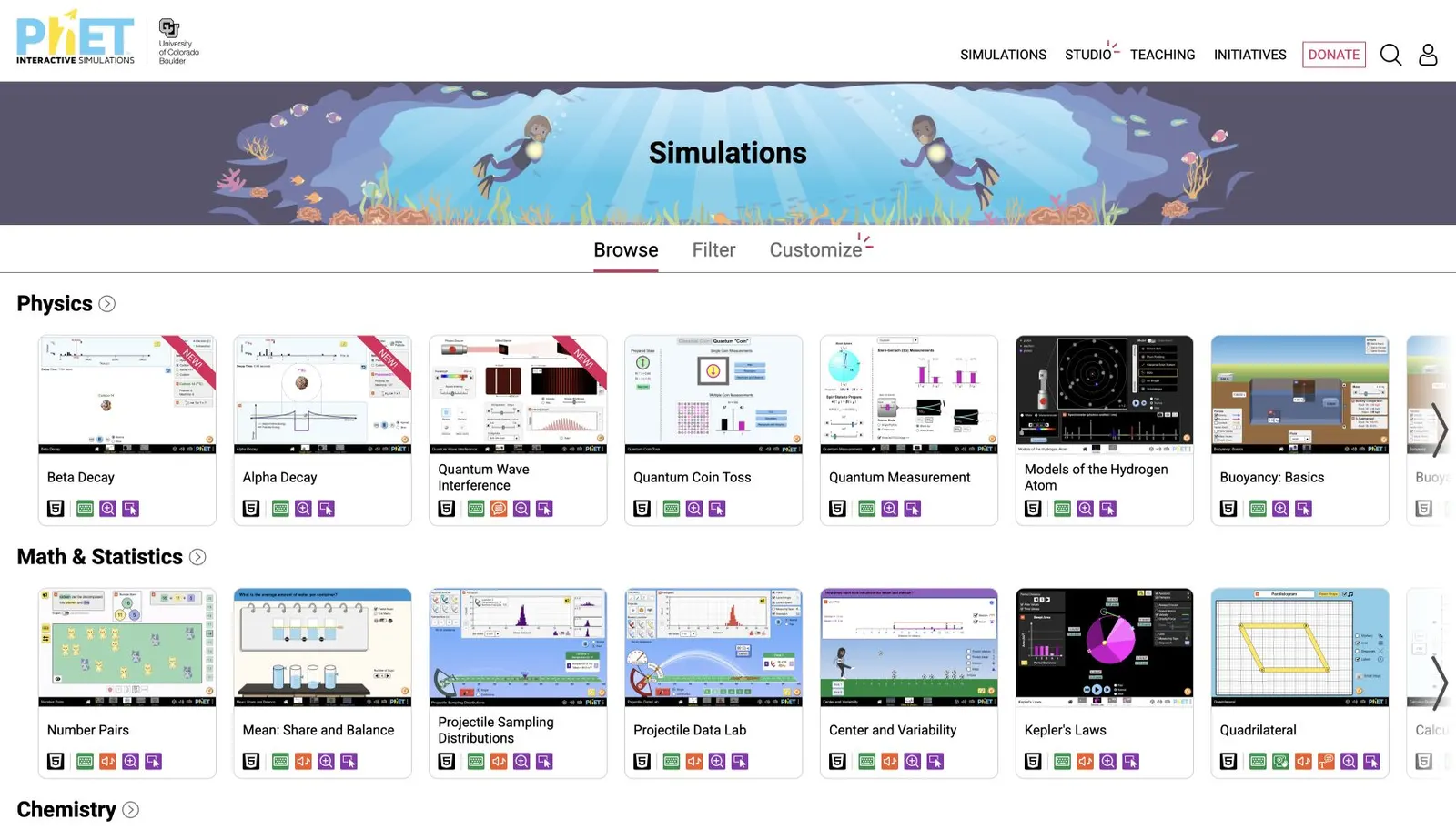
Roll a can with static electricity
Lay an empty drink can on its side and bring a balloon close without touching it. Try again after rubbing the balloon on a dry cloth. If the can rolls toward the balloon, ask your child what changed between the two trials and what they could do to check whether the table is level.
Open guide →Make a contour map from a paper hill
Build a small hill from four pieces of cardboard or thick paper that get smaller toward the top. Slide the middle pieces toward one side so the steps bunch together there. When you trace the layers from above, your child can match the crowded lines on the page to the short, steep side of the hill.
Open guide →Code a two-ending story in Scratch
Give a character a choice between following a path and opening a gate. Draw a box for the opening scene and two more boxes for the endings. Your child can connect the opening to each ending with an arrow, then make the corresponding scene appear in Scratch with a different key. The reader’s choice decides which ending runs.
Open guide →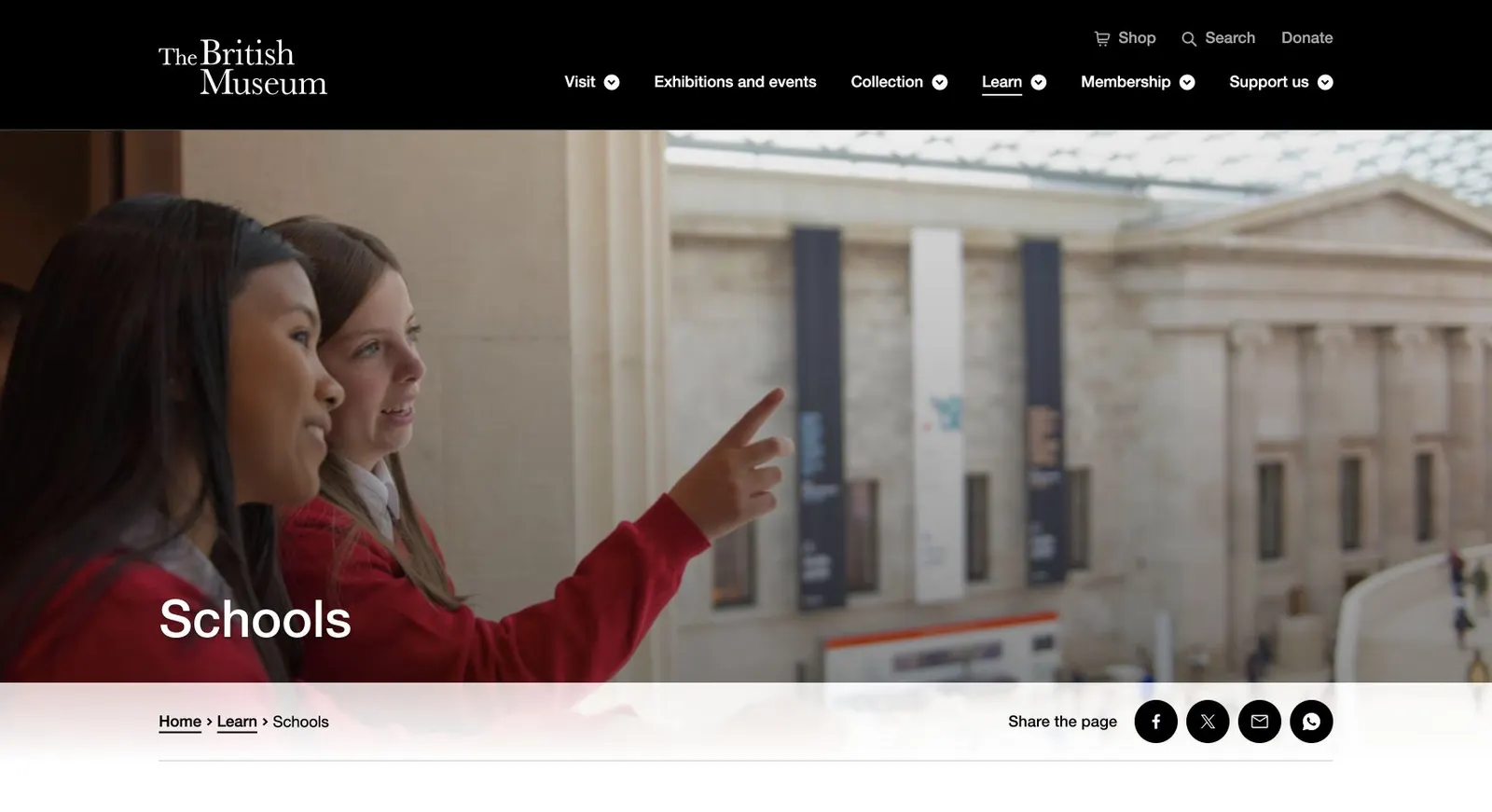
Explore Egyptian hieroglyphs on museum objects
Show your child a picture of the Rosetta Stone and ask them to point to where the marks change shape or spacing. Then compare it with a picture of an inscribed scarab. Your child can sketch one feature from each and ask why someone would write on objects of such different sizes.
Open guide →Make a three-note melody with kids
Play three notes in order from low to high. Ask your child to draw three dots that show the climb, then try the notes in reverse and draw the fall. Keep the spacing between beats steady so the experiment is about where the notes go. Your child can make a third pattern that uses one note twice.
Open guide →
Lay out a scale solar system with kids
Mark the Sun at one end of a long string and put Earth 10 centimeters away. Ask where your child expects Neptune to go before measuring. At this scale, Neptune is about 3 meters from the Sun. Laying down the markers makes the wide gaps in the outer solar system easier to see than on a page of evenly spaced planets.
Open guide →
Make a collage self-portrait with kids
Ask your child to choose a color, a shape, and one object that tells you something about them. A child who likes inventing stories might choose a paper door that opens into a drawing. Use those choices to build a collage around a simple face or silhouette. Before gluing, let your child move the pieces and explain which one they want you to notice first.
Open guide →Tile a page with tessellating shapes
Put four paper squares around a point and ask your child to keep building outward. Can the pattern cover the table without gaps or overlaps? Then try the same question with equal-sized equilateral triangles. Your child is investigating a tessellation: a tiling that can keep extending. The aim is to explain how pieces fit, rather than finish a decorative pattern as quickly as possible.
Open guide →Regroup tens and ones with kids
Ask your child to show 34 with three bundles of ten paper marks and four single marks. Then trade one bundle for ten singles. There are now two tens and fourteen ones, but still 34 altogether. Seeing the quantity stay the same during an exchange gives your child something concrete to refer to when written addition or subtraction later involves regrouping.
Open guide →
Make a yes-no leaf identification key
Choose four noticeably different leaf photographs and label them A to D. Ask your child to write a question that divides the pictures into two groups, such as “Does the edge have lobes?” Repeat with a second feature until every picture has its own path. A family member can then identify a hidden picture by answering the questions instead of seeing its label.
Open guide →Sort rocks by how they formed
Put pictures of a labeled granite, sandstone, and gneiss specimen side by side. Invite your child to sketch the grains, layers, or bands they can see before reading the labels. Then connect each specimen to the process that formed it. The useful question is not simply “What color is this rock?” but “Which clues support an explanation of how it came to be?”
Open guide →Model day and night with a spinning globe
Place a removable marker on a globe and shine a flashlight toward it. Slowly rotate the globe while keeping the flashlight still. Ask your child to watch only the marked location: when is it in the light, at the edge, or facing away? Following one place through the turn makes the cause of day and night easier to explain than watching the whole globe at once.
Open guide →Reverse an arrow with a glass of water
Draw a thick arrow pointing to the right and stand it behind a clear round drinking glass. Look through the empty glass, then add water and slowly adjust the distance between the paper and the glass. At some positions the arrow appears to point left. Your child can investigate the change by moving the drawing while the glass and their viewing position stay still.
Open guide →
Write dialogue for a three-panel comic
Draw three boxes for a tiny scene: someone asks for help, a second character misunderstands, and the misunderstanding gets resolved. Invite your child to act out the conversation before writing any words. Then put only the lines the reader needs into speech bubbles. A short comic gives a hesitant writer a complete story to revise without filling a whole page with prose.
Open guide →Encode and crack a Caesar cipher
Write the alphabet twice, shifting the second row three places so A sits above D. Ask your child to encode CAT by finding each letter in the top row and reading its partner below. CAT becomes FDW. Swap a short message, decode it by reversing the lookup, and see whether someone who knows the rule but not the shift can work it out.
Open guide →
Separate marker inks with paper chromatography
Two black marker lines can look alike on dry paper and make different colored trails when water travels through them. Invite your child to predict whether two pens will produce the same pattern, then test them on separate strips. A result with only one visible color is still worth recording: the investigation is about what your particular inks do in water, not producing a guaranteed rainbow.
Open guide →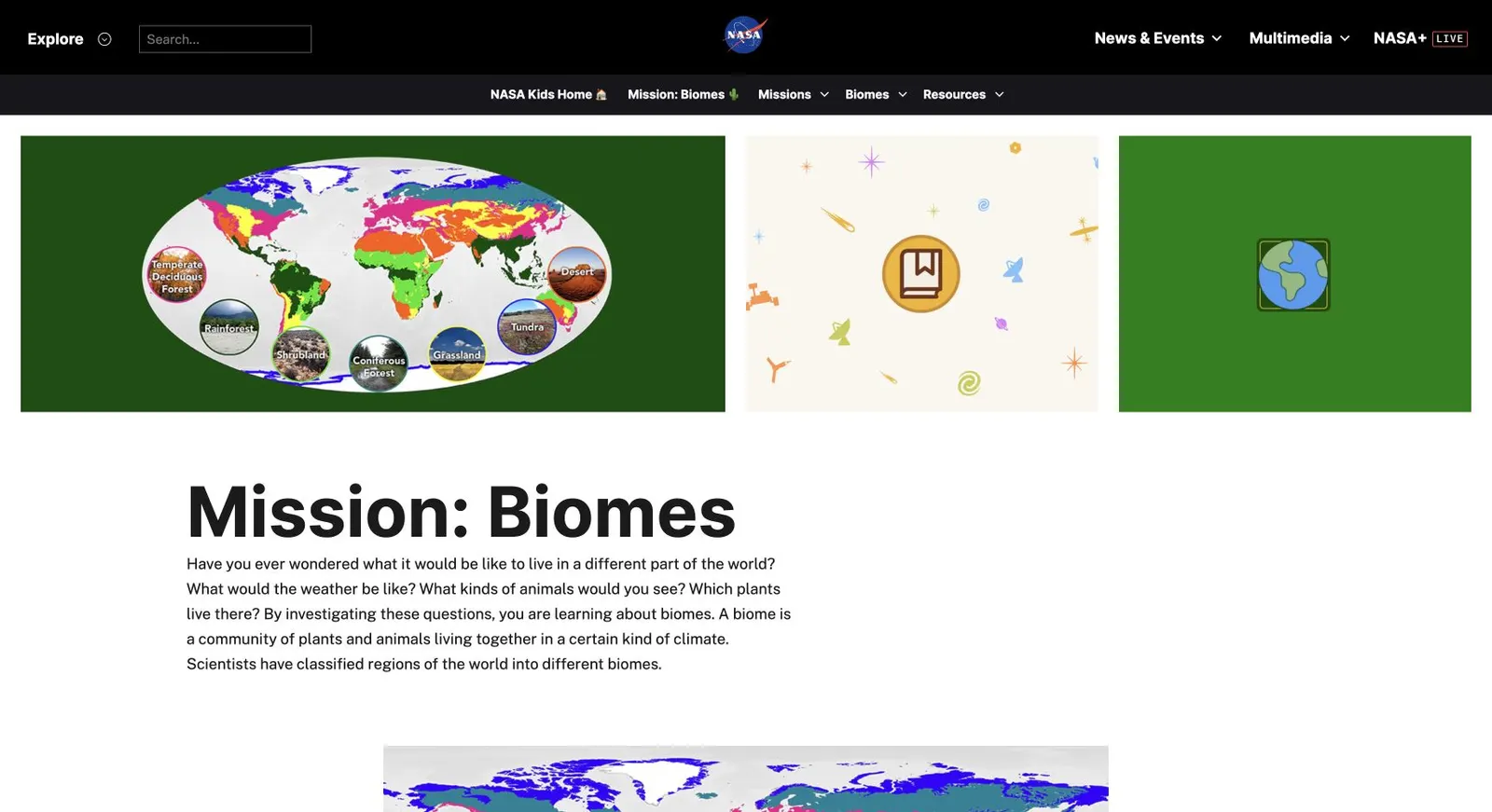
Match climate graphs to biomes with kids
Show your child a year of monthly temperature and precipitation graphs and ask what kind of place could support that pattern. Is it warm all year? Is there a long dry period? Pick two possible biomes and require one clue from each graph before making a choice. This turns a biome label into an explanation based on a pattern across months rather than a guess from one animal picture.
Open guide →Compare decimals with a hundred square
A child may think 0.35 is larger than 0.4 because 35 is larger than 4. Two equal hundred squares give you a way to investigate that claim together. Shade four complete columns on one grid and thirty-five small squares on the other. The task is to connect each written decimal to an amount of the same whole, then explain which amount is larger.
Open guide →Solve a missing number with a balance model
Write a box plus three equals eight, and ask what the box could hold. Instead of treating the equals sign as an instruction to announce an answer, build two amounts that have the same value. Removing three from both sides leaves the unknown on one side and five on the other. This small example gives your child a reason for the steps used to solve an equation.
Open guide →Recover salt from water by evaporation
When salt dissolves, its grains become hard to see. Ask your child whether that means the salt has vanished, then plan a way to collect evidence without tasting the mixture. A little salt solution left in a shallow dish can leave a visible deposit as water evaporates. Following the same dish over several days makes this an investigation of where materials go, rather than a race to grow the biggest crystal.
Open guide →
Test which wrapping keeps ice longer
A blanket keeps a person warm, so will a wrapping make ice melt faster or help it last longer? Invite your child to predict before trying two materials around matching ice containers. The learning goal is to compare heat entering the ice under similar conditions. A useful result includes a record of what you held constant, what changed, and what you would improve in another trial.
Open guide →Draw a square with a repeat loop
Four identical move-and-turn pairs can describe a square. Writing those pairs separately works, but placing one pair inside a repeat-four loop makes the repeated structure visible. Work with your child to predict the path before running it. The goal is to explain what repeats and how often, then use the result to find a specific error when the sprite does something unexpected.
Open guide →
Plan a family oral history interview
Invite your child to learn about an ordinary day in someone else’s childhood: a game they played, a journey to school, or a family meal. A short interview can make the past feel specific without asking a relative to tell an entire life story. Planning questions together also gives the child a purpose for listening carefully and a reason to distinguish someone’s memory from a fact checked elsewhere.
Open guide →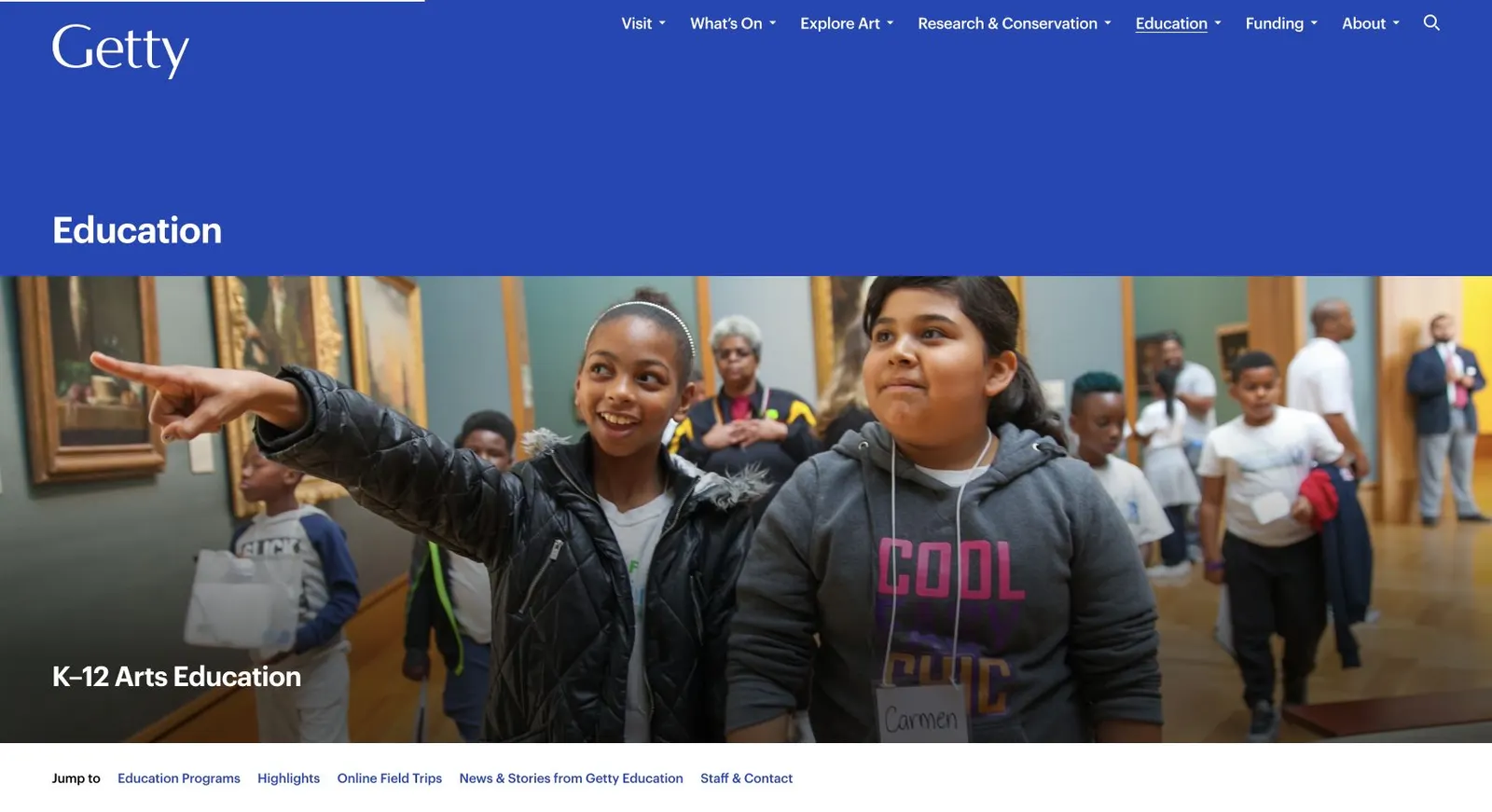
Show depth with overlapping shapes
Place two paper tree shapes side by side, then slide one in front of the other. The paper is still flat, but the picture can suggest which tree is nearer. Explore that change with your child before introducing foreground, middle ground, and background. This activity focuses on arranging space so another viewer can follow the scene, rather than copying a finished landscape or mastering a formal perspective system.
Open guide →Compare instrument sounds with the same melody
The same notes can sound very different on a piano and a bowed string instrument. Help your child investigate that difference by keeping a short melody unchanged while switching the sound that plays it. Instead of naming a favorite immediately, listen for how each sound begins, continues, and fades. You are exploring timbre: the sound quality that helps distinguish instruments even when pitch and rhythm are similar.
Open guide →Model three types of plate boundary
Two pieces of card can move apart, move together, or slide past each other. Ask your child to describe those motions before naming divergent, convergent, and transform boundaries. The model gives you a way to read arrows on a tectonic map together. Its purpose is to represent relative movement at an edge, not to make a miniature Earth that reproduces earthquakes or explains every mountain.
Open guide →Test camouflage with paper moths
Scatter equal numbers of light and dark paper moths on one background and invite your child to spot a few. Then try the same task on a different background. Which were noticed first, and did that change? A simple search game makes camouflage a question about an organism in a particular environment. It also opens a careful discussion of why changing environments can favor existing variations in a population.
Open guide →Explain multiplication with dot arrays
Knowing that three times four is twelve is useful; seeing where those twelve come from makes the fact easier to explain. Invite your child to arrange twelve paper counters into equal rows and describe the arrangement before writing any symbols. The aim is to connect a multiplication statement with groups you can point to, then use the same picture to check a second statement.
Open guide →Share counters and interpret division remainders
Thirteen objects shared among four people leave a decision as well as a calculation. Does the spare object stay aside, get divided, or mean that another container is needed? Work through a few small stories with your child so that the remainder describes something real. The goal is to explain an equal share and account for every object before choosing how to report the answer.
Open guide →Test how pendulum length changes swing time
A playground swing suggests a question you can investigate without building a swinging weight at home: does a longer pendulum take more time to return to its starting point? A simulation lets your child compare lengths while keeping other settings steady. Count complete back-and-forth movements together, then use repeated timings to decide whether the pattern is stronger than the small differences caused by starting and stopping a timer.
Open guide →Watch water travel through a paper towel
A paper towel cleans up a spill, but can it carry water over the rim of a cup? Invite your child to draw a prediction before placing a folded towel between a cup of water and an empty cup. Watch the boundary between dry and wet paper move. This activity focuses on the path of the water, with color used only to make that movement easier to observe.
Open guide →Compare impact craters from different drop heights
The Moon’s circular marks raise a testable modeling question: does dropping the same object from a greater height change the mark it leaves? Help your child compare a few controlled drops and measure the resulting depressions. The point is to connect an observation with a changed condition, while remembering that a kitchen-scale model does not reproduce the speeds, heat, or materials of a real space impact.
Open guide →Find a hidden card with binary search
How can you find one number without turning over every card? Write a set of numbers in ascending order, hide their faces, and let your child investigate which position is most informative to check. The challenge is to use the ordering to rule out part of the row. Comparing two search methods makes the value of an algorithm visible without typing any code.
Open guide →Compare two tellings of a fairy tale
A familiar tale can feel quite different when a storyteller changes the setting, the helper, or the ending. Choose two versions your child is comfortable hearing and investigate one change closely. Instead of asking which book is better, ask what each telling leads the reader to notice. Keep both books nearby so that a remembered impression can be checked against a particular picture or passage.
Open guide →Write and test instructions for a paper fold
Instructions that seem obvious to their writer may leave a new reader unsure where to start. Let your child make a simple paper fold, then explain the process to an adult who has not seen the finished example. Treat the reader’s questions as useful information. The writing goal is to revise a procedure so another person can use it, rather than to produce the longest list of steps.
Open guide →Draw the negative spaces between objects
When a child draws a cup, they may draw the cup they remember rather than the shapes in front of them. Try shifting attention to the space inside its handle and the gaps beside it. Those spaces have edges and proportions too. This short looking exercise gives your child another way to check a drawing without judging it by how realistic the whole object appears.
Open guide →Compare old and new maps of one place
A road missing from an old map might be new, or it might simply fall outside what that map was designed to show. Help your child compare two dated maps of one place by first asking what each map records. Looking for stable landmarks, reading both keys, and keeping uncertainties visible makes this a historical enquiry rather than a hunt for differences between two pictures.
Open guide →Estimate and measure angles with a protractor
Two long lines can make a small angle, and two short lines can make a large one. Help your child focus on the opening between the lines before reading any numbers. Estimating first gives the eventual measurement a meaning: a result above ninety degrees should make sense for an opening wider than a square corner. The goal is a justified measurement rather than a quick guess.
Open guide →Scale a recipe with a ratio table
Doubling the number of portions means more than adding two spoonfuls to every ingredient. A ratio table helps your child see which quantities must change together and by what factor. Start as a paper planning problem with a familiar recipe, so cooking skills and awkward measurements do not distract from the mathematics. You can check the plan together before deciding whether to make anything.
Open guide →Compare mean and median with counter stacks
An average can mean more than one thing. Use five small counter stacks to show your child the difference between sharing a total equally and finding the middle value in an ordered list. Then change one stack and ask which summary moved. This gives the calculation a purpose: choosing a number to describe a group requires thinking about what that number represents.
Open guide →Compare ramp surfaces with a sliding block
A ramp that looks steep enough may still hold a block in place. Explore that puzzle by changing the surface beneath the same object while keeping the ramp’s height fixed. Your child can predict, release, record, and repeat before choosing an explanation. The useful result is evidence about particular pairs of surfaces, rather than a rule that every rough-looking material behaves the same way.
Open guide →
Investigate droplets outside a cold cup
When the outside of a cold drink becomes wet, it is tempting to think water has passed through the container. Set up a comparison that helps your child question that explanation. Dry the outsides of two matching cups, change the temperature of the water inside, and watch the same spots over time. The activity focuses on the origin of the droplets rather than drawing a whole water-cycle diagram.
Open guide →Test whether stirring speeds up dissolving
A child may say that stirring makes sugar disappear. Turn that everyday description into a question you can investigate: does the same small quantity become invisible sooner when one cup is stirred? Keeping water temperature, sugar quantity, and grain size the same helps isolate the action of stirring. This is a comparison of dissolving speed, with no tasting needed to decide what happened.
Open guide →Encode a pixel picture with run lengths
Can someone recreate a picture without seeing it? Draw a small black-and-white grid and send only the lengths of its color runs. Your child can test whether the receiver reconstructs exactly the same cells, then compare a stripe with a checkerboard. This introduces image representation and compression through an agreed format, rather than treating a secret code or binary number as a picture.
Open guide →Write a shape poem from observed details
A shape poem gives a child two connected decisions: what the words say and how the words sit on the page. Begin with a familiar object and a few precise observations before drawing an outline. That order helps the shape serve an idea, rather than leaving a child struggling to fill a large picture with unrelated rhyming words. A short, considered poem is enough.
Open guide →
Infer an object’s use from museum evidence
An unfamiliar object invites an instant guess about what it was for. Help your child slow that guess down: what can they actually see, what does each feature suggest, and what would they need to check? Comparing an initial explanation with a museum record makes revision part of the enquiry. The aim is a supported account of one object, rather than a story about an entire culture based on its appearance.
Open guide →
Mix and record secondary paint colors
A printed color wheel can suggest what might happen, but your child’s own paints provide the evidence. Make a small chart of paired mixtures, keeping the starting colors visible and noting roughly how much of each went into the mix. Unexpected dull or uneven colors can become questions about materials and proportions, rather than proof that the child mixed incorrectly.
Open guide →
Predict and fold cube nets
Six joined squares can look convincing on paper and still fail to close into a cube. Give your child a chance to predict what each face will do before testing the folds. Labeling the squares makes a surprising overlap easier to explain. This activity connects a flat drawing with a three-dimensional object, with success measured by the explanation as well as the finished box.
Open guide →Order negative numbers on a number line
A child who knows that eight is greater than three may reasonably wonder why negative eight is smaller than negative three. A number line gives the comparison a visible reference point. Begin with location and order, then discuss distance from zero separately. Keeping those questions apart helps prevent a bigger written digit from becoming the only rule your child uses.
Open guide →List every outfit with a choice tree
How can you know that a list contains every possible outfit? Let your child combine a small set of paper shirts and trousers, then organize the pairs so omissions become visible. The important step is accounting for every choice once. A branching tree gives a reason for the total and a way to adapt when one pairing is ruled out.
Open guide →Explain seasons with a fixed tilted axis
Moving Earth closer to a pretend Sun can seem like an obvious way to explain summer. Instead, help your child track a tilted axis as Earth moves around its orbit. Comparing the two hemispheres at the same moment makes the explanation more demanding and more useful. This session models a yearly pattern, building on the separate idea of daily rotation without trying to reproduce real temperatures.
Open guide →Explain airflow with a bottle lung model
A balloon inside a bottle can inflate without anyone blowing into its straw. Ask your child to predict what changing the space around the balloon will do, then observe a prepared model. The useful outcome is an explanation of airflow and a clear account of the model’s limits. It represents part of ventilation, while leaving out much of what living lungs and the rest of the body do.
Open guide →
Compare oil and water at equal volumes
A layer of cooking oil above water offers two questions that are easy to blend together: why do the liquids stay separate, and why is one on top? Comparing equal volumes gives your child evidence about density, while observing the boundary raises the different issue of mixing. A careful two-liquid investigation can be more informative than building a tall tower of many ingredients at once.
Open guide →Sort number cards through a comparison network
Putting four numbers in order is familiar; doing it through the same fixed comparisons every time reveals a different problem. Your child must follow the network rather than move a card directly to where it belongs. Tracking each stage makes the procedure visible and lets you discuss which comparisons could happen together. The goal is to explain a working process, not to win a timed sorting race.
Open guide →Write a persuasive letter with supported reasons
A request becomes more persuasive when a reader can understand what is being asked, why it matters, and what acting on it would involve. Help your child choose one modest change, such as organizing a shared reading corner, and develop reasons that can be checked. Writing for a real reader gives revision a purpose while leaving room for the reader to disagree or propose another solution.
Open guide →Summarize a nonfiction section in your own words
A child can remember several interesting details and still miss what a section is mainly explaining. Summarizing asks them to choose what a new reader needs most, then express it accurately in fewer words. Work with a short, clearly bounded section so the task is manageable. Returning to the source is part of the process, rather than a sign that the first attempt was unsuccessful.
Open guide →Make and compare texture rubbings
A textured surface can leave a pattern through paper that looks quite different from the object itself. Invite your child to collect a few rubbing samples, describe the marks, and decide how they might suggest a material in a picture. Comparing samples keeps the task exploratory. There is no need to reproduce a finished museum artwork or make every rubbing look equally dark.
Open guide →Add unlike fractions with equal-sized bars
When a child adds the top and bottom numbers of two fractions, a picture can reveal what has gone wrong. Begin with two bars representing the same whole, then find a smaller piece that measures both shaded amounts. The goal is to explain the sum using equal pieces, rather than memorize a rule without knowing what its numbers describe. Keep the first example small enough to draw and discuss together.
Open guide →Count hidden cubes to measure a cuboid’s volume
A drawing of a block structure shows only some of its cubes. Children may count visible squares and mistake that for the number of blocks inside. Build a solid rectangular arrangement that can be taken apart, then use a complete layer to account for hidden cubes. This turns a volume formula into a counting strategy your child can explain, check, and use on a different arrangement.
Open guide →Sort number cards in an overlapping Venn diagram
Sorting by one rule is straightforward until an object belongs to two groups at once. An overlapping Venn diagram gives that shared membership a visible place. Use a small, fixed collection of number cards so your child can justify every placement and notice that the space outside the circles matters too. The useful outcome is a clear explanation of the rules, rather than a page of unexplained answers.
Open guide →Compare cabbage indicator colors in kitchen samples
A color change can make an invisible property easier to discuss, but it is also easy to claim more than the observation supports. Compare a few clearly labeled kitchen samples with cooled red cabbage indicator and a water reference. Invite your child to record the colors before deciding what they suggest. Keep this a supervised comparison with known ingredients, rather than a search for unknown household chemicals.
Open guide →Find a disappearing dot in your blind spot
A mark can remain on a card while briefly disappearing from what you see. This simple perception demonstration gives a parent and child a reason to distinguish the object on the page from the visual experience. Take turns describing what happens without telling the other person what they must notice. The activity depends on visual perception and will not suit every learner; watching a demonstration and discussing its account is another way to participate.
Open guide →Test parachute canopy size with the same payload
A parachute that looks impressive may twist, fail to open, or land too quickly to time reliably. Treat those outcomes as information about a design. Help your child compare two canopy sizes with the same small payload and a repeatable release, then decide what the observations actually support. The aim is a useful engineering comparison with recorded limitations, rather than declaring a winner after one dramatic drop.
Open guide →Infer how a story character changes from clues
A child may describe a character as nice or mean without explaining what led to that judgment. Read one story together and return to a few specific choices the character makes. Comparing the beginning and ending can show how a relationship or belief changes. Leave room for different interpretations, while asking each reader to connect an idea with something the story actually says or shows.
Open guide →
Build a personal glossary from reading
Copying a definition can leave a child unable to use the word when they meet it again. A small personal glossary starts with words that matter in something they are already reading. Each entry should explain the meaning in that context and help another reader recognize it. Begin with only a few words, leaving time to check an example and revise a definition that is too broad.
Open guide →Find a flipped card with row and column parity
A partner can find a changed card without memorizing the original picture if the grid contains useful checking information. This paper activity introduces error detection through even and odd counts. Let your child help build the checks before presenting it as a trick, so the explanation remains visible. After finding one change, investigate a limitation: a checking system only catches the kinds of errors its structure can reveal.
Open guide →
Compare time-zone offsets for the same moment
Two clocks can show different hours while describing the same moment. Help your child keep that idea separate from how long an event lasts. Begin with explicitly hypothetical UTC offsets and write the date alongside each clock reading. Using labeled practice zones avoids turning a changing city rule into a memorized fact, while still giving families a useful way to reason about a call across time zones.
Open guide →Compare sale prices after percentage discounts
A large discount label can distract a child from the amount that actually has to be paid. Use invented price tags to separate three quantities: the original price, the saving, and the final price. This is a calculation and explanation activity with no shopping required. The aim is to choose between two offers by showing the arithmetic, rather than trusting the biggest percentage on the tag.
Open guide →Read change over time from a line graph
A child may read the highest point of a graph correctly yet struggle to explain when the quantity changed most. Start with a tiny table and build the graph together so that every point has a meaning. Use a line to discuss change across time, including what was measured and what remains unknown between readings. The activity works with the invented data below before your family gathers observations of its own.
Open guide →Find the largest equal group for two collections
Two collections can often be packed into matching group sizes in several ways. The useful question is which shared size is largest without leaving anything over. Let your child rearrange small collections and record every successful size before naming the greatest common factor. This connects the vocabulary to a practical decision about grouping, with a complete list that explains why a larger answer will not work.
Open guide →Compare solar and lunar eclipse alignments
Solar and lunar eclipses are easy to confuse when a child remembers only that three objects line up. Make the order and the shadow explicit using a tabletop model, then explain which object receives less direct sunlight. This activity compares the two arrangements indoors. It does not require an upcoming eclipse, a view of the Sun, or specialist observing equipment, and it keeps the model’s limitations part of the explanation.
Open guide →
Observe pepper move after a soapy touch
Pepper moving across water can look like a magic trick, especially when soap touches the surface. Turn the surprise into an observation by comparing a plain touch with a soapy one and resetting the materials between trials. Your child can draw the direction and timing of the movement before discussing surface tension. Keep the explanation tied to what the setup actually shows, rather than treating pepper as a stand-in for living germs.
Open guide →Record variation in a ruler-drop catch
Catching a falling ruler produces a number quickly, but one number is not a complete picture of a person’s reactions. Repeat the same gentle setup and examine how the readings vary. This guide uses catch distance as an indirect clue under fixed conditions, with no conversion to seconds required. The useful outcome is an explanation of measurement variation and anticipation, not a competition or a judgment about someone’s abilities.
Open guide →Combine short sentences without changing the meaning
A string of short sentences can repeat the same words while leaving the relationship between ideas unclear. Invite your child to combine just two and compare several possible versions. The aim is a sentence that keeps the intended meaning and sounds clear, rather than the longest sentence possible. Speaking an option aloud before writing it makes the activity easier to join when handwriting or spelling would otherwise interrupt the discussion.
Open guide →Choose text features to find a nonfiction answer
Children sometimes read an information book from the beginning for every question, or spot a bold heading and stop before finding the answer. Practice choosing a feature that points toward the right information, then checking the surrounding words and images. A familiar book works well, with an online article as a second format. The goal is purposeful navigation followed by careful reading, rather than a scavenger hunt that only names page features.
Open guide →Connect every house with the lowest total road cost
A network can connect every house without building every possible road. Give your child a tiny map with fixed road costs and ask which roads are worth keeping when the goal is the lowest total construction cost. This is a whole-network puzzle, with no coding software required. A route between two houses may become longer while the complete network becomes cheaper, so agree on what is being optimized before solving it.
Open guide →Make repeat prints from one foam plate
Printing lets a child keep one design while changing how its impressions appear. Begin with a simple asymmetrical shape, make a reusable plate, and compare a few attempts rather than expecting a perfect first print. The interesting decisions concern which surfaces transfer color, what reverses, and which small change improves clarity. Plan adult preparation and material checks before beginning, and choose a ready-made stamp if making a plate is unsuitable.
Open guide →Round whole numbers by distance on a number line
Rounding becomes more meaningful when a child can show what the rounded number is close to. Start with a short number line and two neighboring tens, rather than a long list of digit rules. Your child will place a number, compare its distance from the endpoints, and explain the choice. This also gives parents a way to distinguish a place-value misunderstanding from a simple calculation slip.
Open guide →Find when two repeating schedules next coincide
Two repeating events can begin together and then happen separately for a while. A paper timeline helps a child find when they next coincide without trying random products. Use imaginary signal lights with fixed intervals so there is no real timetable to look up. The goal is to find the first shared time after the start and explain why an earlier answer cannot work.
Open guide →Arrange triangle corners into a straight angle
A child may know how to measure an angle yet still wonder why three triangle angles belong together. Use a paper triangle to gather its corners at one point and look for a straight angle. The parent role is to protect the original corners and ask what the arrangement suggests. A hands-on fit provides evidence to discuss, while the mathematical explanation needs more than one successful paper example.
Open guide →Compare dye spreading in cool and warm water
A drop of color can make otherwise invisible movement in water easier to discuss. Compare cool and comfortably warm water, record what the color actually does, and resist naming every moving plume diffusion. This is a small observation exercise with an important limit: water currents and the drop's own motion can spread color too. A parent can help a child keep those observations separate from the explanation offered by a particle model.
Open guide →Compare materials in the same virtual circuit
Once a child can complete a circuit, the next useful question is what happens when one connecting part changes. A virtual test lets you compare modeled objects while keeping the battery, bulb, and remaining wires the same. This guide emphasizes the evidence from a controlled comparison rather than simply getting a lamp to light. The investigation stays on screen and does not require testing household electrical equipment.
Open guide →Keep paper dry underwater with trapped air
An apparently empty cup already contains air. A small piece of paper can help a child investigate what happens to that air when the cup goes underwater. Compare a straight descent with a tilted one and look for both bubbles and water entering. This gives parents a concrete way to discuss an invisible gas without suggesting that the paper itself has become waterproof or that a dry result is guaranteed.
Open guide →
Trace pronouns and repair an unclear reference
A child can read every word correctly and still lose track of who is doing what. Short words such as it, they, and she ask the reader to connect one sentence with another. Work with a tiny invented paragraph so you can discuss those connections without adding unfamiliar subject knowledge. The aim is to justify a reference when the text supports it and to recognize ambiguity when it does not.
Open guide →Retell one invented event from two narrators
Two people can describe the same event differently without either account changing the basic sequence. Invite your child to invent one small scene, then tell it twice through participants with different positions and knowledge. This is a writing exercise about viewpoint, not a test of which person is morally right. Parents can help by keeping a few shared facts visible while allowing voice, attention, and interpretation to change.
Open guide →Keep a click score with a Scratch variable
A score lets a program remember something that happened earlier. Build a small click counter so your child can watch that stored value change one step at a time. The useful question is not how quickly anyone can click, but what number should be stored after a particular sequence. Parents can make the reasoning visible by pairing each on-screen test with a short paper record.
Open guide →Build a paper sculpture and compare its views
A sculpture can reveal a different outline or opening when you move around it. Use a few paper strips to make a small three-dimensional form, then inspect it from several positions before adding decoration. Parents can help a child discuss the parts that overlap, disappear, or open up. The goal is to make and revise a form that is interesting from more than one view, rather than reproduce a museum artwork exactly.
Open guide →