Compare solar and lunar eclipse alignments
Solar and lunar eclipses are easy to confuse when a child remembers only that three objects line up. Make the order and the shadow explicit using a tabletop model, then explain which object receives less direct sunlight. This activity compares the two arrangements indoors. It does not require an upcoming eclipse, a view of the Sun, or specialist observing equipment, and it keeps the model’s limitations part of the explanation.
Why these resources fit
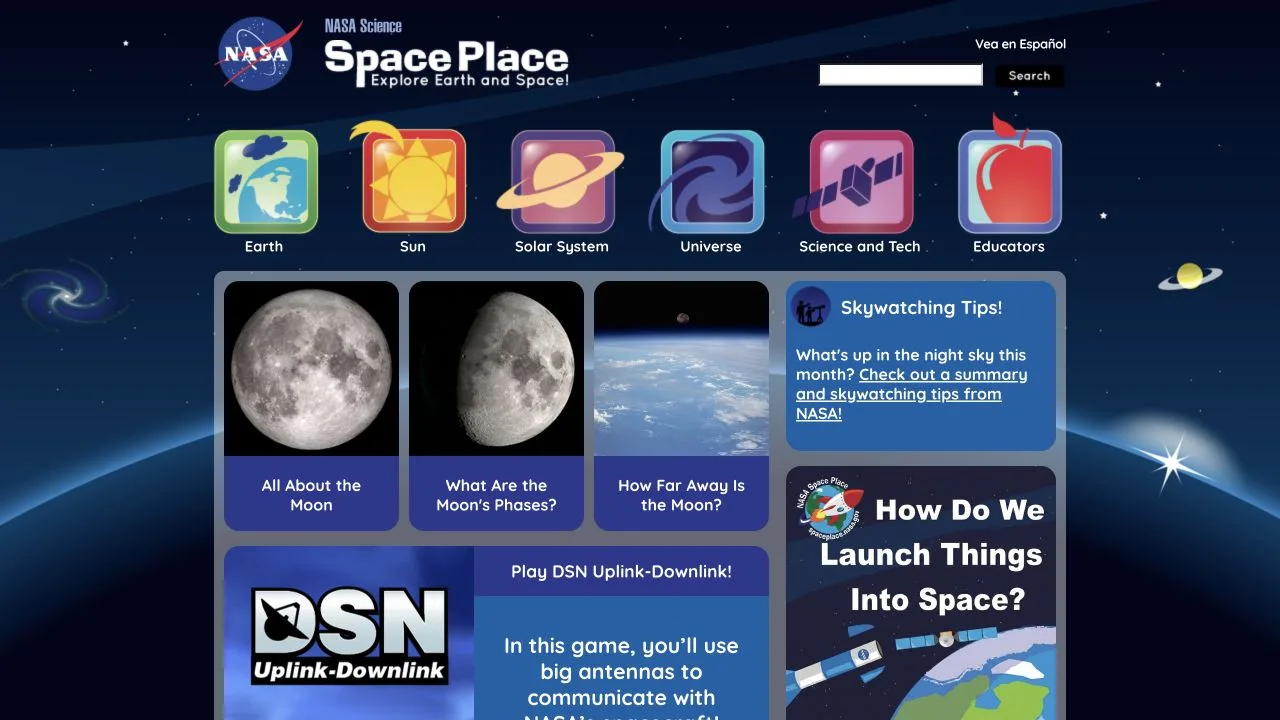
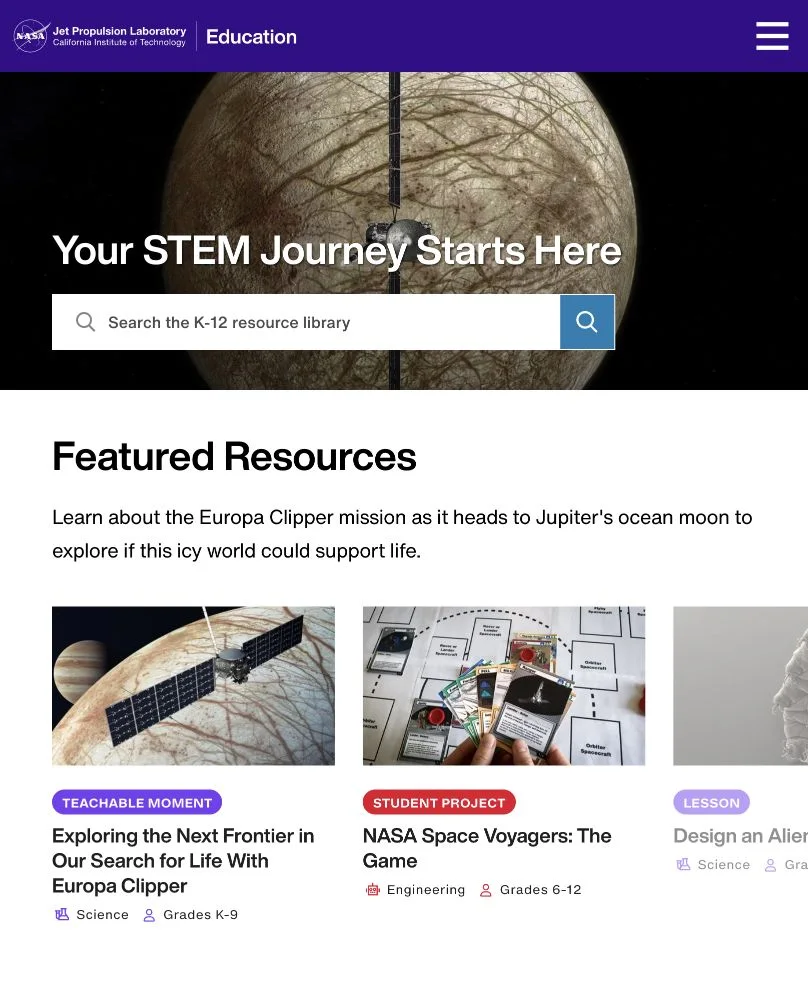
NASA Space Place compares solar and lunar eclipses and explains why the Moon’s tilted orbit prevents an eclipse every month. JPL Education’s Model a Solar Eclipse explores apparent alignment using a large Sun representation and a smaller Moon model. Choose Space Place for the two shadow arrangements; use JPL as a separate perspective activity if your child wants to explore how a model Moon can cover a model Sun. Our indoor shadow comparison is deliberately simplified and does not reproduce the real sizes or distances.
Resources worth comparing
Make the shortlist fit your family.
This guide draws on directory reviews. Age fit, costs, sign-in, advertising, privacy, and accessibility are unconfirmed for individual activities. Check the provider’s current information and preview the activity with your child’s device.