Best reading practice for ages 5-7
A focused guide to phonics, decodable reading, stories, vocabulary, and comprehension practice for young readers.
Choose for the child, not just the label.
Children learning to read need both structured practice and reasons to want to read. We look for clear progression, manageable sessions, and content that leaves room for enjoyment.
Resources worth comparing
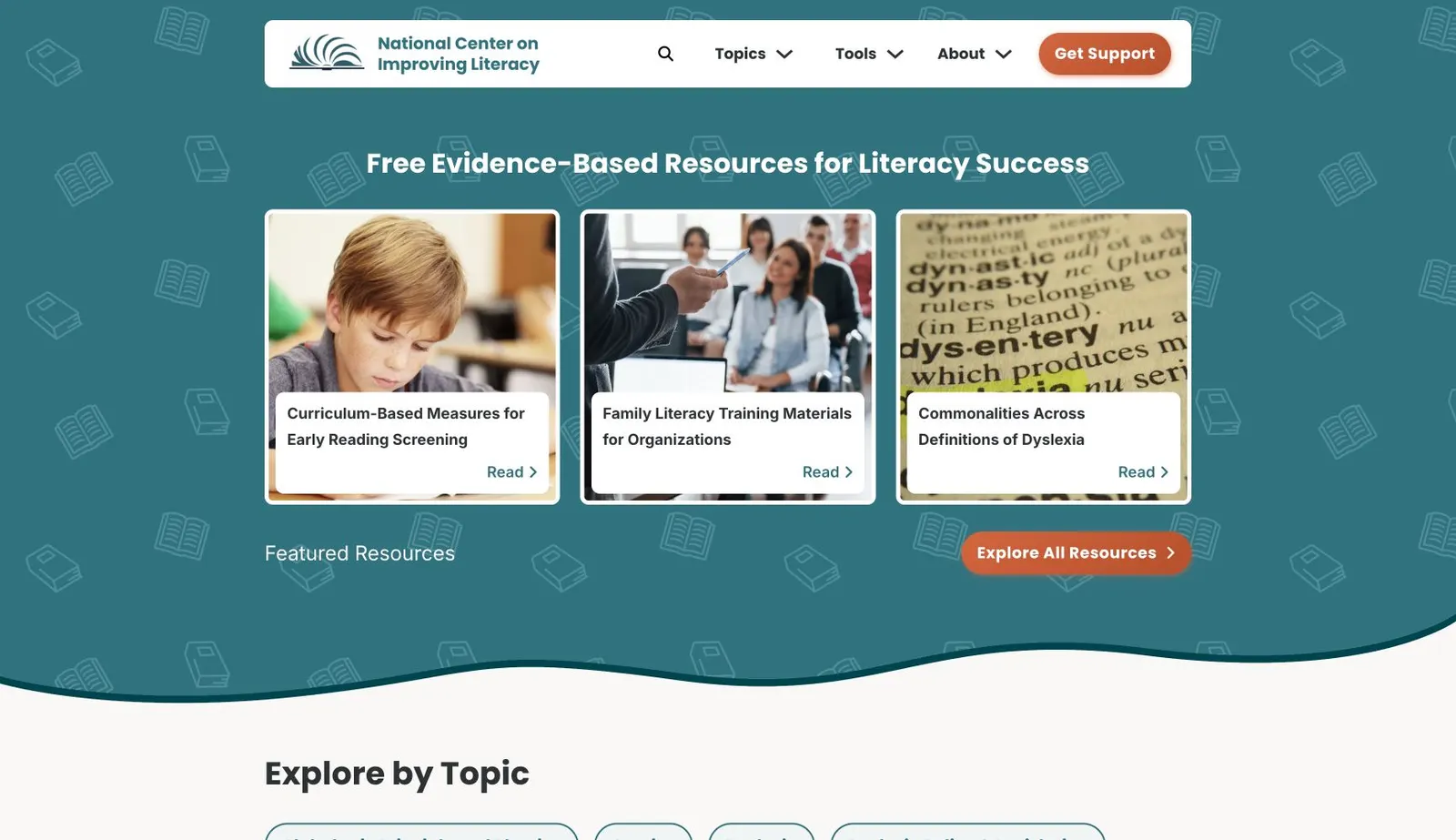
National Center on Improving Literacy
Free evidence-based literacy resources for families and educators covering phonics, dyslexia, fluency, comprehension, and learning to read and write. It is listed under Reading, Parent & educator, and Language for ages 4–18. Children and families can use it through a website and downloadable resources.
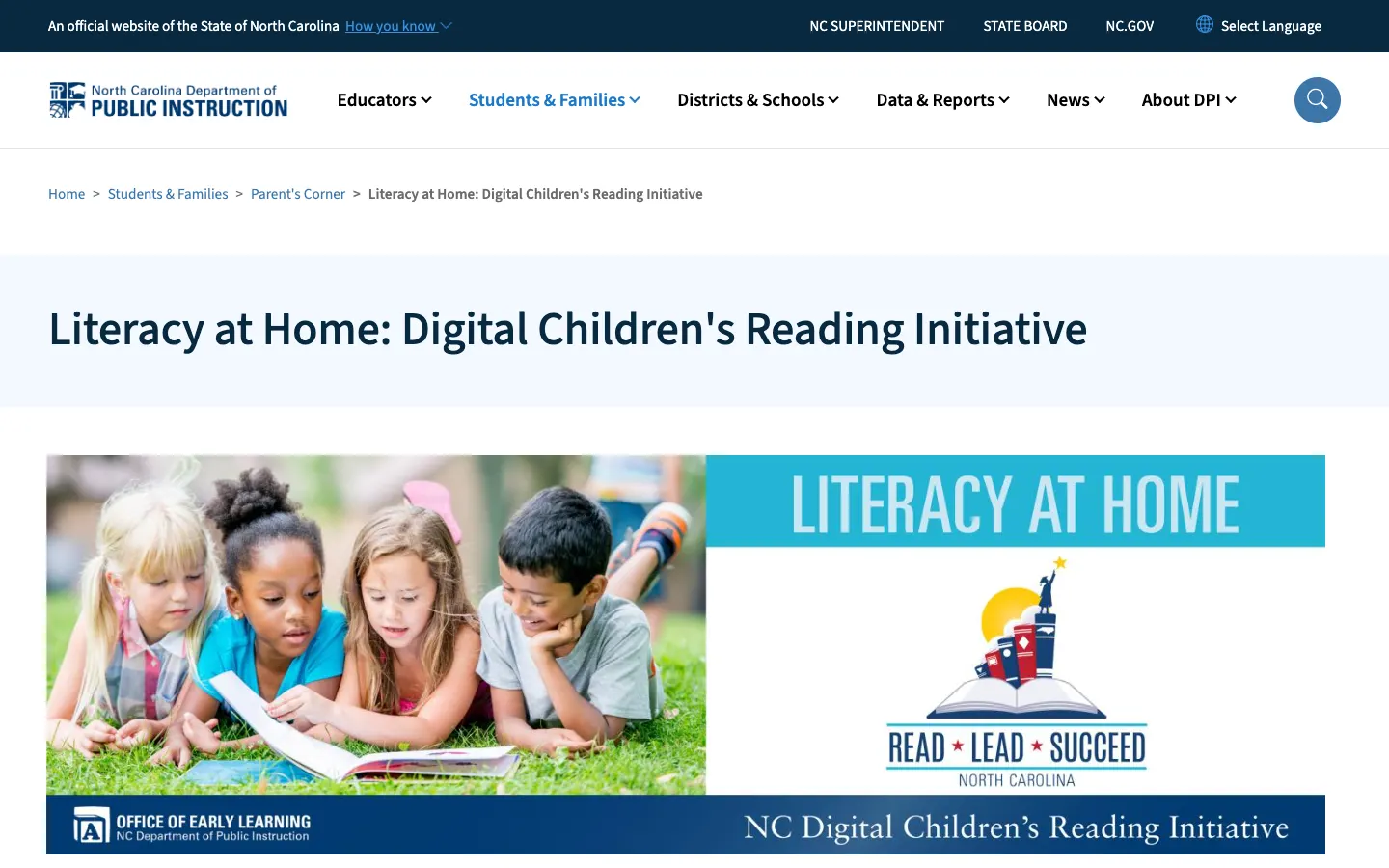
NC Literacy at Home
North Carolina’s Department of Public Instruction Literacy at Home hub provides grade-level family activities from pre-kindergarten through fifth grade covering phonemic awareness, phonics, fluency, vocabulary, comprehension, and oral language. It is listed under Reading and Early learning for ages 3–11.
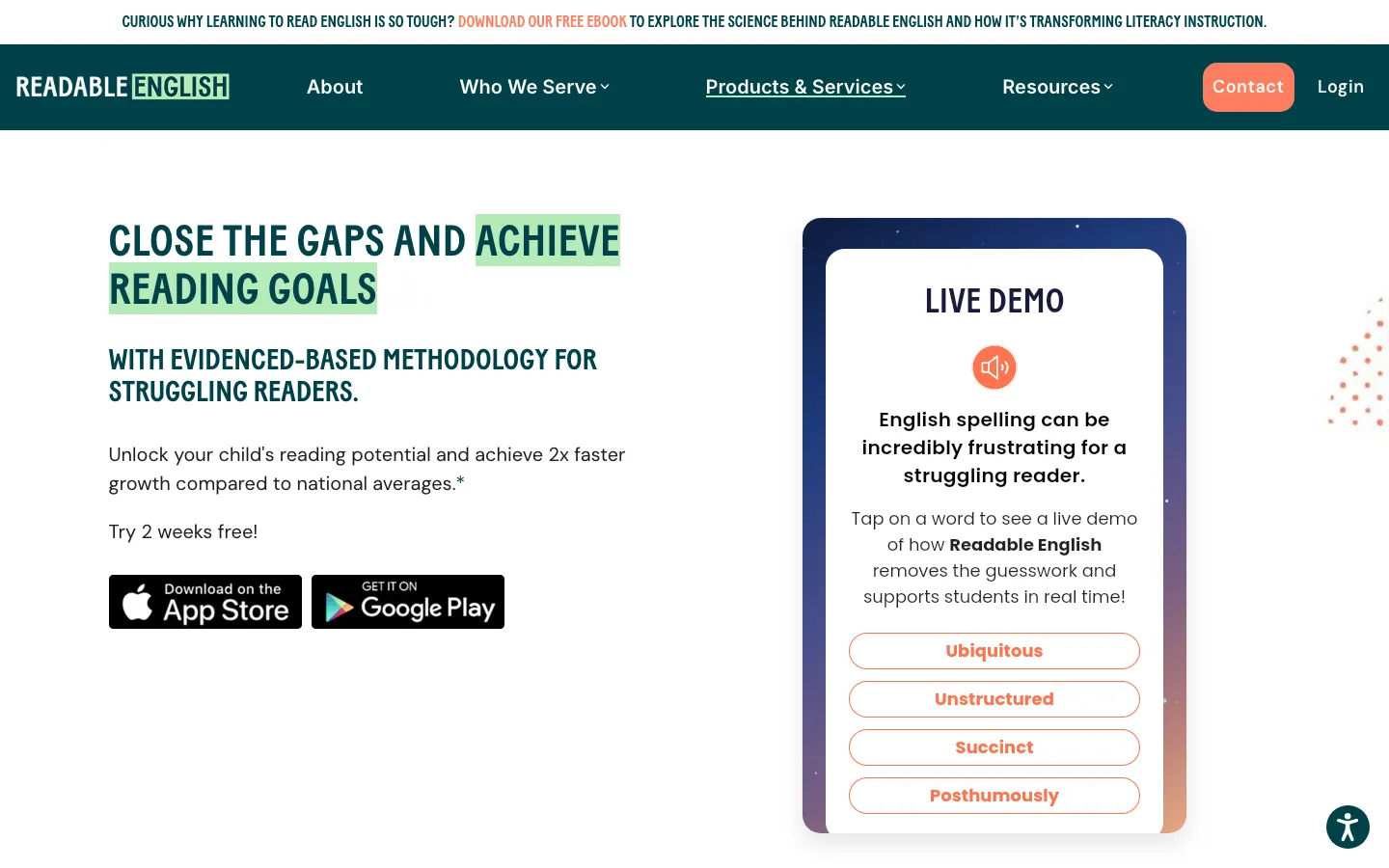
Readable English App
Readable English is a structured literacy app combining explicit phonics, reading practice, interactive literacy games, and targeted work on decoding, fluency, vocabulary, and comprehension for developing and struggling readers. It is listed under Reading and Languages for ages Late elementary through high school; also supports adult learners.
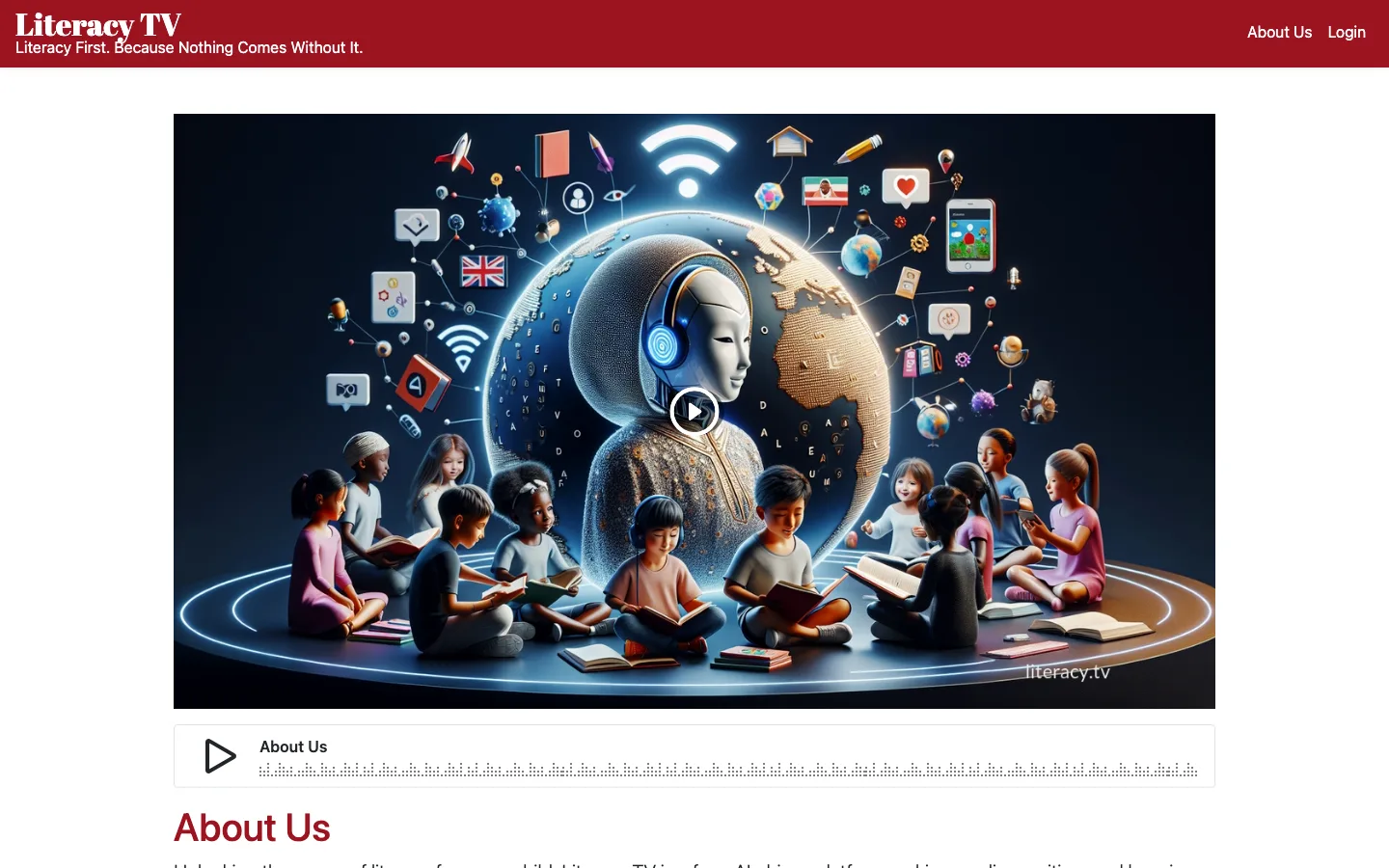
Literacy TV
A free global learning platform presenting reading, writing, comprehension, phonics, vocabulary, and interactive story-based lessons with multilingual support. It is listed under Reading and Family learning for ages 5–18. Children and families can use it through a website.
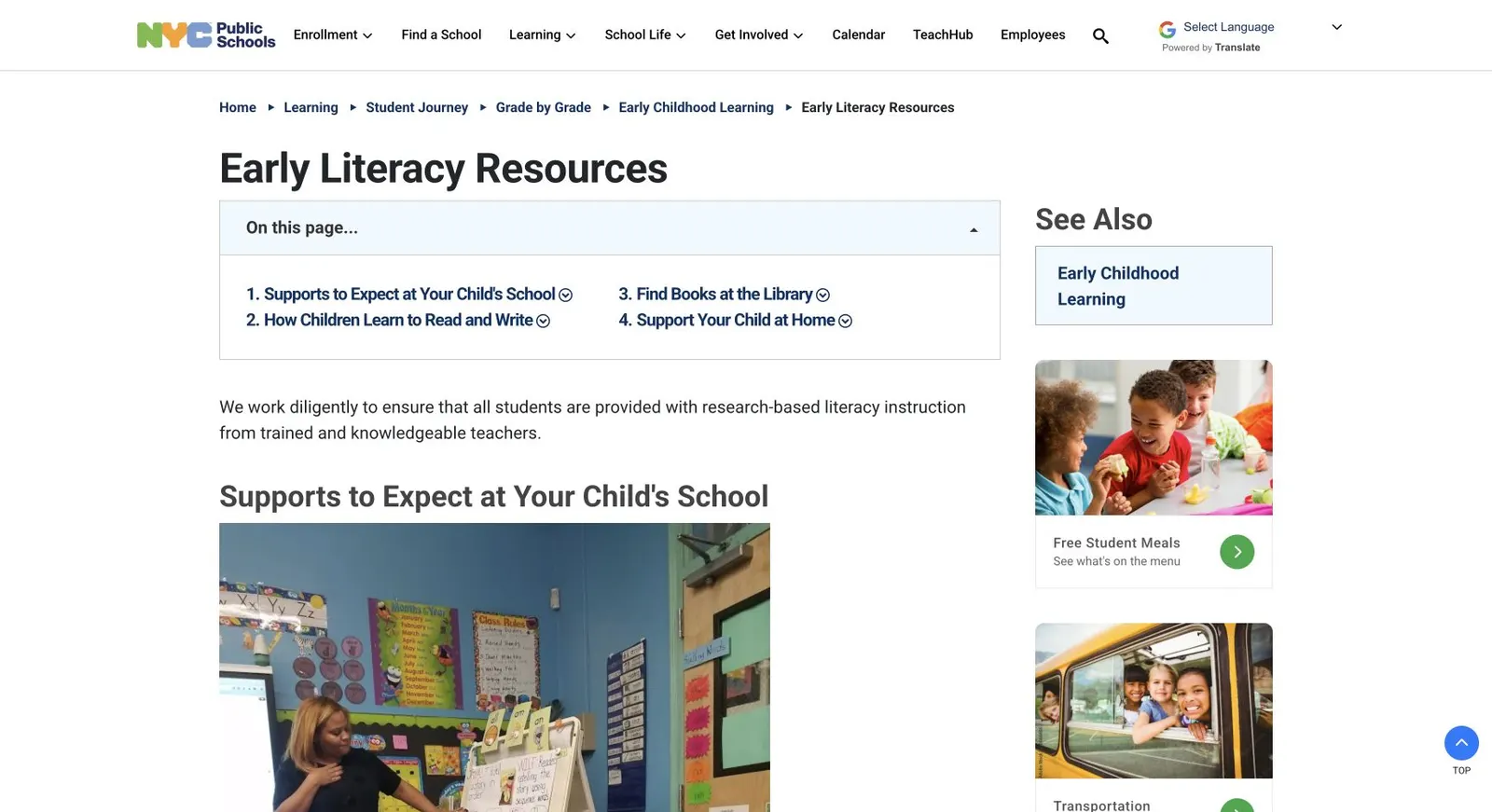
NYC Early Literacy Resources
New York City’s Department of Education provides family guidance for building early reading and writing skills through talk, play, reading, library use, and multilingual tip sheets. It is listed under Literacy and Early learning for ages 3–8.
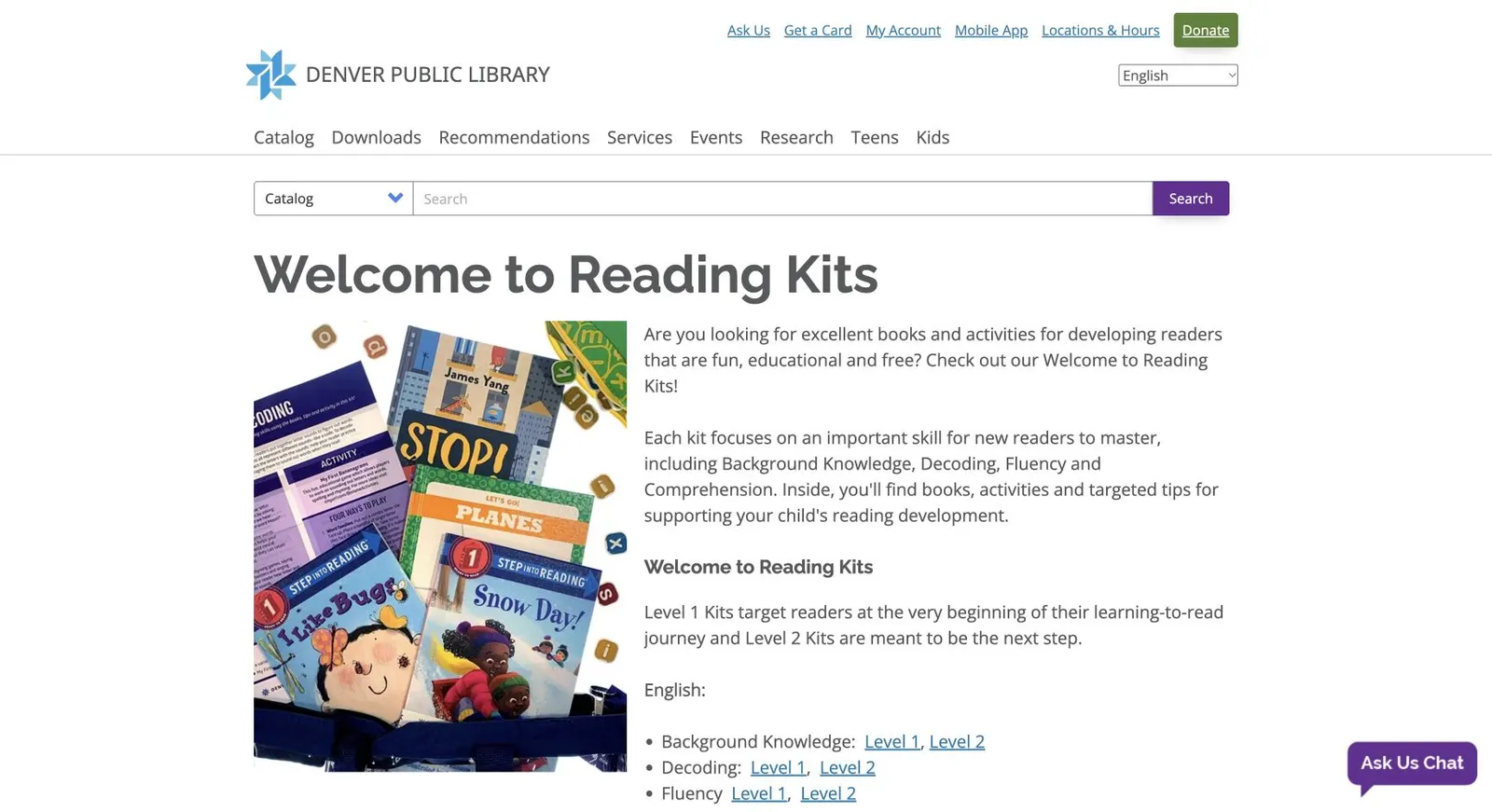
Denver Public Library Welcome to Reading Kits
Free Denver Public Library kits pair books, activities, and targeted tips for developing readers, with English and Spanish support across background knowledge, decoding, fluency, and comprehension. It is listed under Reading and Libraries for ages 4–9.
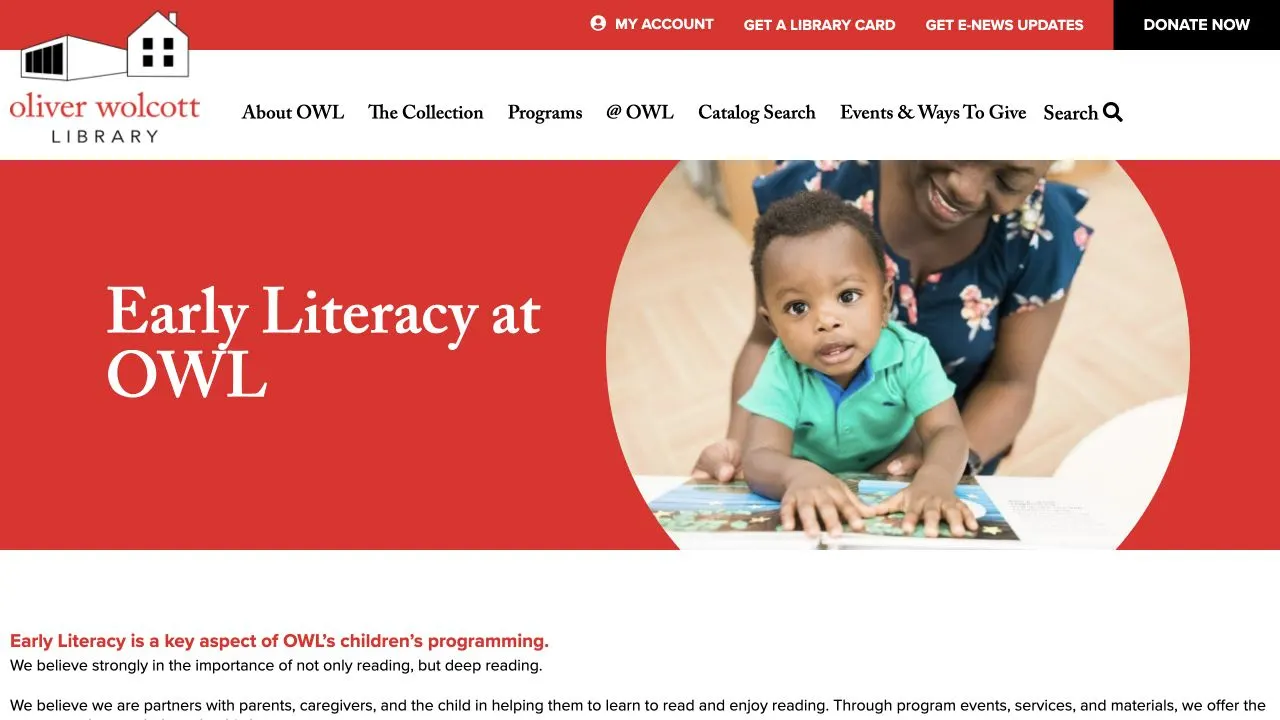
Oliver Wolcott Library Early Literacy
Oliver Wolcott Library’s early-literacy service combines reading guidance, book collections, phonics-based instruction, a reading specialist, and family reading-habit advice. It is listed under Reading and Libraries for ages 0–12. Children and families can use it through a website.
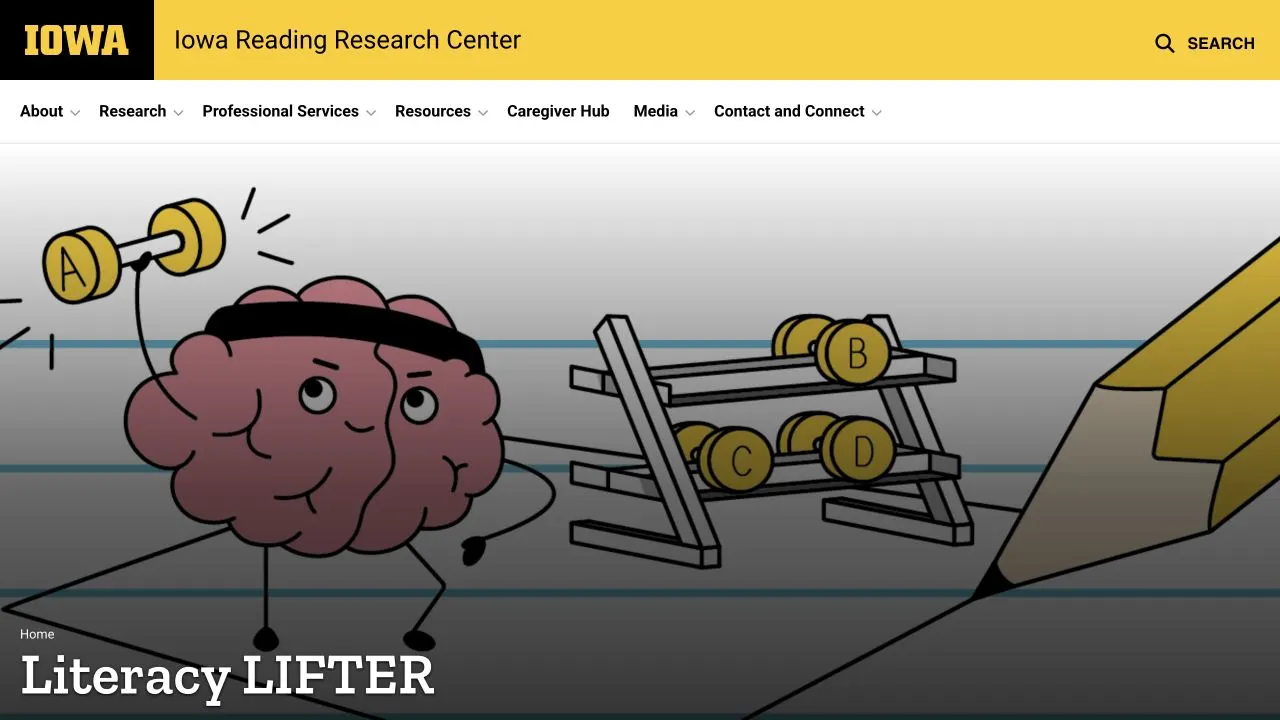
Literacy LIFTER
The Iowa Reading Research Center’s free LIFTER tool supports handwriting and early reading with evidence-based letter instruction, videos, assessments, and English/Spanish worksheets. It is listed under Reading and Early learning for ages 3–8. Children and families can use it through a website, downloadable resources, and a YouTube channel.
Make the shortlist fit your family.
Start with the age range, then check the activity format and the time you actually have. Before a child begins, open the provider page and review current account, advertising, privacy, accessibility, and pricing details. These details can change.