Compare cabbage indicator colors in kitchen samples
A color change can make an invisible property easier to discuss, but it is also easy to claim more than the observation supports. Compare a few clearly labeled kitchen samples with cooled red cabbage indicator and a water reference. Invite your child to record the colors before deciding what they suggest. Keep this a supervised comparison with known ingredients, rather than a search for unknown household chemicals.

Why these resources fit
Science Sparks provides a red cabbage indicator method, including adult handling of chopping and heating. PhET’s Acid-Base Solutions offers a different representation using simulated measurement tools, including pH paper and a meter. Choose the physical method for observing your own samples and the simulation for discussing what a calibrated tool adds. The virtual solutions are simplified models; their colors and numerical readings should not be treated as measurements of your kitchen mixtures.
Resources worth comparing
Science Sparks
Find How to make a red cabbage pH indicator and have an adult review preparation, cooling, supervision, and cleanup before starting.
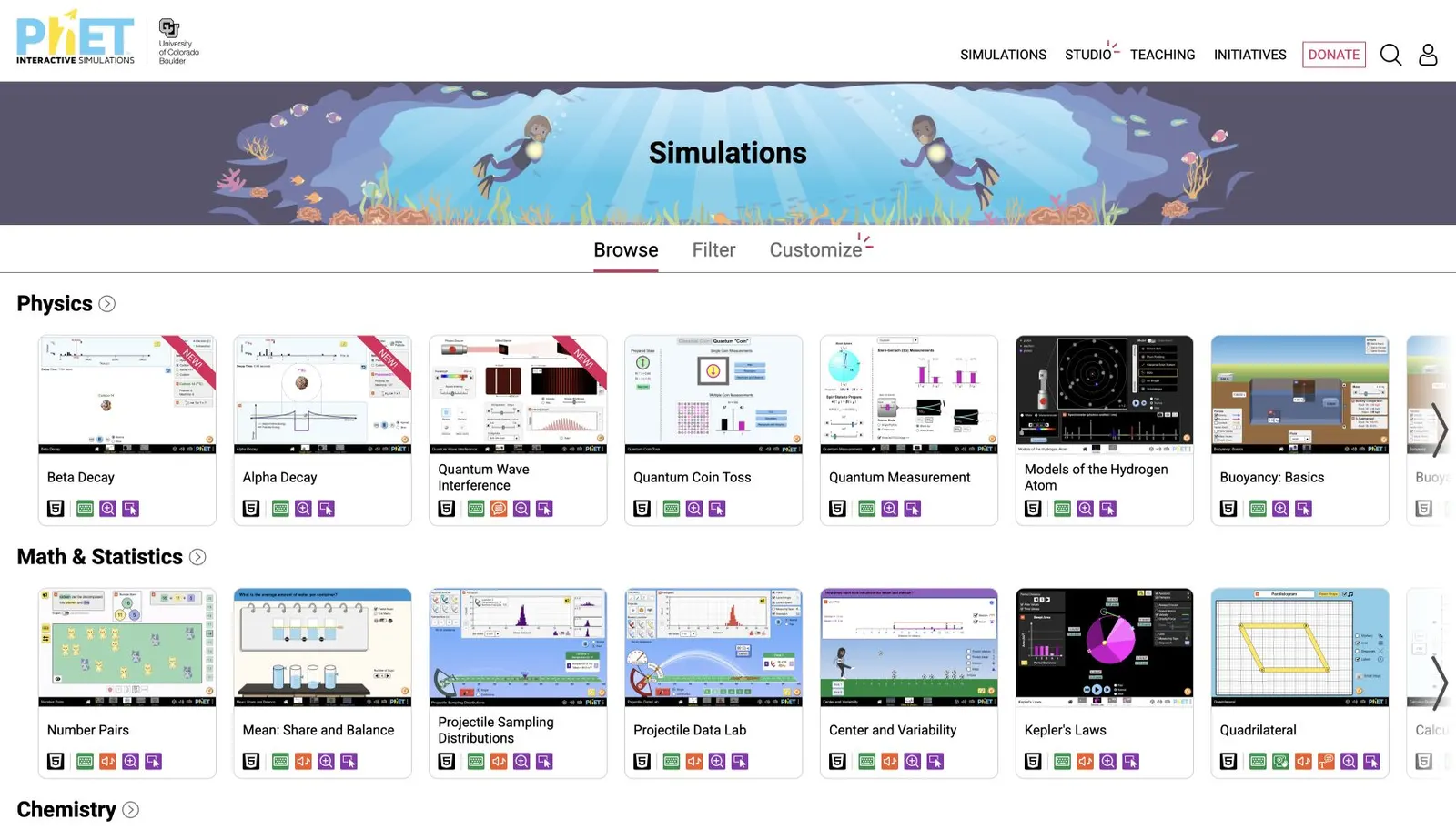
PhET Interactive Simulations
Preview Acid-Base Solutions as an optional comparison of simulated pH paper and meter tools, separate from your real kitchen samples.
Make the shortlist fit your family.
This guide draws on directory reviews. Age fit, costs, sign-in, advertising, privacy, and accessibility are unconfirmed for individual activities. Check the provider’s current information and preview the activity with your child’s device.