Compare oil and water at equal volumes
A layer of cooking oil above water offers two questions that are easy to blend together: why do the liquids stay separate, and why is one on top? Comparing equal volumes gives your child evidence about density, while observing the boundary raises the different issue of mixing. A careful two-liquid investigation can be more informative than building a tall tower of many ingredients at once.
Why these resources fit
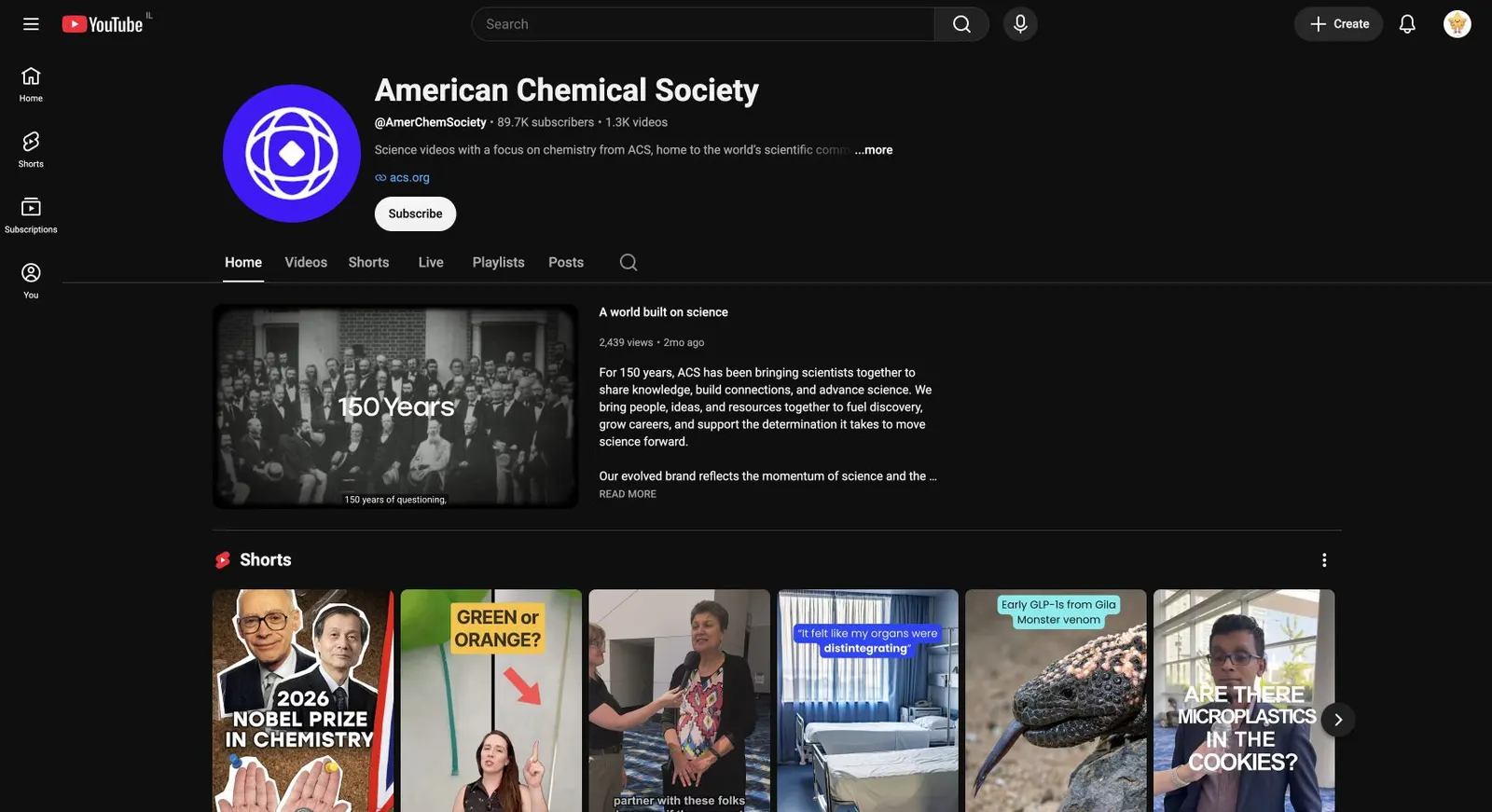
The American Chemical Society’s official channel includes Fifth Grade Lesson 2.5: The Density of Liquids, comparing equal volumes of vegetable oil and water. Science Sparks’ Density Column instructions show a broader layered-liquid activity. Choose the ACS demonstration for the controlled comparison and use Science Sparks only to discuss a possible extension. This guide’s editorial home method uses just water and cooking oil, with no alcohol, detergent, heat, or tasting.
Resources worth comparing

Make the shortlist fit your family.
This guide draws on directory reviews. Age fit, costs, sign-in, advertising, privacy, and accessibility are unconfirmed for individual activities. Check the provider’s current information and preview the activity with your child’s device.