Add unlike fractions with equal-sized bars
When a child adds the top and bottom numbers of two fractions, a picture can reveal what has gone wrong. Begin with two bars representing the same whole, then find a smaller piece that measures both shaded amounts. The goal is to explain the sum using equal pieces, rather than memorize a rule without knowing what its numbers describe. Keep the first example small enough to draw and discuss together.
Why these resources fit
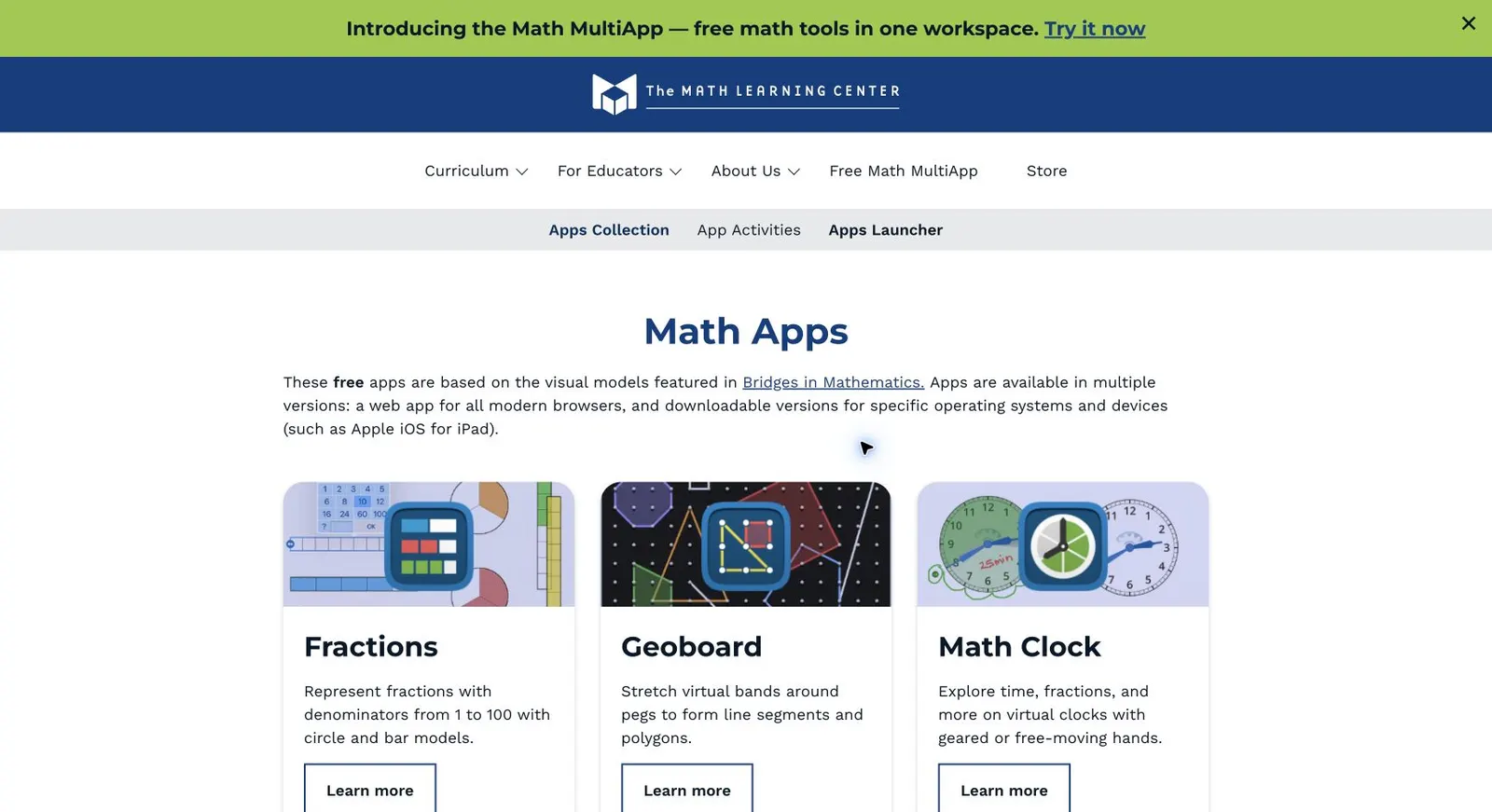
The Math Learning Center’s Fractions workspace supports bars with chosen partitions and colored parts, making it useful for keeping the whole consistent while changing the unit. Math Is Fun’s Adding Fractions explanation connects a common denominator with written calculation. Choose the workspace for constructing and comparing representations, and the reference for checking how that representation becomes an equation. These are complementary starting points; neither needs to become a timed practice session.
Resources worth comparing
Make the shortlist fit your family.
This guide draws on directory reviews. Age fit, costs, sign-in, advertising, privacy, and accessibility are unconfirmed for individual activities. Check the provider’s current information and preview the activity with your child’s device.