NASA Kids Science
NASA’s child-friendly Earth and space science hub with games, videos, activities, articles, and multilingual links. It is listed under Science, Nature & environment, and Geography for ages 7–14. Children and families can use it through a website.
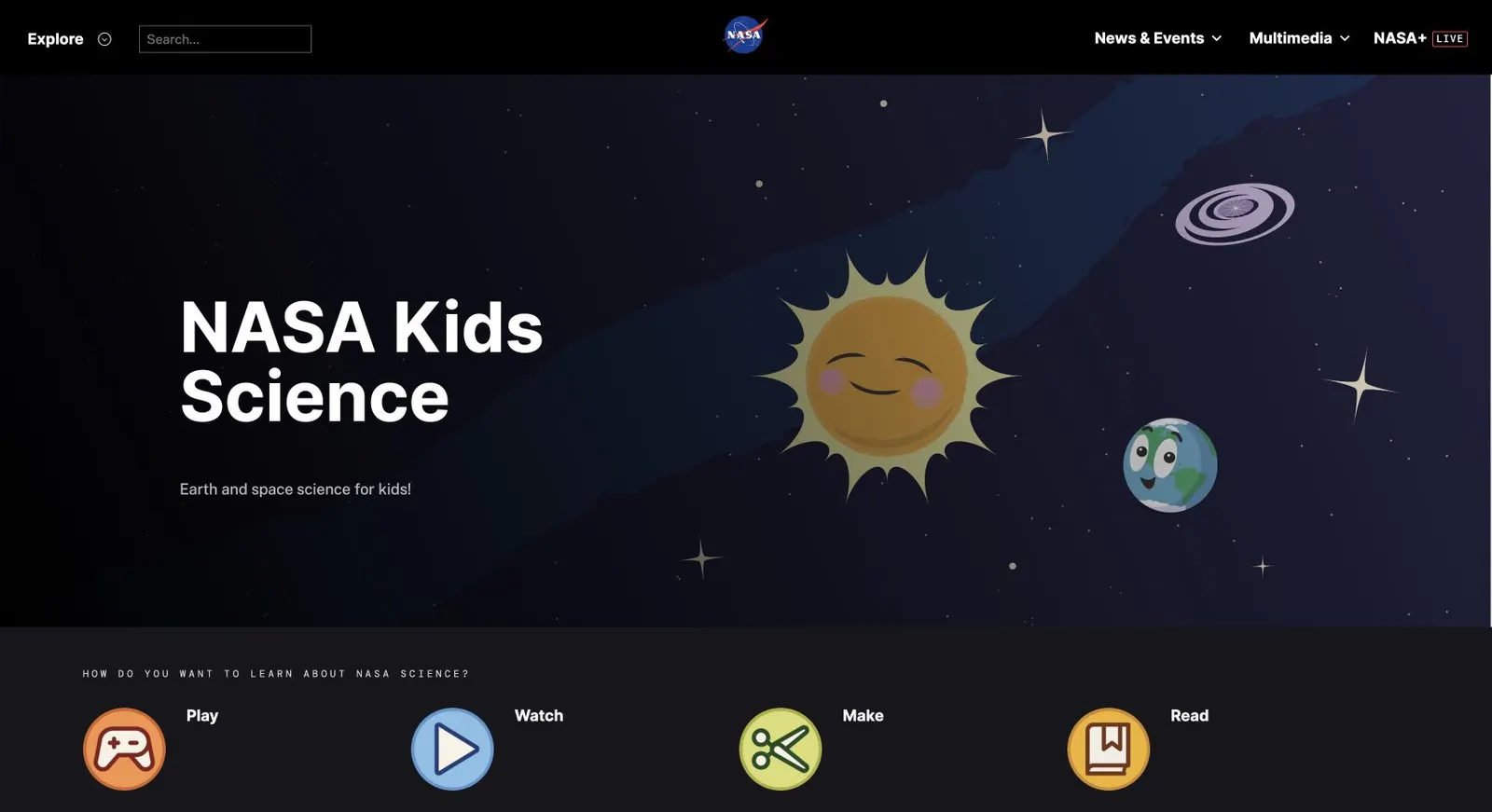 Website preview
About NASA Kids Science
NASA Kids Science organizes NASA learning for children into Play, Watch, Make, and Read paths. It includes games, videos, articles, activities, and links to related NASA children’s resources such as Space Place and EO Kids.
Age and access
This resource is listed for ages 7–14. It is available as Website and is listed as free. The listed language coverage is English, Spanish.
What stands out
- Four clear learning paths make it easy to choose play, watching, making, or reading
- Content connects Earth science and space science to NASA missions
- The page includes a Spanish NASA Space Place route and several related child resources
Editorial review
NASA Kids Science is a younger-reader gateway into Earth and space science, using short articles, games, videos, and activities to make big topics approachable. It works well as a starting place for a question, especially when the child wants visual material rather than a long lesson.
Elementary-age children who want a friendly first explanation of space, Earth, or NASA missions.
- The short format is inviting but may leave a topic at an introductory level.
- Some links lead to different NASA experiences, so adults should check the reading level and activity instructions before sharing.
Review basis: We compared the official NASA Kids Science hub, its child-facing formats, multilingual links, and the recorded age and platform information. · The thekidspick editorial team · reviewed 2026-11-19
Check the details at the source
This page separates our editorial context from provider evidence. Access, pricing, language, privacy, and content can change.
Evidence date not recorded for this listing; confirm current details with the provider.
Explore NASA Kids Science
How the score is built
NASA presents a large, current collection of Earth and space science content for children.
Play, Watch, Make, and Read routes provide clear starting points.
The resource is published by NASA and identifies its official editors and update date.
Parent notes
- The hub covers a broad age range and should be paired with adult guidance for more advanced science topics.
- The official page links to several NASA properties, including NASA Space Place, so this listing represents the Kids Science hub rather than those separate sites.
- Preview checked clean with no cookie popup, ad overlay, broken rendering, or placeholder imagery.

Recognized by
TheKidsPick
This resource has been independently reviewed by our team for its learning value, age fit, access, and trust signals, so parents can discover high-quality, kid-friendly resources with confidence.
Manage this resource?
Add this recognition to your website or share your TheKidsPick profile. It helps parents find your resource and shows your commitment to quality.
Find NASA Kids Science in related listings
A few useful subject and format shortlists for this resource.
Questions parents ask
See something wrong?
Report an outdated link, image, language, platform, tag, or other detail.
Other science resources to consider
Use these nearby options to compare age fit, format, access, and the kind of adult support each resource asks for. The scores are editorial signals, not a substitute for checking the provider page.
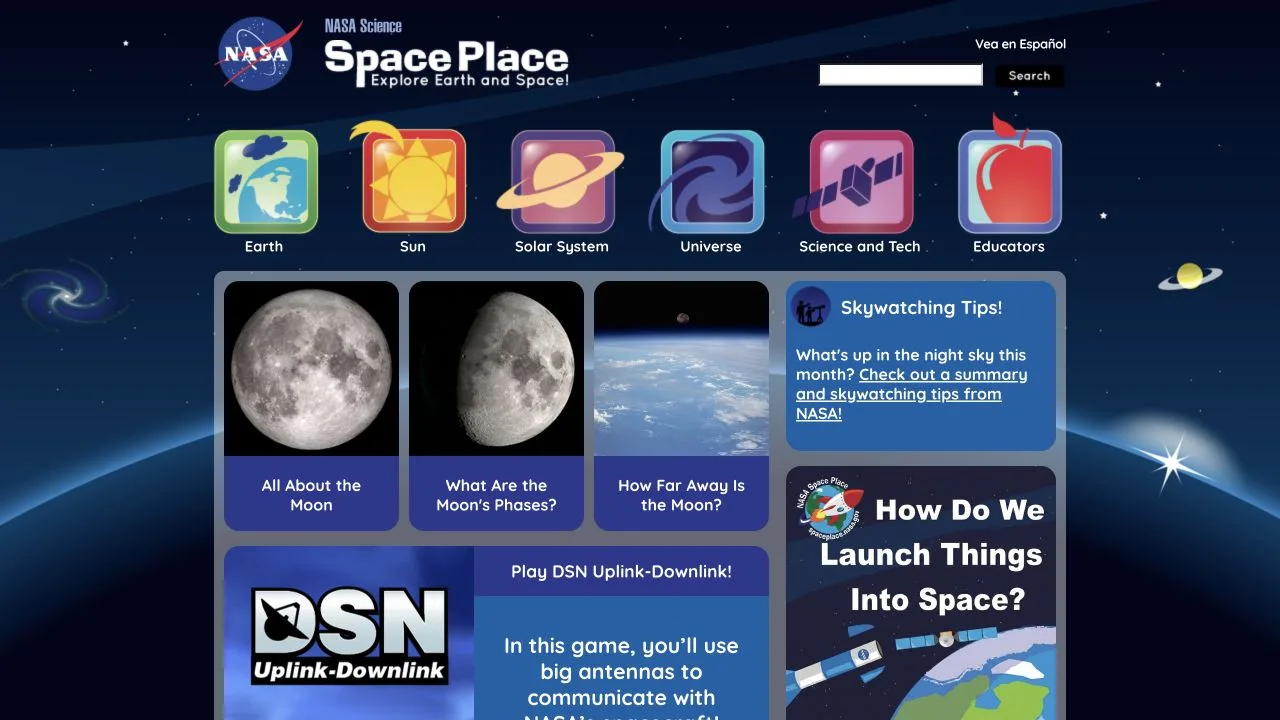
NASA Space Place
Games, crafts, stories, animations, and activities that make space and Earth science approachable for kids. It is listed under Science, Nature & environment, and Games for ages 5–14. Children and families can use it through a website and downloadable resources.
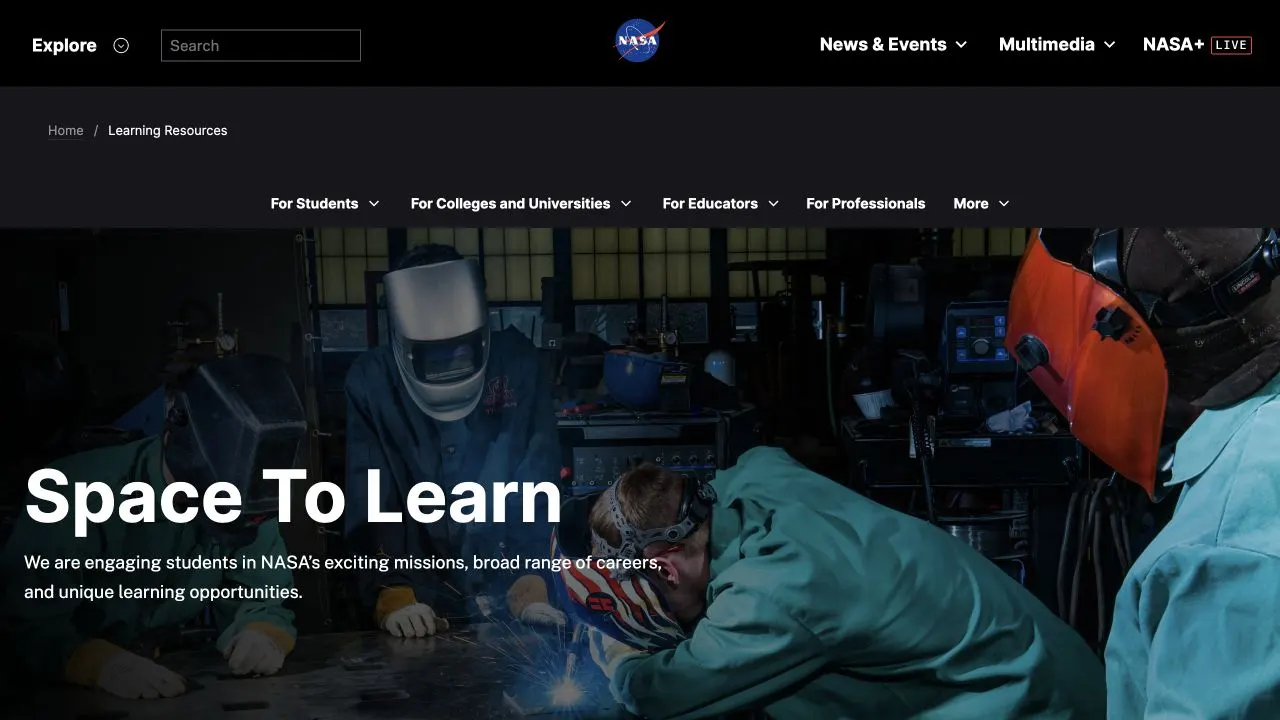
NASA Learning Resources
NASA student and educator resources with STEM activities, missions, videos, challenges, careers, and family learning ideas. It is listed under Science, Coding, and Geography for ages 5-18. Children and families can use it through a website, downloadable resources, and a YouTube channel.
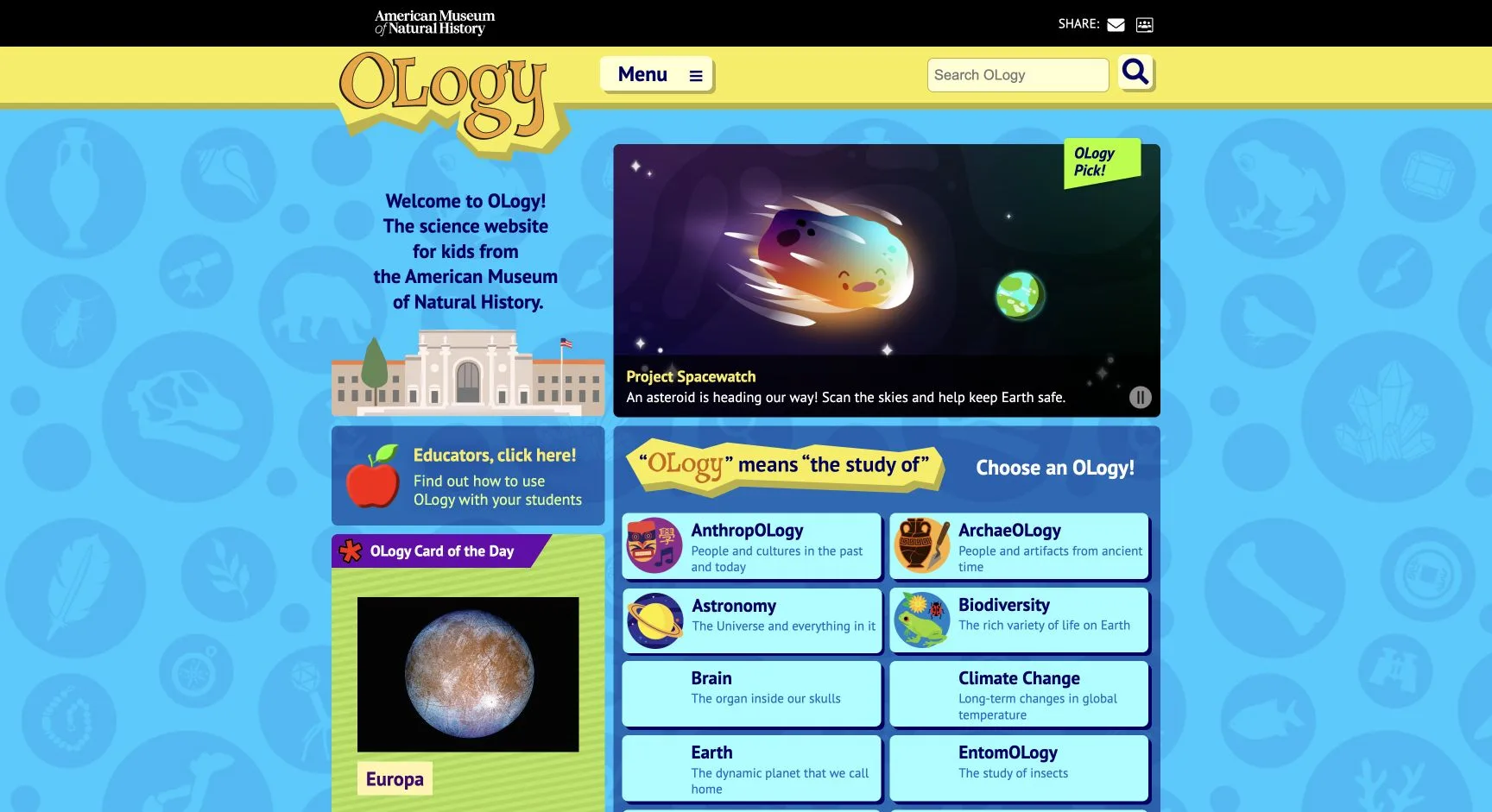
OLogy: Science Website for Kids
Museum science activities, games, stories, videos, and hands-on projects for curious kids. It is listed under Science, Nature & environment, and History & culture for ages 5-18. Children and families can use it through a website and downloadable resources.
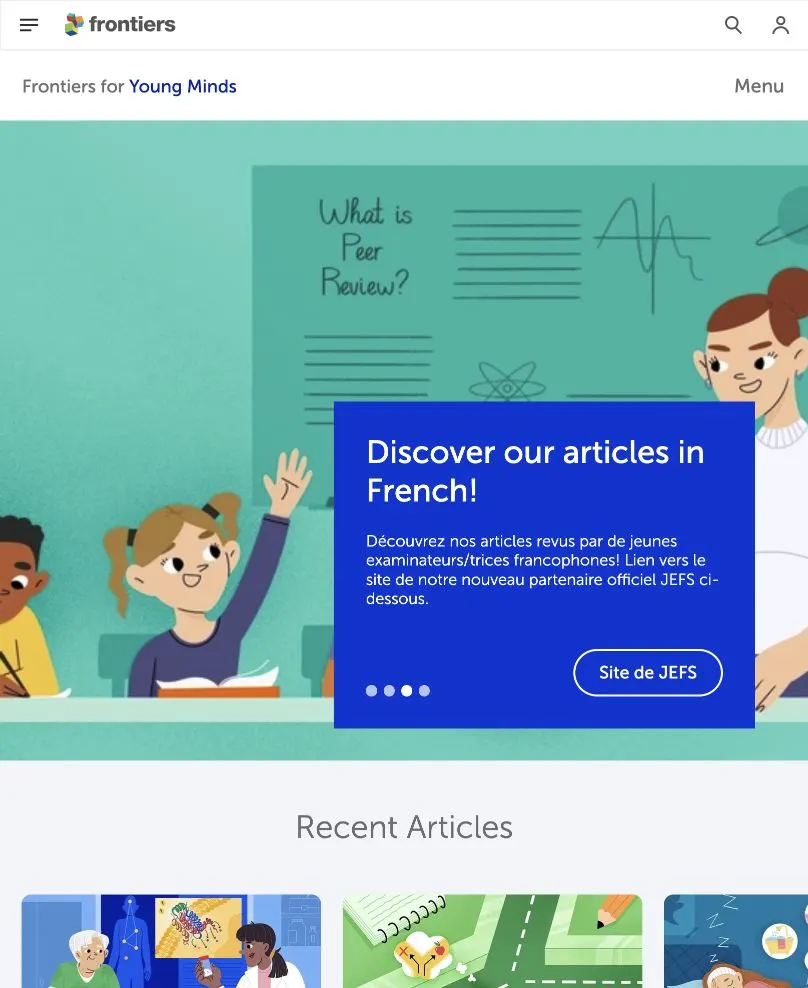
Frontiers for Young Minds
Science articles reviewed by scientists and edited with help from children, covering space, nature, health, and the world around us. It is listed under Science, Nature & environment, and Parent & educator for ages 8–15.