
Frontiers for Young Minds
Science articles reviewed by scientists and edited with help from children, covering space, nature, health, and the world around us. It is listed under Science, Nature & environment, and Parent & educator for ages 8–15.
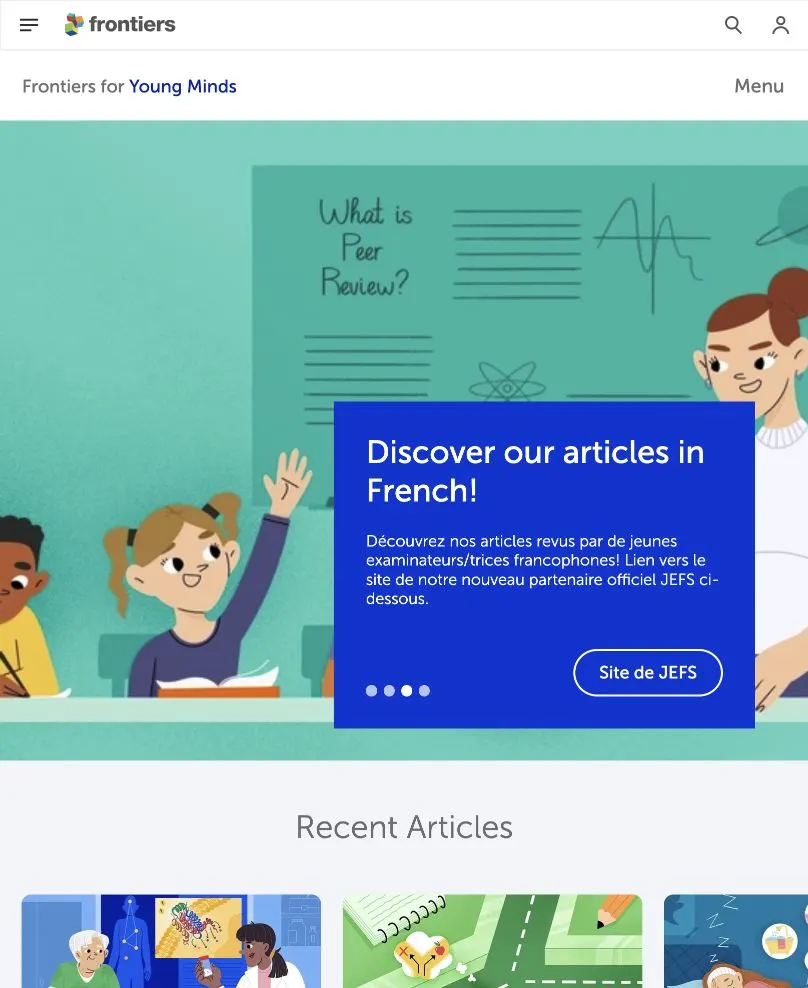 Website preview
About Frontiers for Young Minds
Frontiers for Young Minds publishes accessible science articles that are reviewed by scientists and edited with help from young people. The site covers astronomy, physics, biology, health, neuroscience, biodiversity, and other topics in a child-friendly format.
Age and access
This resource is listed for ages 8–15. It is available as Website and is listed as free. The listed language coverage is English, French, Hebrew, Arabic, Chinese.
What stands out
- Makes real scientific research readable for children
- Shows children that young people can participate in science communication
- Offers strong topic breadth and several language options
Editorial review
Frontiers for Young Minds gives children access to science articles that have been edited with help from young readers and reviewed by scientists. That combination makes it a useful bridge between a child-friendly explanation and the habits of asking what evidence supports a claim.
Older elementary and middle-grade readers who are ready to read science explanations and discuss how experts know what they know.
- The reading level varies by article, even when the overall site is designed for young readers.
- It is strongest as a reading-and-discussion resource; adults may need to add a practical activity or visual model.
Review basis: We compared the provider’s explanation of scientist review, child involvement, article topics, and the recorded reading and age guidance. · The thekidspick editorial team · reviewed 2026-11-19
Check the details at the source
This page separates our editorial context from provider evidence. Access, pricing, language, privacy, and content can change.
Evidence date not recorded for this listing; confirm current details with the provider.
How the score is built
Articles connect children with real research across many scientific fields.
The model is based on scientist review and child-friendly editing.
The format is designed for young readers while preserving genuine science.
The article library is free to read online.
Parent notes
- Some articles use scientific vocabulary and are best read with an adult or teacher.
- The site includes participation information for young editors and mentors, which is separate from ordinary reading.
- The stored preview currently includes a French-language promotional overlay; replace the screenshot with a clean homepage capture before treating it as final.

Recognized by
TheKidsPick
This resource has been independently reviewed by our team for its learning value, age fit, access, and trust signals, so parents can discover high-quality, kid-friendly resources with confidence.
Manage this resource?
Add this recognition to your website or share your TheKidsPick profile. It helps parents find your resource and shows your commitment to quality.
Find Frontiers for Young Minds in related listings
A few useful subject and format shortlists for this resource.
Questions parents ask
See something wrong?
Report an outdated link, image, language, platform, tag, or other detail.
Other science resources to consider
Use these nearby options to compare age fit, format, access, and the kind of adult support each resource asks for. The scores are editorial signals, not a substitute for checking the provider page.
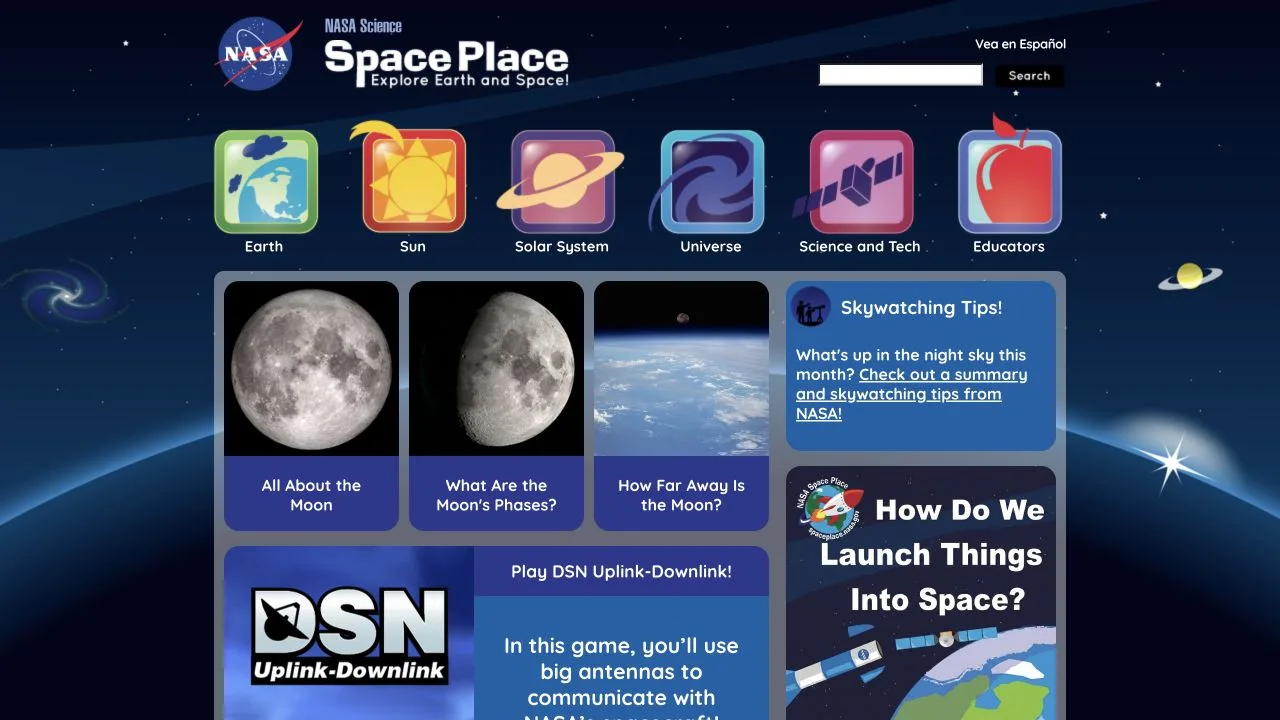
NASA Space Place
Games, crafts, stories, animations, and activities that make space and Earth science approachable for kids. It is listed under Science, Nature & environment, and Games for ages 5–14. Children and families can use it through a website and downloadable resources.
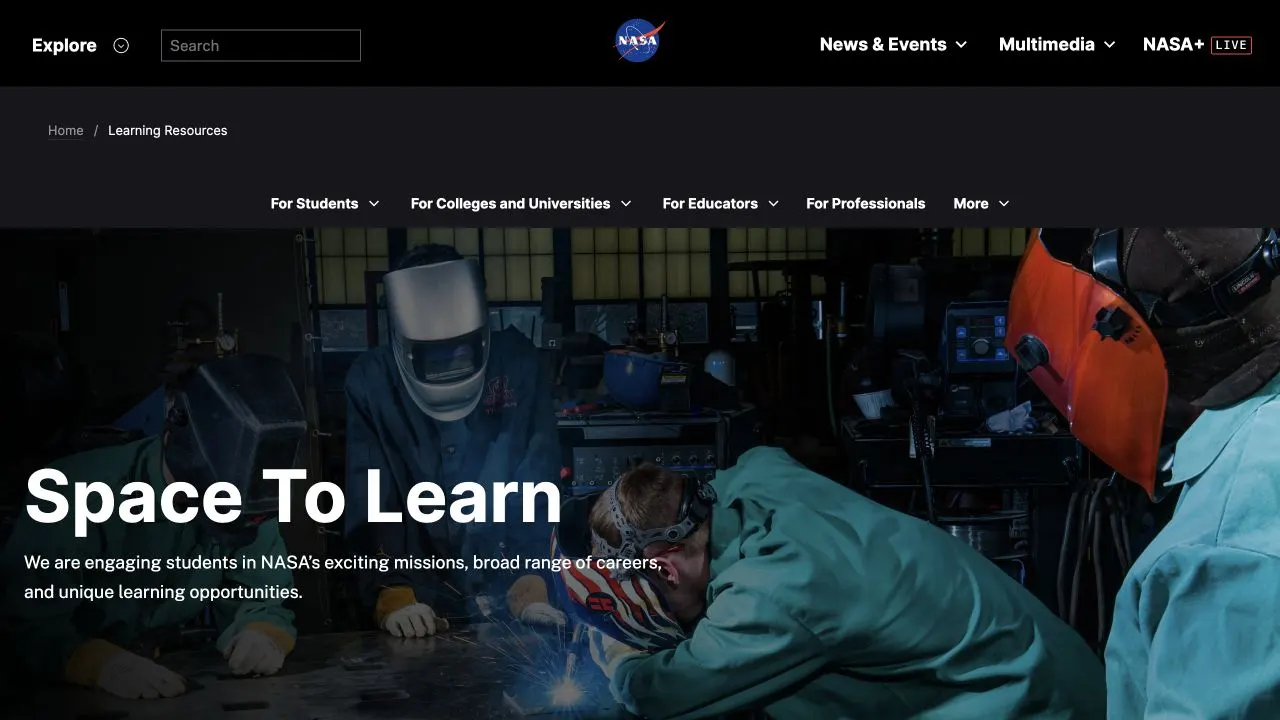
NASA Learning Resources
NASA student and educator resources with STEM activities, missions, videos, challenges, careers, and family learning ideas. It is listed under Science, Coding, and Geography for ages 5-18. Children and families can use it through a website, downloadable resources, and a YouTube channel.
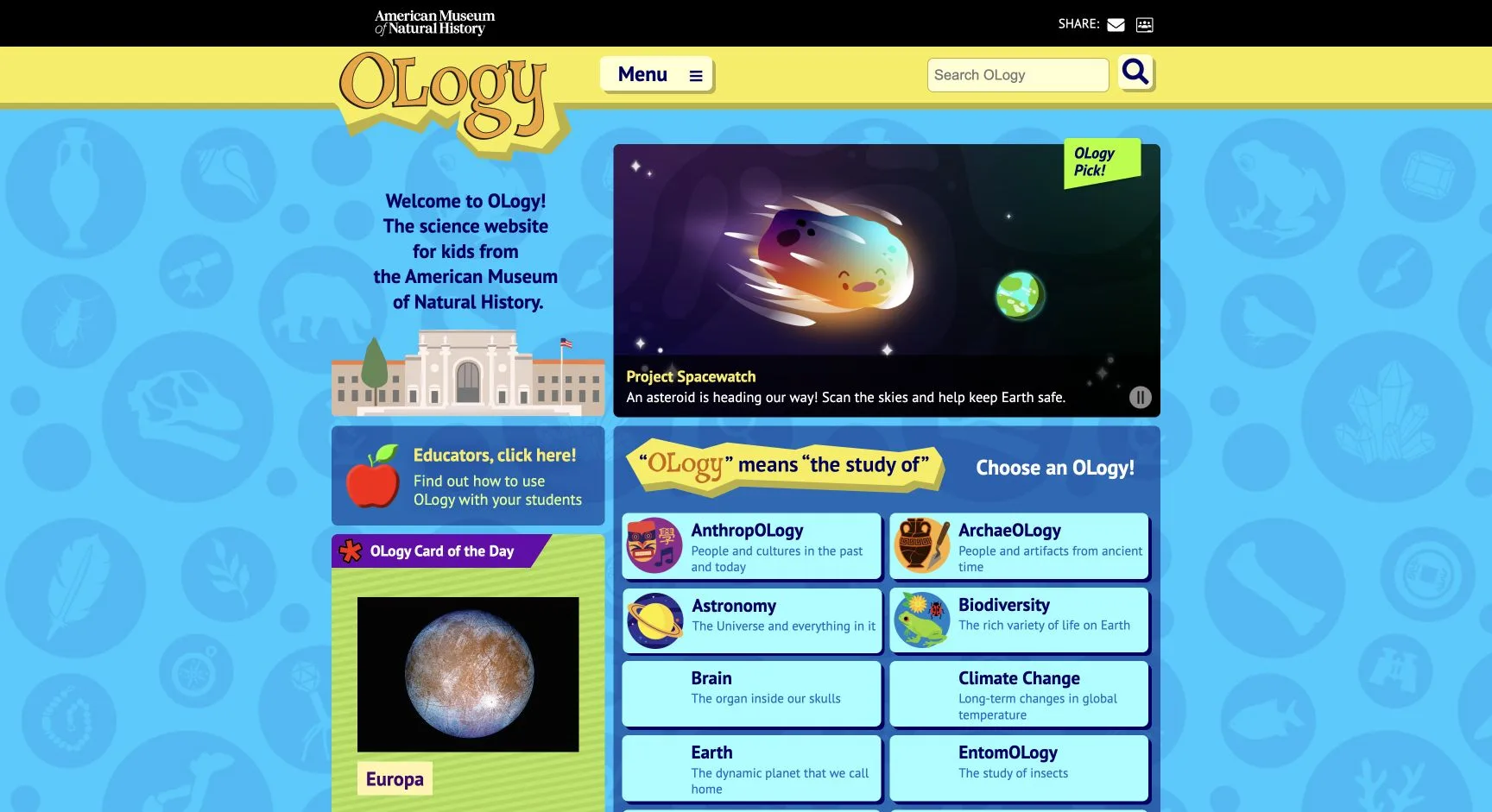
OLogy: Science Website for Kids
Museum science activities, games, stories, videos, and hands-on projects for curious kids. It is listed under Science, Nature & environment, and History & culture for ages 5-18. Children and families can use it through a website and downloadable resources.
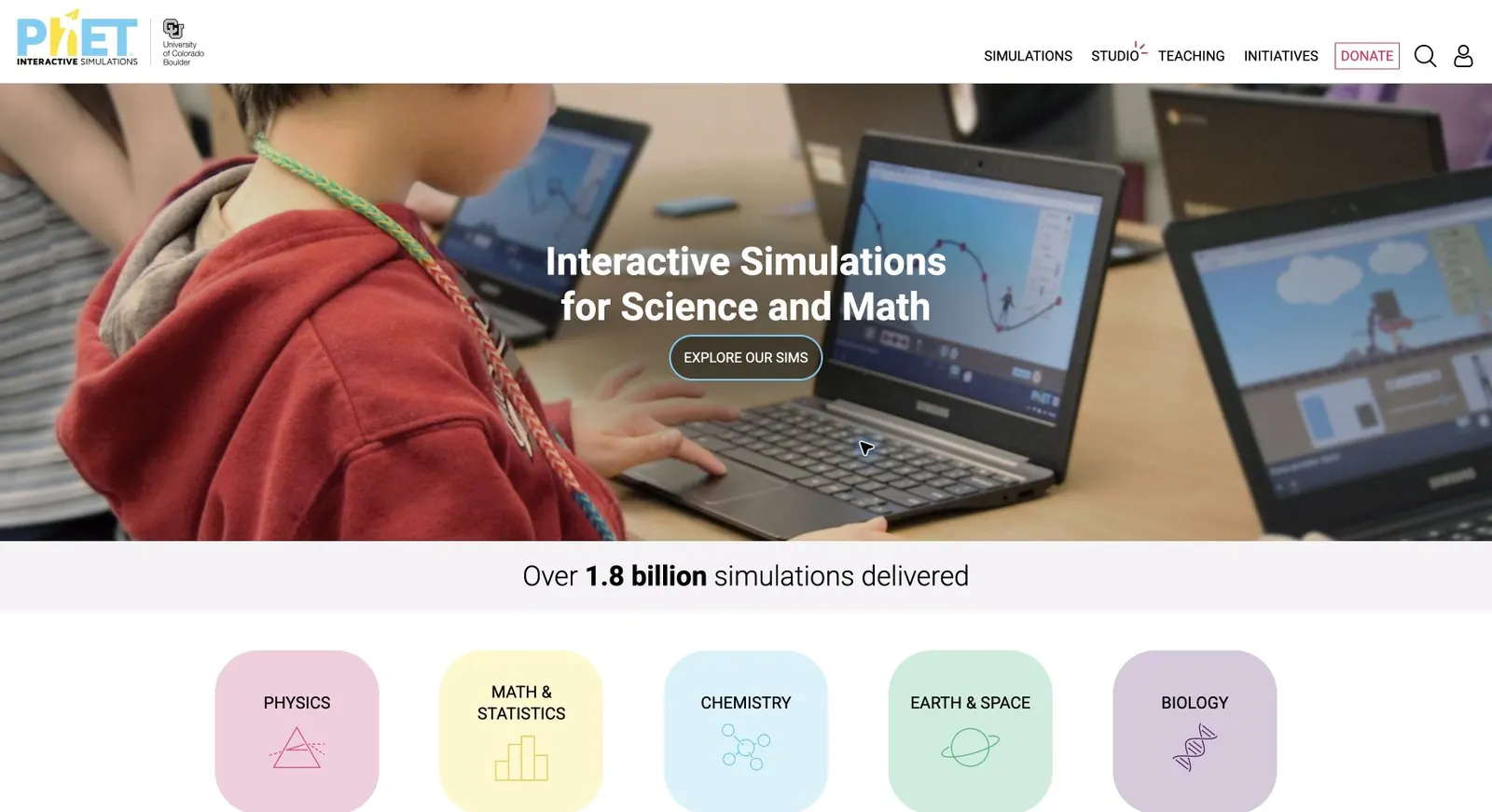
PhET Interactive Simulations
Free interactive science and math simulations from the University of Colorado Boulder, with activities for exploring ideas through play. It is listed under Science, Mathematics, and Technology for ages 8–18. Children and families can use it through a website, an iOS app, and an Android app.