Reading Science
for kids
Explore 20 trusted reading science resources selected for curious kids, with clear ages, access details, and parent context.
Two useful ways to narrow the directory
This page brings together reading resources that also match science. Each listing keeps its own age range, platform details, languages, links, and parent notes, so you can compare options without losing context.
Explore all reading resources →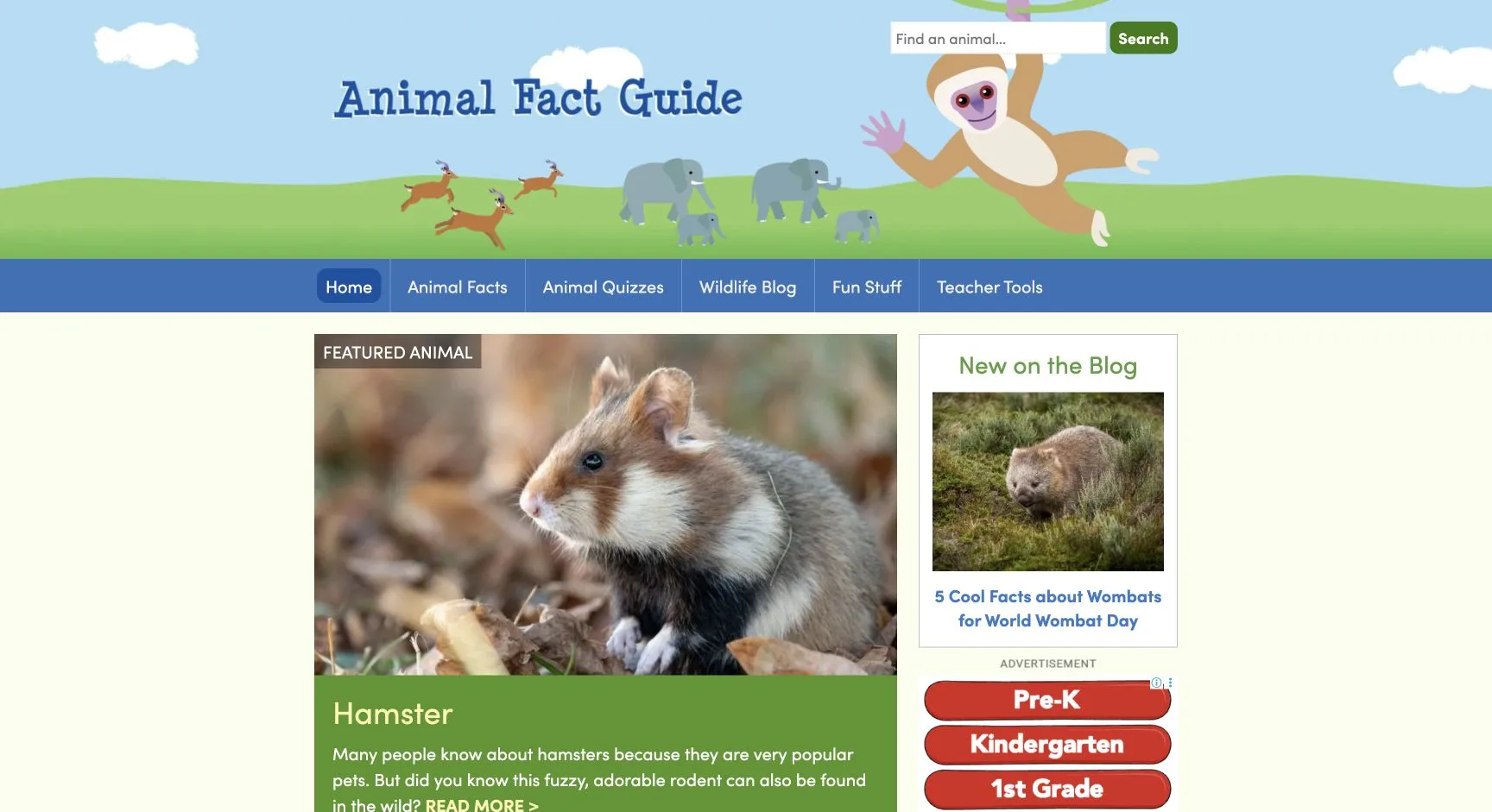
Animal Fact Guide
A colorful animal reference with species facts, quizzes, wildlife articles, and age-friendly nature learning. It is listed under Nature & environment, Science, and Reading for ages 5-12. Children and families can use it through a website.
Read the full resource review →More reading picks
OpenLearn
Free learning materials and short courses from The Open University, with science, society, arts, and study-skills topics suitable for older learners. It is listed under Parent & educator, Science, and History & culture for ages 14–18.
Science News Explores
Accessible science news, explainers, experiments, and stories for readers from middle school onward. It is listed under Science, Reading, and Nature & environment for ages 11–18. Children and families can use it through a website.
TIME for Kids
Current-events stories, age-banded news, and classroom-friendly reading for children and families. It is listed under Reading, History & culture, and Parent & educator for ages 6-14. Children and families can use it through a website.
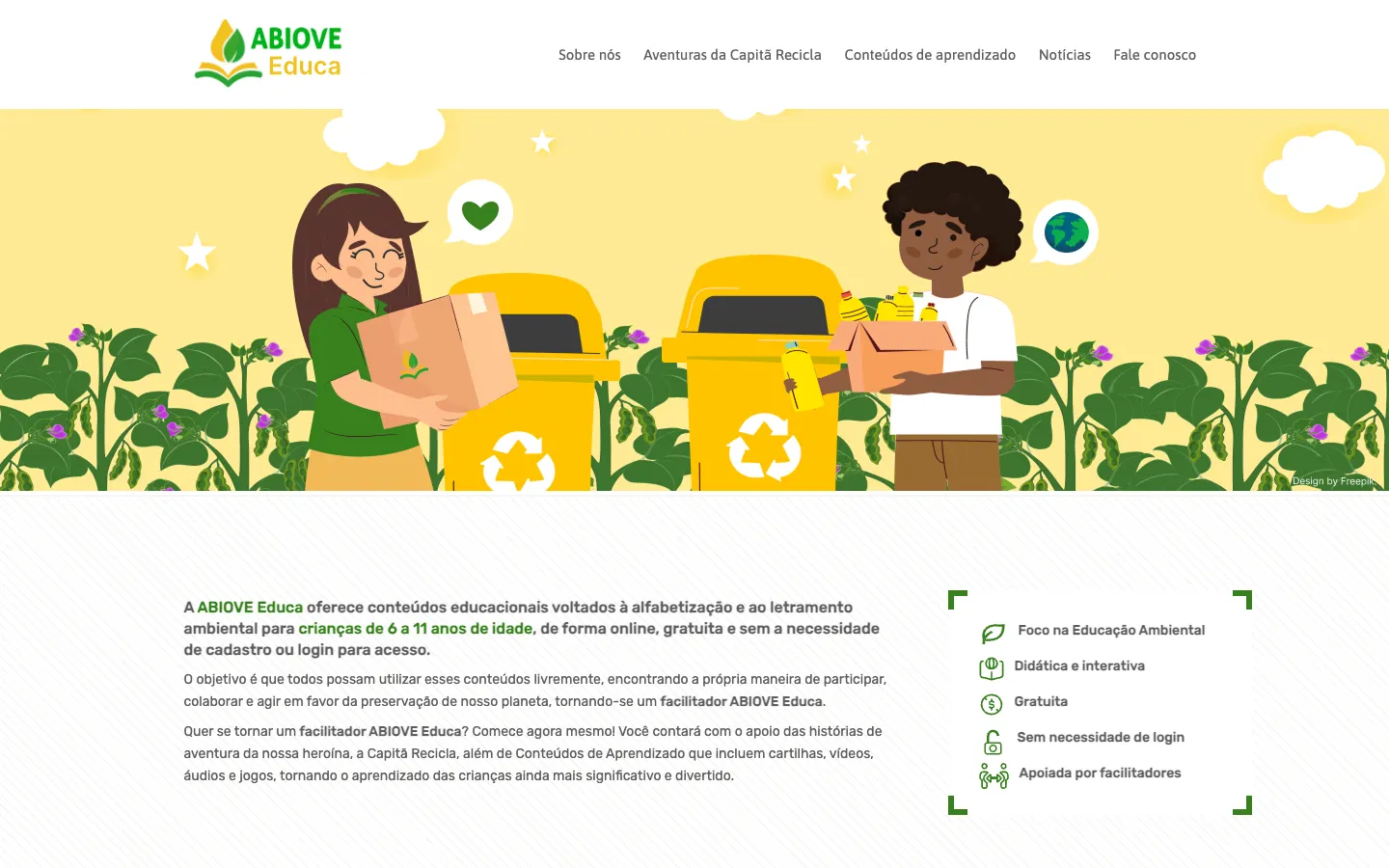
ABIOVE Educa
A Portuguese-language environmental literacy platform for children with stories, videos, audio, guides, and games about materials, recycling, plants, soil, water, and circular economy. It is listed under Science and Nature & environment for ages 6–11.
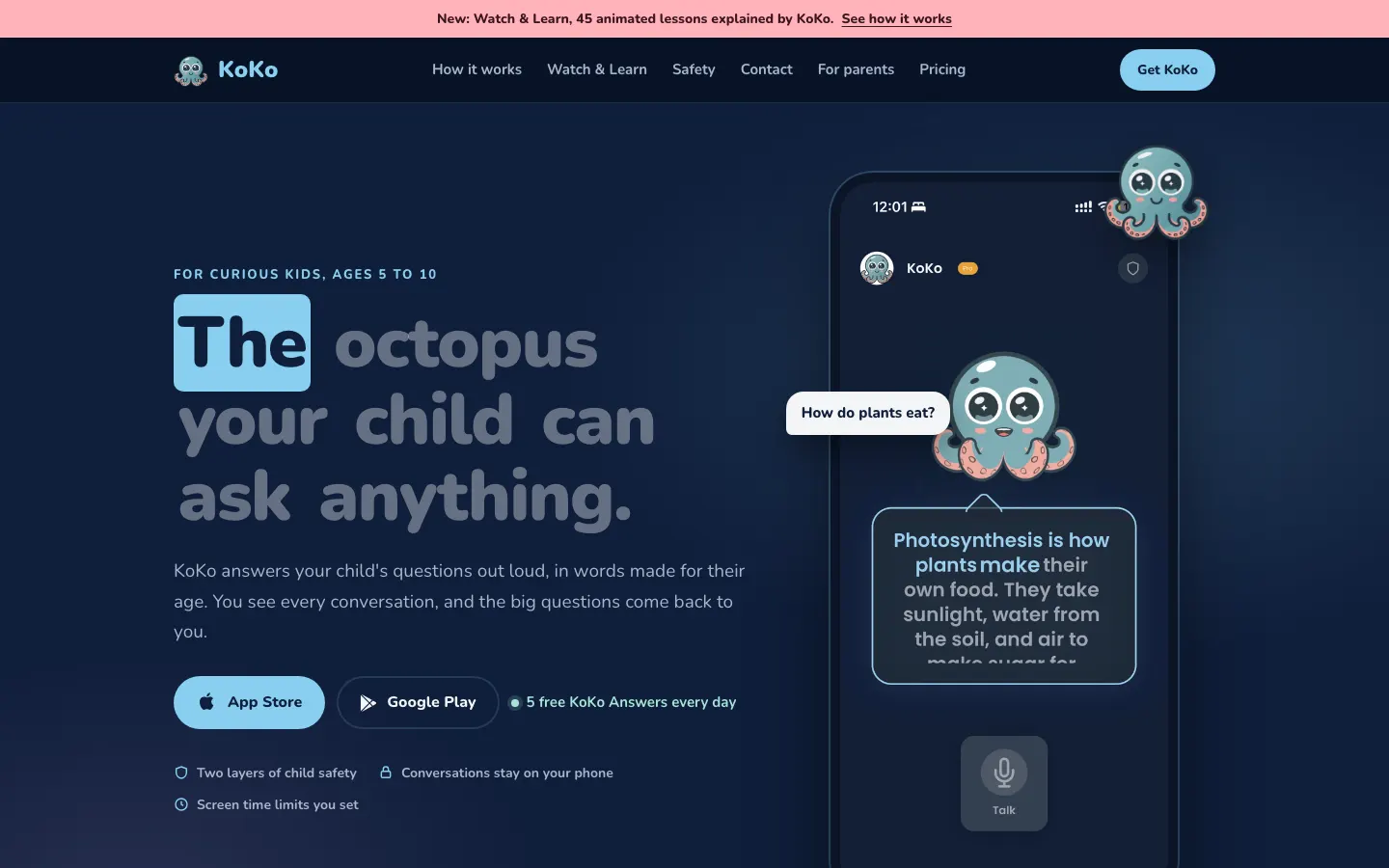
KoKo
KoKo is a voice-first learning companion for ages 5–10 that answers children’s questions in age-appropriate language, offers science facts and animated lessons, and gives parents a private dashboard. It is listed under Science and Early learning for ages 5–10.
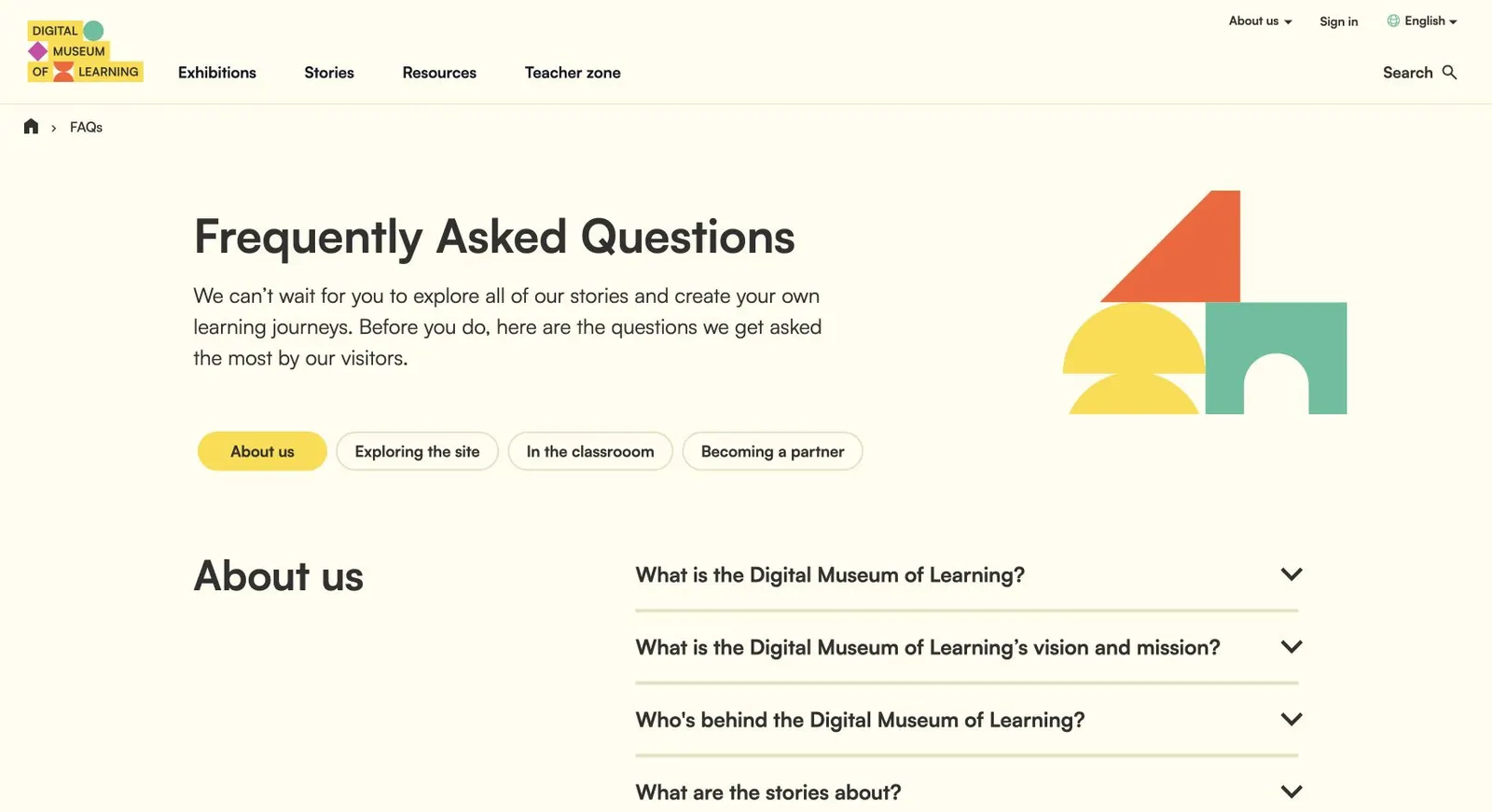
The Digital Museum of Learning
The Digital Museum of Learning is a free online museum for children ages 7–12 and educators, using interactive research-based stories, worksheets, videos, and teaching guides about how people learn. It is listed under Science and History & culture for ages 7–12.
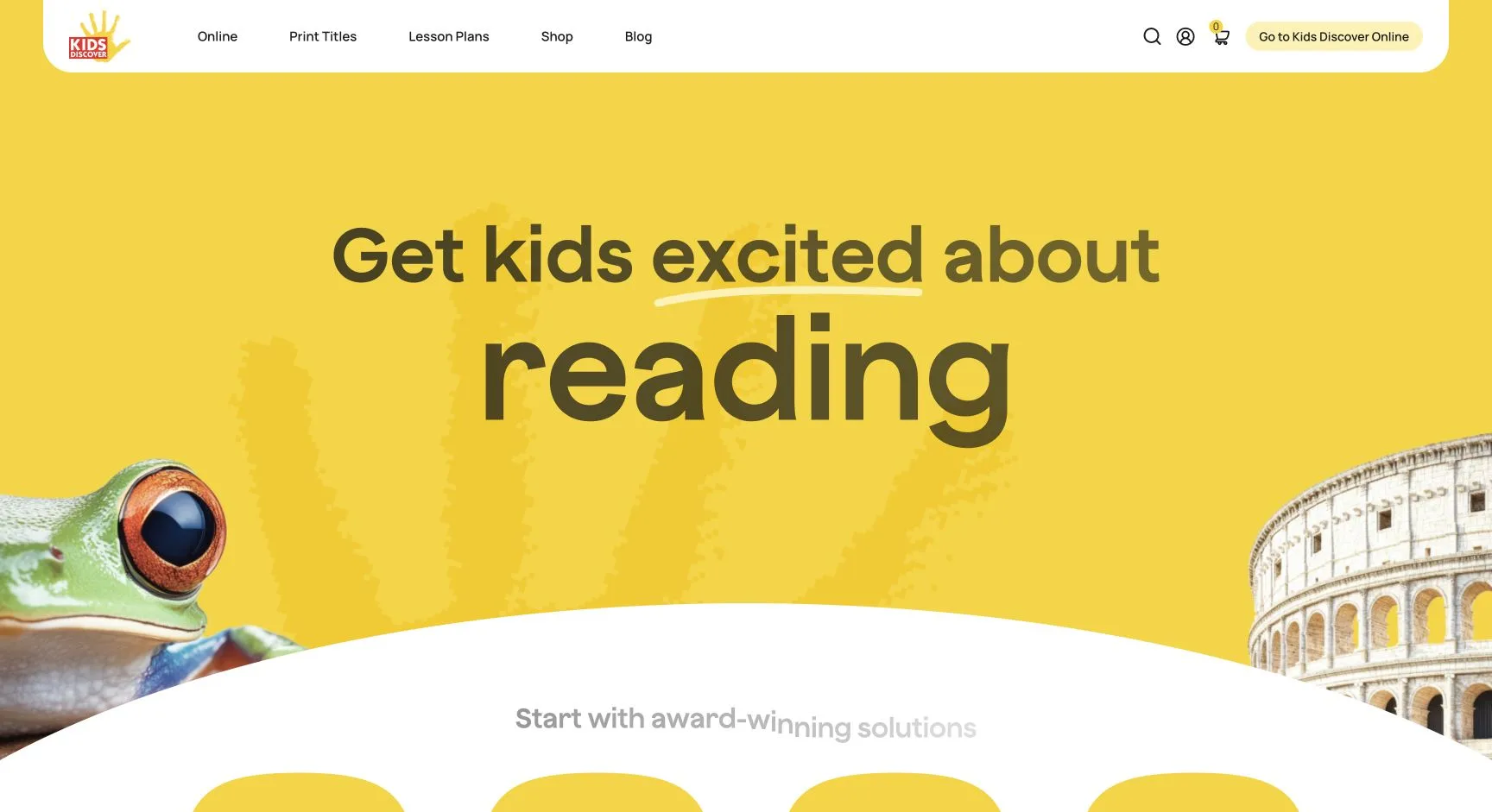
Kids Discover
Multimedia social studies and science learning materials with articles, visuals, and printable resources for children. It is listed under Science and History for ages 6–14. Children and families can use it through a website.
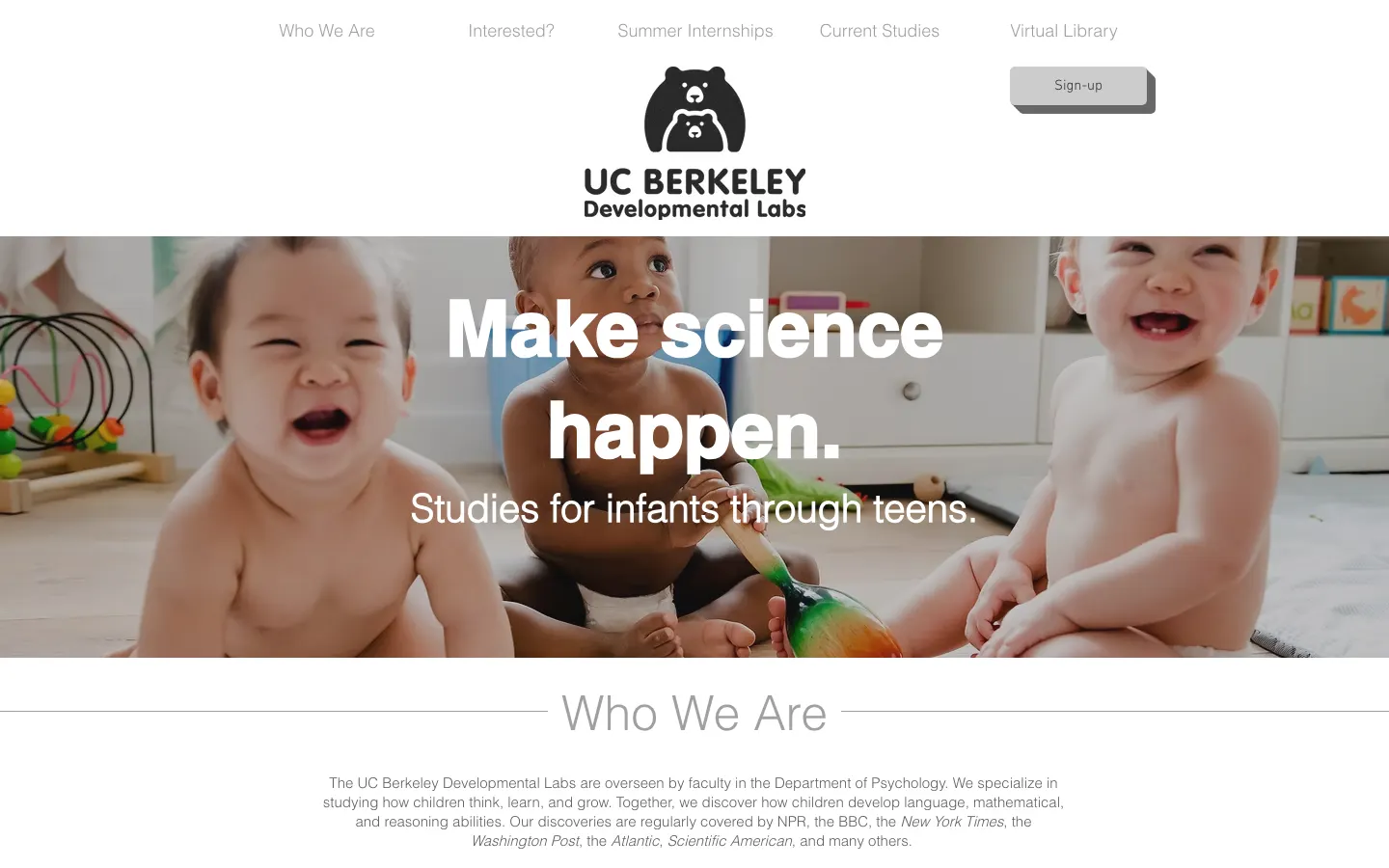
UC Berkeley Developmental Labs
UC Berkeley Developmental Labs invite families to participate in short studies and games about language, math, reasoning, memory, and child development from infancy through the teen years. It is listed under Science and Mathematics for ages Infants through teens.
Child’s Play Learning & Development Lab
The University of Delaware Child’s Play Learning & Development Lab studies how children learn and grow through play, language, memory, reasoning, and spatial development, with family participation opportunities. It is listed under Science and Reading for ages Infants through young children.
Netflix Jr. (StoryBots)
StoryBots learning videos now appear within the broader Netflix Jr. YouTube channel, alongside other preschool programming. It is listed under Science, Entertainment, and Reading for ages 3–8. Children and families can use it through a YouTube channel.
Peekaboo Kids
Animated explainers and educational videos covering science, history, geography, and general knowledge. It is listed under Science and Reading for ages 5–12. Children and families can use it through a YouTube channel. The directory records access as free and language coverage as English.
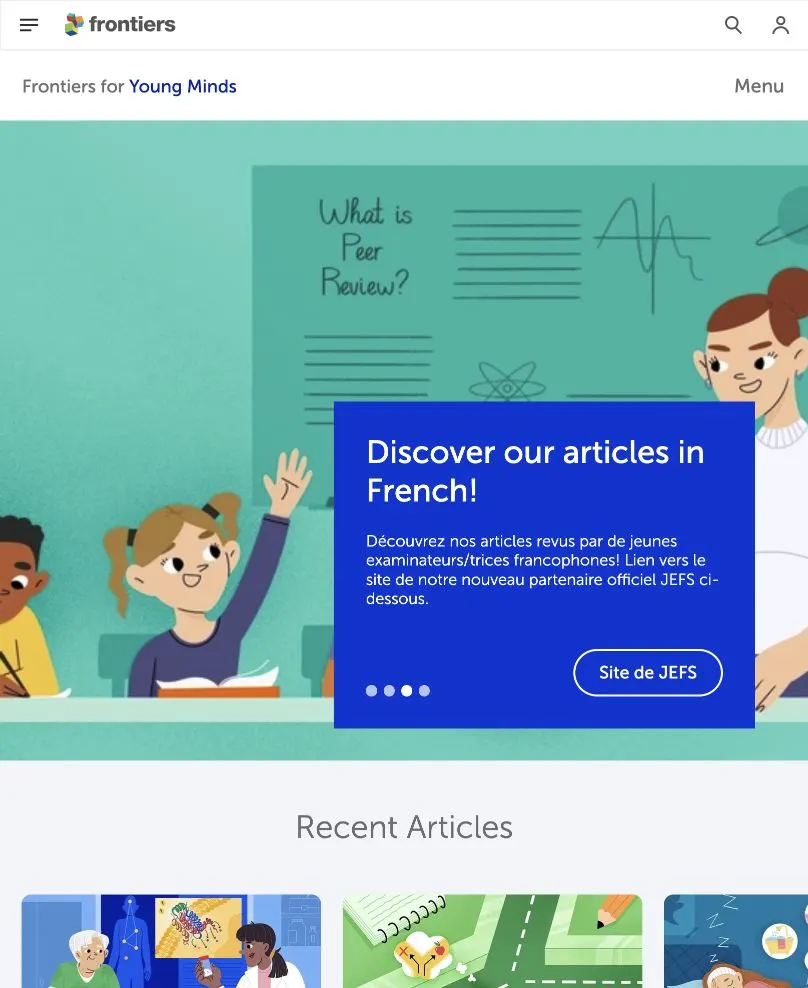
Frontiers for Young Minds
Science articles reviewed by scientists and edited with help from children, covering space, nature, health, and the world around us. It is listed under Science, Nature & environment, and Parent & educator for ages 8–15.
Compare with context
Use this collection to find a direction, then open each resource page before sharing it with a child. The individual review shows languages, access formats, tags, age guidance, source links, and notes for grown-ups.
Search the full directory →