Science Play
for kids
Explore 19 trusted science play resources selected for curious kids, with clear ages, access details, and parent context.
Two useful ways to narrow the directory
This page brings together science resources that also match play. Each listing keeps its own age range, platform details, languages, links, and parent notes, so you can compare options without losing context.
Explore all science resources →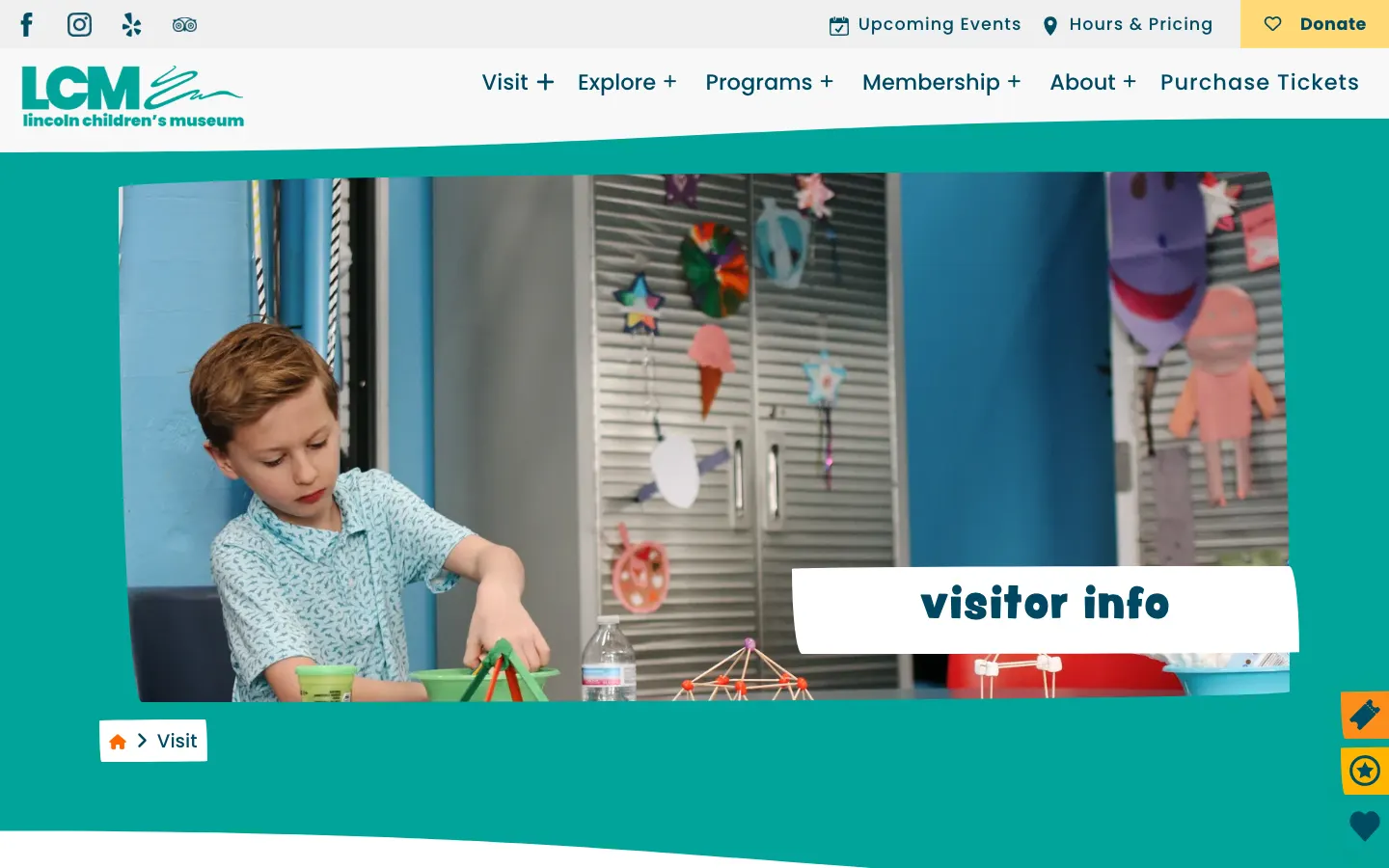
Lincoln Children’s Museum
Lincoln Children’s Museum is a hands-on play and learning venue where children and grown-ups explore interactive exhibits, field trips, and curriculum-linked experiences. It is listed under Museums and Science for ages 0–12 with adult.
Read the full resource review →More science picks
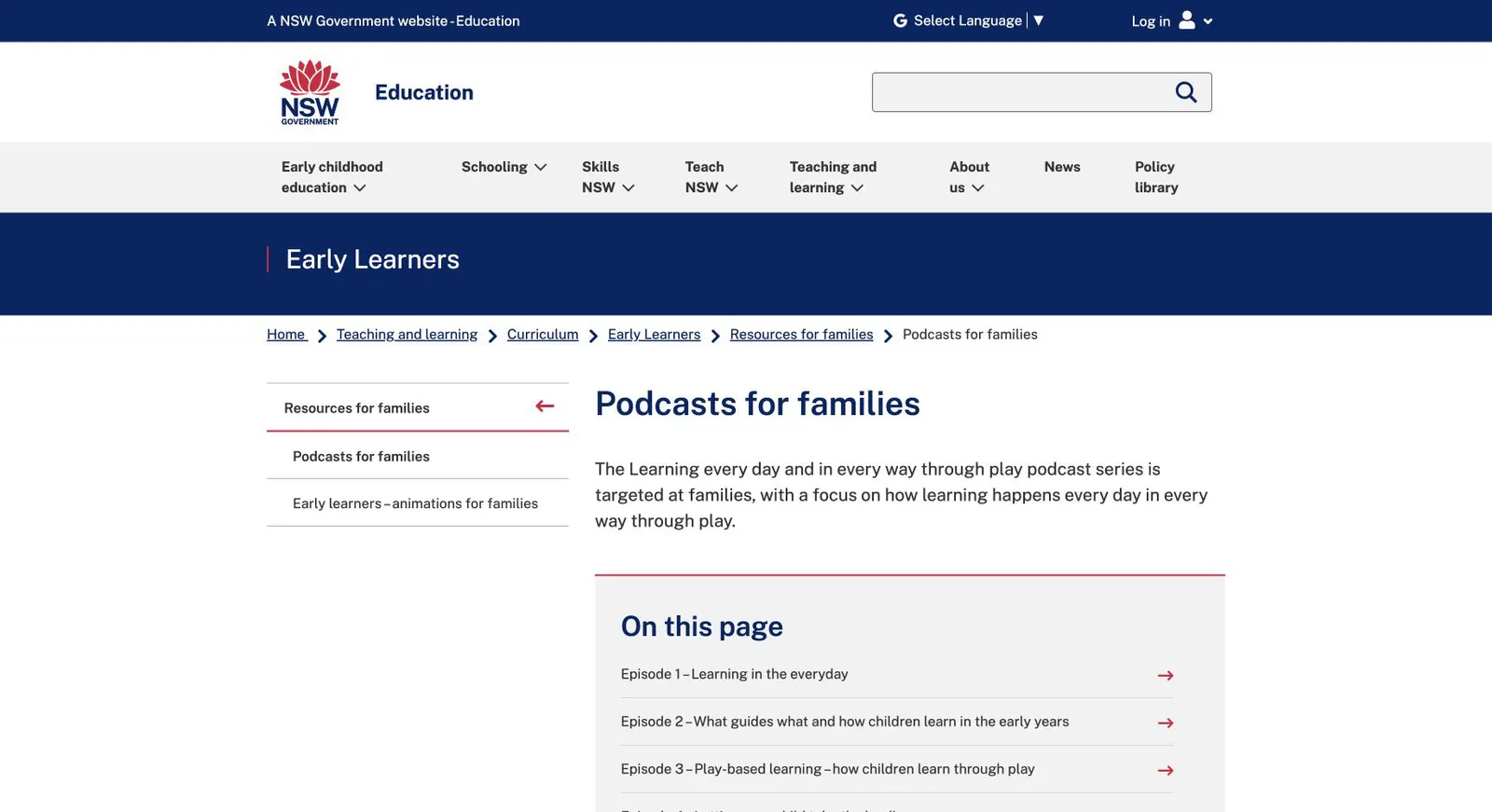
NSW Learning Every Day Through Play Podcasts
The NSW Department of Education’s family podcast series explains how children learn through play and everyday routines, with episodes on early learning frameworks, play-based learning, family support, and letting children lead.
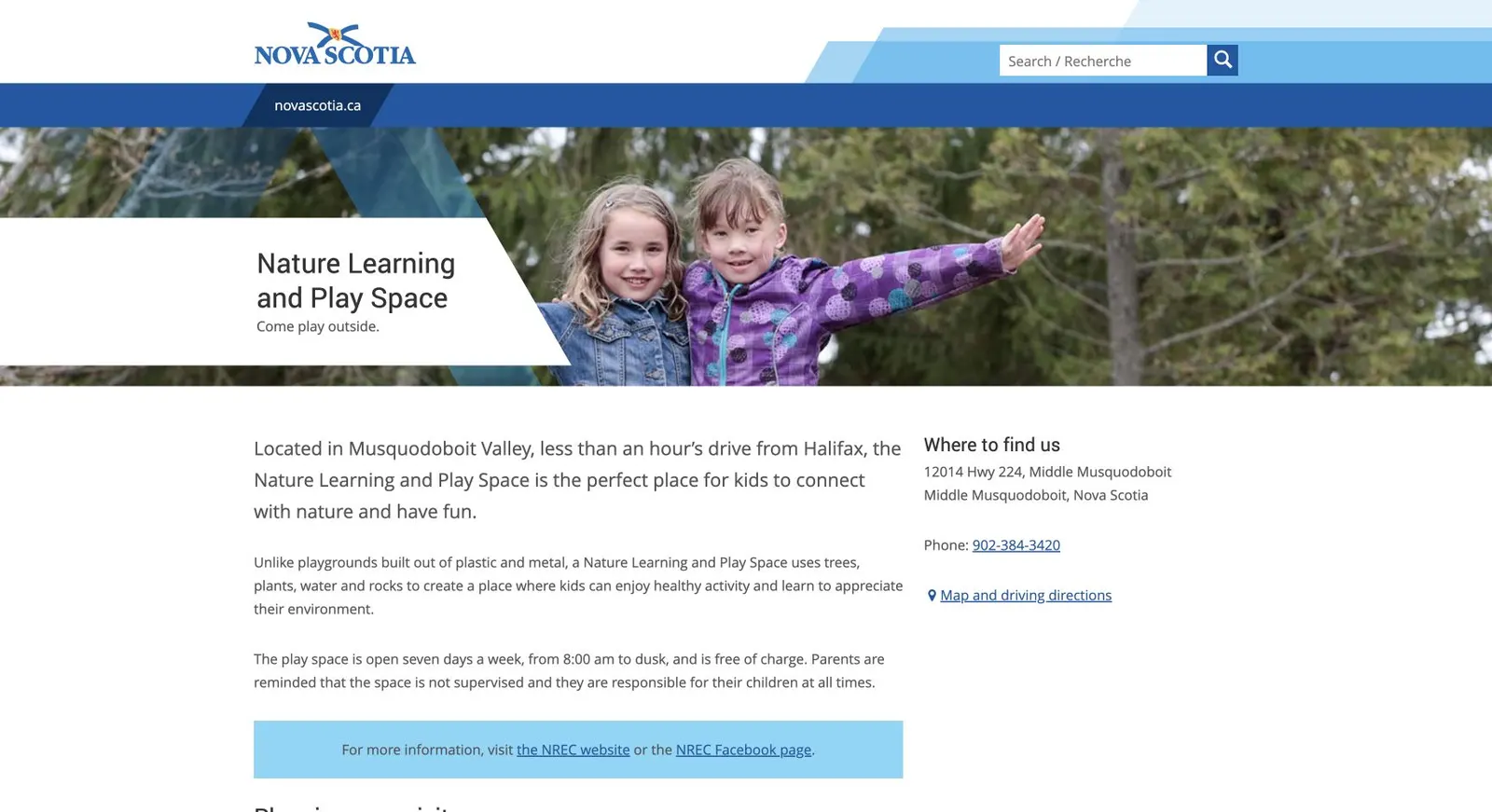
Nova Scotia Nature Learning & Play Space
A government nature-learning and play resource that encourages children and families to explore outdoor environments through play, observation, and hands-on discovery. It is listed under Nature & environment and Physical health for ages 3–12.
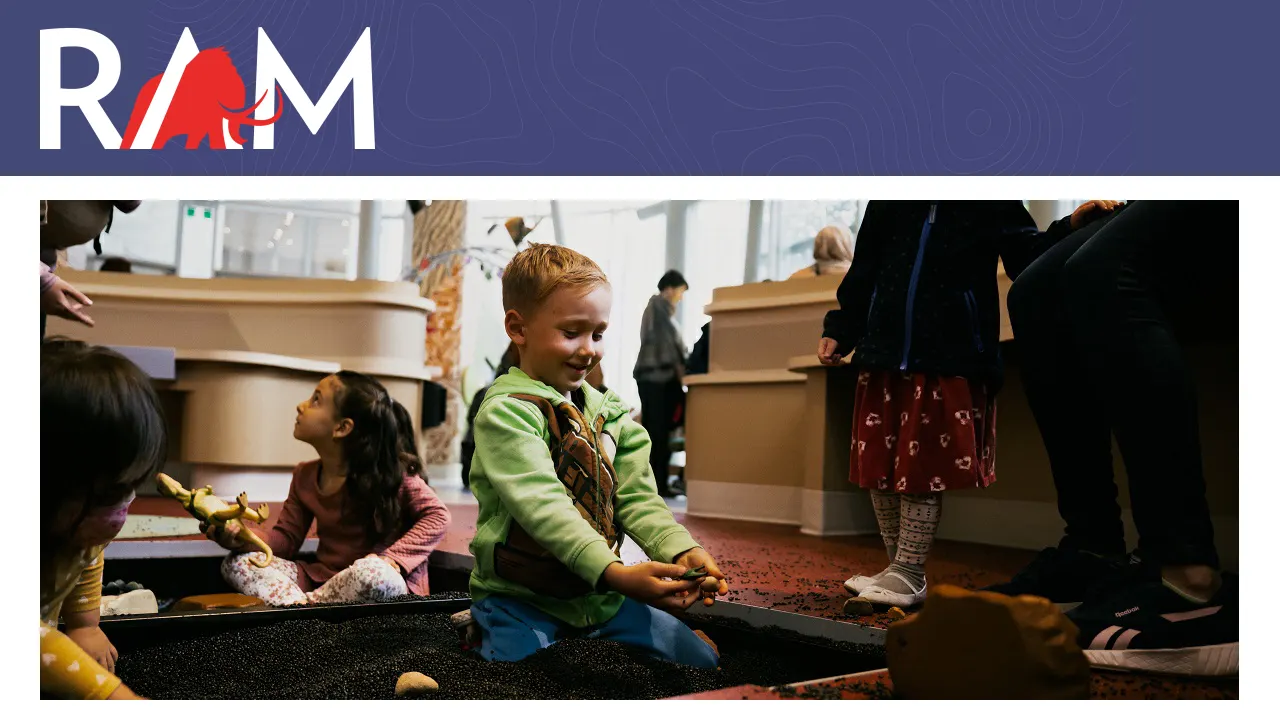
Royal Alberta Museum Children's Gallery
A playful gallery for children six and under with objects, tools, sensory areas, digging, building, and imaginative exploration. It is listed under Early learning and Science for ages 0-6. Children and families can use it through a website and a physical place.
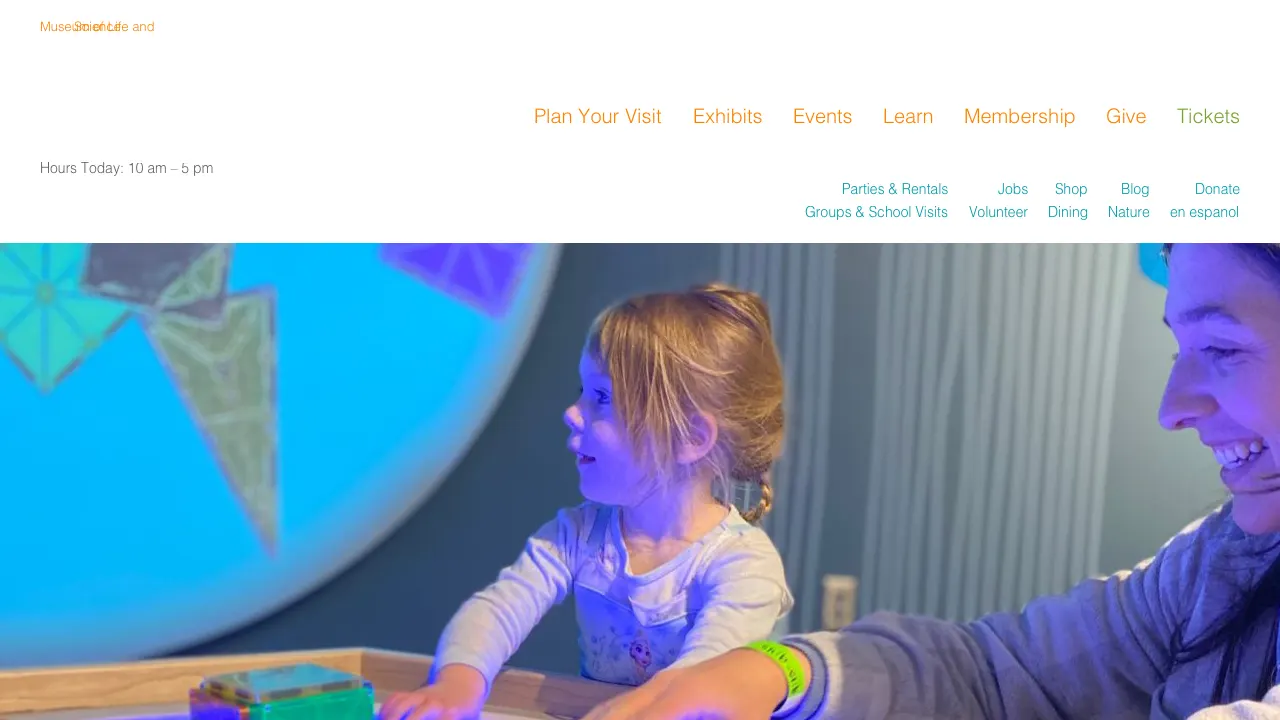
Museum of Life and Science Play to Learn
Early-childhood play experiences that explore light, shadows, patterns, gravity, building, sensory discovery, and pretend play. It is listed under Early learning and Science for ages 0-5. Children and families can use it through a website.
Child’s Play Learning & Development Lab
The University of Delaware Child’s Play Learning & Development Lab studies how children learn and grow through play, language, memory, reasoning, and spatial development, with family participation opportunities. It is listed under Science and Reading for ages Infants through young children.
SPLAT Lab
SPLAT Lab at the University of Canberra explores how young children learn STEM and spatial thinking through short playful activities and research studies. It is listed under Science and Mathematics for ages Young children.
Museo Scienza Playlab
A museum learning space for children ages 3–6 where art, science, technology, storytelling, tinkering, light, sound, nature, and imaginative play meet in five interactive rooms. It is listed under Science and Technology for ages 3–6.
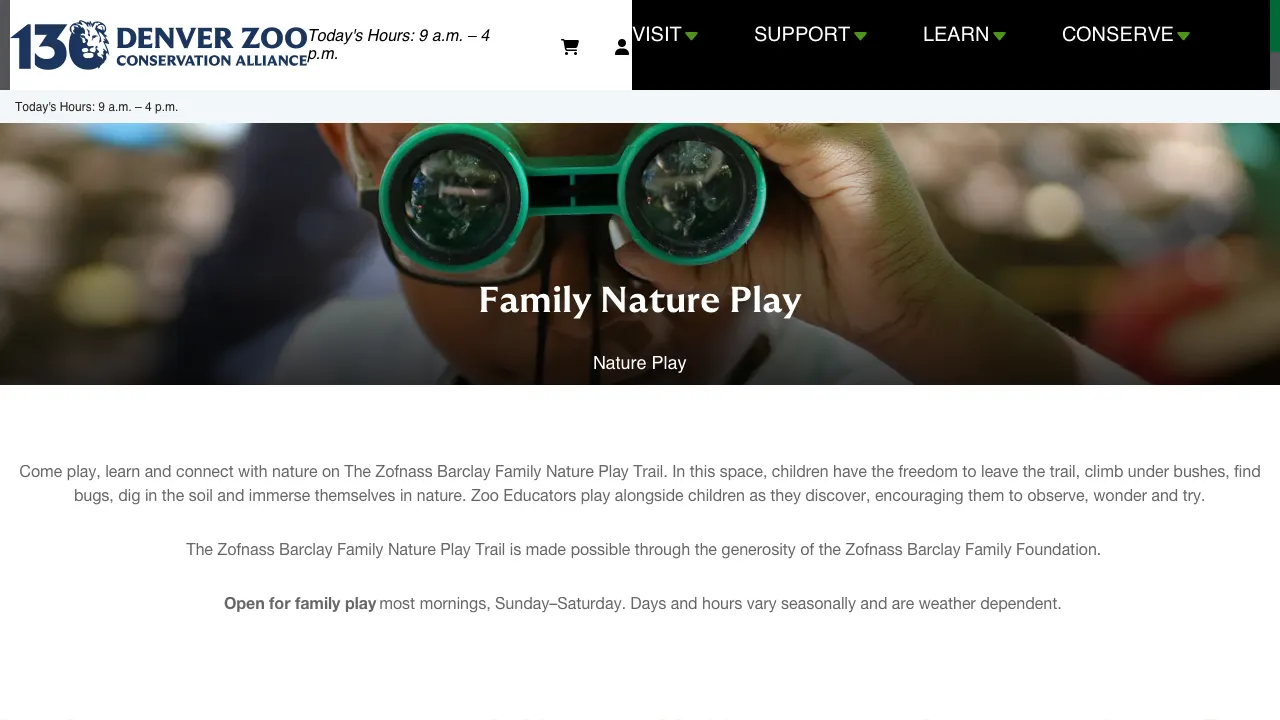
Denver Zoo Family Nature Play
Outdoor family play where children climb, dig, observe bugs, explore natural materials, and connect with nature alongside zoo educators. It is listed under Nature & environment and Science for ages 3-12. Children and families can use it through a website and a physical place.
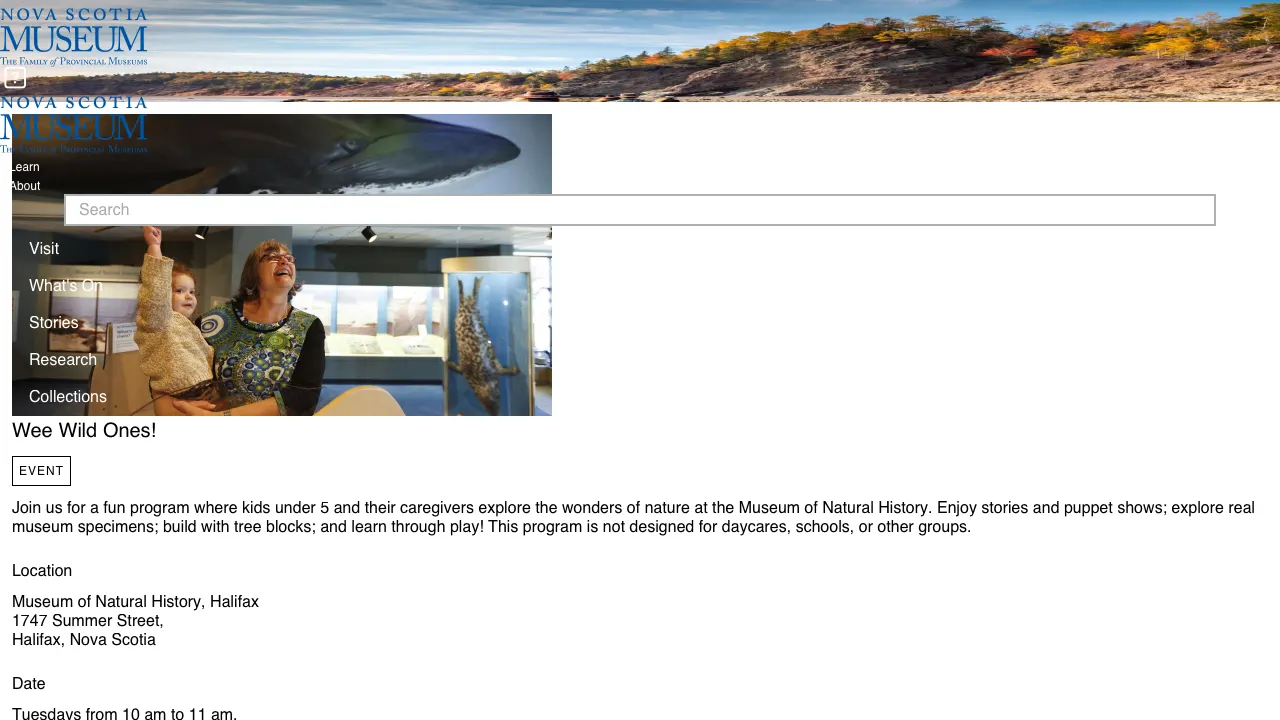
Nova Scotia Museum Wee Wild Ones
Nature play for children under five with stories, puppet shows, real specimens, building, and caregiver-supported discovery. It is listed under Nature & environment and Early learning for ages 0-5. Children and families can use it through a website and a physical place.
Children’s Museum of Manhattan Mobile Guide
The Children’s Museum of Manhattan’s Bloomberg Connects mobile guide offers a PlayWorks audio tour, at-home art projects, parenting resources, and activities that extend museum learning beyond the building. It is listed under Art & creativity and Science for ages 2–10.

London Children's Museum
Hands-on play, art, science, early learning, family programs, and child-led exhibits at a children's museum in London, Ontario. It is listed under Early learning and Science for ages 0-10. Children and families can use it through a website and a physical place.
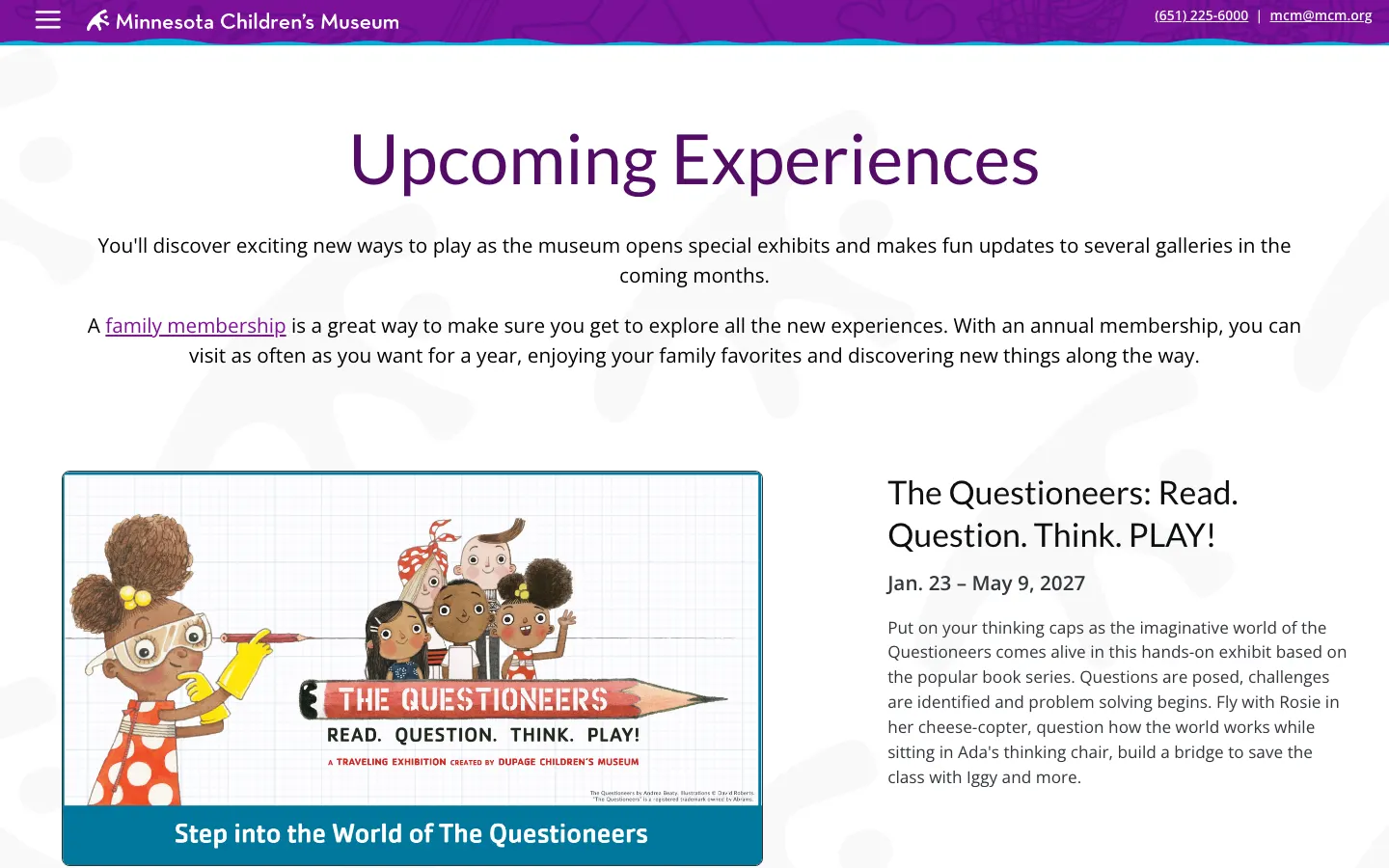
Minnesota Children’s Museum: The Questioneers
A hands-on exhibit based on the popular book series where children identify problems, test ideas, build a bridge, fly with Rosie, and explore how questions lead to discovery. It is listed under Early learning and Science for ages Young children and families.
Compare with context
Use this collection to find a direction, then open each resource page before sharing it with a child. The individual review shows languages, access formats, tags, age guidance, source links, and notes for grown-ups.
Search the full directory →