
Museum of Life and Science Play to Learn
Early-childhood play experiences that explore light, shadows, patterns, gravity, building, sensory discovery, and pretend play. It is listed under Early learning and Science for ages 0-5. Children and families can use it through a website.
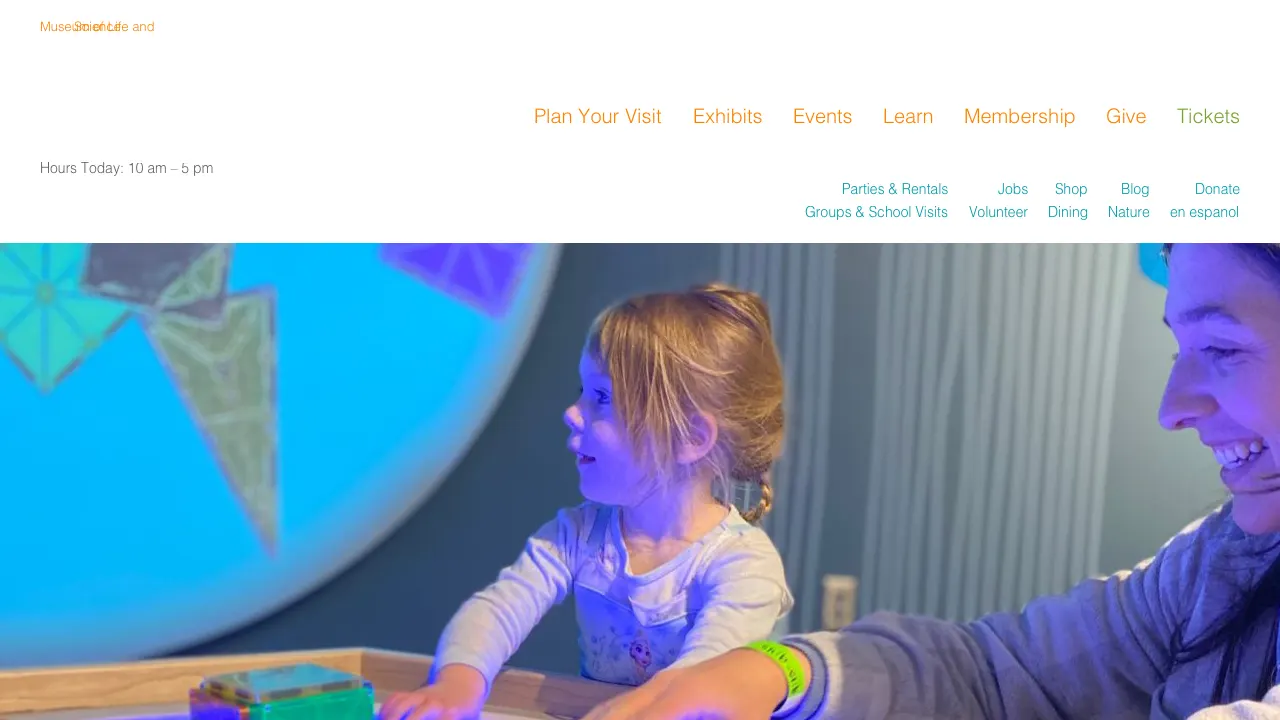 Website preview
About Museum of Life and Science Play to Learn
Play to Learn from the Museum of Life and Science supports young children through open-ended play with light and shadows, patterns, balls and gravity, building, sensory materials, and pretend play.
Age and access
This resource is listed for ages 0–5. It is available as Website and is listed as paid with free information. The listed language coverage is English.
What stands out
- Uses play as a meaningful route into early science ideas
- Supports curiosity, movement, language, and problem solving
- Gives adults ideas for noticing and extending children's play
Editorial review
Play to Learn from the Museum of Life and Science supports young children through open-ended play with light and shadows, patterns, balls and gravity, building, sensory materials, and pretend play. In the directory, it is best approached as a science museum early learning website for 0–5, with early learning and science as the main learning context and family learning, games, science as useful starting signals.
Families and educators who want uses play as a meaningful route into early science ideas, especially for ages 0–5.
- The page is designed for children age 5 and younger; adults should stay close and adapt activities to each child's development.
- The listing covers early learning and science and includes family learning, games, science; choose the specific activity or section that matches the child's age and goal.
Review basis: Catalog context based on the provider URL, recorded description, age, format, language, access, tags, and available source links. · The thekidspick catalog team
Check the details at the source
This page separates our editorial context from provider evidence. Access, pricing, language, privacy, and content can change.
Evidence date not recorded for this listing; confirm current details with the provider.
How the score is built
The official page is specifically for children ages 5 and younger.
Children explore light, patterns, gravity, building, and sensory cause and effect.
The framework helps adults understand how play can support learning.
Parent notes
- The page is designed for children age 5 and younger; adults should stay close and adapt activities to each child's development.
- Preview checked clean with no cookie popup, ad overlay, broken rendering, or placeholder imagery.

Recognized by
TheKidsPick
This resource has been independently reviewed by our team for its learning value, age fit, access, and trust signals, so parents can discover high-quality, kid-friendly resources with confidence.
Manage this resource?
Add this recognition to your website or share your TheKidsPick profile. It helps parents find your resource and shows your commitment to quality.
Find Museum of Life and Science Play to Learn in related listings
A few useful subject and format shortlists for this resource.
Questions parents ask
See something wrong?
Report an outdated link, image, language, platform, tag, or other detail.
Other early learning resources to consider
Use these nearby options to compare age fit, format, access, and the kind of adult support each resource asks for. The scores are editorial signals, not a substitute for checking the provider page.
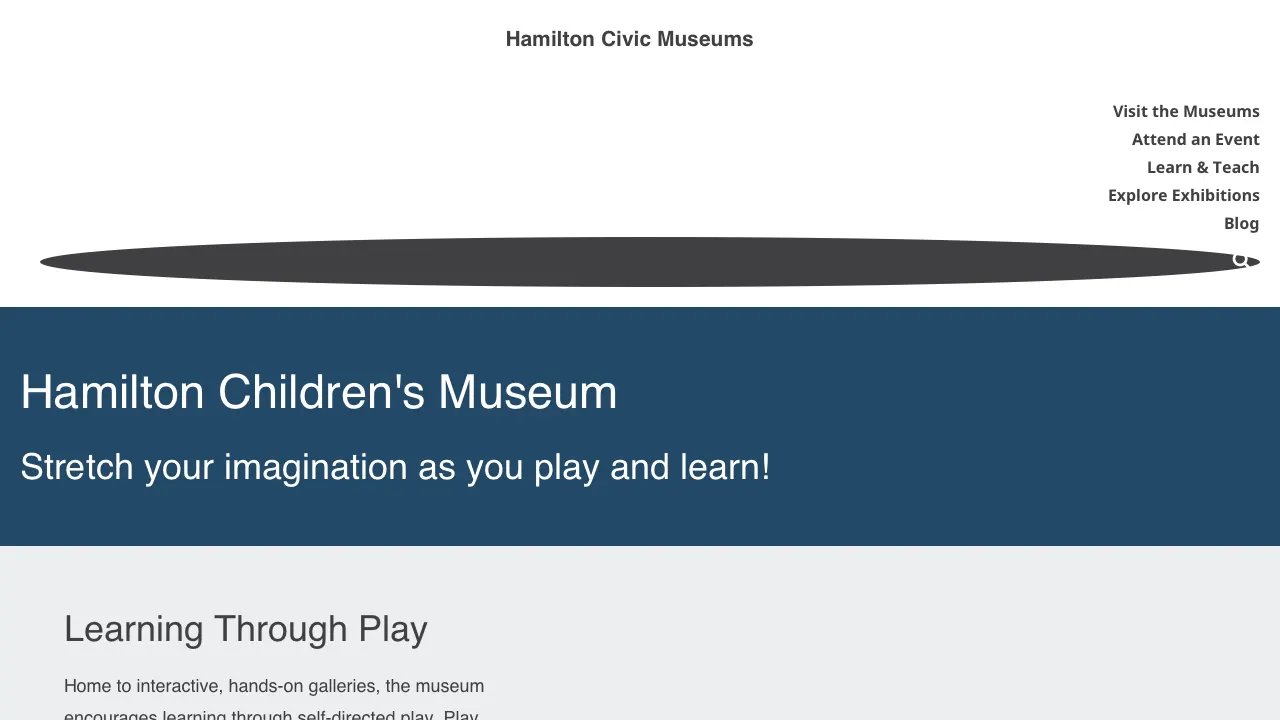
Hamilton Children's Museum
Hands-on galleries and self-directed play that help young children learn through imagination, movement, and discovery. It is listed under Early learning and Science for ages 1-7. Children and families can use it through a website and a physical place.
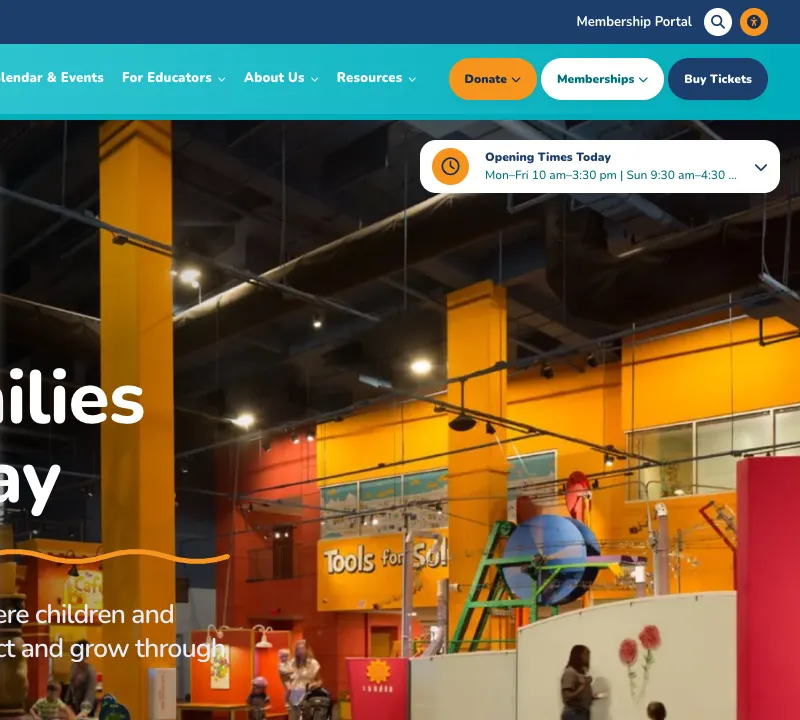
Children's Museum of Atlanta
Hands-on exhibits, making, art, science, and family learning experiences for children ages 2 to 8. It is listed under Early learning and Science for ages 2-8. Children and families can use it through a website and a physical place.
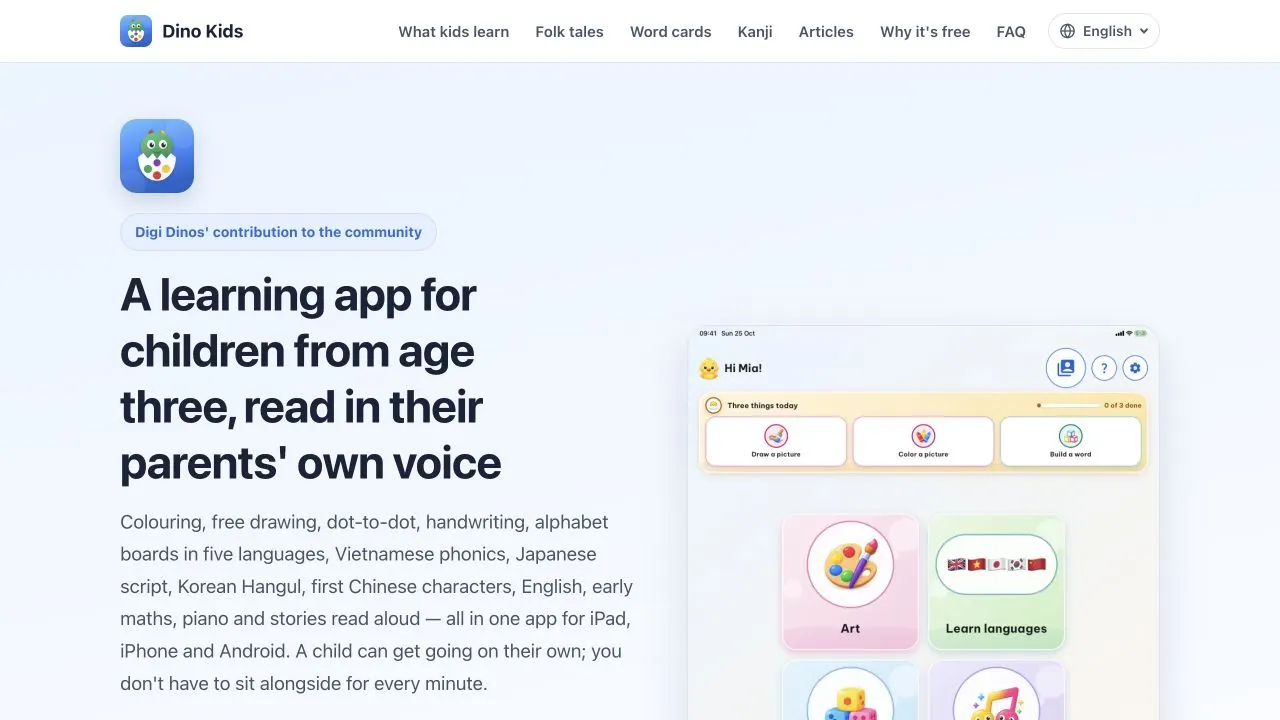
Dino Kids
Dino Kids is a free, offline-friendly learning app with drawing, handwriting, phonics, early math, music, stories, and language activities in five languages. It is listed under Early learning and Reading for ages 3–8. Children and families can use it through a website, an iOS app, and an Android app.
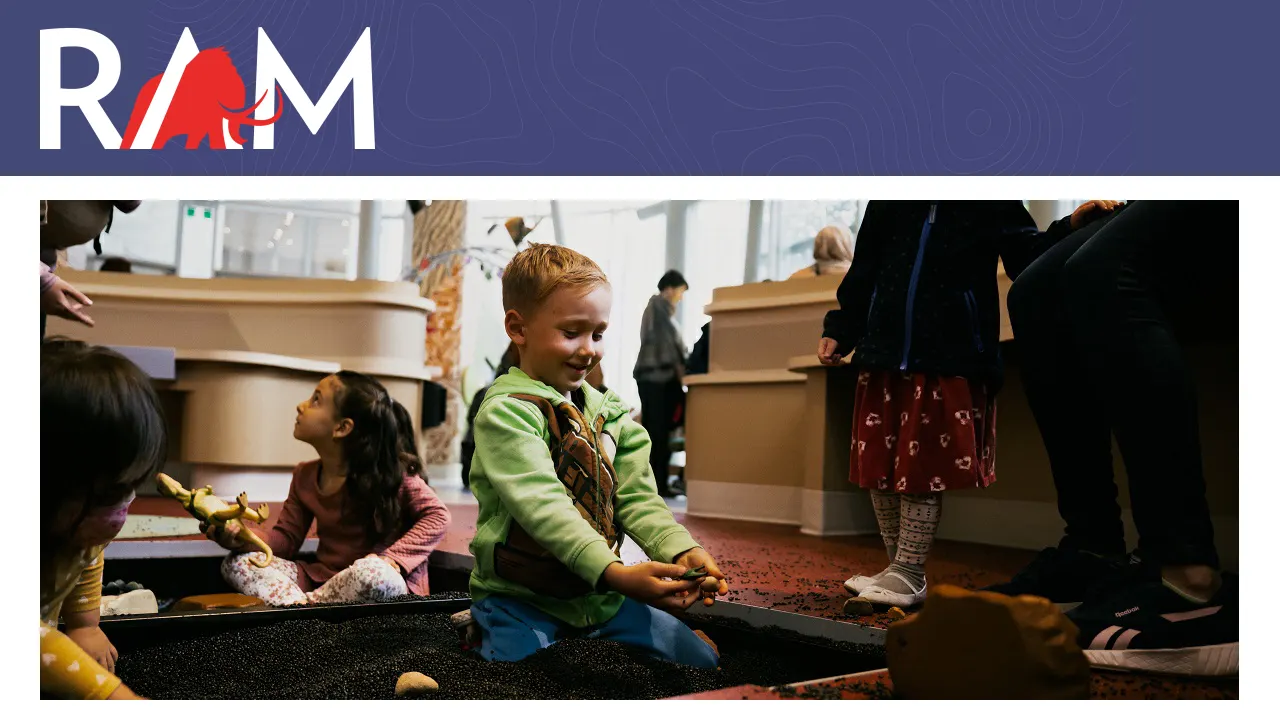
Royal Alberta Museum Children's Gallery
A playful gallery for children six and under with objects, tools, sensory areas, digging, building, and imaginative exploration. It is listed under Early learning and Science for ages 0-6. Children and families can use it through a website and a physical place.