Science iOS apps
for kids
Explore 20 trusted science ios apps selected for curious kids, with clear ages, access details, and parent context.
Two useful ways to narrow the directory
This page brings together science resources that also match ios apps. Each listing keeps its own age range, platform details, languages, links, and parent notes, so you can compare options without losing context.
Explore all science resources →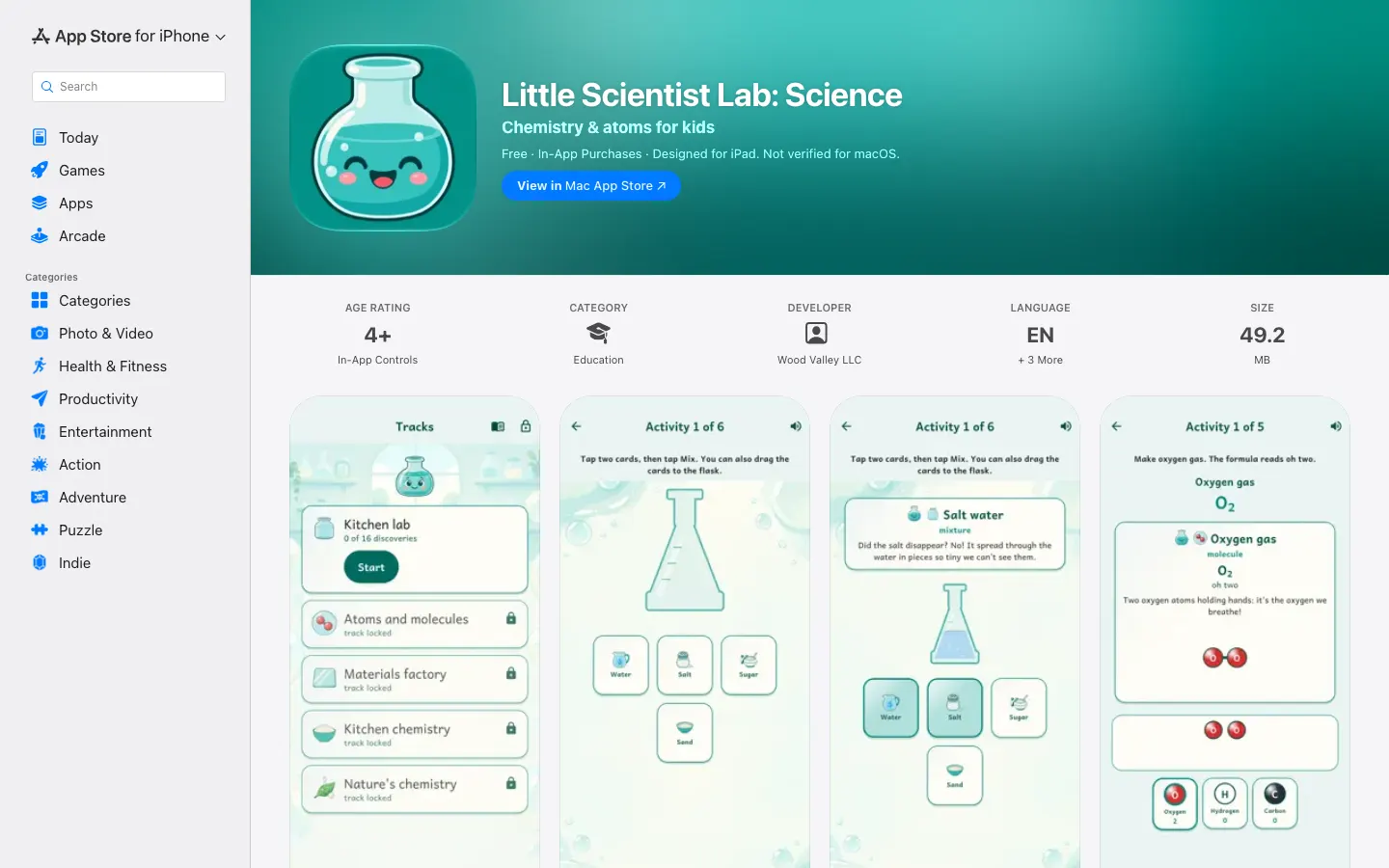
Little Scientist Lab
Little Scientist Lab is a virtual science lab for ages 6–10 where children mix materials, explore atoms and molecules, learn how materials are made, and keep explanations in a Scientist’s Notebook.
Read the full resource review →More science picks
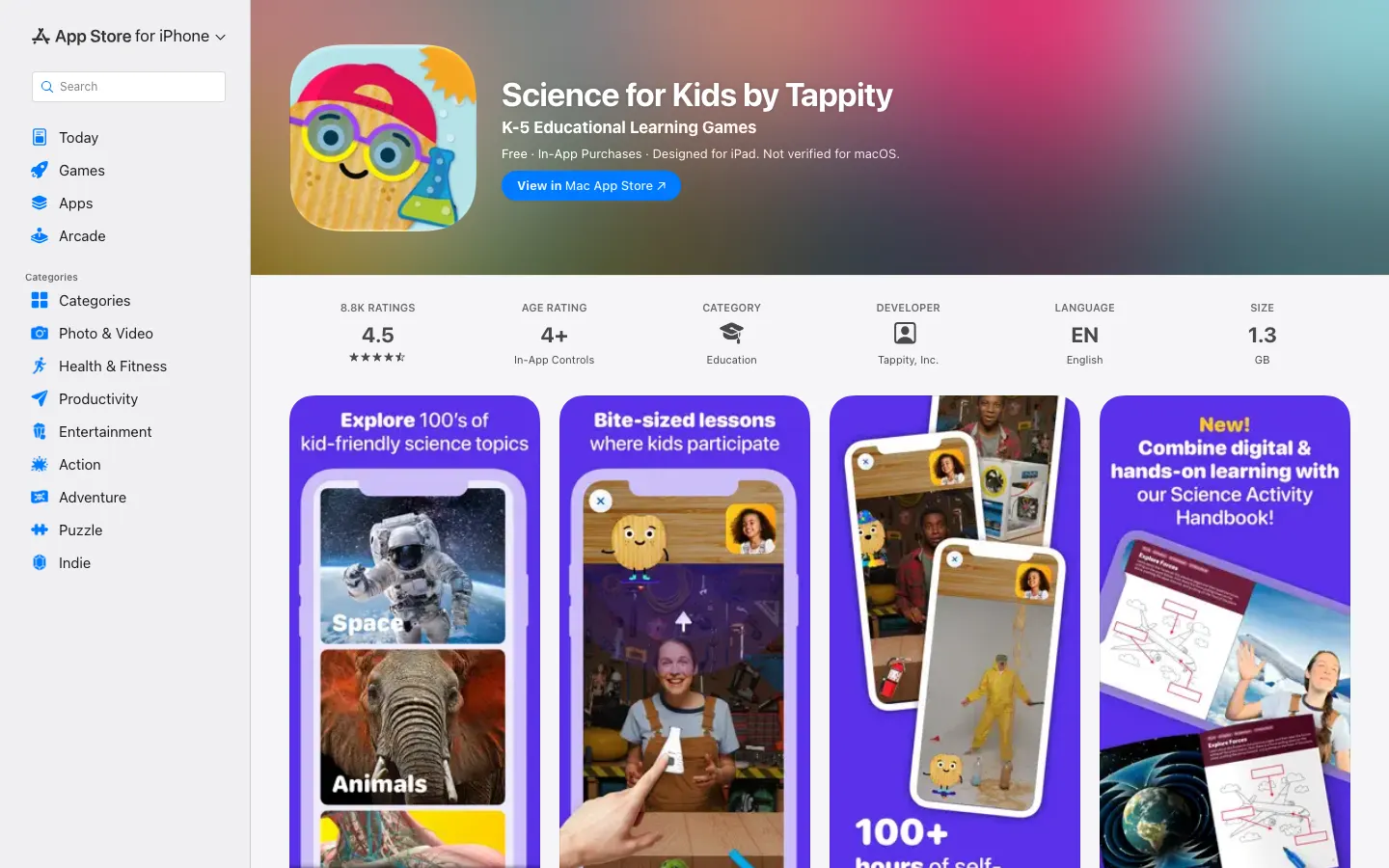
Science for Kids by Tappity
Science for Kids by Tappity is an interactive, teacher-approved science app for children with curriculum-aligned explorations and hands-on learning activities. It is listed under Science and Apps for ages 4–10. Children and families can use it through an iOS app.
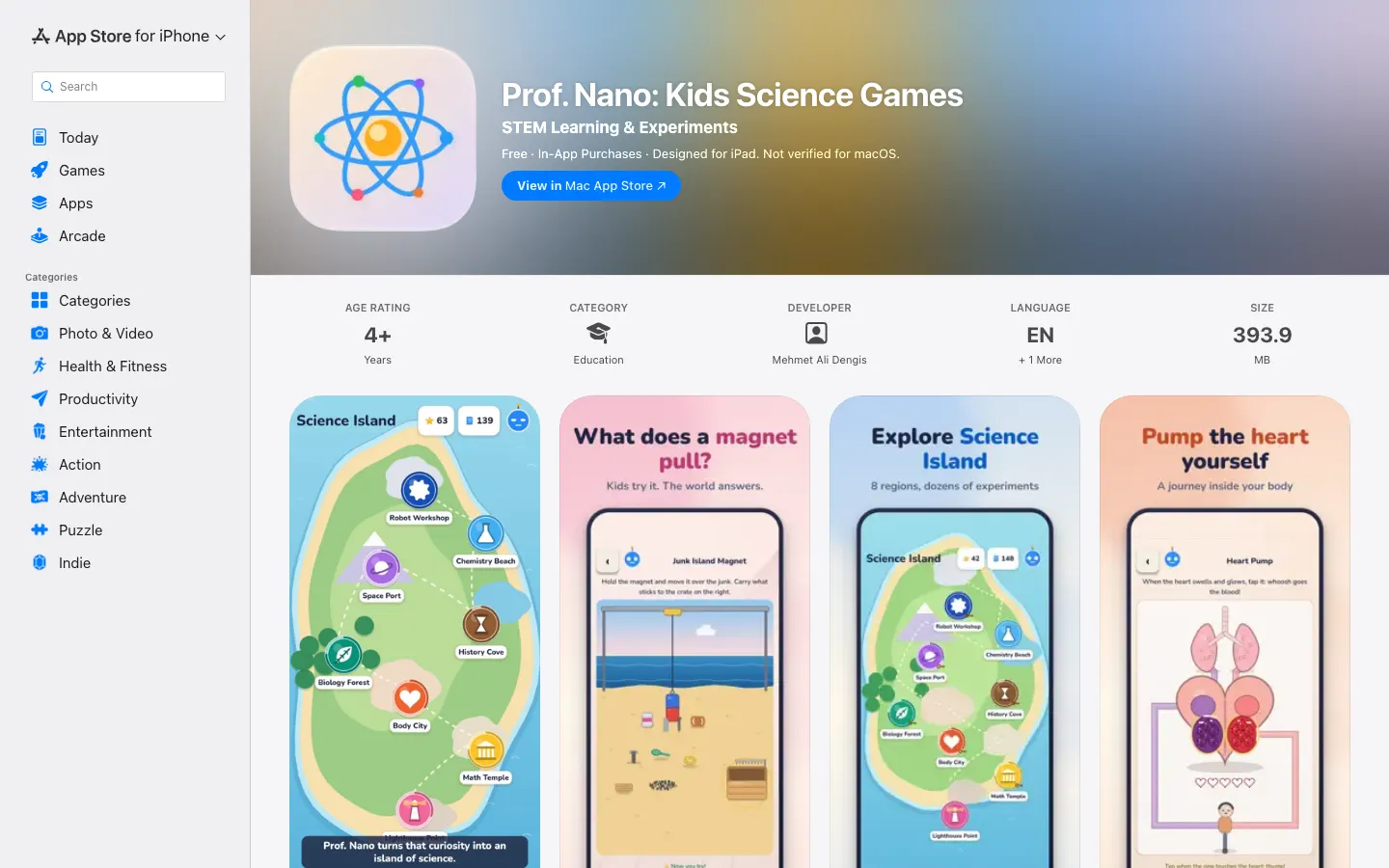
Prof. Nano
Prof. Nano is a read-aloud science discovery game where children learn by trying things out, with offline play, no ads, and a parent-gated full version. It is listed under Science and Apps for ages Children.
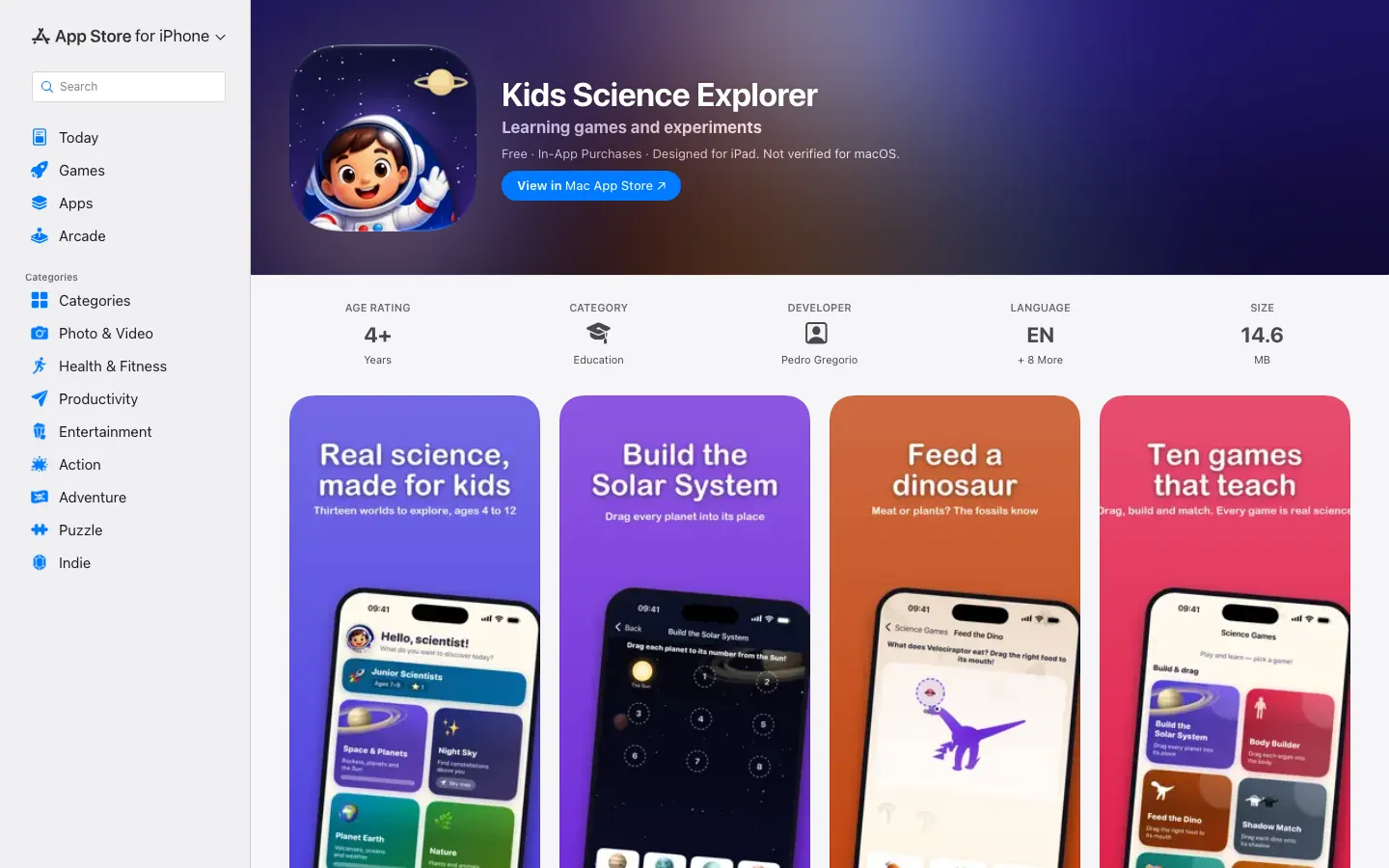
Kids Science Explorer
Kids Science Explorer is a read-aloud science app with real-world explanations, fully offline access, no ads, and family subscription access. It is listed under Science and Apps for ages Children. Children and families can use it through an iOS app.
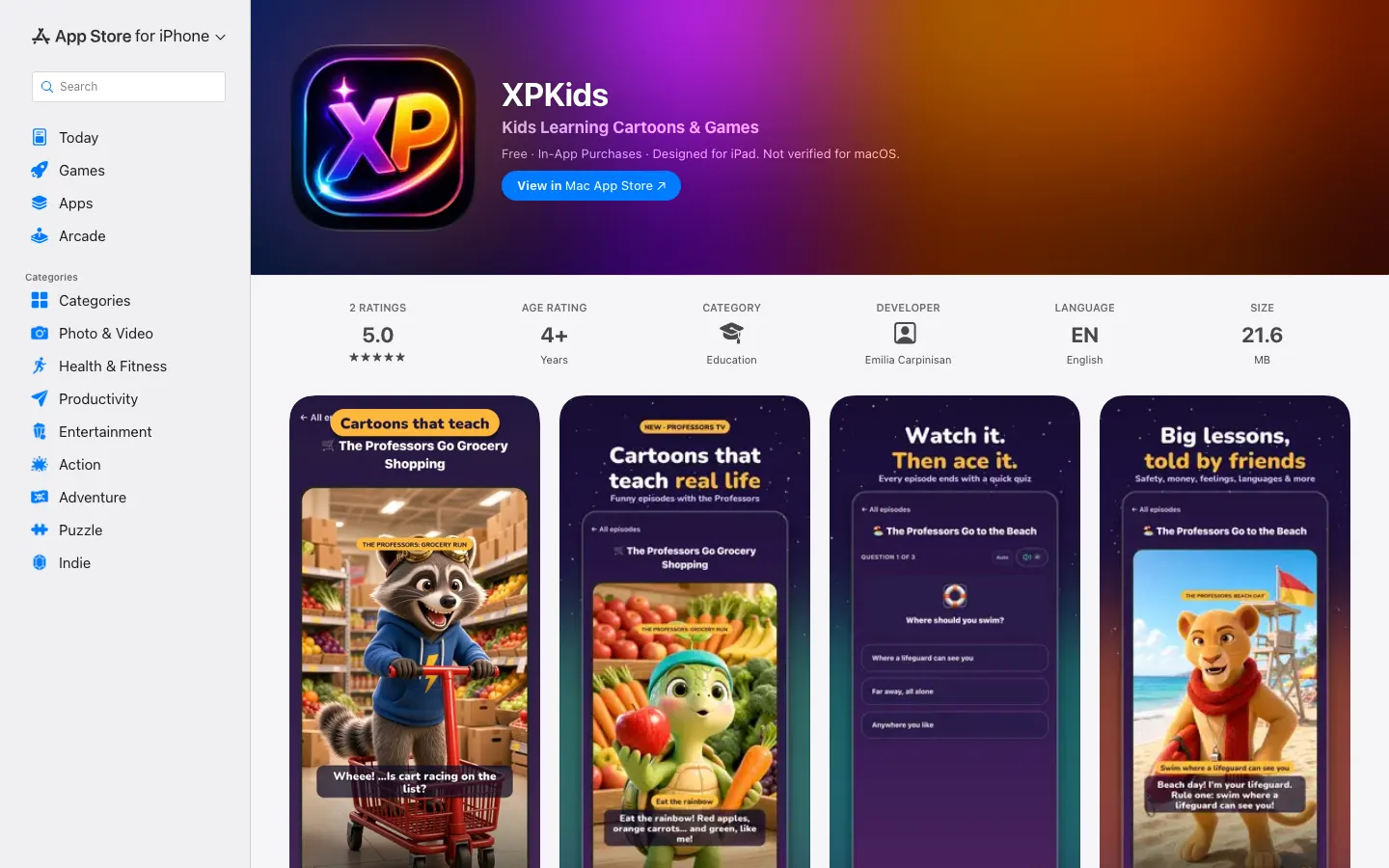
XPKids
XPKids is a free educational app for ages 5–10 combining quizzes, read-aloud support, real-world quests, rewards, and parent-managed progress tracking. It is listed under General learning and Reading for ages 5–10. Children and families can use it through an iOS app.
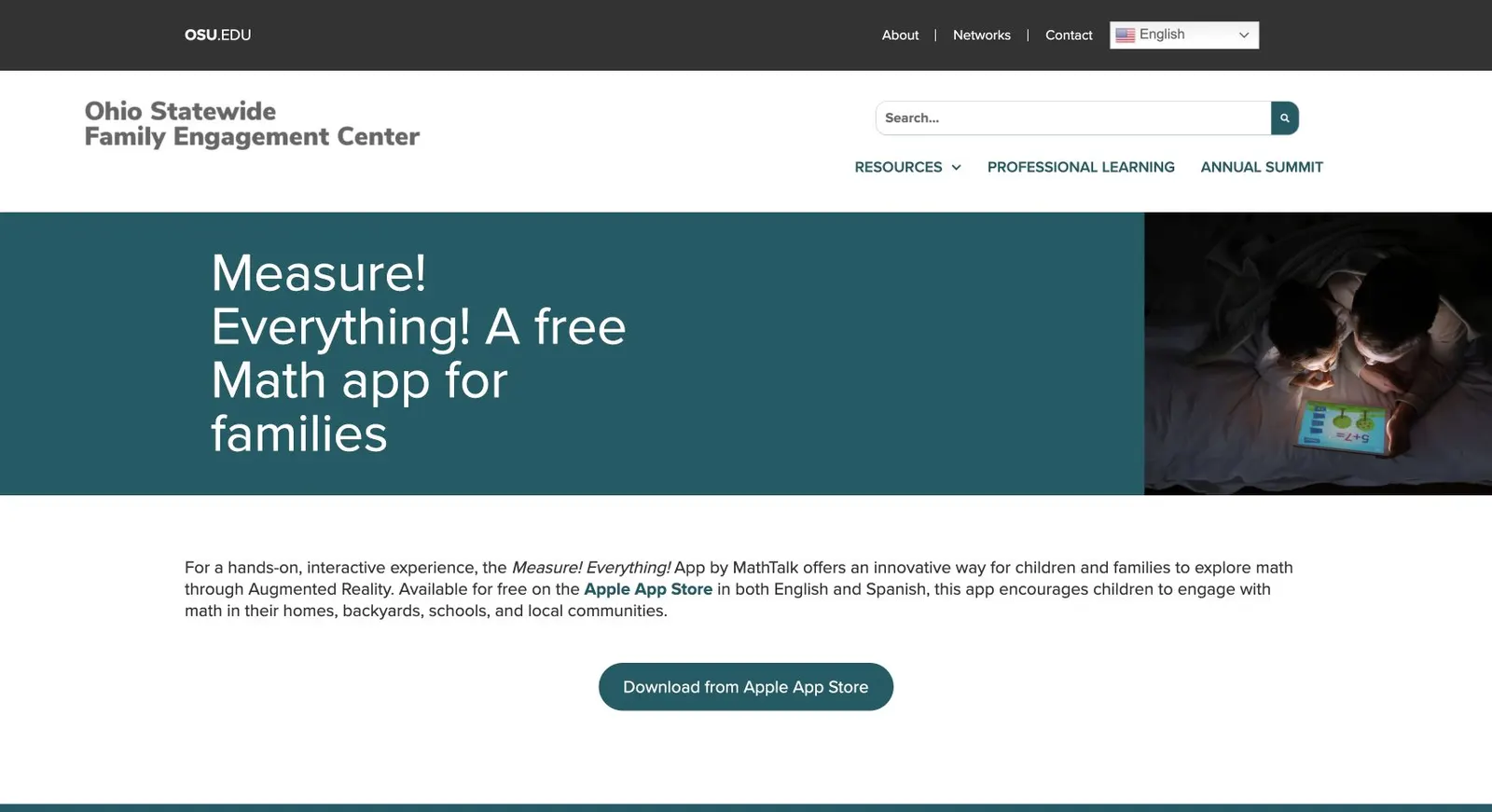
Measure! Everything!
A free MathTalk augmented-reality app from Ohio’s Statewide Family Engagement Center that turns everyday surroundings into family measurement and spatial-reasoning activities. It is listed under Maths & logic and Science for ages 5–12. Children and families can use it through a website and an iOS app.
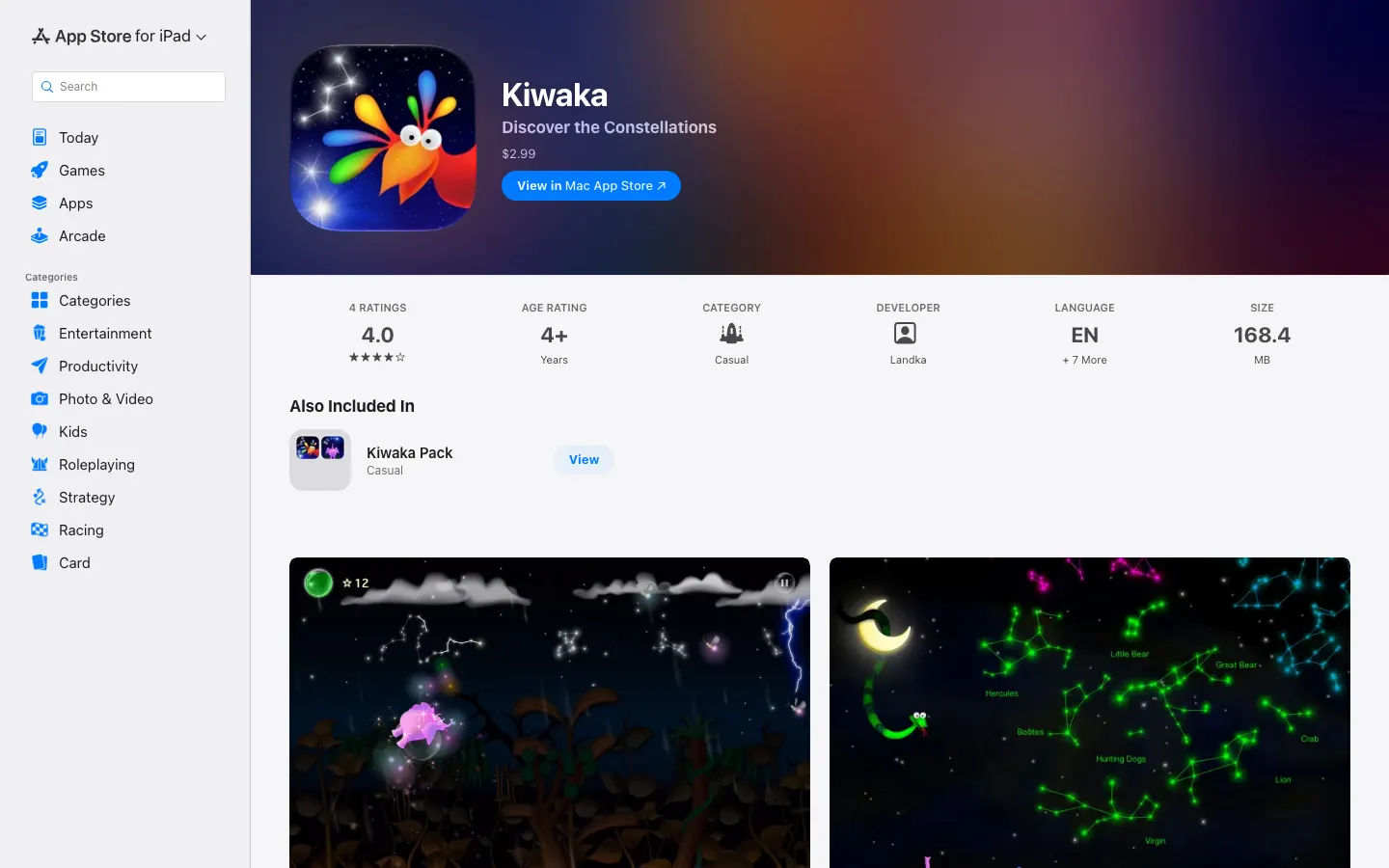
Kiwaka
Kiwaka is an astronomy learning game for children that teaches stars and constellations through play, with space imagery and educational content about astronomy and Greek mythology. It is listed under Space and Science for ages 4+.
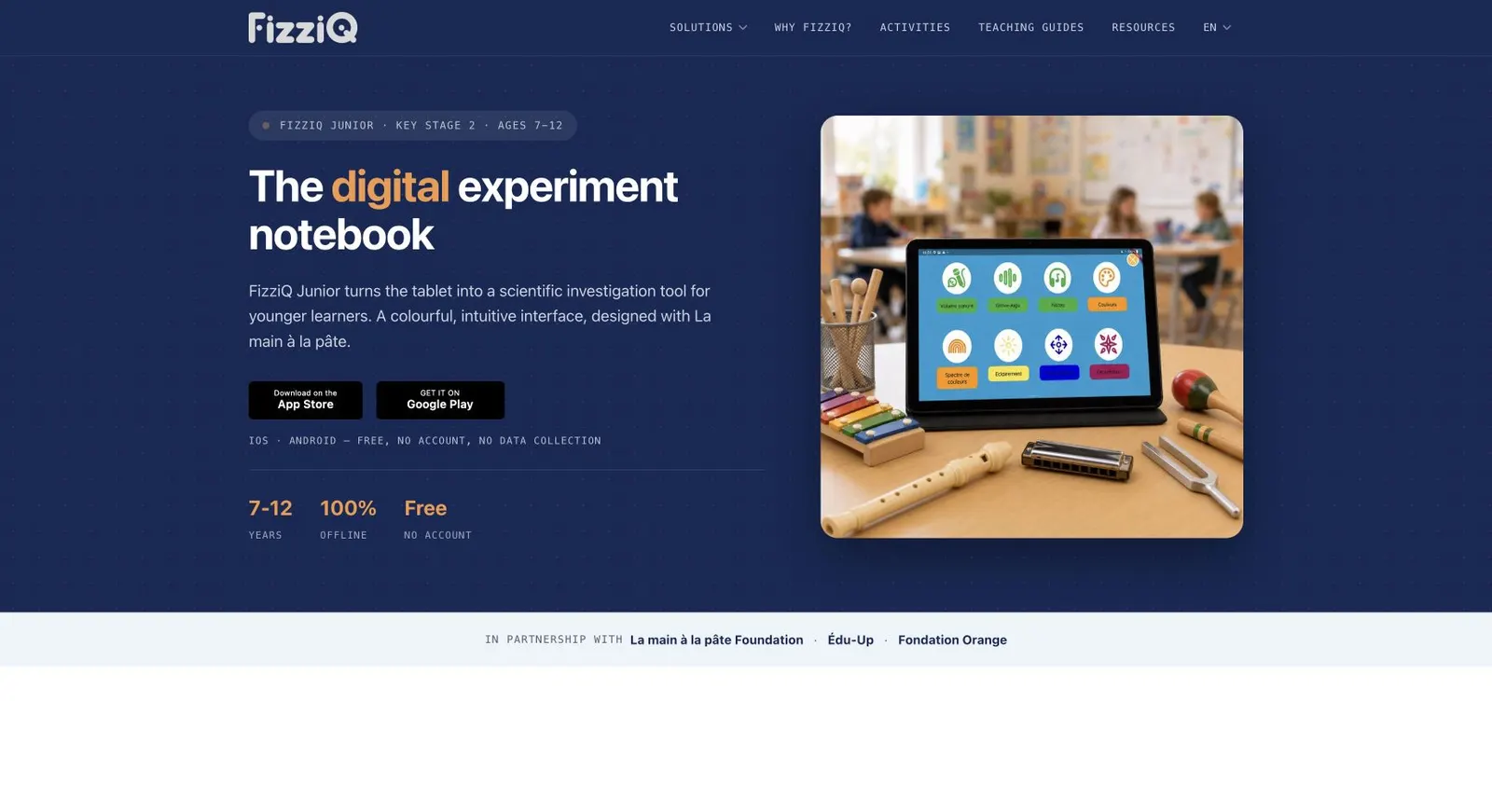
FizziQ Junior
A free offline digital experiment notebook for ages 7–12 that turns tablet and phone sensors into tools for measuring colour, sound, light, motion, dimensions, and environment. It is listed under Science and Maker & DIY for ages 7–12.
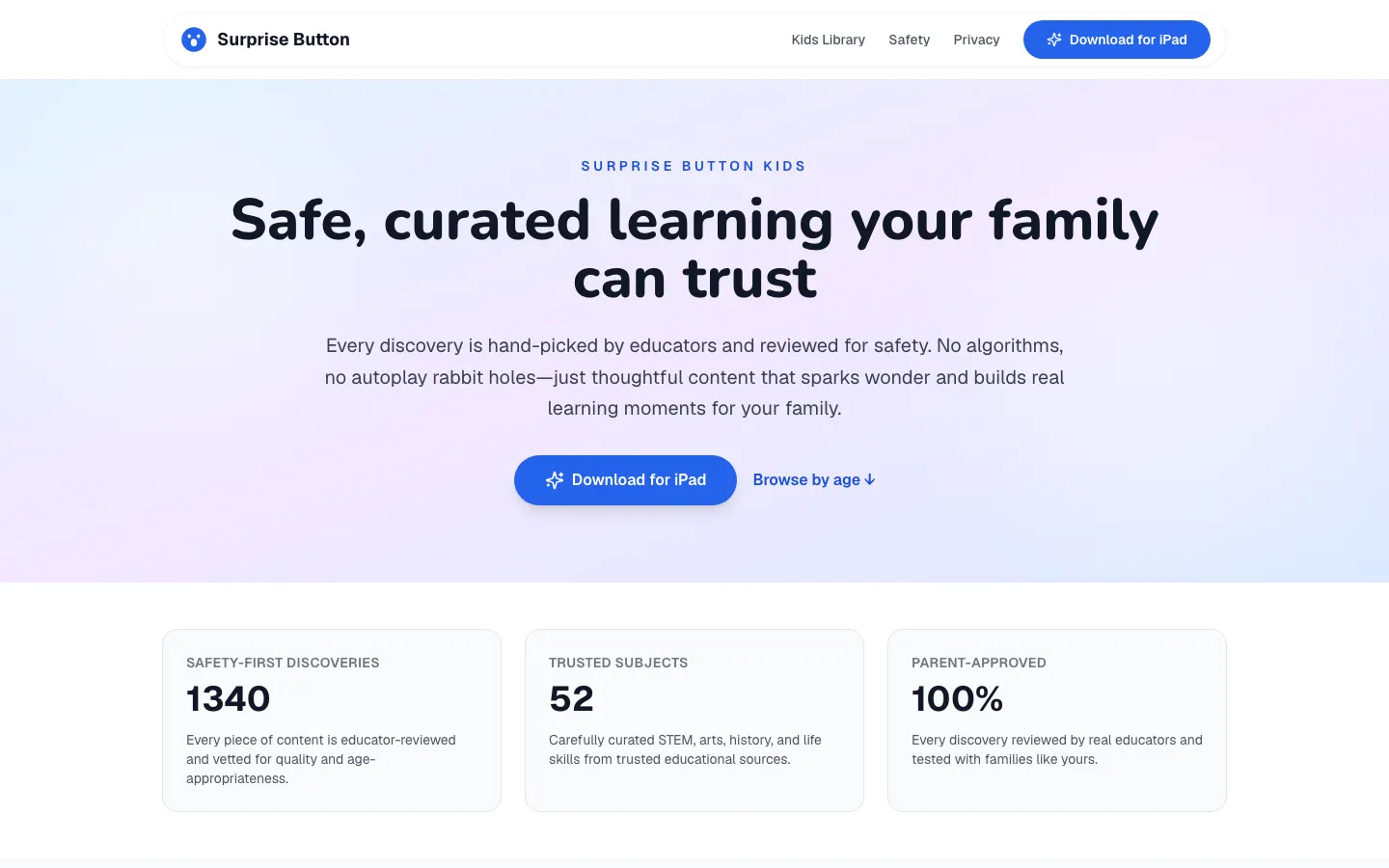
Surprise Button Kids Library
Surprise Button is a curated learning library that organizes educator-reviewed videos, articles, and lessons by age and subject across STEM, arts, history, nature, and life skills. It is listed under Family learning and Science for ages 3–16.
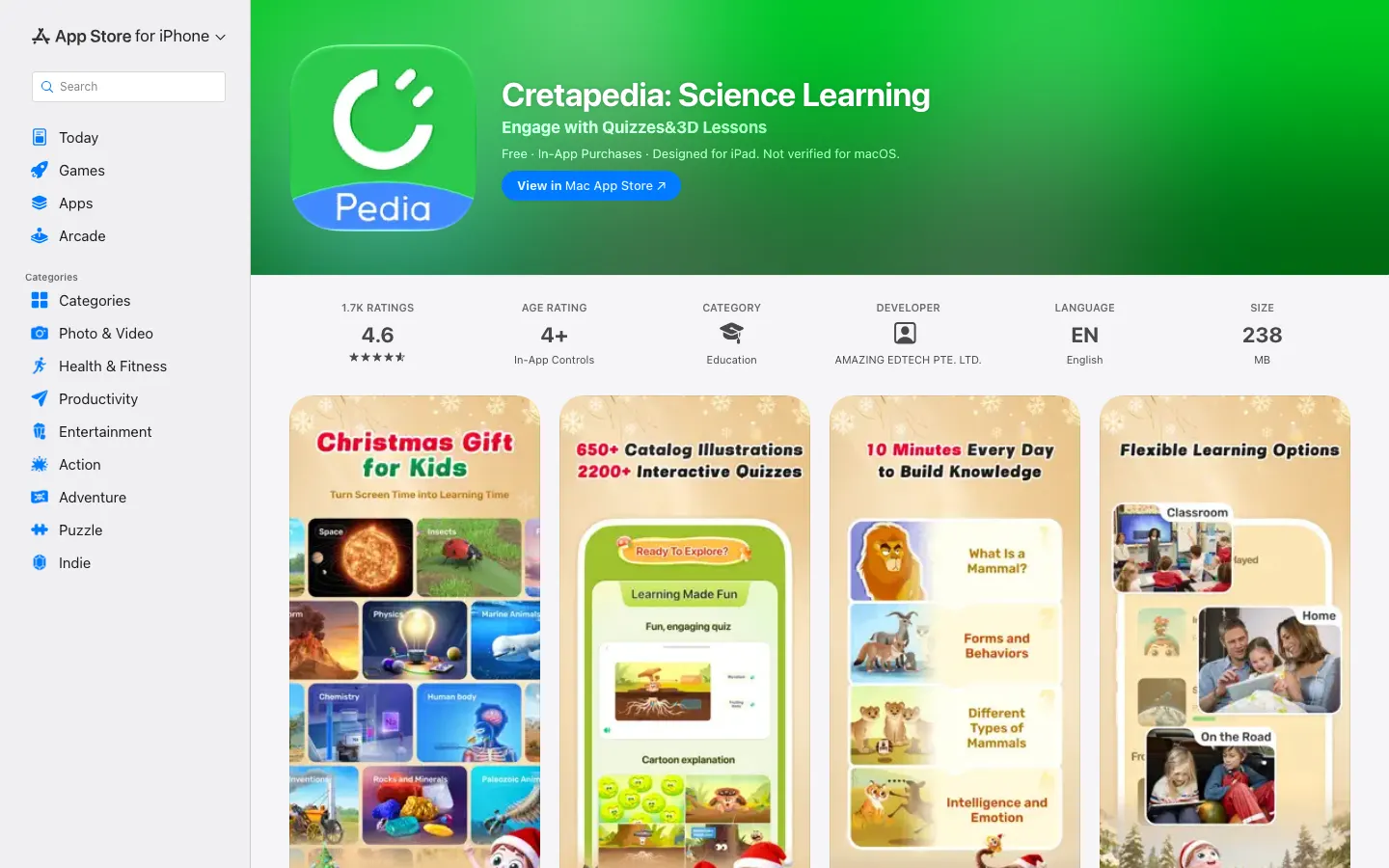
Cretapedia
Cretapedia is an ad-free science learning app for ages 5–12 with bite-sized lessons, quizzes, and interactive 3D models covering animals, nature, space, and other science topics. It is listed under Science and Nature & environment for ages 5–12.
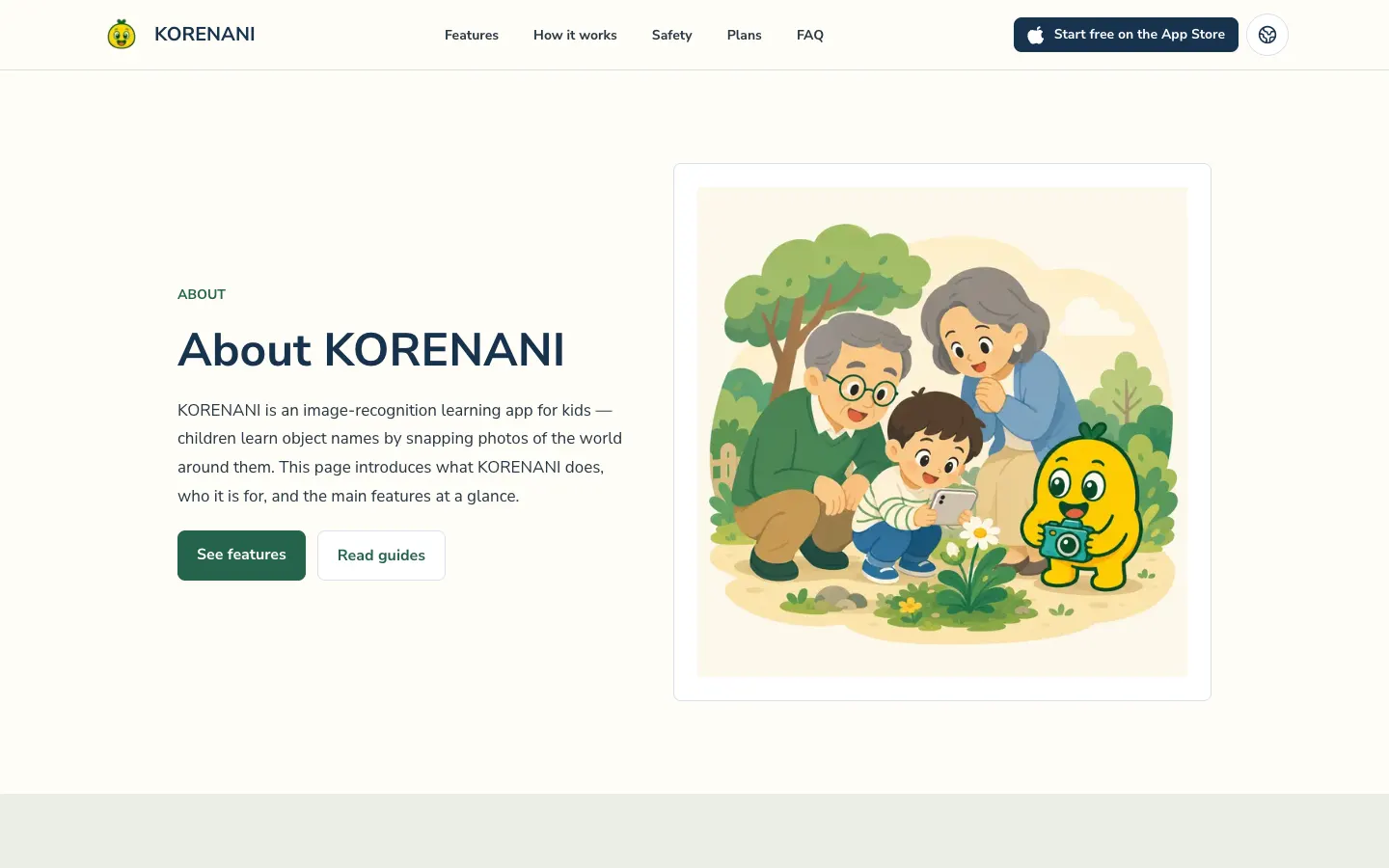
KORENANI
KORENANI is an image-recognition learning app for kids: children snap photos of the world around them and learn object names with family support. It is listed under Science and Language for ages Children; age guidance varies by app mode.
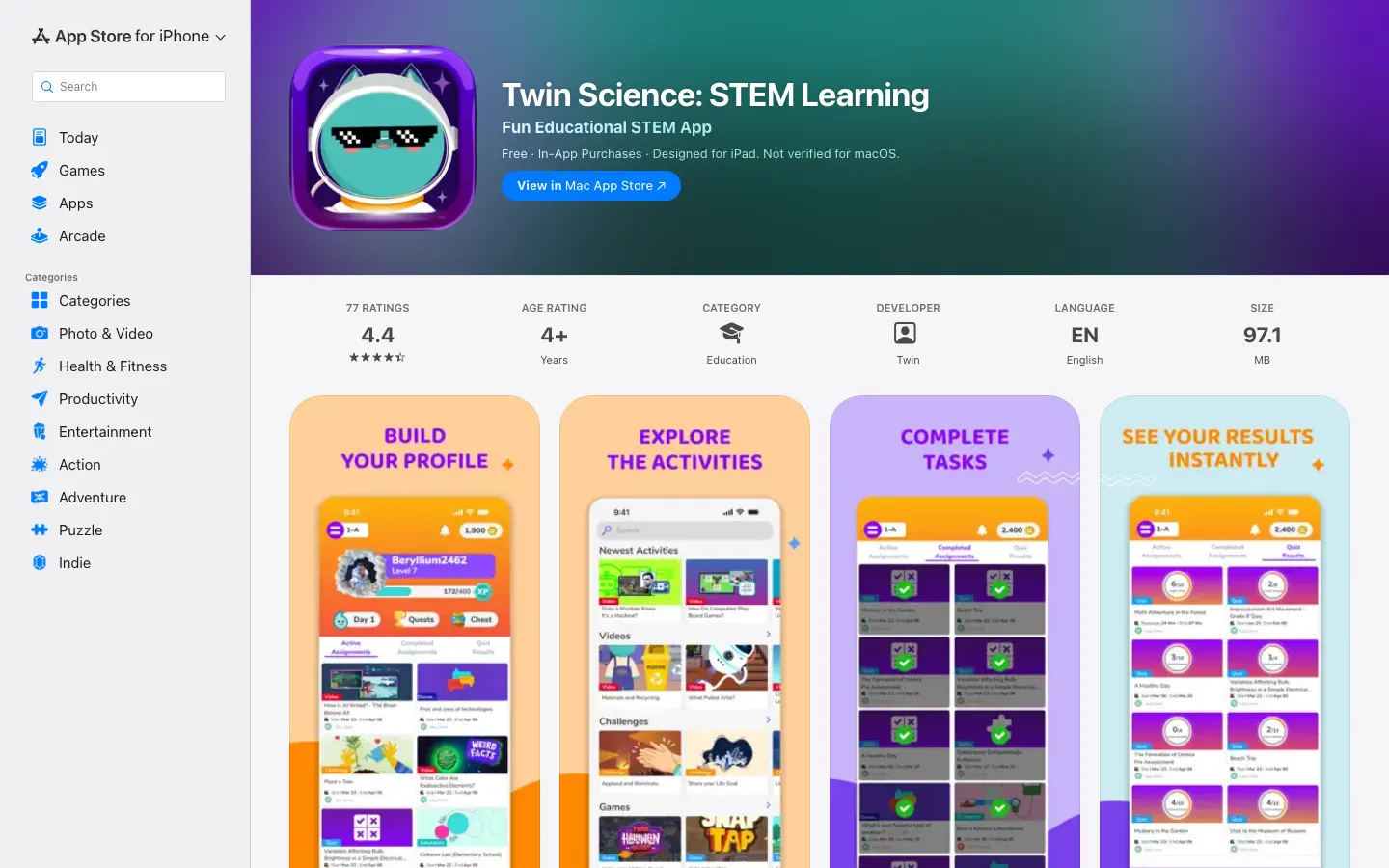
Twin Science
Twin Science is a STEM and sustainability learning app connecting playful activities to UN Sustainable Development Goals and offering skills reporting for learners and educators. It is listed under Science and Nature & environment for ages 6–14.
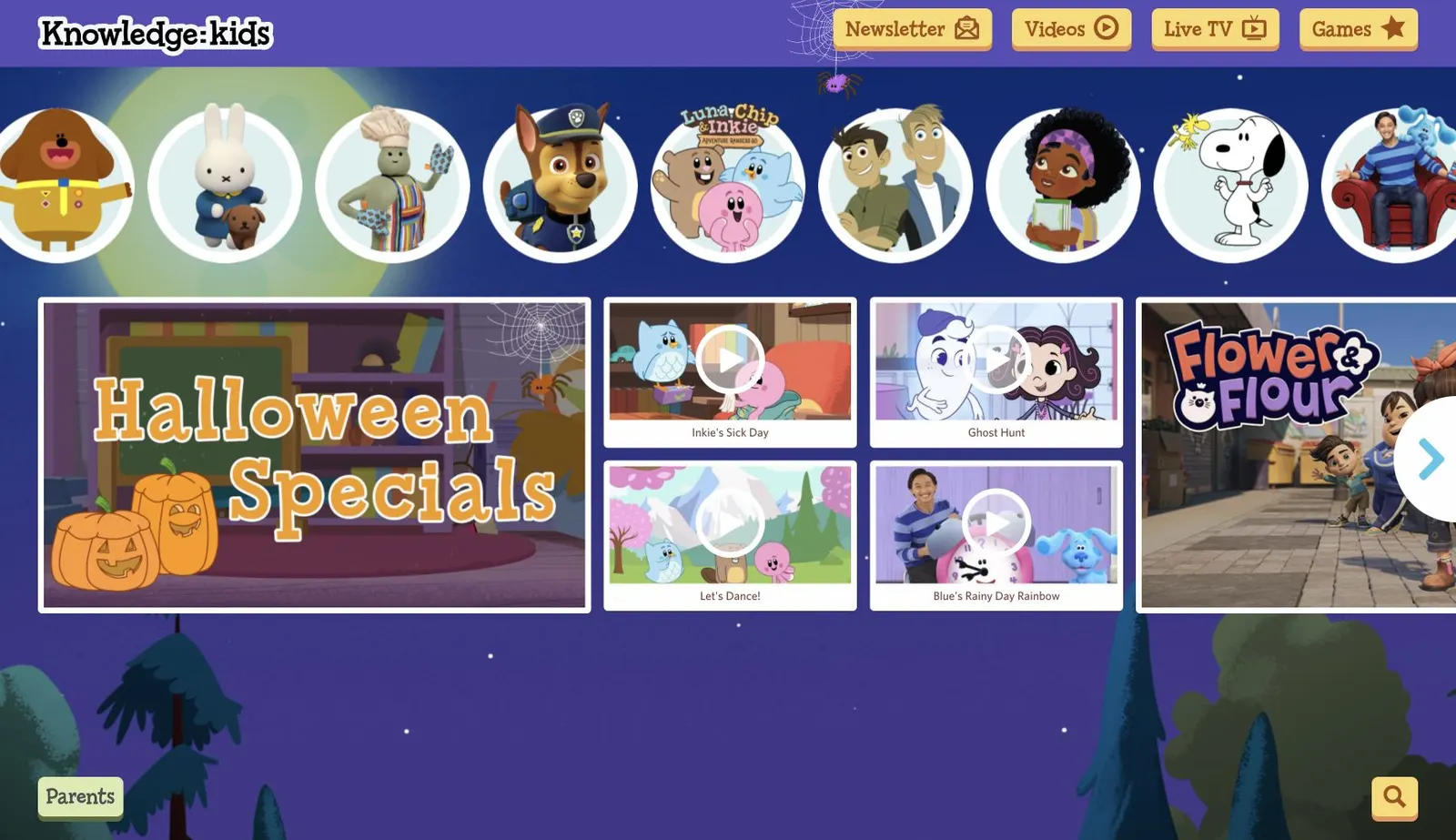
Knowledge Kids
Commercial-free children’s videos, games, live TV, and shows from Knowledge Network for children ages two to eight. It is listed under Entertainment, Reading, and Science for ages 2–8. Children and families can use it through a website, an Android app, an iOS app, and amazon-appstore.
Compare with context
Use this collection to find a direction, then open each resource page before sharing it with a child. The individual review shows languages, access formats, tags, age guidance, source links, and notes for grown-ups.
Search the full directory →