Space websites
for kids
Explore 20 trusted space websites selected for curious kids, with clear ages, access details, and parent context.
Two useful ways to narrow the directory
This page brings together space resources that also match websites. Each listing keeps its own age range, platform details, languages, links, and parent notes, so you can compare options without losing context.
Explore all space resources →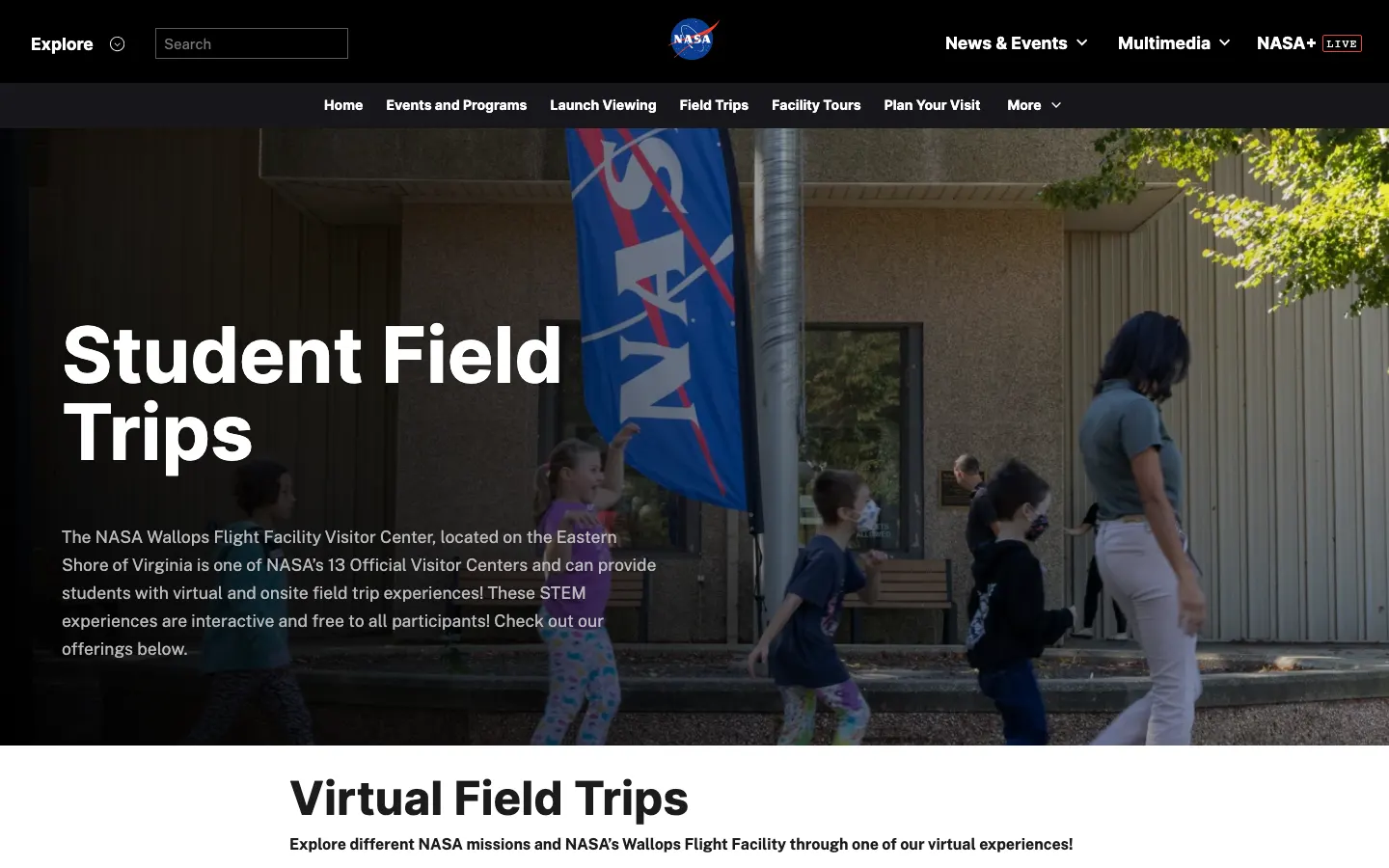
NASA Wallops Virtual Field Trips
NASA Wallops Visitor Center virtual field trips bring live educators to classrooms for programs about the Moon, Mars, the solar system, and aerospace. It is listed under Space and Science for ages 8–18. Children and families can use it through a website.
Read the full resource review →More space picks
Found in Space
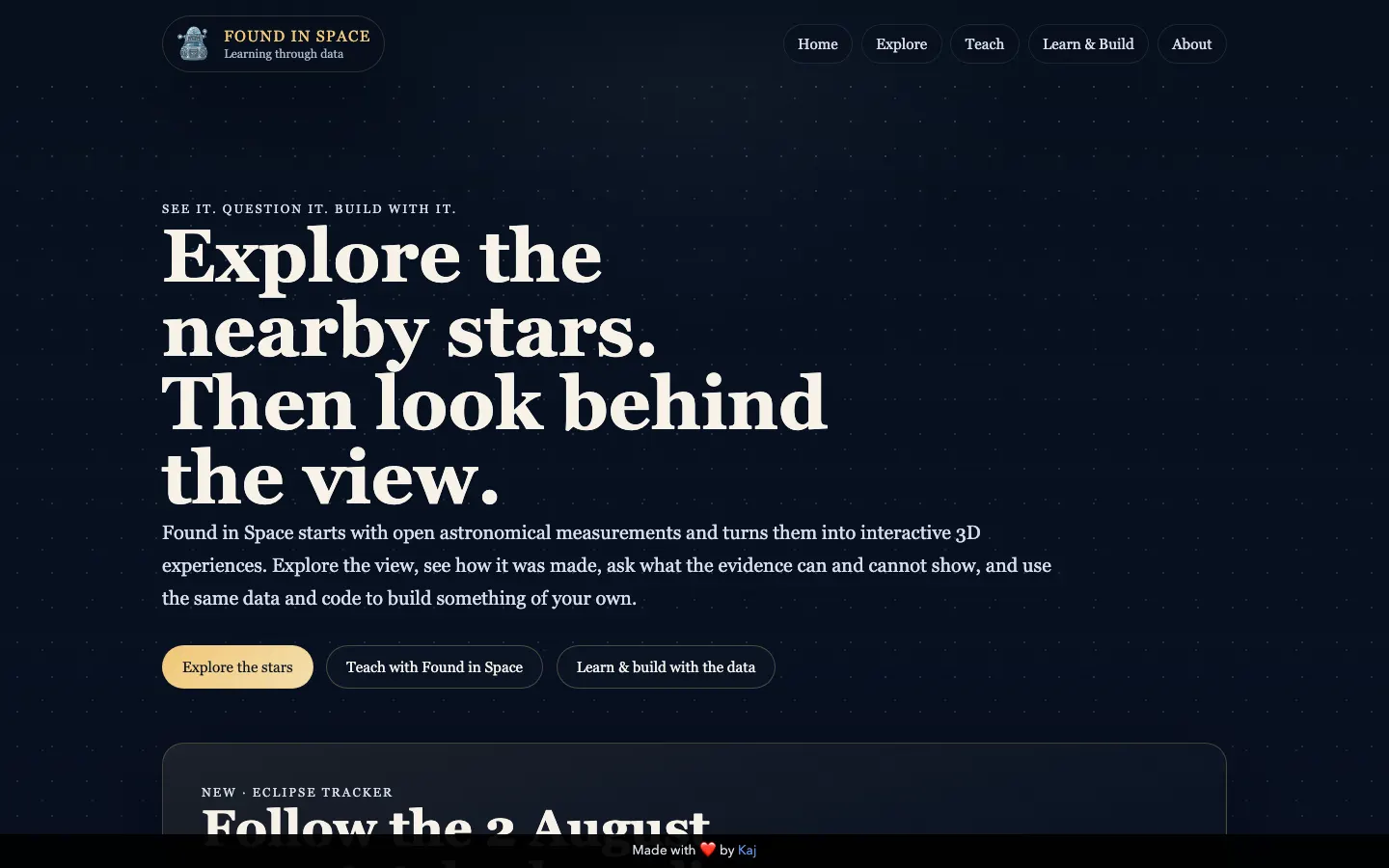
Found in Space turns open astronomical measurements into interactive 3D experiences, with star exploration, an eclipse tracker, teaching guides, and open data projects. It is listed under Space and Science for ages Children with adult or educator support.
7th Kibo Robot Programming Challenge — Philippines
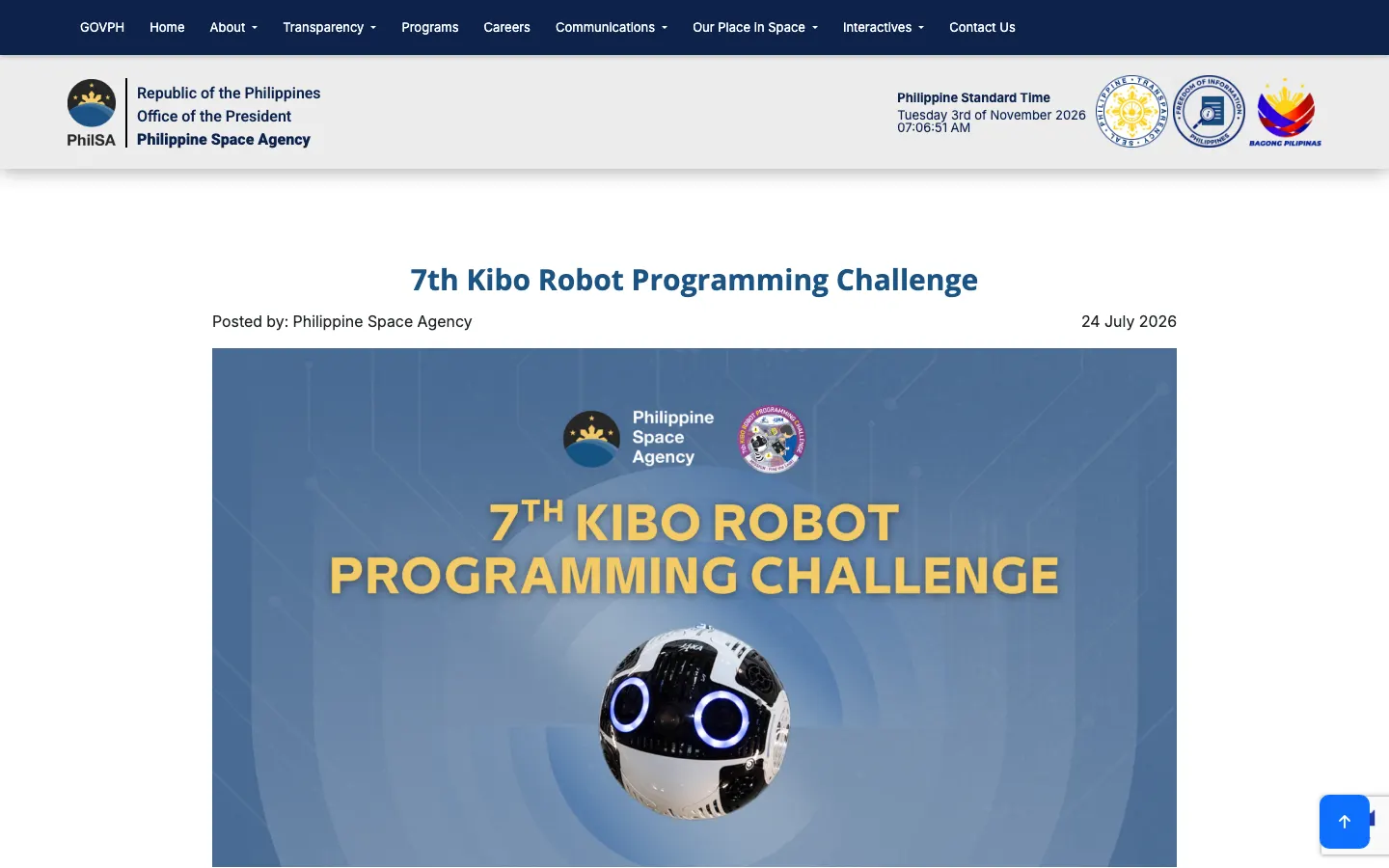
The Philippine Space Agency’s Kibo Robot Programming Challenge gives student teams a space-themed programming challenge connected to the Kibo module on the International Space Station. It is listed under Space and Coding for ages Under 16 beginner track; team-based.
APRSAF Space Education for All
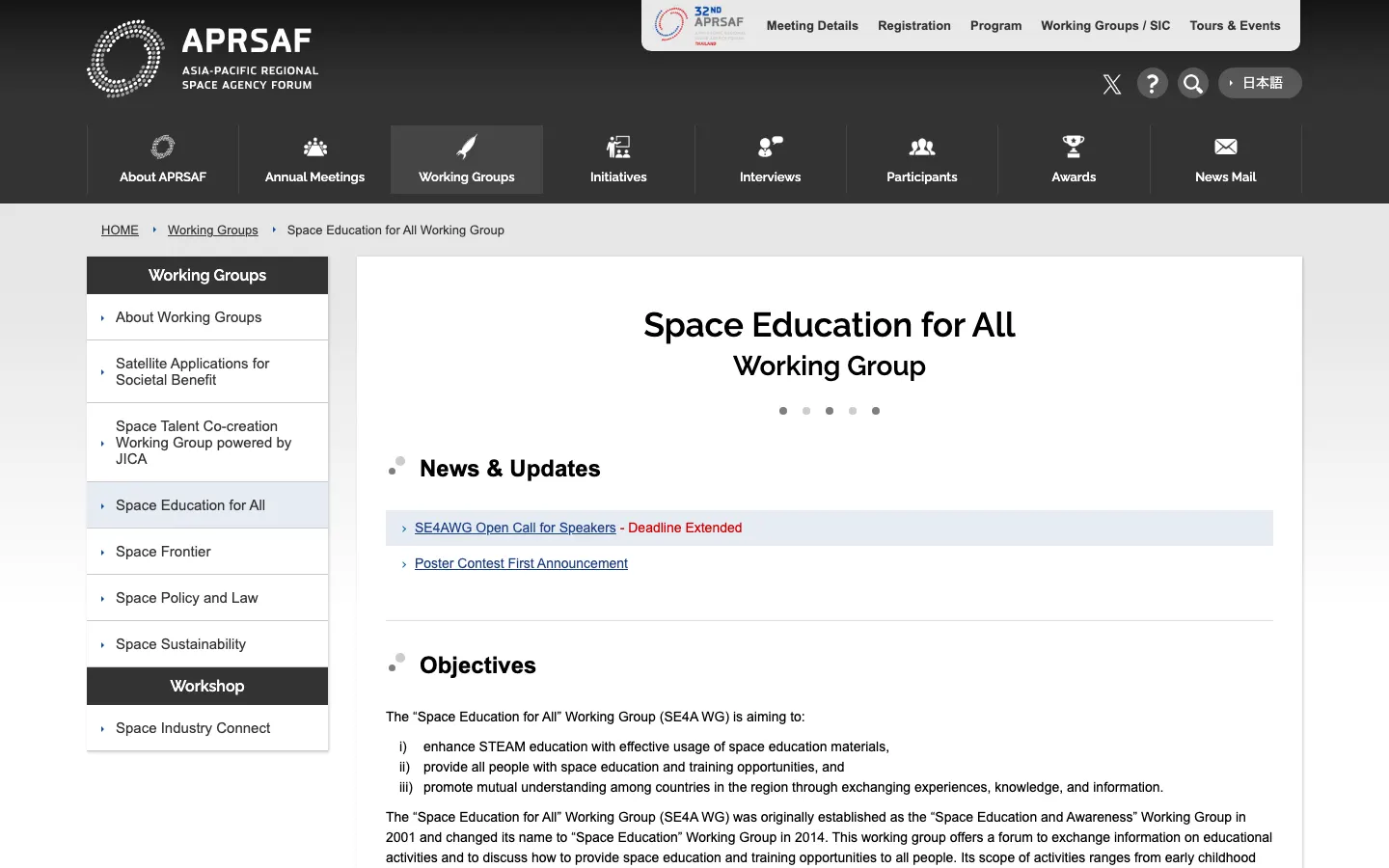
The Asia-Pacific Regional Space Agency Forum’s Space Education for All working group promotes STEAM space education, shares education materials and training, and coordinates youth opportunities including a poster contest for ages 6–12 and a high-school CanSat competition.
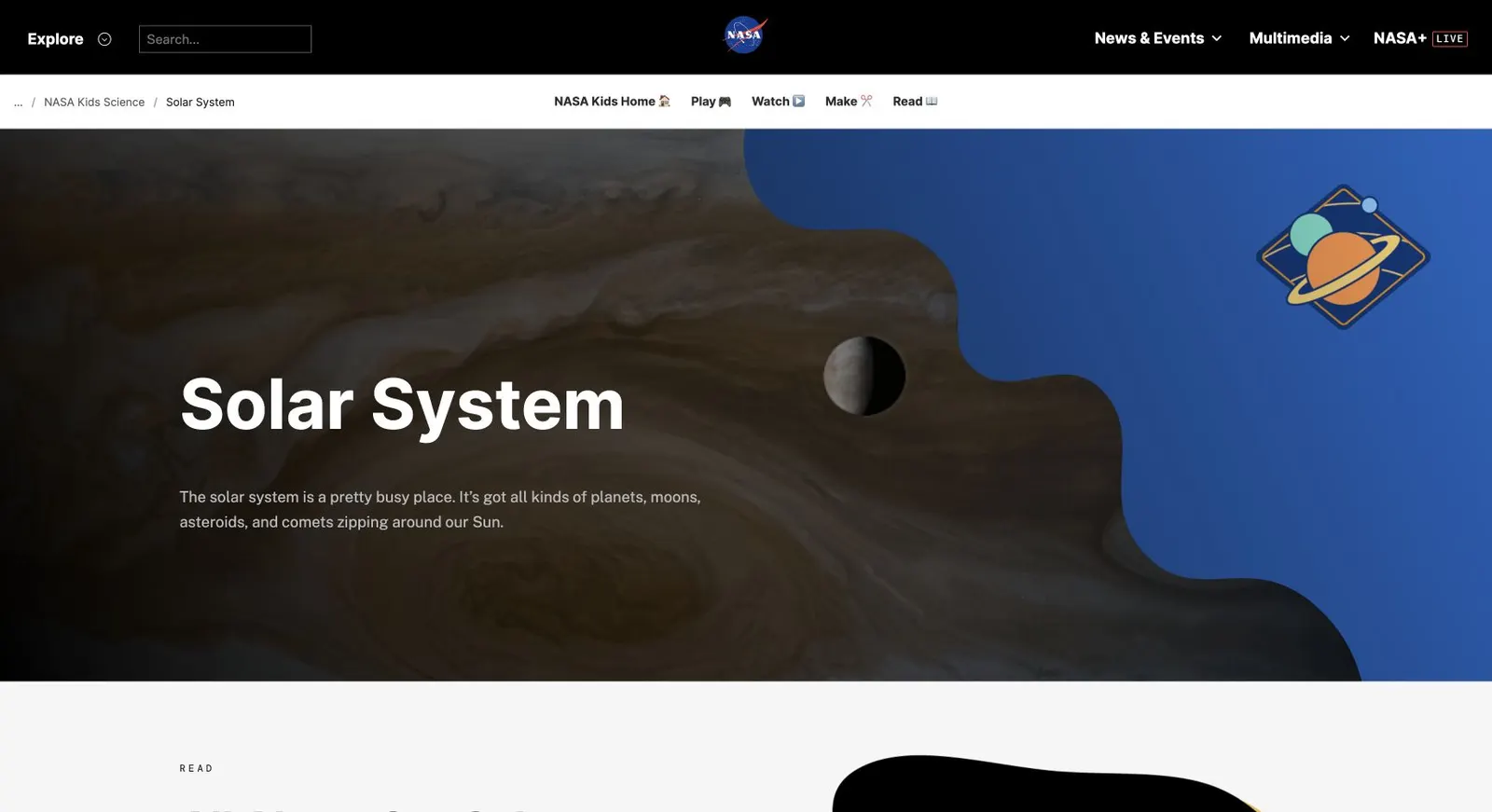
NASA Kids Solar System
A NASA Kids Science solar-system learning page about planets, moons, asteroids, and comets, with an age-appropriate overview and links to related NASA kids exploration. It is listed under Space and Science for ages 6–14.
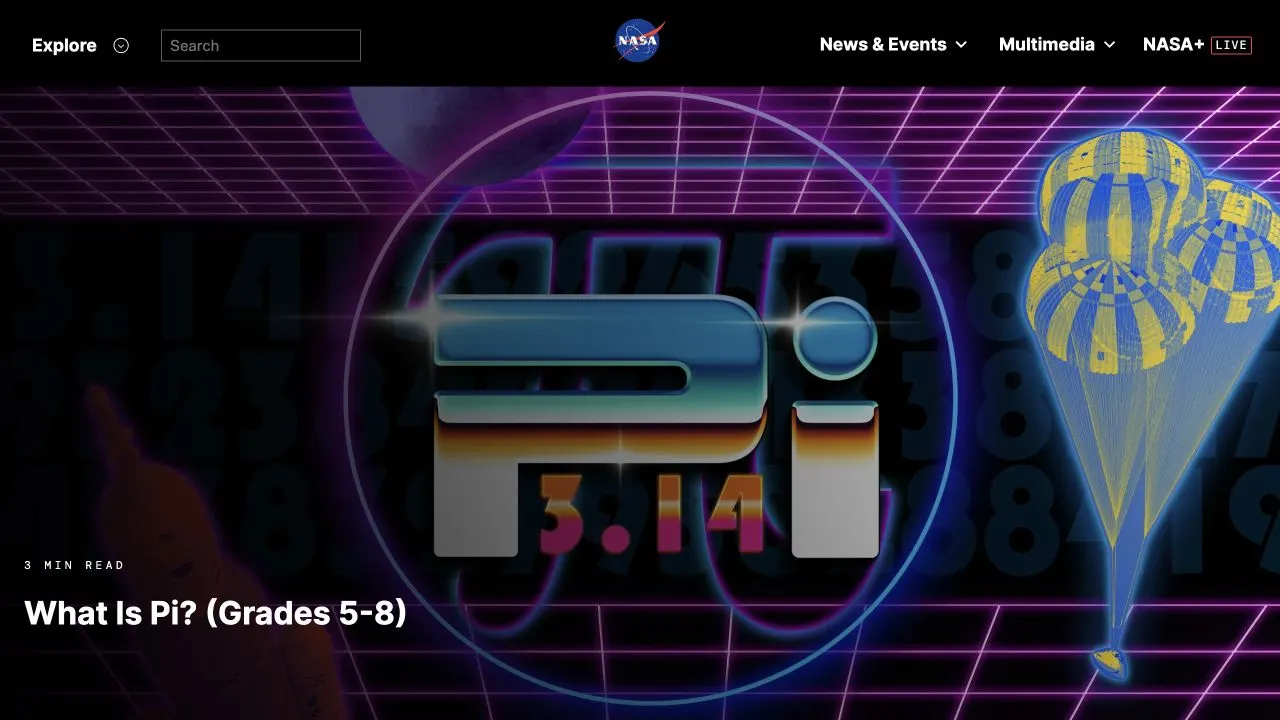
What Is Pi? (Grades 5-8)
NASA’s grade 5-8 math explainer uses spacecraft, planets, parachutes, and fuel tanks to show how pi supports geometry, physics, engineering, and space exploration. It is listed under Mathematics and Space for ages Grades 5-8.
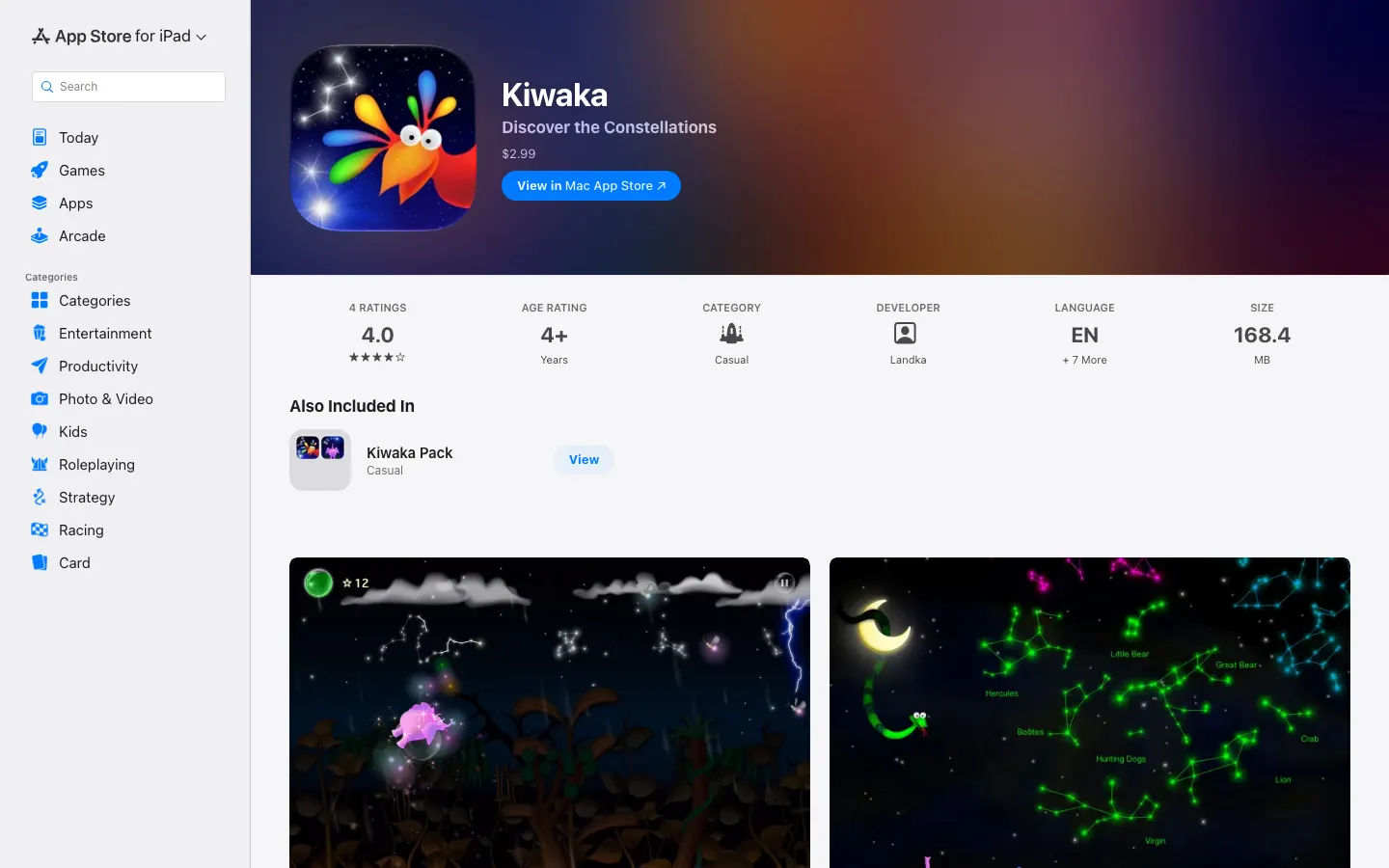
Kiwaka
Kiwaka is an astronomy learning game for children that teaches stars and constellations through play, with space imagery and educational content about astronomy and Greek mythology. It is listed under Space and Science for ages 4+.
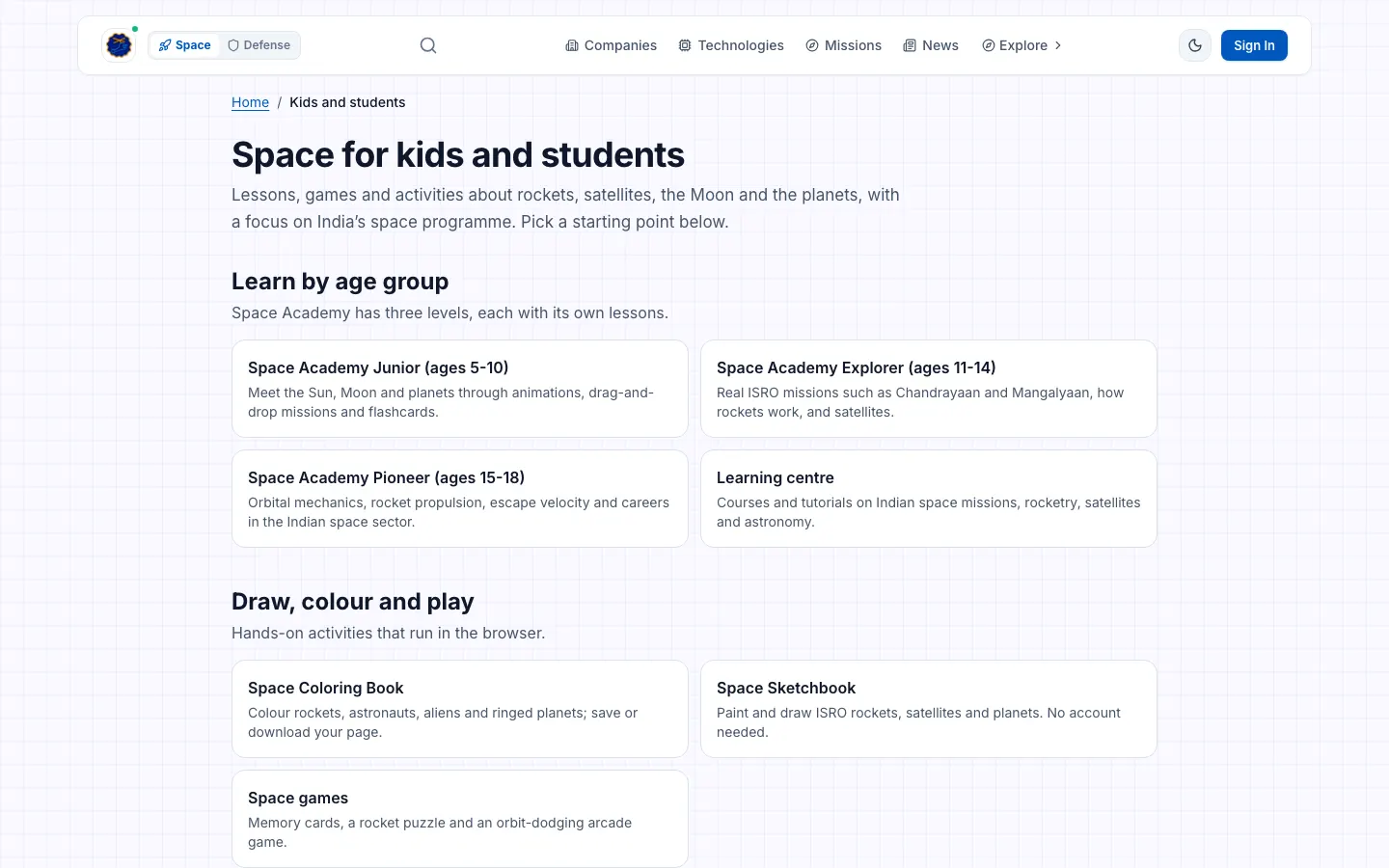
Indian Space Hub Kids
Indian Space Hub Kids is a space-learning platform with age-banded lessons, games, a 3D Moon-phase simulator, space coloring, and activities connected to India’s space program. It is listed under Space and Science for ages 5–18 by track.
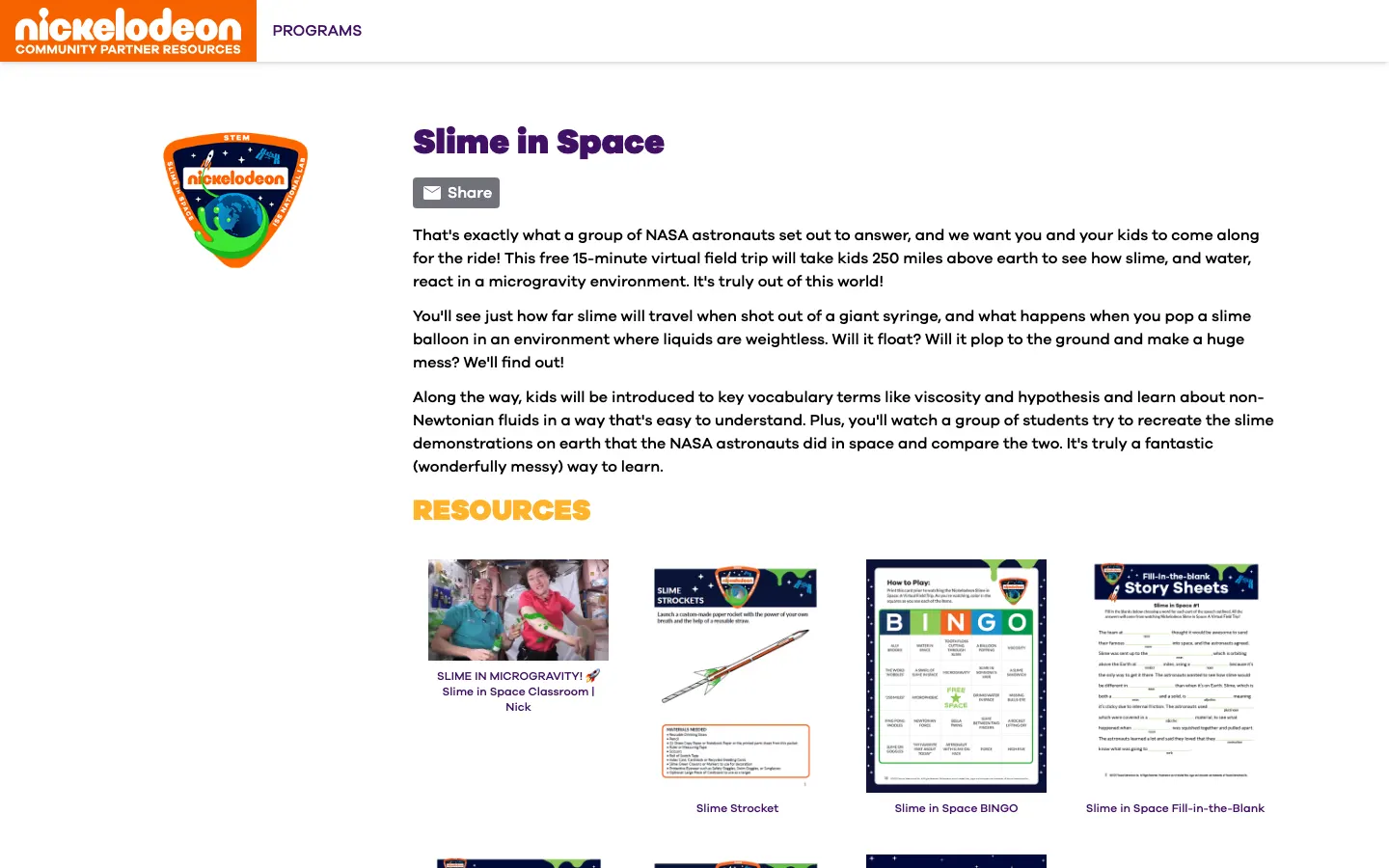
Slime in Space
Slime in Space is an official Nickelodeon and NASA virtual field trip about slime, water, and microgravity, with classroom-facing science content. It is listed under Science and Space for ages 8–12. Children and families can use it through a website.
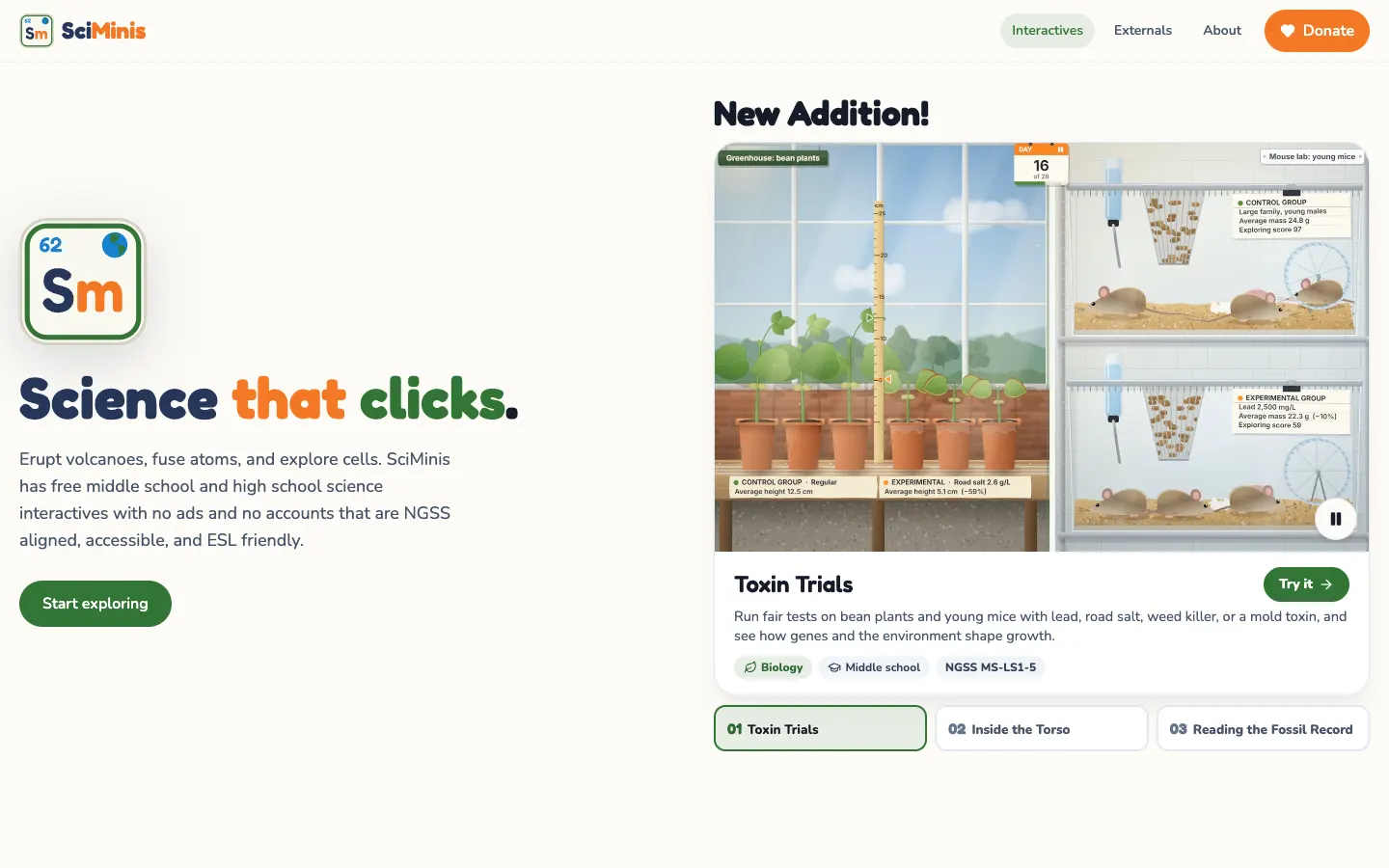
SciMinis
A free science-interactive directory for middle and high school learners with browser simulations across biology, chemistry, Earth, physics, and space. It is listed under Science and Space for ages Middle and high school. Children and families can use it through a website.
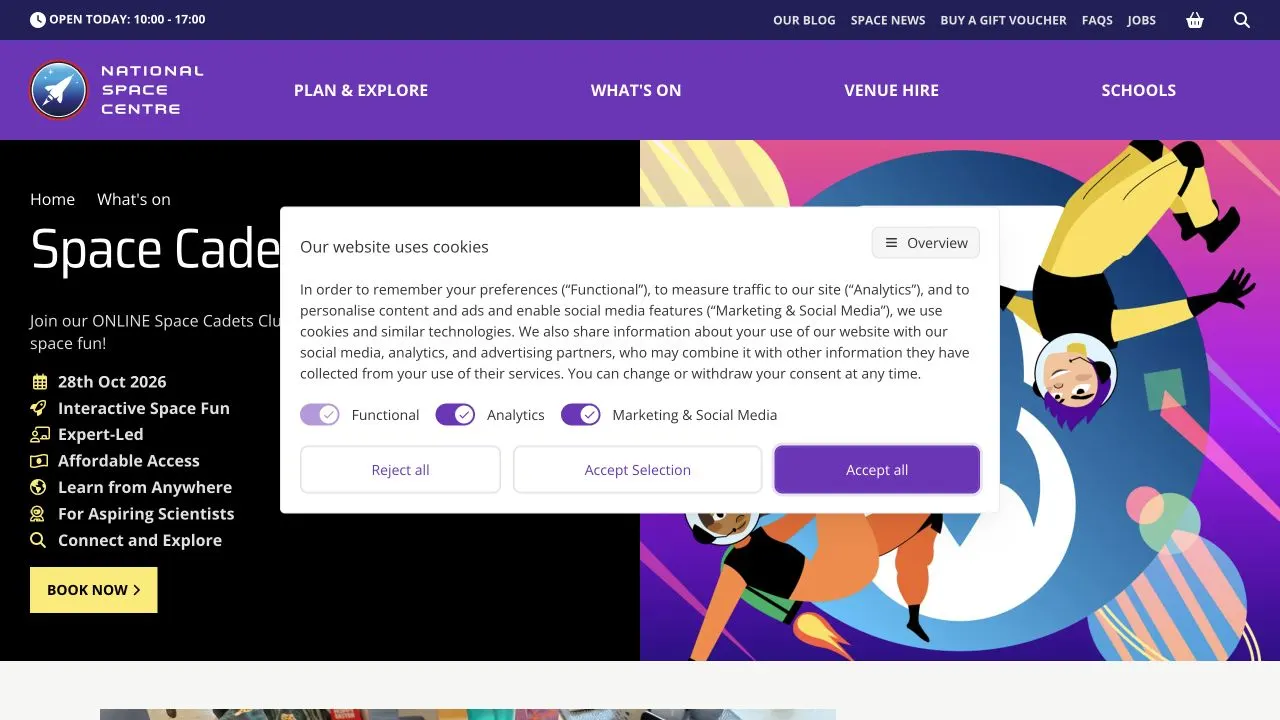
Space Cadets Online
The National Space Centre’s Space Cadets Online is an expert-led online space club for ages 7–11 with 60-minute science sessions, talks, craft ideas, interactive activities, and downloadable resources. It is listed under Science and Space for ages 7–11.
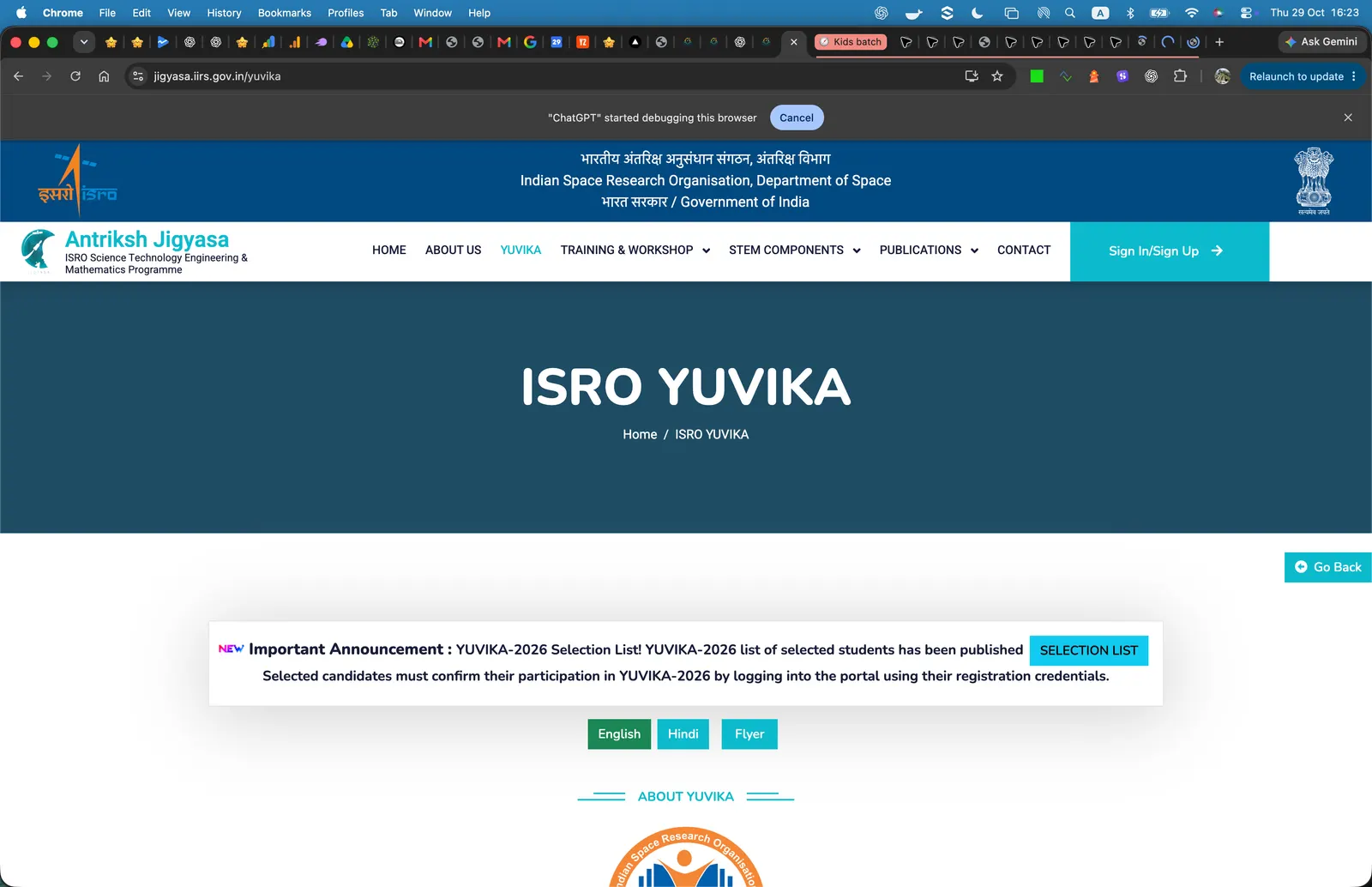
ISRO YUVIKA Young Scientist Programme
The Indian Space Research Organisation’s YUVIKA programme introduces school children to space technology, space science, and space applications through a selective young-scientist experience. It is listed under Space and Science for ages Class 9 / about 14–15.
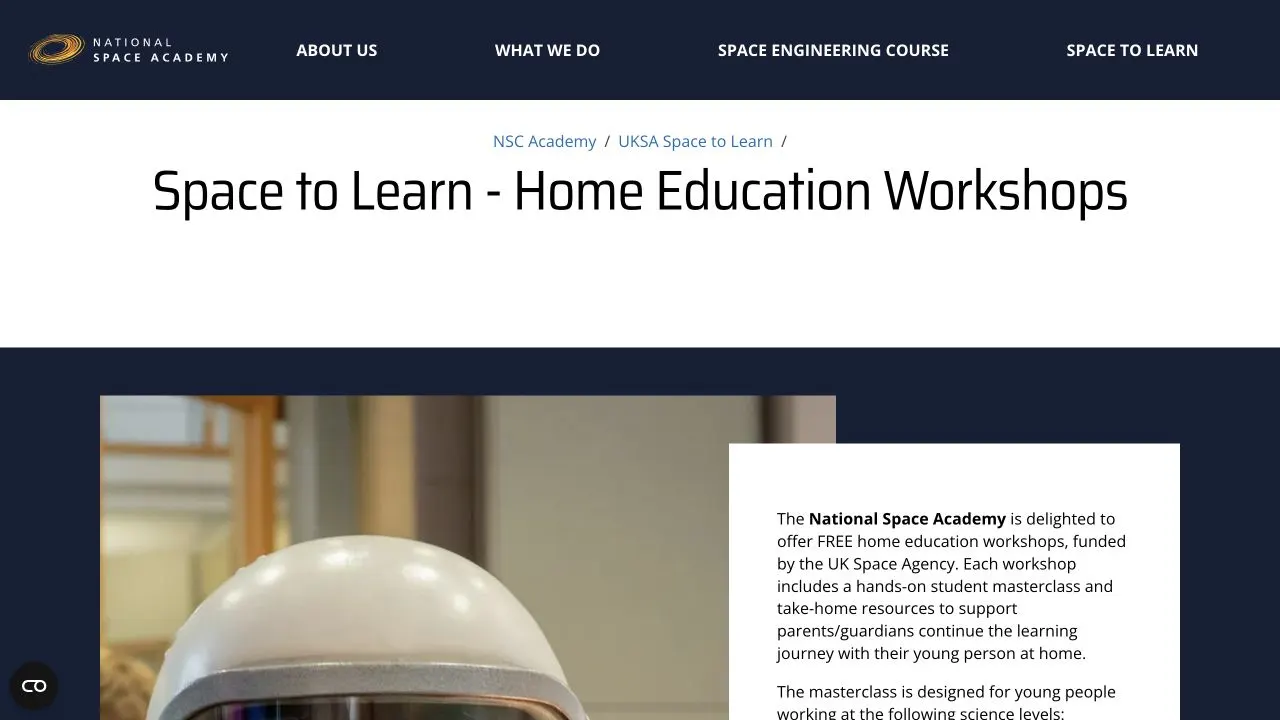
Space to Learn Home Education Workshops
National Space Academy’s Space to Learn page offers free UK Space Agency-funded home-education workshops with hands-on student masterclasses, rocket-design challenges, and take-home resources for families. It is listed under Space and Science for ages 11–15.
Compare with context
Use this collection to find a direction, then open each resource page before sharing it with a child. The individual review shows languages, access formats, tags, age guidance, source links, and notes for grown-ups.
Search the full directory →