Space STEM
for kids
Explore 20 trusted space stem resources selected for curious kids, with clear ages, access details, and parent context.
Two useful ways to narrow the directory
This page brings together space resources that also match stem. Each listing keeps its own age range, platform details, languages, links, and parent notes, so you can compare options without losing context.
Explore all space resources →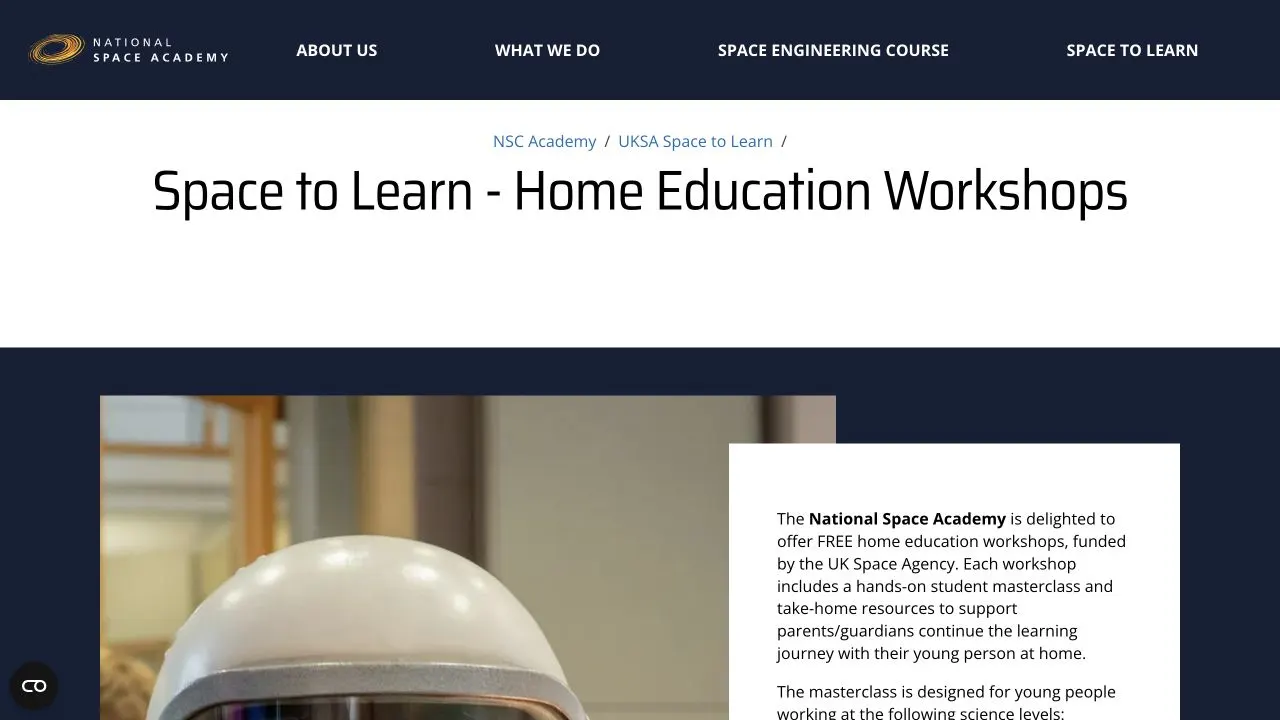
Space to Learn Home Education Workshops
National Space Academy’s Space to Learn page offers free UK Space Agency-funded home-education workshops with hands-on student masterclasses, rocket-design challenges, and take-home resources for families. It is listed under Space and Science for ages 11–15.
Read the full resource review →More space picks
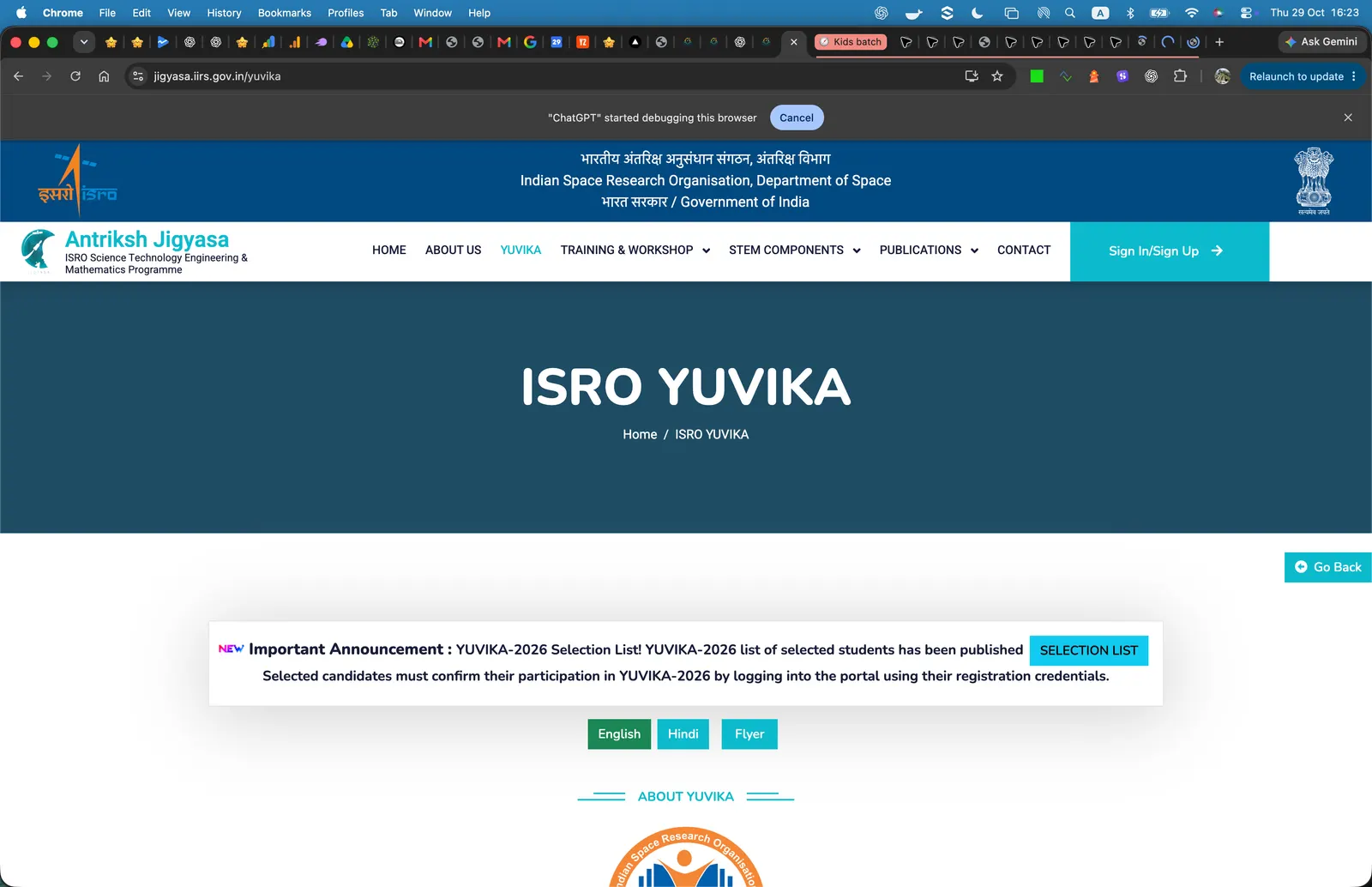
ISRO YUVIKA Young Scientist Programme
The Indian Space Research Organisation’s YUVIKA programme introduces school children to space technology, space science, and space applications through a selective young-scientist experience. It is listed under Space and Science for ages Class 9 / about 14–15.
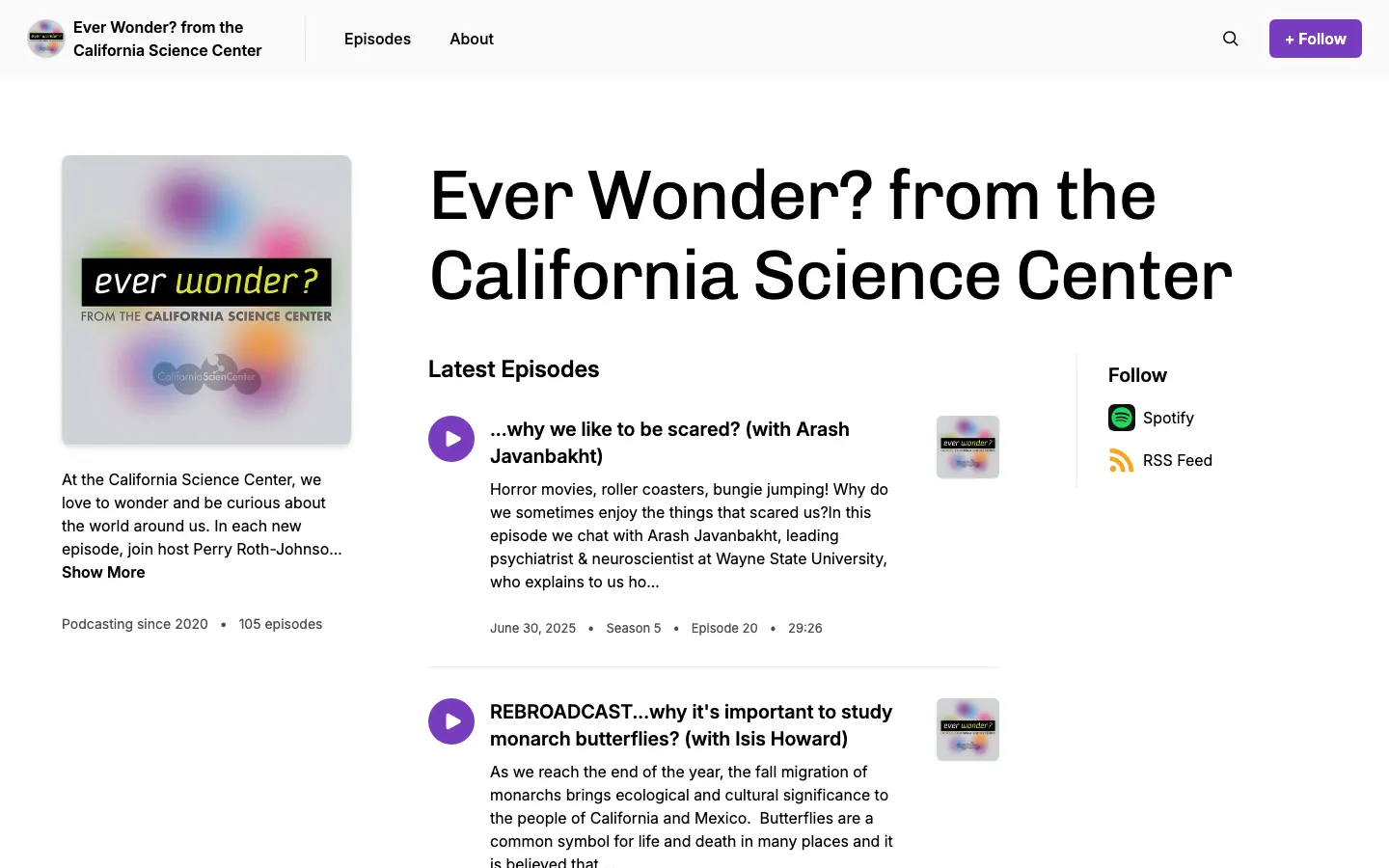
California Science Center Ever Wonder?
Ever Wonder? is a California Science Center science show with episodes that explain STEM questions and phenomena for curious learners. It is listed under Science and Space for ages 6–12. Children and families can use it through a website.
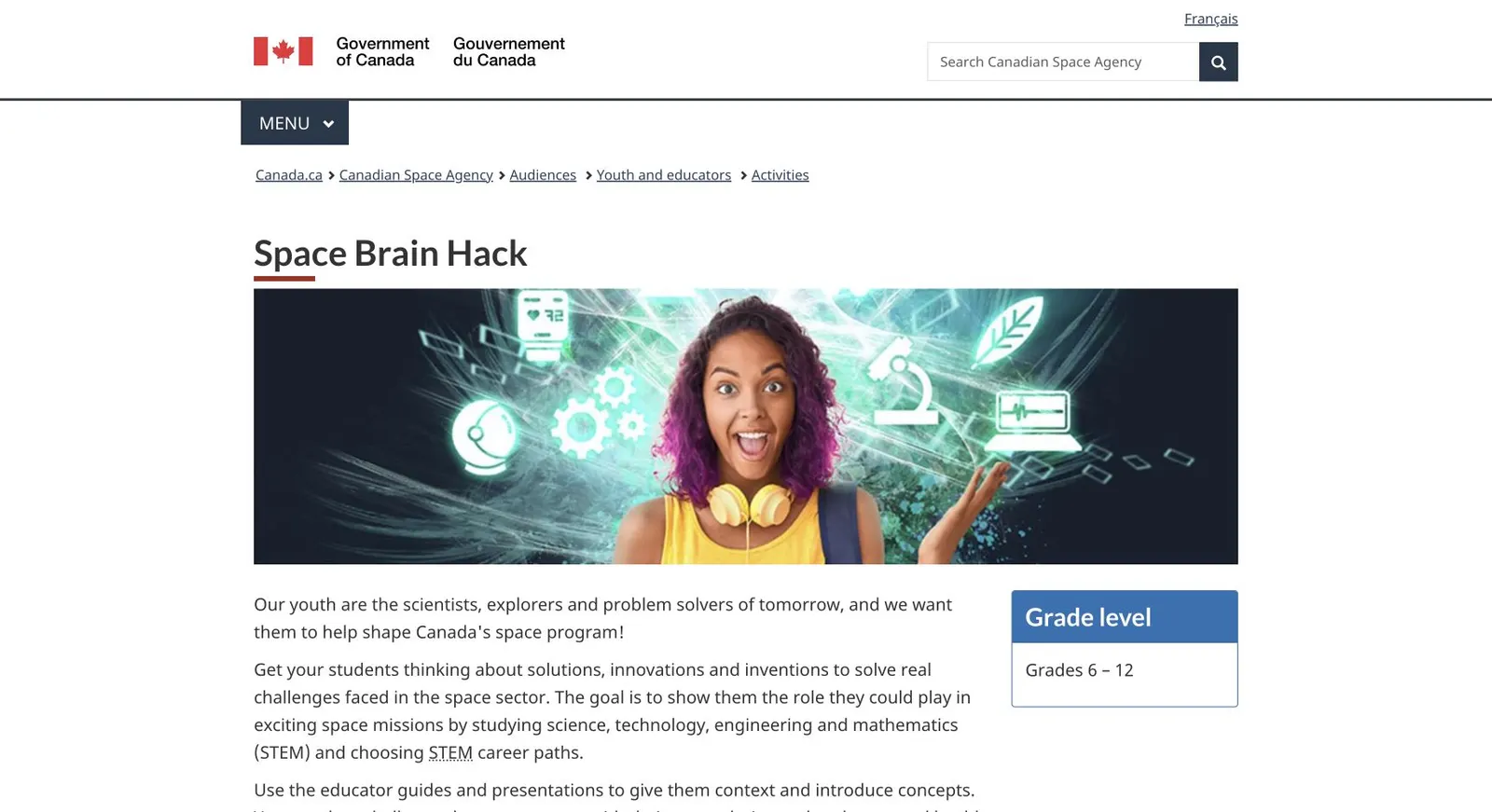
Canadian Space Agency Space Brain Hack
A Canadian Space Agency challenge collection for grades 6–12 that asks learners to design solutions for astronaut mental health, food production, and sustainable satellites. It is listed under Science and Space for ages 11–18.
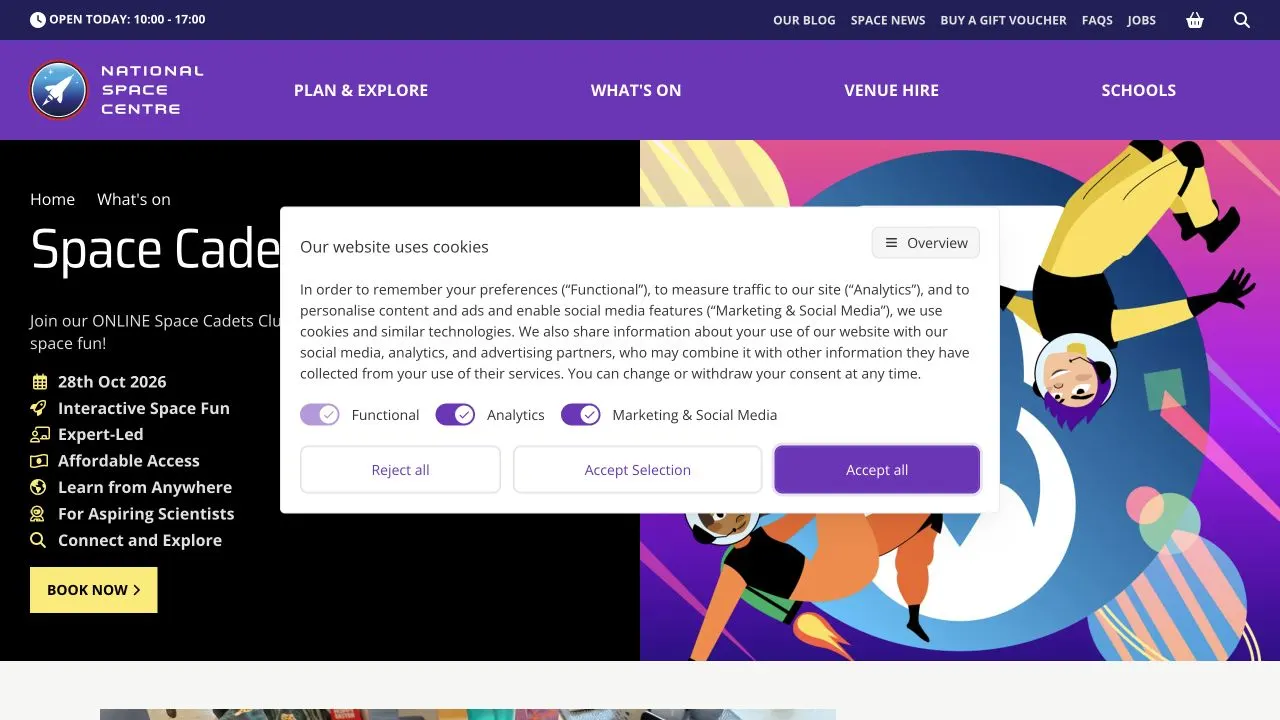
Space Cadets Online
The National Space Centre’s Space Cadets Online is an expert-led online space club for ages 7–11 with 60-minute science sessions, talks, craft ideas, interactive activities, and downloadable resources. It is listed under Science and Space for ages 7–11.
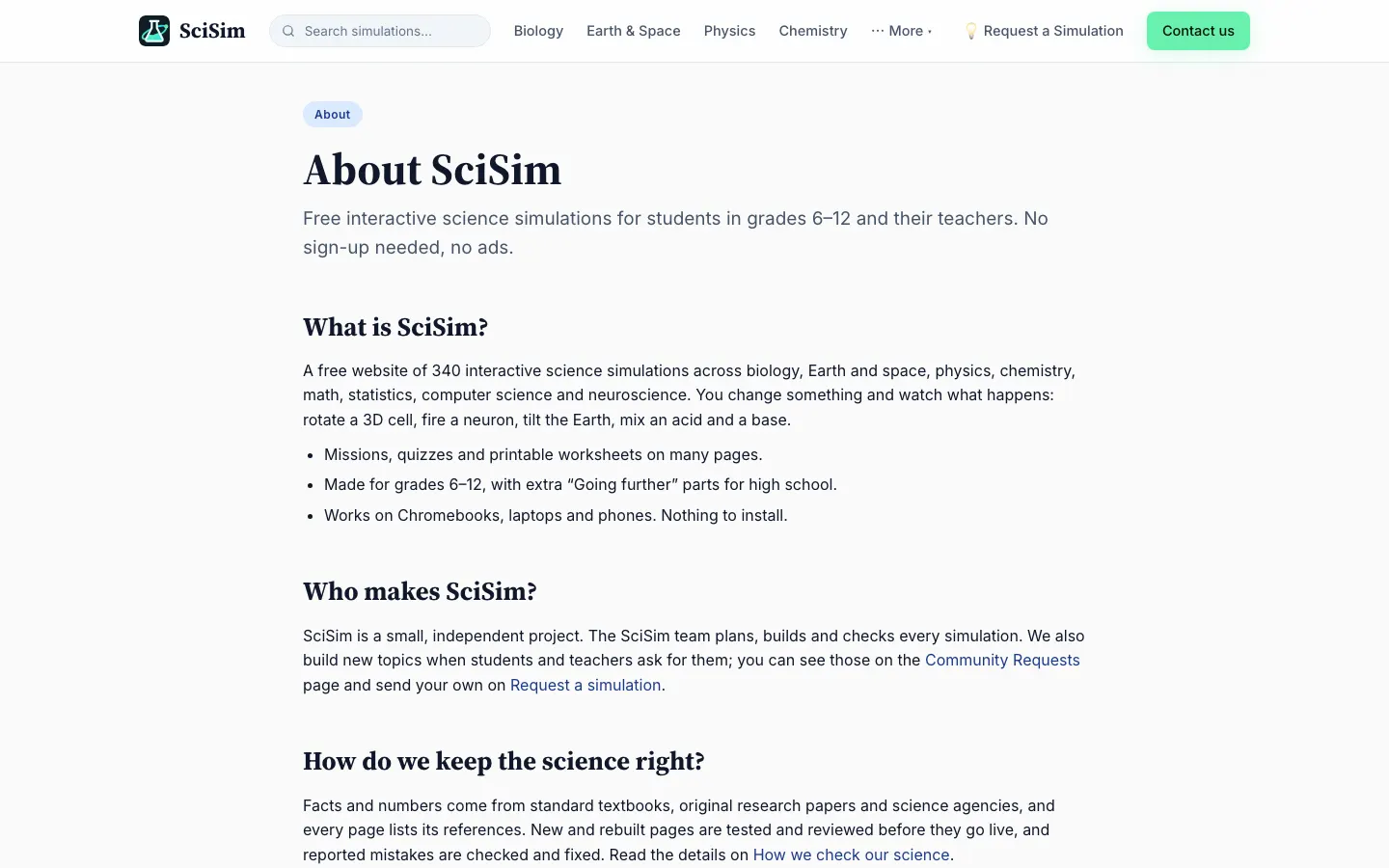
SciSim
A free science simulation library for grades 6–12 covering biology, Earth and space, physics, chemistry, math, statistics, computer science, and neuroscience. It is listed under Science and Math for ages Grades 6–12. Children and families can use it through a website.
NASA ASTRO CAMP Community Partners Program
NASA’s community-partner program connects youth with hands-on NASA science activities in astrophysics, Earth science, planetary science, robotics, and related STEM topics. It is listed under Space and Science for ages Youth; partner-specific. Children and families can use it through a website.
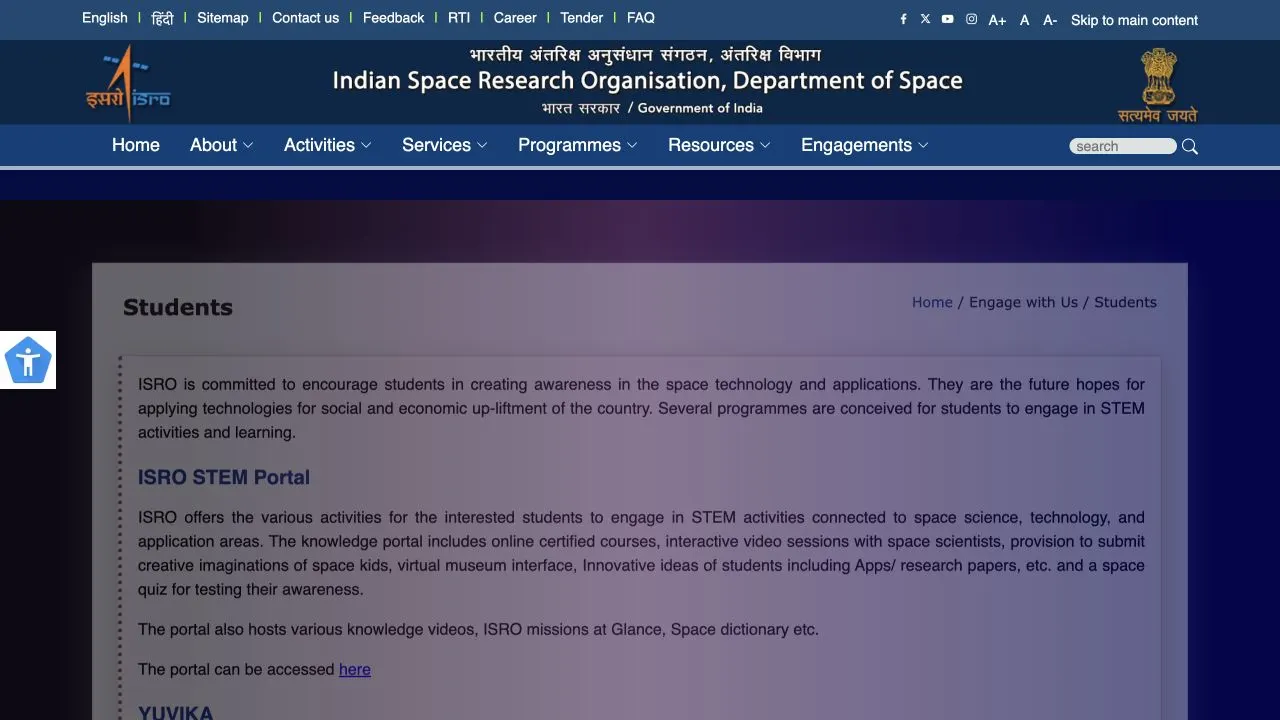
ISRO Students
The Indian Space Research Organisation student hub connects children and teens to space videos, quizzes, a virtual museum, STEM resources, and school programmes. It is listed under Space and Science for ages 10–18. Children and families can use it through a website and a YouTube channel.
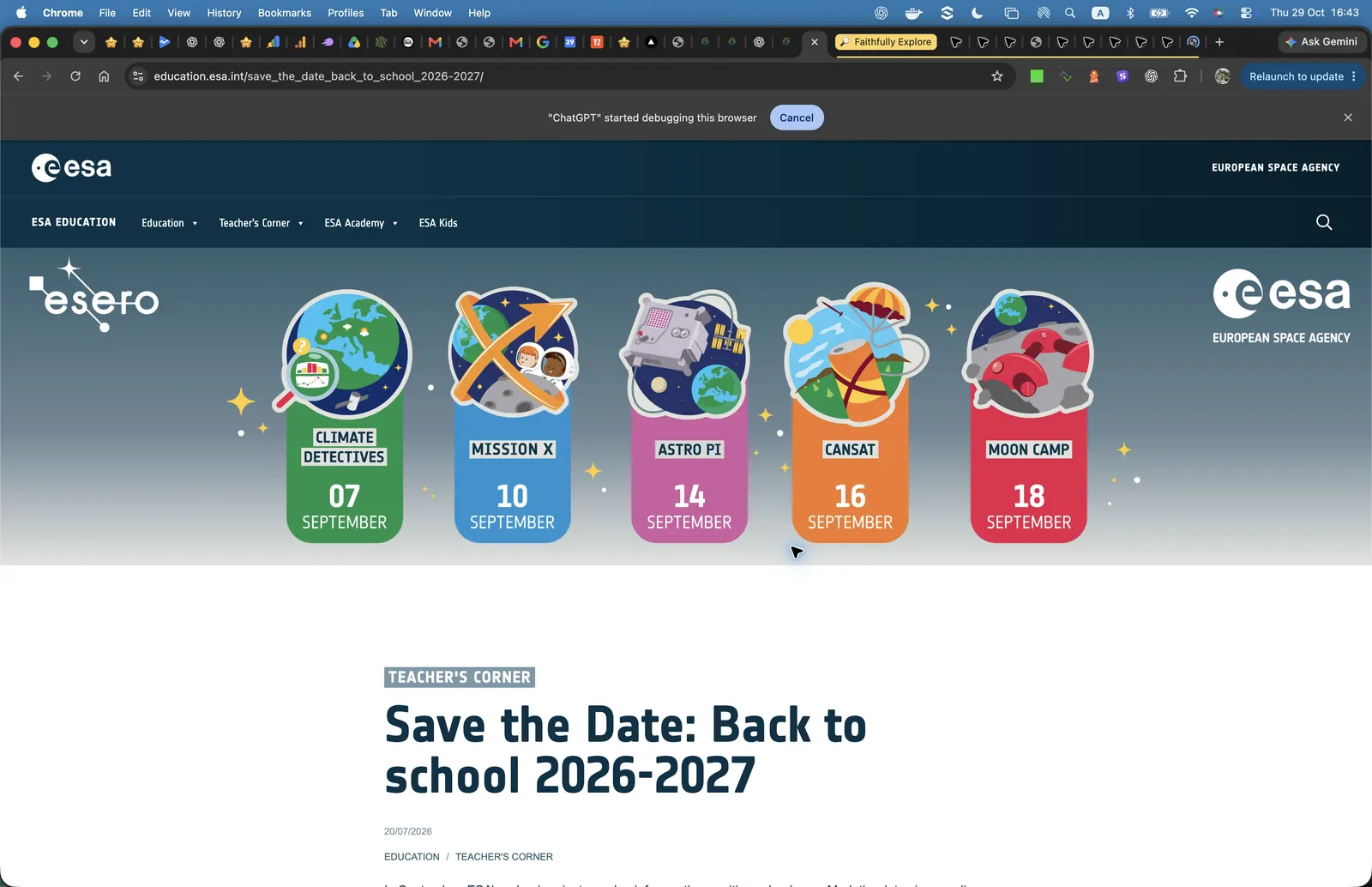
ESA Education 2026–2027 School Projects
The European Space Agency’s 2026–27 school-project overview connects children and teens with space-themed science, coding, environmental investigation, astronaut training, and design challenges. It is listed under Space and Science for ages 5–19 depending on project.
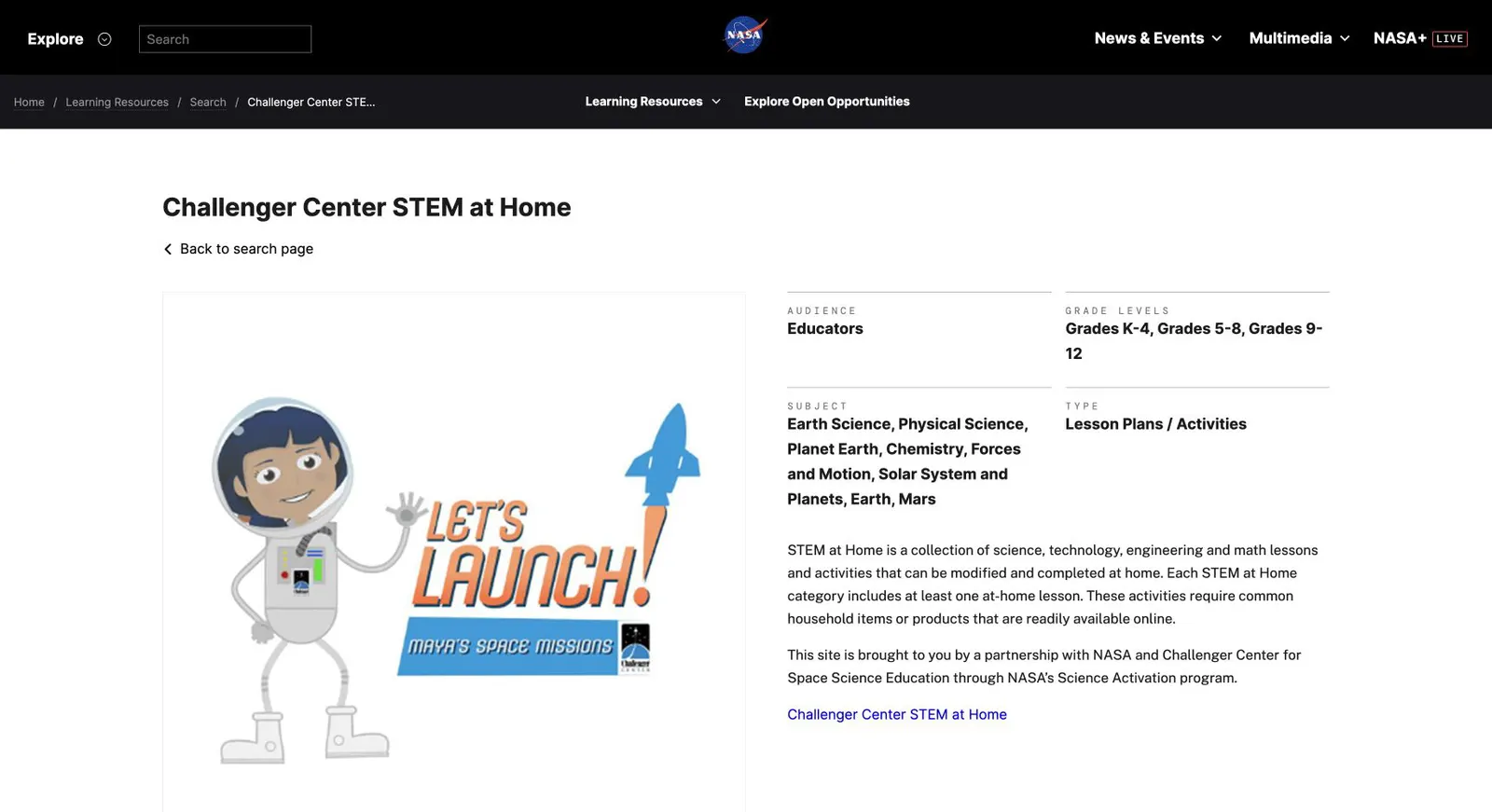
Challenger Center STEM at Home
A NASA and Challenger Center collection of adaptable science, technology, engineering, and math lessons for home learning, spanning Earth science, chemistry, forces, Mars, and the solar system. It is listed under Science and Space for ages 5–18.
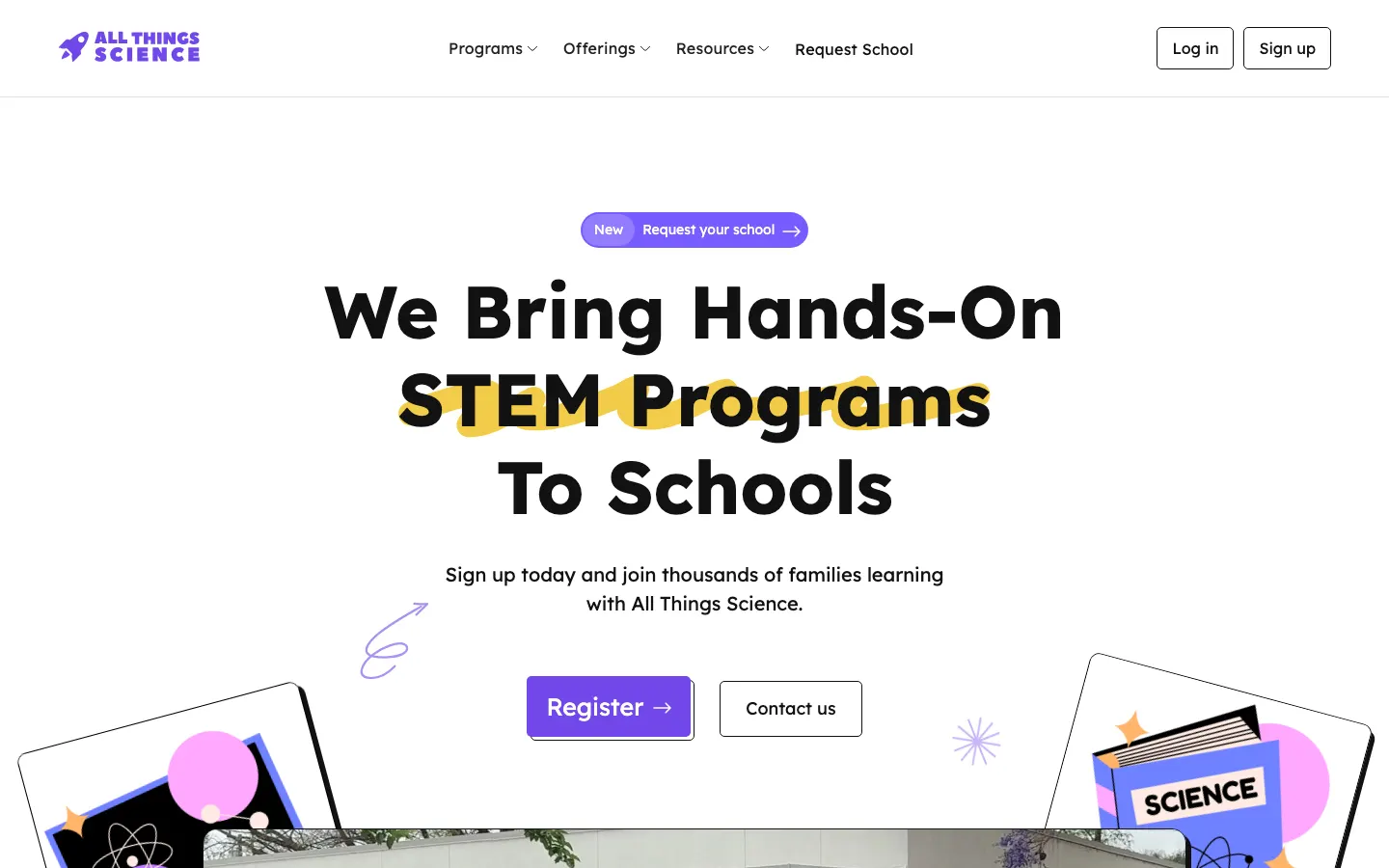
All Things Science STEM Programs
All Things Science brings hands-on, NGSS-aligned STEM programs to schools through biology, rockets, 3D printing, robotics, chemistry, engineering, physics, circuits, after-school clubs, labs, and camps. It is listed under Science and Engineering for ages School-age children; program-specific.
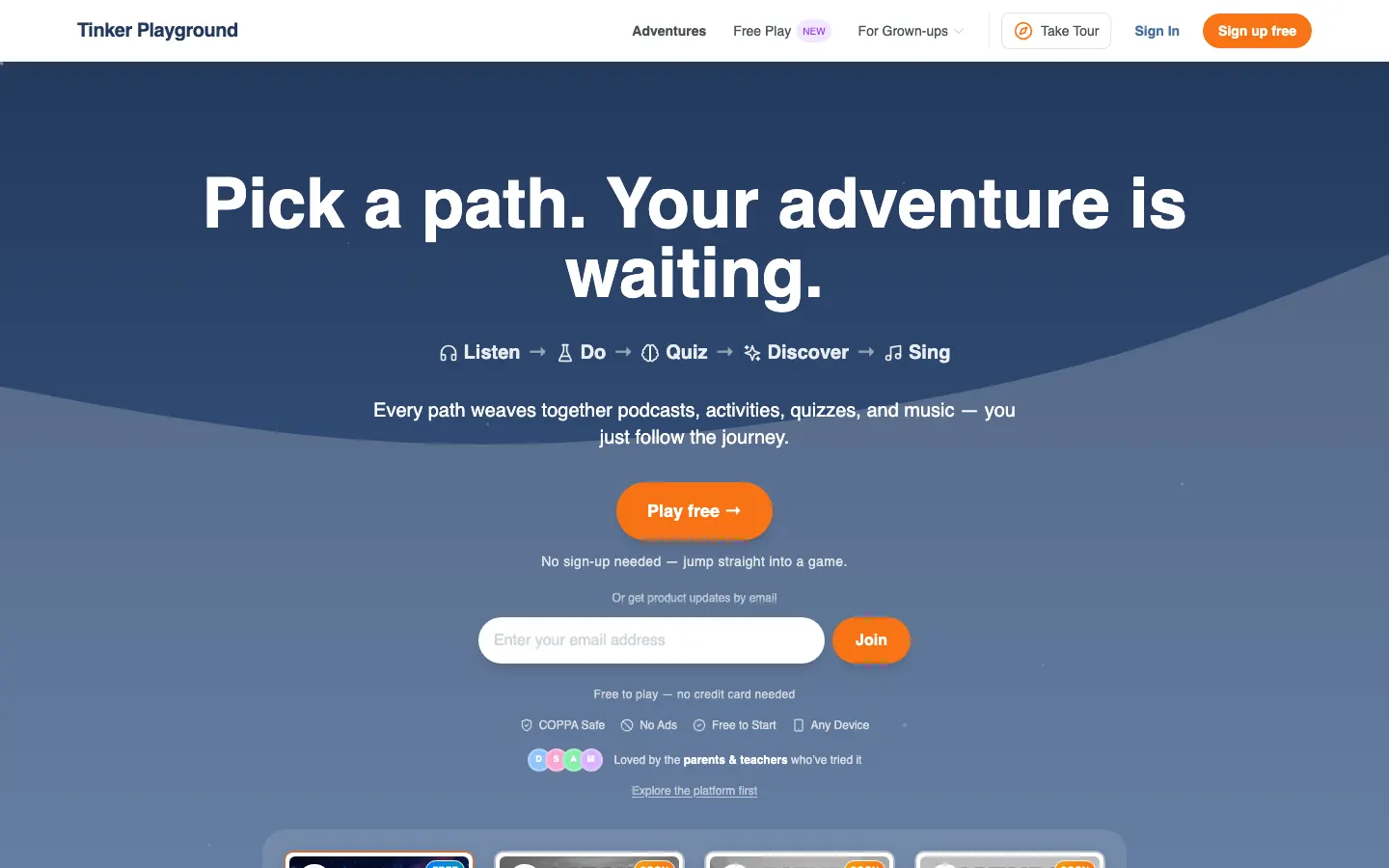
Tinker Playground
Tinker Playground combines podcasts, activities, quizzes, music, and game-like STEM journeys about space, nature, and dinosaurs for children. It is listed under Science and Space for ages 7–12. Children and families can use it through a website.
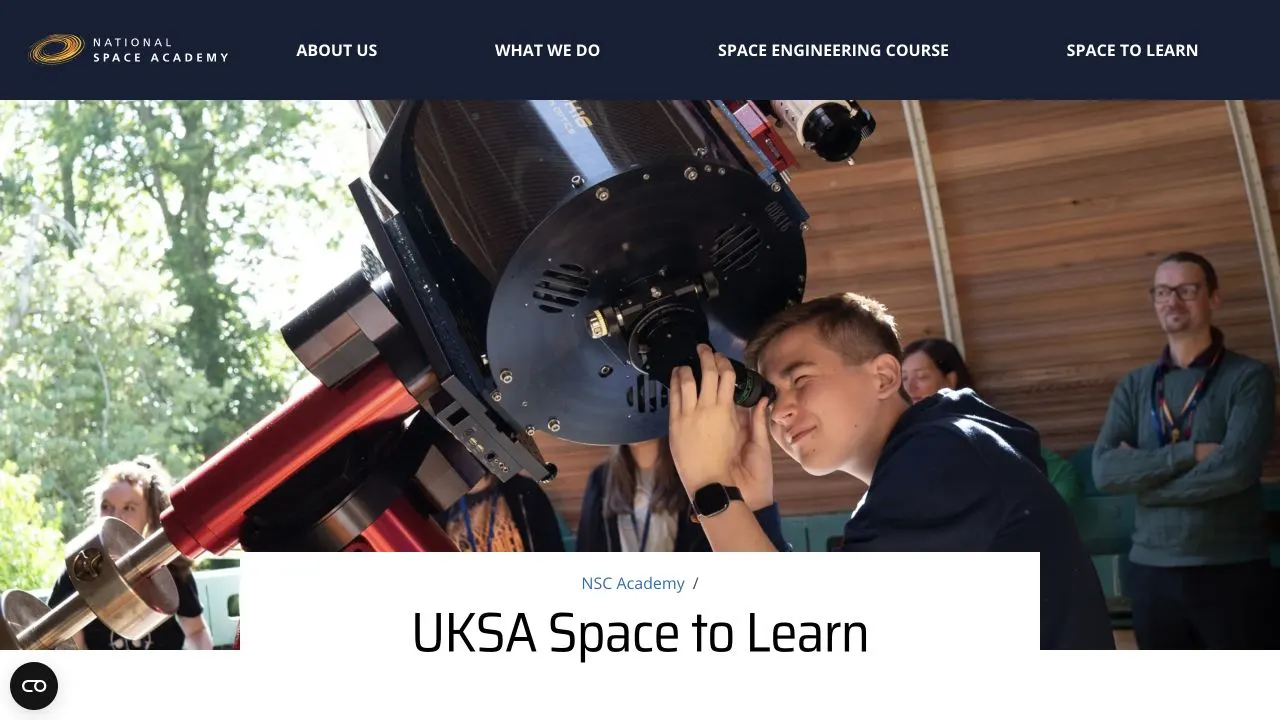
UKSA Space to Learn
UKSA Space to Learn is a UK Space Agency-funded National Space Academy programme continuing through December 2026 with free curriculum-linked physics masterclasses, careers conferences, home-education events, and an interactive Moon Rescue book.
Compare with context
Use this collection to find a direction, then open each resource page before sharing it with a child. The individual review shows languages, access formats, tags, age guidance, source links, and notes for grown-ups.
Search the full directory →