Space Science
for kids
Explore 20 trusted space science resources selected for curious kids, with clear ages, access details, and parent context.
Two useful ways to narrow the directory
This page brings together space resources that also match science. Each listing keeps its own age range, platform details, languages, links, and parent notes, so you can compare options without losing context.
Explore all space resources →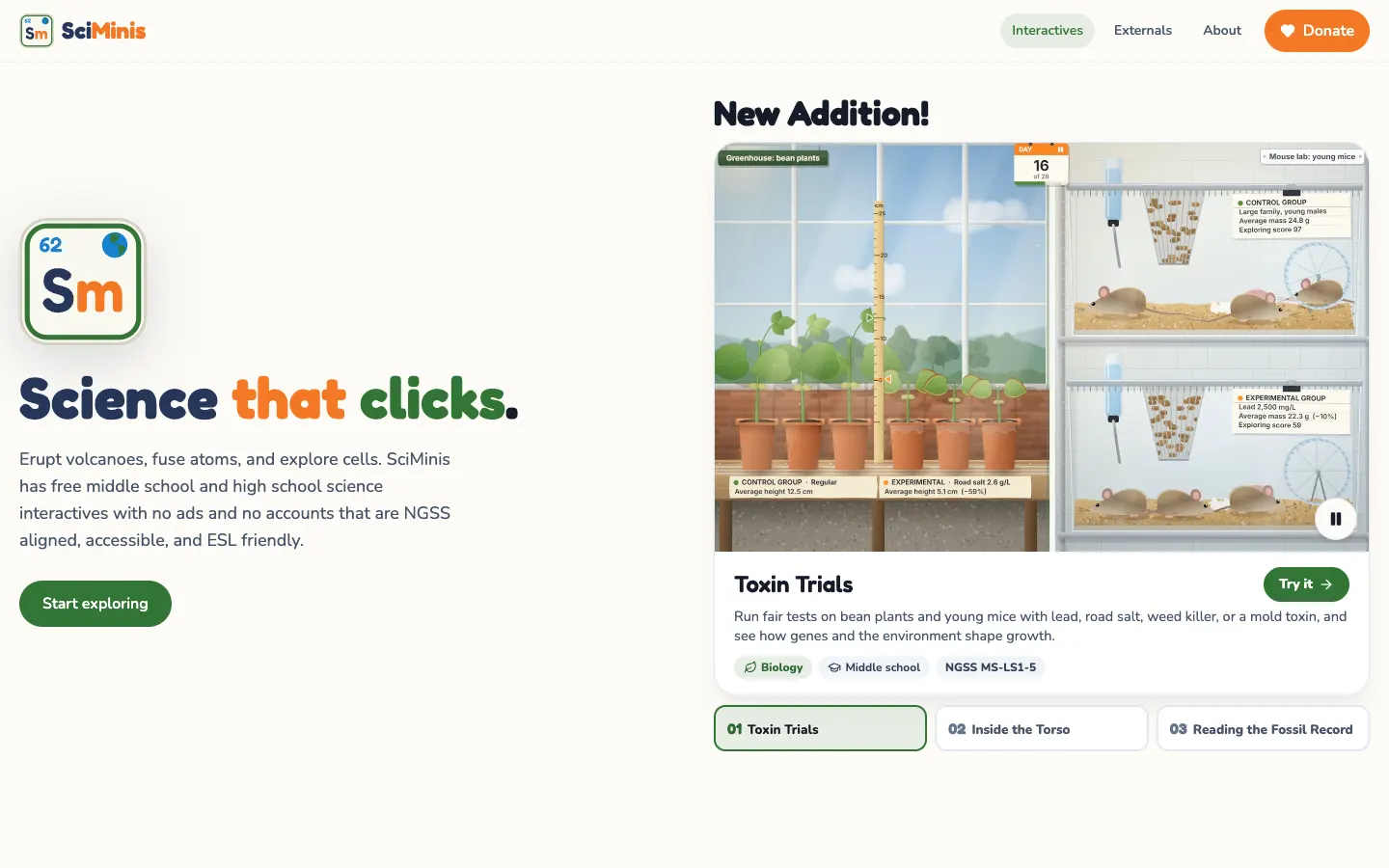
SciMinis
A free science-interactive directory for middle and high school learners with browser simulations across biology, chemistry, Earth, physics, and space. It is listed under Science and Space for ages Middle and high school. Children and families can use it through a website.
Read the full resource review →More space picks
Science Museum The Space Show
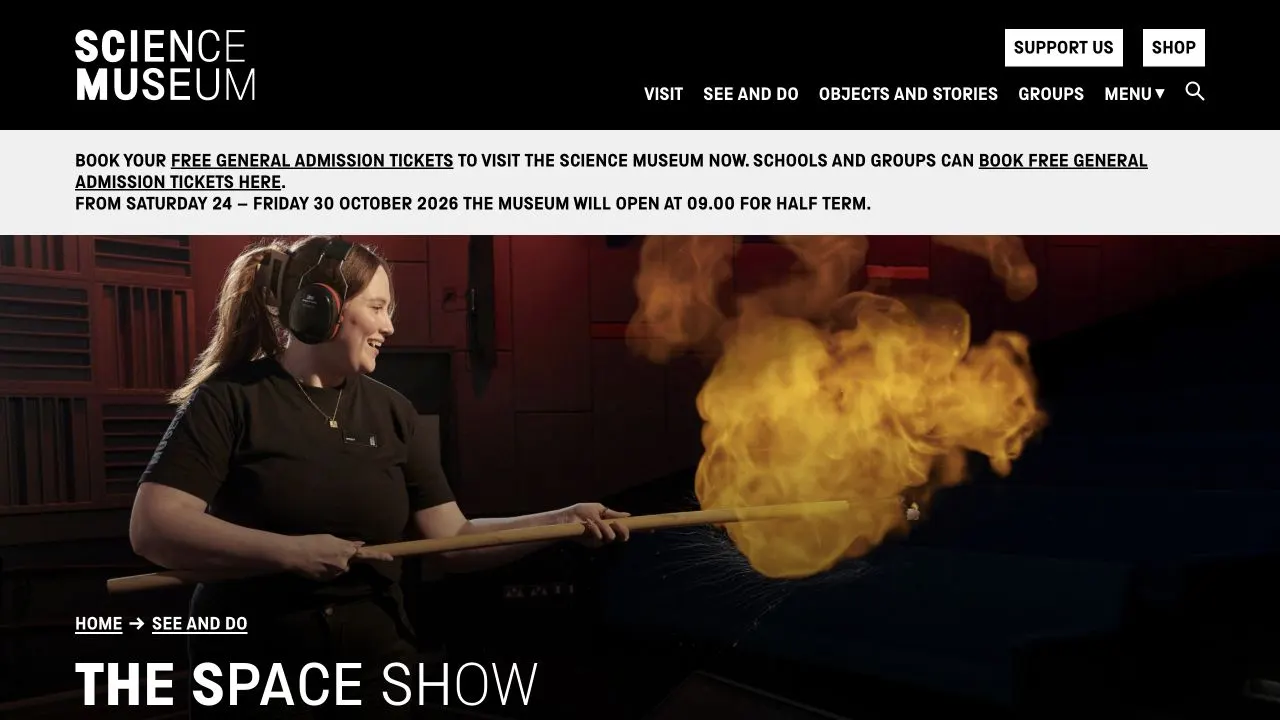
The Science Museum’s live Space Show uses demonstrations and audience-friendly science to explore space and the technology behind human exploration. It is listed under Space and Science for ages Children and families; check current show guidance.
Austin Nature & Science Center School Programs
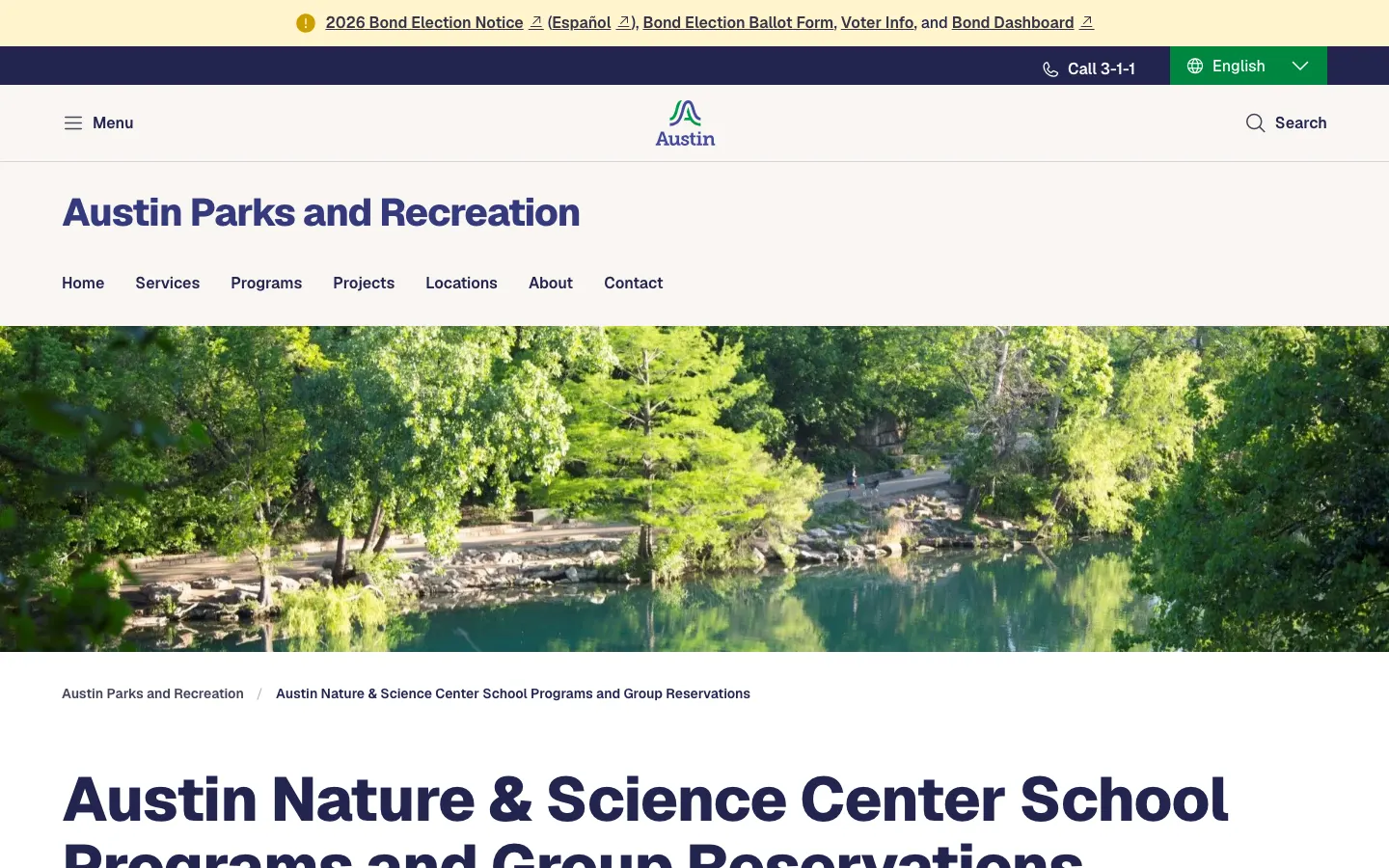
Austin Nature & Science Center school programs use live animals, outdoor exploration, classroom activities, and an inflatable planetarium to teach nature and science. It is listed under Science and Nature & environment for ages Pre-K–16; program-specific.
FAA Airport Design Challenge 2027
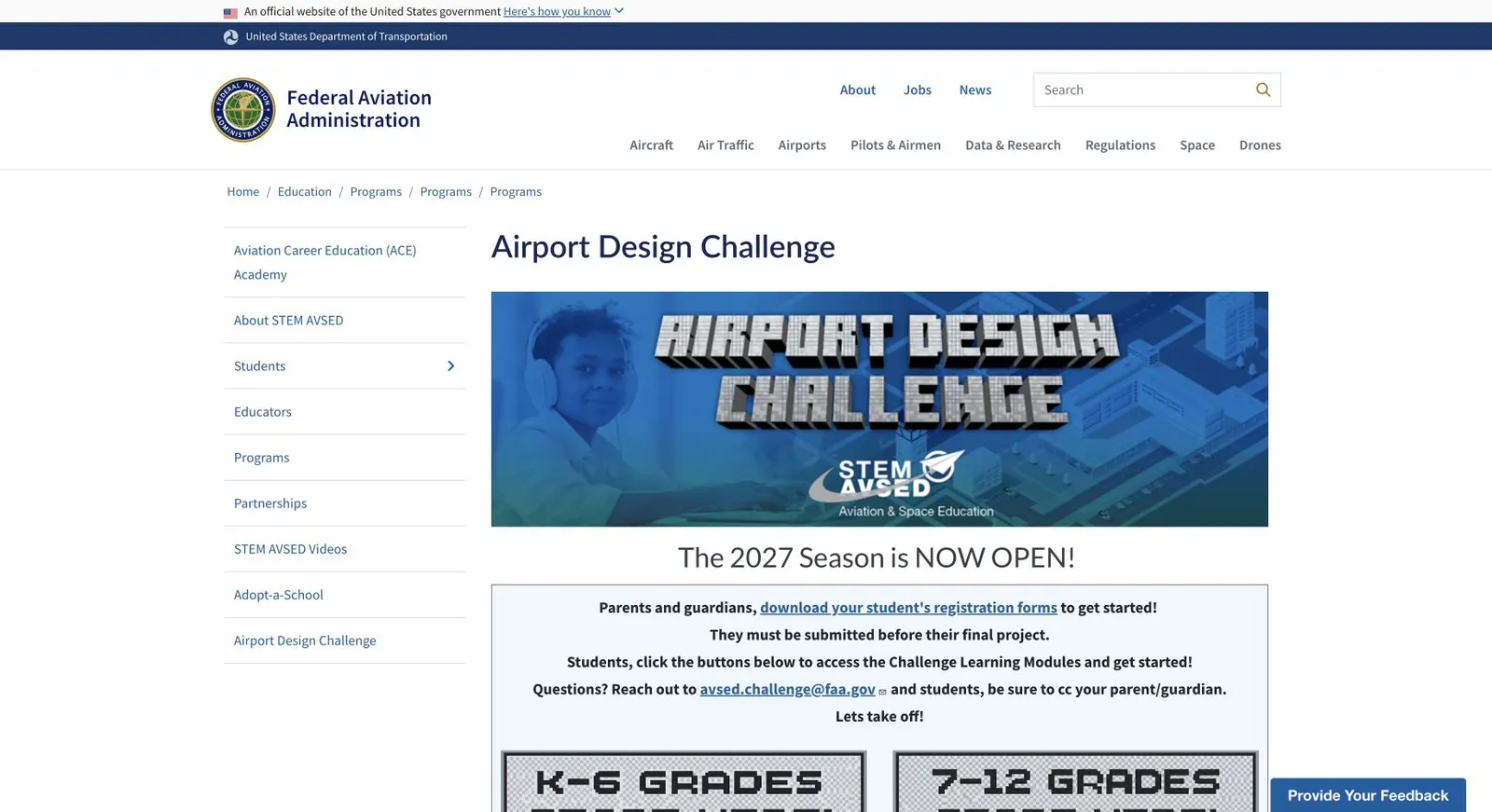
The FAA Airport Design Challenge is a K–12 STEM learning challenge where teams learn about local airports and complete design tasks in Minecraft. It is listed under Science and Coding for ages Grades K–12.
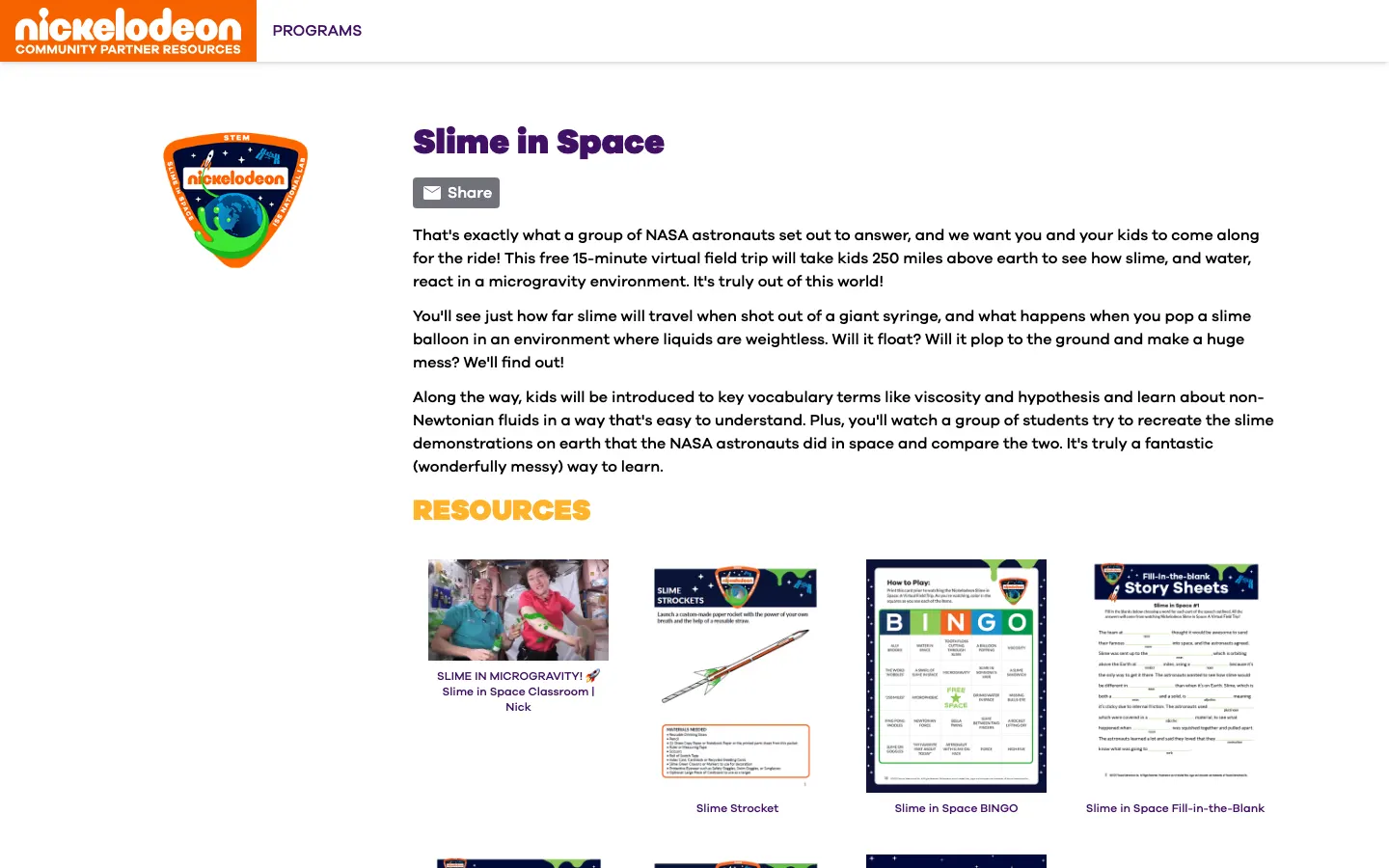
Slime in Space
Slime in Space is an official Nickelodeon and NASA virtual field trip about slime, water, and microgravity, with classroom-facing science content. It is listed under Science and Space for ages 8–12. Children and families can use it through a website.
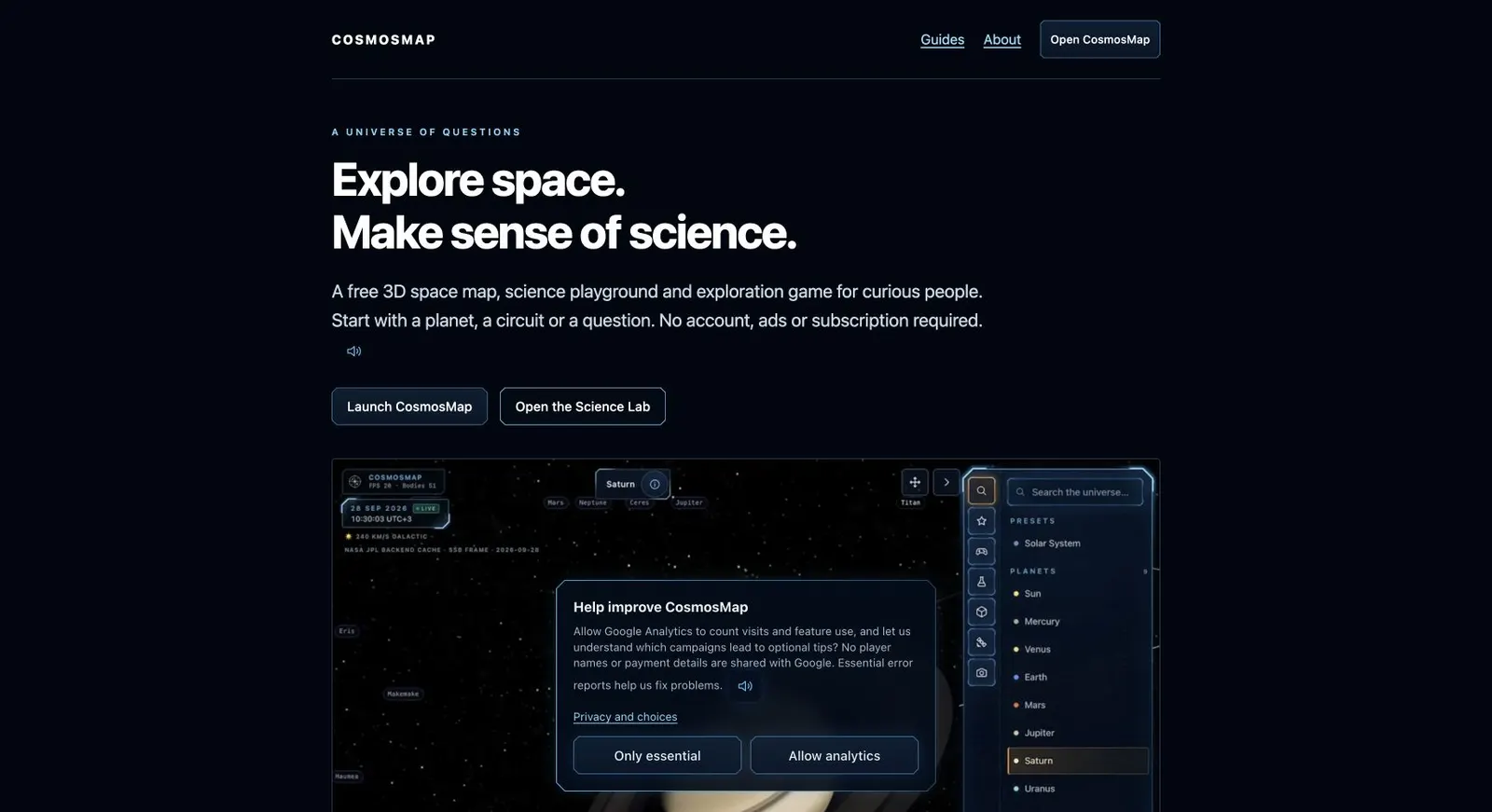
CosmosMap
A free 3D space map and science playground with solar-system exploration, electronics simulations, Mars and Moon scenes, and interactive activities from preschool to advanced physics. It is listed under Space and Science for ages 5–16.
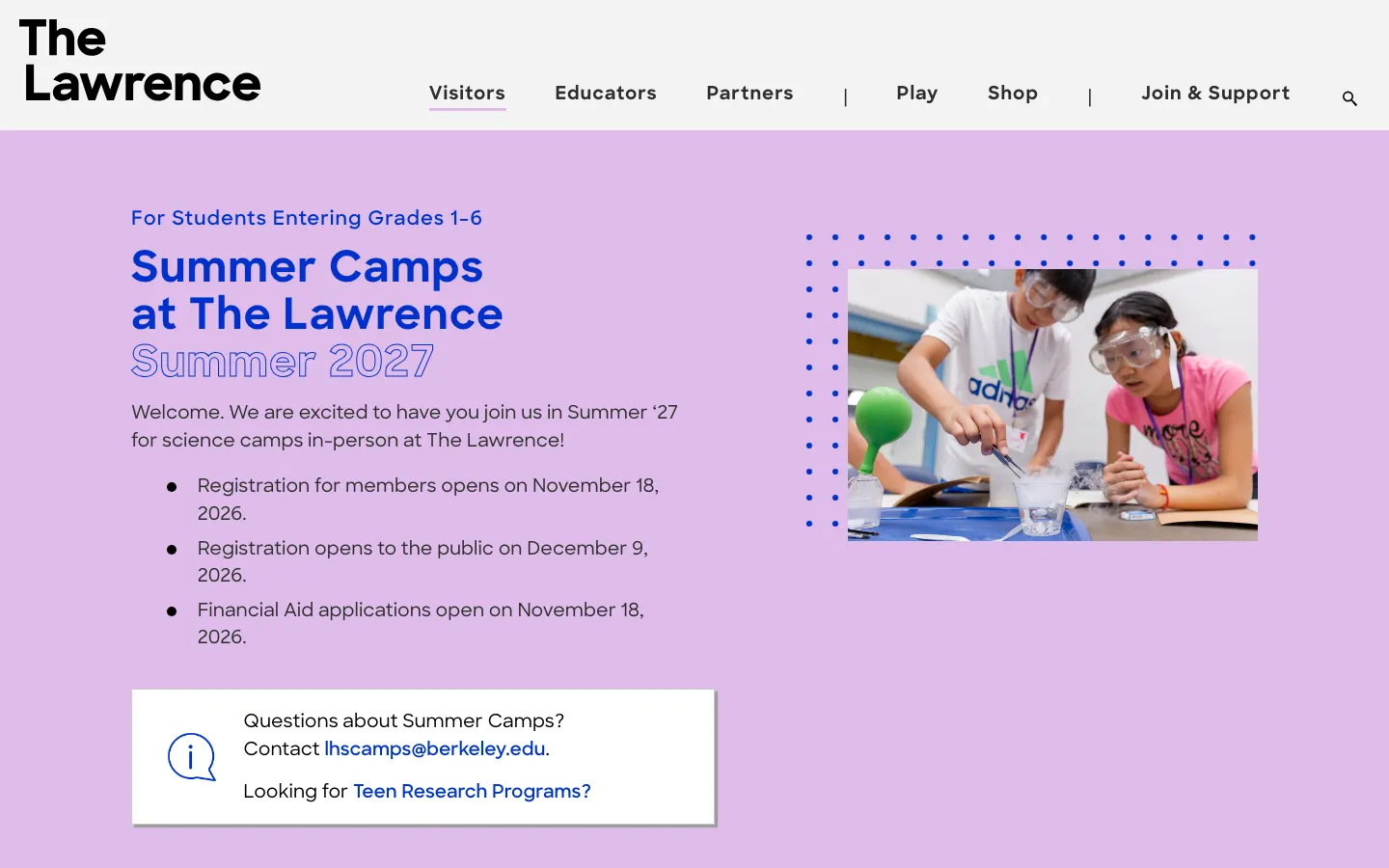
Lawrence Hall of Science Summer Camps 2027
The Lawrence Hall of Science offers hands-on Berkeley science camps for students entering grades 1–6, including Moon Explorers and other age-banded science themes. It is listed under Science and Space for ages Entering grades 1–6.
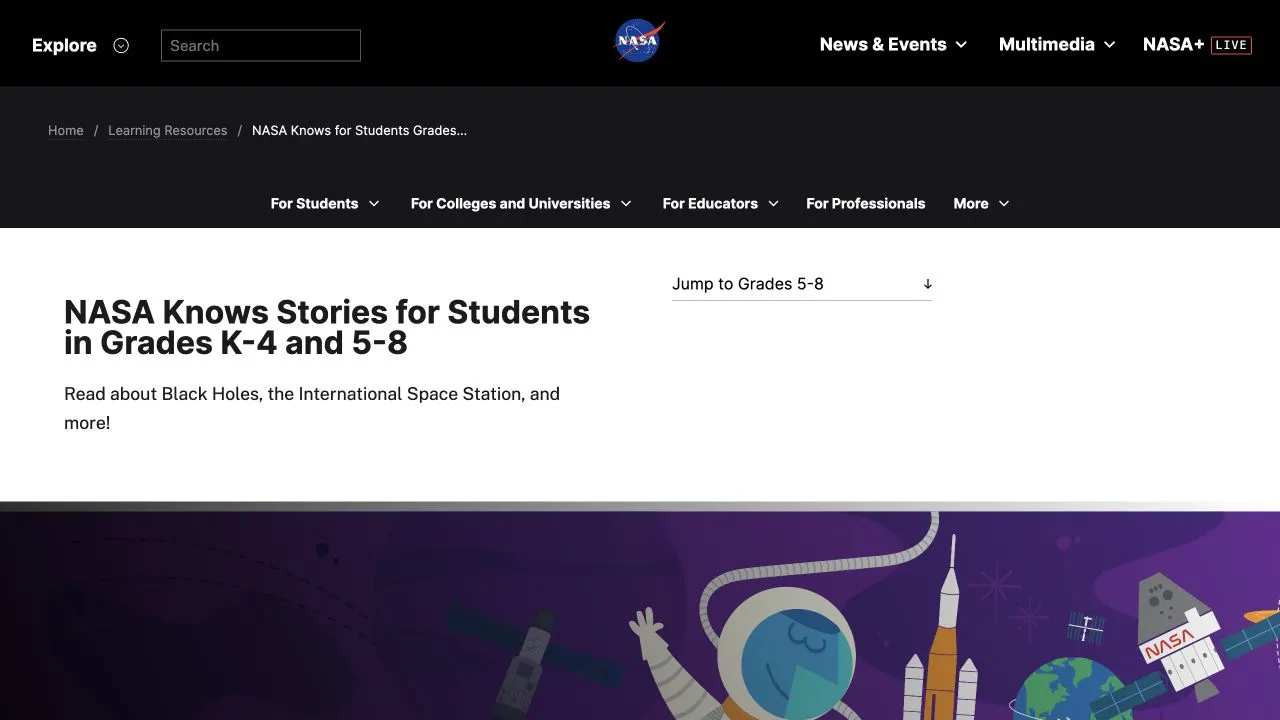
NASA Knows Stories for Students in Grades K-4 and 5-8
NASA’s official student story collection explains space and science topics including black holes, the International Space Station, aerodynamics, Artemis, and more by elementary and middle-school grade bands. It is listed under Space and Science for ages Grades K-4 and 5-8.
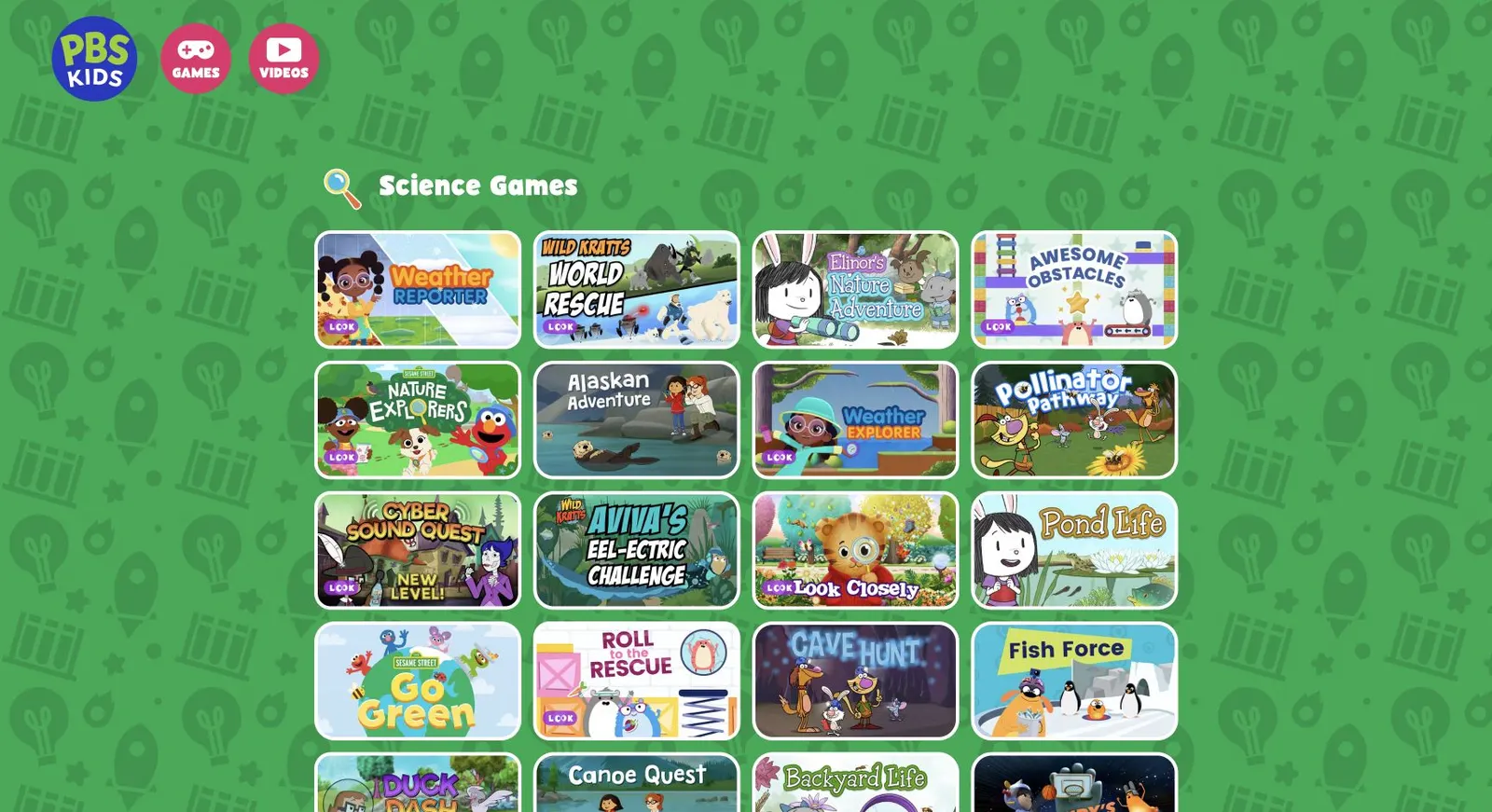
PBS KIDS Science Games
A focused PBS KIDS collection of science games about weather, nature, habitats, engineering, sound, space, and environmental problem-solving. It is listed under Science, Nature & environment, and Games for ages 3–9. Children and families can use it through a website.
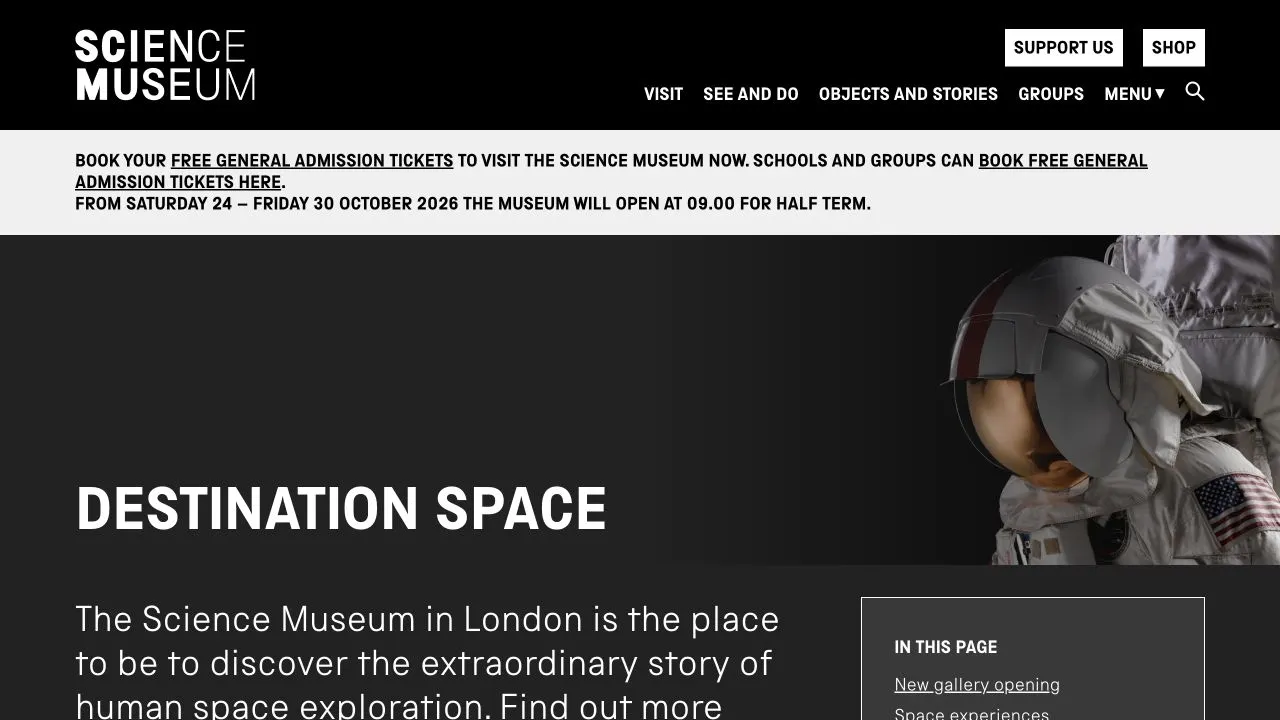
Science Museum Destination Space
Destination Space is the Science Museum’s family-facing space program and guide to space-inspired activities, live experiments, workshops, galleries, and online space stories. It is listed under Space and Science for ages Children and families; activity-specific.
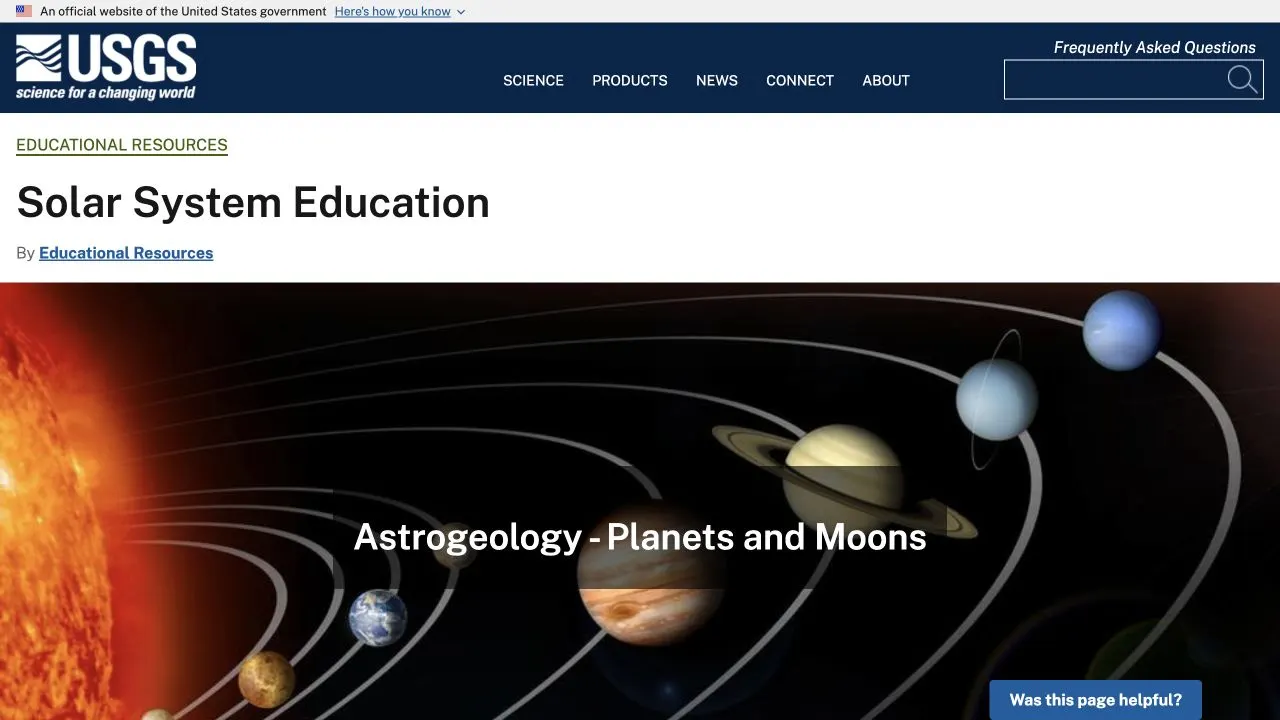
USGS Solar System Education
The U.S. Geological Survey solar-system education page connects elementary classroom lesson plans with planetary geology, lunar resources, Astrogeology, and additional official Earth-and-space materials. It is listed under Space and Science for ages 6–14. Children and families can use it through a website.
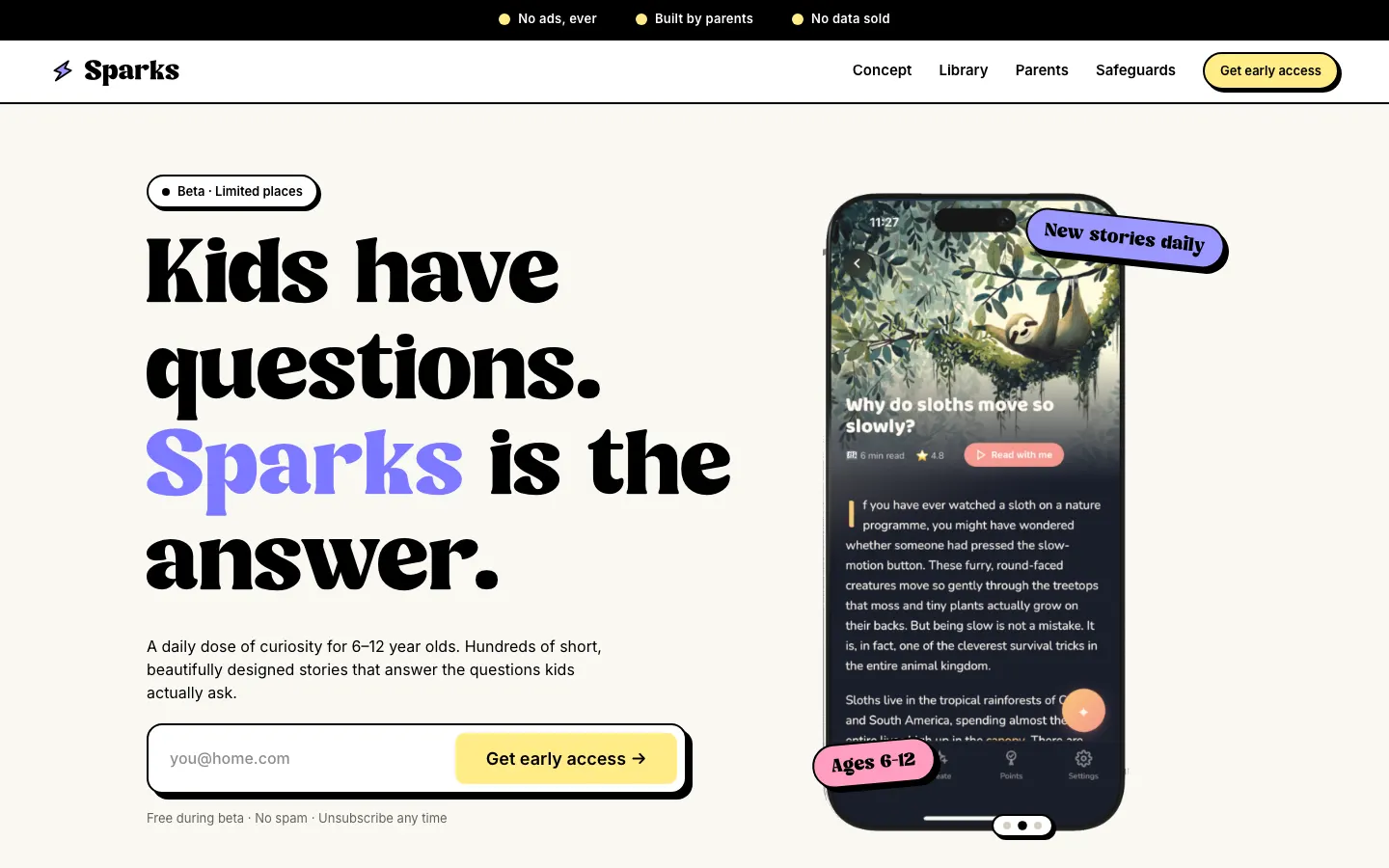
Sparks
A curiosity app for children ages 6–12 with short daily stories, read-aloud audio, quizzes, and questions spanning science, technology, arts, the natural world, and the universe. It is listed under Science & technology and Reading & literacy for ages 6–12.
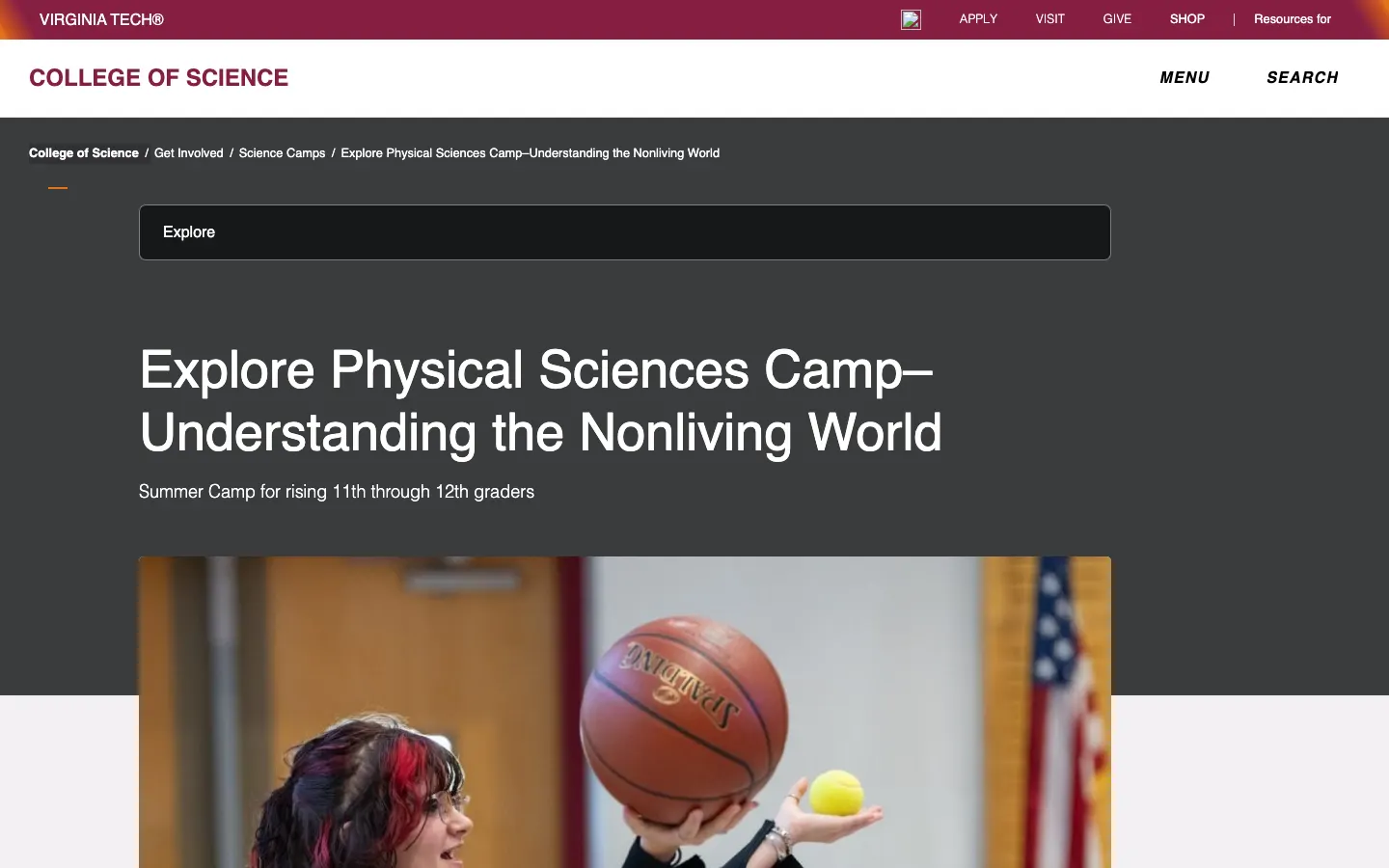
Virginia Tech Explore Physical Science Camp 2027
This Virginia Tech residential camp lets rising 11th–12th graders explore batteries, energy, nanoscience, physics, chemistry, radioisotopes, and quantum information. It is listed under Science and Space for ages Rising grades 11–12. Children and families can use it through a website.
Compare with context
Use this collection to find a direction, then open each resource page before sharing it with a child. The individual review shows languages, access formats, tags, age guidance, source links, and notes for grown-ups.
Search the full directory →