Space Free
for kids
Explore 20 trusted free space resources selected for curious kids, with clear ages, access details, and parent context.
Two useful ways to narrow the directory
This page brings together space resources that also match free. Each listing keeps its own age range, platform details, languages, links, and parent notes, so you can compare options without losing context.
Explore all space resources →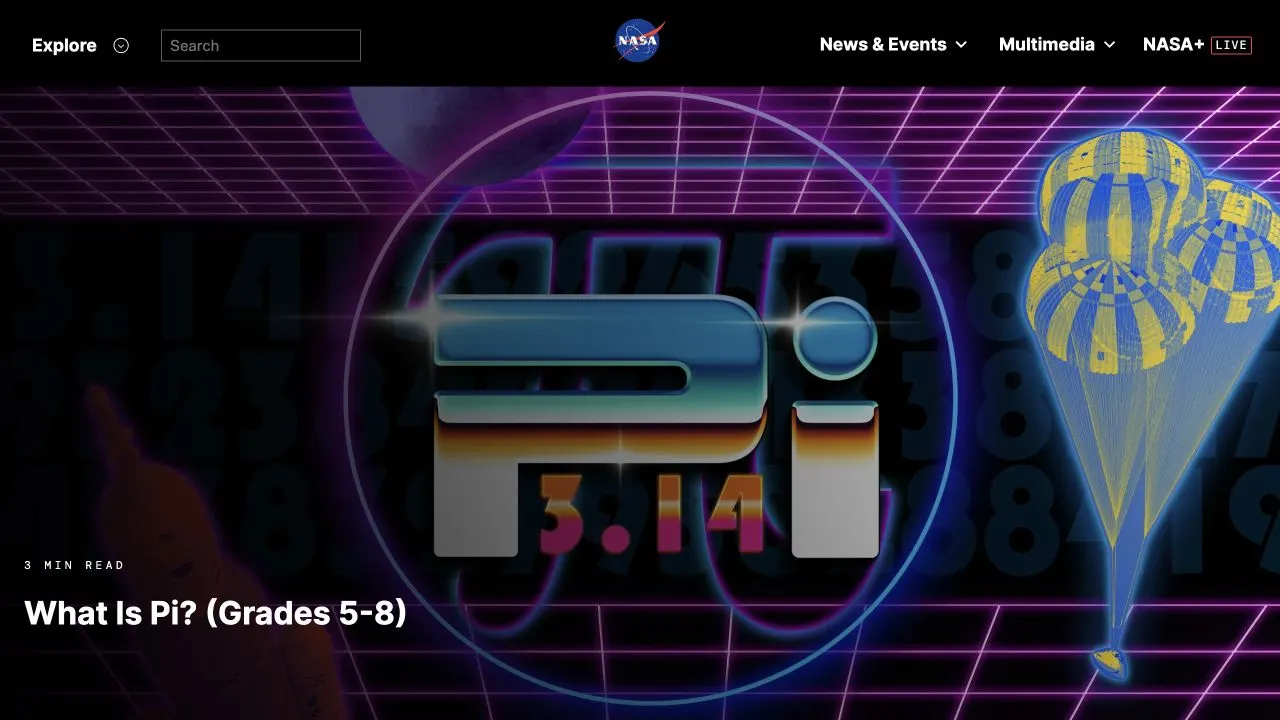
What Is Pi? (Grades 5-8)
NASA’s grade 5-8 math explainer uses spacecraft, planets, parachutes, and fuel tanks to show how pi supports geometry, physics, engineering, and space exploration. It is listed under Mathematics and Space for ages Grades 5-8.
Read the full resource review →More space picks
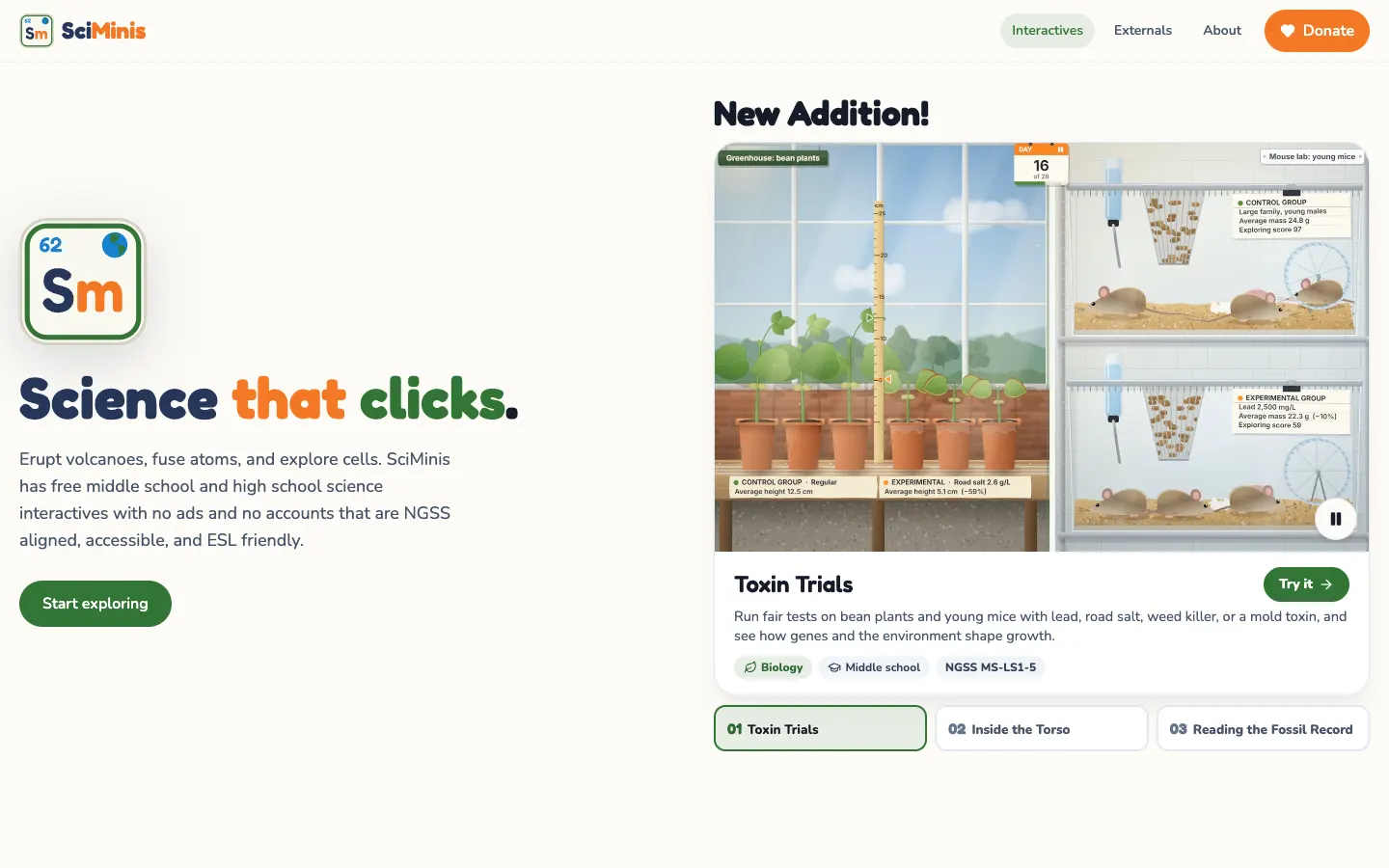
SciMinis
A free science-interactive directory for middle and high school learners with browser simulations across biology, chemistry, Earth, physics, and space. It is listed under Science and Space for ages Middle and high school. Children and families can use it through a website.
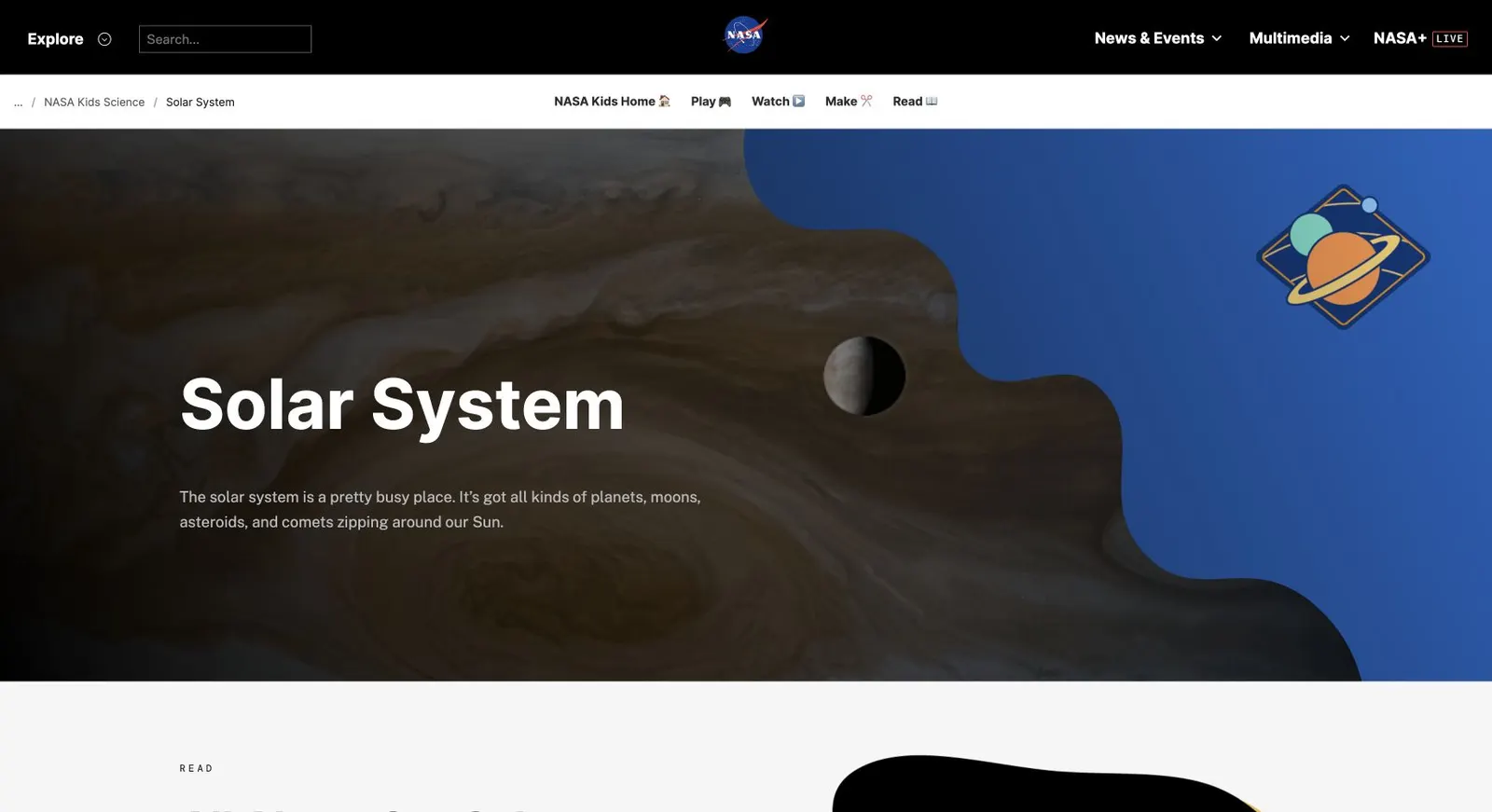
NASA Kids Solar System
A NASA Kids Science solar-system learning page about planets, moons, asteroids, and comets, with an age-appropriate overview and links to related NASA kids exploration. It is listed under Space and Science for ages 6–14.
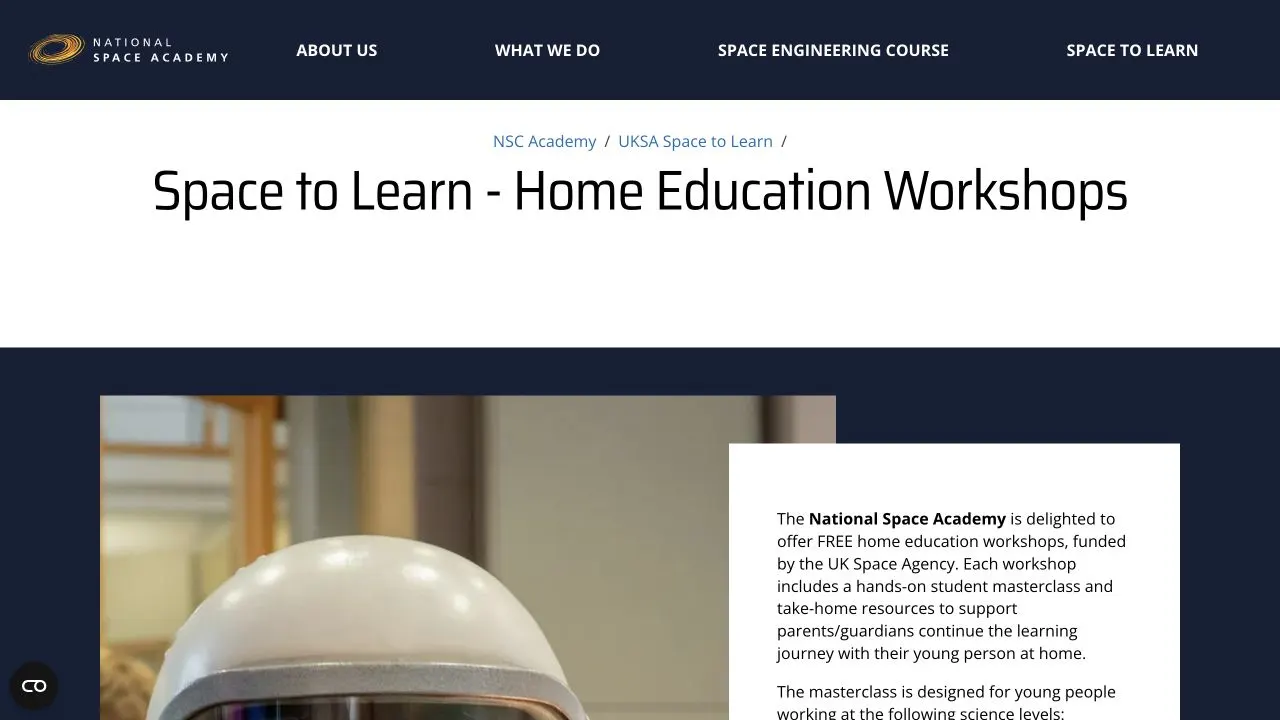
Space to Learn Home Education Workshops
National Space Academy’s Space to Learn page offers free UK Space Agency-funded home-education workshops with hands-on student masterclasses, rocket-design challenges, and take-home resources for families. It is listed under Space and Science for ages 11–15.
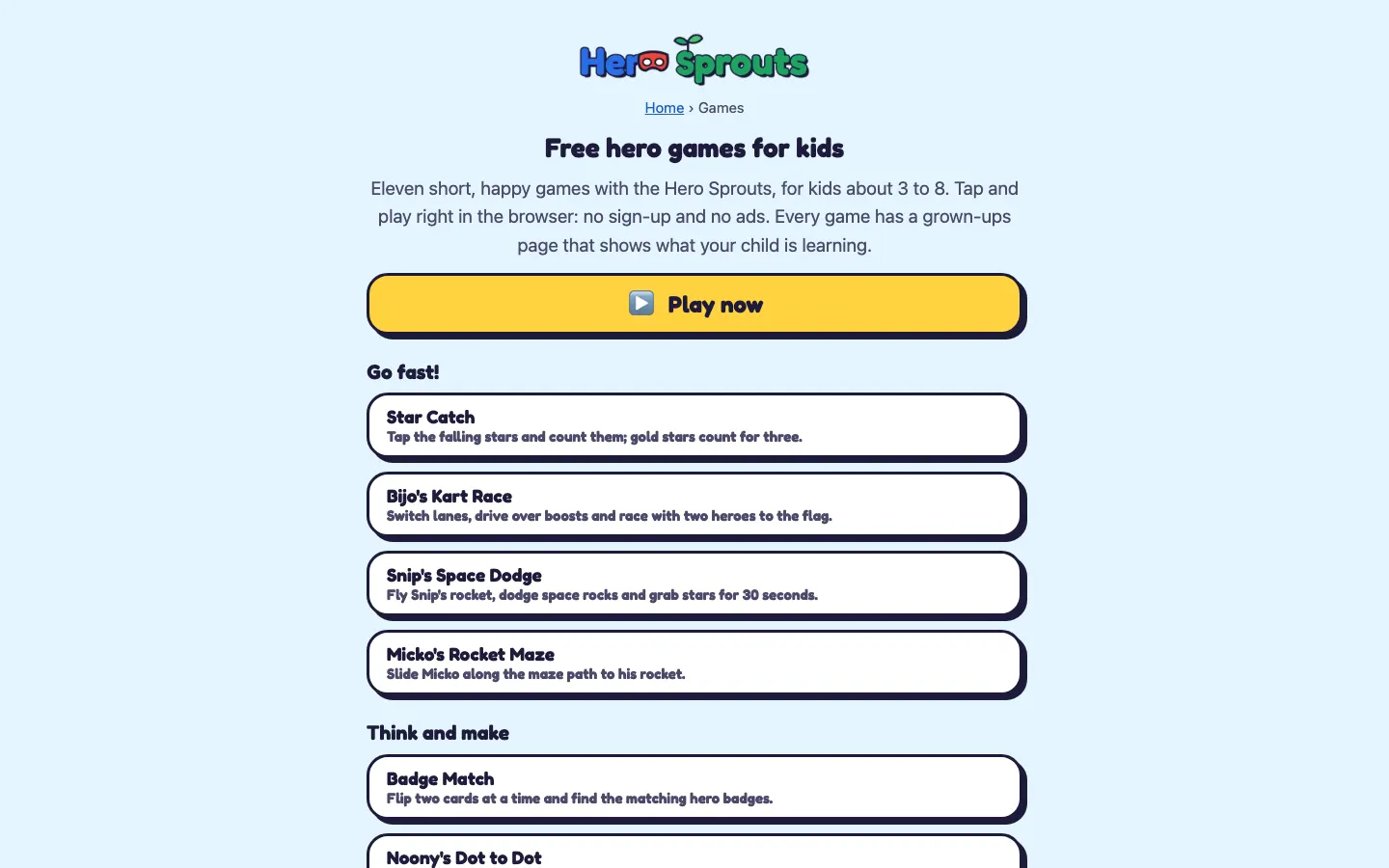
Hero Sprouts
Hero Sprouts is a collection of eleven short browser games for ages 3–8 covering counting, matching, space, tracing, memory, movement, and calm routines. It is listed under Early learning and Mathematics for ages 3–8.
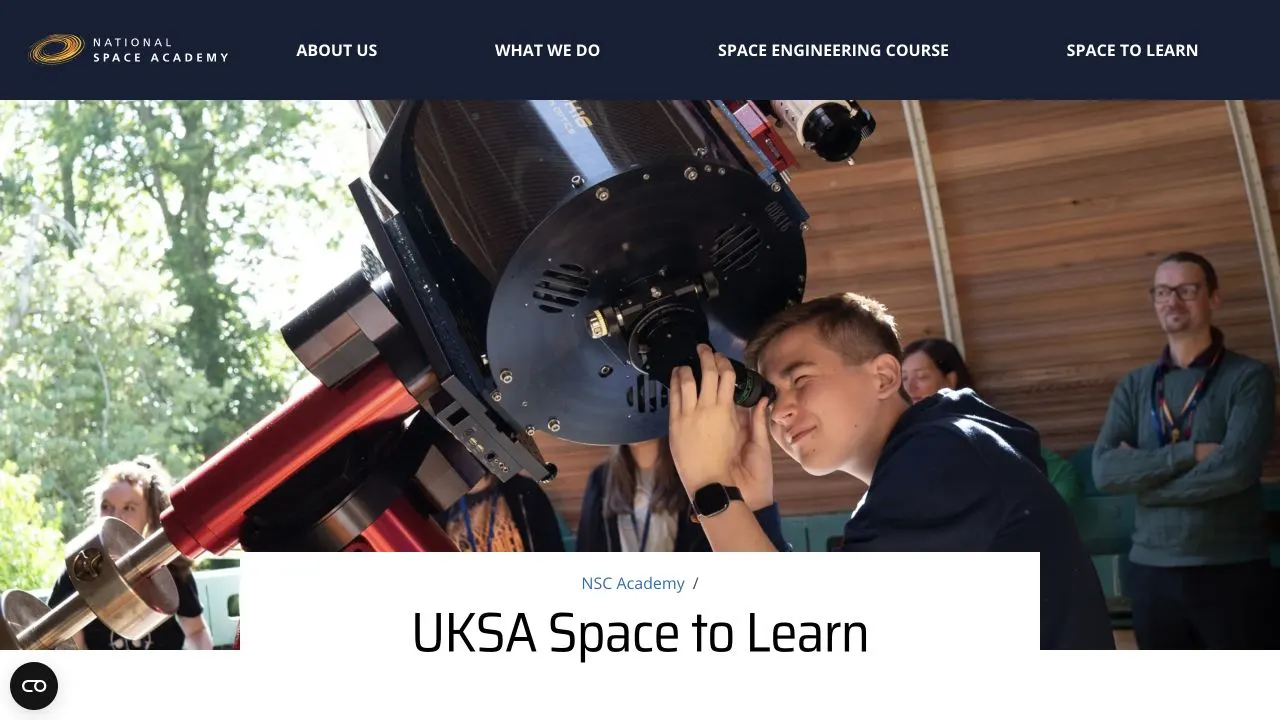
UKSA Space to Learn
UKSA Space to Learn is a UK Space Agency-funded National Space Academy programme continuing through December 2026 with free curriculum-linked physics masterclasses, careers conferences, home-education events, and an interactive Moon Rescue book.
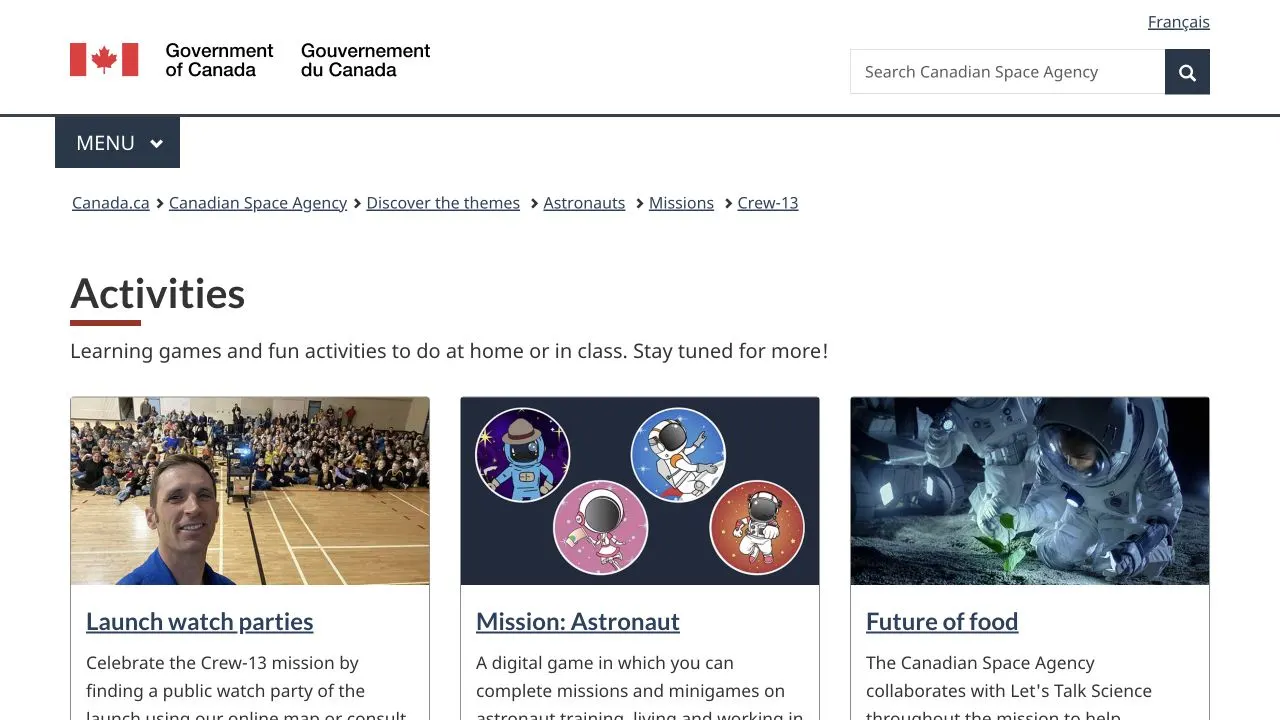
Canadian Space Agency Crew-13 Activities
The Canadian Space Agency Crew-13 activities page gathers official space games and classroom or home activities, including Mission: Astronaut, Future of Food, K–12 ISS materials, Tomatosphere, astronaut cutouts, and live space links.
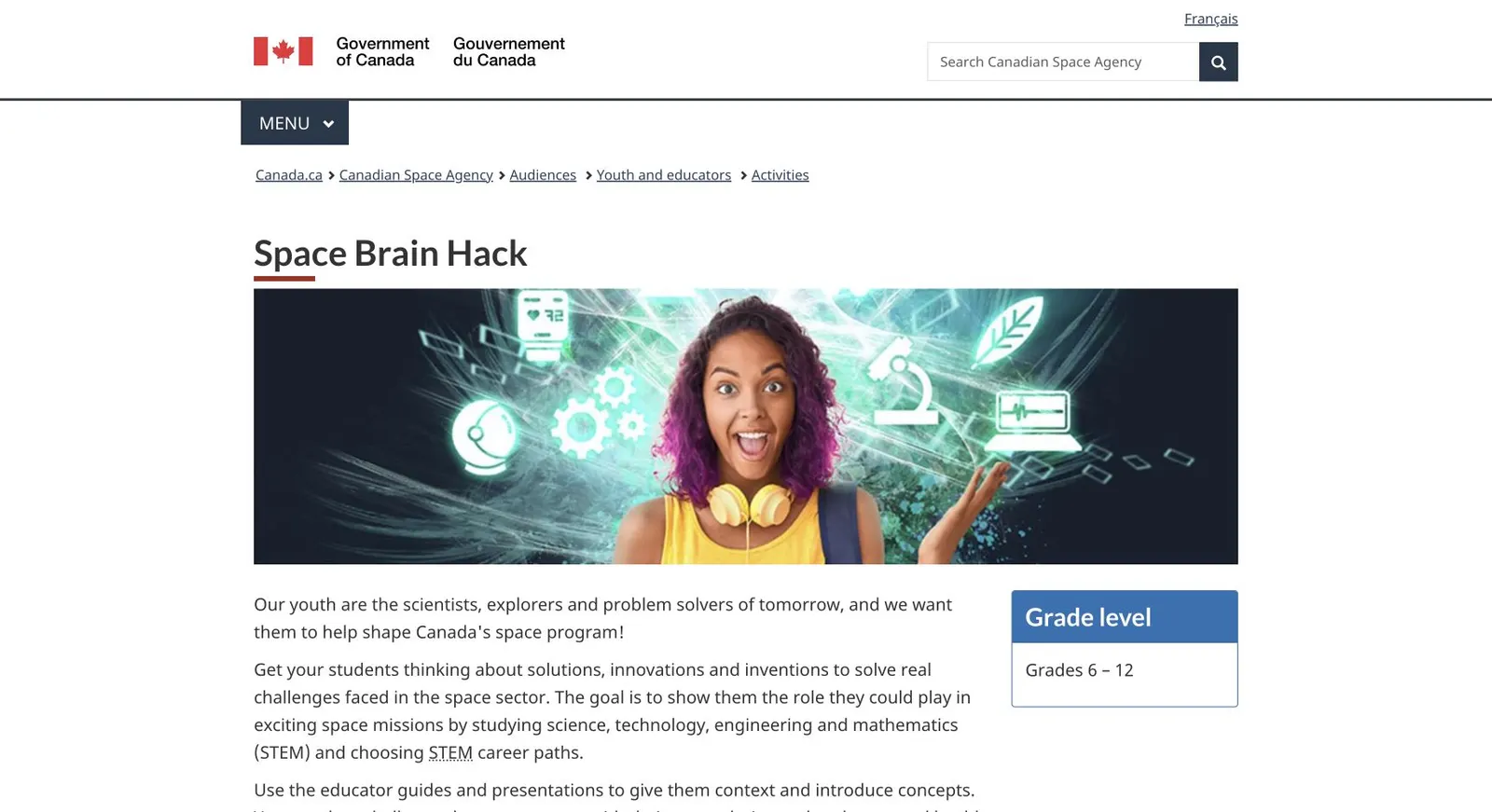
Canadian Space Agency Space Brain Hack
A Canadian Space Agency challenge collection for grades 6–12 that asks learners to design solutions for astronaut mental health, food production, and sustainable satellites. It is listed under Science and Space for ages 11–18.
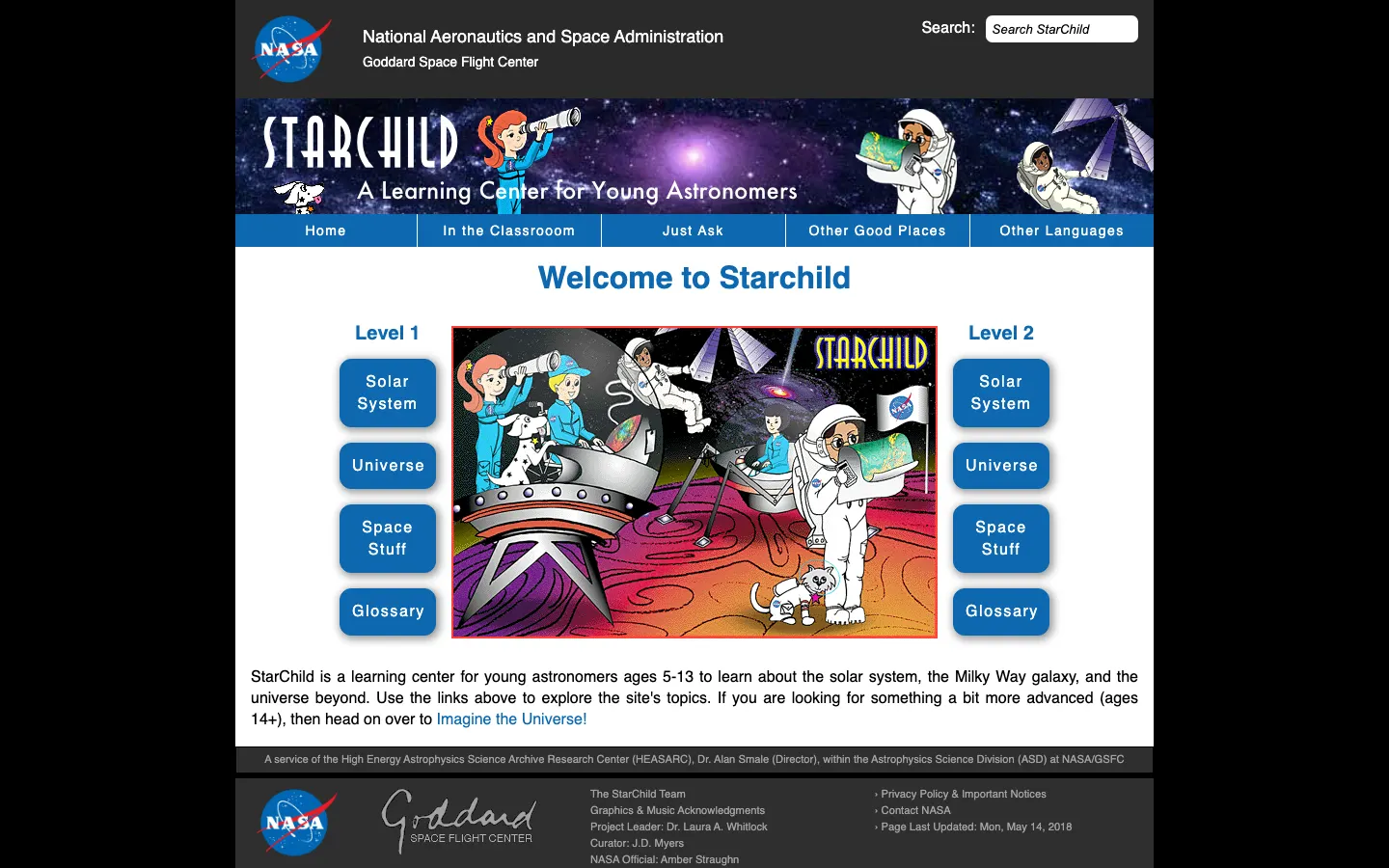
NASA StarChild
NASA StarChild is a learning center for young astronomers with levelled pages about the solar system, the universe, space science, and an astronomy glossary. It is listed under Space and Science for ages 5–13.
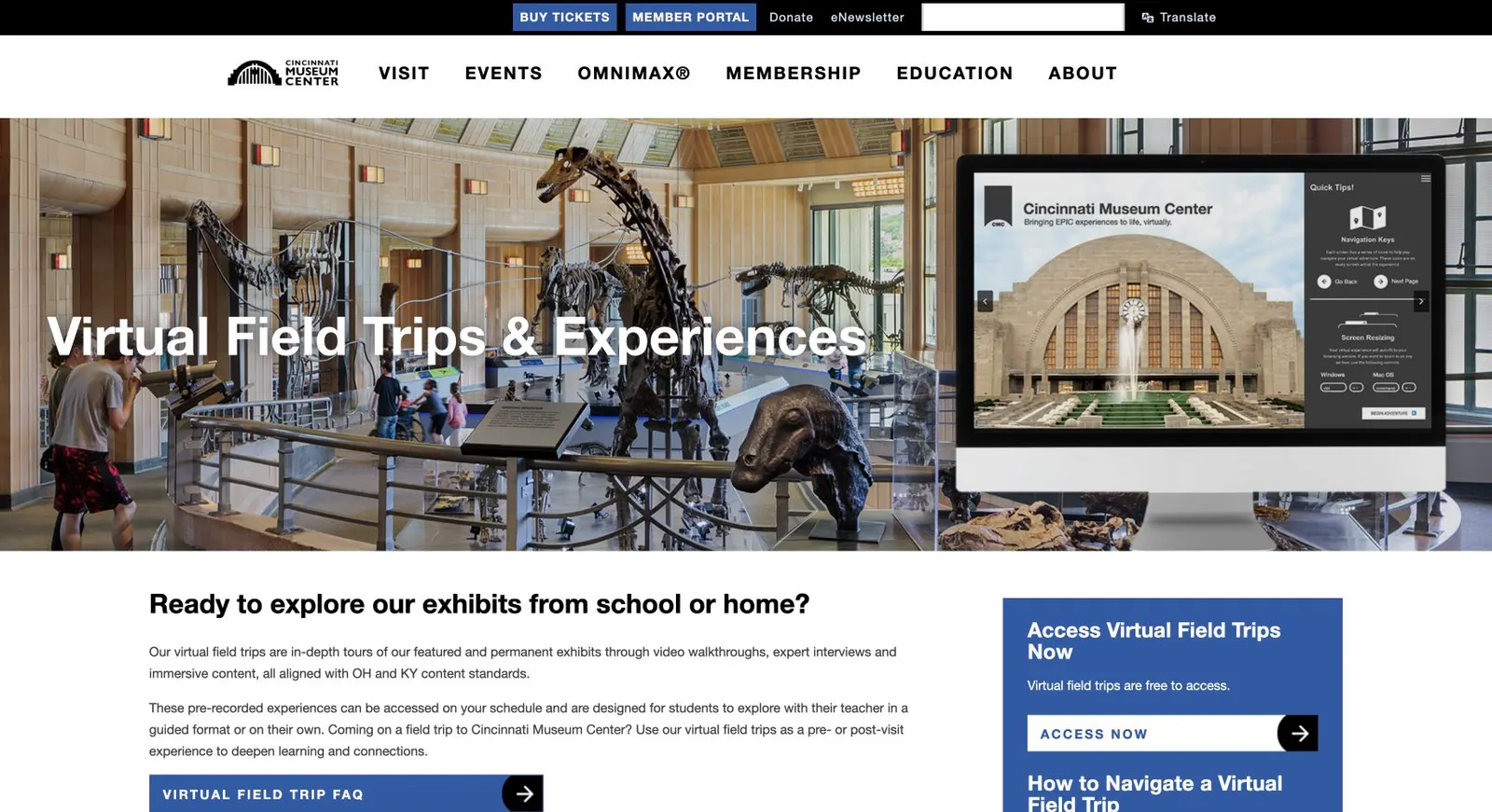
Cincinnati Museum Center Virtual Field Trips
Free, on-demand virtual field trips use video walkthroughs, expert interviews, and immersive exhibit content across Maya history, dinosaurs, caves, space, and Cincinnati history. It is listed under History & culture and Science for ages 7–18.
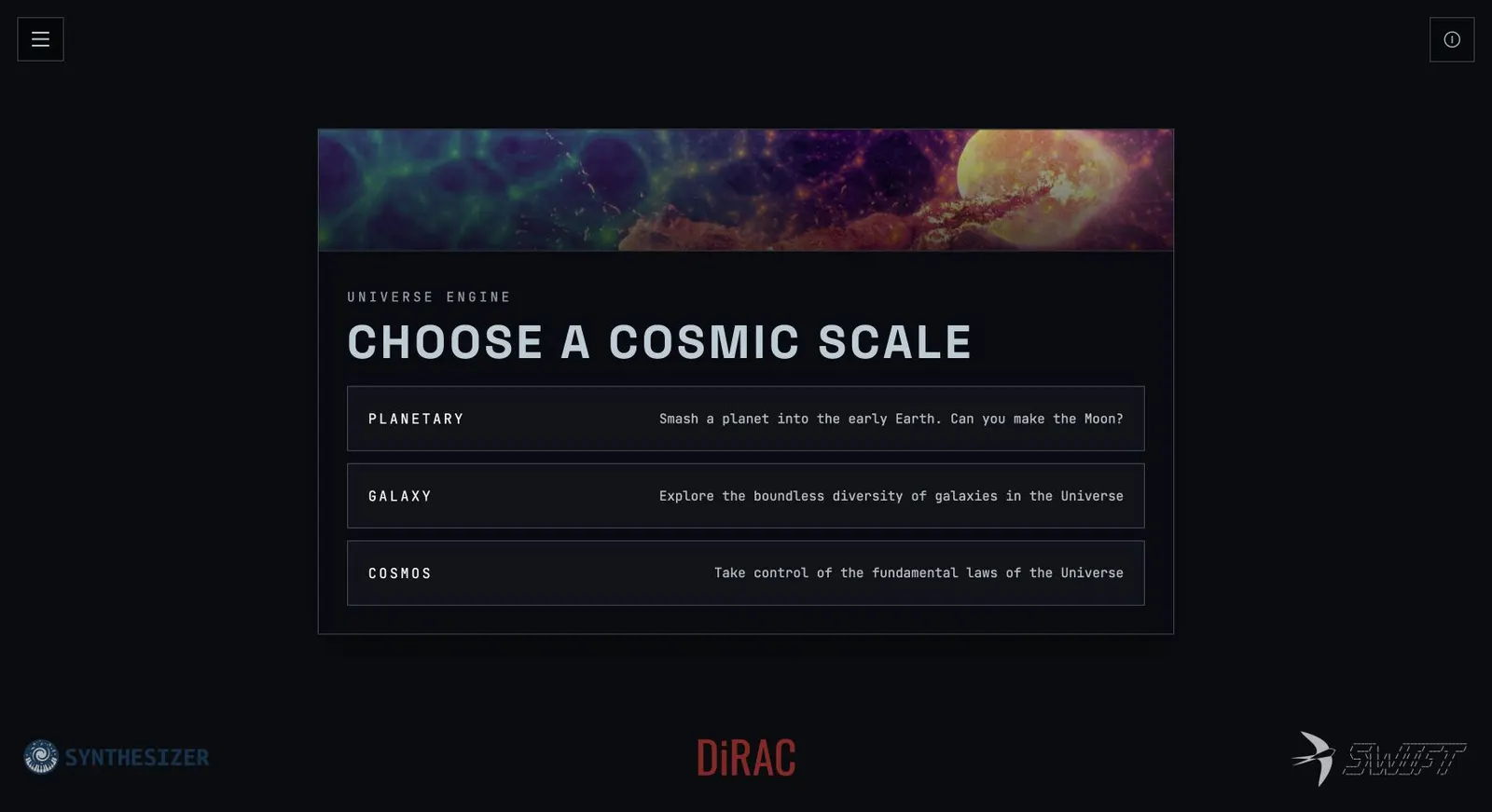
UniverseEngine
UniverseEngine is an interactive astronomy simulation that lets learners explore planetary impacts, galaxy formation, and cosmic evolution at planetary, galaxy, and cosmos scales. It is listed under Space and Science for ages 10–16. Children and families can use it through a website.
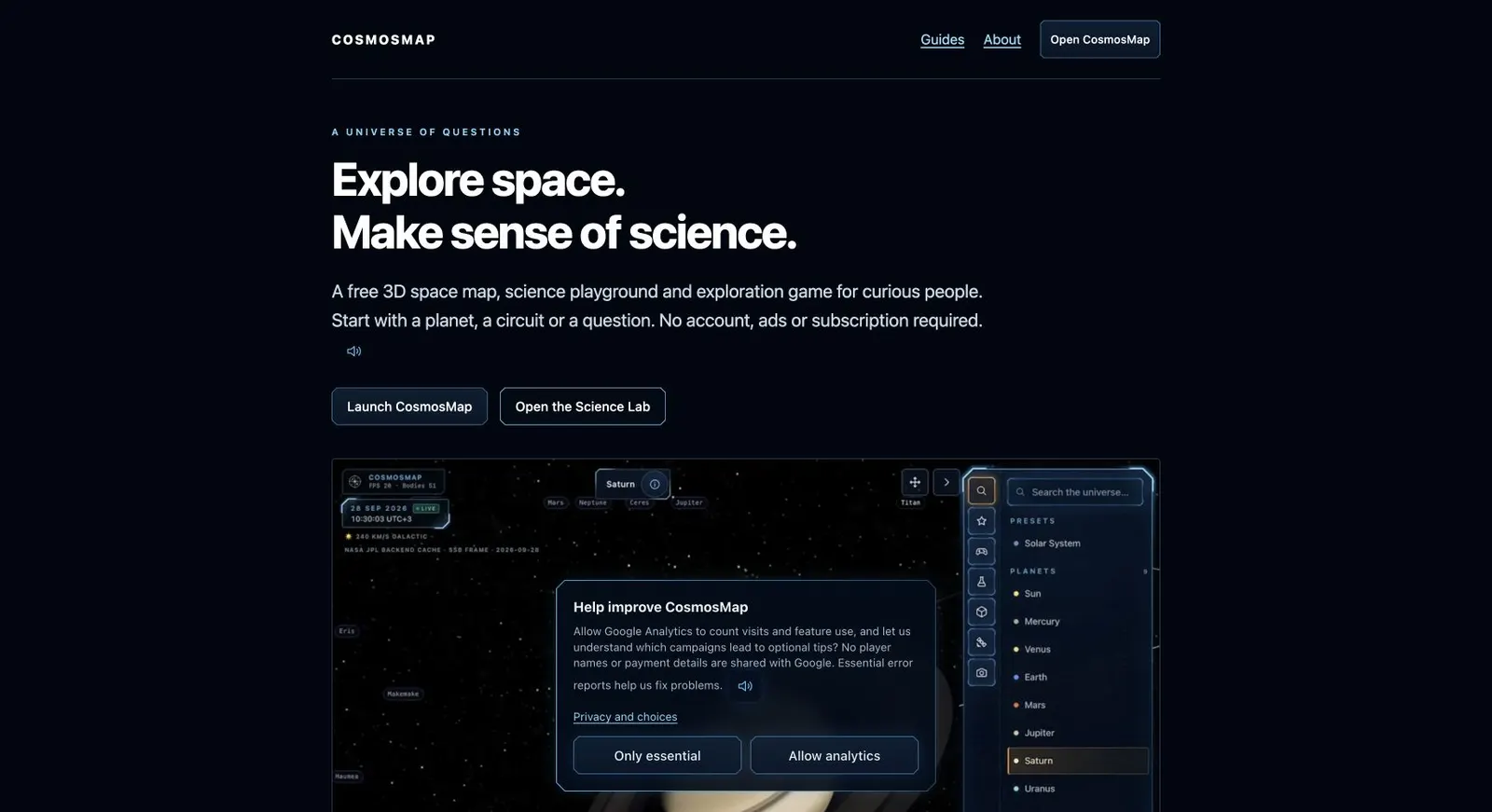
CosmosMap
A free 3D space map and science playground with solar-system exploration, electronics simulations, Mars and Moon scenes, and interactive activities from preschool to advanced physics. It is listed under Space and Science for ages 5–16.
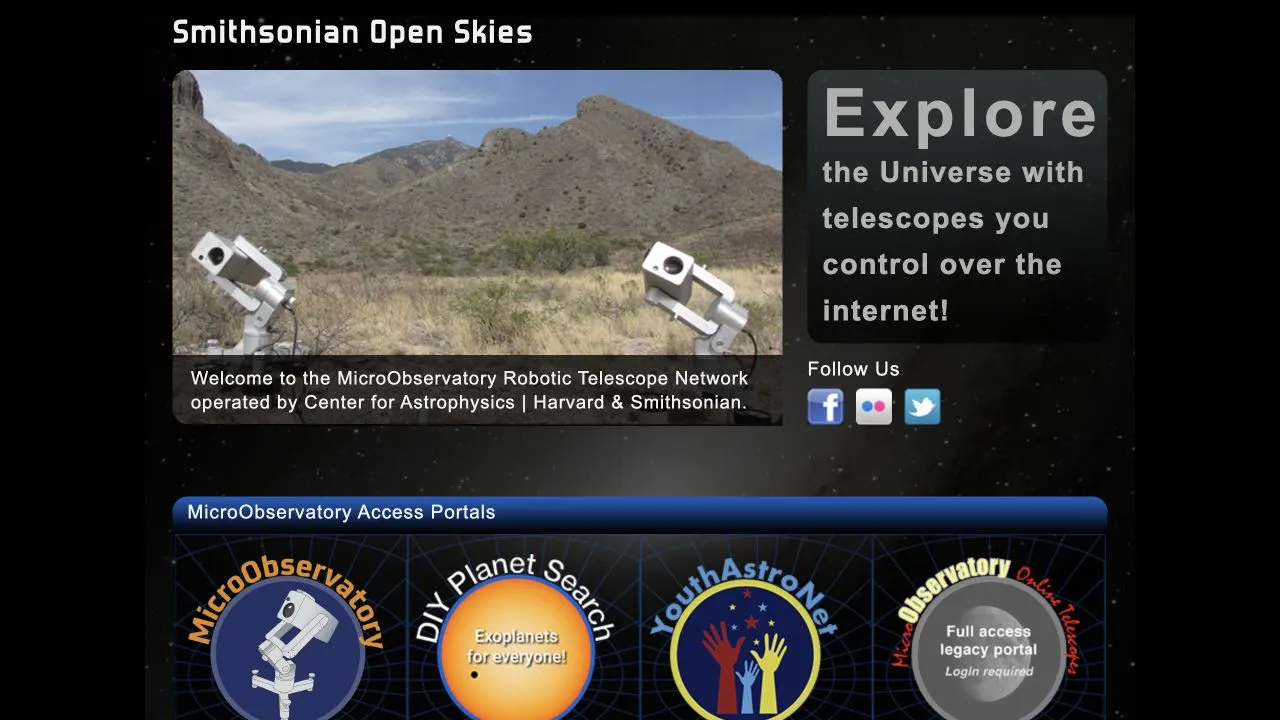
MicroObservatory Robotic Telescope Network
A Smithsonian Astrophysical Observatory and Center for Astrophysics program that lets learners control robotic telescopes online and explore real astronomy images. It is listed under Space and Science for ages 9–18. Children and families can use it through a website and downloadable resources.
Compare with context
Use this collection to find a direction, then open each resource page before sharing it with a child. The individual review shows languages, access formats, tags, age guidance, source links, and notes for grown-ups.
Search the full directory →