Space Engineering
for kids
Explore 20 trusted space engineering resources selected for curious kids, with clear ages, access details, and parent context.
Two useful ways to narrow the directory
This page brings together space resources that also match engineering. Each listing keeps its own age range, platform details, languages, links, and parent notes, so you can compare options without losing context.
Explore all space resources →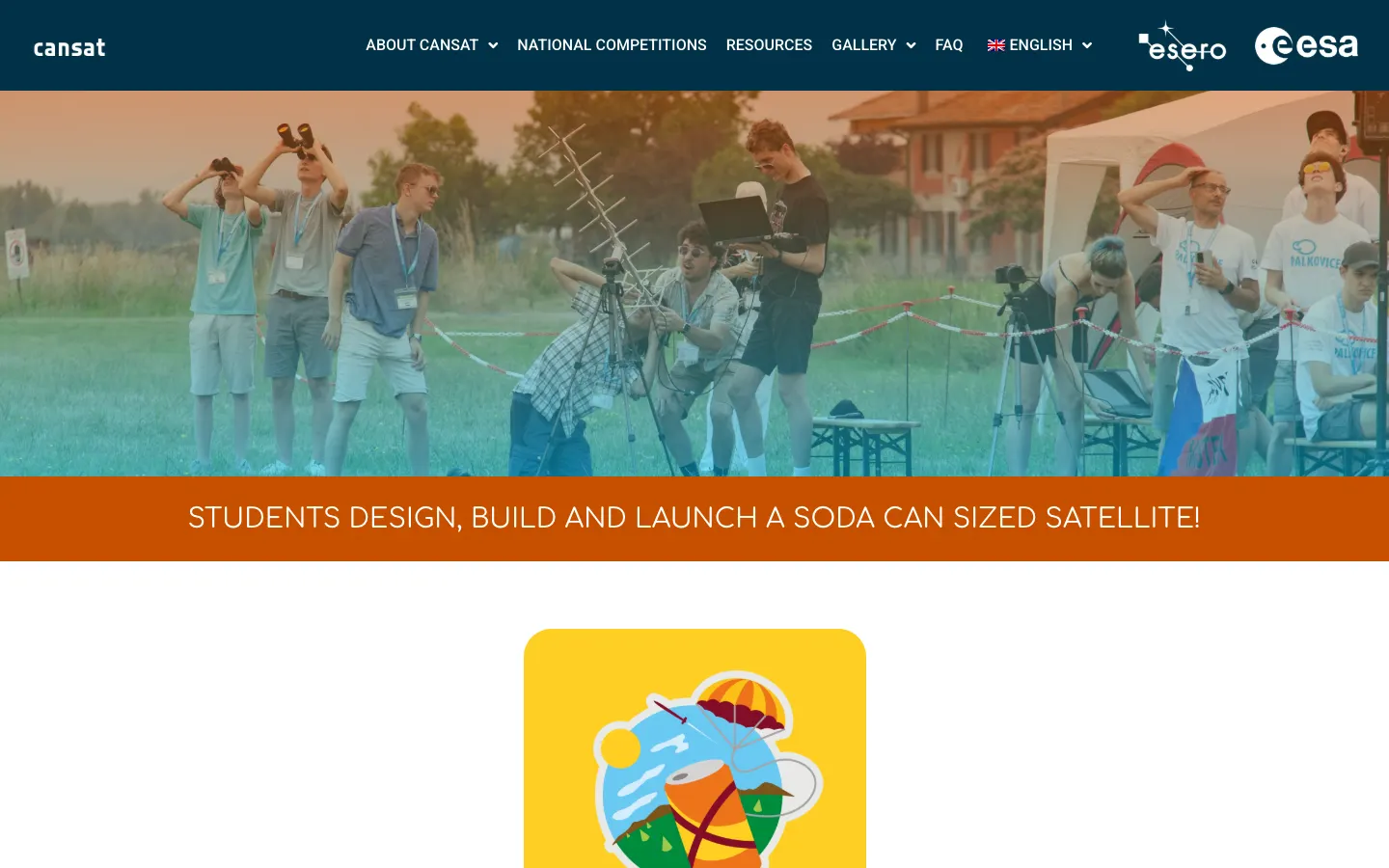
ESA CanSat
The European Space Agency CanSat program challenges teams to design, build and launch a soda-can-sized satellite, then collect and analyse mission data. It is listed under Space and Coding for ages 14–19. Children and families can use it through a website.
Read the full resource review →More space picks
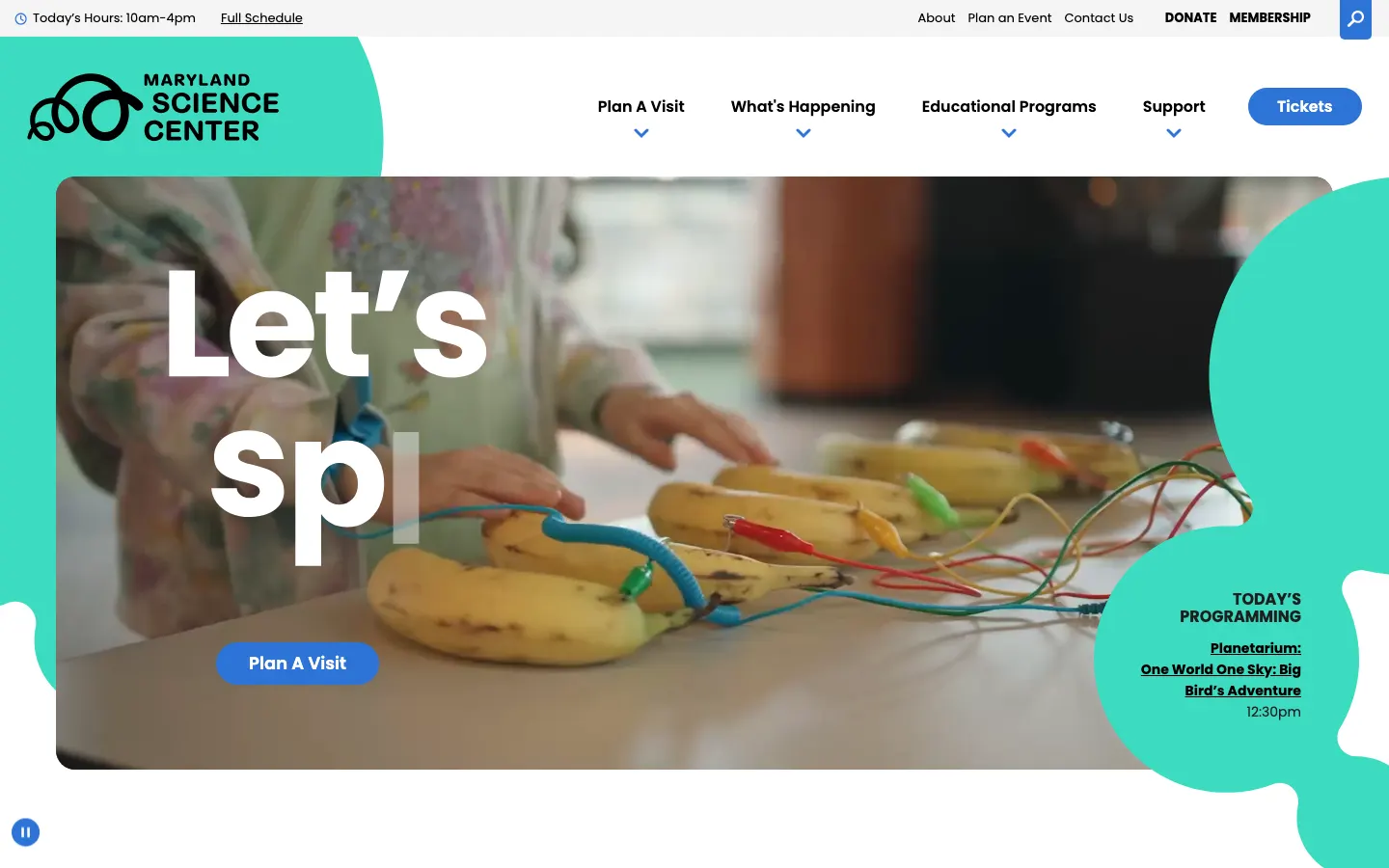
Maryland Science Center
Maryland Science Center is an interactive science museum with three floors of exhibits, a planetarium, IMAX, hands-on programs, Kids Room science activities, and family events. It is listed under Science and Space for ages Children and families.
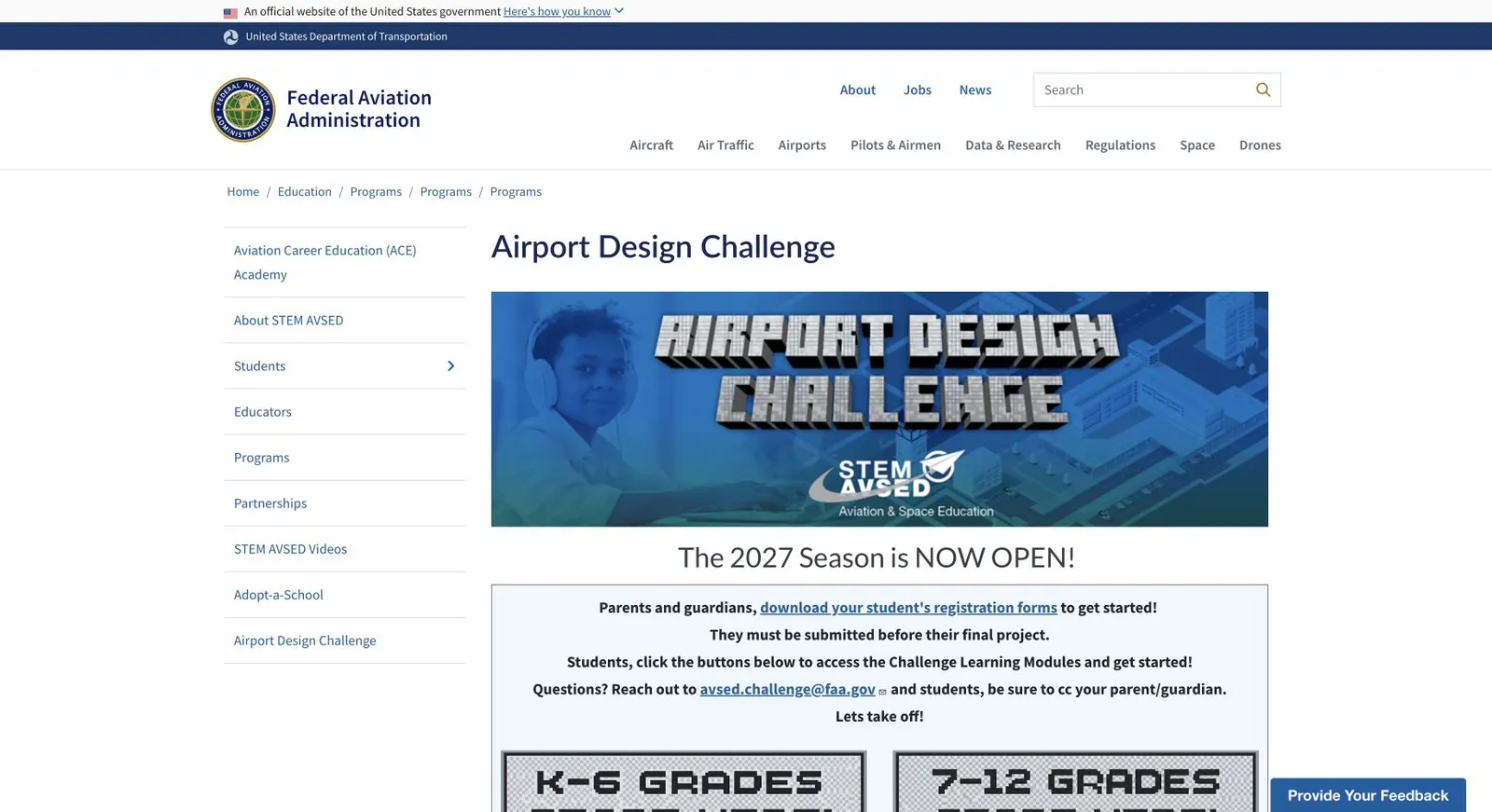
FAA Airport Design Challenge 2027
The FAA Airport Design Challenge is a K–12 STEM learning challenge where teams learn about local airports and complete design tasks in Minecraft. It is listed under Science and Coding for ages Grades K–12.
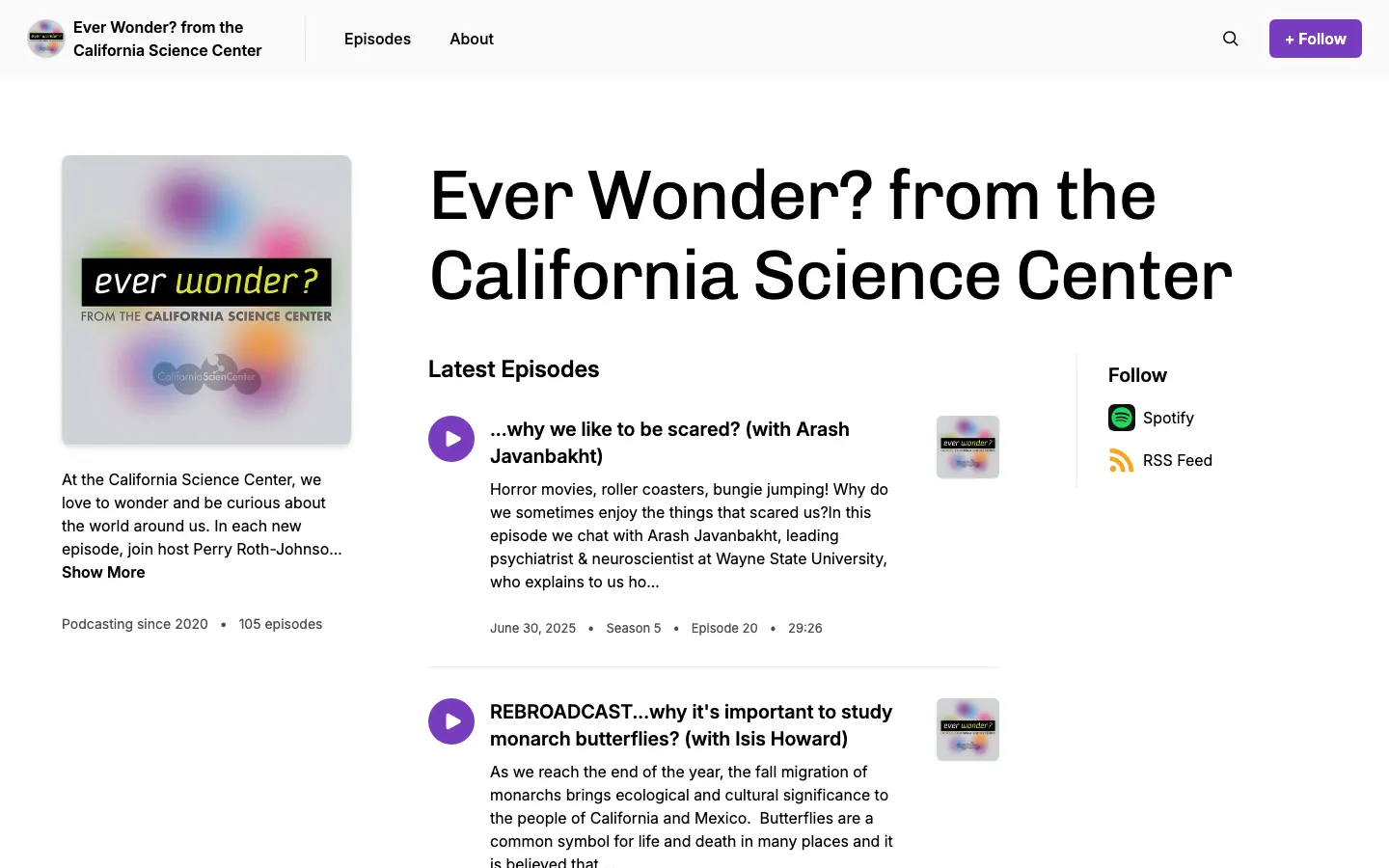
California Science Center Ever Wonder?
Ever Wonder? is a California Science Center science show with episodes that explain STEM questions and phenomena for curious learners. It is listed under Science and Space for ages 6–12. Children and families can use it through a website.
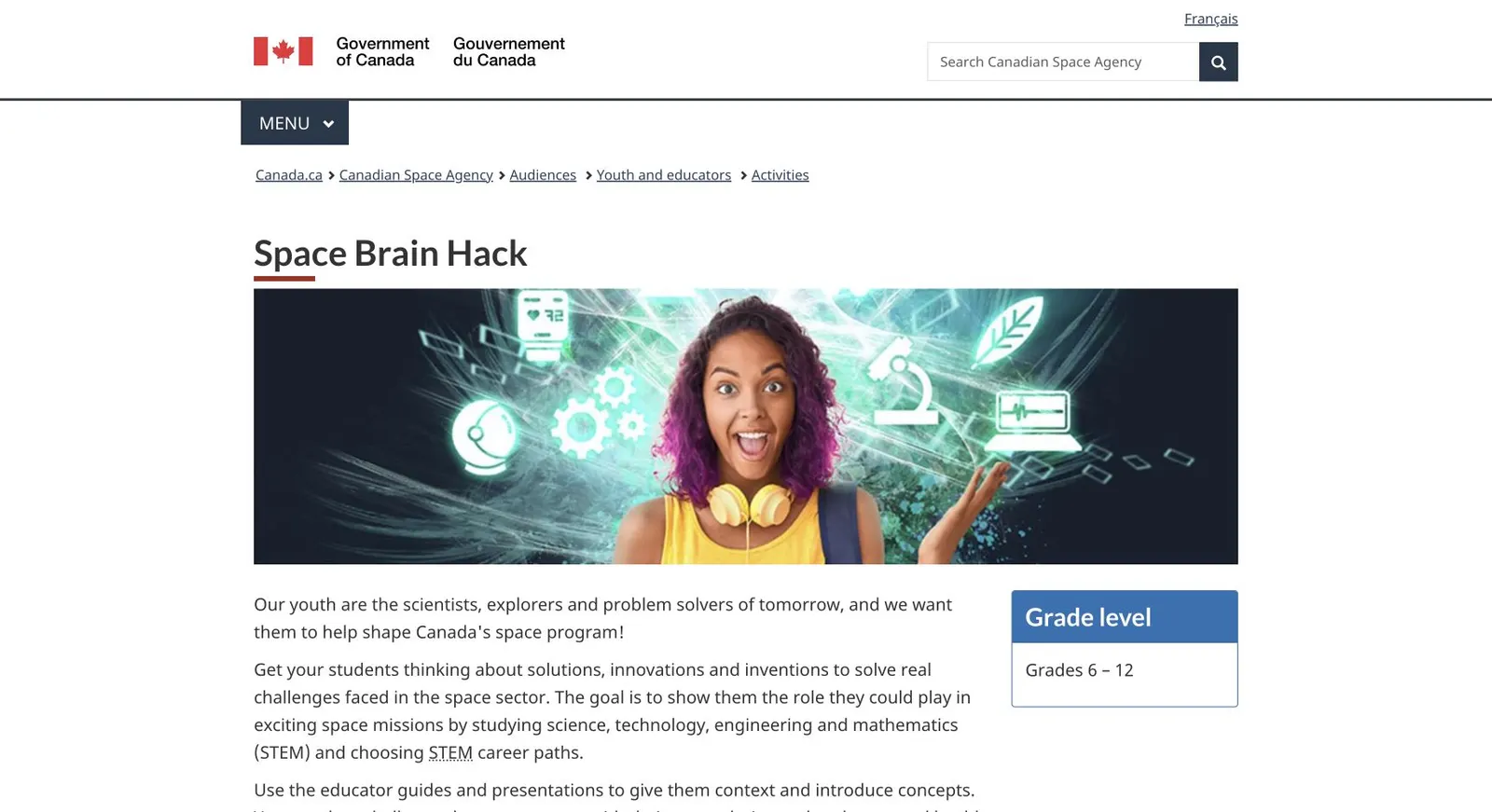
Canadian Space Agency Space Brain Hack
A Canadian Space Agency challenge collection for grades 6–12 that asks learners to design solutions for astronaut mental health, food production, and sustainable satellites. It is listed under Science and Space for ages 11–18.
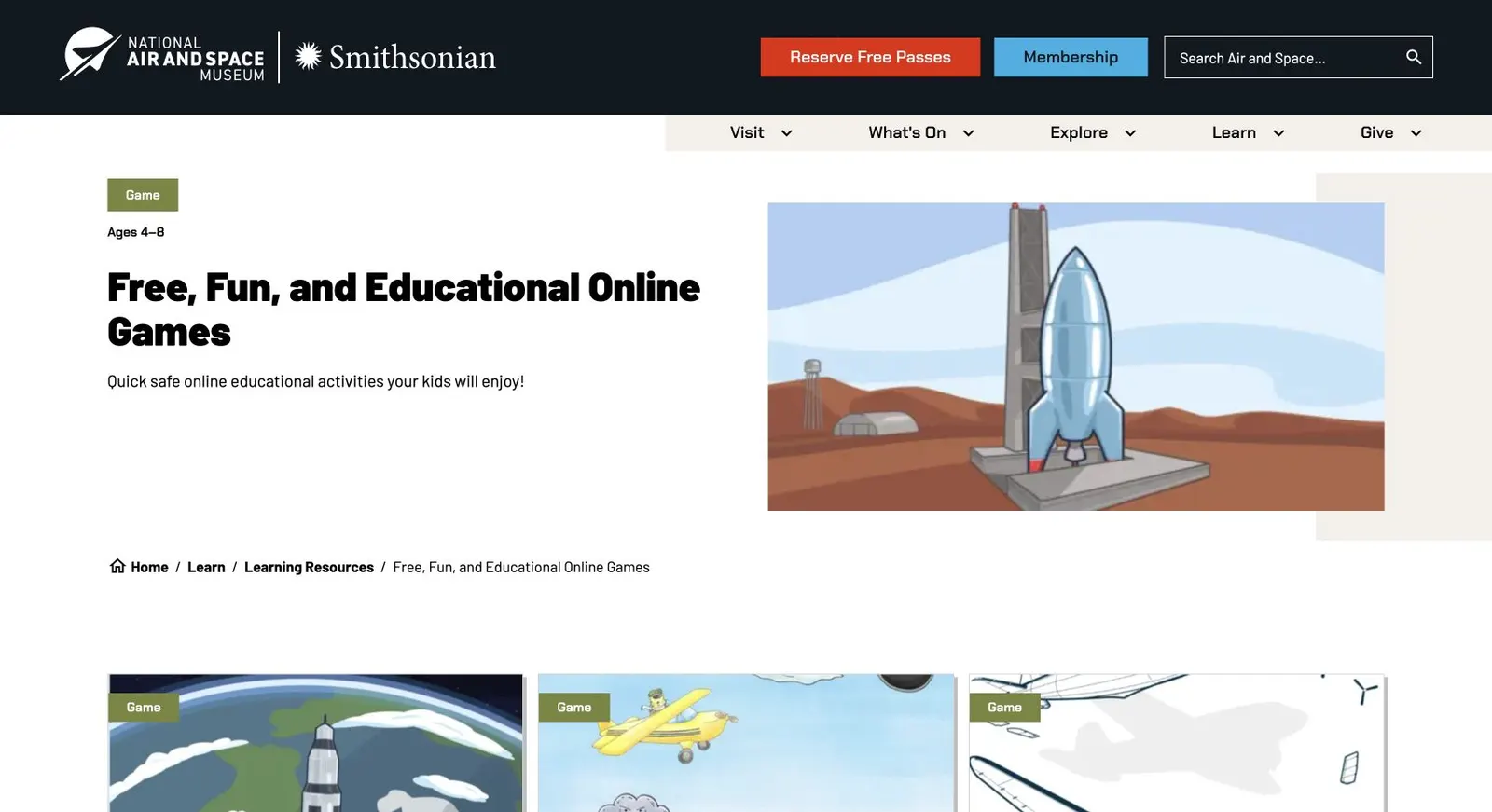
National Air and Space Museum Online Games
The National Air and Space Museum’s online games give young learners playful ways to explore rockets, aircraft, weather, motion, gears, and airplane parts. It is listed under Science and Space for ages 4–8. Children and families can use it through a website.
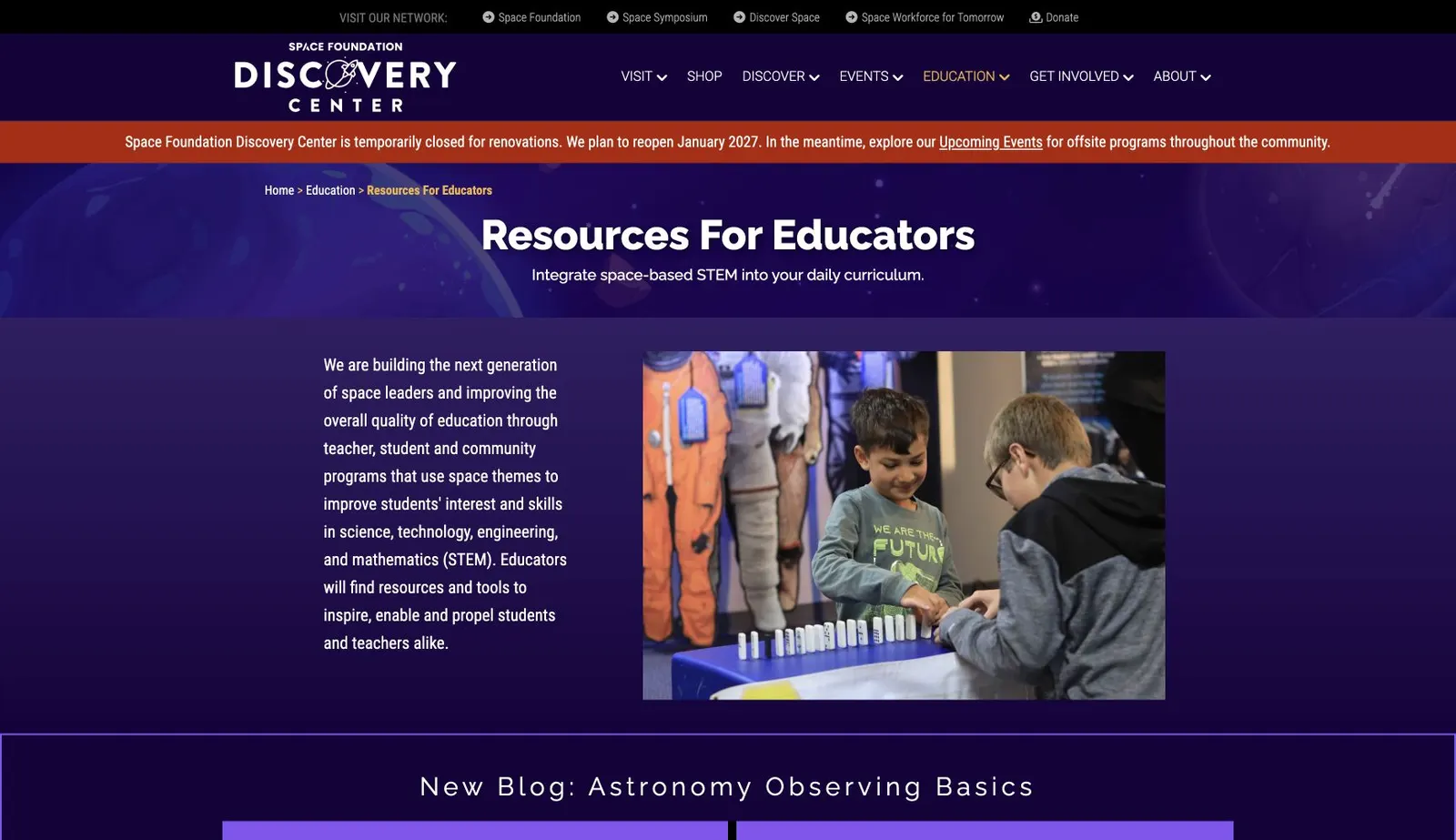
Space Foundation Discovery Center Resources for Educators
Space Foundation Discovery Center’s educator collection offers classroom and informal-learning resources for exploring space science, engineering, and space technology. It is listed under Space and Science for ages School-age children and teens; resource-specific. Children and families can use it through a website.
All Things Science STEM Programs
All Things Science brings hands-on, NGSS-aligned STEM programs to schools through biology, rockets, 3D printing, robotics, chemistry, engineering, physics, circuits, after-school clubs, labs, and camps. It is listed under Science and Engineering for ages School-age children; program-specific.
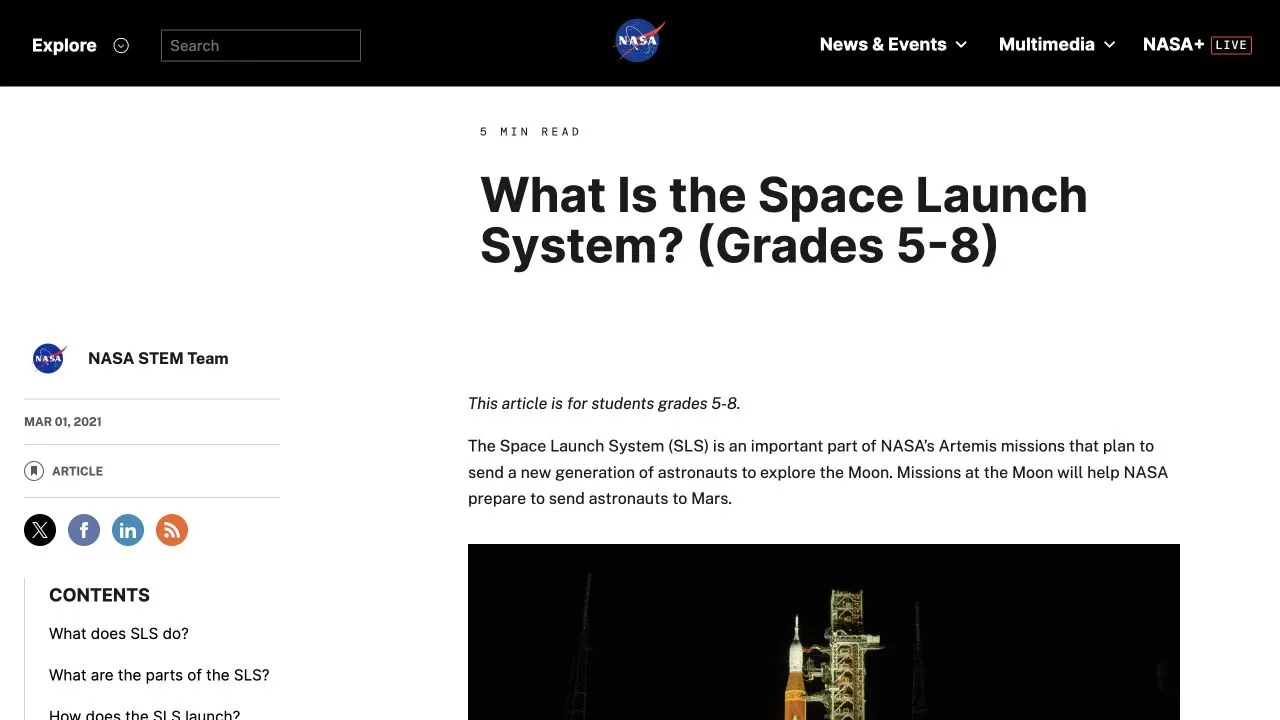
What Is the Space Launch System? (Grades 5-8)
NASA’s grade 5-8 explainer shows how the Space Launch System works, how its rocket stages support Artemis missions, and which careers help build and operate it. It is listed under Engineering and Space for ages Grades 5-8.
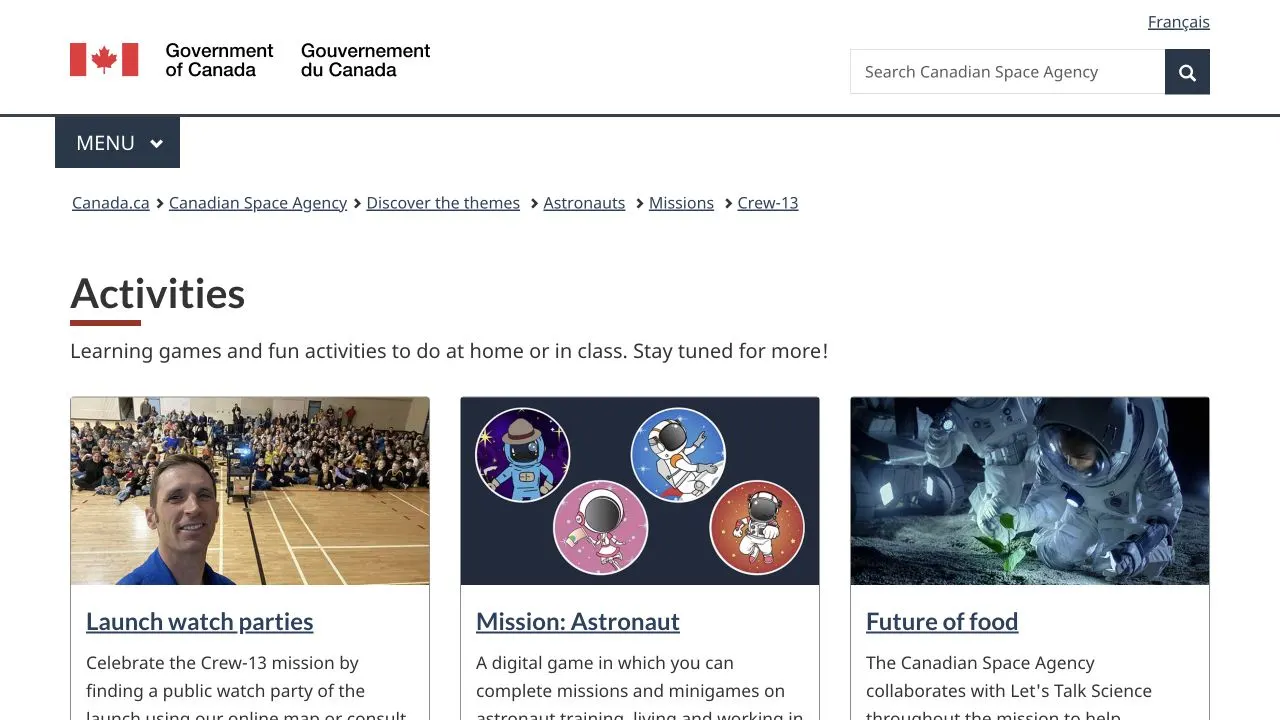
Canadian Space Agency Crew-13 Activities
The Canadian Space Agency Crew-13 activities page gathers official space games and classroom or home activities, including Mission: Astronaut, Future of Food, K–12 ISS materials, Tomatosphere, astronaut cutouts, and live space links.
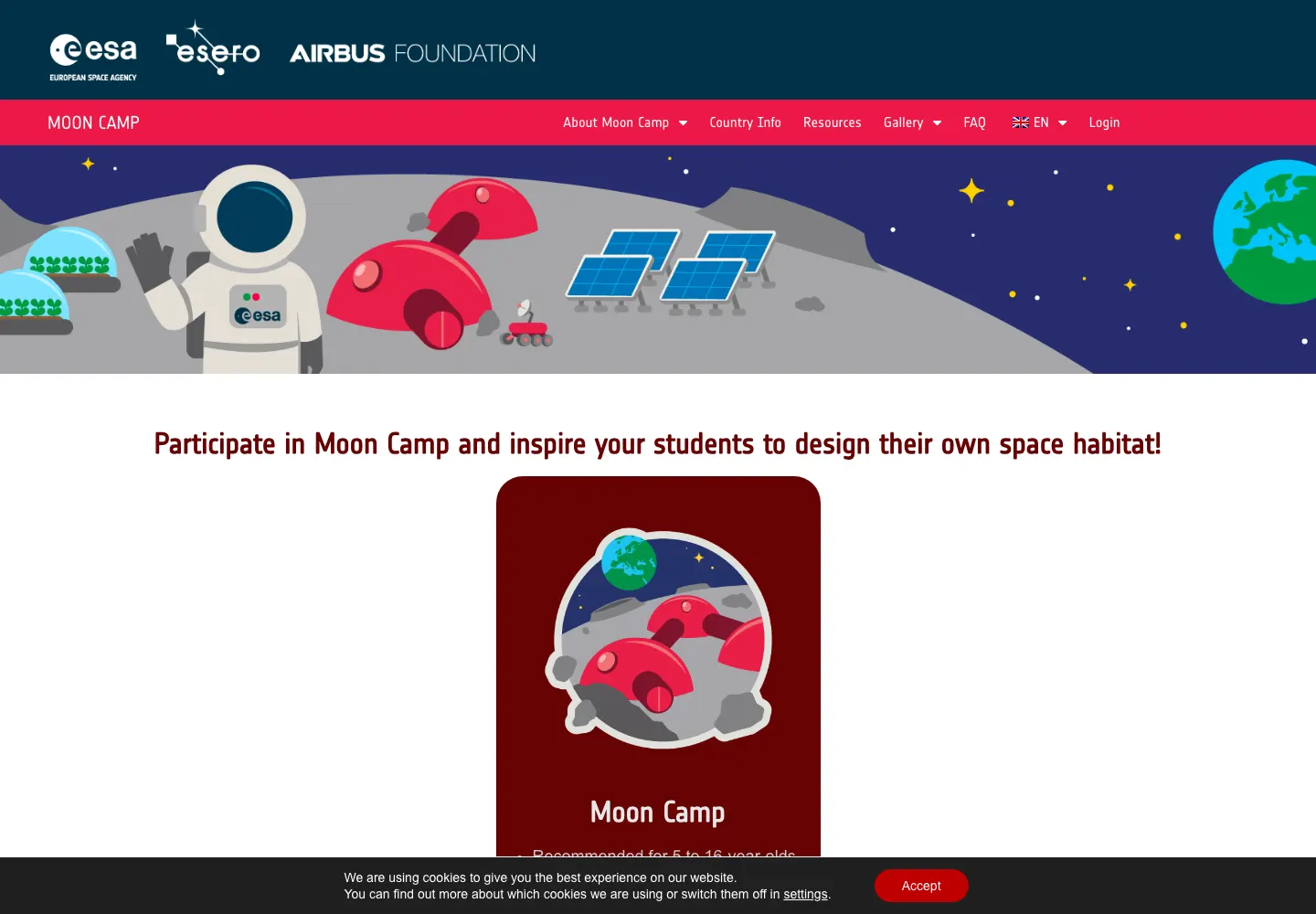
ESA Moon Camp Challenge 2026/27
The ESA Moon Camp Challenge invites students aged 5–16 to design a space habitat using creative tools such as arts and crafts, 3D design, robotics and videogames while exploring how people could live on the Moon or another celestial body.
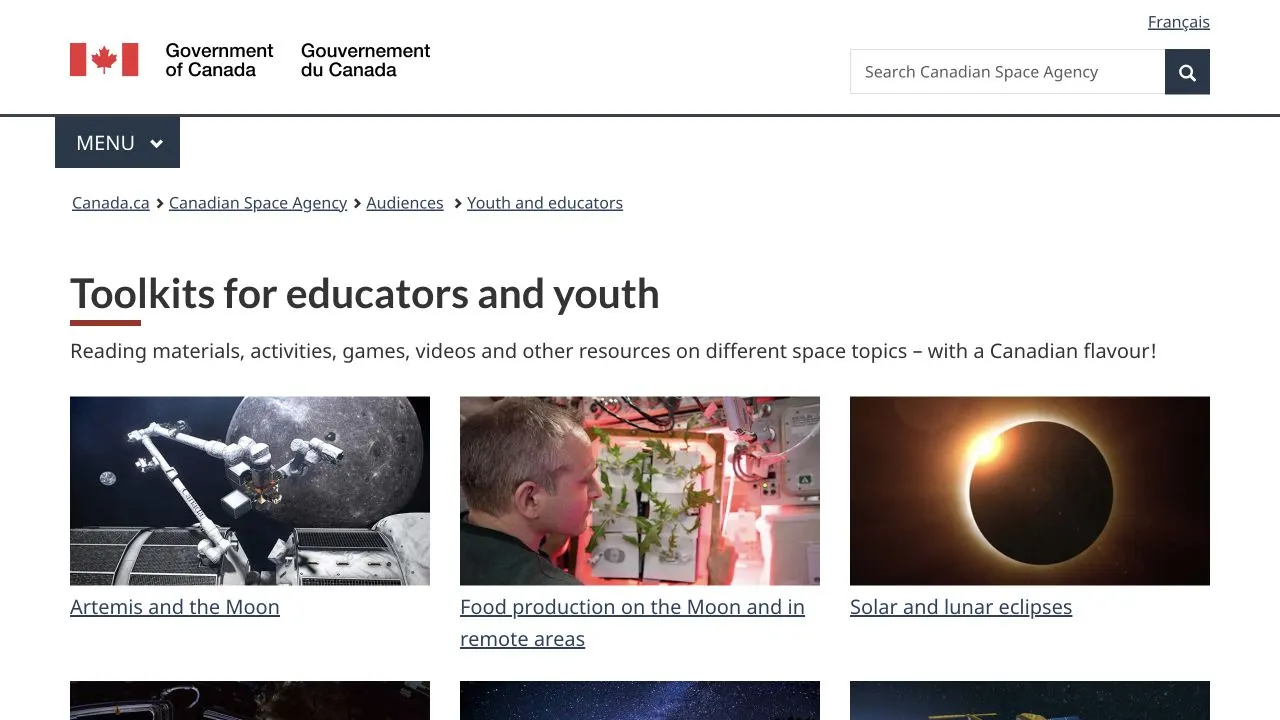
Canadian Space Agency Toolkits for Youth and Educators
The Canadian Space Agency’s toolkit hub brings together official space learning materials, activities, games, videos, and reading resources on astronomy, the Moon, eclipses, engineering, rovers, climate, health science, and space history.
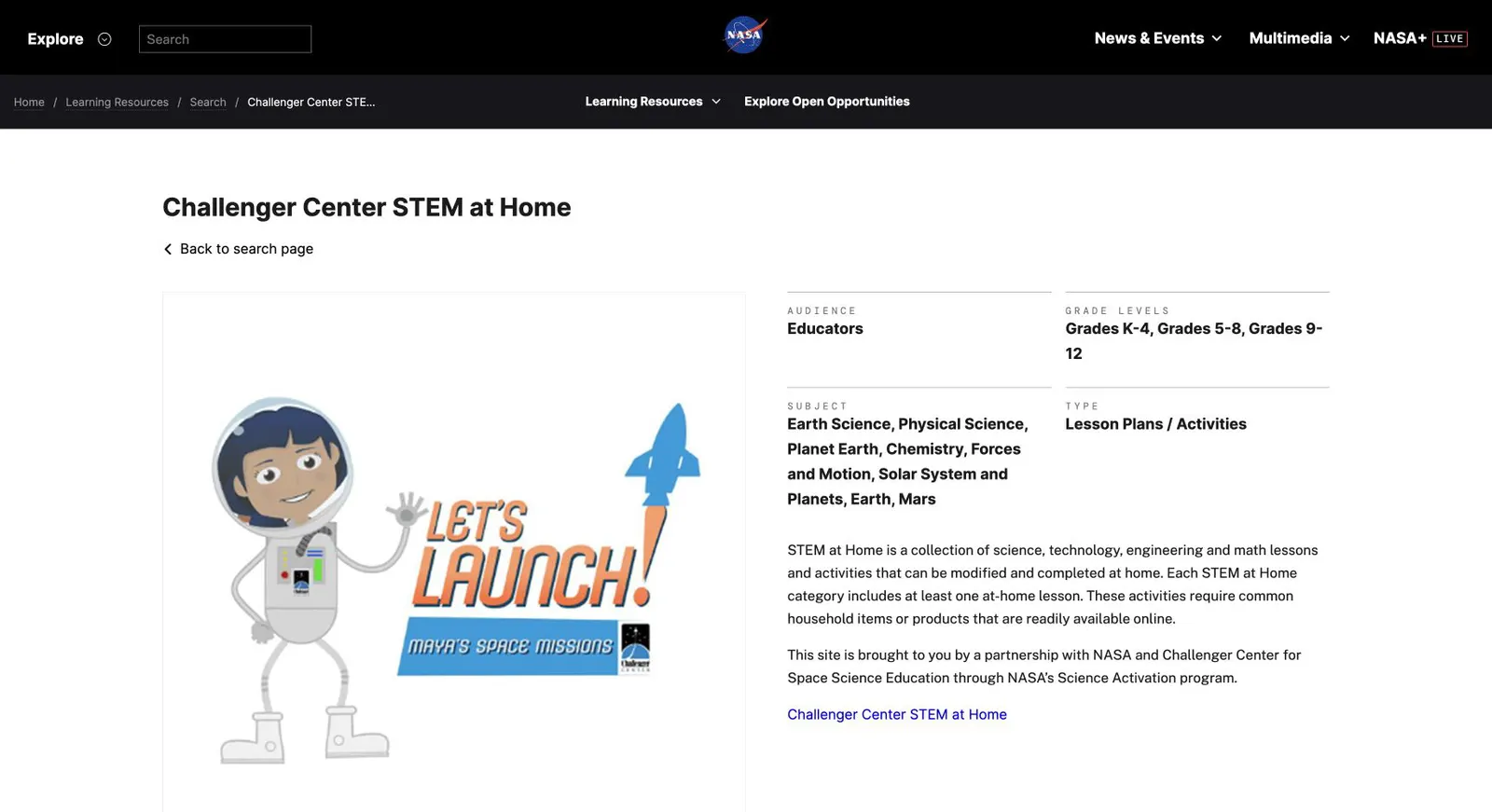
Challenger Center STEM at Home
A NASA and Challenger Center collection of adaptable science, technology, engineering, and math lessons for home learning, spanning Earth science, chemistry, forces, Mars, and the solar system. It is listed under Science and Space for ages 5–18.
Compare with context
Use this collection to find a direction, then open each resource page before sharing it with a child. The individual review shows languages, access formats, tags, age guidance, source links, and notes for grown-ups.
Search the full directory →