Science websites
for kids
Explore 20 trusted science websites selected for curious kids, with clear ages, access details, and parent context.
Two useful ways to narrow the directory
This page brings together science resources that also match websites. Each listing keeps its own age range, platform details, languages, links, and parent notes, so you can compare options without losing context.
Explore all science resources →
Discovery Centre Halifax
Discovery Centre is a not-for-profit science visitor attraction in Halifax with exhibits, school visits and a Dome Theatre, offering families an in-person route into science learning. It is listed under Science for ages Families with children; no single program age range.
Read the full resource review →More science picks
Meet the Scientist
An Irish webinar series connecting primary-school children with scientists through live talks, real-world topics, role models, and audience questions. It is listed under Science and Parent & educator for ages Primary school; 4th–6th class focus.
Nature Vision
An environmental education nonprofit delivering place-based nature learning through school visits, outdoor activities and remote programming. It is listed under Nature & environment and Science for ages 4–18; provider specifies Pre-K through grade 12.
Scratch Tactile
An open, inclusive, hands-on way for children ages 4–10 and learners with diverse needs to explore programming without screens using tactile blocks and companion activities. It is listed under Coding & technology and Maker & DIY for ages 4–10; diverse needs any age.
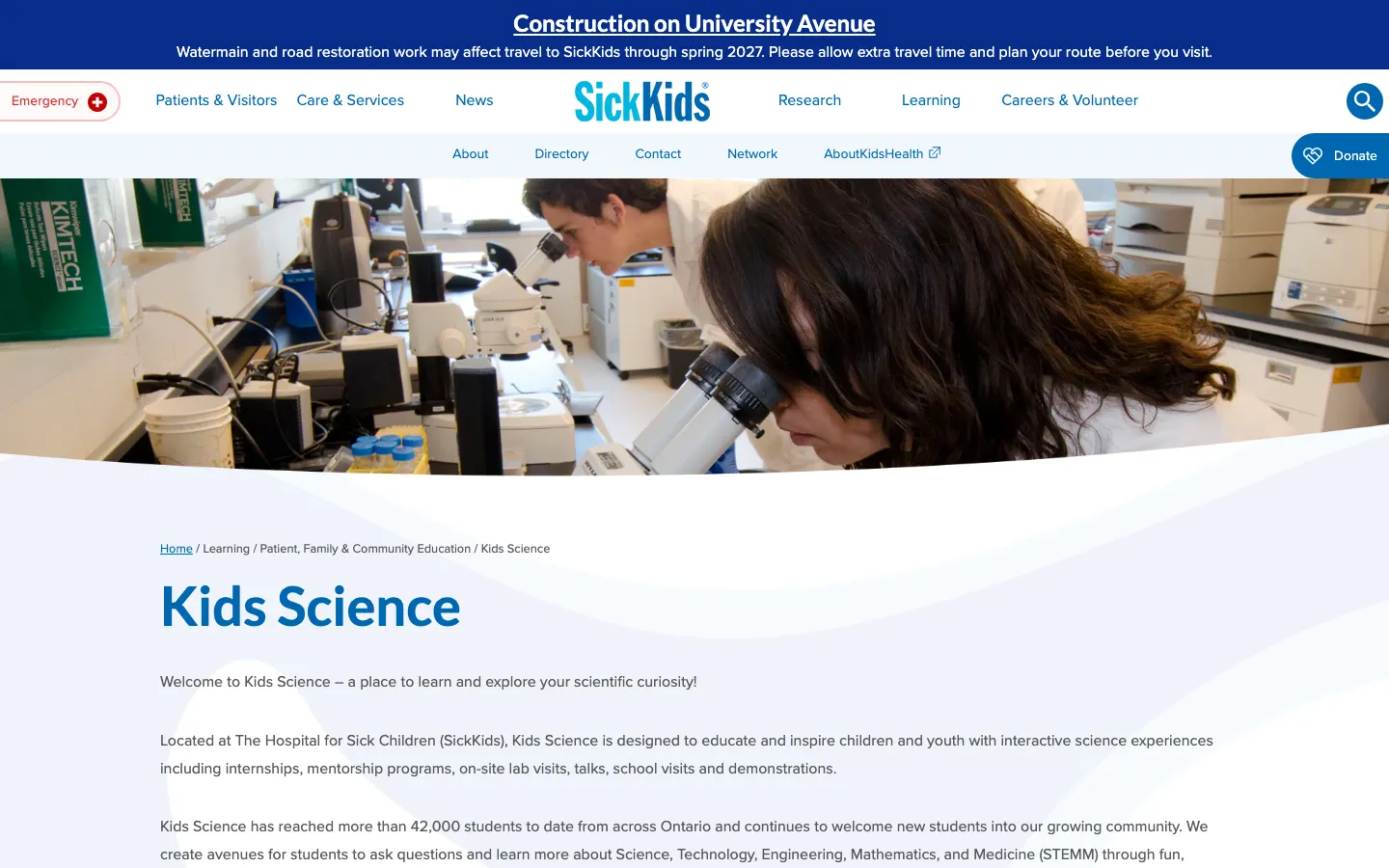
SickKids Kids Science
SickKids Kids Science is a hospital-based STEMM outreach program offering interactive science experiences, school visits, demonstrations, talks, mentorship, and lab learning for children and youth. It is listed under Science and Health & wellbeing for ages Children and youth; program-specific.
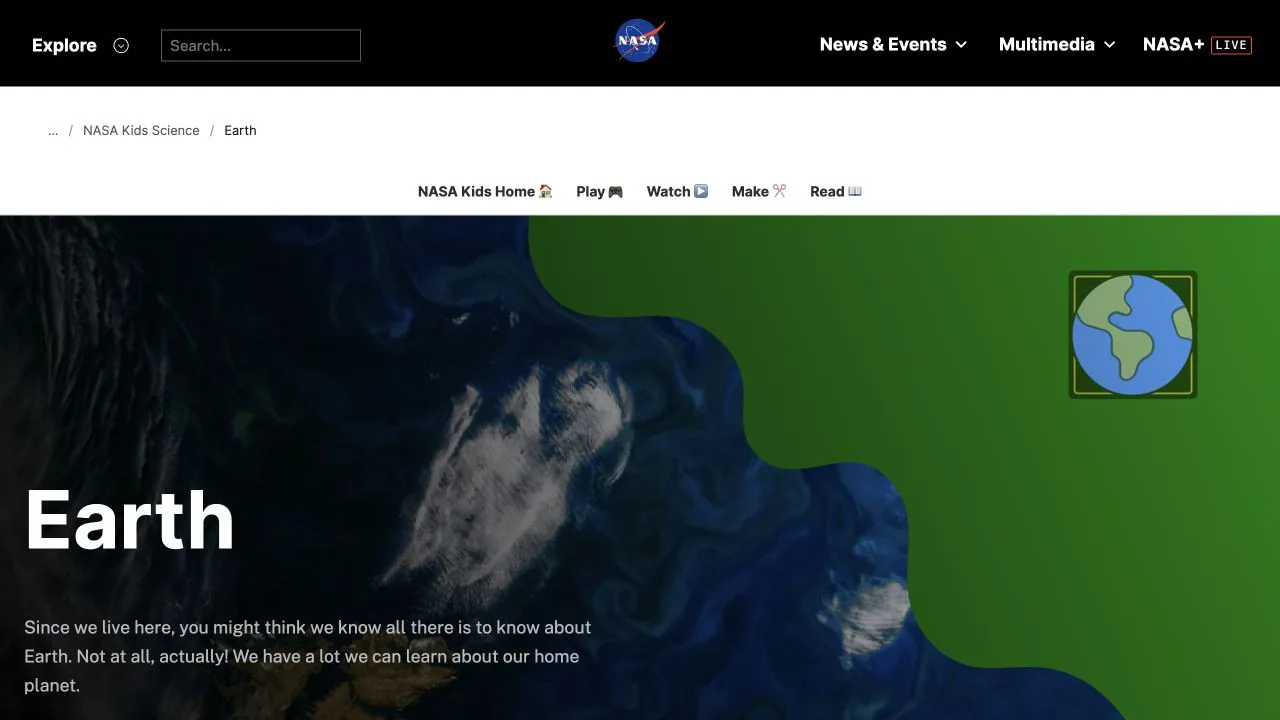
NASA Kids Science: Earth (formerly NASA Climate Kids)
NASA’s kid-focused Earth science hub with explainers, activities, games, and multimedia about our home planet. It is listed under Science for ages 7–13. Children and families can use it through a website and downloadable resources.
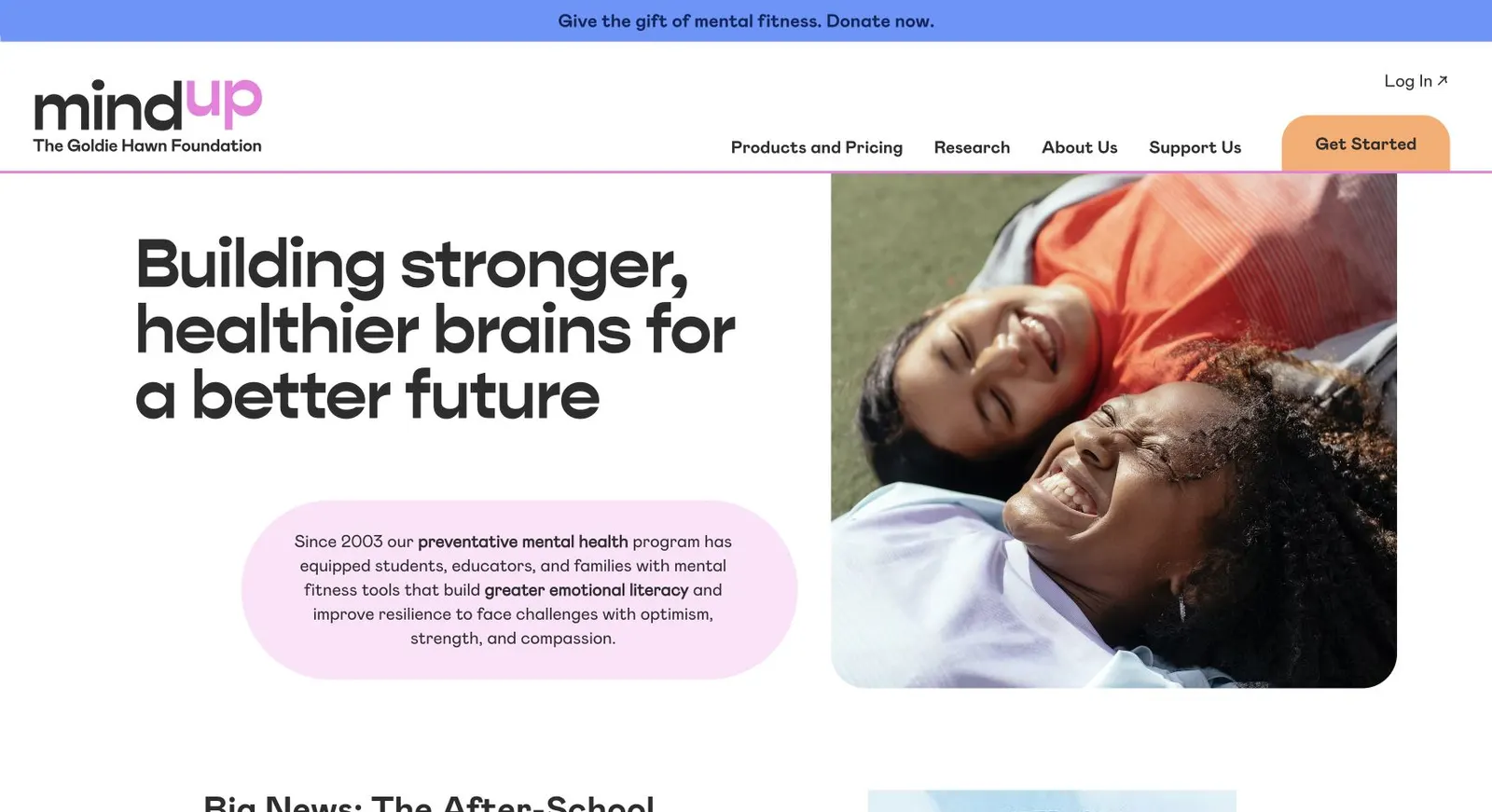
MindUP
A preventative mental-health and social-emotional learning programme with brain science, mindfulness, emotional literacy, resilience, and family resources. It is listed under Social-emotional and Science for ages 5–18. Children and families can use it through a website.
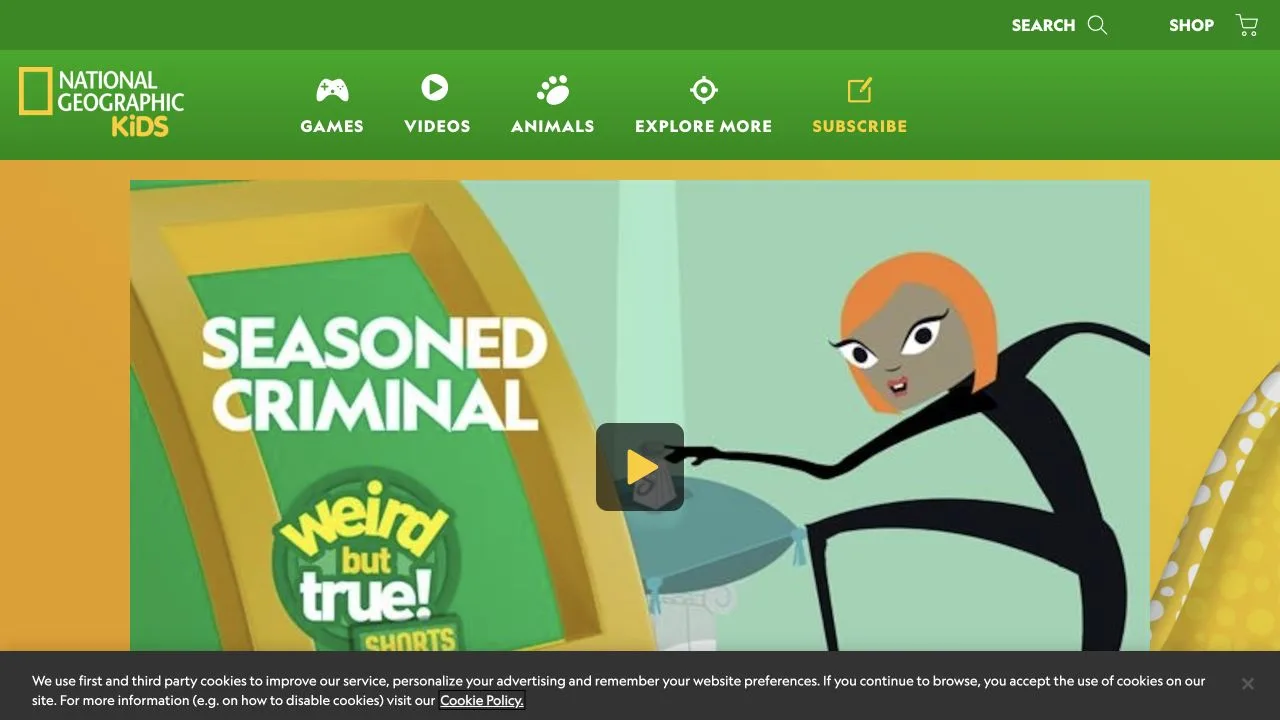
National Geographic Kids
National Geographic Kids is a visual browsing destination for animal, science, and geography facts, videos, and interactive content. It works well as a starting point for a child’s question or shared fact-finding session for ages 6–12. The directory records free access with paid options; adults should preview advertising, shopping, and subscription elements.
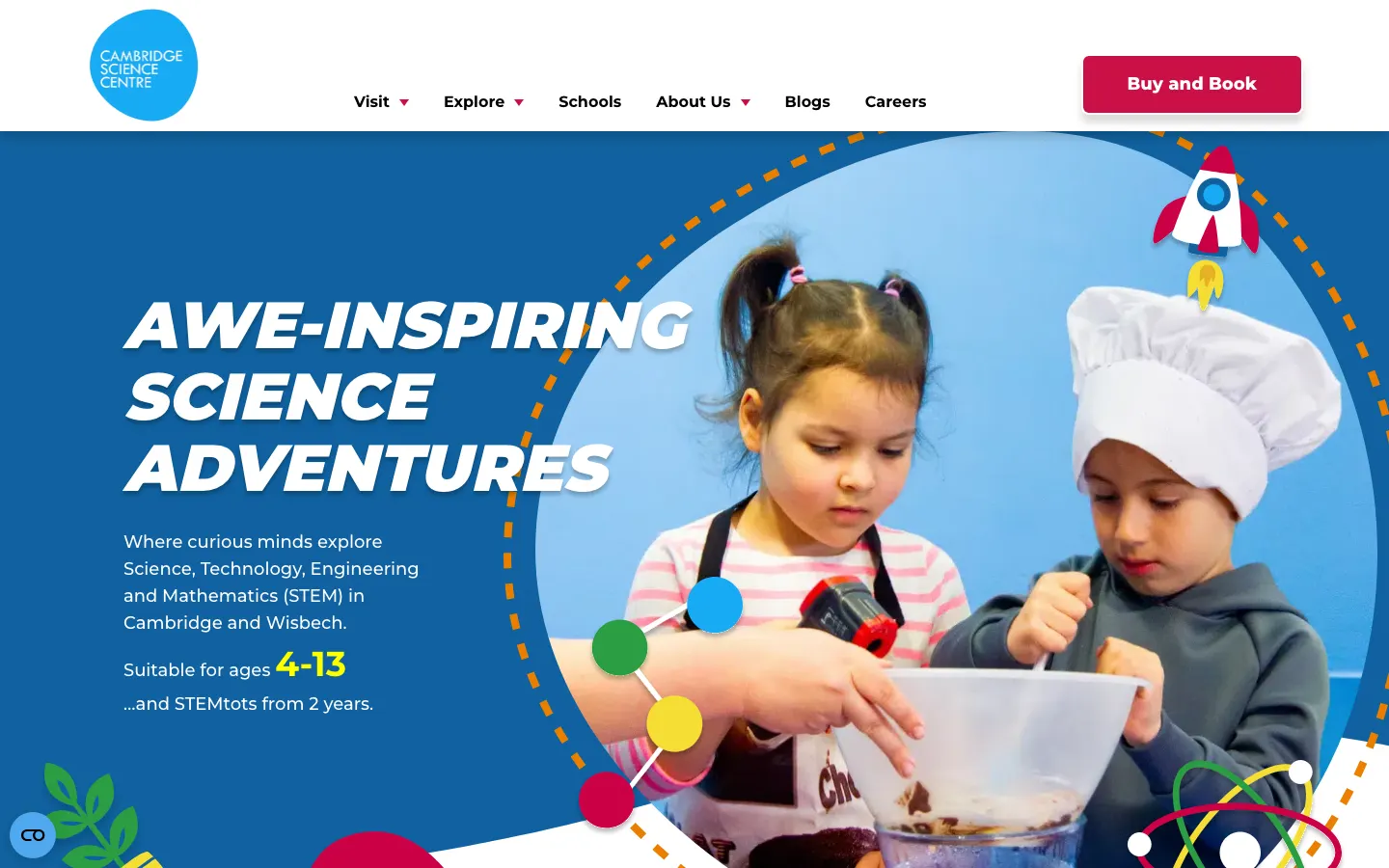
Cambridge Science Centre
A hands-on science charity with Cambridge and Wisbech centres, open-ended STEM exhibits, science demonstrations and lab-bench challenges for families and school groups. It is listed under Science and Maker & DIY for ages 4–13; STEMtots from 2.
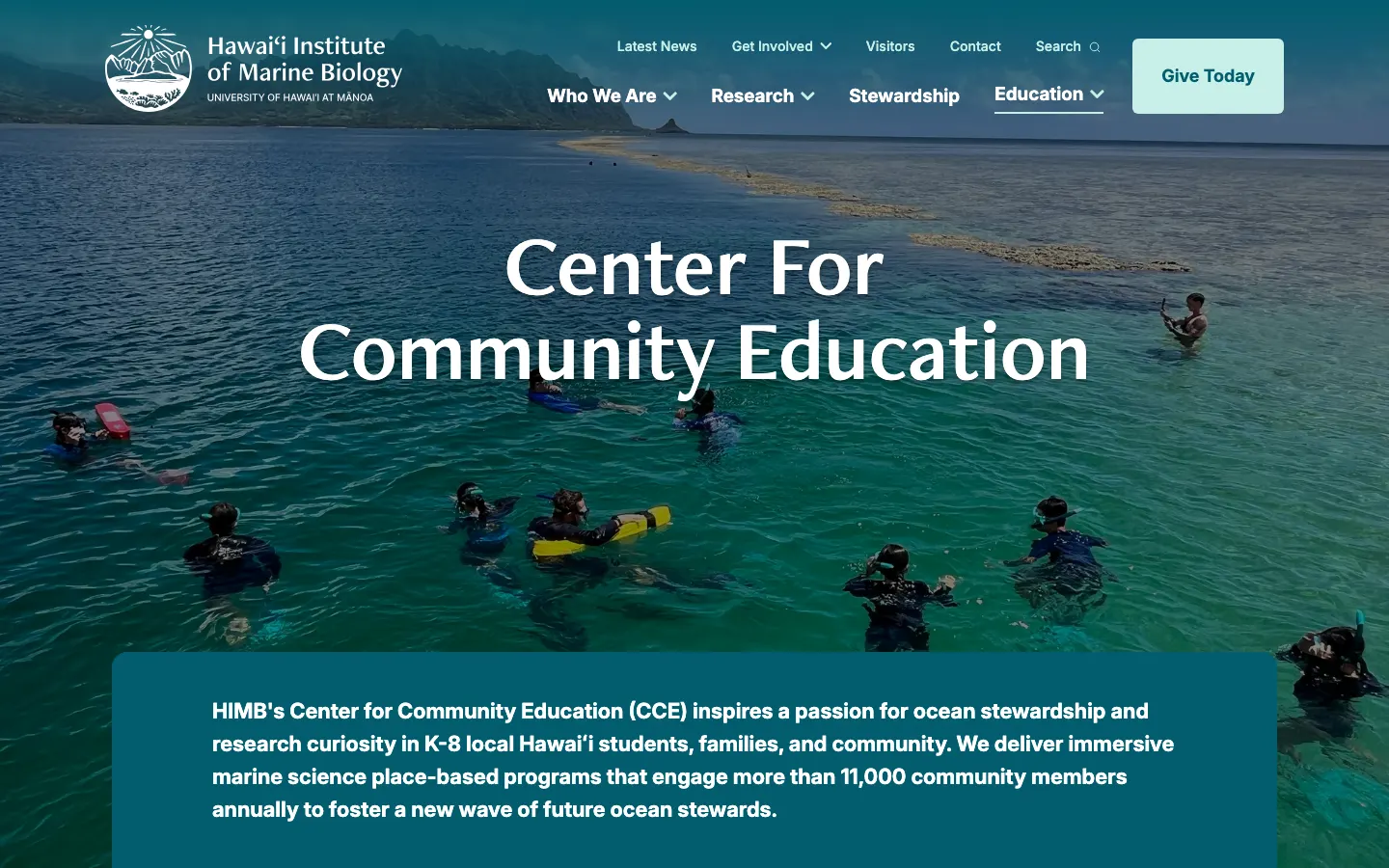
HIMB Center for Community Education
Marine-science education and outreach from the Hawaiʻi Institute of Marine Biology, including immersive ocean learning and community programs. It is listed under Nature and Science for ages 5–18. Children and families can use it through a website.
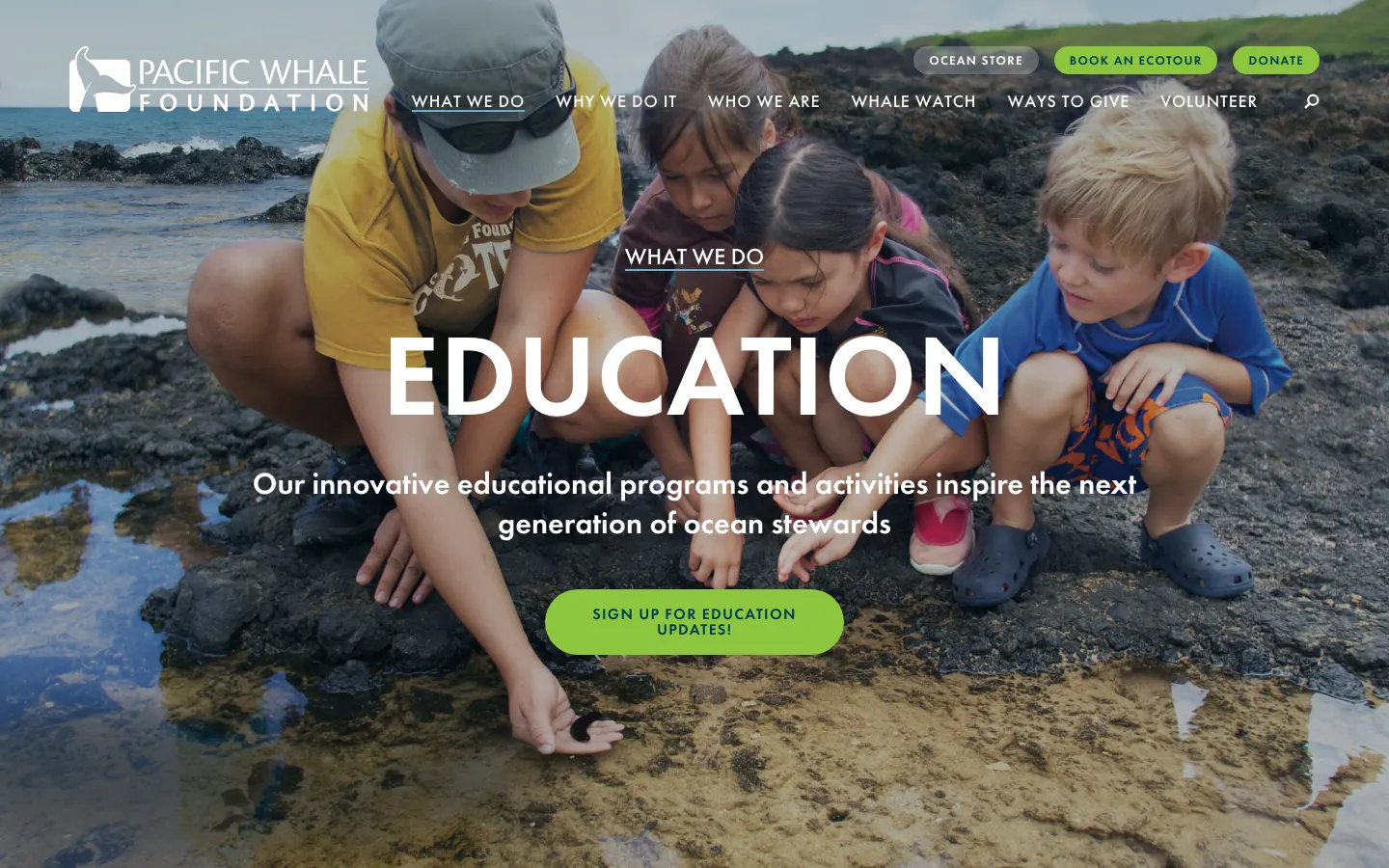
Pacific Whale Foundation Education
Ocean education programs and activities helping children and families learn about whales, marine ecosystems, and ocean stewardship. It is listed under Nature and Science for ages 5–18; program-specific. Children and families can use it through a website.
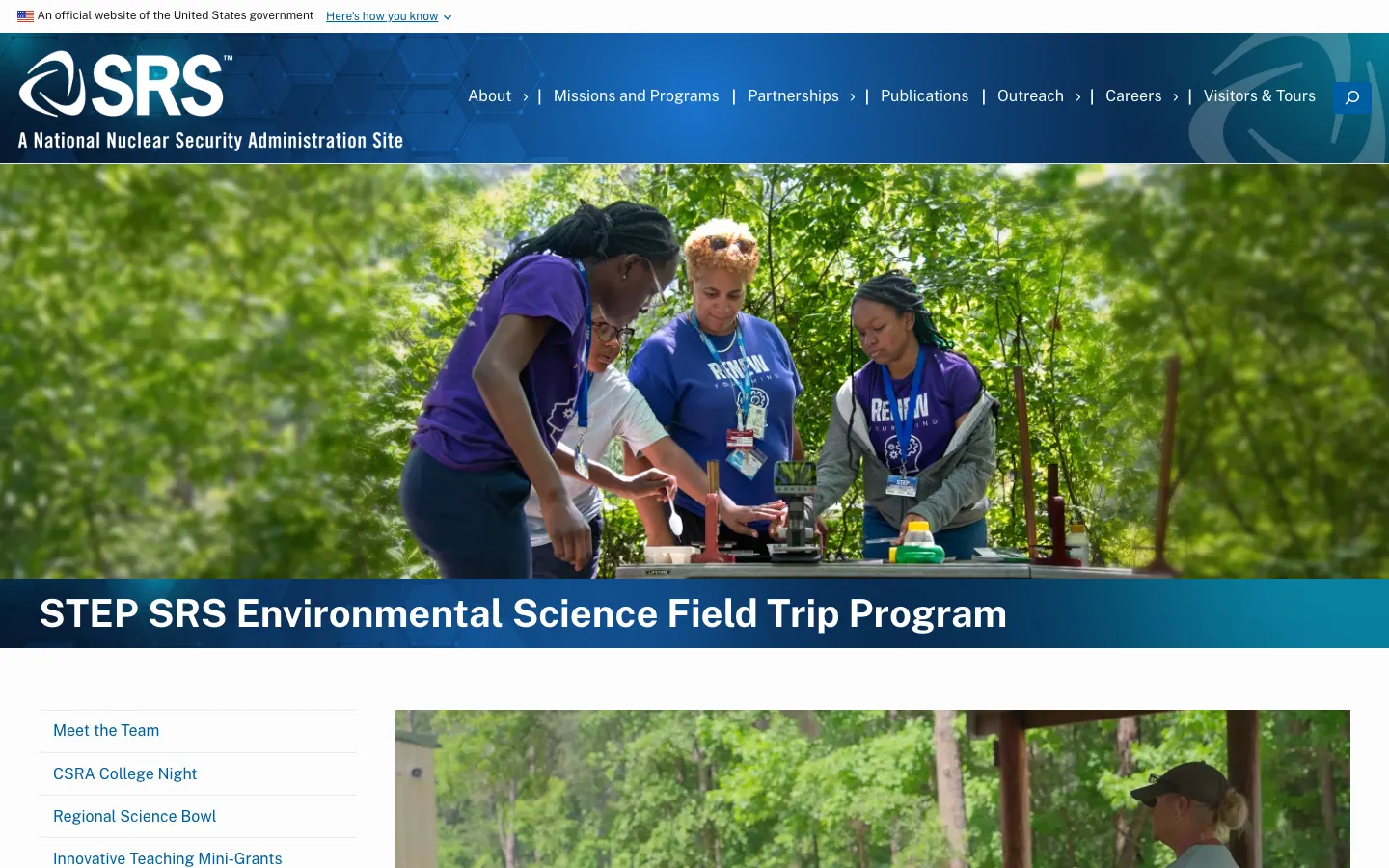
STEP SRS Environmental Science Field Trip Program
The Savannah River Site STEP program offers virtual and in-person environmental science field trips about ecosystems, stewardship, wildlife, and math in nature. It is listed under Nature & environment and Science for ages 8–18.
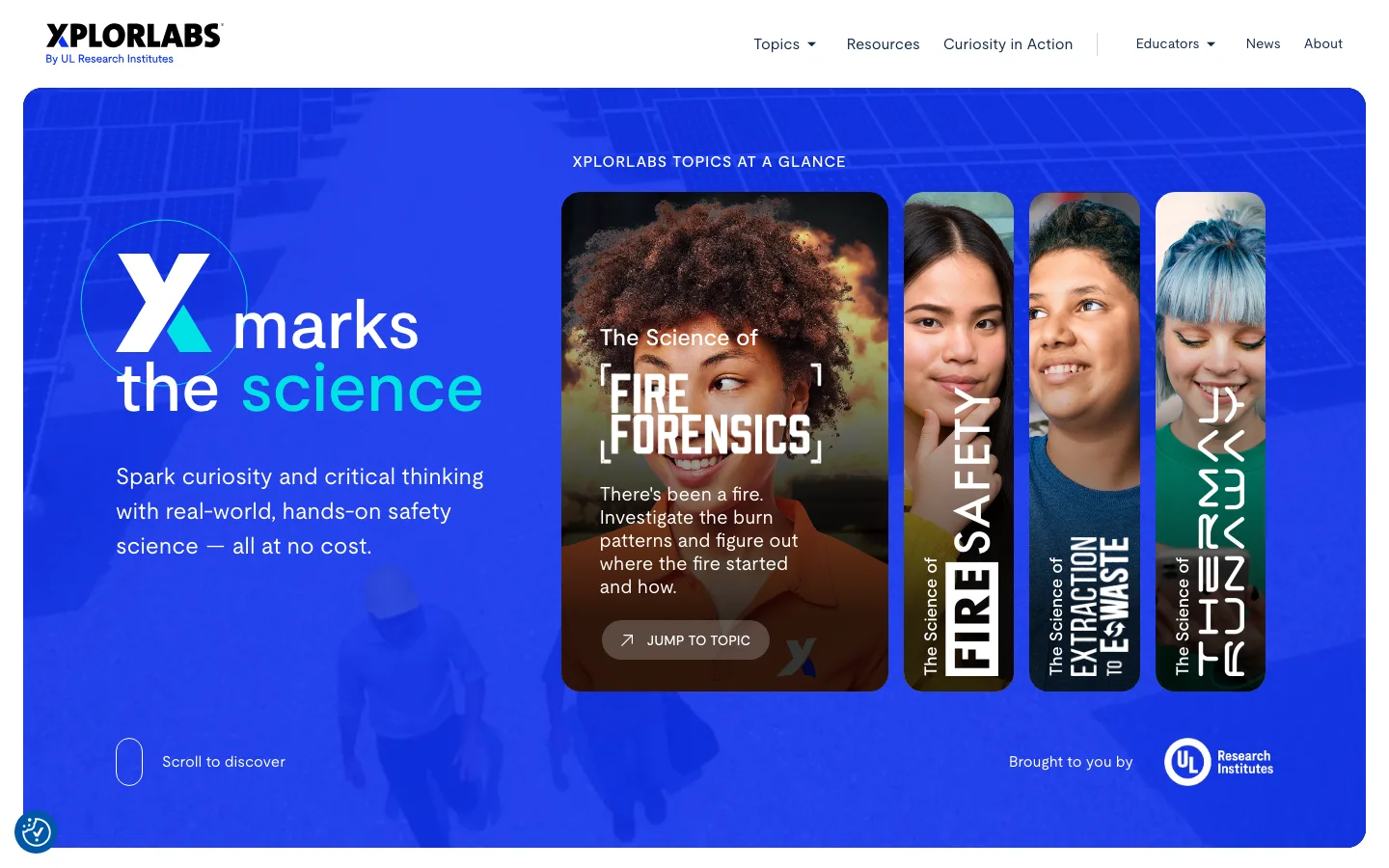
Xplorlabs
A free STEM platform from UL Research Institutes combining interactive activities, lab-test videos, and hands-on investigations about safety science and engineering. It is listed under Science and Engineering for ages Middle and high school; pathways vary.
Compare with context
Use this collection to find a direction, then open each resource page before sharing it with a child. The individual review shows languages, access formats, tags, age guidance, source links, and notes for grown-ups.
Search the full directory →