Science Video
for kids
Explore 20 trusted science video resources selected for curious kids, with clear ages, access details, and parent context.
Two useful ways to narrow the directory
This page brings together science resources that also match video. Each listing keeps its own age range, platform details, languages, links, and parent notes, so you can compare options without losing context.
Explore all science resources →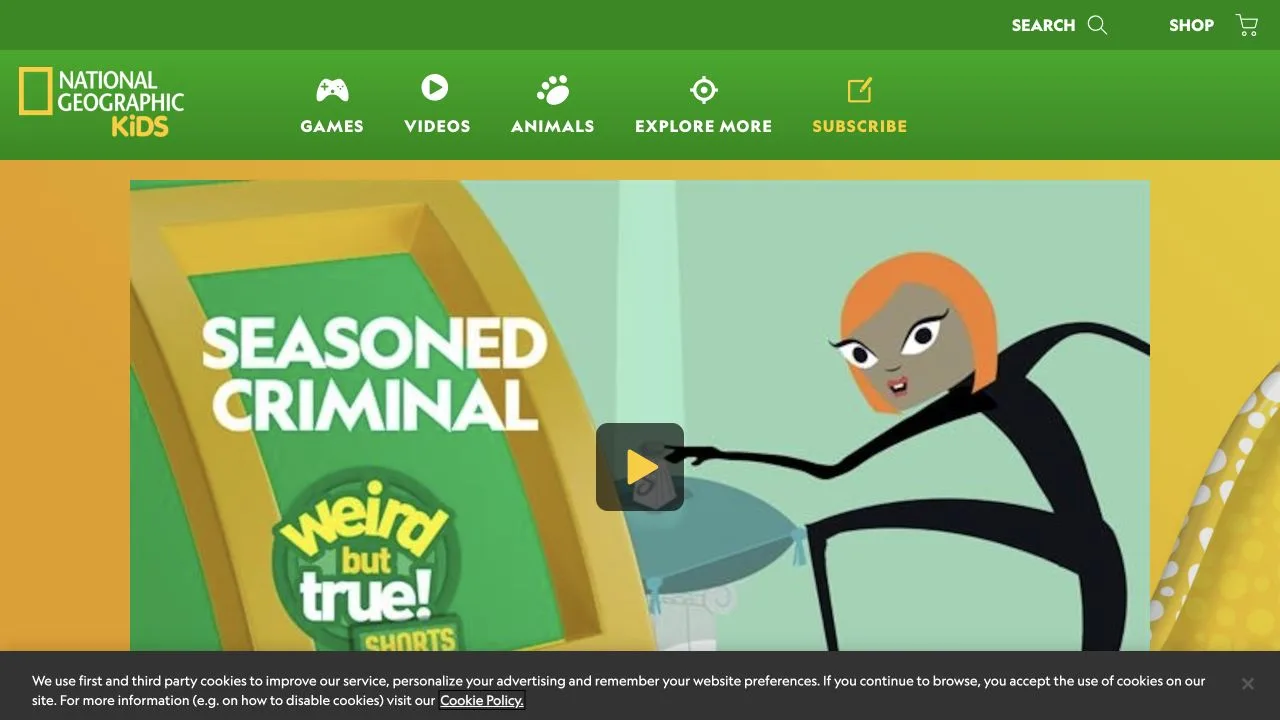
National Geographic Kids
National Geographic Kids is a visual browsing destination for animal, science, and geography facts, videos, and interactive content. It works well as a starting point for a child’s question or shared fact-finding session for ages 6–12. The directory records free access with paid options; adults should preview advertising, shopping, and subscription elements.
Read the full resource review →More science picks
Crash Course Kids
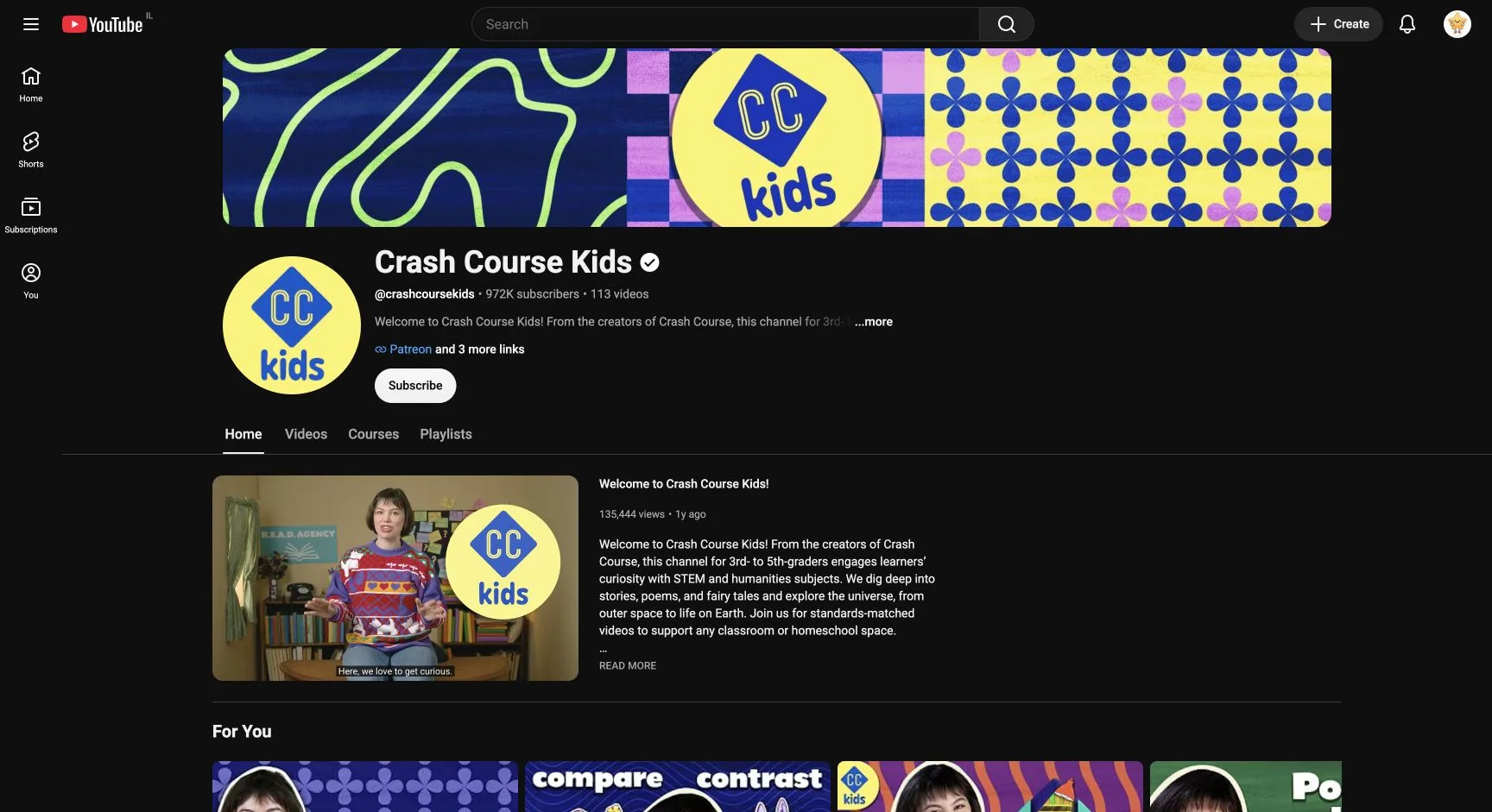
Short, energetic science videos that explain Earth, life, physical science, and engineering topics. It is listed under Science and YouTube for ages 7–13. Children and families can use it through a YouTube channel. The directory records access as free and language coverage as English.
SciShow Kids
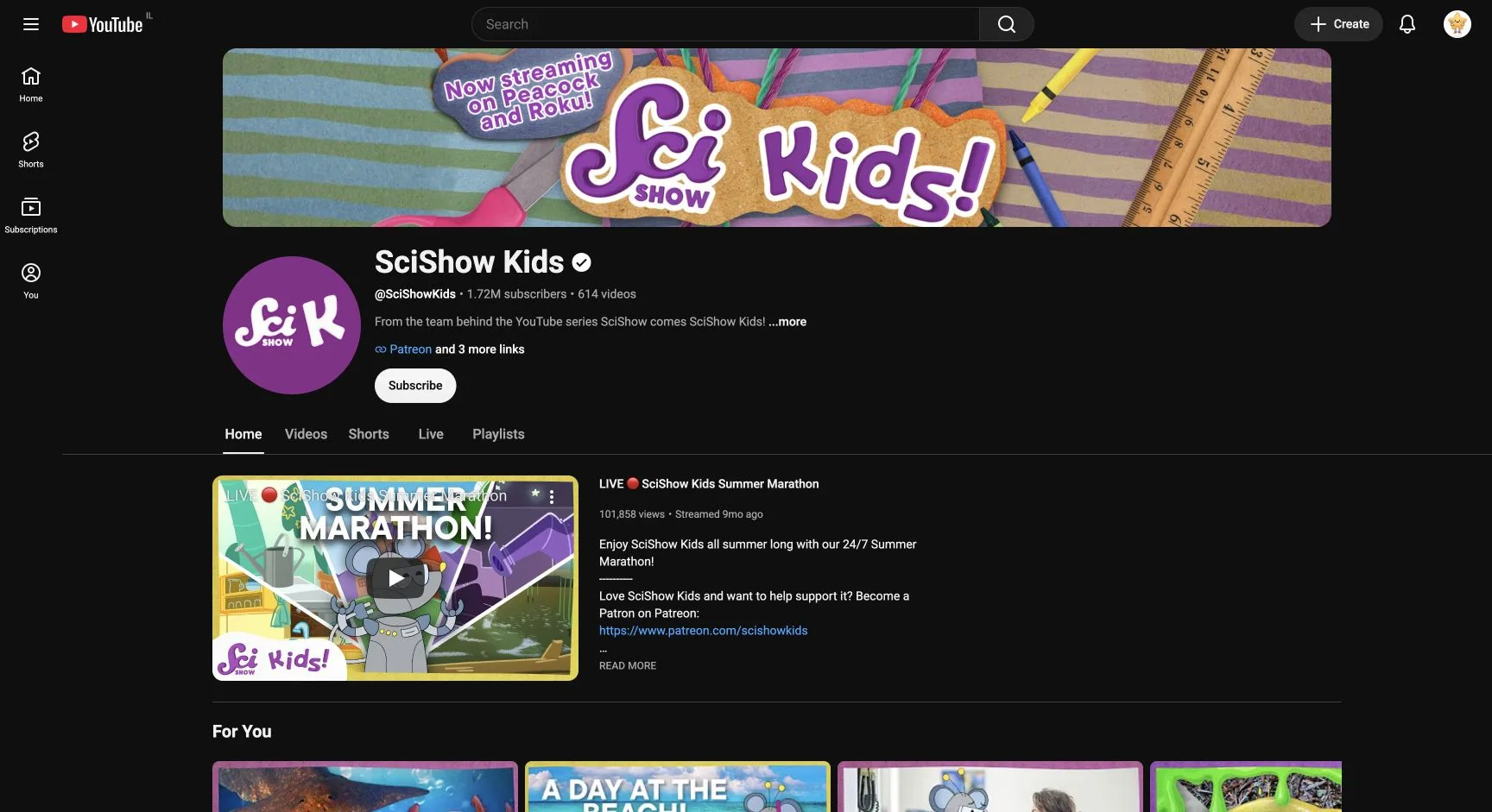
Science videos answering children’s questions about animals, nature, technology, and the world. It is listed under Science and YouTube for ages 6–12. Children and families can use it through a YouTube channel. The directory records access as free and language coverage as English.
Veritasium
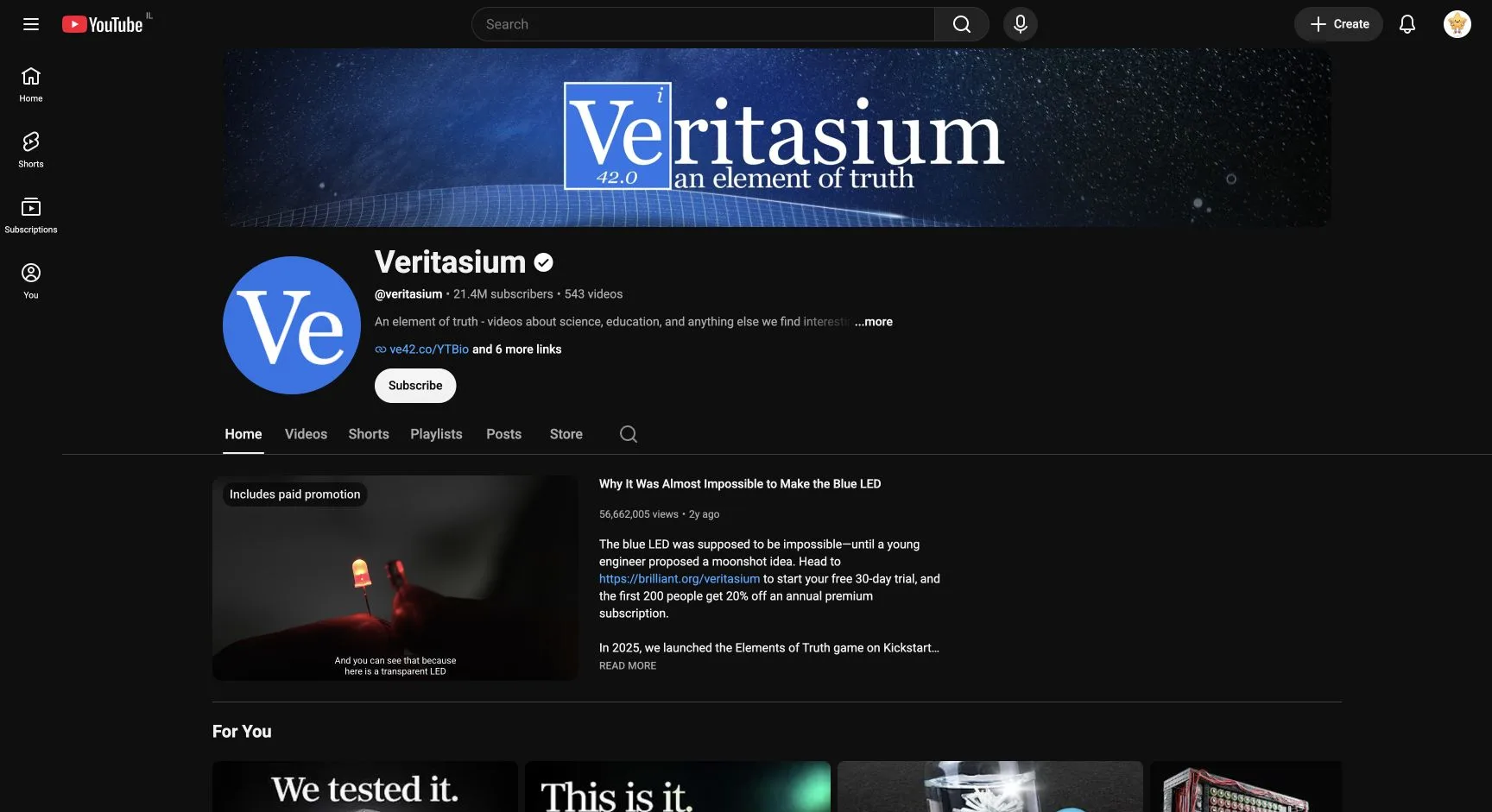
Science and engineering videos built around experiments, misconceptions, and questions about how the world works. It is listed under Science and Maker & DIY for ages 12–18. Children and families can use it through a YouTube channel.
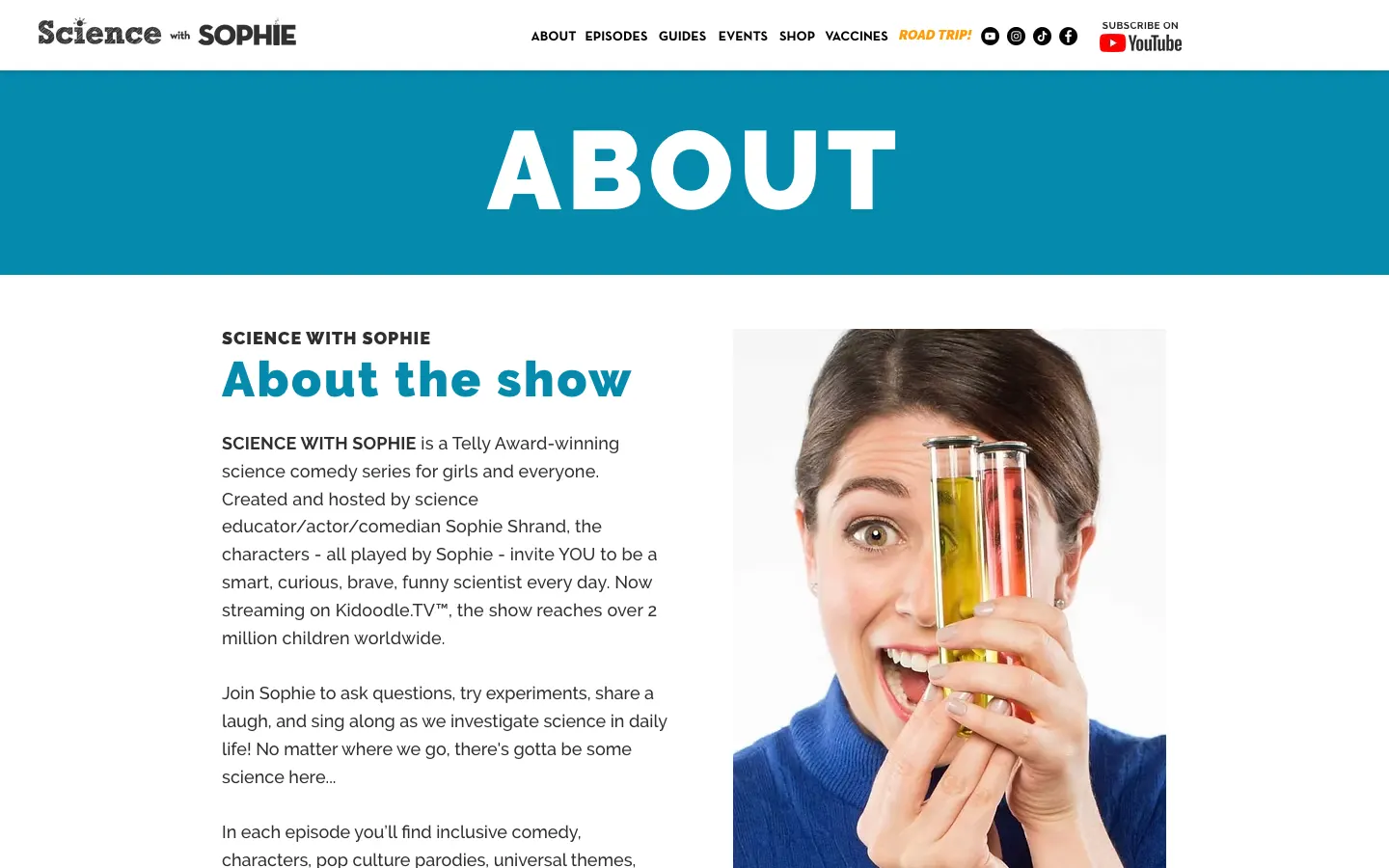
Science With Sophie
Science With Sophie is a science comedy series for girls and everyone, using questions, experiments, and humor to invite children into everyday science. It is listed under Science and Podcasts for ages 6–12. Children and families can use it through a website.
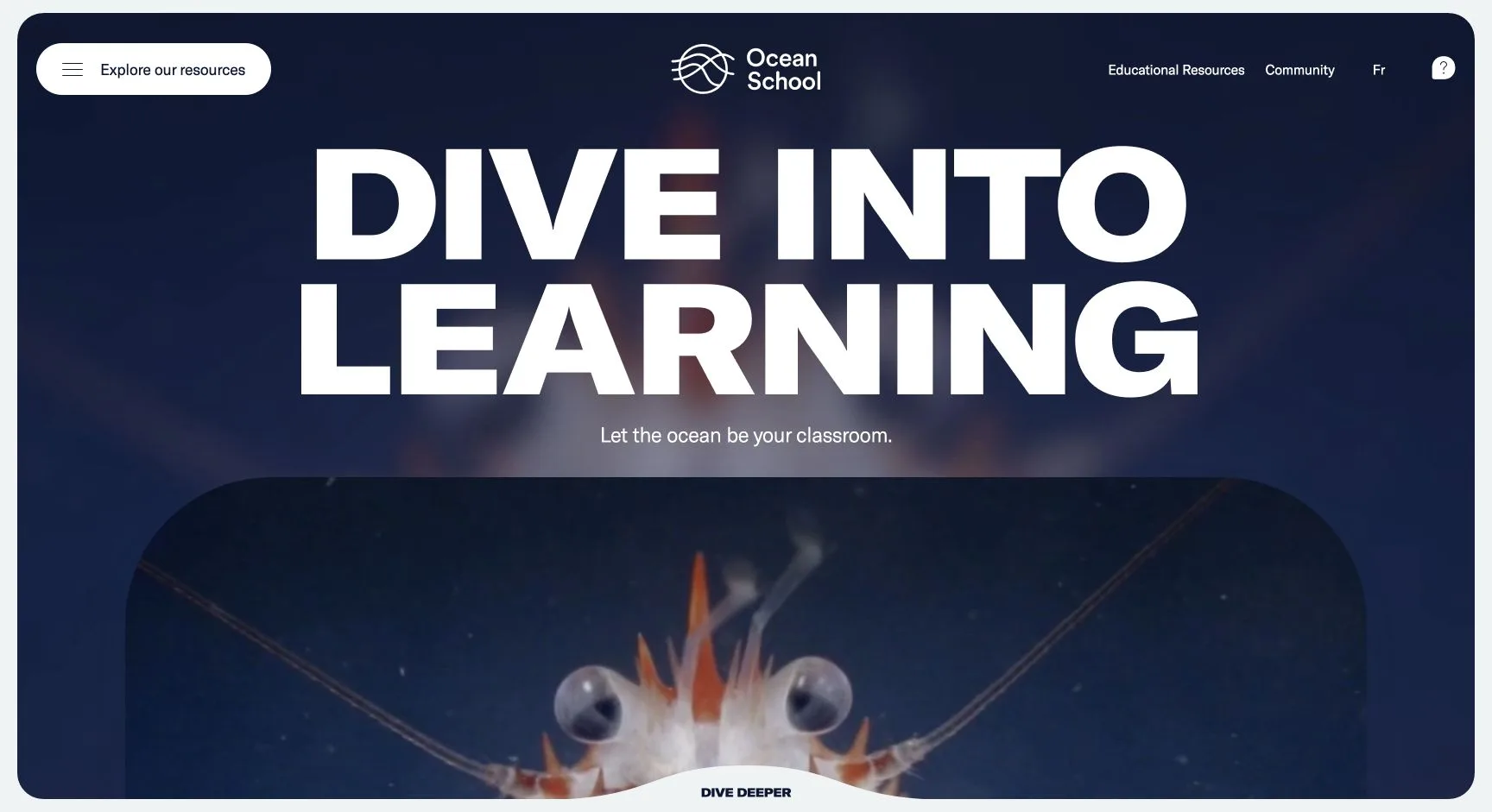
Ocean School
Immersive videos and learning journeys that connect children with ocean science and stewardship. It is listed under Nature & environment, Science, and Geography for ages 8–16. Children and families can use it through a website.
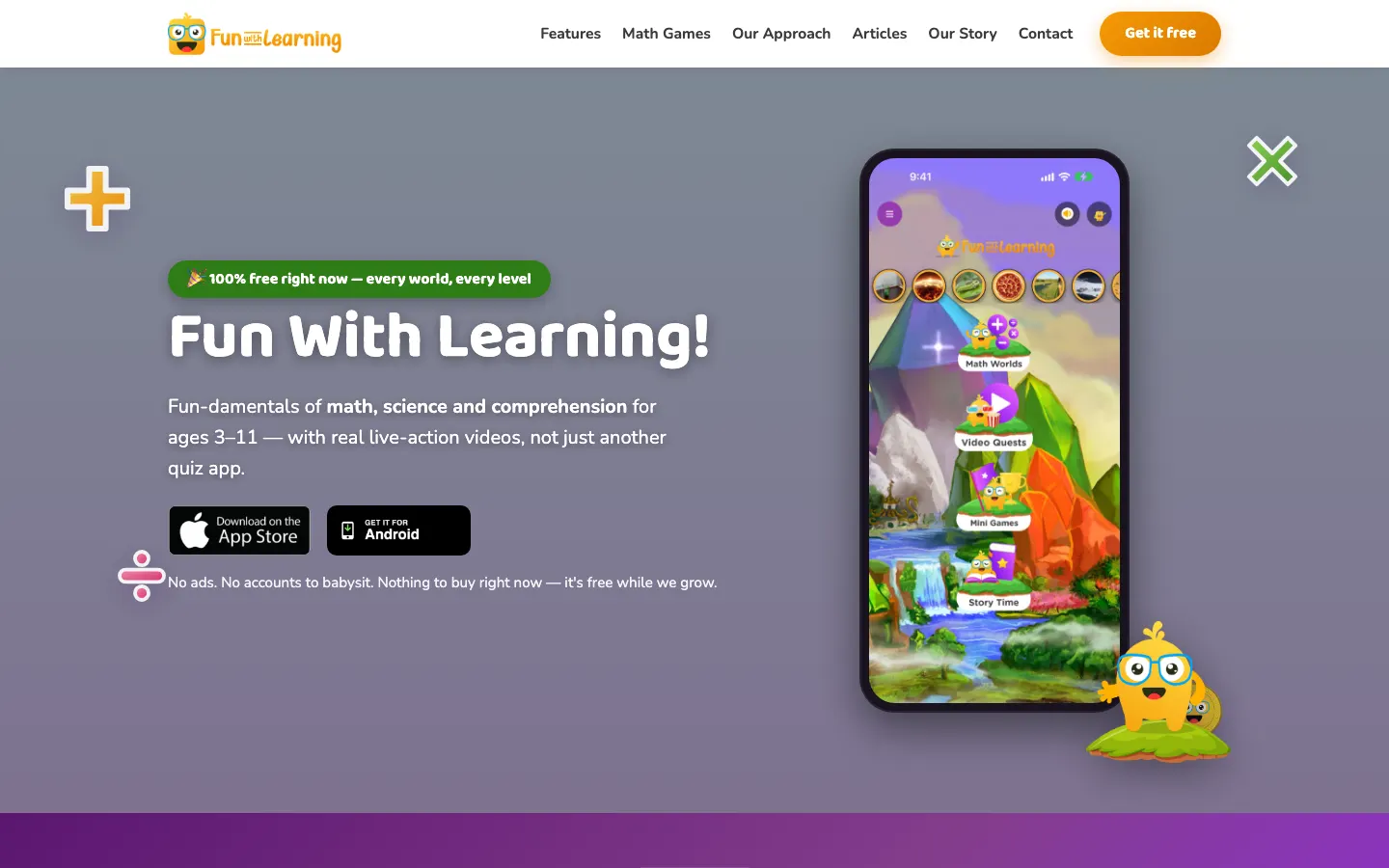
Fun With Learning
Fun With Learning combines visual math games, science and comprehension activities, live-action video quests, story time, and short interactive sessions for young children. It is listed under Mathematics and Science for ages 3–11. Children and families can use it through a website.
Science! KIDS
A PBS science series for children with fun experiments and science explanations from experts at the Orlando Science Center. It is listed under Science, Video, and Parent & educator for ages 6–12. Children and families can use it through a website.
Generation Genius
Science and math videos made with the National Science Teachers Association, with lesson plans, teacher guides, DIY activities, and stopping points. It is listed under Science and Parent & educator for ages 6–14. Children and families can use it through a website.
Numberphile
Numberphile uses mathematics videos to explore numbers, puzzles, patterns, proofs, and surprising ideas for learners ages 11–18. It is strongest as a spark for discussion or a question to investigate further, not as a complete sequence of maths lessons. The directory lists free English YouTube access; adults should choose videos that match the learner’s background knowledge.
Peekaboo Kids
Animated explainers and educational videos covering science, history, geography, and general knowledge. It is listed under Science and Reading for ages 5–12. Children and families can use it through a YouTube channel. The directory records access as free and language coverage as English.
Learning with Techne
Learning with Techne is a PBS K–5 live-action animated series that introduces computer science through everyday devices, input and output, troubleshooting, and problem-solving. It is listed under Coding and Science for ages K–5. Children and families can use it through a website.
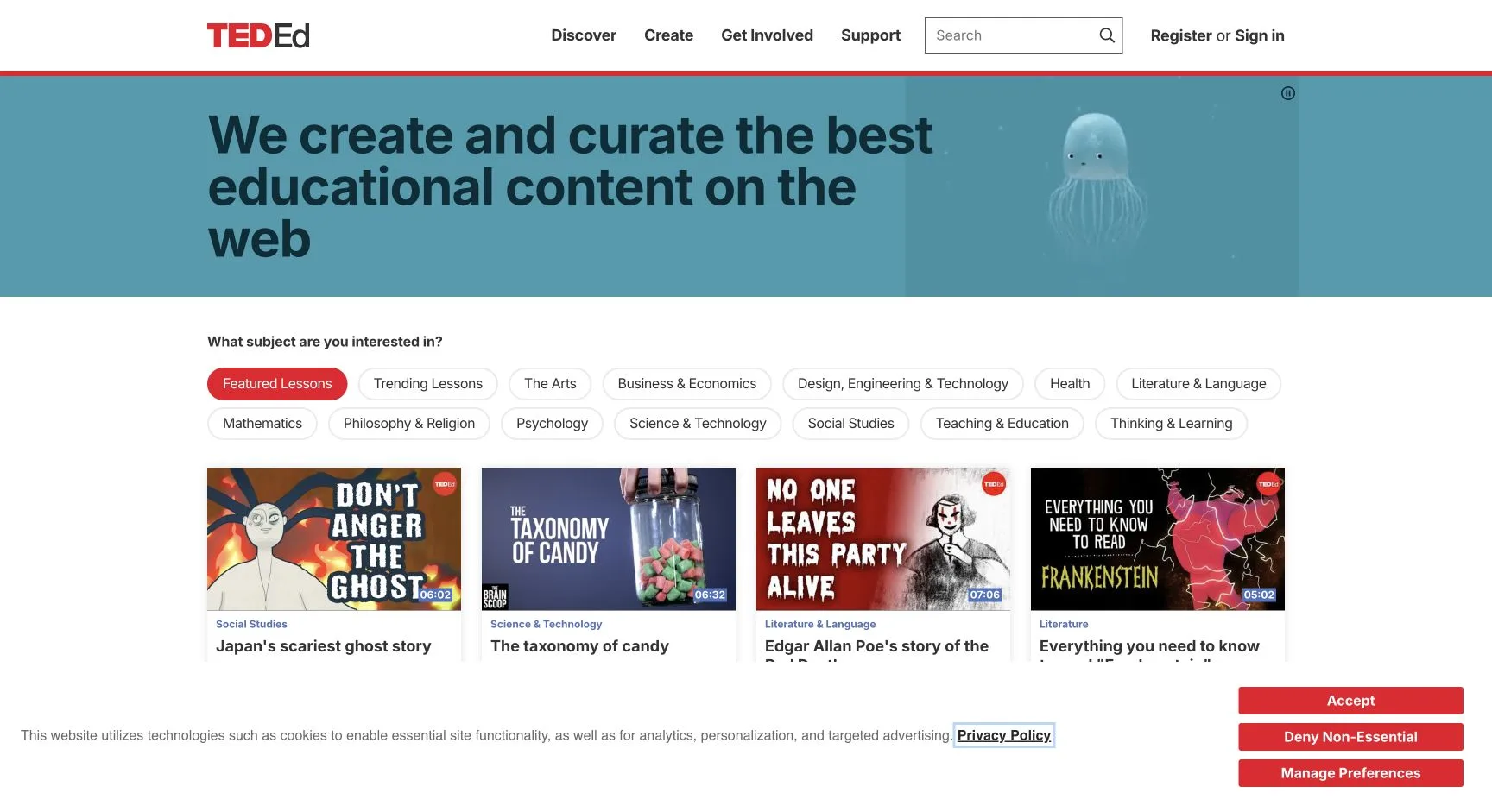
TED-Ed
Animated lessons and discussion prompts across science, culture, language, history, and ideas. It is listed under Parent & educator, Science, and History & culture for ages 8–18. Children and families can use it through a website.
Compare with context
Use this collection to find a direction, then open each resource page before sharing it with a child. The individual review shows languages, access formats, tags, age guidance, source links, and notes for grown-ups.
Search the full directory →