Science Stories
for kids
Explore 20 trusted science stories resources selected for curious kids, with clear ages, access details, and parent context.
Two useful ways to narrow the directory
This page brings together science resources that also match stories. Each listing keeps its own age range, platform details, languages, links, and parent notes, so you can compare options without losing context.
Explore all science resources →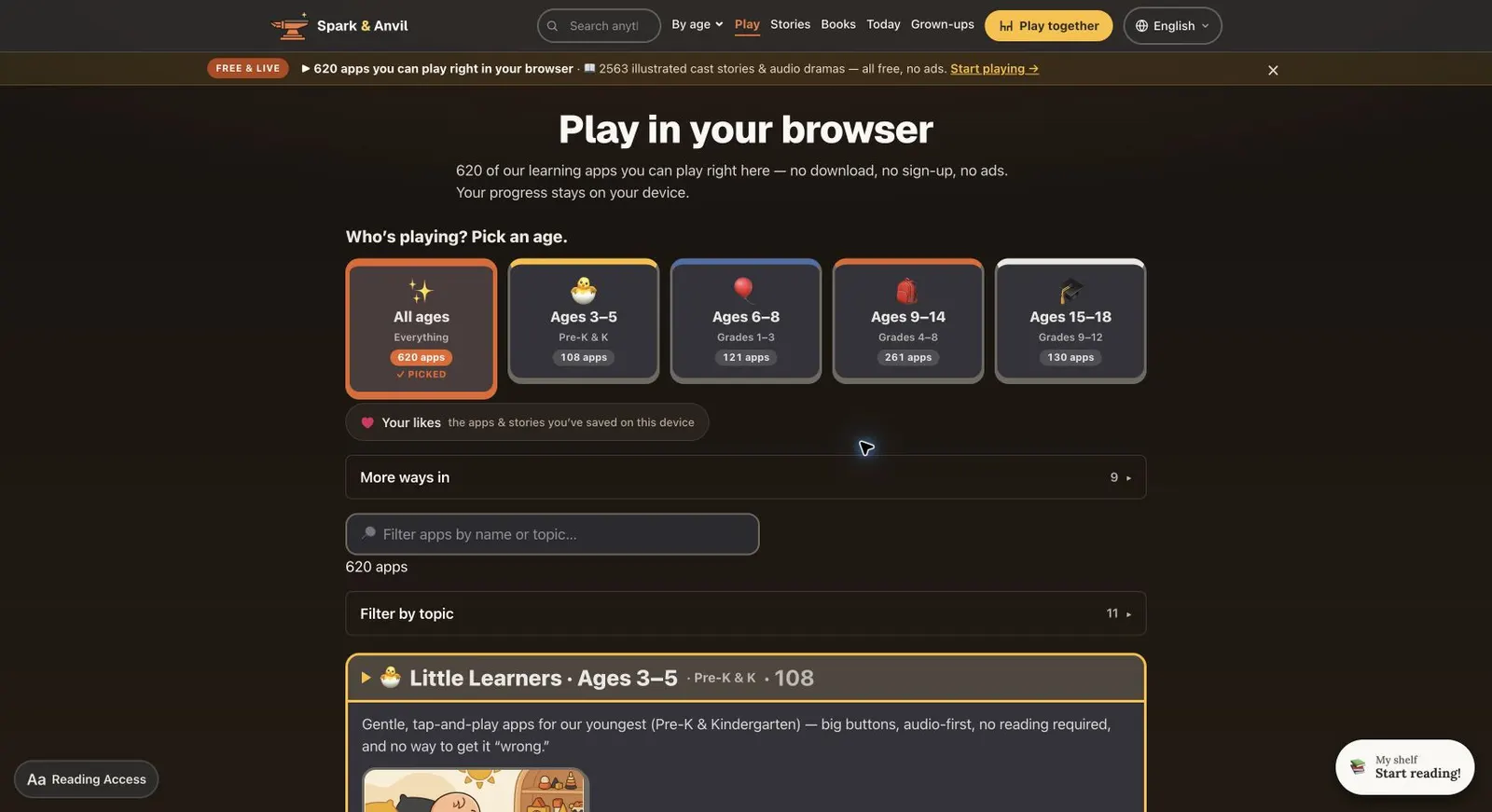
Spark & Anvil
A large free collection of browser learning apps, stories, books, and puzzles for children and teens ages 3–18. It is listed under Games, Reading, and Coding for ages 3–18. Children and families can use it through a website.
Read the full resource review →More science picks
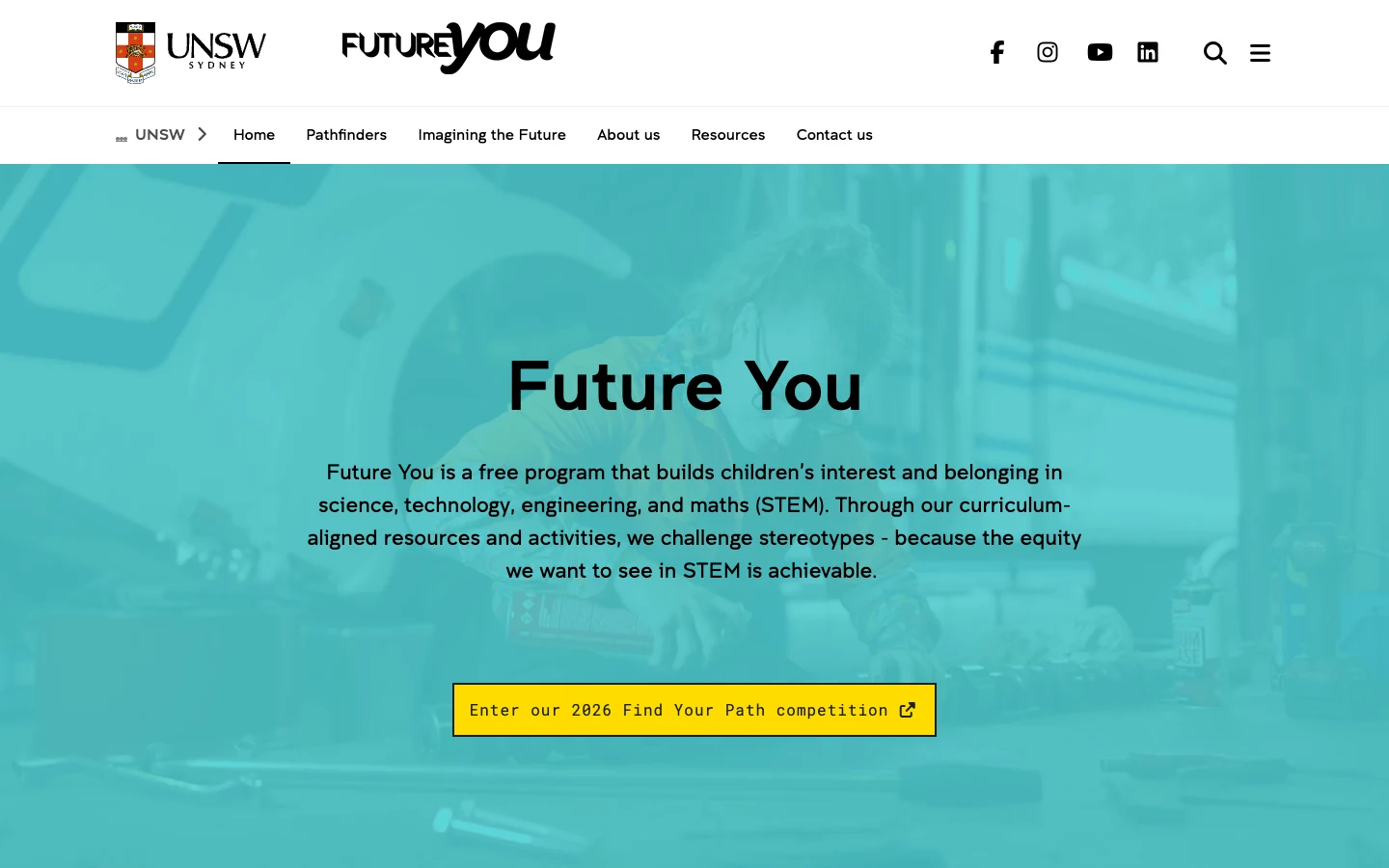
Future You Australia
UNSW’s free STEM program with curriculum-aligned resources, stories, role models, and activities that build children’s interest and belonging in science, technology, engineering, and mathematics. It is listed under Science and Engineering for ages Children and families; resource-specific.
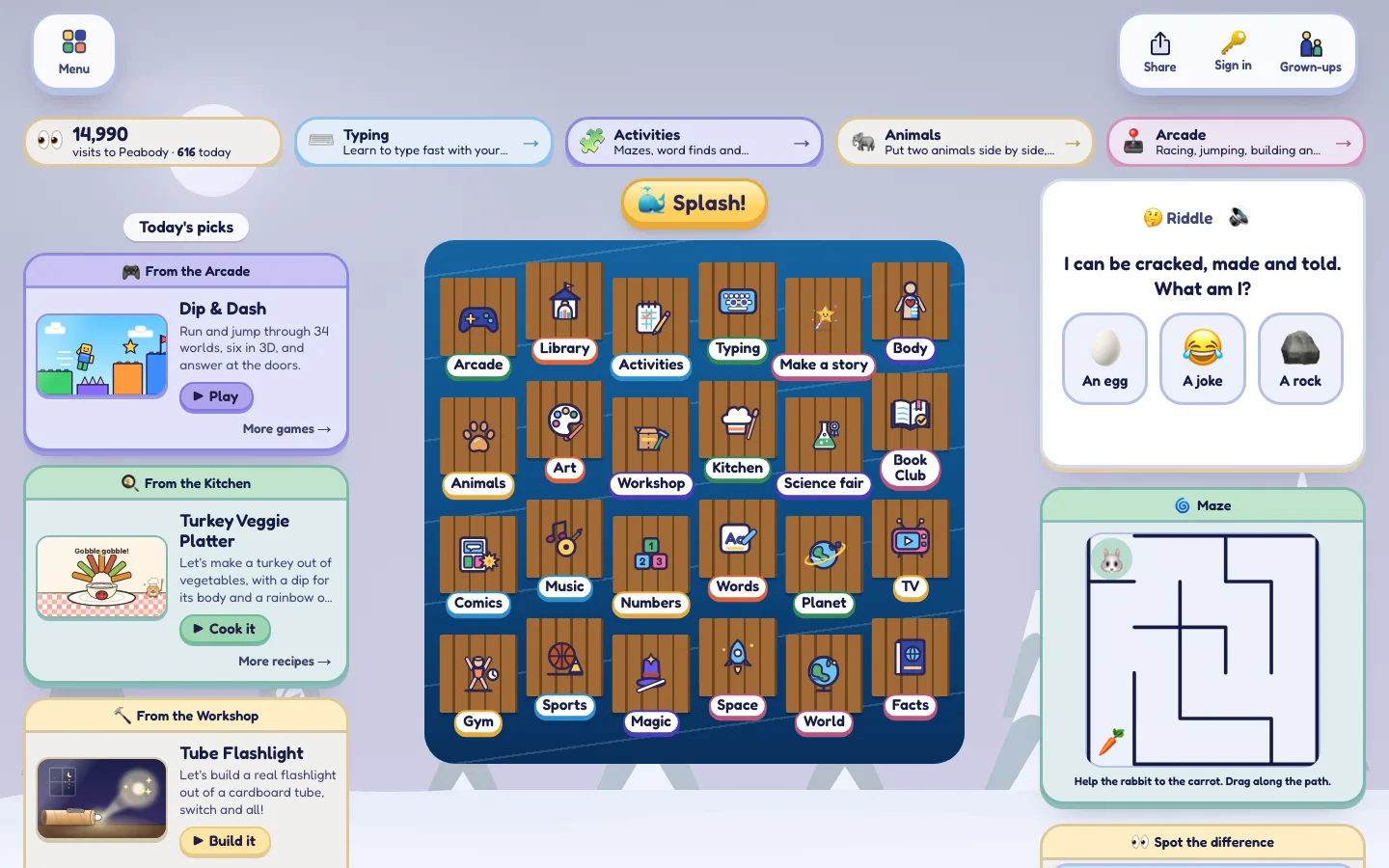
Peabody Learning
A learning platform for children with reading, math, stories, facts, and games designed for age-aware exploration. It is listed under Reading and Math for ages 3-14. Children and families can use it through a website.
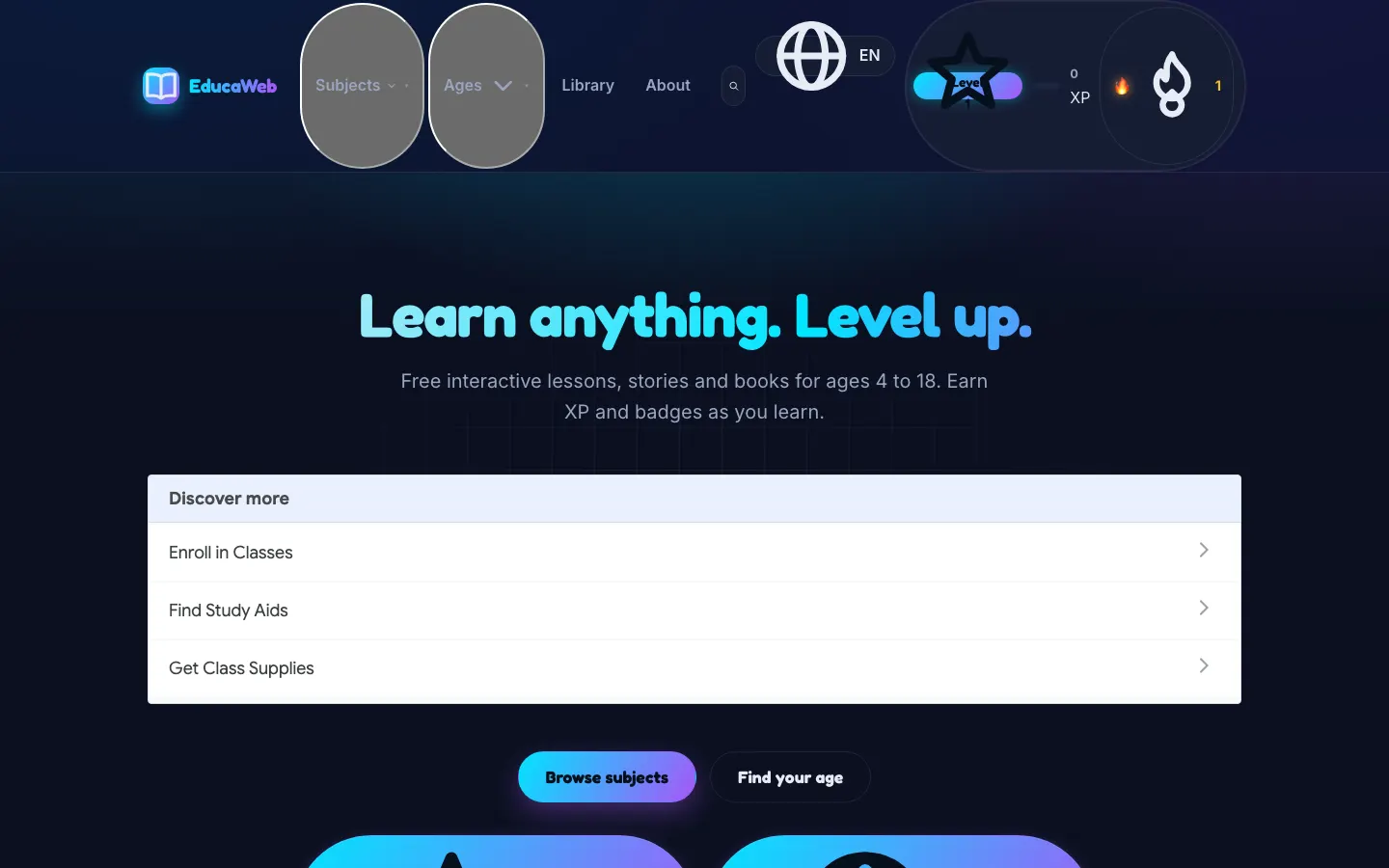
EducaWeb
EducaWeb is a free interactive learning world with lessons, stories, books, games, and activities spanning reading, math, science, nature, coding, sport, and AI for children and teens. It is listed under Science and Reading for ages 4–18.
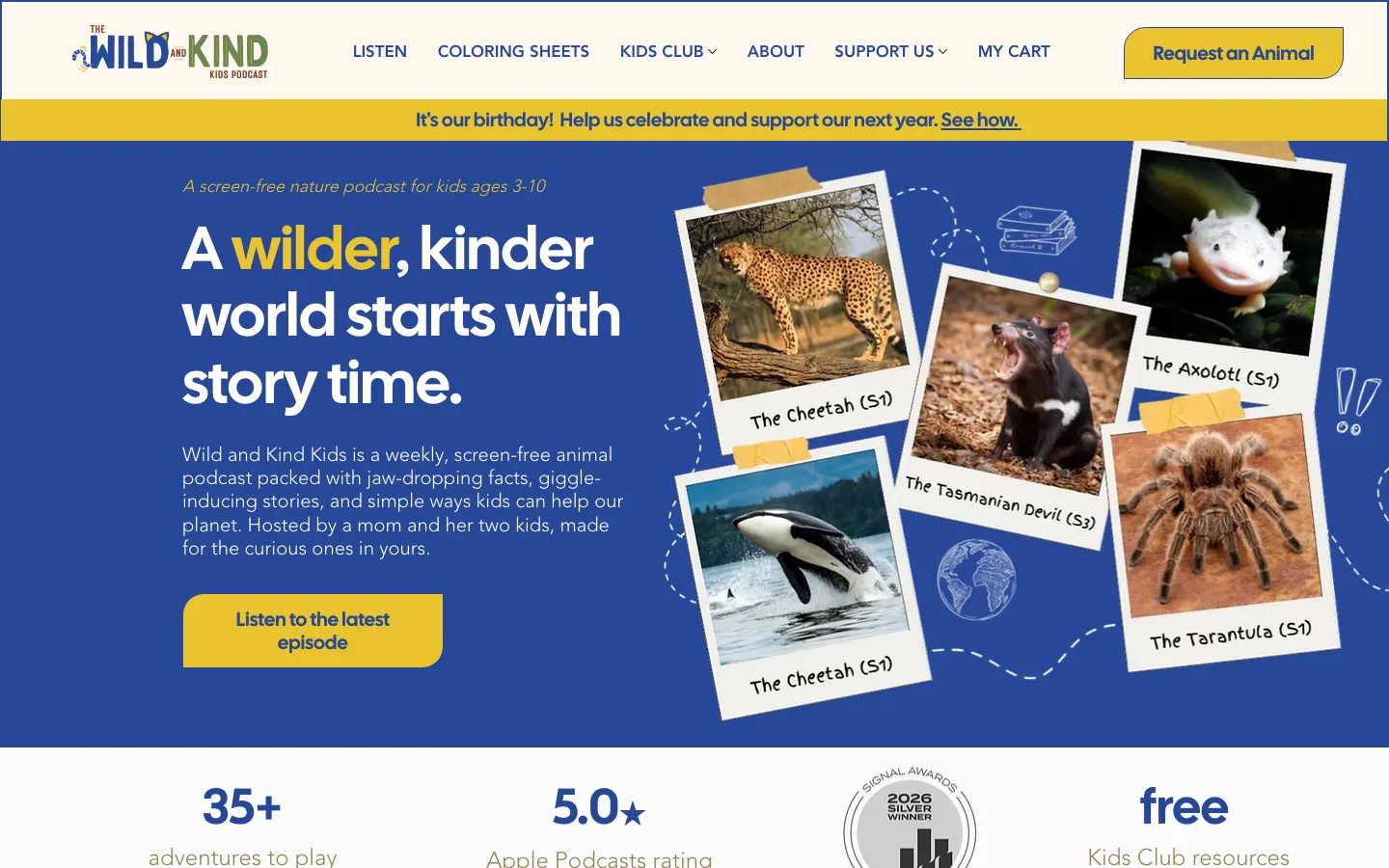
Wild & Kind Kids
A screen-free nature podcast with animal facts, original stories, movement prompts, riddles, and simple missions that help children care for the planet. It is listed under Nature & environment, Science, and Podcasts for ages 3–10.
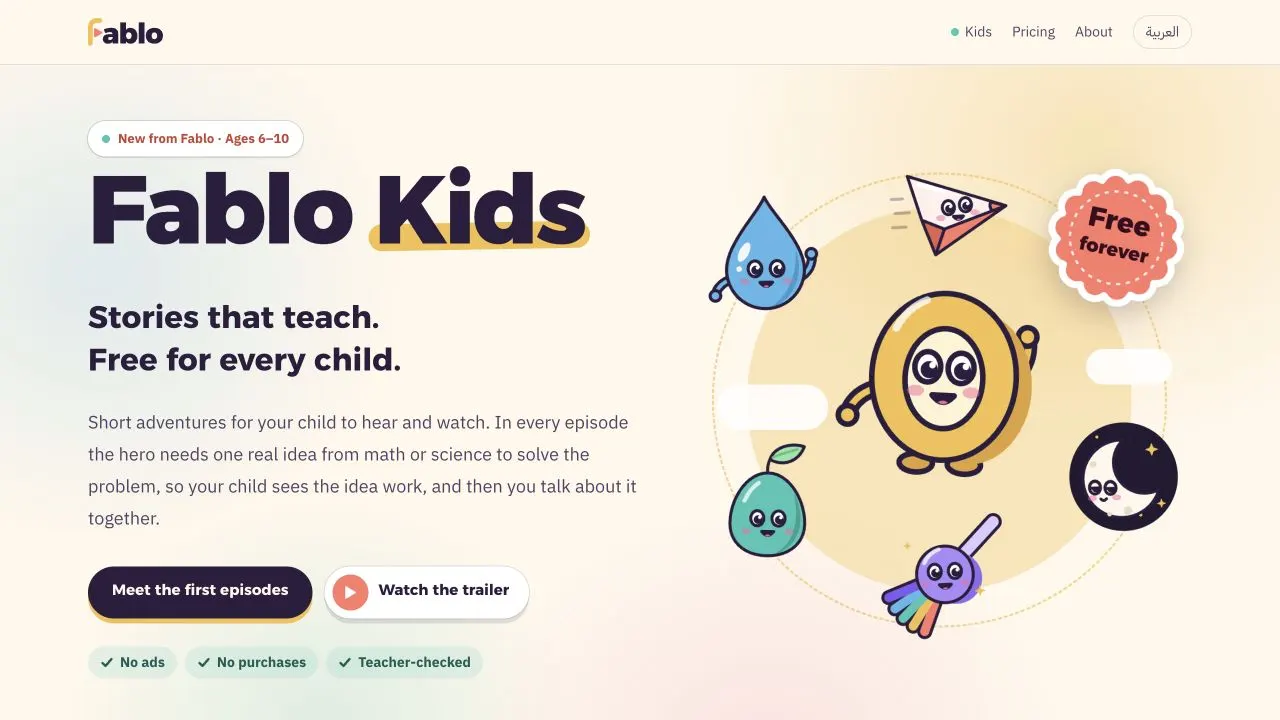
Fablo Kids
Short, teacher-checked stories for ages 6–10 that use real maths and science ideas to solve each adventure, with English and Arabic series. It is listed under Science and Maths & logic for ages 6–10.
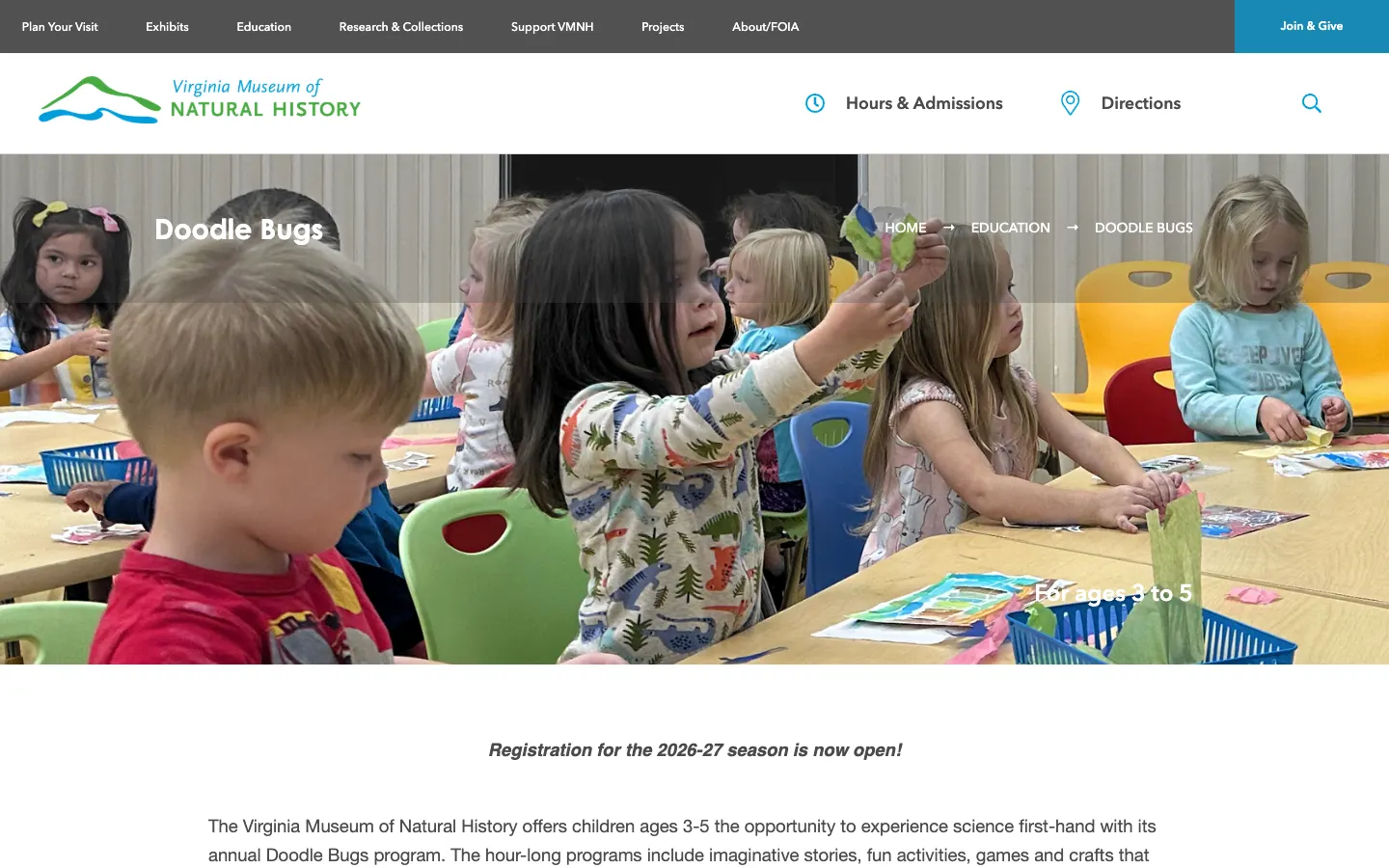
Virginia Museum of Natural History Doodle Bugs
Doodle Bugs is a Virginia Museum of Natural History program for children ages 3–5, using imaginative stories, activities, games, and crafts to spark science curiosity. It is listed under Science and Museums & places for ages 3–5 with an adult.
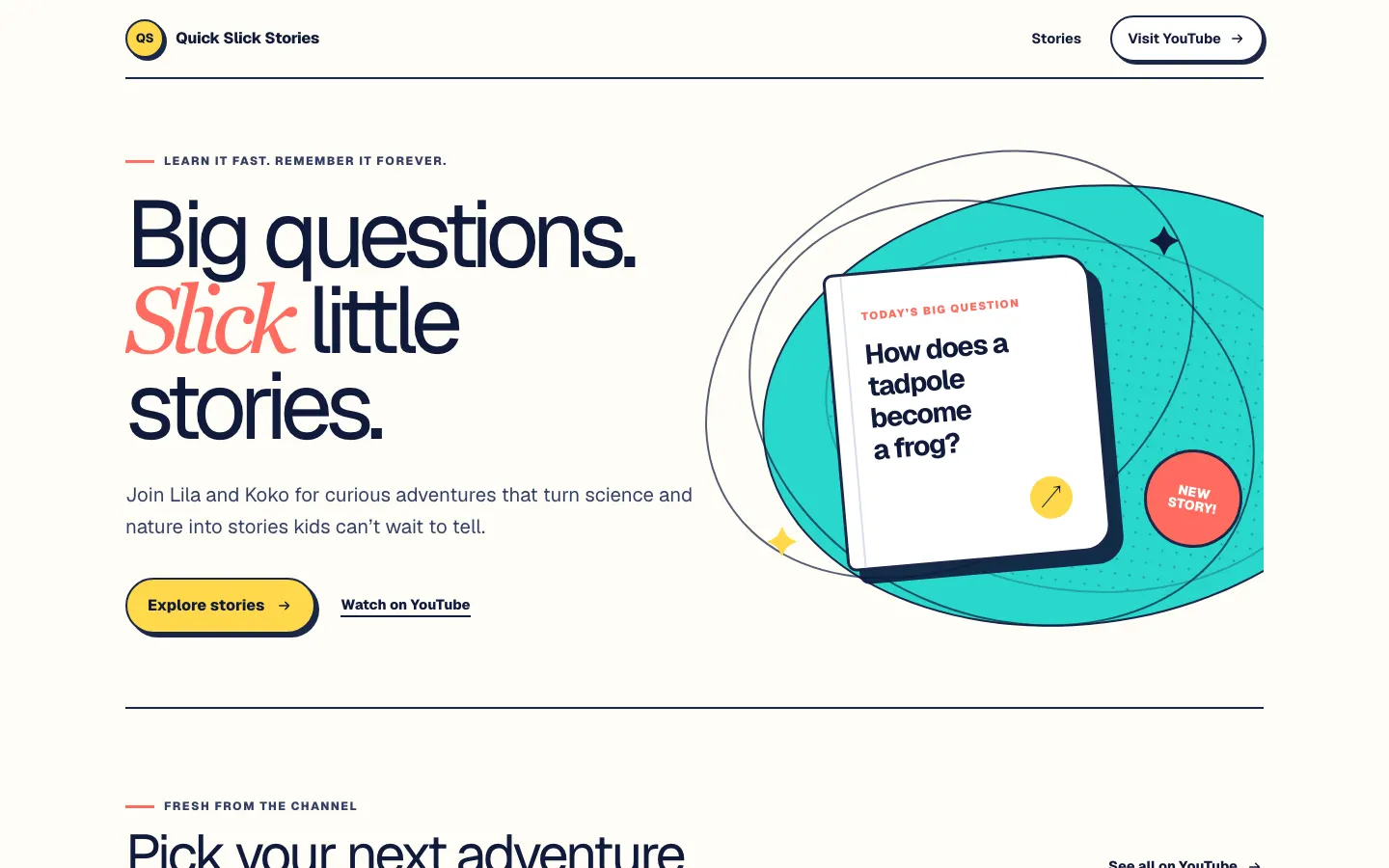
Quick Slick Stories
Short read-aloud and video stories that turn science, nature, space, and everyday questions into memorable adventures for young children. It is listed under Science, Nature & environment, and Reading for ages 3–9. Children and families can use it through a website.
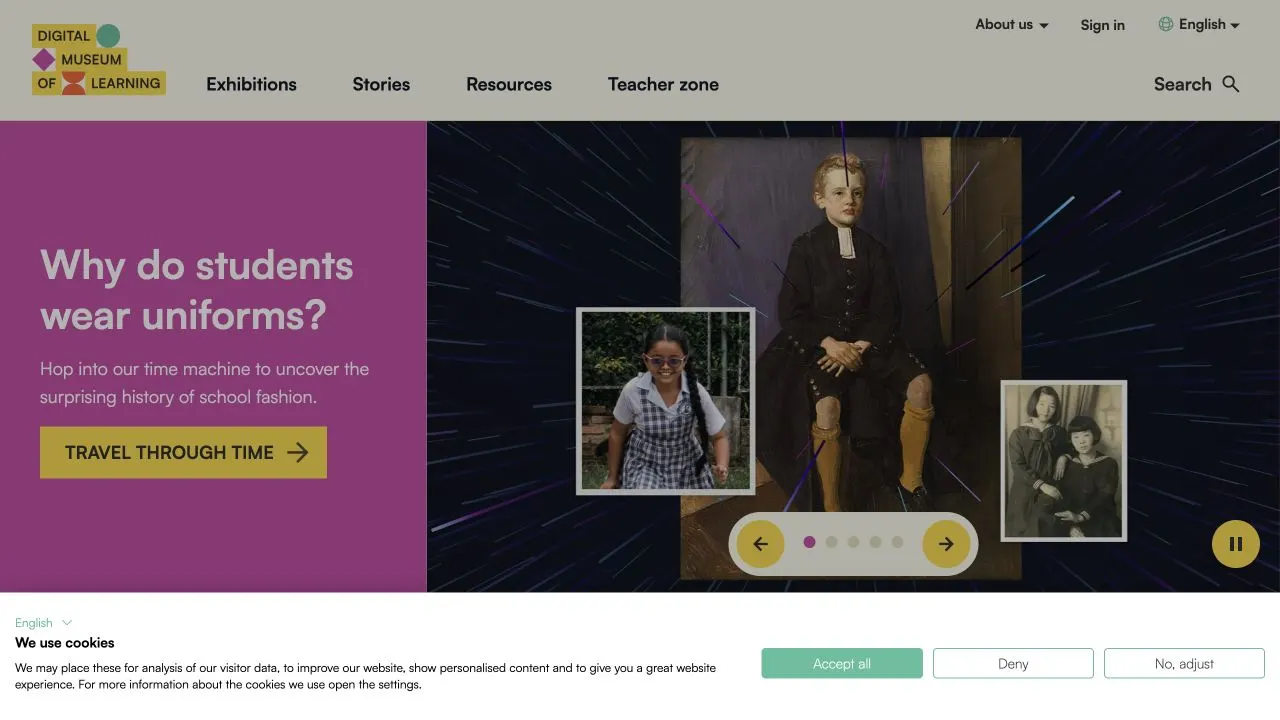
Digital Museum of Learning
A free online museum for children and educators with interactive exhibitions, stories, resources, and playful quizzes about learning. It is listed under History & culture, Science, and Reading for ages 7-12. Children and families can use it through a website.
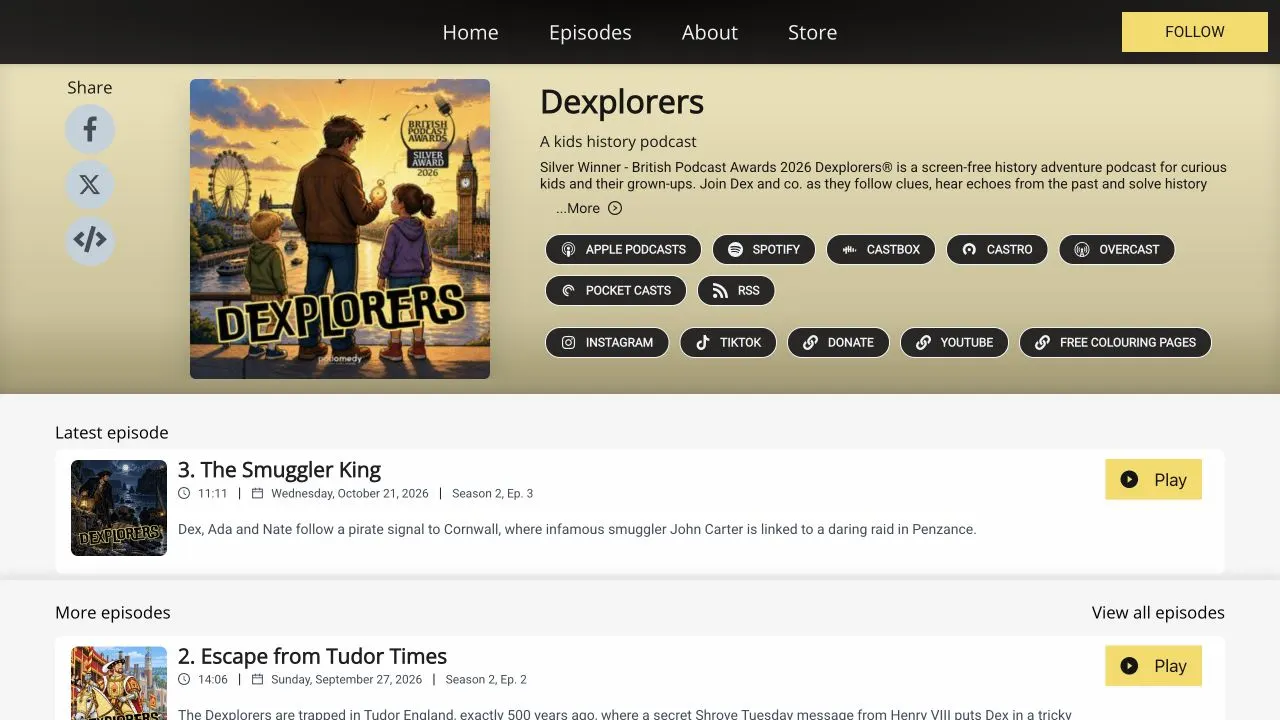
Dexplorers
Dexplorers is a screen-free history adventure podcast for children and families, using mystery stories, real historical settings, short episodes, and free colouring pages. It is listed under History & culture and Podcasts for ages 7–12.
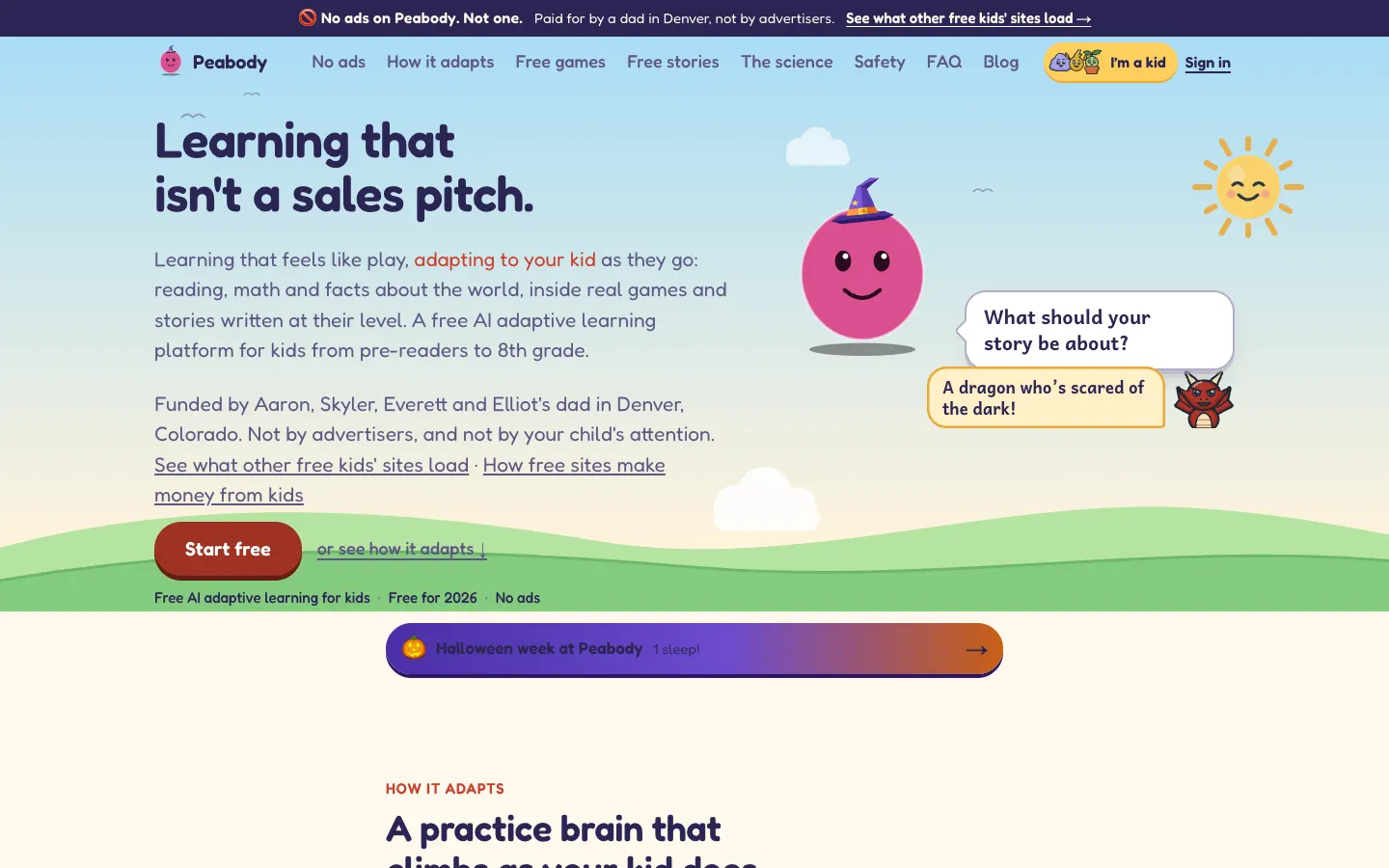
Peabody Free AI Learning for Kids
Peabody is a free adaptive learning platform where children read levelled stories, practise math facts, and explore world knowledge through games and personalized prompts. It is listed under Reading and Mathematics for ages Pre-K–8.
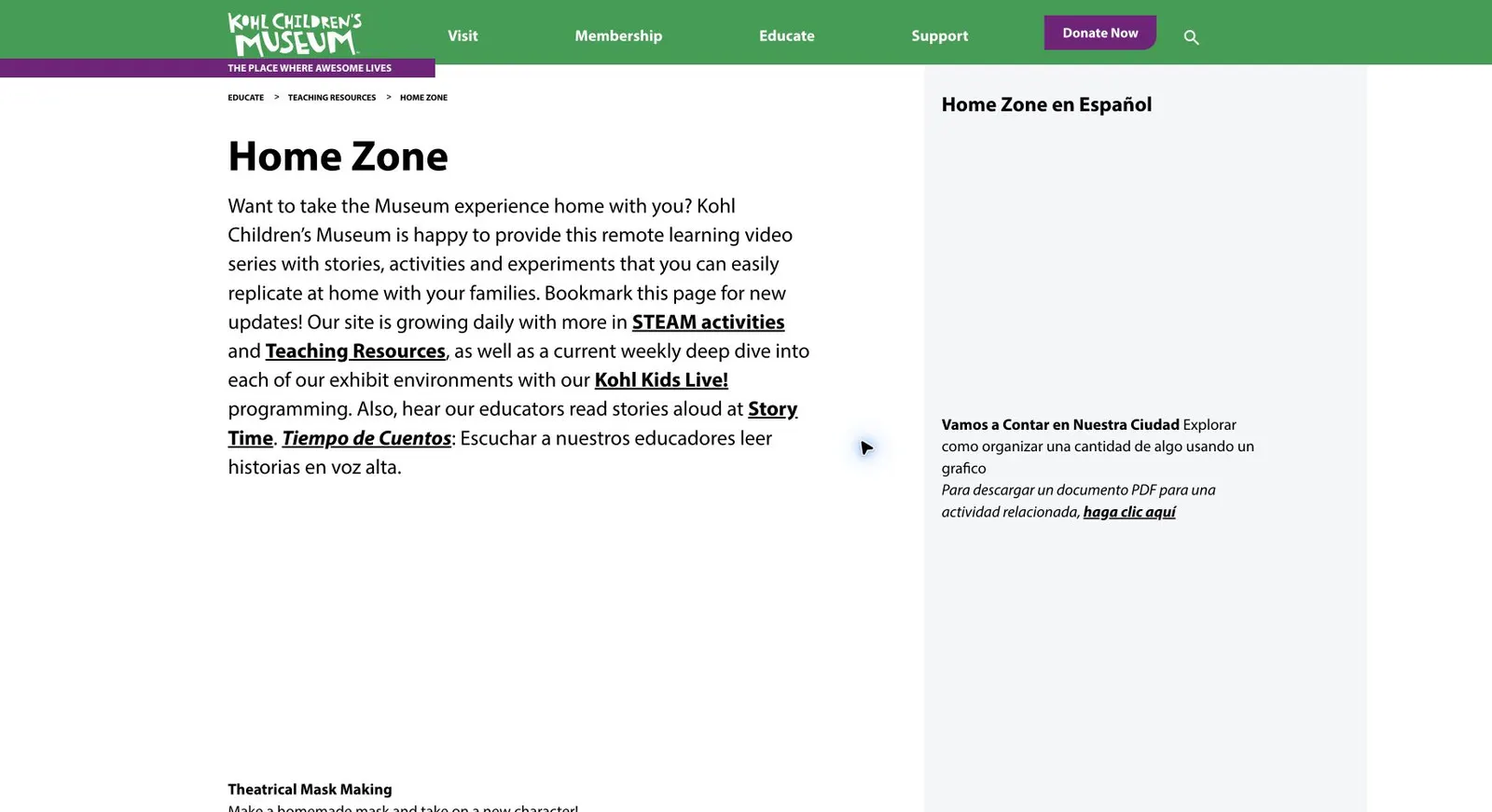
Kohl Children's Museum Home Zone
Stories, experiments, STEAM activities, and playful learning videos from Kohl Children's Museum for families at home. It is listed under Science, Art & creativity, and Maker & DIY for ages 2-10. Children and families can use it through a website.
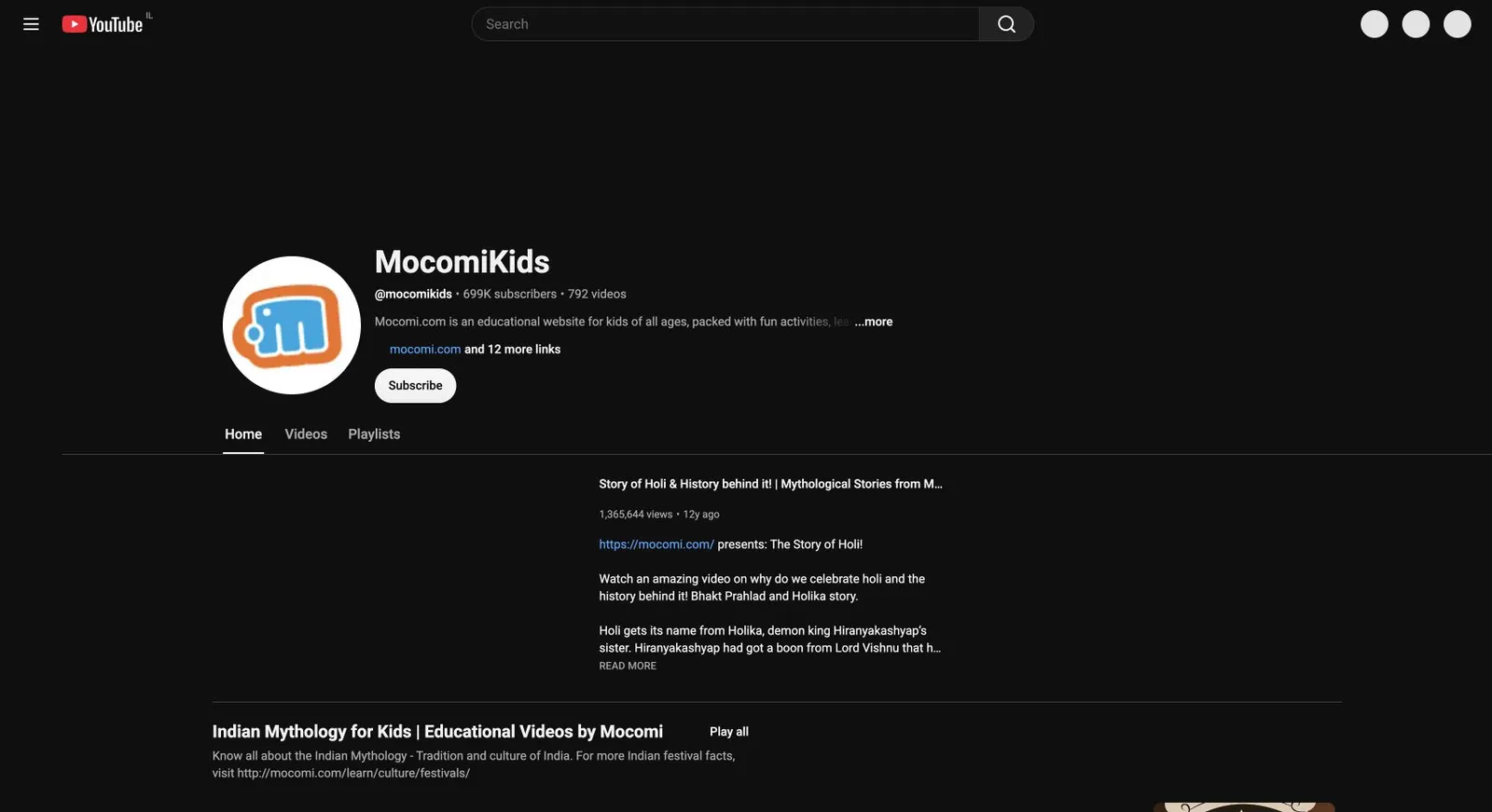
MocomiKids
MocomiKids offers child-focused videos, stories, facts, mythology, science, and general-knowledge explorations for ages 5–14. It can help a child follow a curiosity across several subjects, but the broad mix benefits from adult selection and conversation. The directory records free English YouTube access; adults should preview individual videos and check the current channel context.
Compare with context
Use this collection to find a direction, then open each resource page before sharing it with a child. The individual review shows languages, access formats, tags, age guidance, source links, and notes for grown-ups.
Search the full directory →