Science Research
for kids
Explore 16 trusted science research resources selected for curious kids, with clear ages, access details, and parent context.
Two useful ways to narrow the directory
This page brings together science resources that also match research. Each listing keeps its own age range, platform details, languages, links, and parent notes, so you can compare options without losing context.
Explore all science resources →
Research Quest
Interactive science investigations from the Natural History Museum of Utah that help middle-school learners examine real-world questions. It is listed under Science, Nature & environment, and Games for ages 10–14. Children and families can use it through a website.
Read the full resource review →More science picks
Kids Doing Science
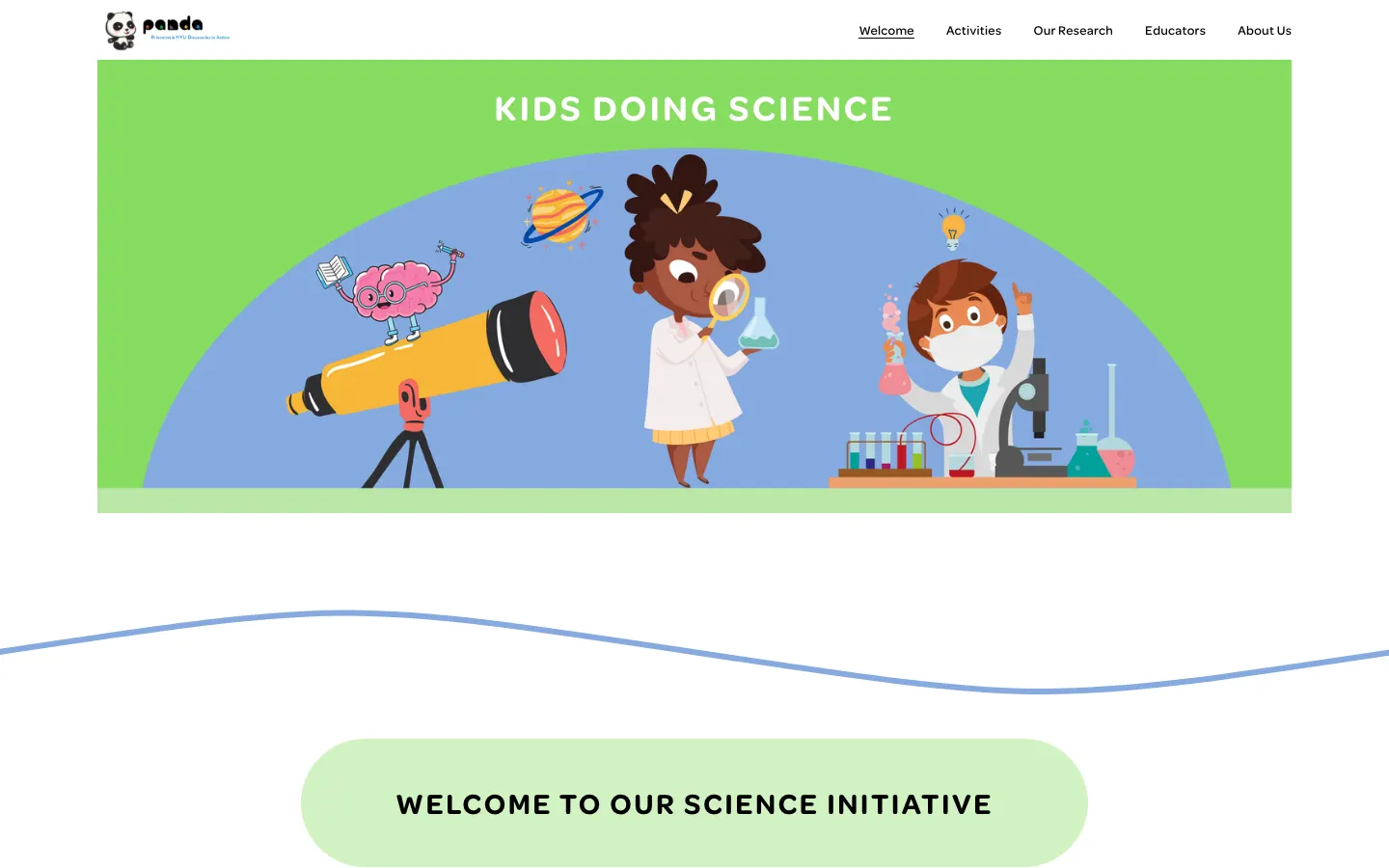
Science games, at-home experiments, videos, and research explanations from New York University researchers. It is listed under Science, Games, and Parent & educator for ages 4–10. Children and families can use it through a website.
Science Buddies
Hands-on science and engineering project ideas, experiment guides, and teacher resources for home and school. It is listed under Science, Technology, and Maker & DIY for ages 8–18. Children and families can use it through a website and downloadable resources.
American Chemical Society
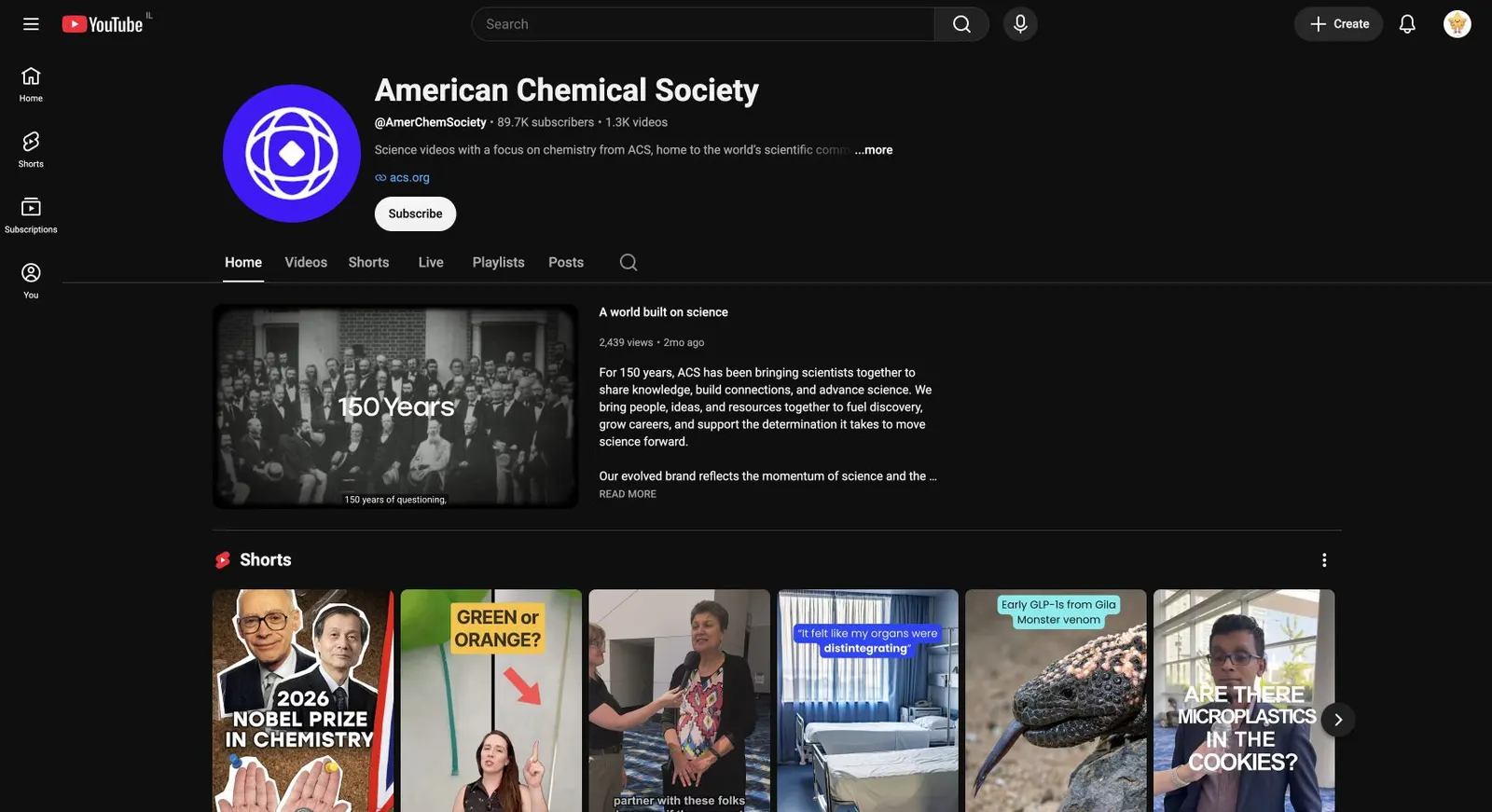
Official American Chemical Society videos about chemistry, scientific careers, discoveries, and the people behind chemical science. It is listed under Science, Parent & educator, and Technology for ages 13–18. Children and families can use it through a YouTube channel and a website.
World Book Kids
Child-friendly encyclopedia articles, media, activities, and research tools, often accessed through libraries. It is listed under Reading, Science, and History & culture for ages 6–12. Children and families can use it through a website.
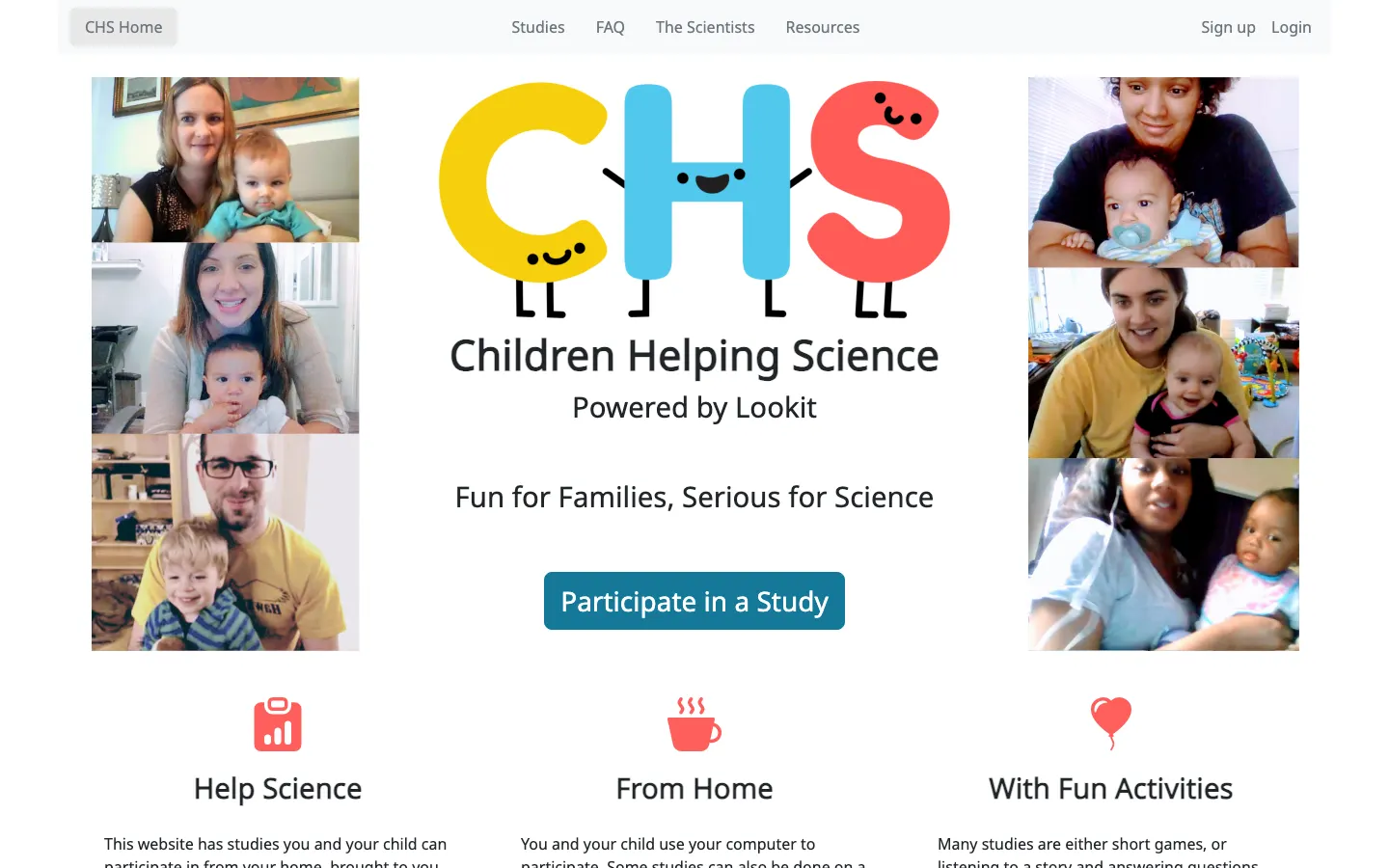
Children Helping Science
Children Helping Science connects families with university research studies for children, including short games, story-listening tasks, and age-filtered opportunities for preschoolers through teens. It is listed under Science and Games & interactives for ages Under 1 through 5–17 by study.
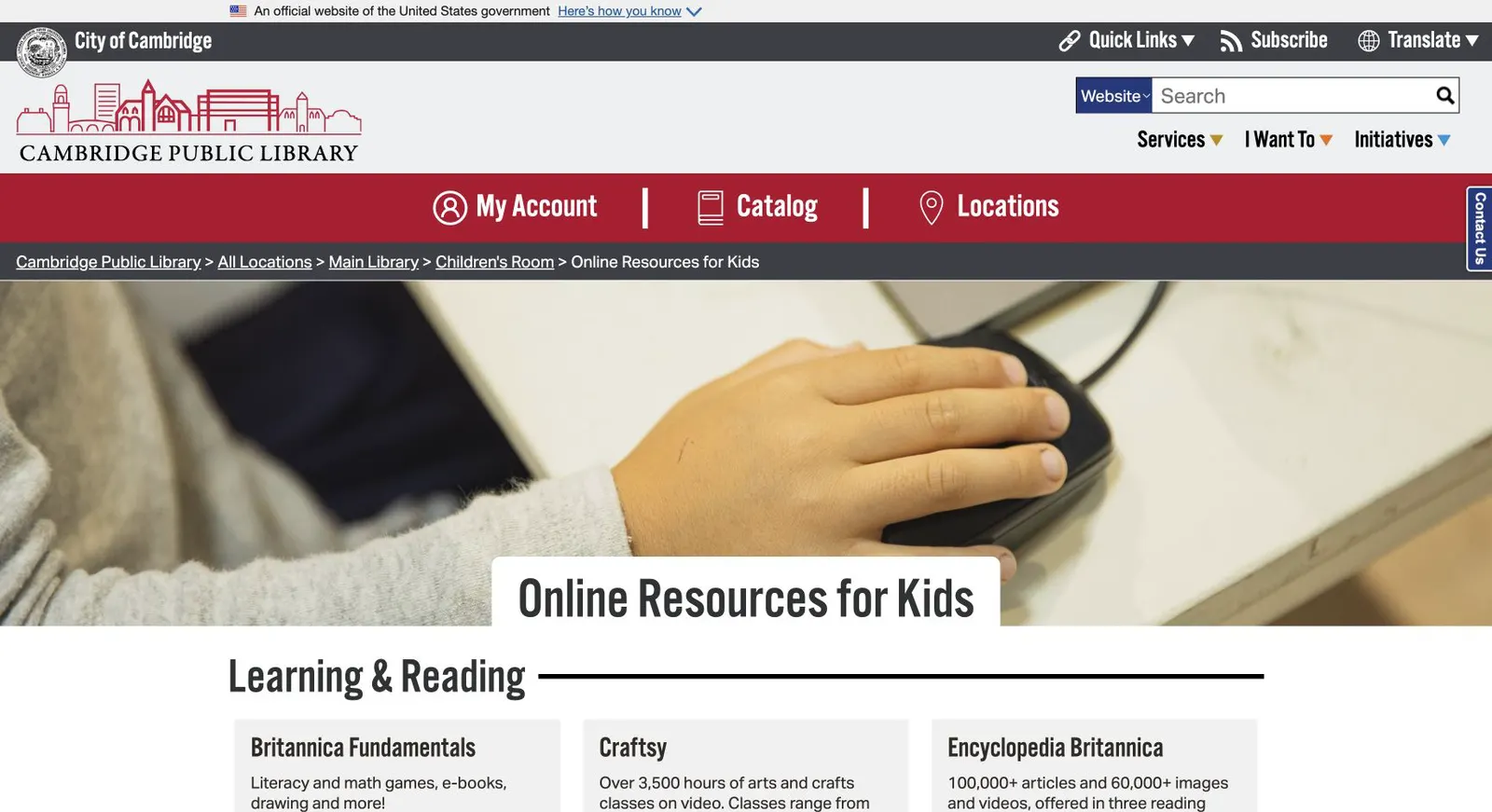
Cambridge Public Library Online Resources for Kids
A public-library guide to children’s learning and reading resources, including Britannica Fundamentals, Craftsy, Encyclopedia Britannica, PebbleGo, Hoopla, digital collections, and family games. It is listed under Reading and Math for ages 5–18. Children and families can use it through a website.
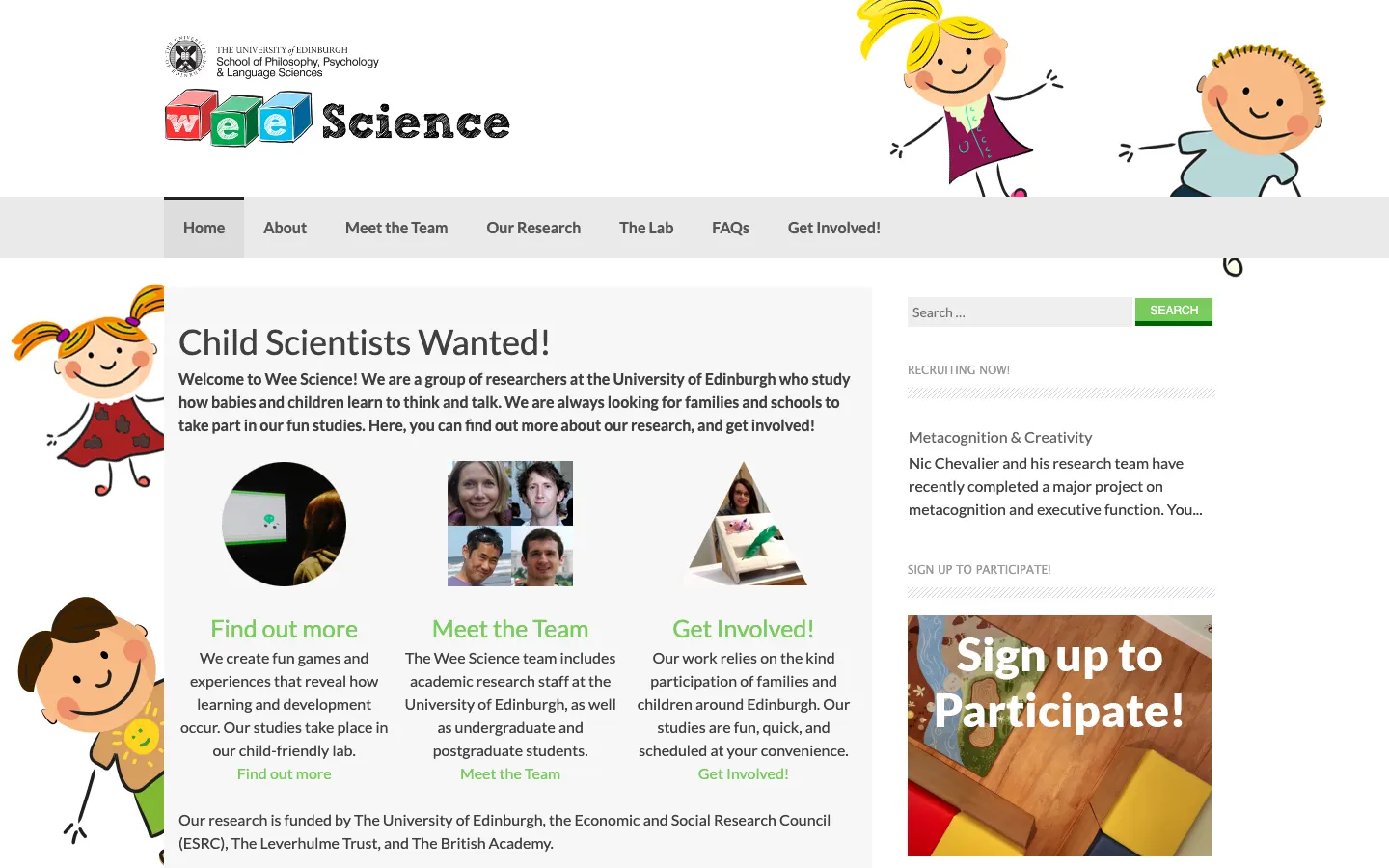
Wee Science
Wee Science is a University of Edinburgh research group inviting families and schools to take part in fun, short studies and games about how babies and children learn to think and talk.
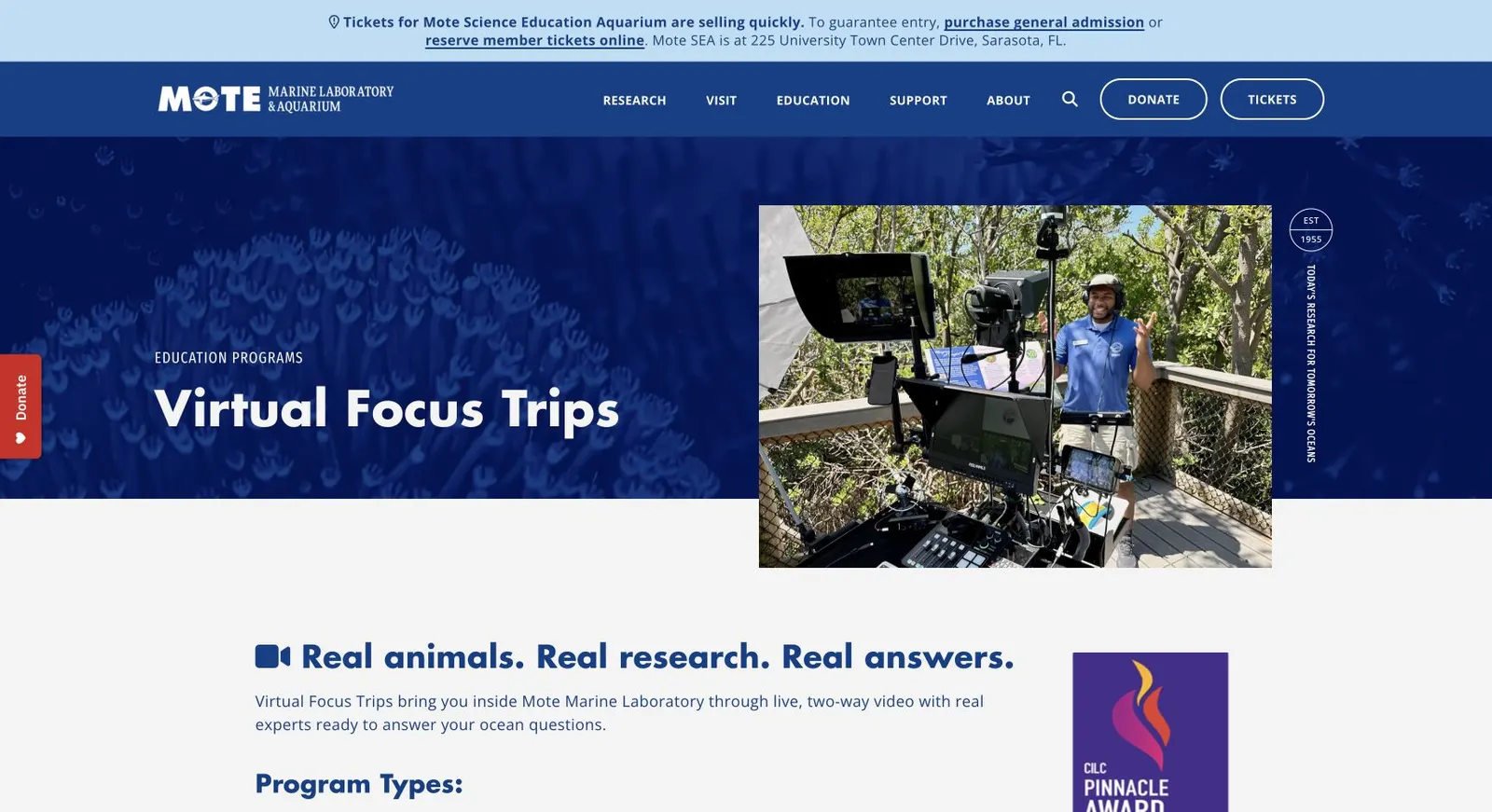
Mote Marine Laboratory Virtual Focus Trips
Mote Marine Laboratory connects students with real marine experts through virtual animal encounters, habitat excursions, science talks, read-aloud STEM sessions, and ocean-career explorations. It is listed under Science and Nature & environment for ages 5–18.
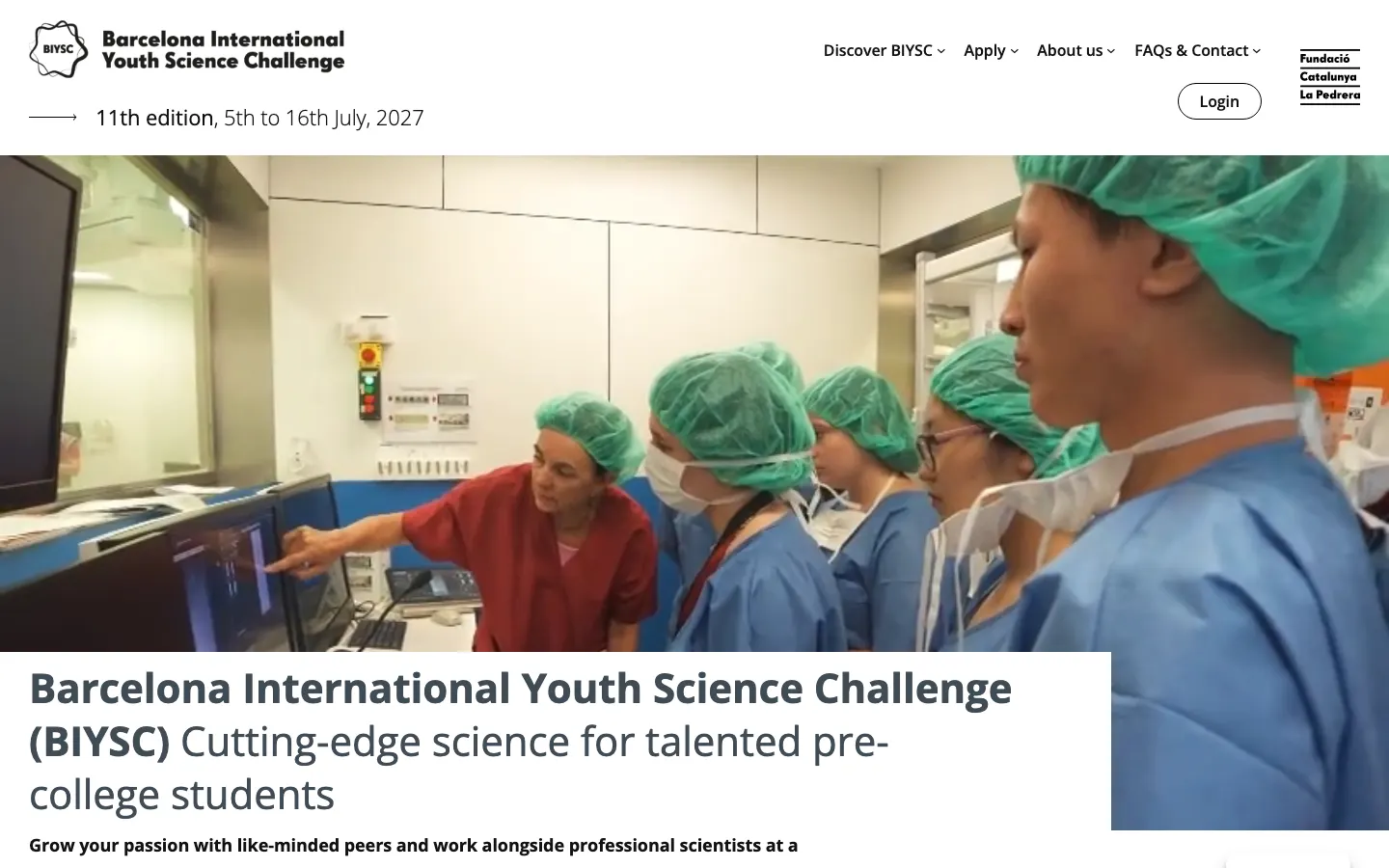
Barcelona International Youth Science Challenge 2027
BIYSC is a two-week residential science and technology challenge where pre-college students work alongside professional scientists on hands-on projects. It is listed under Science and Coding for ages Grades 10–12. Children and families can use it through a website.
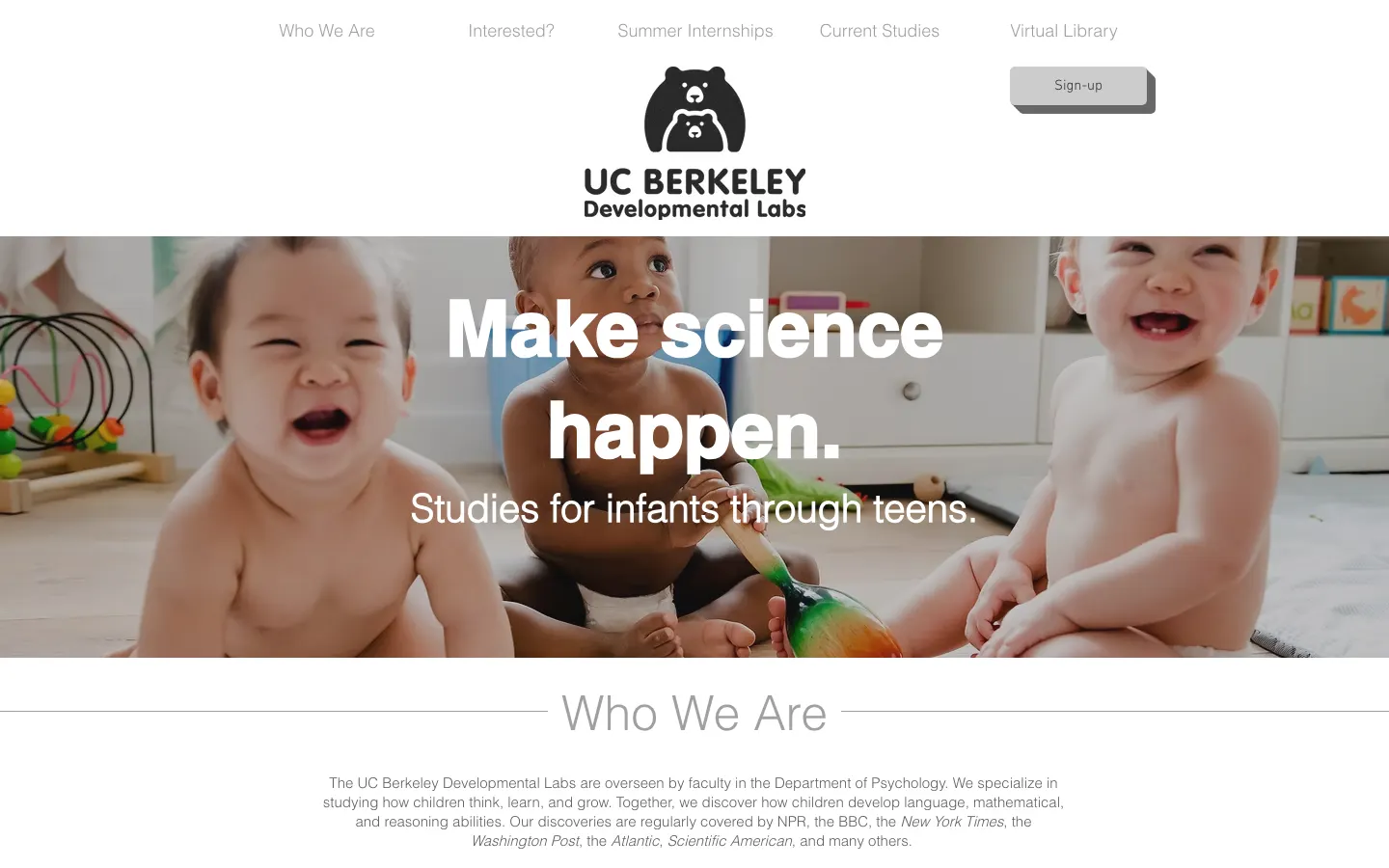
UC Berkeley Developmental Labs
UC Berkeley Developmental Labs invite families to participate in short studies and games about language, math, reasoning, memory, and child development from infancy through the teen years. It is listed under Science and Mathematics for ages Infants through teens.
Child’s Play Learning & Development Lab
The University of Delaware Child’s Play Learning & Development Lab studies how children learn and grow through play, language, memory, reasoning, and spatial development, with family participation opportunities. It is listed under Science and Reading for ages Infants through young children.
SPLAT Lab
SPLAT Lab at the University of Canberra explores how young children learn STEM and spatial thinking through short playful activities and research studies. It is listed under Science and Mathematics for ages Young children.
Compare with context
Use this collection to find a direction, then open each resource page before sharing it with a child. The individual review shows languages, access formats, tags, age guidance, source links, and notes for grown-ups.
Search the full directory →