Science Problem solving
for kids
Explore 12 trusted science problem solving resources selected for curious kids, with clear ages, access details, and parent context.
Two useful ways to narrow the directory
This page brings together science resources that also match problem solving. Each listing keeps its own age range, platform details, languages, links, and parent notes, so you can compare options without losing context.
Explore all science resources →
Millennium Mathematics Project
The University of Cambridge mathematics outreach initiative connects ages 3–19 and the public with NRICH problem-solving resources, Plus maths magazine, events, and STEP support. It is listed under Math and Science for ages Ages 3–19 and general public; programme-specific.
Read the full resource review →More science picks
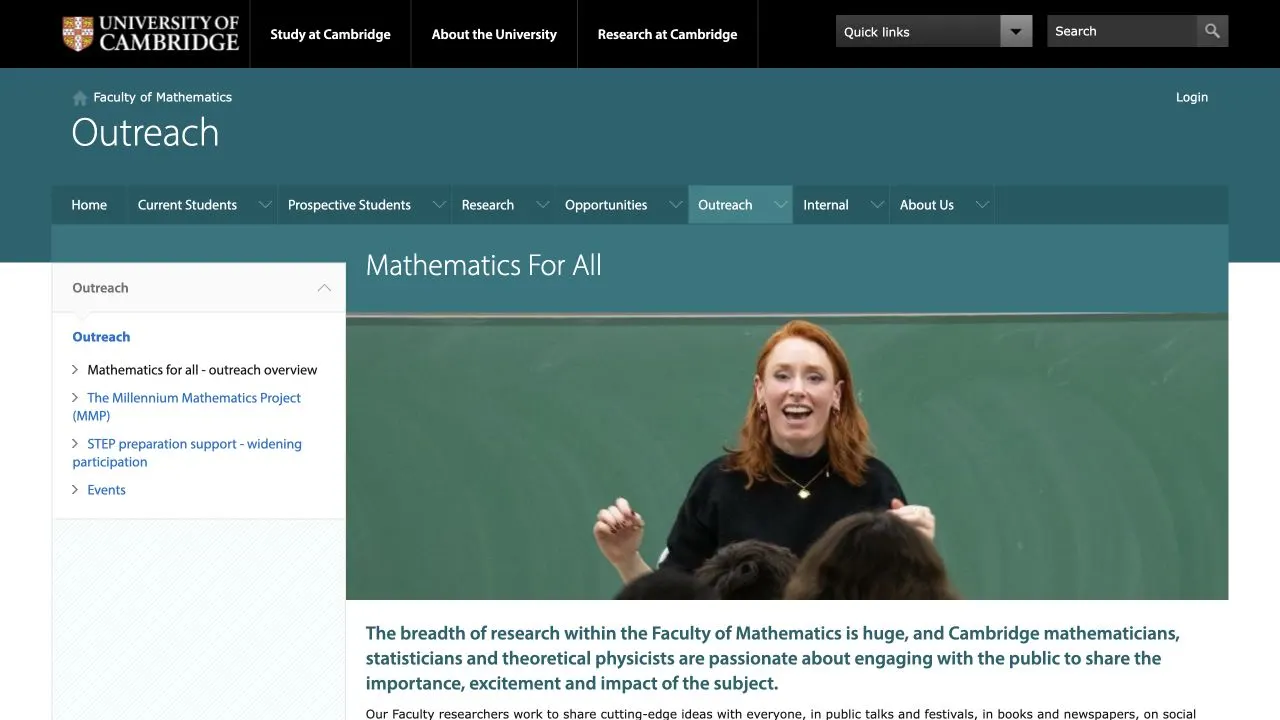
Cambridge Mathematics for All
The University of Cambridge Faculty of Mathematics outreach overview connects families and schools with free online mathematics education, NRICH problem solving, events, podcasts, and public engagement. It is listed under Math and Science for ages Ages 3–18; programme-specific.
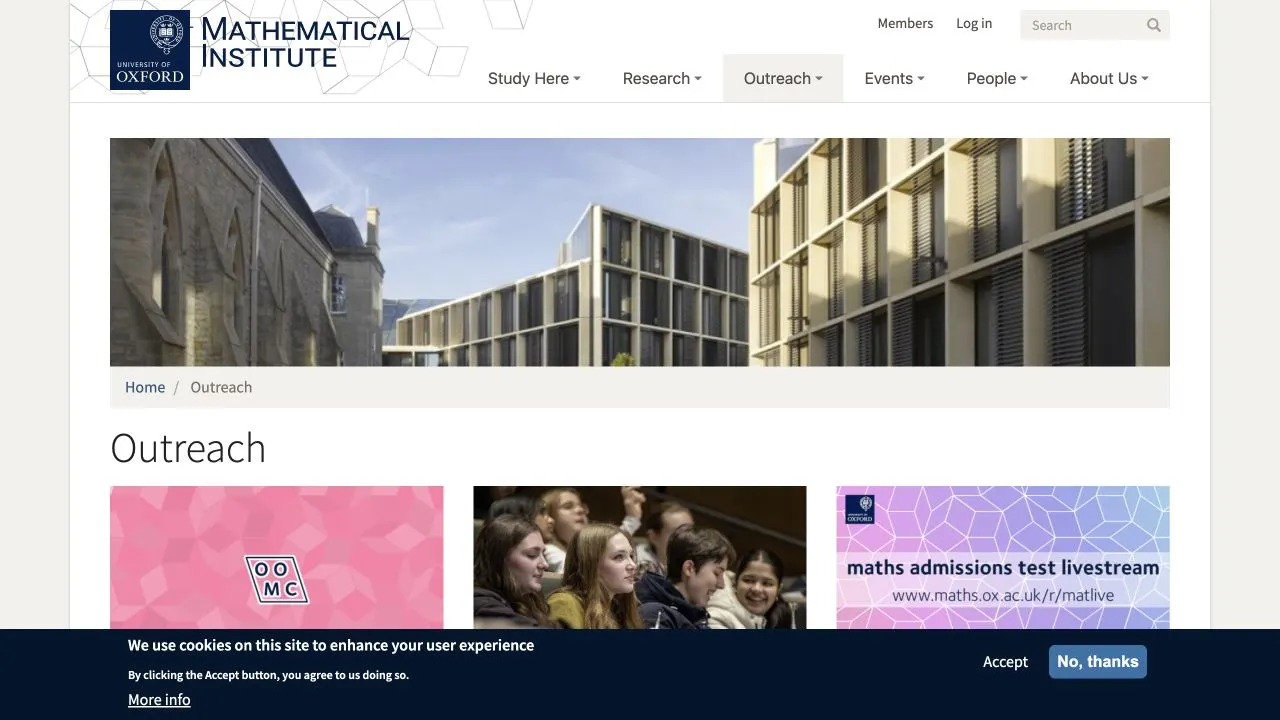
Oxford Mathematics Outreach
The University of Oxford Mathematical Institute outreach programme includes the Oxford Online Maths Club, school masterclasses, talks, mathematical problem solving, and public engagement opportunities for school-age learners. It is listed under Math and Education for ages School-age learners; programme-specific.
University of Bath Mathematics Outreach
The University of Bath offers mathematics outreach through school visits, workshops, Maths Circles, public projects, and related science activities. It is listed under Math and Education for ages Years 7–12 and school/community audiences; programme-specific.
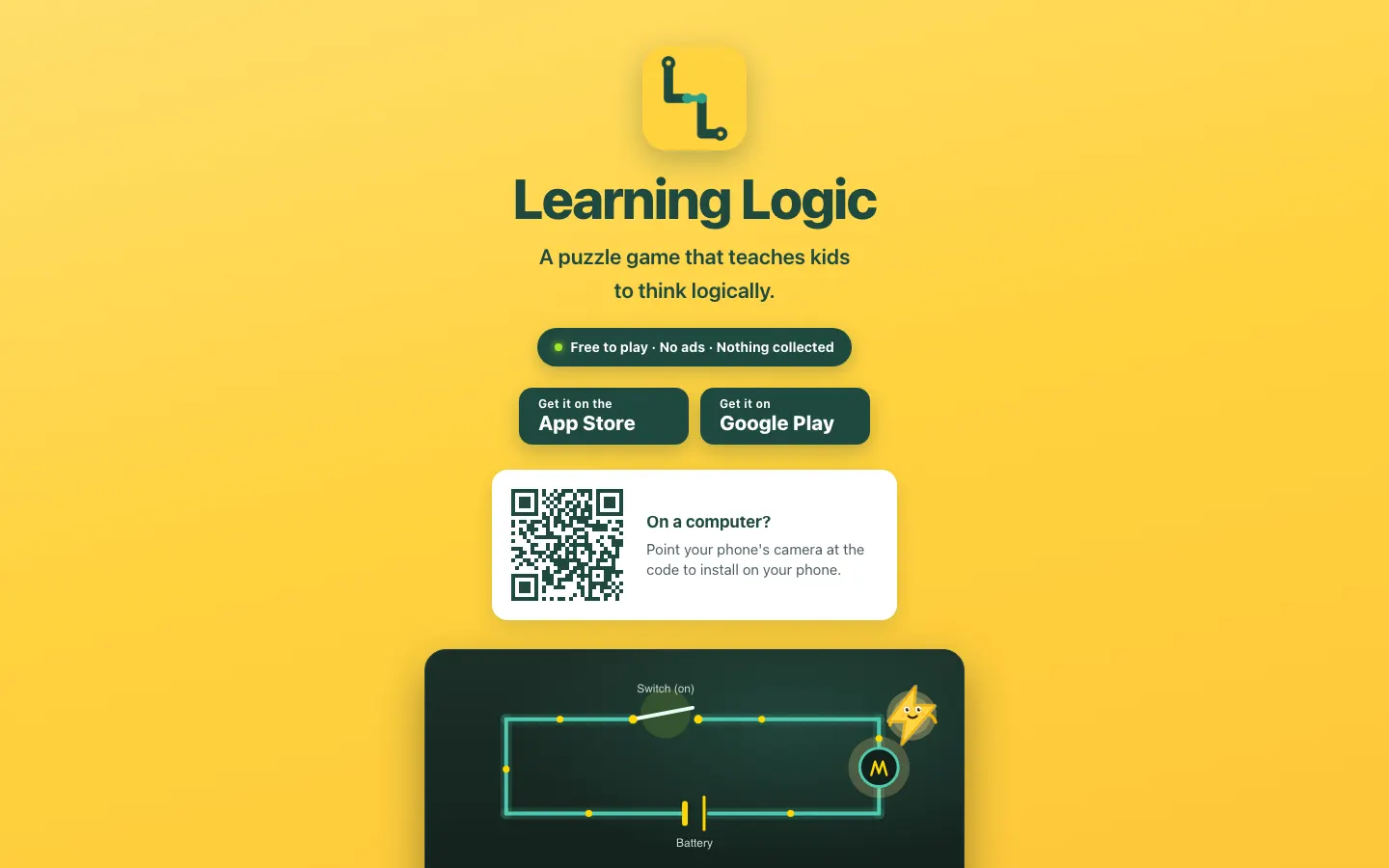
Learning Logic
Learning Logic is a free-to-play puzzle game that introduces children to logical thinking and simple circuit concepts through interactive challenges. It is listed under Coding and Science for ages 6–12. Children and families can use it through a website.
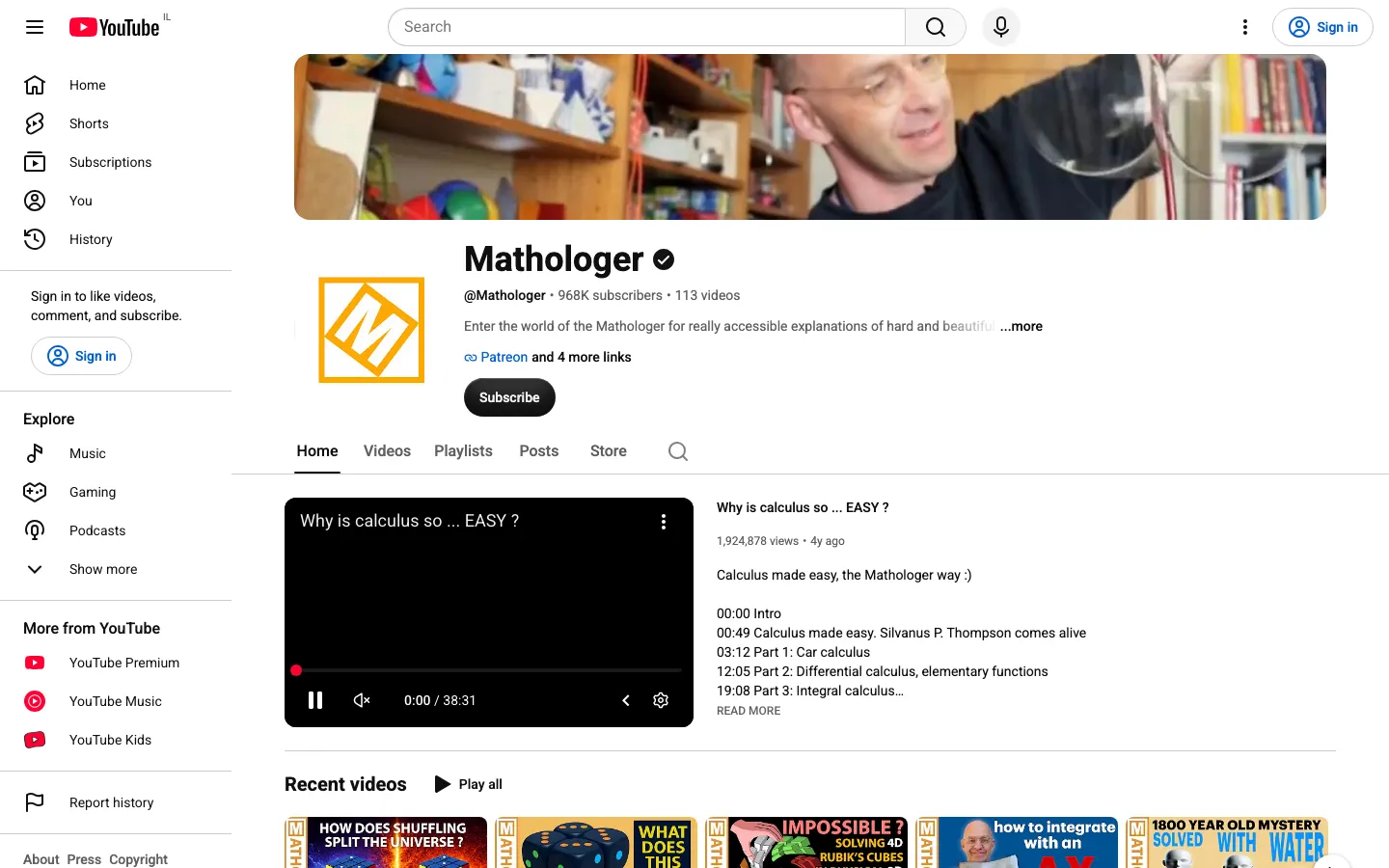
Mathologer
A visual mathematics channel exploring puzzles, patterns, proofs, and surprising mathematical ideas for older learners. It is listed under Math and Science for ages 12–18. Children and families can use it through a YouTube channel.
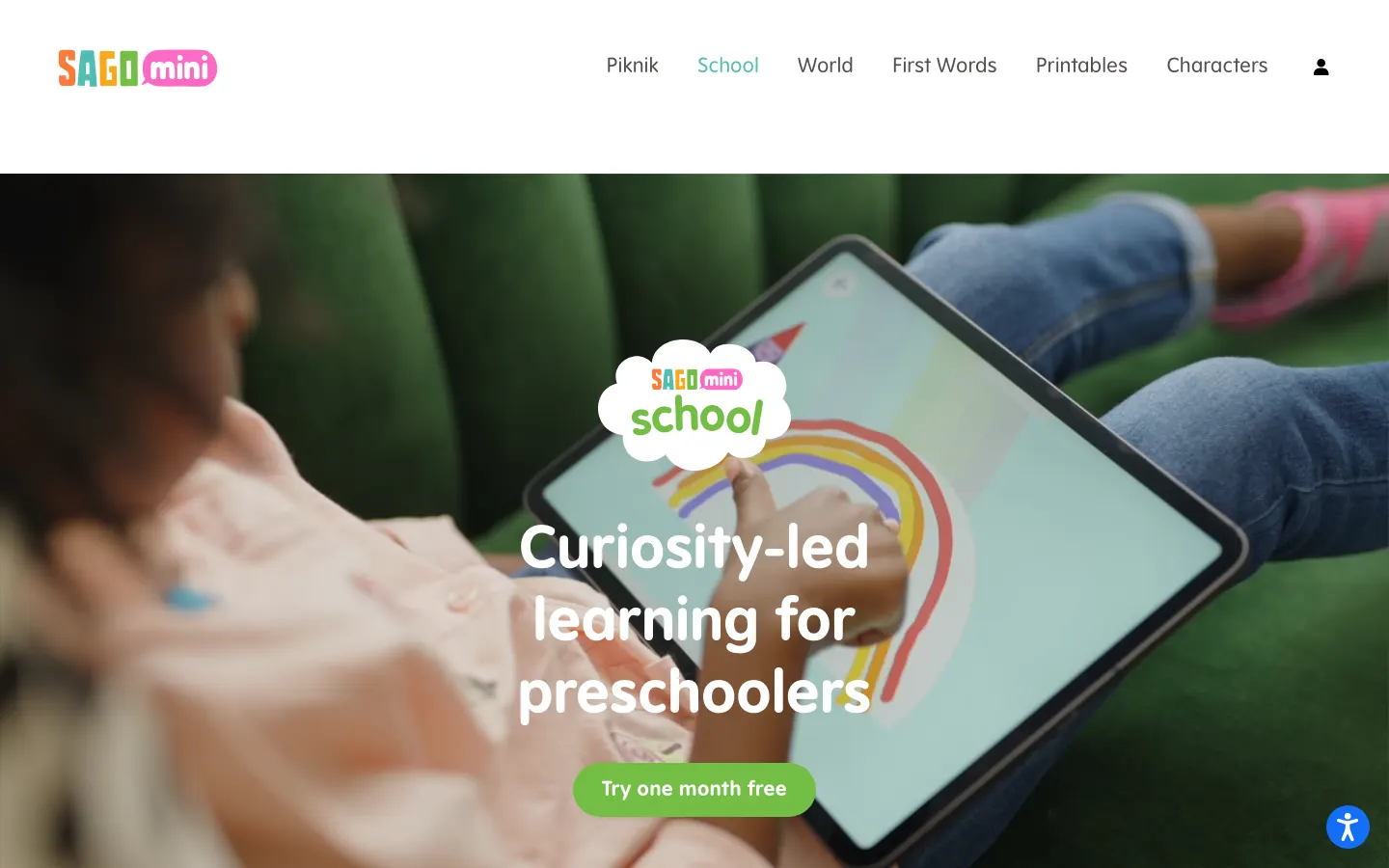
Sago Mini School
Sago Mini School is a playful early-learning app that combines child-led exploration with reading, maths, science, problem solving, and creative activities designed with child-development experts. It is listed under Early learning and Math for ages 2–5.
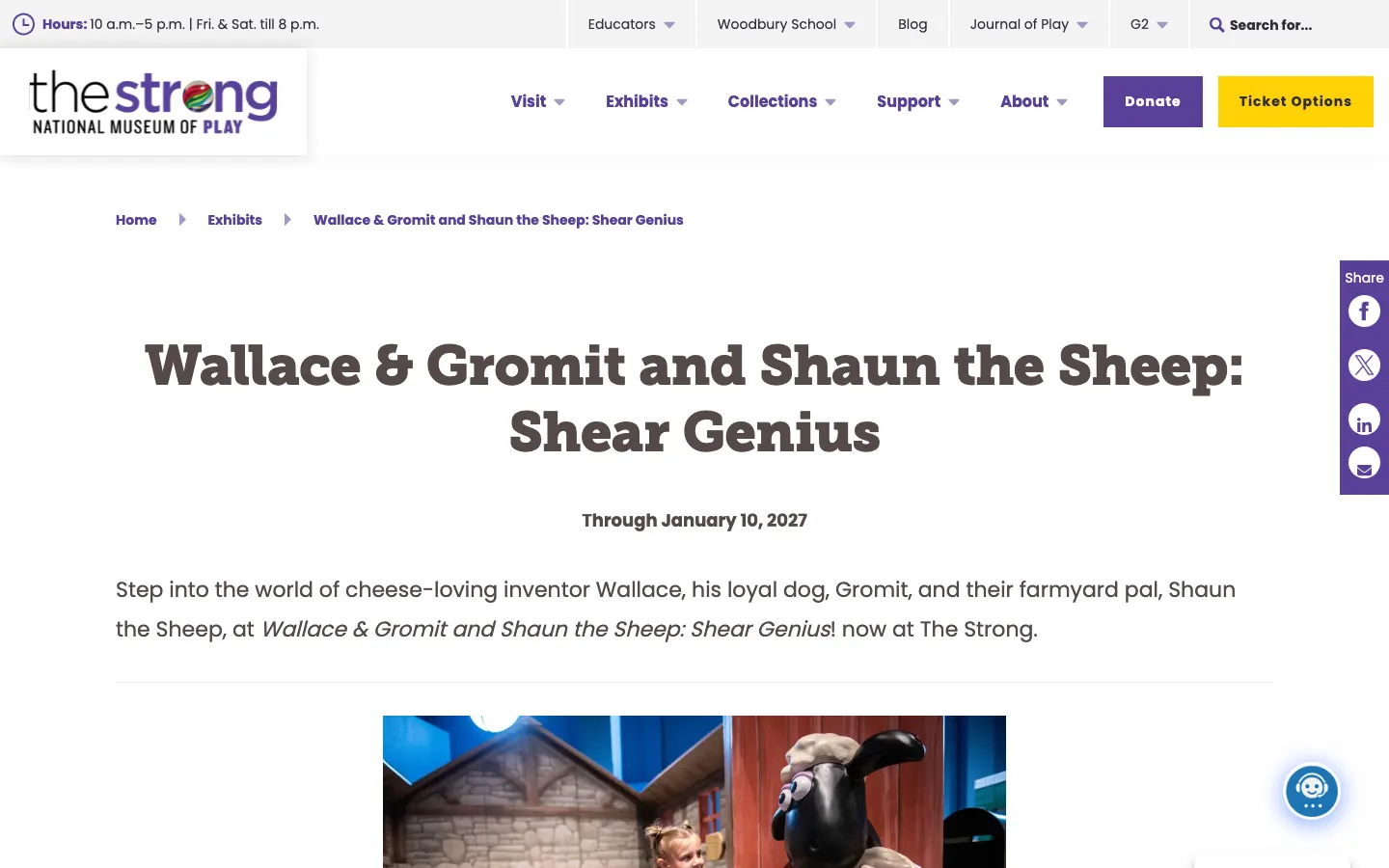
Wallace & Gromit and Shaun the Sheep: Shear Genius!
Shear Genius! is a hands-on family exhibit at The Strong National Museum of Play with dramatic play, interactive contraptions, and creative problem solving inspired by Wallace & Gromit and Shaun the Sheep.
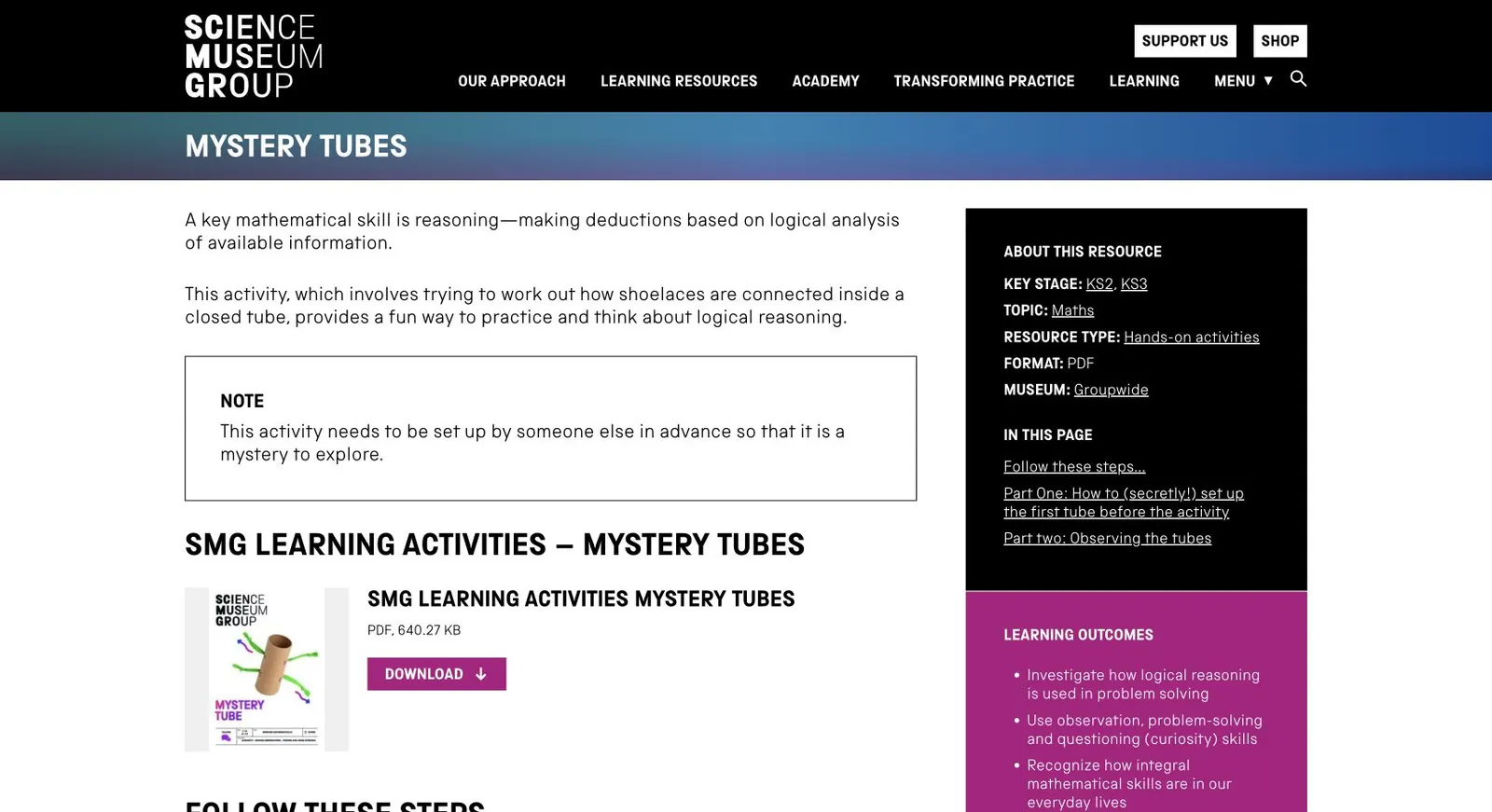
Mystery Tubes
A Science Museum Group hands-on logic activity that asks learners to reason from evidence and investigate how an unseen system works. It is listed under Math, Science, and Games for ages 7–14. Children and families can use it through a website.
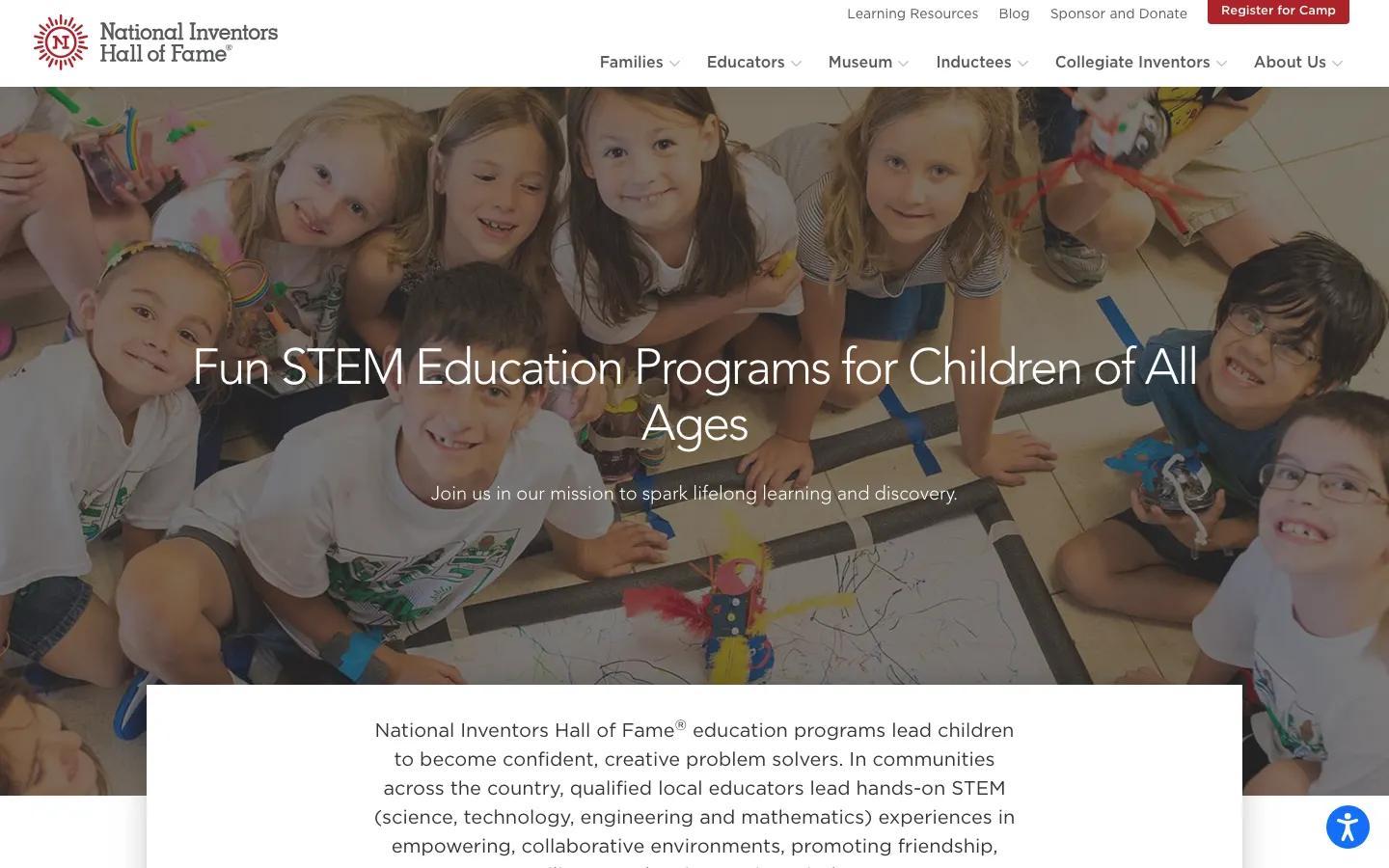
National Inventors Hall of Fame STEM Education Programs
National Inventors Hall of Fame education programs give children hands-on, open-ended STEM experiences through Camp Invention and related leadership pathways that build creative problem-solving and collaboration. It is listed under Science and Technology for ages Grades K–6 for Camp Invention; grades 7–9 for leadership.
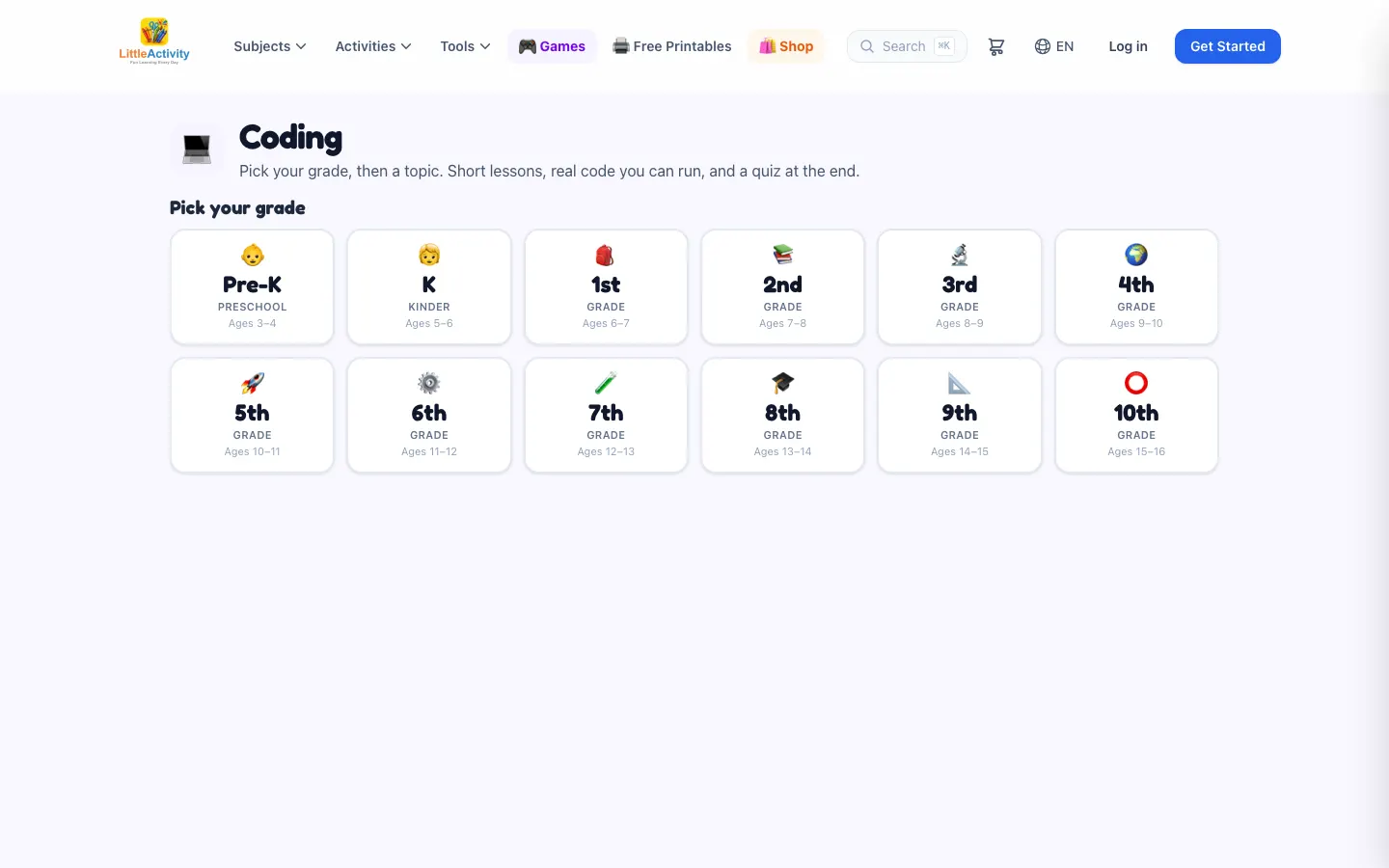
LittleActivity Coding
LittleActivity Coding offers browser-based coding activities organized by school year, with visual programming paths and beginner-friendly practice for young learners. It is listed under Coding and Math for ages 5–12. Children and families can use it through a website.
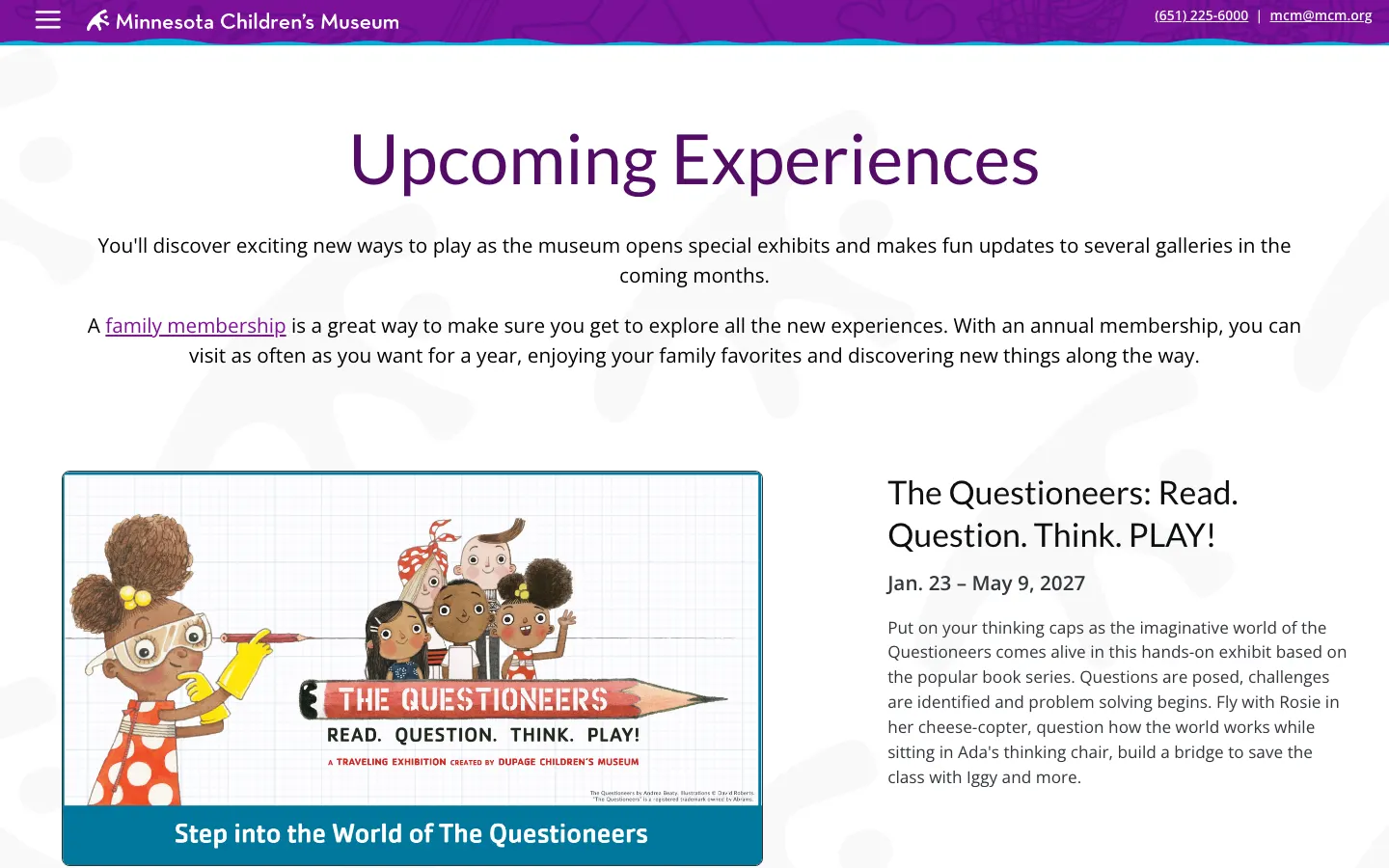
Minnesota Children’s Museum: The Questioneers
A hands-on exhibit based on the popular book series where children identify problems, test ideas, build a bridge, fly with Rosie, and explore how questions lead to discovery. It is listed under Early learning and Science for ages Young children and families.
Compare with context
Use this collection to find a direction, then open each resource page before sharing it with a child. The individual review shows languages, access formats, tags, age guidance, source links, and notes for grown-ups.
Search the full directory →