Science Math
for kids
Explore 20 trusted science math resources selected for curious kids, with clear ages, access details, and parent context.
Two useful ways to narrow the directory
This page brings together science resources that also match math. Each listing keeps its own age range, platform details, languages, links, and parent notes, so you can compare options without losing context.
Explore all science resources →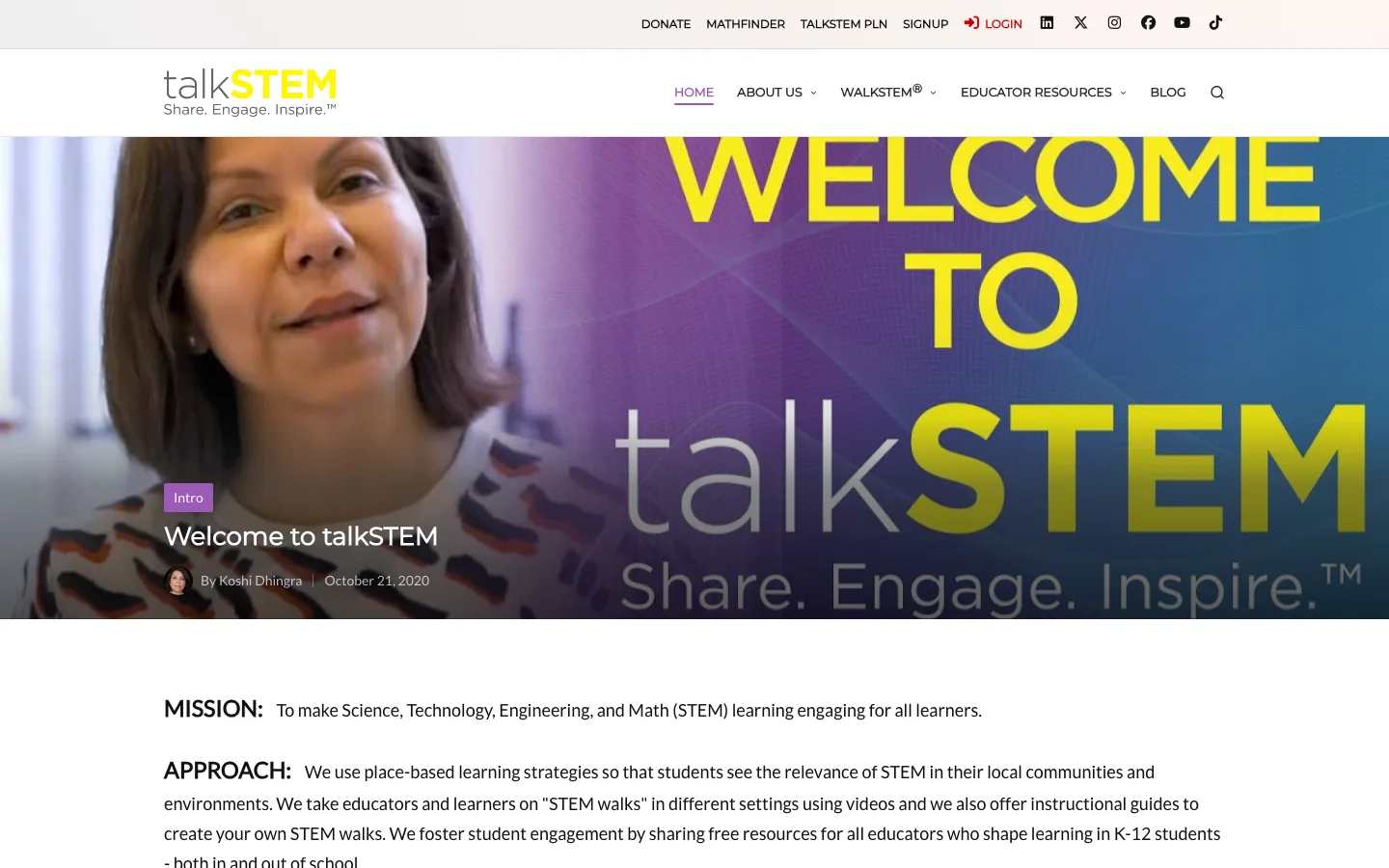
talkSTEM
A nonprofit STEM learning initiative using place-based STEM walks, videos, and educator guides to help children connect science and math to their communities. It is listed under Science and Math & logic for ages K–12 with educator support.
Read the full resource review →More science picks
The Math Learning Center
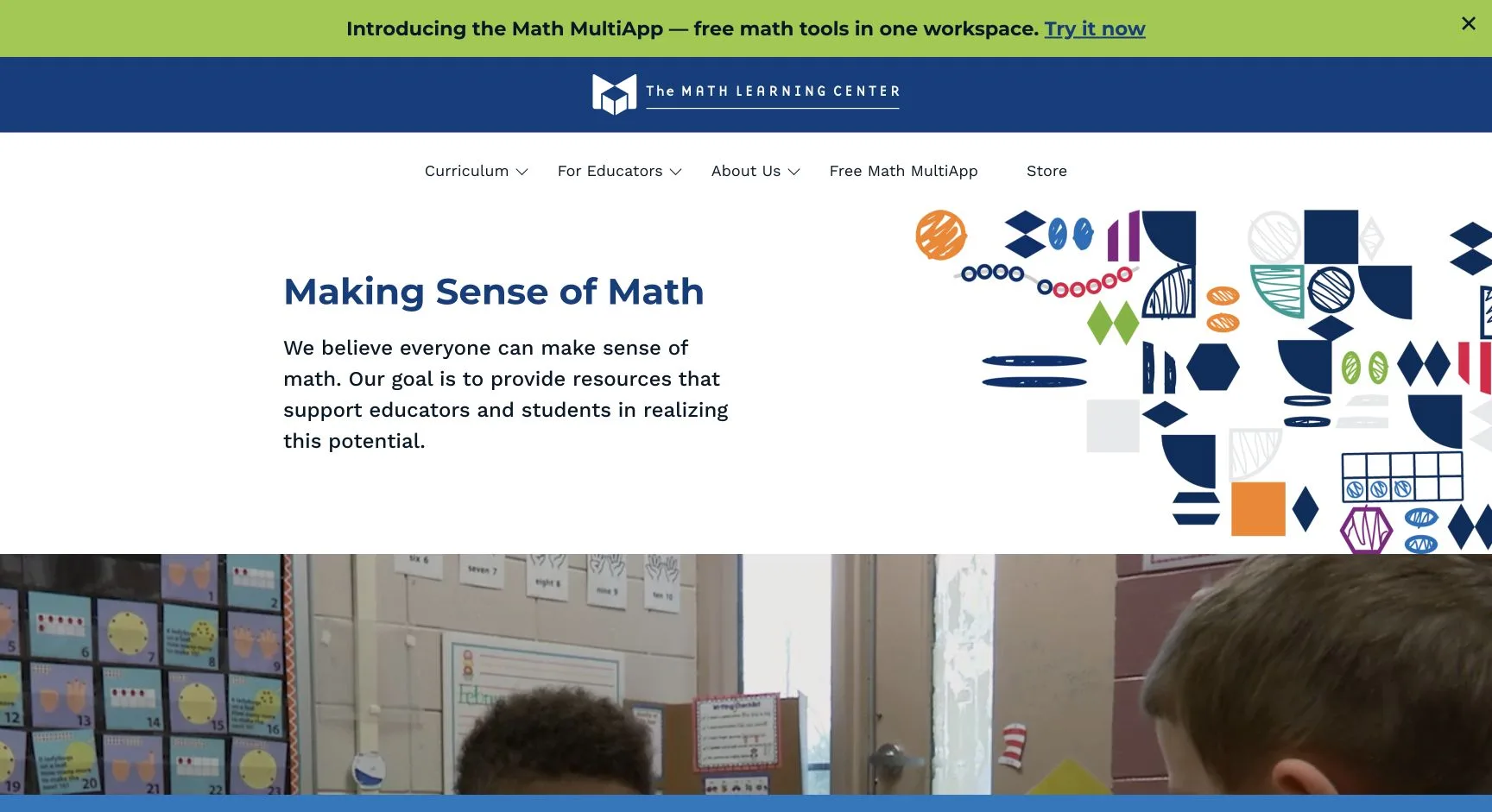
Free math apps, visual models, classroom activities, and educator resources that support conceptual understanding across elementary and middle-school mathematics. It is listed under Math, Parent & educator, and Science for ages 5–14. Children and families can use it through a website.
Numberphile
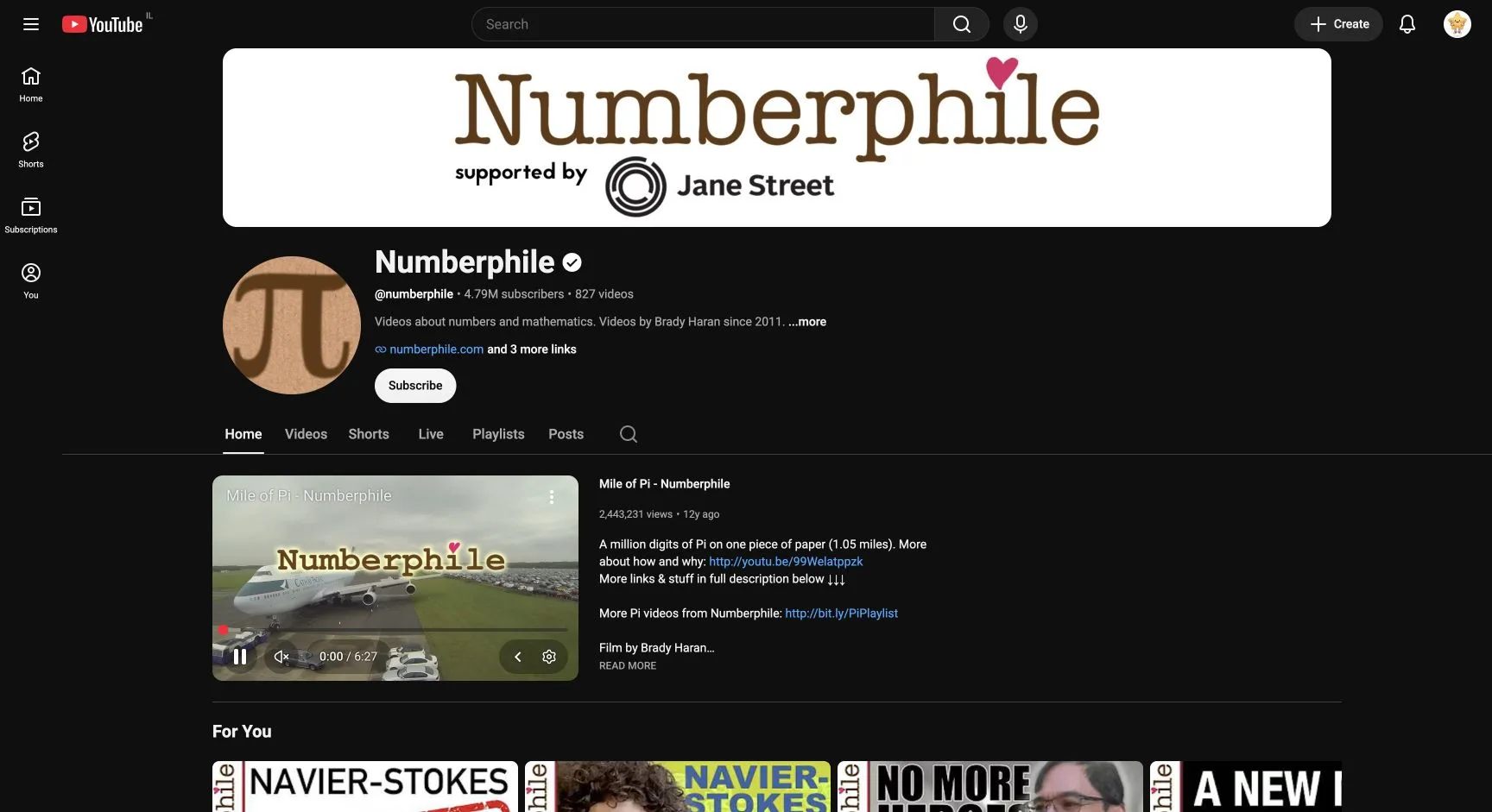
Numberphile uses mathematics videos to explore numbers, puzzles, patterns, proofs, and surprising ideas for learners ages 11–18. It is strongest as a spark for discussion or a question to investigate further, not as a complete sequence of maths lessons. The directory lists free English YouTube access; adults should choose videos that match the learner’s background knowledge.
e-learning for kids
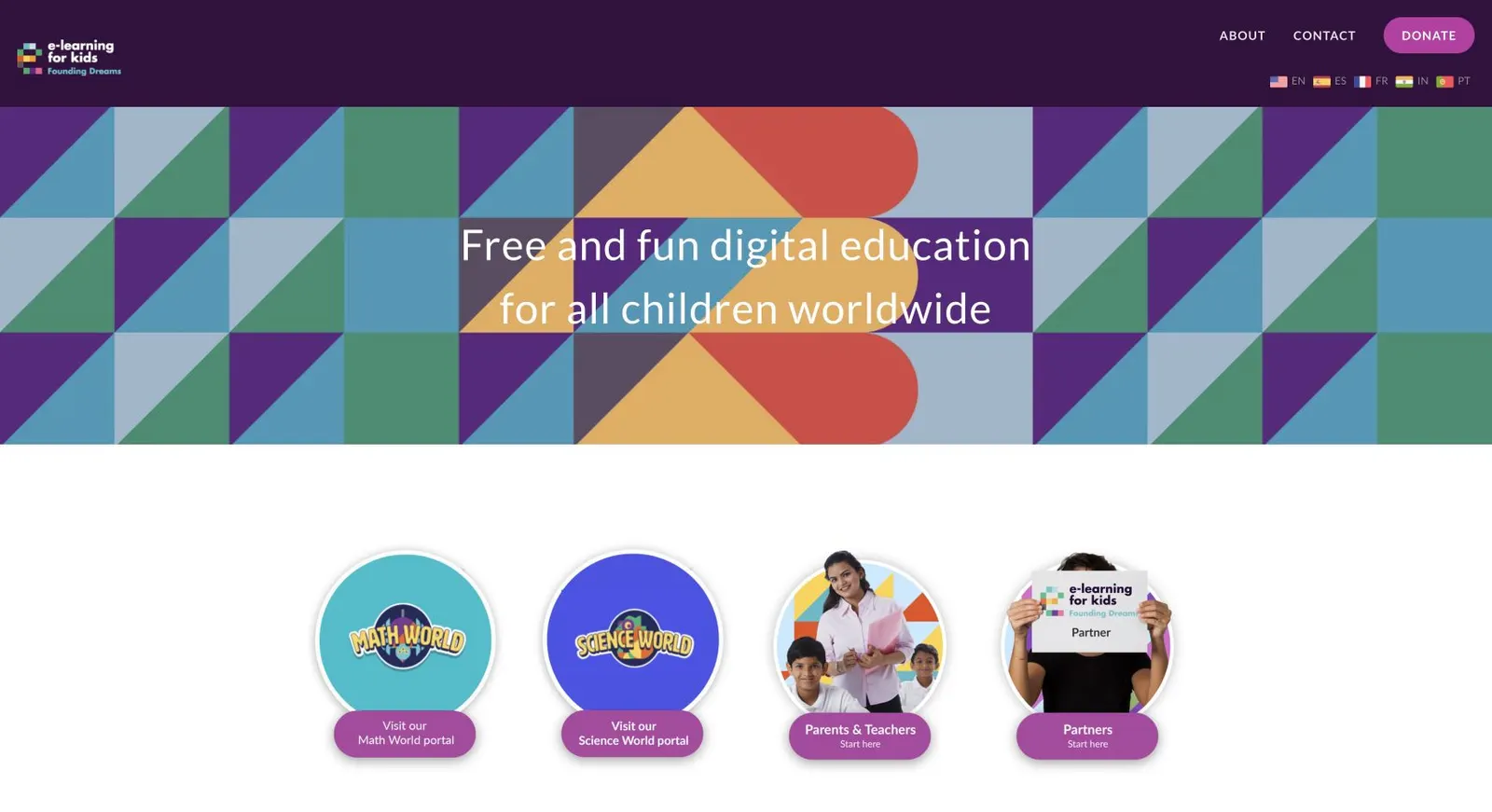
Free digital learning for children worldwide, with separate Math World and Science World portals plus support for parents and teachers. It is listed under Math and Science for ages 5–12. Children and families can use it through a website.
Math Is Fun
A reference and practice site explaining arithmetic, algebra, geometry, data, puzzles, and other mathematics with examples and interactive tools. It is listed under Math, Science, and Games for ages 7–18. Children and families can use it through a website.
Purdue Mathematics K–12 Outreach
Purdue University Mathematics K–12 Outreach promotes student interest in mathematics and science through hands-on activities, problem-solving learning environments and teacher collaboration. It is listed under Math and Science for ages K–12; program-specific. Children and families can use it through a website.
Cape Town Science Centre STEM Clubs Network
The Cape Town Science Centre STEM Clubs Network is a Western Cape programme supporting school STEM clubs across primary and high-school grades through a provincial partnership. It is listed under Science and Engineering & coding for ages Grades 4–11.
NSF Educational Resources: Mathematics
The U.S. National Science Foundation mathematics resource page connects families and educators with mathematics learning materials, projects, and educational opportunities across grade levels. It is listed under Maths & logic and Science for ages 7–18.
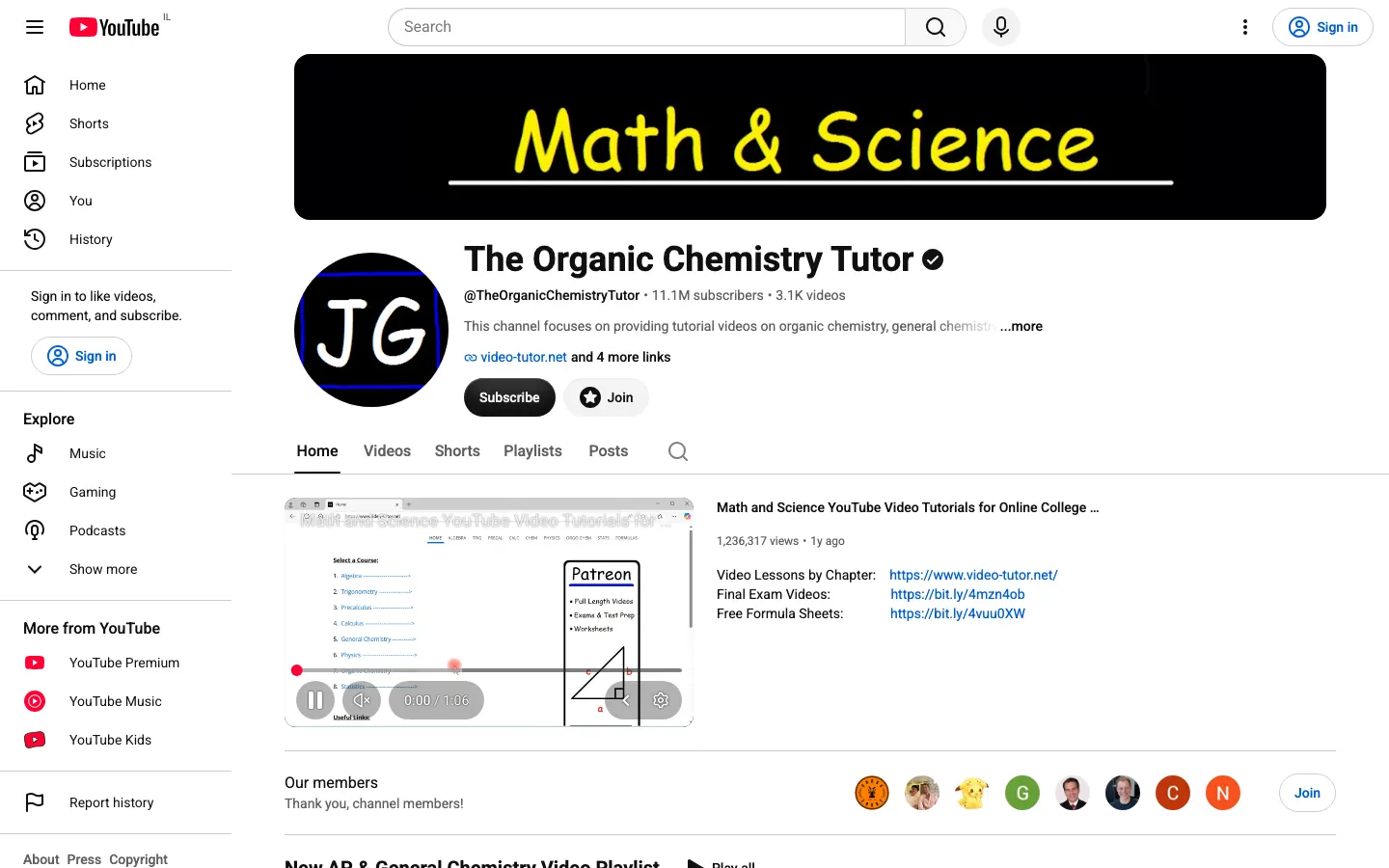
The Organic Chemistry Tutor
A large lesson library covering chemistry, physics, algebra, trigonometry, calculus, and other high-school and introductory college topics. It is listed under Science and Math for ages 14–18. Children and families can use it through a YouTube channel.
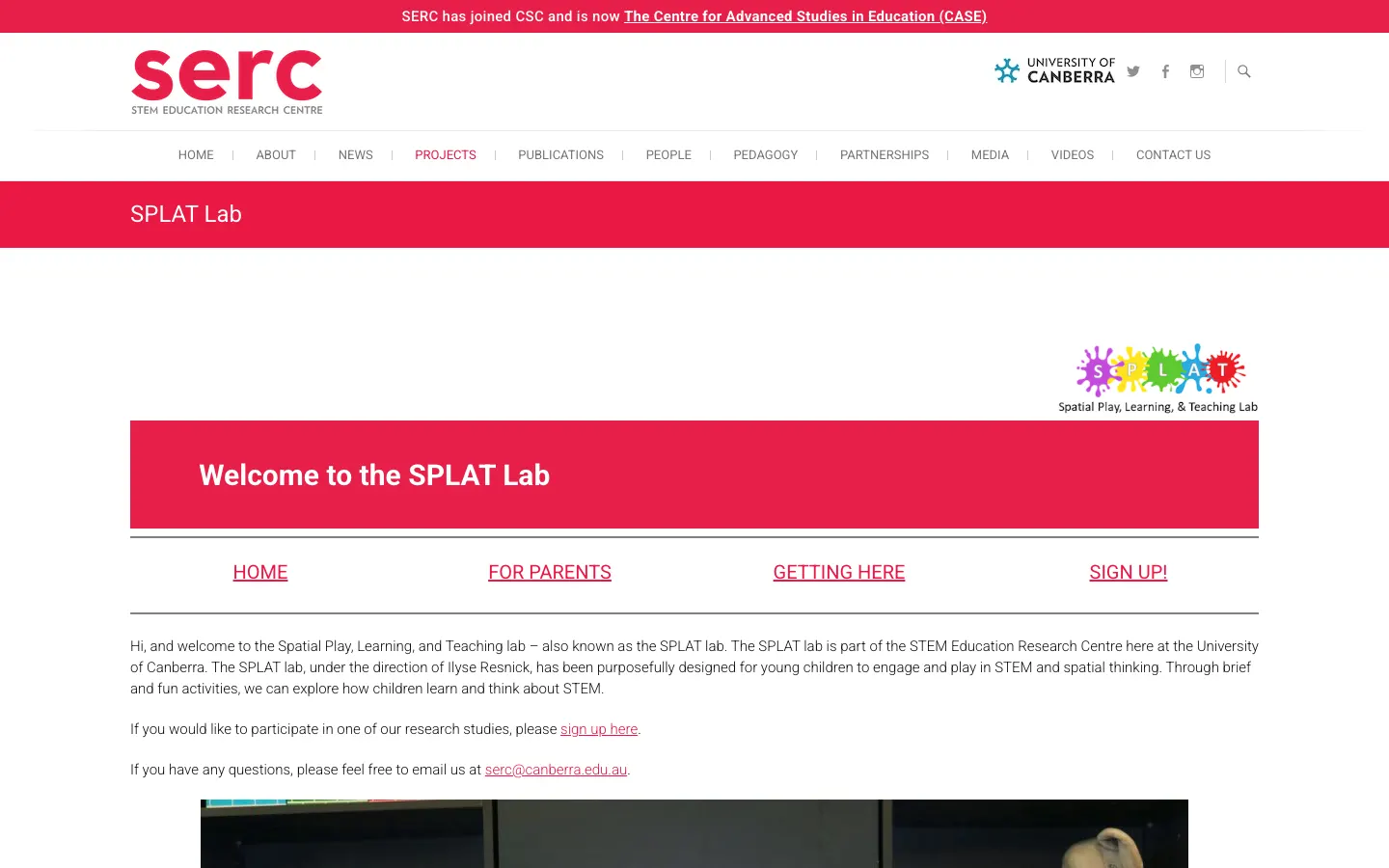
SPLAT Lab
SPLAT Lab at the University of Canberra explores how young children learn STEM and spatial thinking through short playful activities and research studies. It is listed under Science and Mathematics for ages Young children.
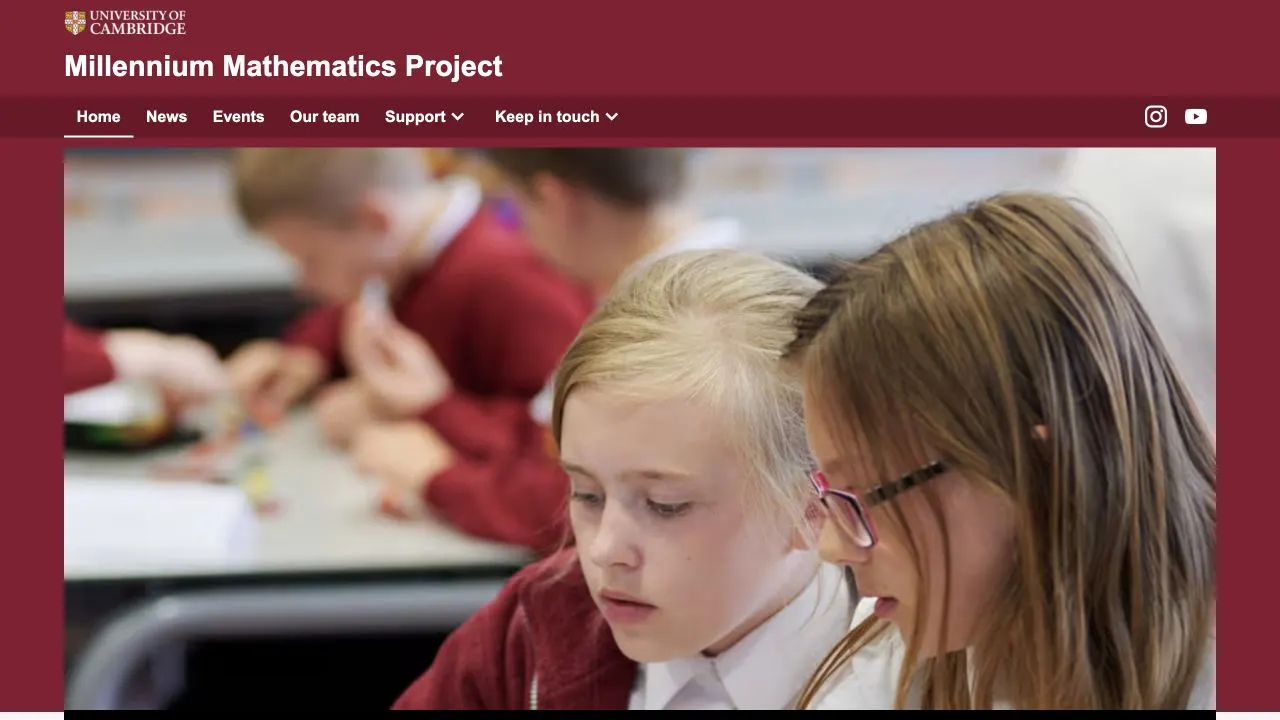
Millennium Mathematics Project
The University of Cambridge mathematics outreach initiative connects ages 3–19 and the public with NRICH problem-solving resources, Plus maths magazine, events, and STEP support. It is listed under Math and Science for ages Ages 3–19 and general public; programme-specific.
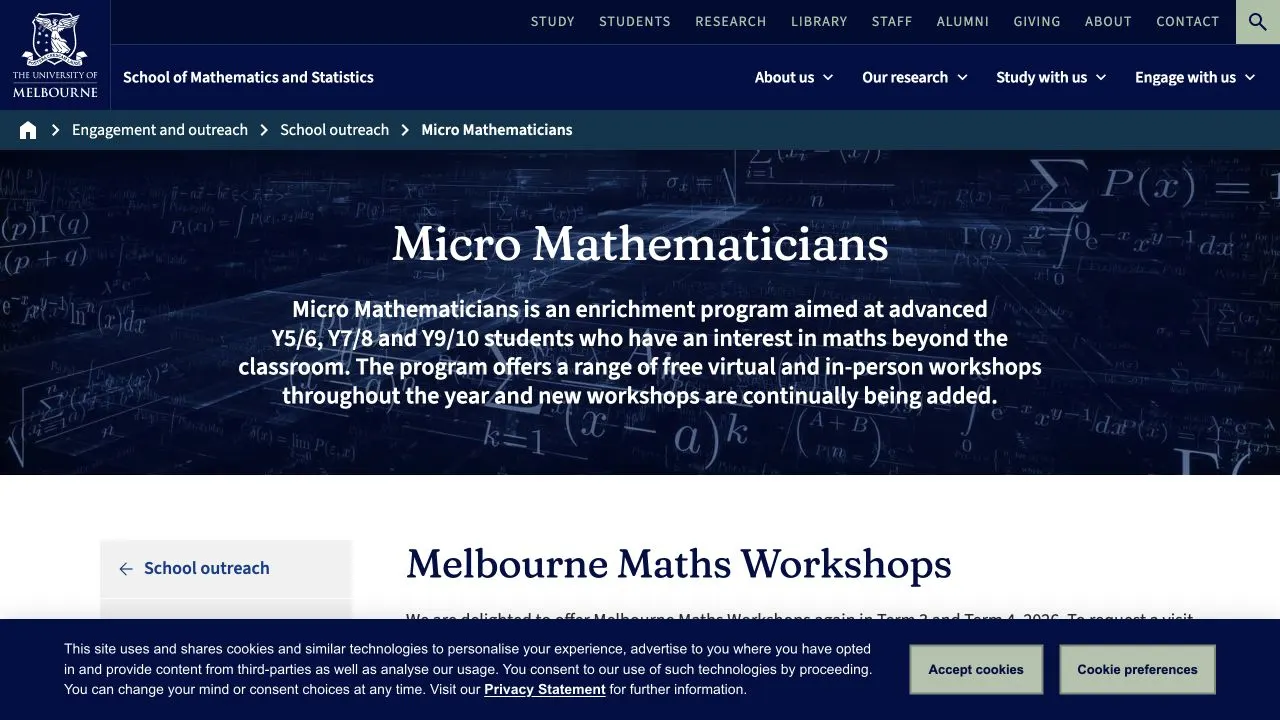
Micro Mathematicians
Micro Mathematicians is a University of Melbourne enrichment programme for students who want to explore mathematics beyond the classroom through free virtual and in-person workshops. It is listed under Math and Education for ages Advanced Years 5–6, Years 7–8 and Years 9–10; workshop-specific.
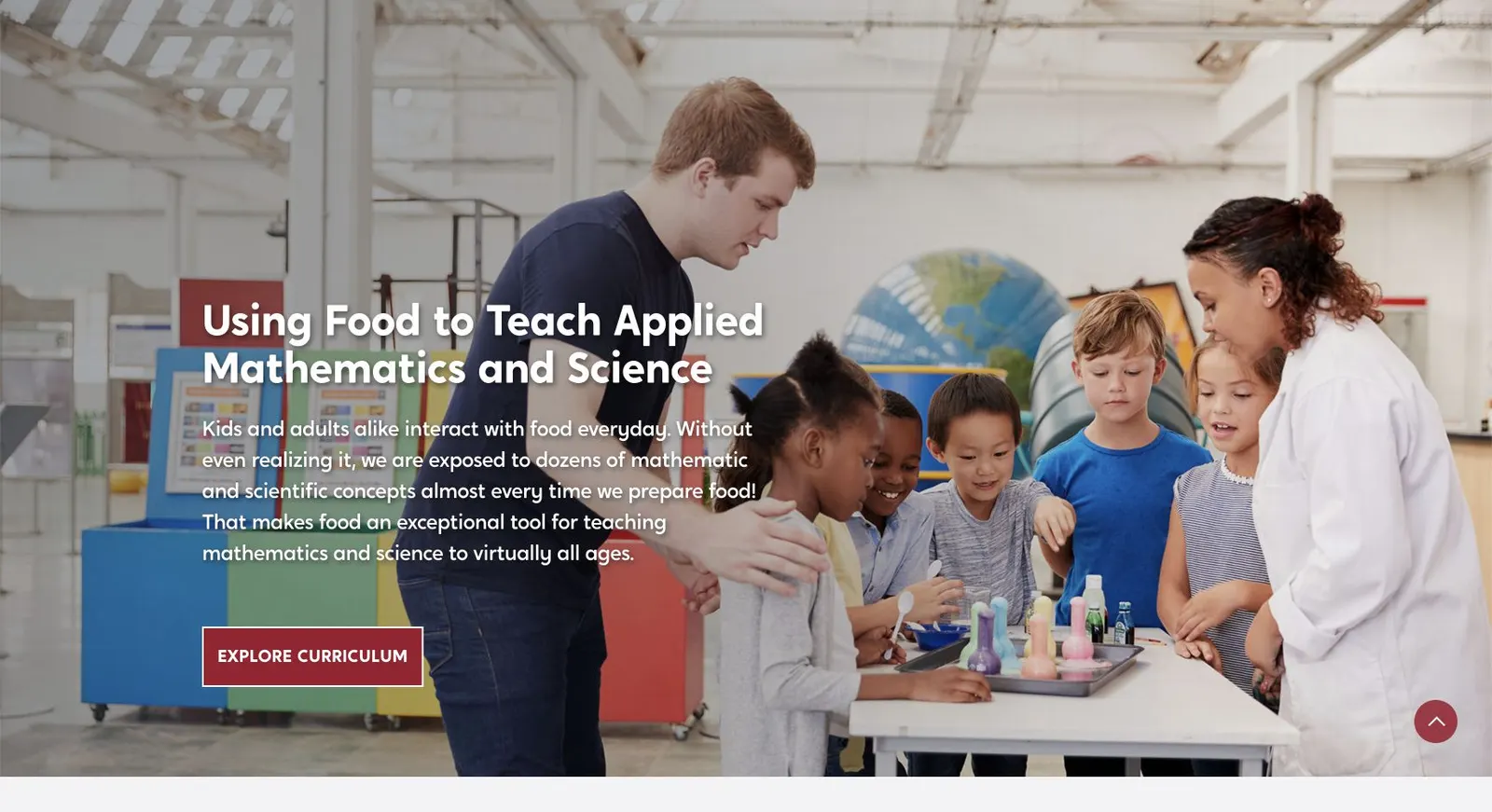
FoodMASTER
A free, teacher-friendly curriculum using everyday food to teach applied mathematics, biology, chemistry, nutrition, measurement, geometry, and problem solving. It is listed under Science, Math, and Physical health for ages 8–18. Children and families can use it through a website.
Compare with context
Use this collection to find a direction, then open each resource page before sharing it with a child. The individual review shows languages, access formats, tags, age guidance, source links, and notes for grown-ups.
Search the full directory →