Science Hands-on
for kids
Explore 20 trusted science hands-on resources selected for curious kids, with clear ages, access details, and parent context.
Two useful ways to narrow the directory
This page brings together science resources that also match hands-on. Each listing keeps its own age range, platform details, languages, links, and parent notes, so you can compare options without losing context.
Explore all science resources →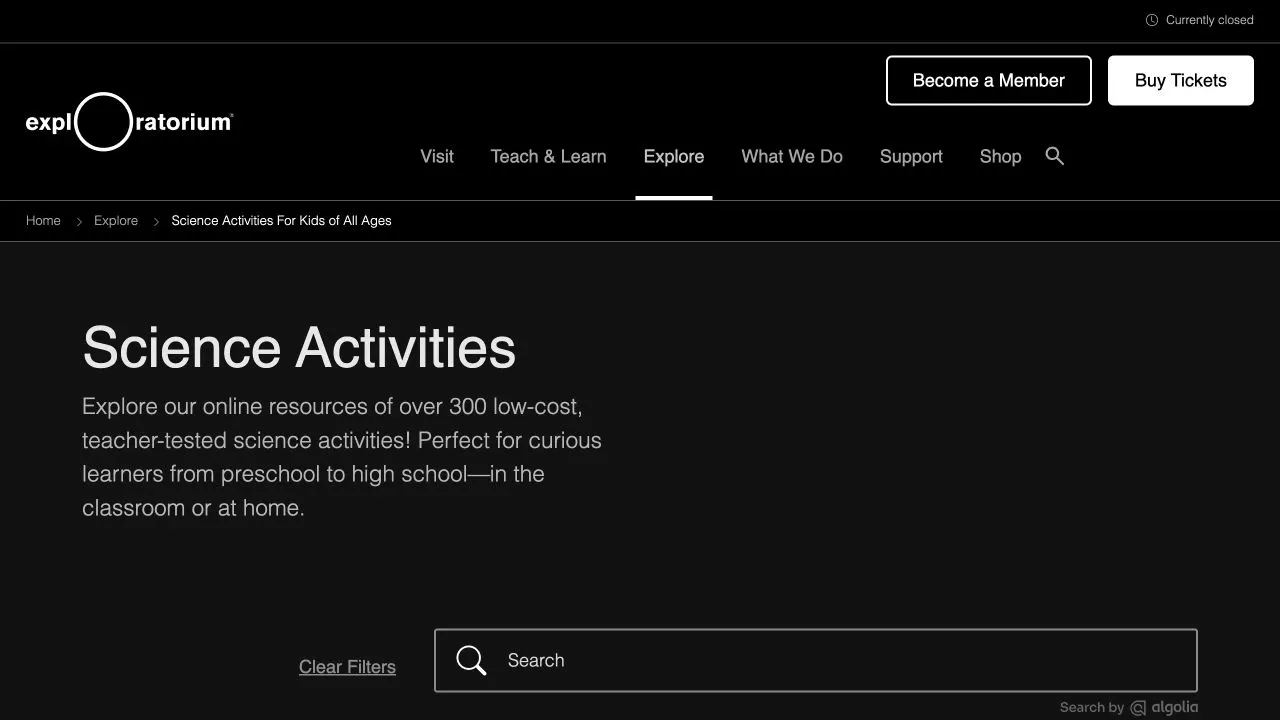
Exploratorium Science Activities
The Exploratorium offers more than 300 teacher-tested science activities for children from preschool through high school, with practical ways to investigate science at home or in educational settings. It is listed under Science and STEM for ages Ages 4–18; activity-specific.
Read the full resource review →More science picks
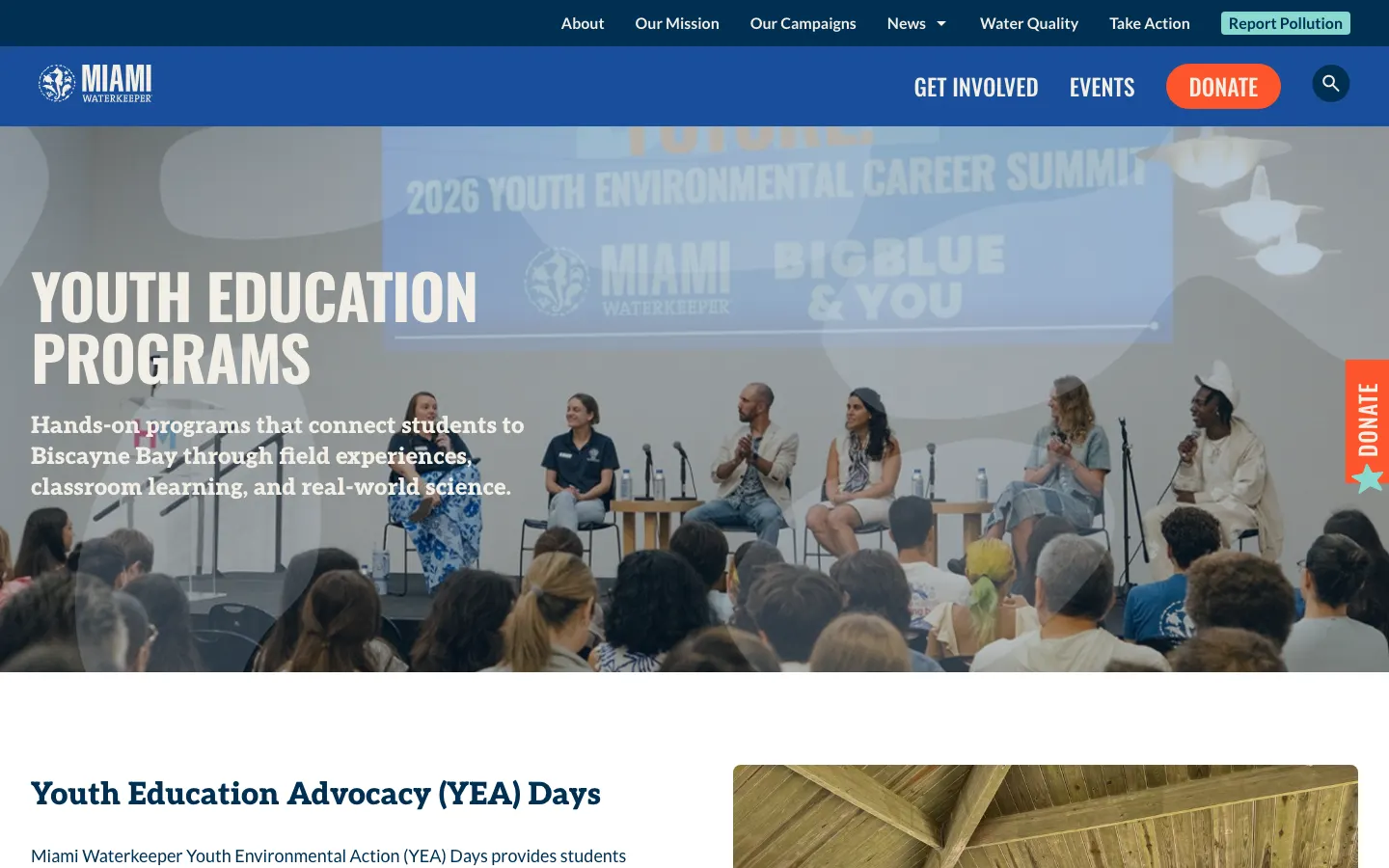
Miami Waterkeeper Youth Education
Hands-on marine and environmental science programs connecting students with Biscayne Bay through field experiences, water testing, and community science. It is listed under Climate and Science for ages 10–18. Children and families can use it through a website.
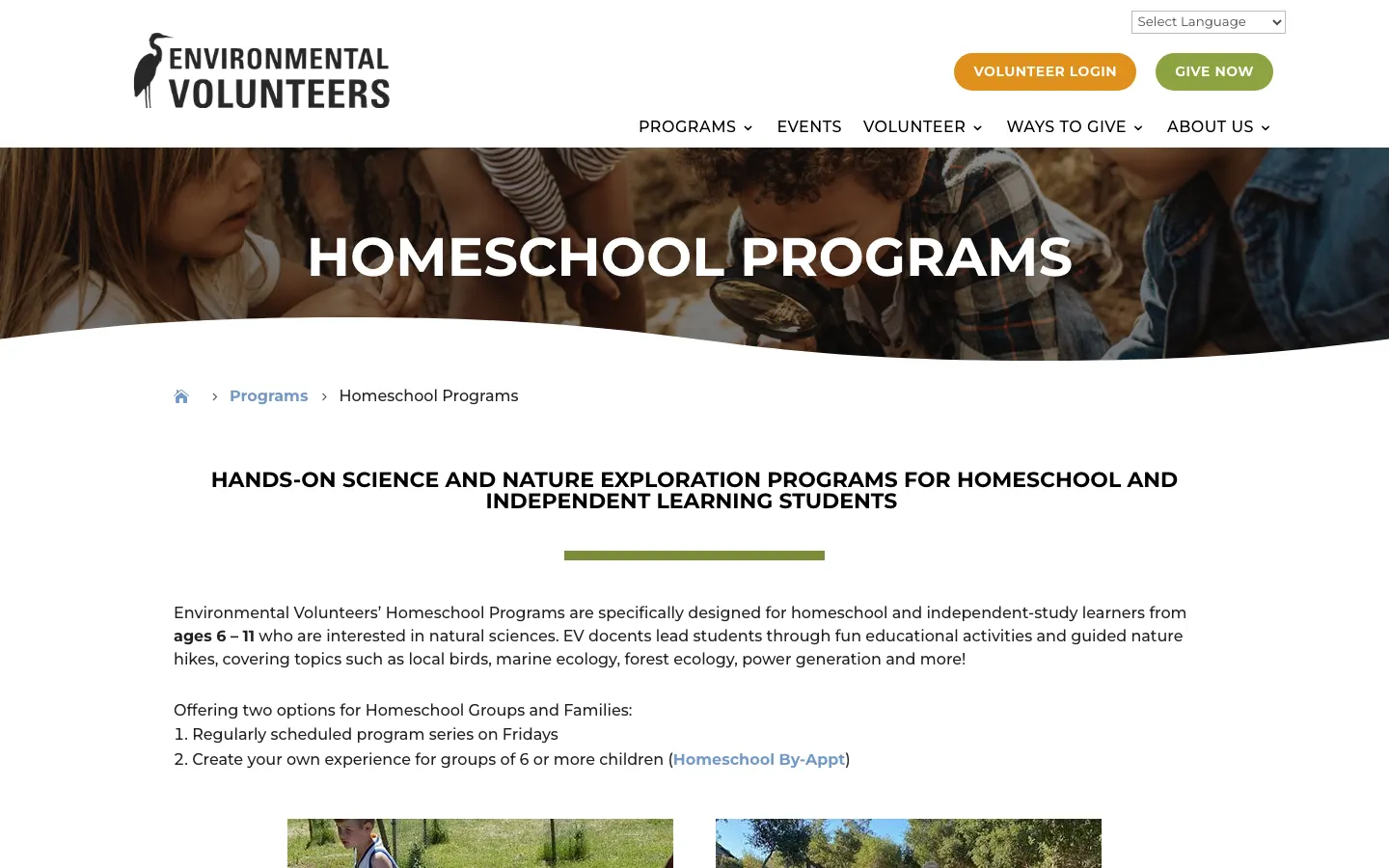
Environmental Volunteers Homeschool Programs
Hands-on science and nature exploration programs for homeschool and independent-learning students. It is listed under Nature and Science for ages 6–14. Children and families can use it through a website. The directory records access as program fees and group arrangements vary and language coverage as English.
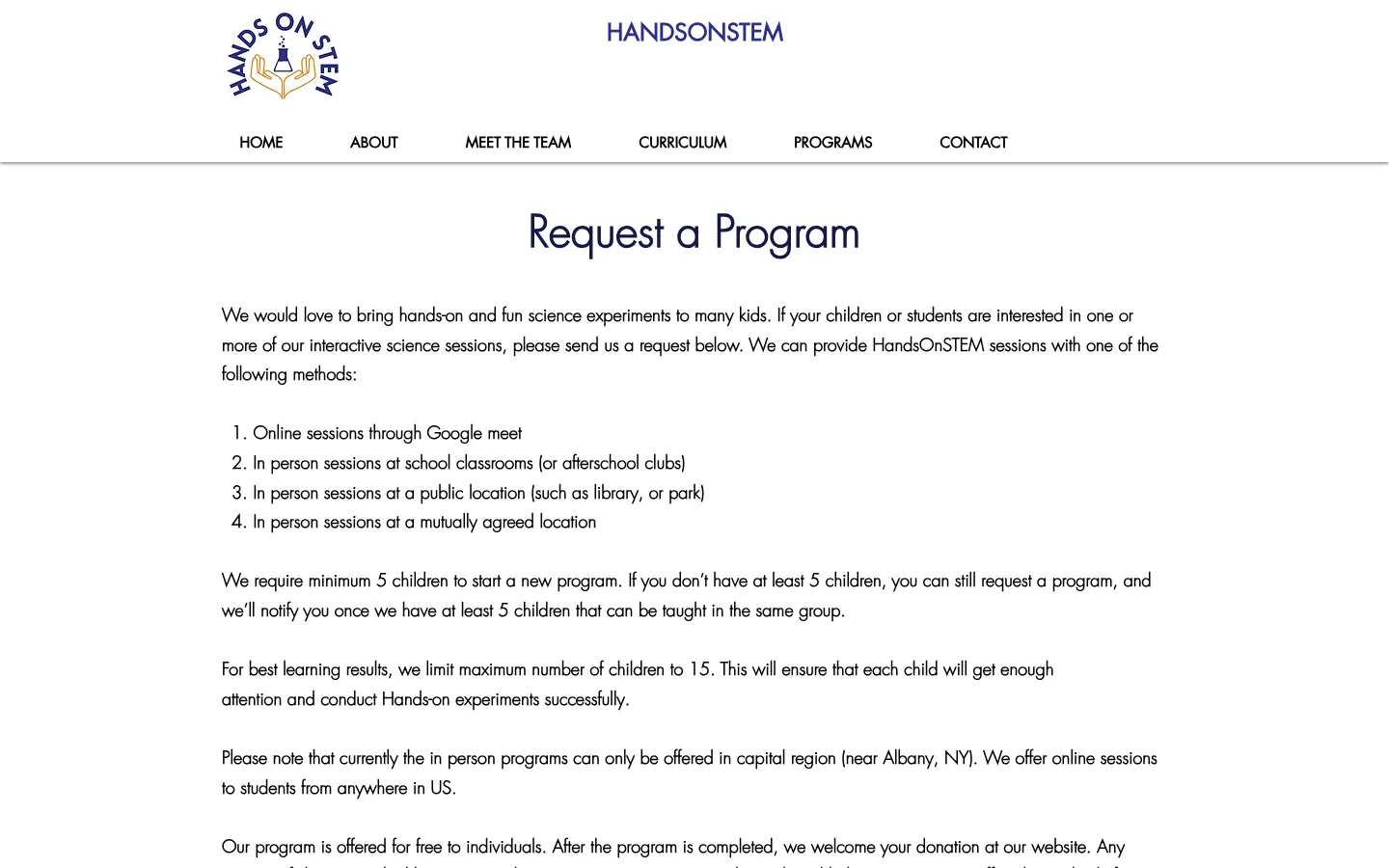
Hands-on-STEM
A hands-on science education program offering interactive experiments through online sessions, schools, after-school clubs, libraries, and parks. It is listed under Science and Maker & DIY for ages 6–14. Children and families can use it through a website.
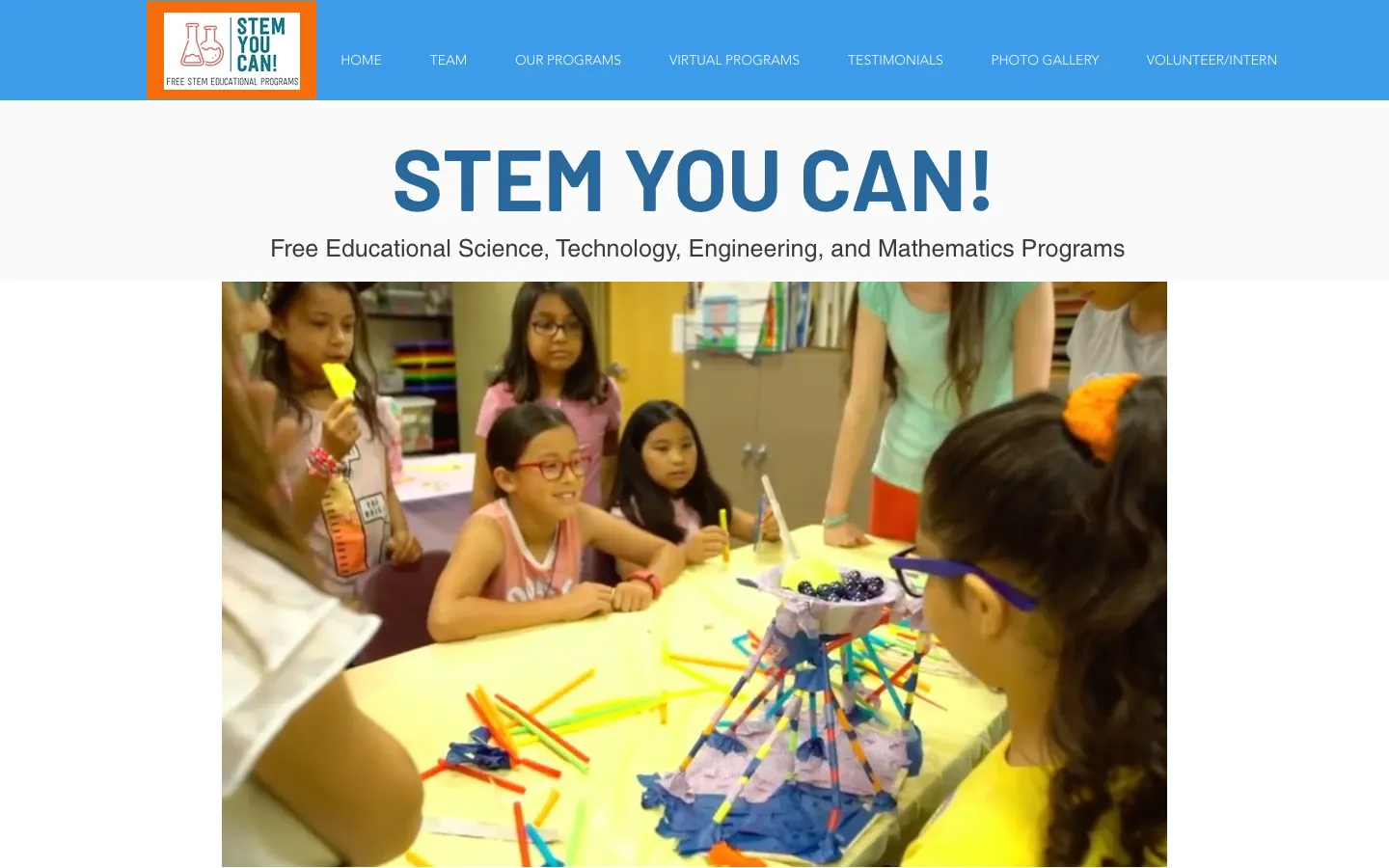
STEM You Can!
A youth-led nonprofit offering free hands-on STEM camps and programs for elementary and middle-school children. It is listed under Science and Maker & DIY for ages 6–14. Children and families can use it through a website.
British Science Week 2027 Resource Packs
British Science Week’s free resource packs provide hands-on science and STEM activities for children from under 5s to around age 14; the 2027 taster pack is available now. It is listed under Science and Parent & educator for ages Under 5–14.
Science to Grow On™
Science to Grow On™ is an Explora semester program for children in grades K–3, using age-appropriate science, art, and hands-on investigations in an every-other-week learning format. It is listed under Science and Courses & classes for ages Grades K–3.
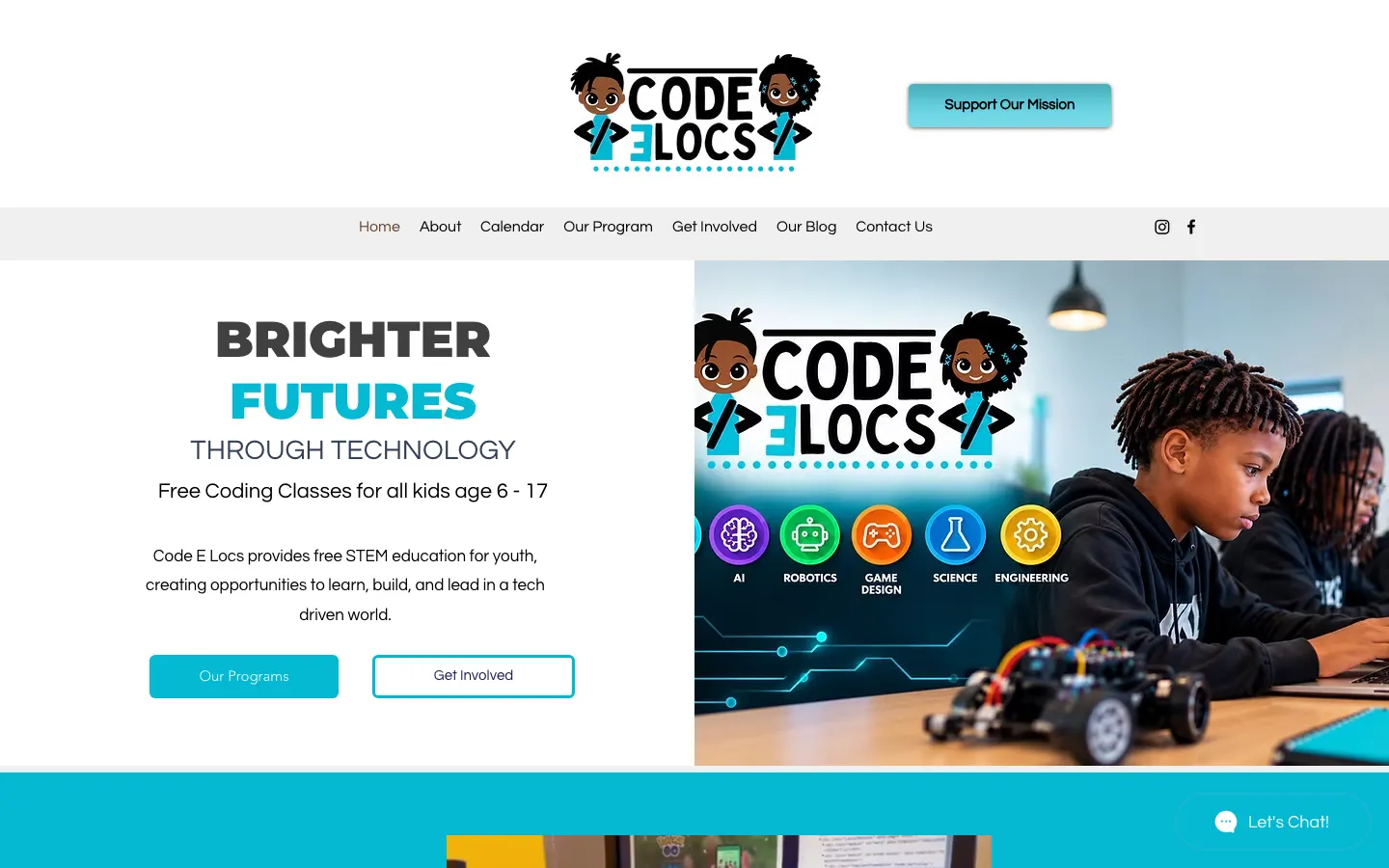
Code E Locs
A Las Vegas youth nonprofit offering free coding and STEM education for children ages 6–17. It is listed under Coding and Science for ages 6–17. Children and families can use it through a website.
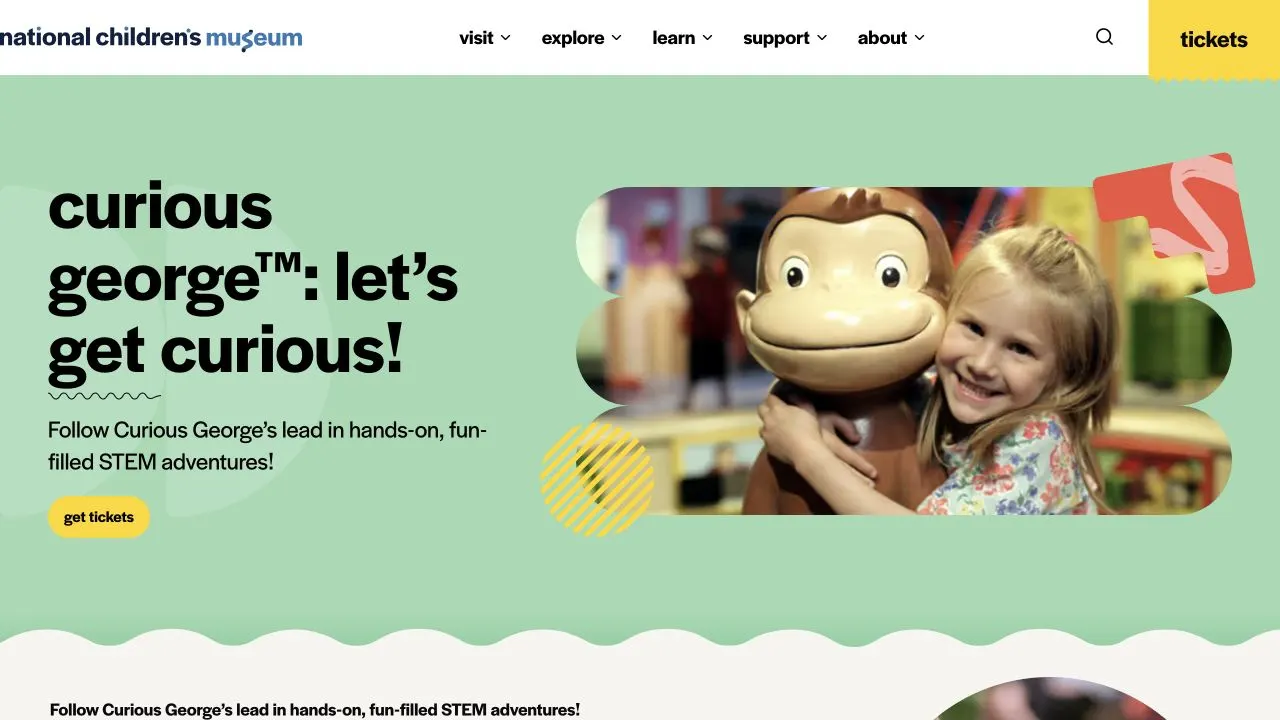
Curious George: Let’s Get Curious
National Children’s Museum’s Curious George exhibit invites young children to explore science, engineering and problem-solving through playful, hands-on museum experiences. It is listed under Science and Arts for ages Ages 2–8. Children and families can use it through a website.
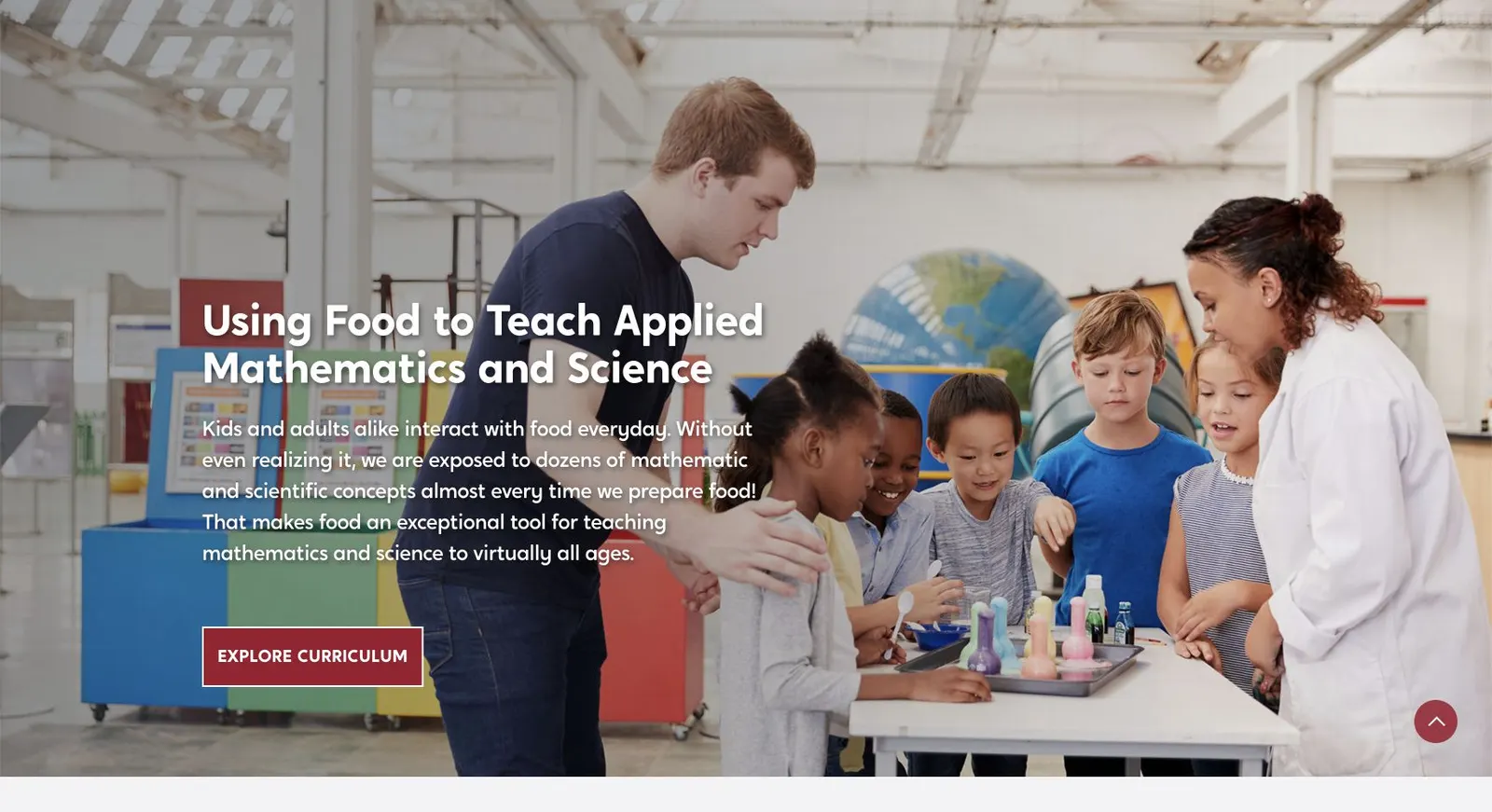
FoodMASTER
A free, teacher-friendly curriculum using everyday food to teach applied mathematics, biology, chemistry, nutrition, measurement, geometry, and problem solving. It is listed under Science, Math, and Physical health for ages 8–18. Children and families can use it through a website.
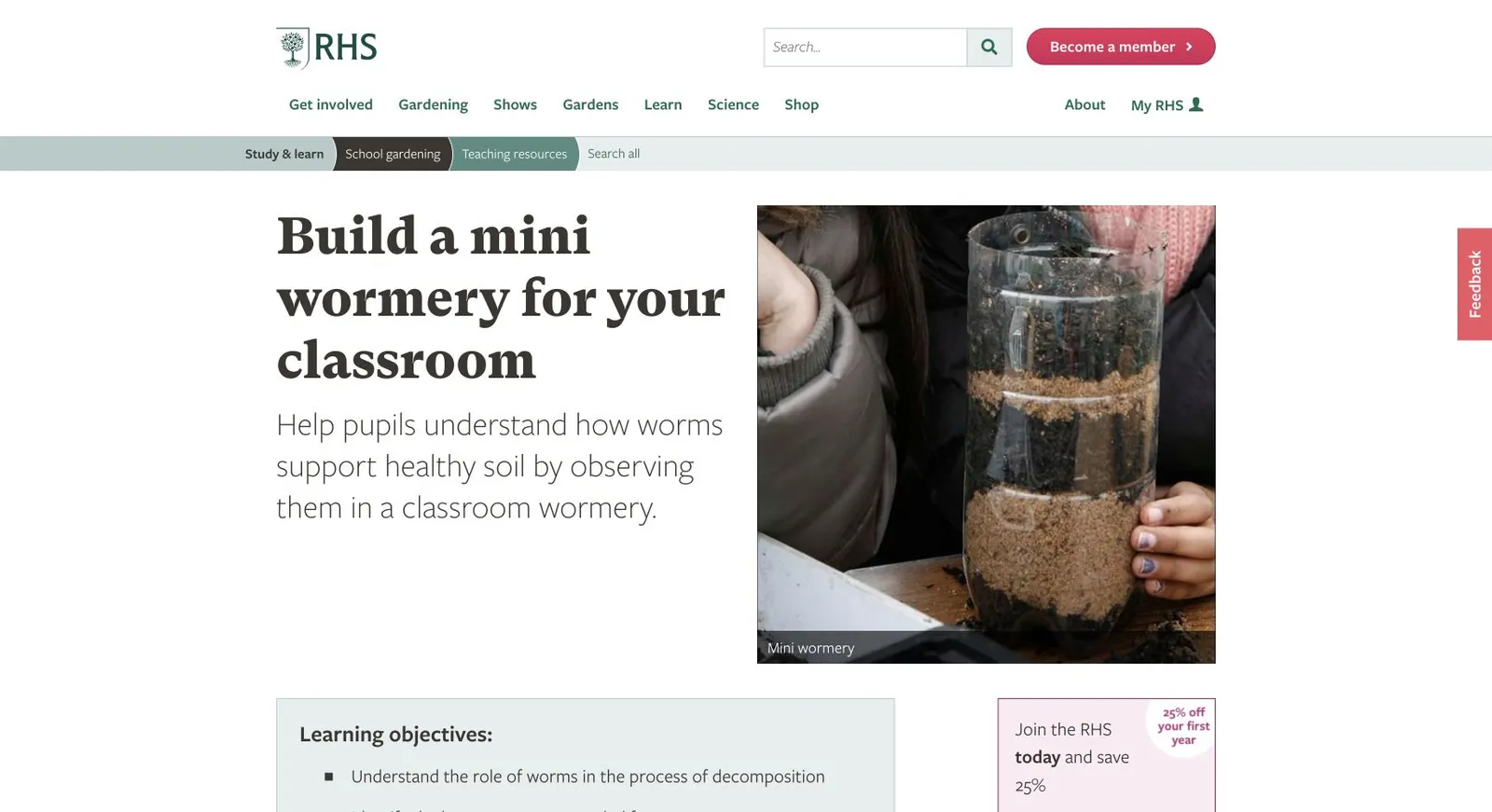
RHS Build a Mini Wormery
RHS Build a Mini Wormery is a free classroom activity with learning objectives, equipment, and step-by-step instructions for observing decomposition, soil life, composting, and sustainability. It is listed under Science and Nature & environment for ages 7–11.
Science Bob
Hands-on science experiments, demonstrations, science-fair ideas, and explanations designed to make discovery approachable for children and families. It is listed under Science, Maker & DIY, and Parent & educator for ages 7–14. Children and families can use it through a website.
Science Museum Group Shape Detectives
Shape Detectives is a Science Museum Group hands-on maths activity for KS1 children that uses cut-out shape finders to explore geometry, patterns and the shapes found in everyday objects. It is listed under Maths & logic and Science for ages 5–7.
Compare with context
Use this collection to find a direction, then open each resource page before sharing it with a child. The individual review shows languages, access formats, tags, age guidance, source links, and notes for grown-ups.
Search the full directory →