Science Games
for kids
Explore 20 trusted science games resources selected for curious kids, with clear ages, access details, and parent context.
Two useful ways to narrow the directory
This page brings together science resources that also match games. Each listing keeps its own age range, platform details, languages, links, and parent notes, so you can compare options without losing context.
Explore all science resources →
Museums for Digital Learning
A shared digital platform where museums contribute free K–12 educational resource kits, interactive narratives, timelines, slide shows, and games linked to museum collections. It is listed under History & culture and Science for ages 5–18.
Read the full resource review →More science picks
KreerIQ Kids
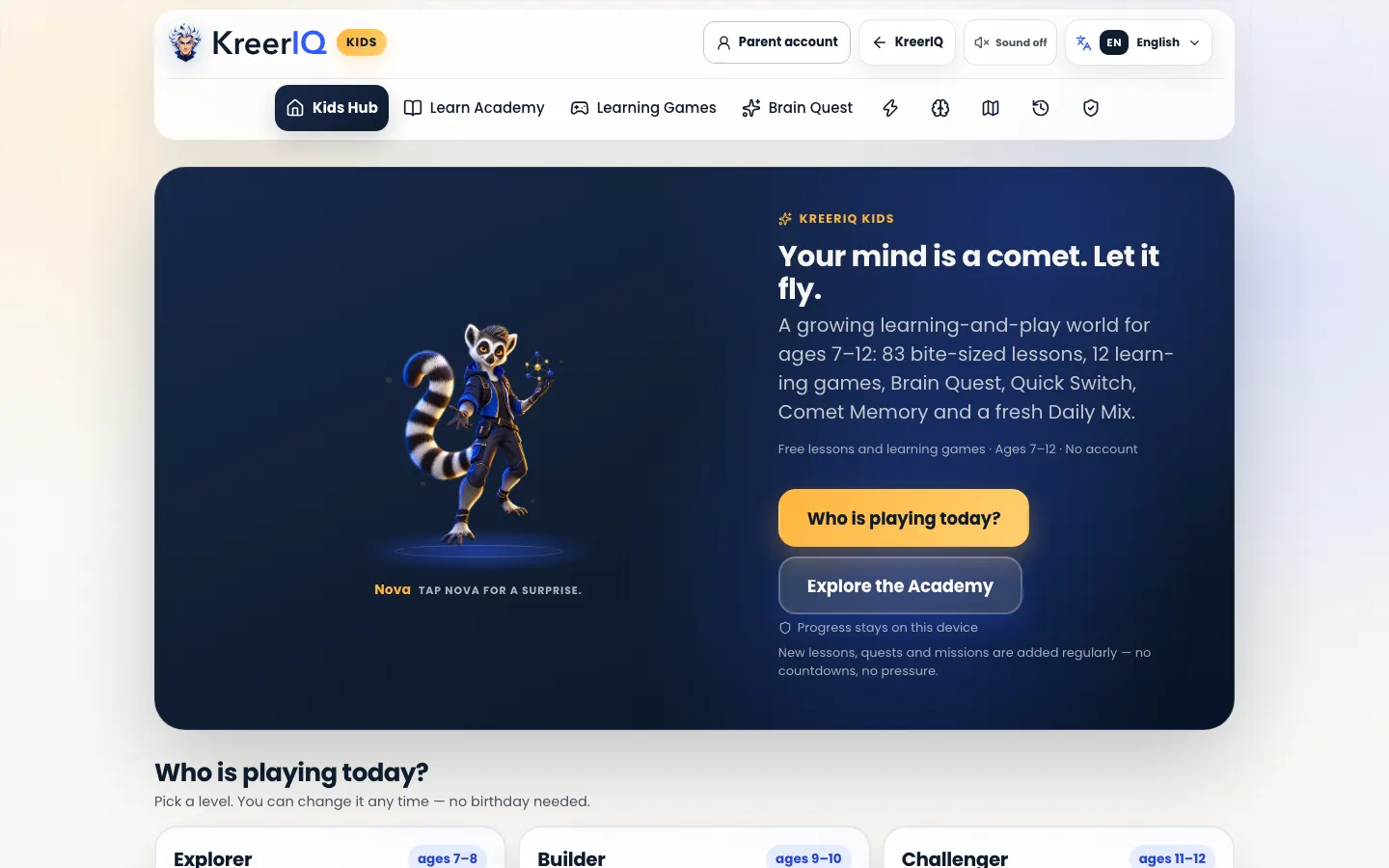
A child-facing learning platform with exploratory games, quests, and age-banded activities designed to encourage curiosity and independent learning. It is listed under Games and Science for ages 4–12. Children and families can use it through a website.
Wave Combinator
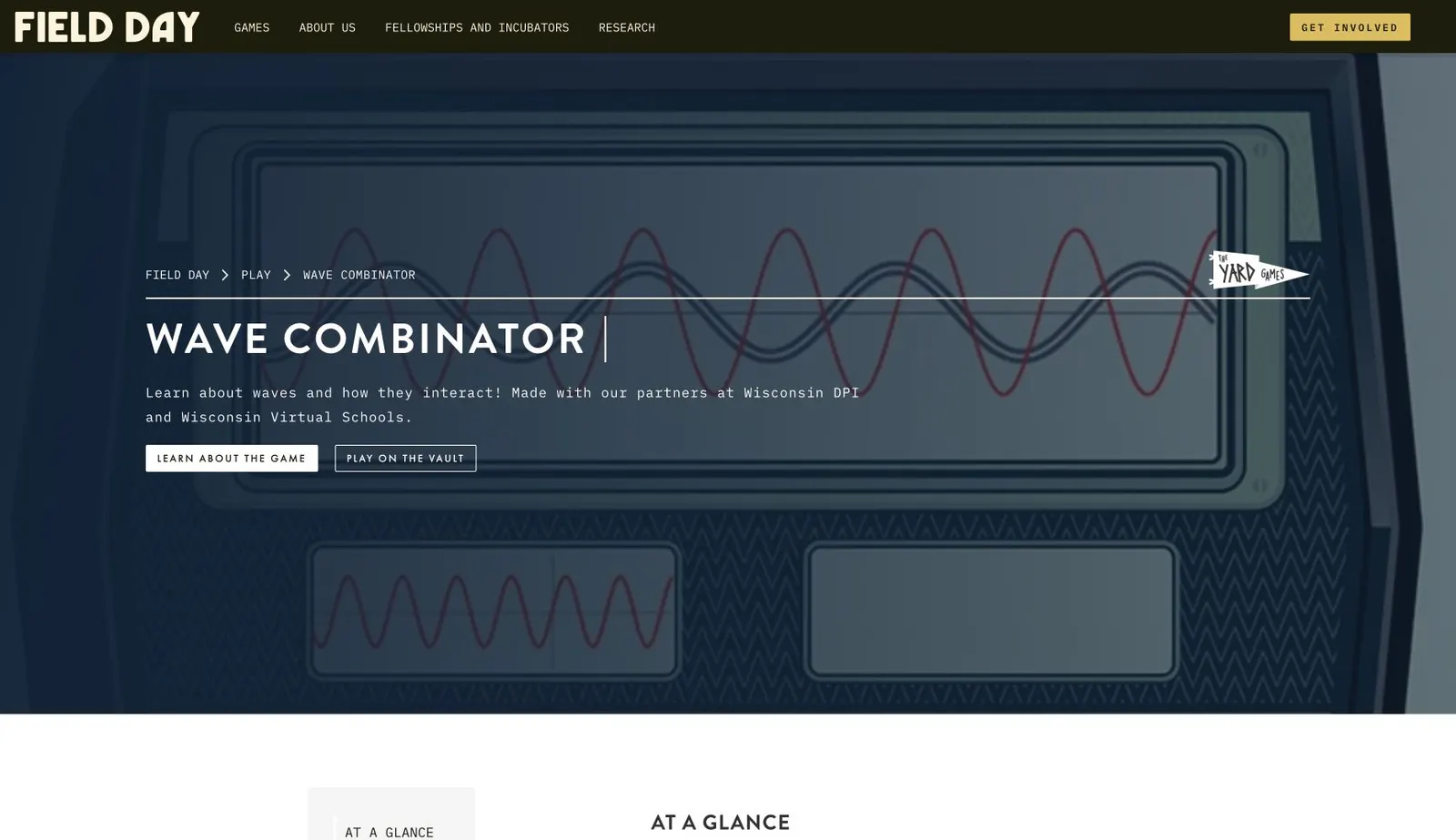
A free Field Day Lab science game where learners adjust wavelength, amplitude, and offset to investigate how sound waves interact. It is listed under Science and Physics for ages 10–14. Children and families can use it through a website.
Bird Academy
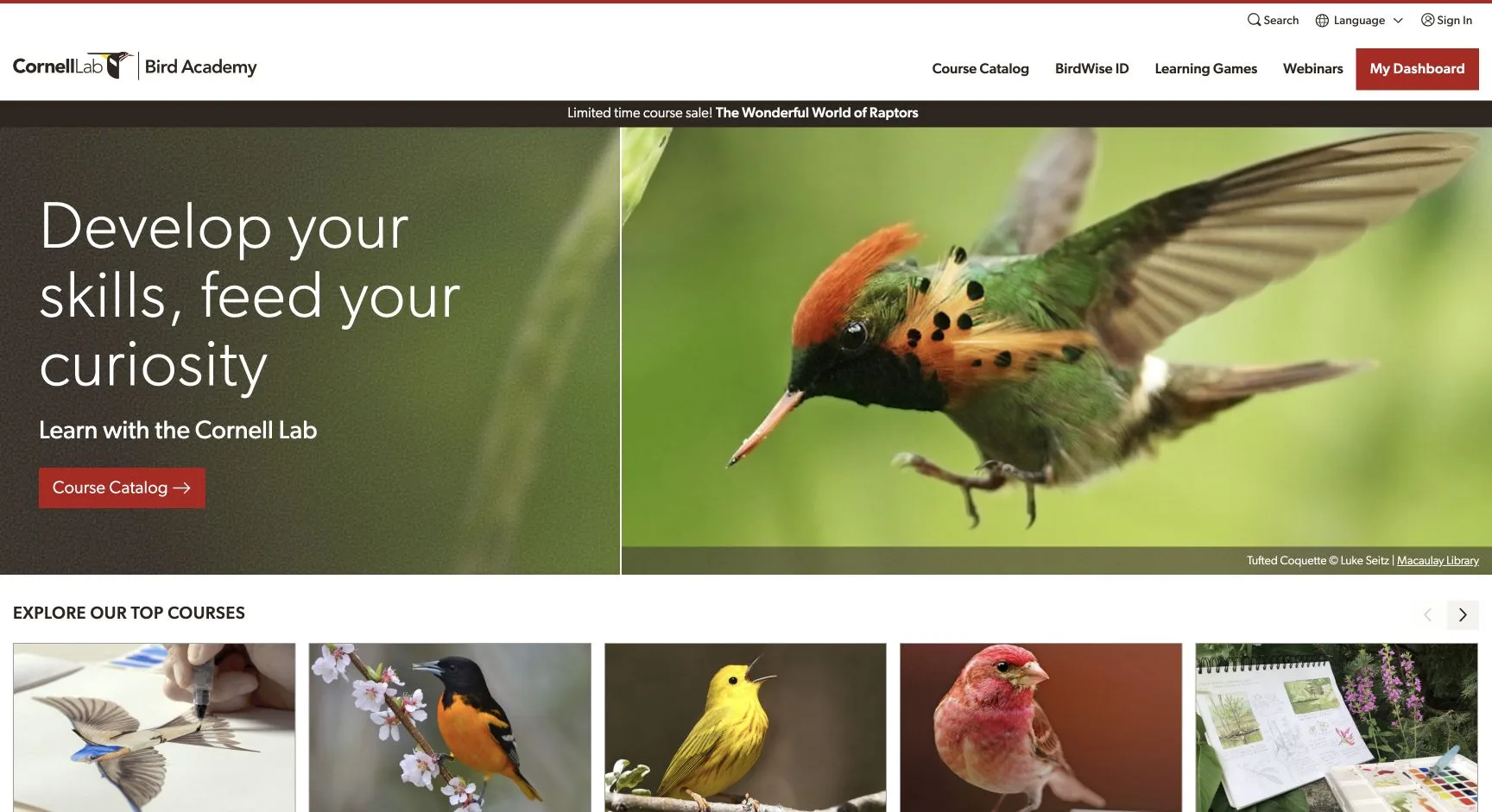
Cornell Lab bird courses, sound identification, games, and field-learning resources for curious young naturalists and families. It is listed under Nature & environment, Science, and Games for ages 7-18. Children and families can use it through a website.
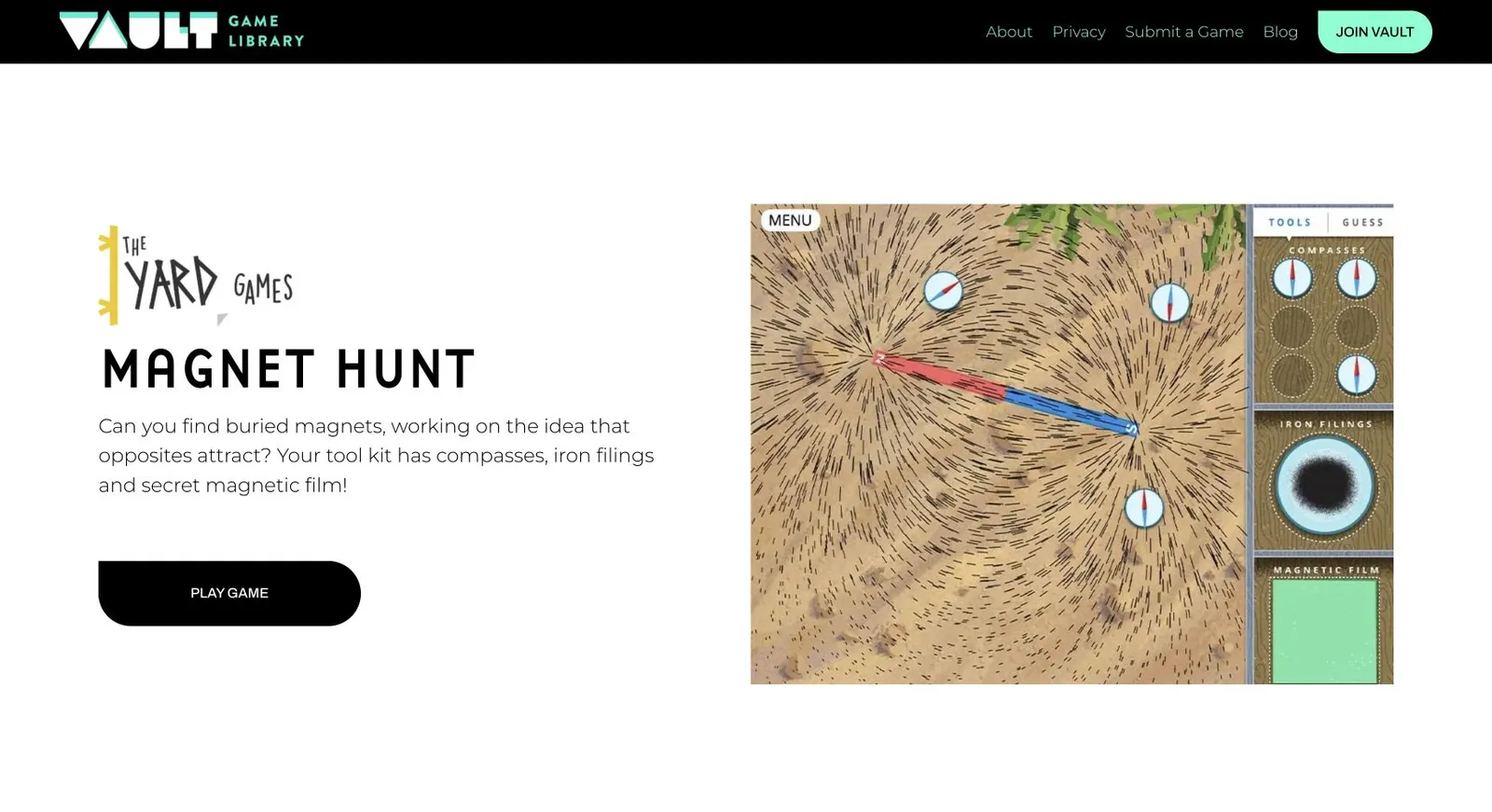
Magnet Hunt
Magnet Hunt is a free middle-school science game from Vault and Field Day Lab where players use magnetic fields, compasses, iron filings, and magnetic film to find hidden magnets. It is listed under Science and Games for ages 11–14.
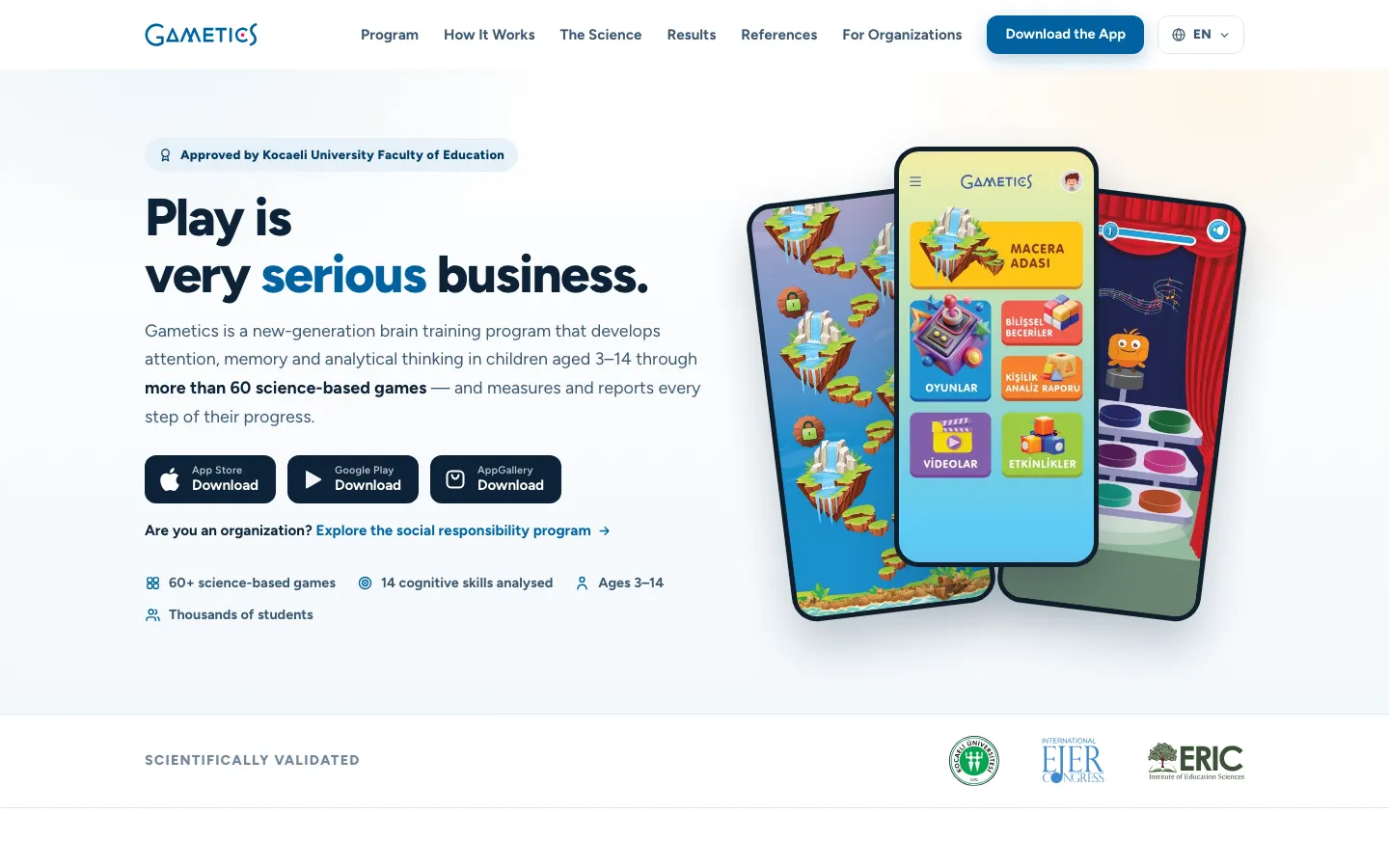
Gametics
A science-based cognitive game program for children ages 3–14 with games targeting attention, memory, analysis, synthesis, interpretation, and strategic thinking. It is listed under Games and Science for ages 3–14. Children and families can use it through a website.
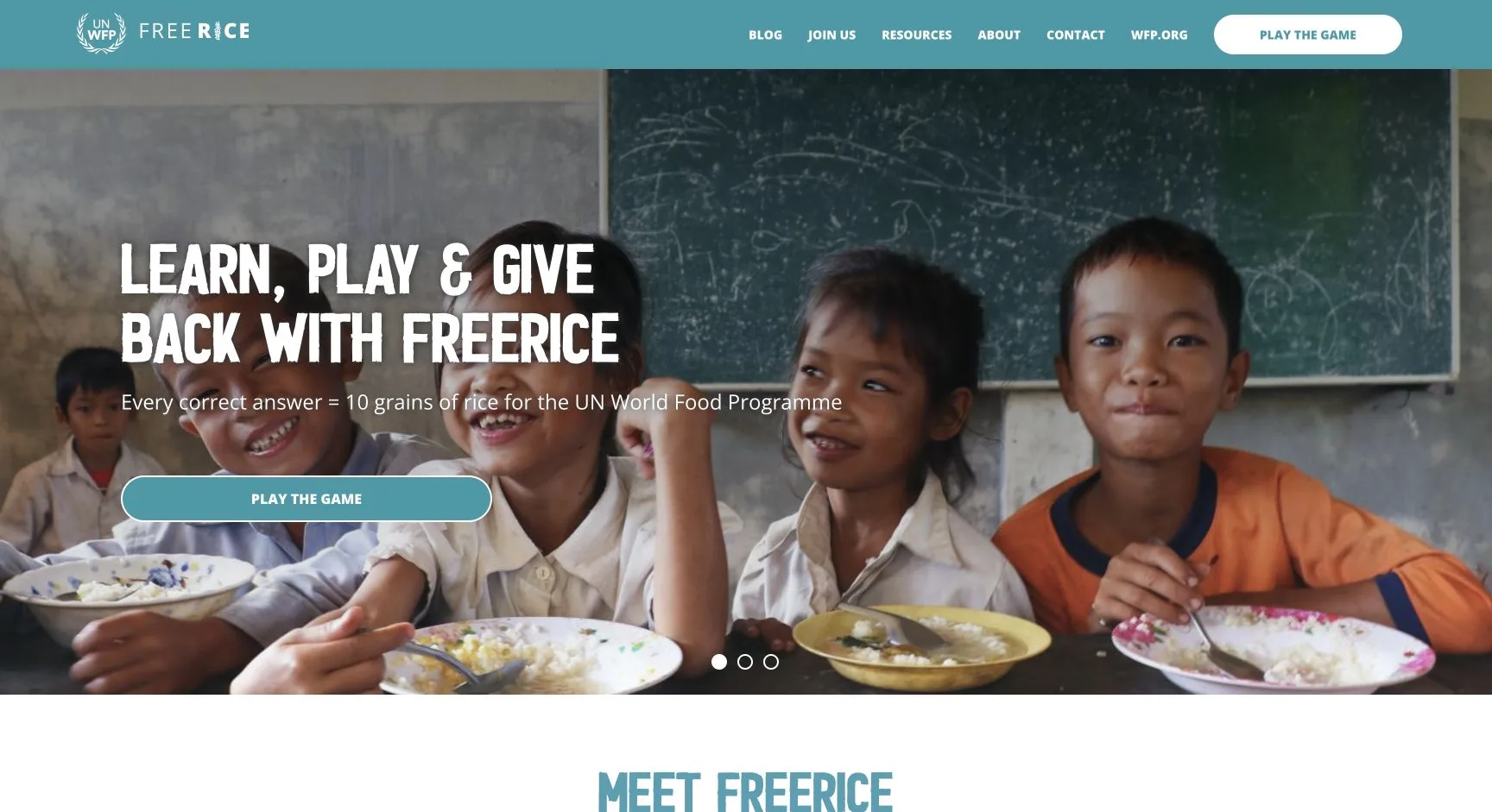
FreeRice
Educational trivia and vocabulary games that let players learn while supporting the UN World Food Programme. It is listed under Games, Language, and Science for ages 10–18. Children and families can use it through a website.
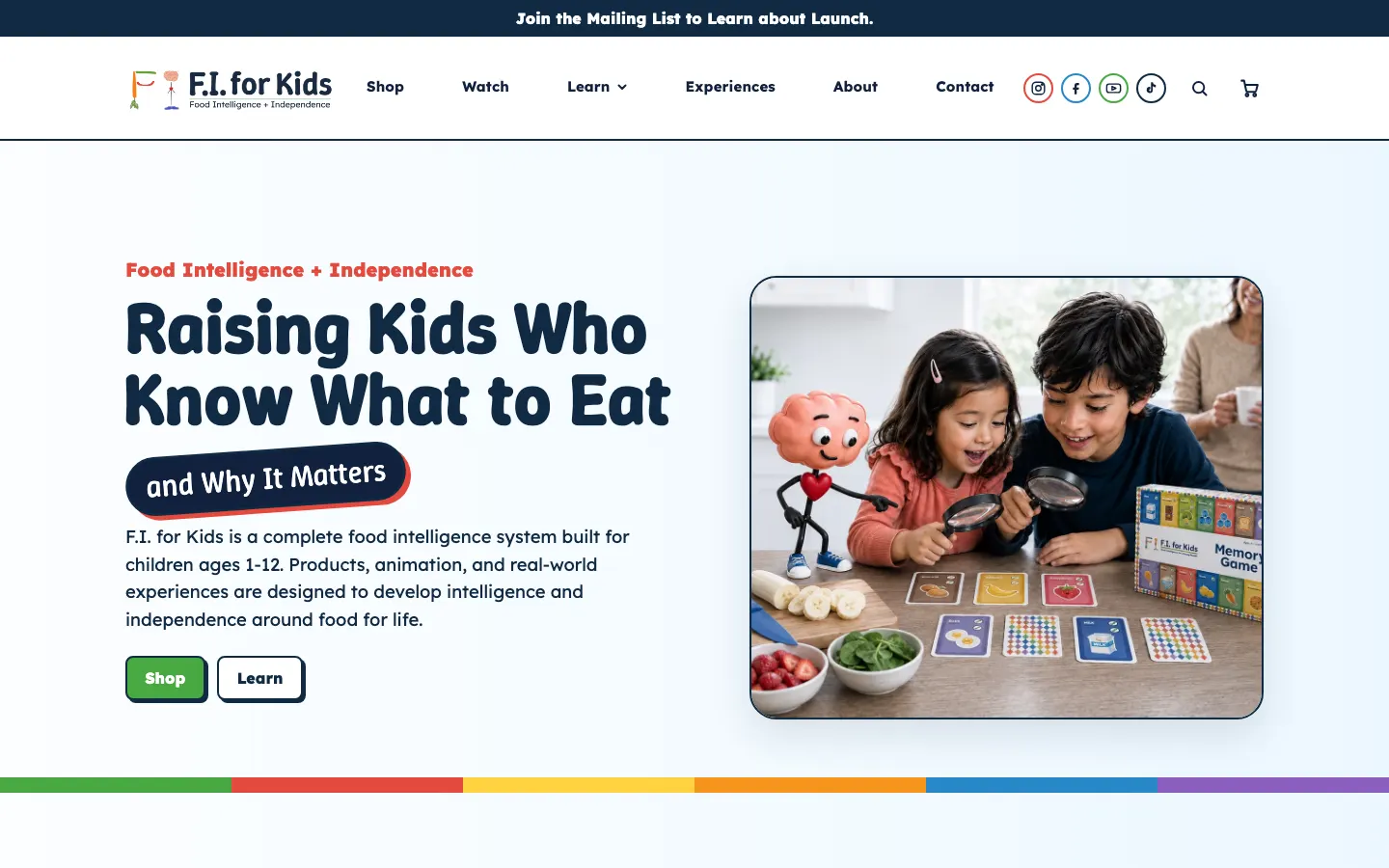
F.I. for Kids
F.I. for Kids is a food-intelligence learning system for ages 1–12 combining child-friendly products, animation, games, and real-world experiences to build food knowledge and independence. It is listed under Science and Family learning for ages 1–12.
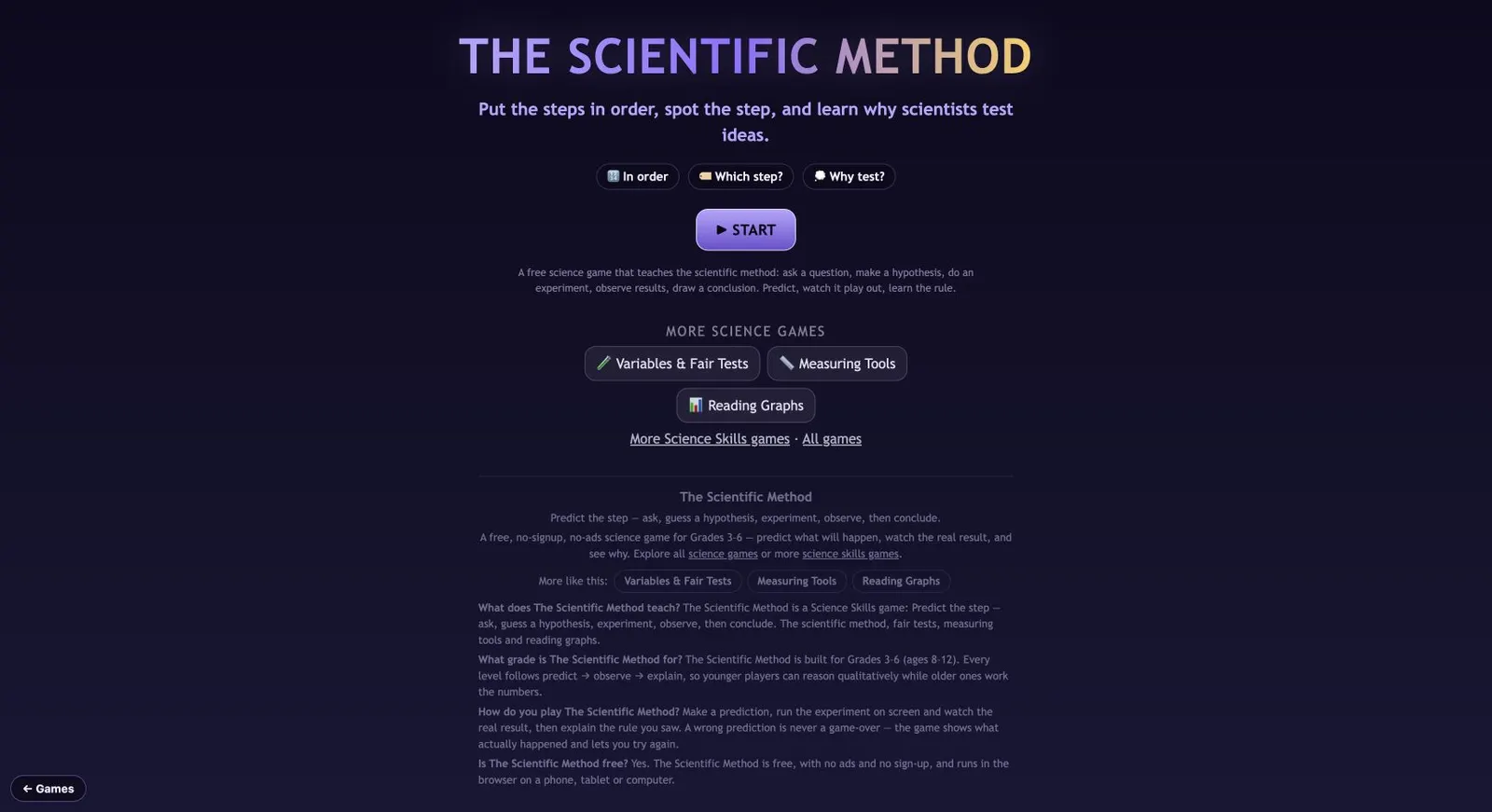
KidsDoMath: The Scientific Method
KidsDoMath’s Scientific Method is a focused browser game for grades 3–6 that asks children to order science steps, predict outcomes, observe experiments, and explain conclusions. It is listed under Science and Games for ages 8–12.
Children’s Wisconsin E-Learning Center
Free health education lessons, games, and activities organized by grade level and created by pediatric health-education experts. It is listed under Science and Physical health for ages Elementary through high school; grade-specific. Children and families can use it through a website.
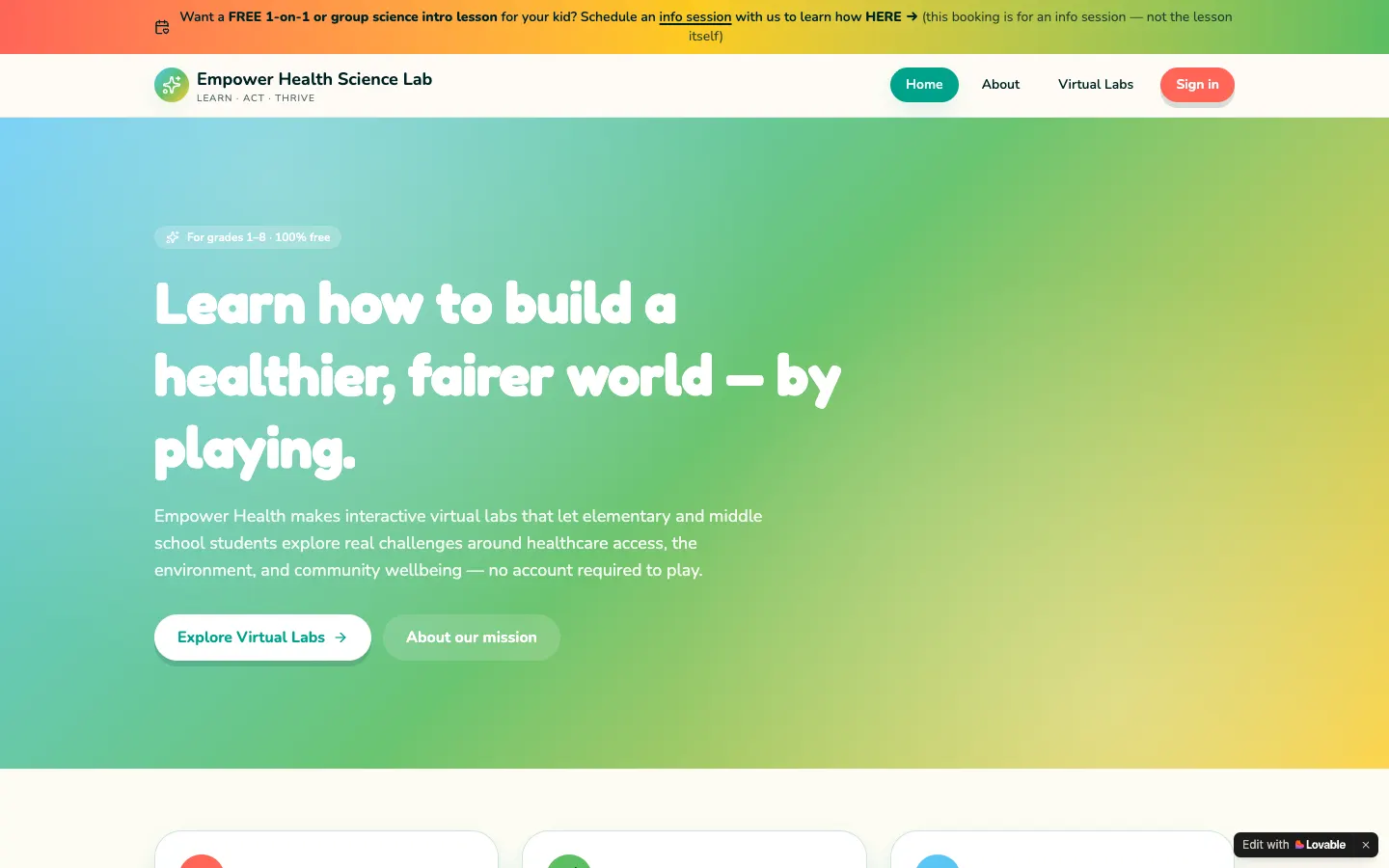
Empower Health Science Lab
Free interactive virtual labs for grades 1–8 that connect health, environmental sustainability, community wellbeing, role-play, simulations, and reflection. It is listed under Science and Health & wellbeing for ages Grades 1–8. Children and families can use it through a website.
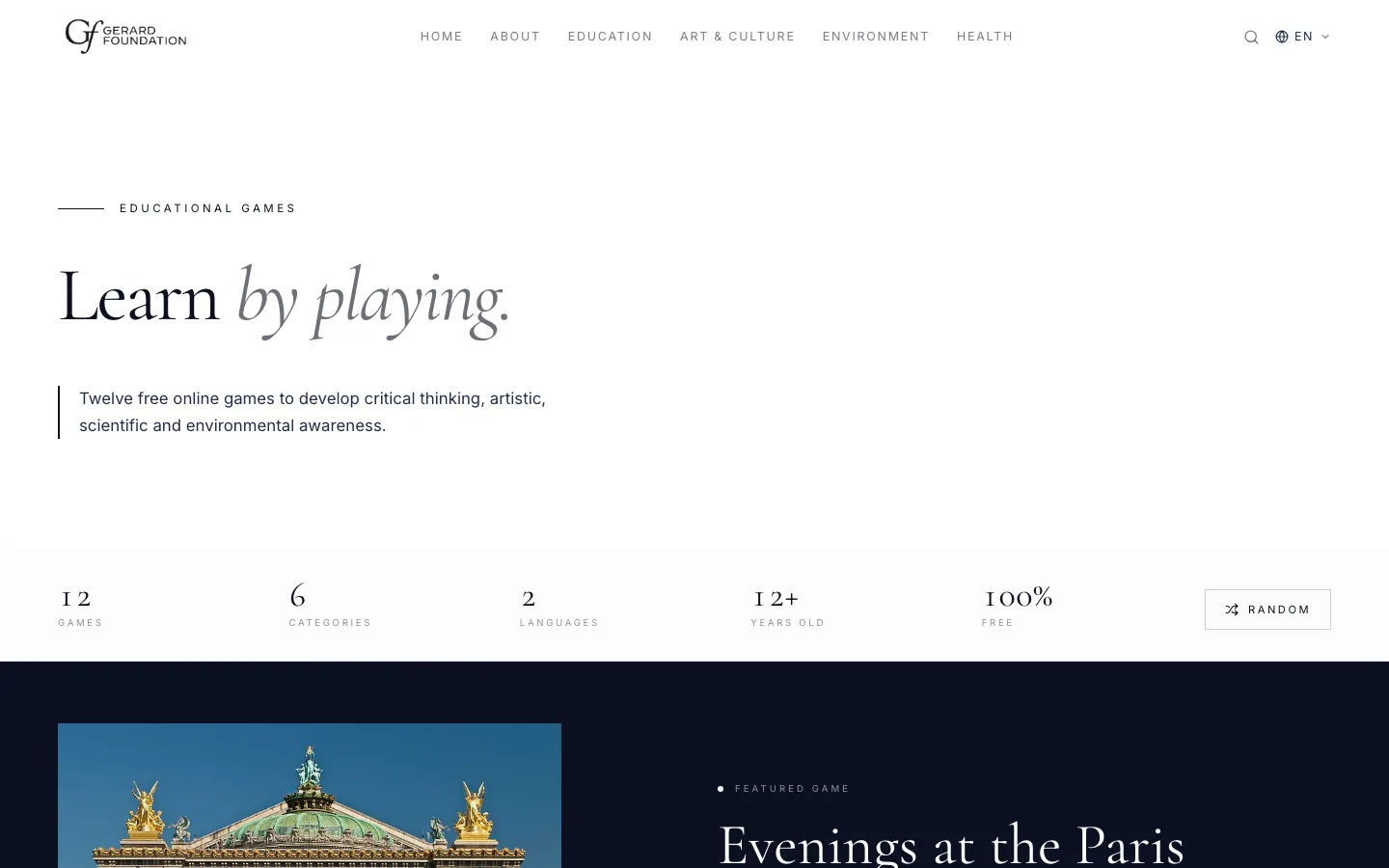
Gérard Foundation Educational Games
The Gérard Foundation offers free educational games about science, environment, digital rights, citizenship, art, culture, and well-being for classroom and independent play. It is listed under Games and Science for ages 12+; game-specific. Children and families can use it through a website.
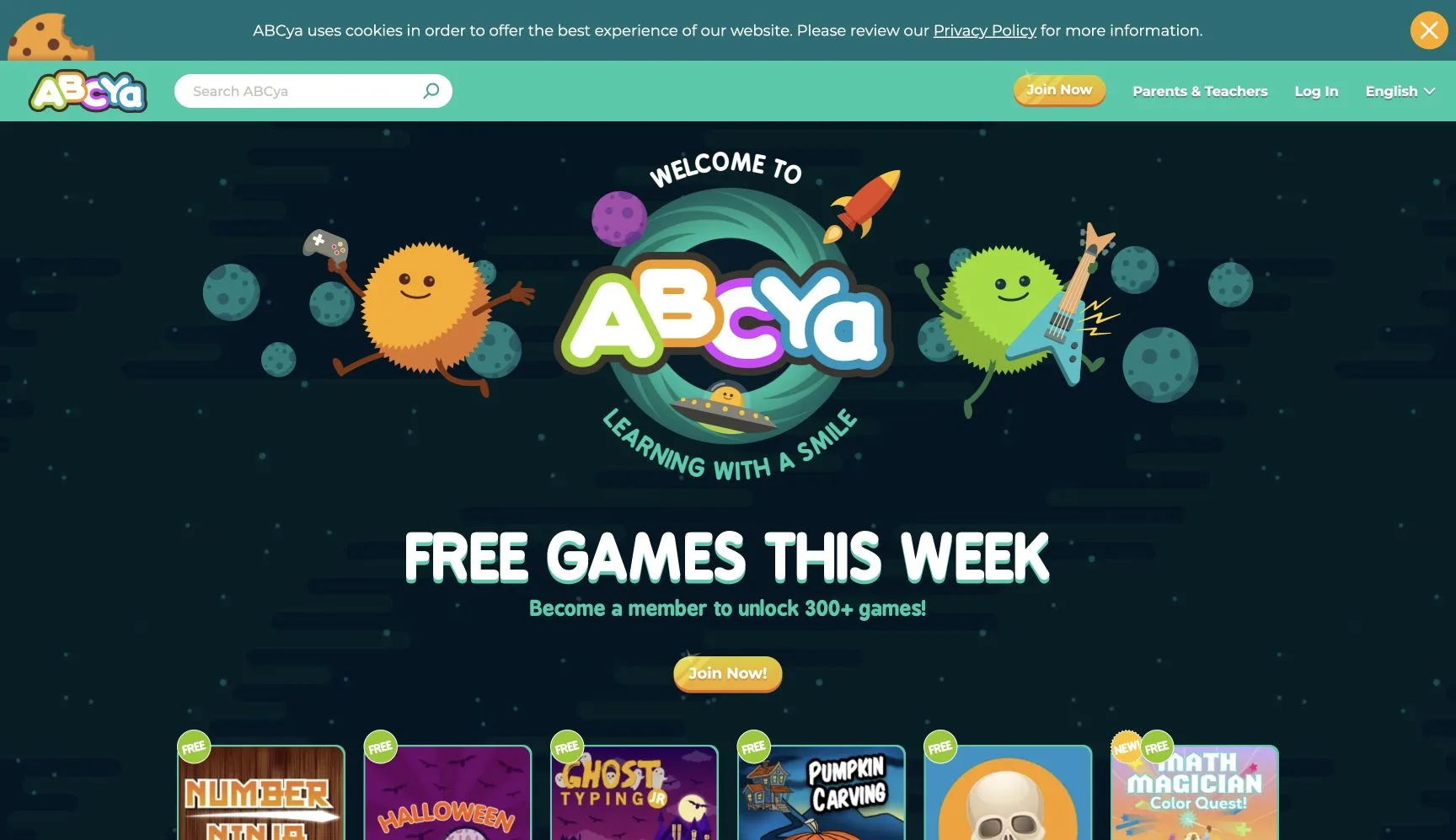
ABCya
A large collection of browser games and activities for elementary learners across language arts, math, science, and more. It is listed under Games and Math for ages Pre-K–Grade 6; game-specific. Children and families can use it through a website.
Compare with context
Use this collection to find a direction, then open each resource page before sharing it with a child. The individual review shows languages, access formats, tags, age guidance, source links, and notes for grown-ups.
Search the full directory →