Science Game
for kids
Explore 17 trusted science game resources selected for curious kids, with clear ages, access details, and parent context.
Two useful ways to narrow the directory
This page brings together science resources that also match game. Each listing keeps its own age range, platform details, languages, links, and parent notes, so you can compare options without losing context.
Explore all science resources →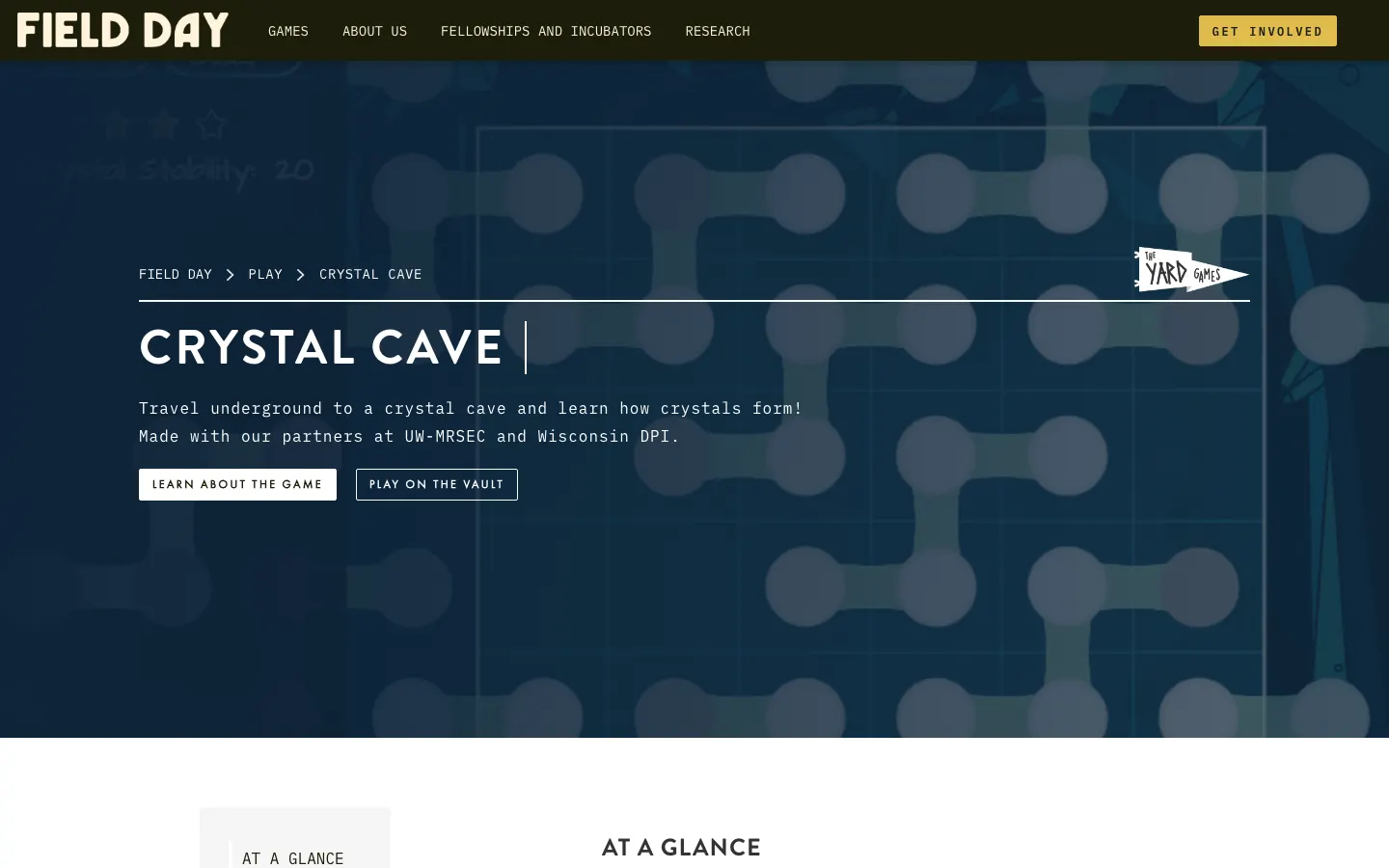
Crystal Cave
A Field Day Lab puzzle game in which learners arrange molecules into stable configurations while exploring how crystals form, repeat, and hold molecular charges. It is listed under Science and Chemistry for ages Grades 5–8.
Read the full resource review →More science picks
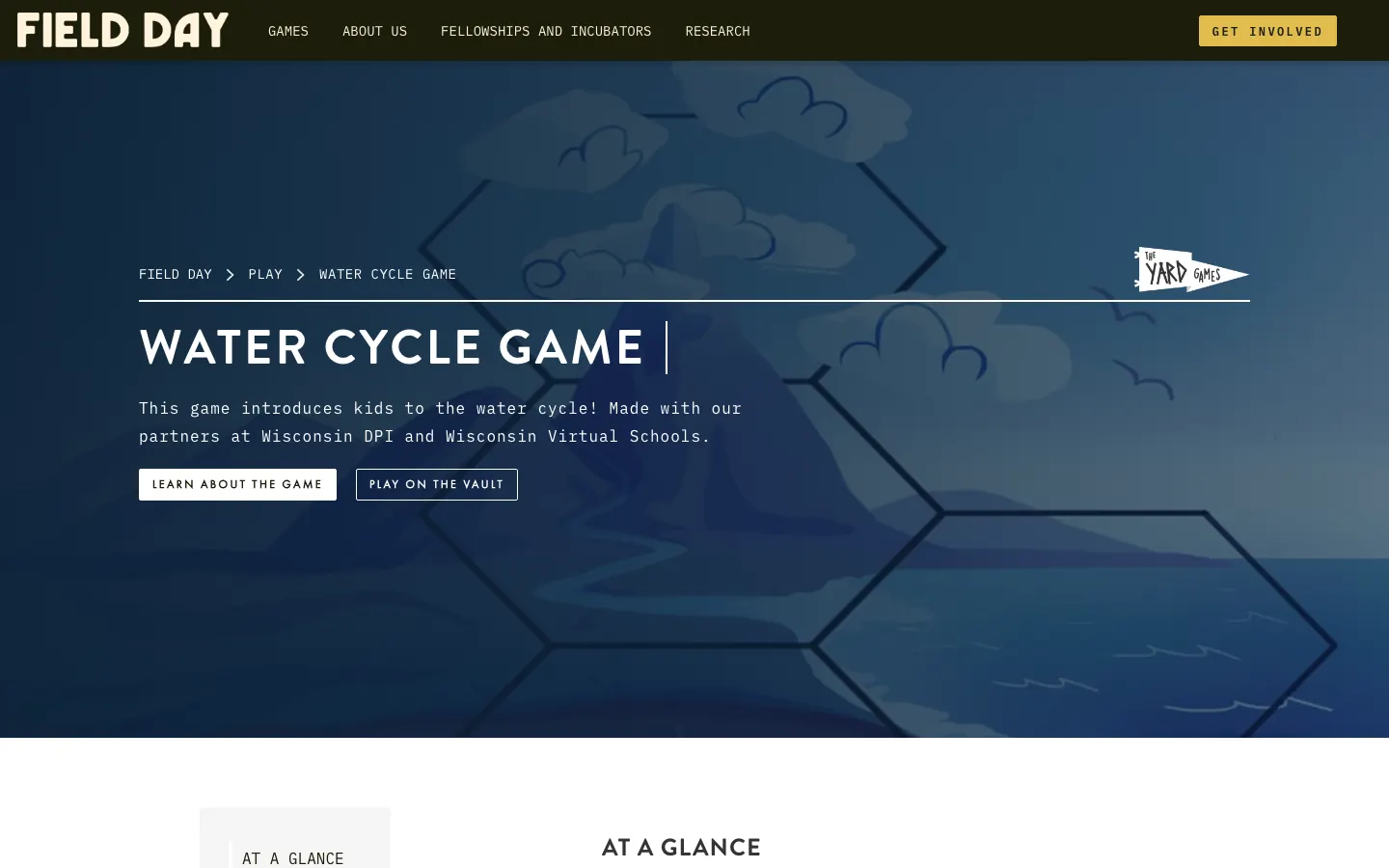
Water Cycle Game
A Field Day Lab board-game-style activity that helps learners trace water through evaporation, condensation, precipitation, runoff, groundwater, and soil absorption. It is listed under Science and Nature for ages Grades 5–8. Children and families can use it through a website.
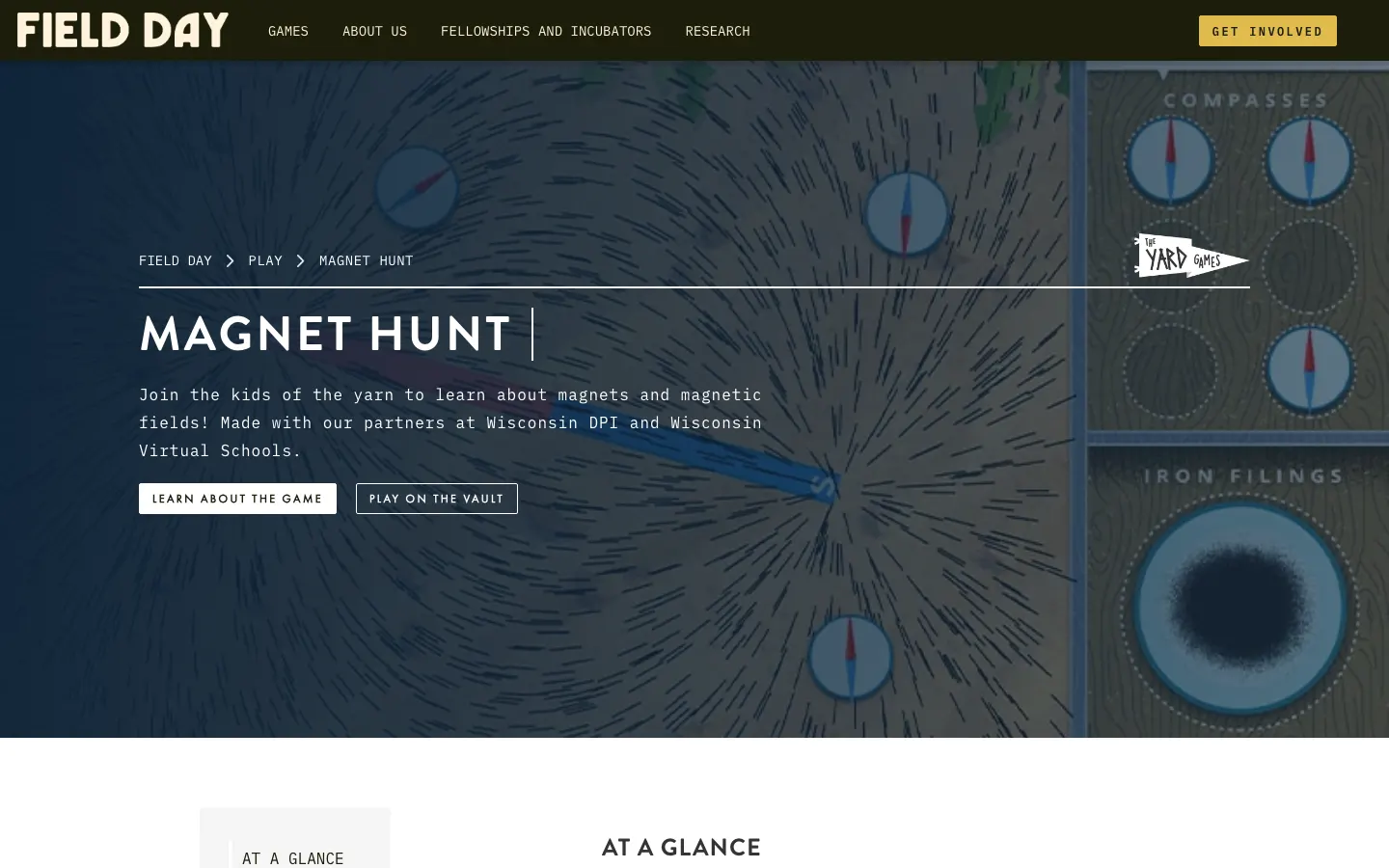
Magnet Hunt
A Field Day Lab physics game where learners use magnetic fields and iron filings to find hidden magnets while exploring poles, forces, and interactions. It is listed under Science and Physics for ages Grades 5–8.
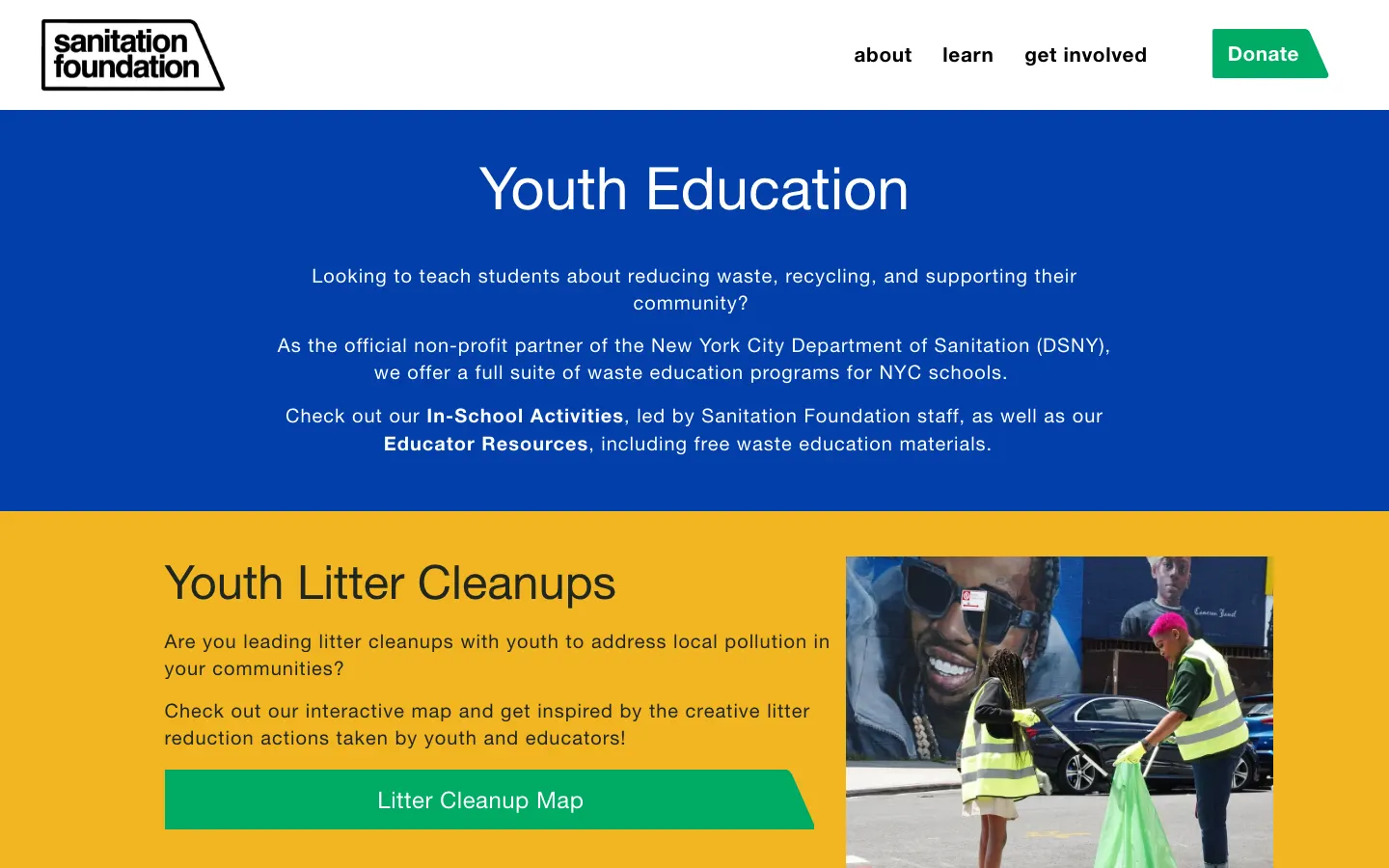
Sanitation Foundation Youth Education
The Sanitation Foundation’s youth education program offers free K–12 lessons, quizzes, and the Follow Your Waste interactive game about waste streams and recycling. It is listed under Nature & environment and Science for ages K–12; Follow Your Waste 5+.
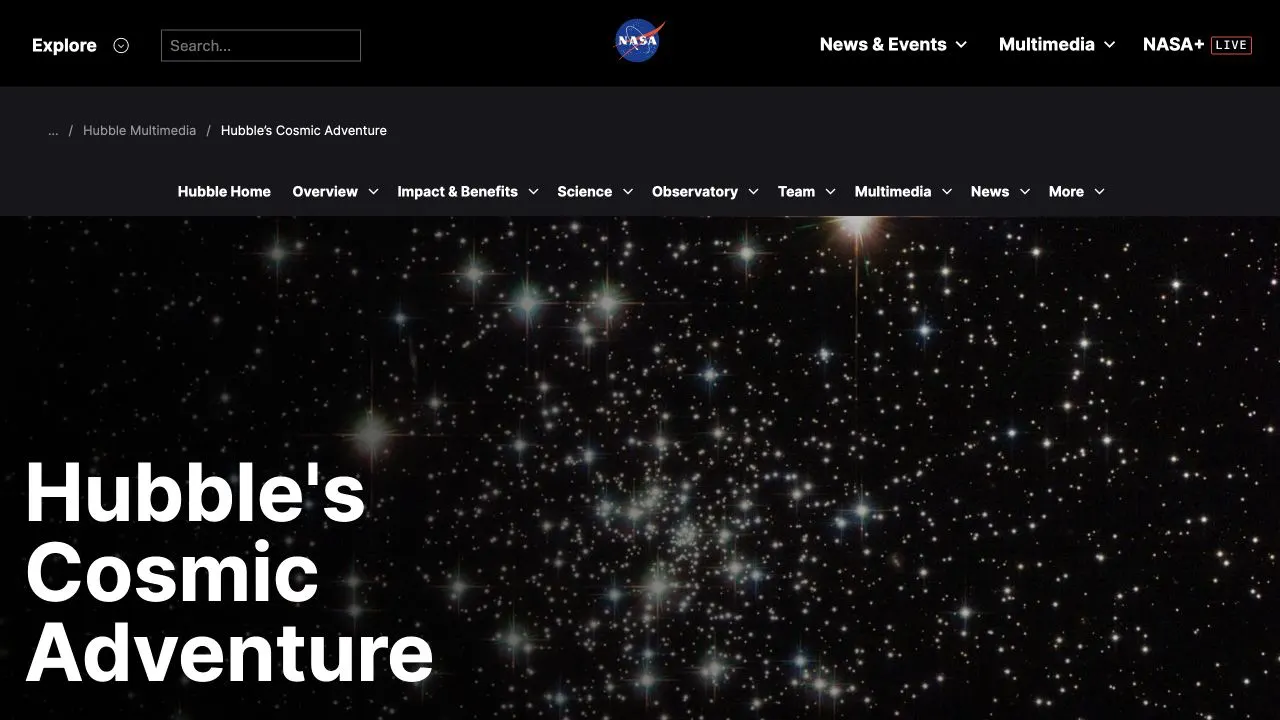
Hubble's Cosmic Adventure
A NASA Hubble game lets children choose a journey through the universe, answer questions, and follow their choices to destinations from nearby planets to distant galaxies. It is listed under Space and Science for ages 8–14.
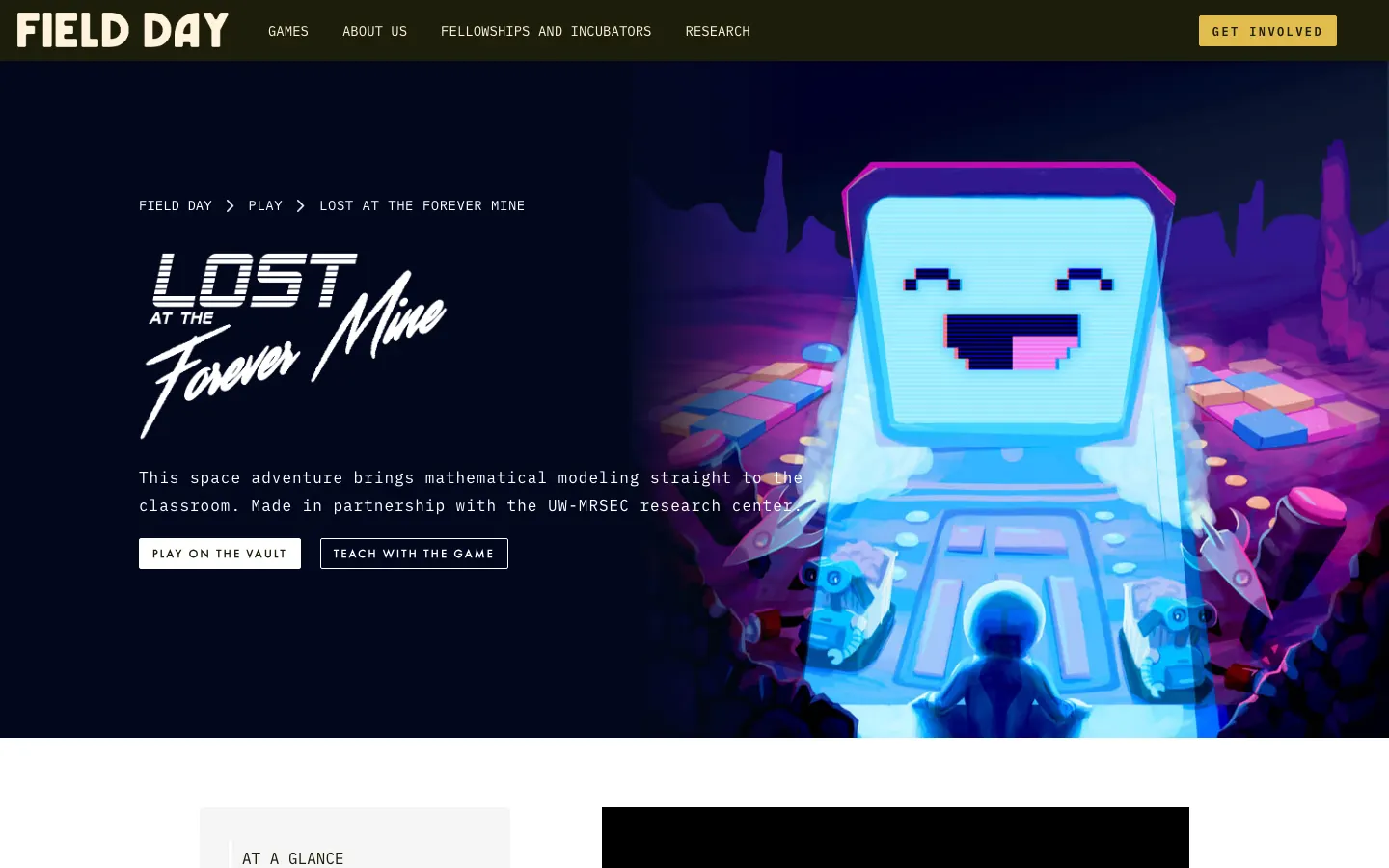
Lost at the Forever Mine
A Field Day Lab science adventure where learners act as materials scientists, use equations and graphs, and build mathematical models to escape an abandoned mining planet. It is listed under Science and Math for ages Grades 5–9.
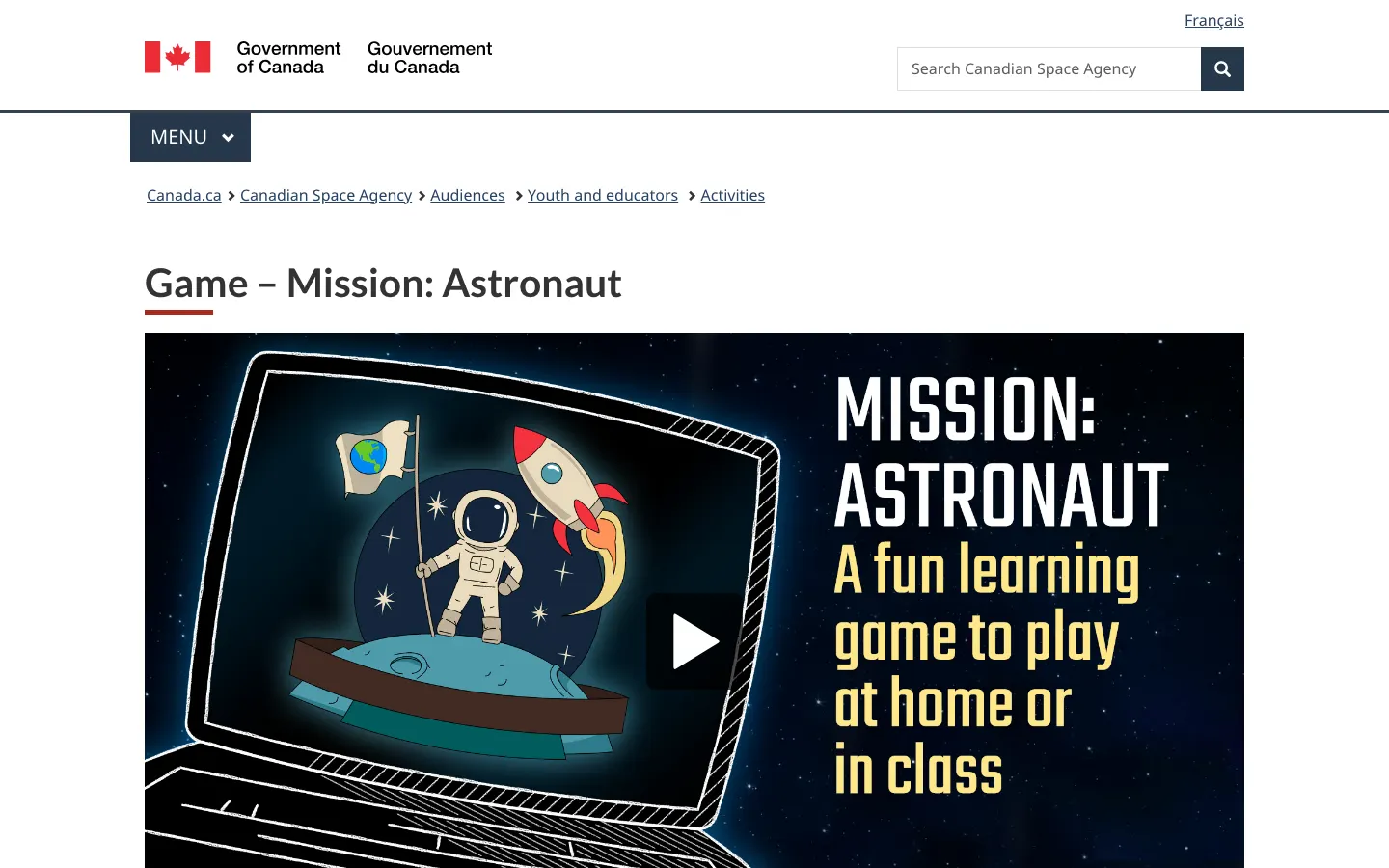
Canadian Space Agency Mission: Astronaut
Mission: Astronaut is a Canadian Space Agency space game for youth in grades 3–6, with a block-coding Lunar Rover activity that supports classroom or home learning. It is listed under Space and Science for ages Grades 3–6.
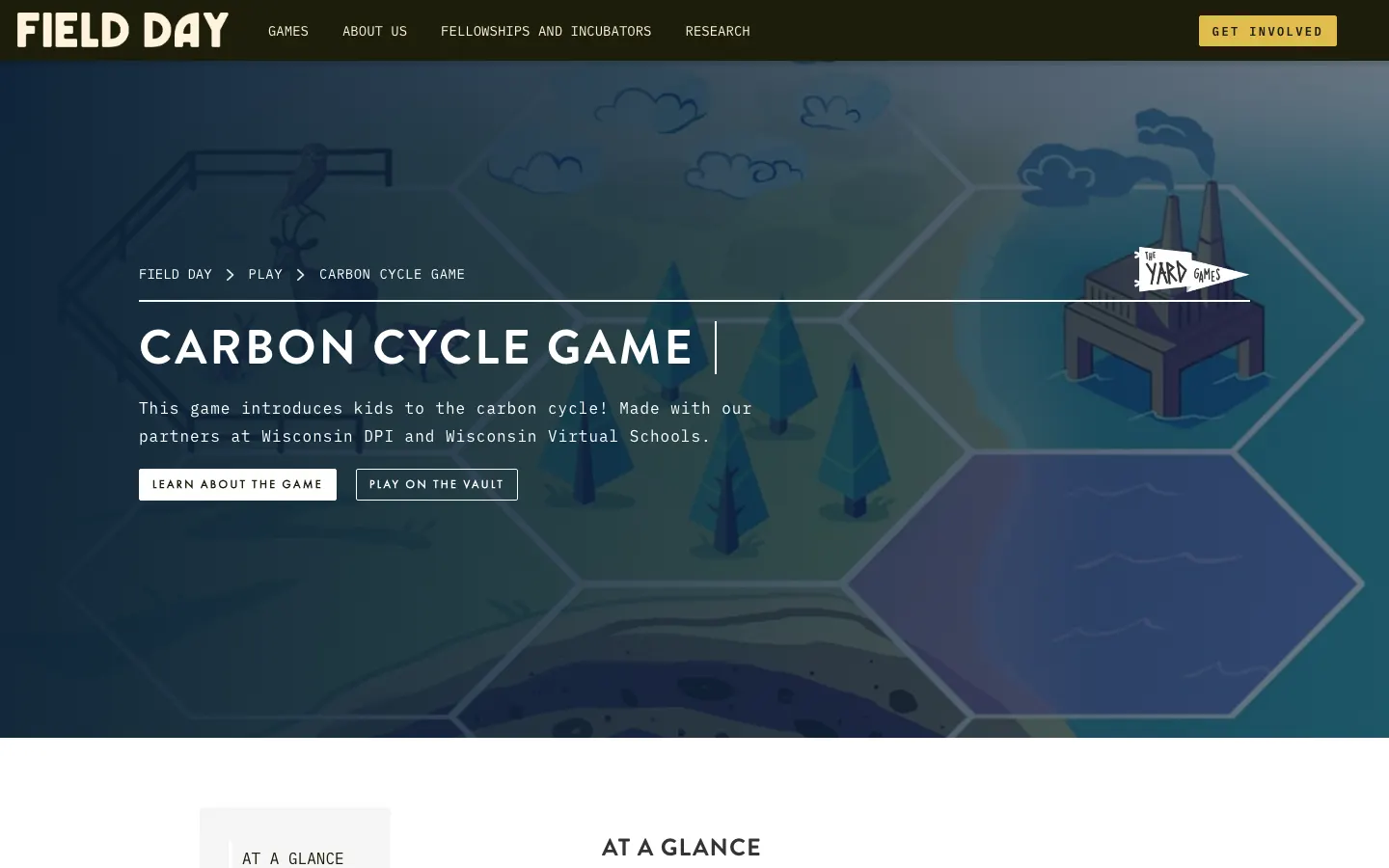
Carbon Cycle Game
A Field Day Lab board-game-style science activity where learners use action cards to follow carbon through photosynthesis, soil respiration, and other parts of the carbon cycle. It is listed under Science and Nature for ages Grades 5–8.
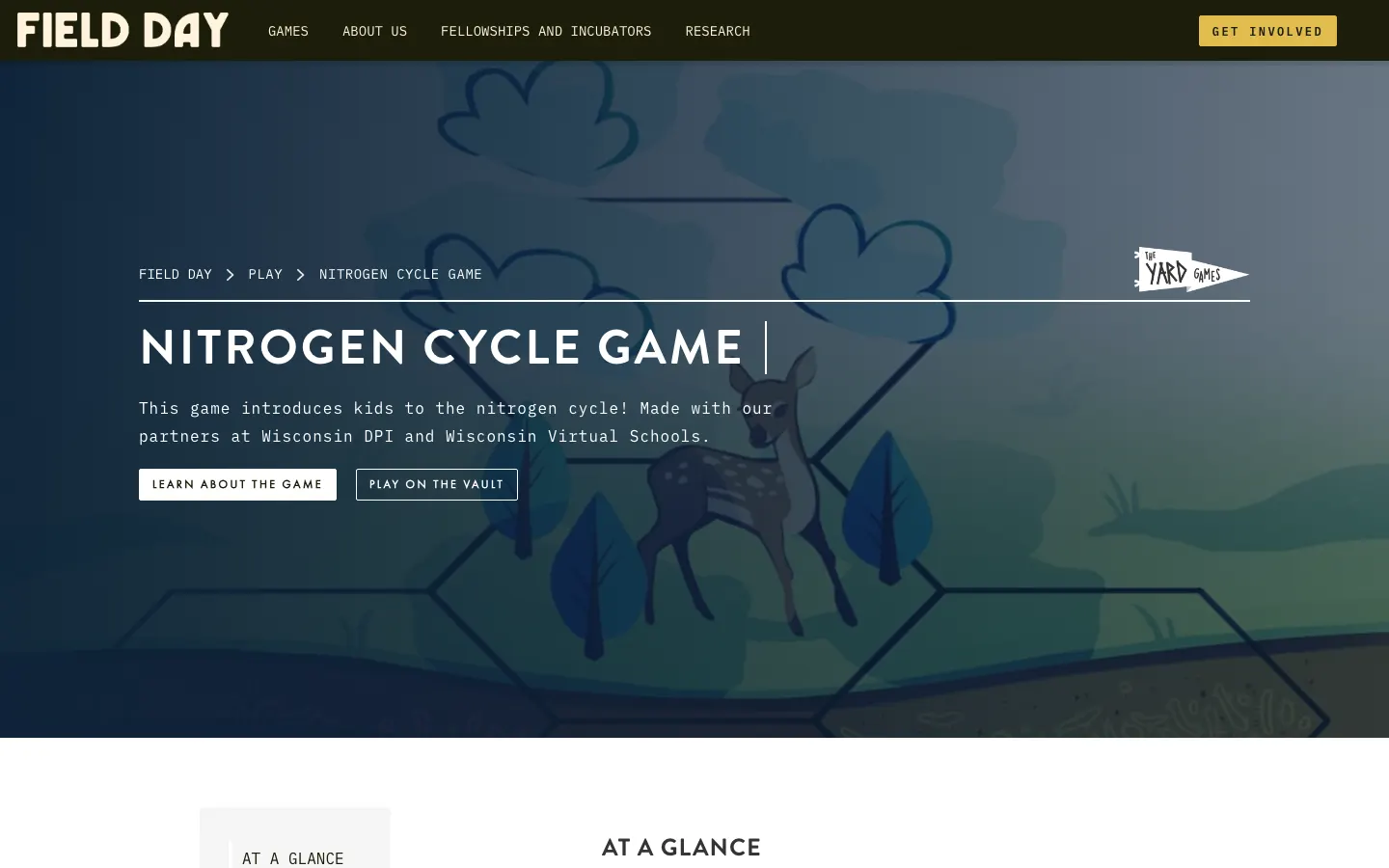
Nitrogen Cycle Game
A Field Day Lab board-game-style activity that follows nitrogen through plant assimilation, bacteria, animal death, and other ecological processes. It is listed under Science and Nature for ages Grades 5–8. Children and families can use it through a website.
Eco Detectives Unite — Race to Zero
An immersive multiplayer game and classroom resource from NSW Education about renewable energy, net-zero choices, and children’s rights. It is listed under Science and Nature for ages School-age; classroom use varies. Children and families can use it through a website.
Electric City
Electric City is a free browser game and activity experience from the New York Power Authority that teaches children about energy while they explore an interactive virtual environment. It is listed under Science and Nature & environment for ages Children; exact age not stated.
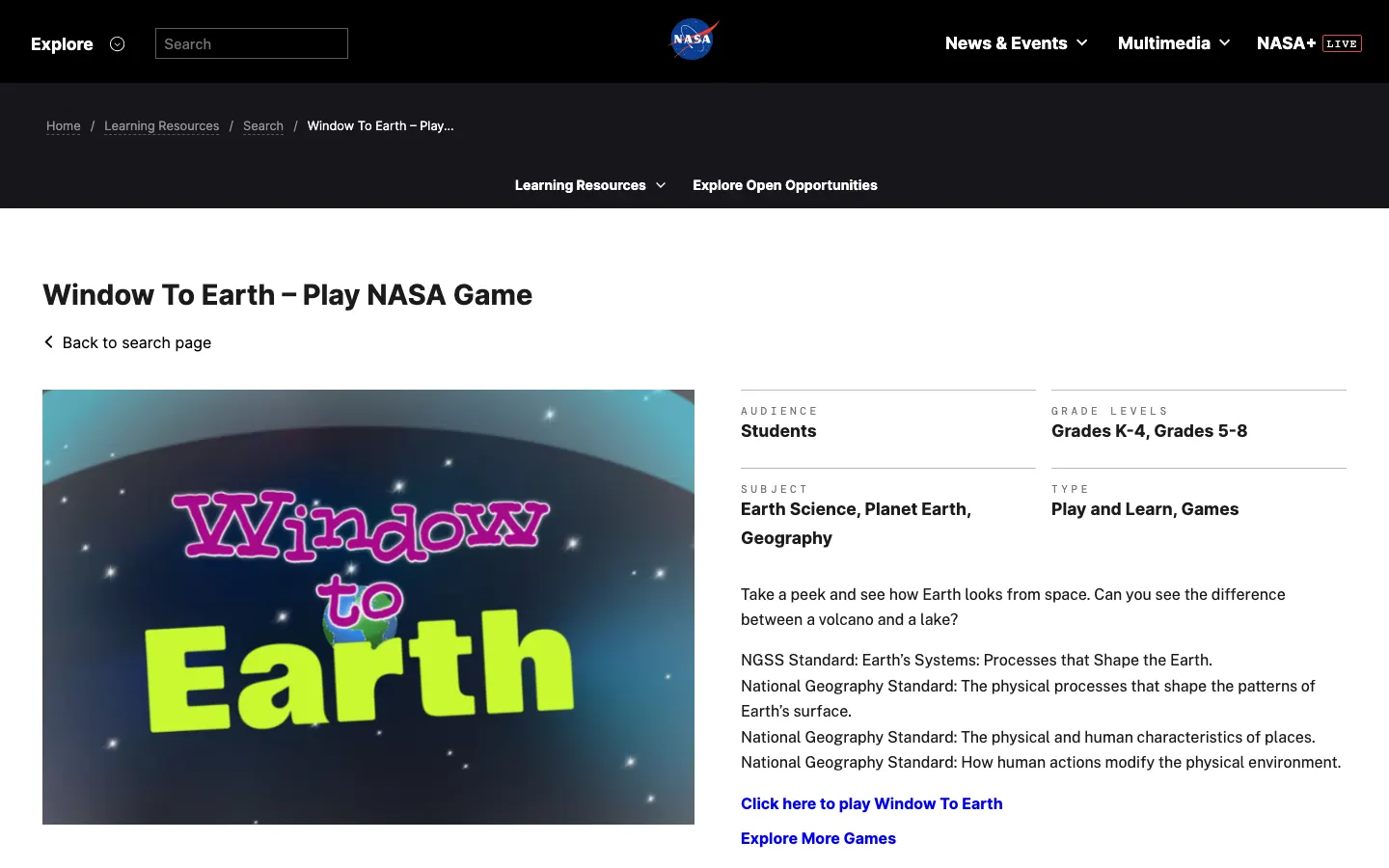
NASA Window To Earth
NASA Window To Earth is a play-and-learn game that helps students compare Earth features from space while exploring Earth science and geography. It is listed under Science and Space for ages Grades K–8. Children and families can use it through a website.
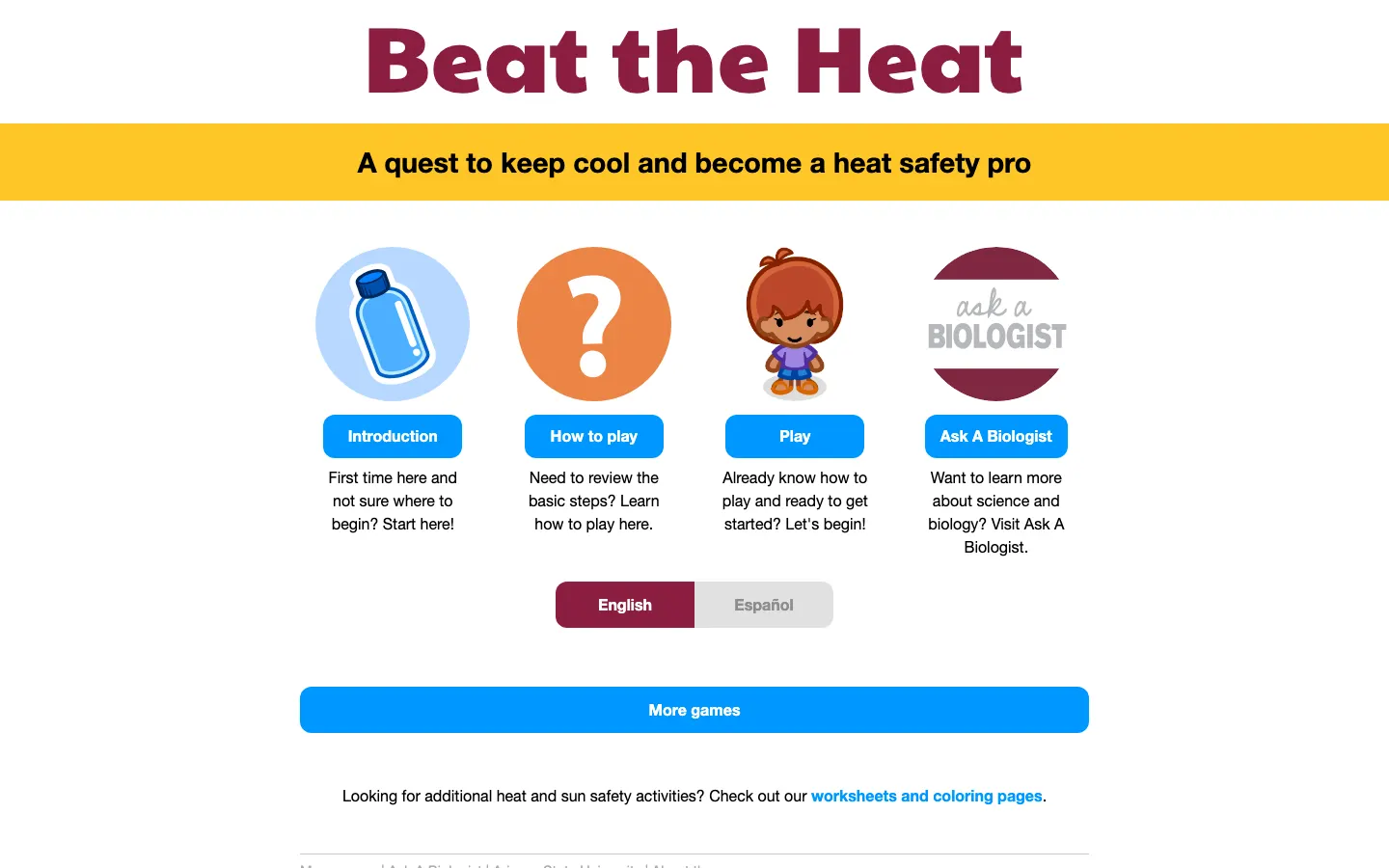
Beat the Heat
Beat the Heat is a bilingual interactive game from ASU Ask A Biologist that teaches children how to recognize heat risks and choose strategies for staying safe in hot conditions.
Compare with context
Use this collection to find a direction, then open each resource page before sharing it with a child. The individual review shows languages, access formats, tags, age guidance, source links, and notes for grown-ups.
Search the full directory →