Science Family learning
for kids
Explore 20 trusted science family learning resources selected for curious kids, with clear ages, access details, and parent context.
Two useful ways to narrow the directory
This page brings together science resources that also match family learning. Each listing keeps its own age range, platform details, languages, links, and parent notes, so you can compare options without losing context.
Explore all science resources →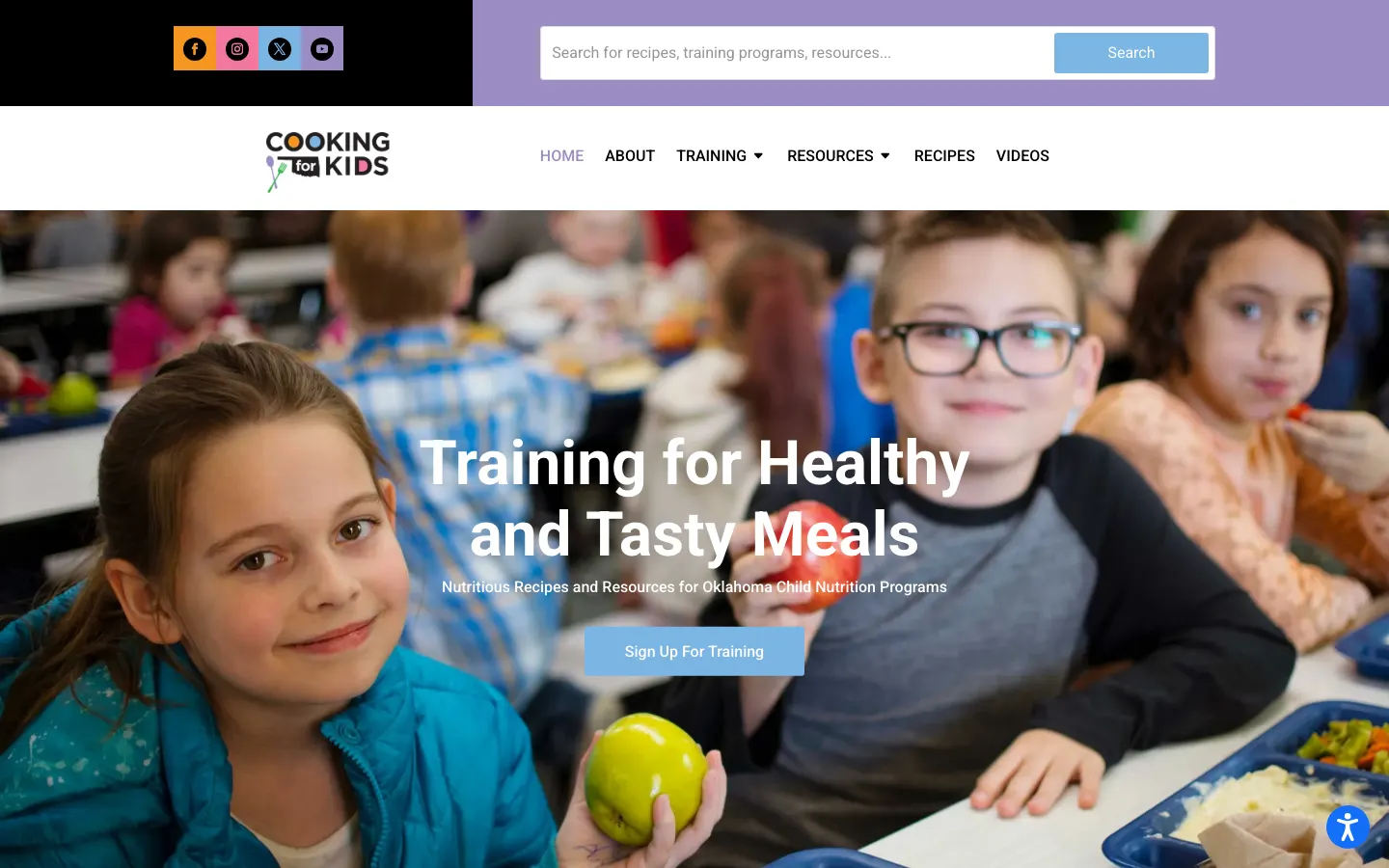
Cooking for Kids Oklahoma
An Oklahoma child-nutrition resource hub with recipes, classroom materials, videos, and training for healthy meals. It is listed under Health and Parent & educator for ages 5–14. Children and families can use it through a website.
Read the full resource review →More science picks
MindUP
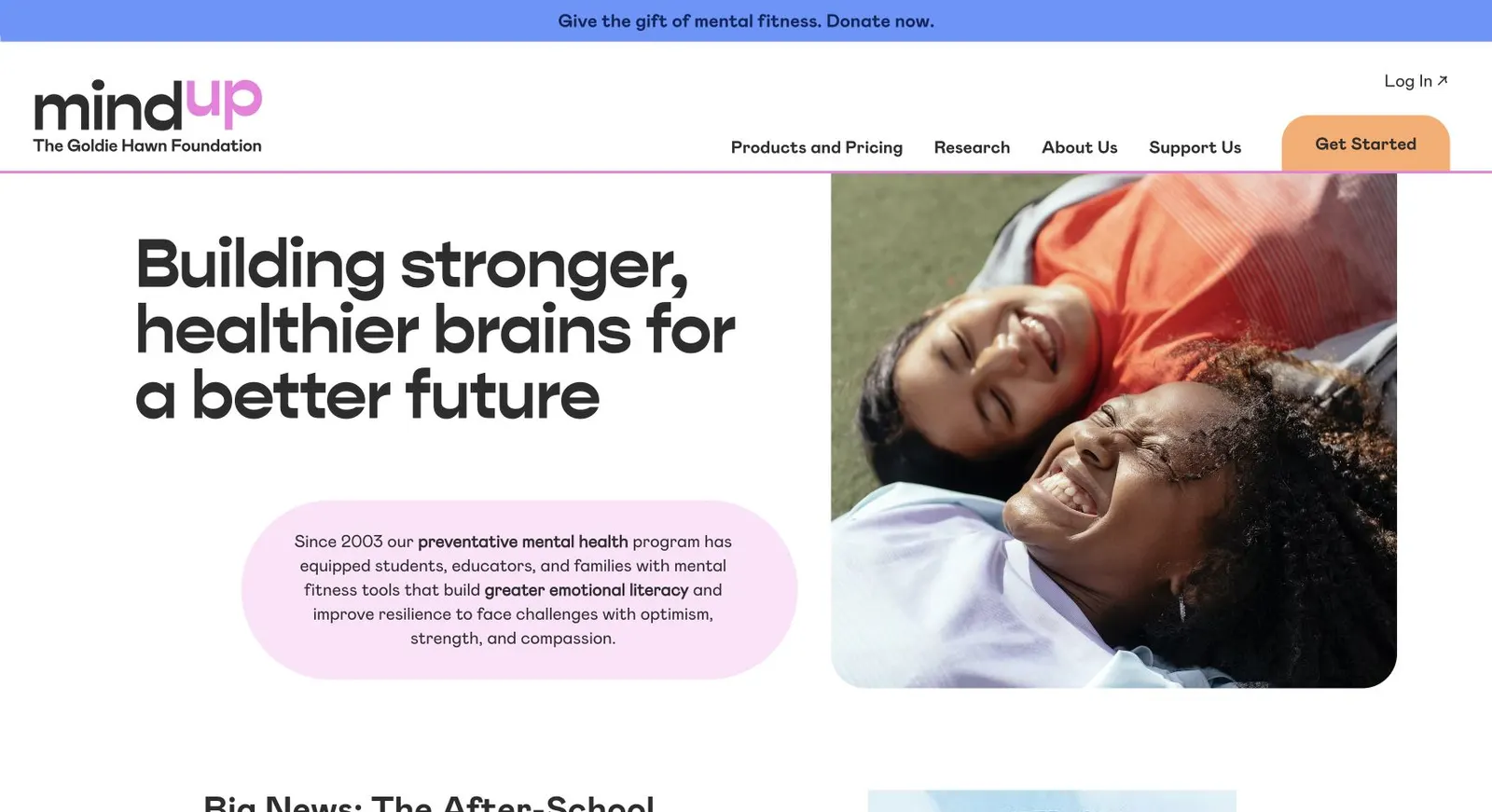
A preventative mental-health and social-emotional learning programme with brain science, mindfulness, emotional literacy, resilience, and family resources. It is listed under Social-emotional and Science for ages 5–18. Children and families can use it through a website.
Science! KIDS
A PBS science series for children with fun experiments and science explanations from experts at the Orlando Science Center. It is listed under Science, Video, and Parent & educator for ages 6–12. Children and families can use it through a website.
Royal Institution Science Shows and Activities for Children
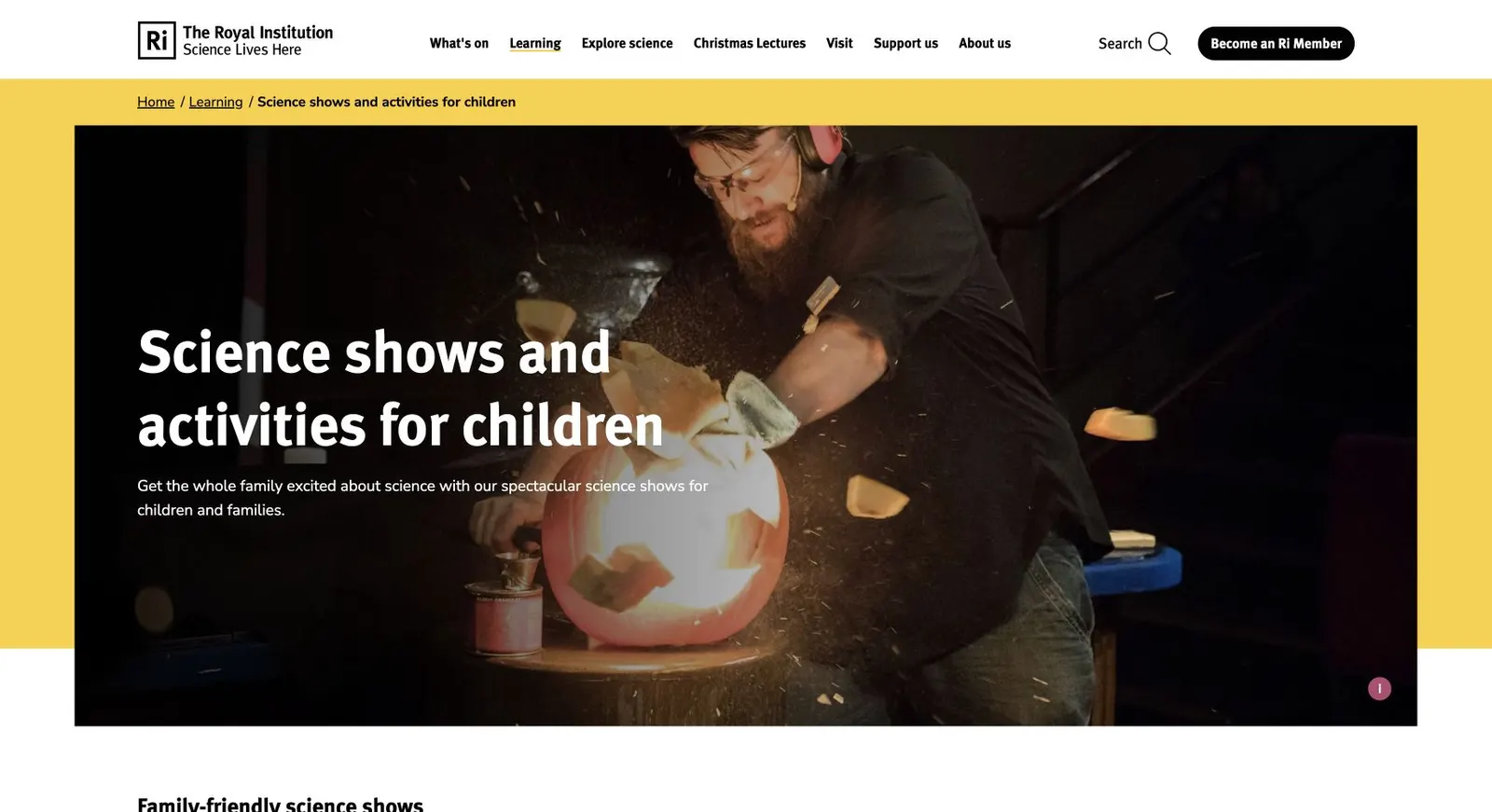
The Royal Institution’s family science page brings together spectacular science shows and activities designed to get children and families excited about science. It is listed under Science and Museums for ages 6–14. Children and families can use it through a website.
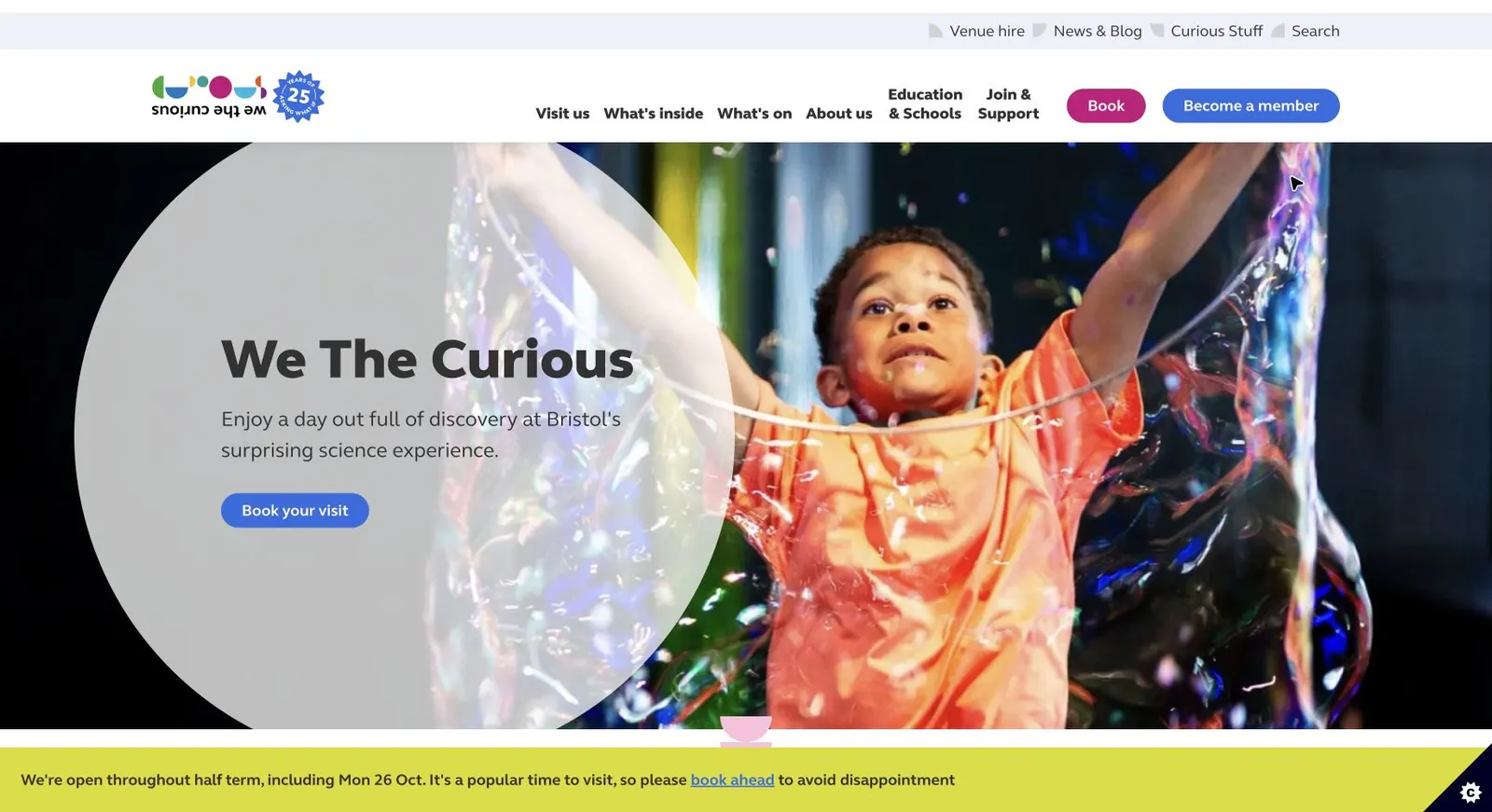
We The Curious
A science experience with interactive exhibits, workshops, planetarium shows, and family discovery in Bristol. It is listed under Science, Maker & DIY, and Parent & educator for ages 4-18. Children and families can use it through a website.
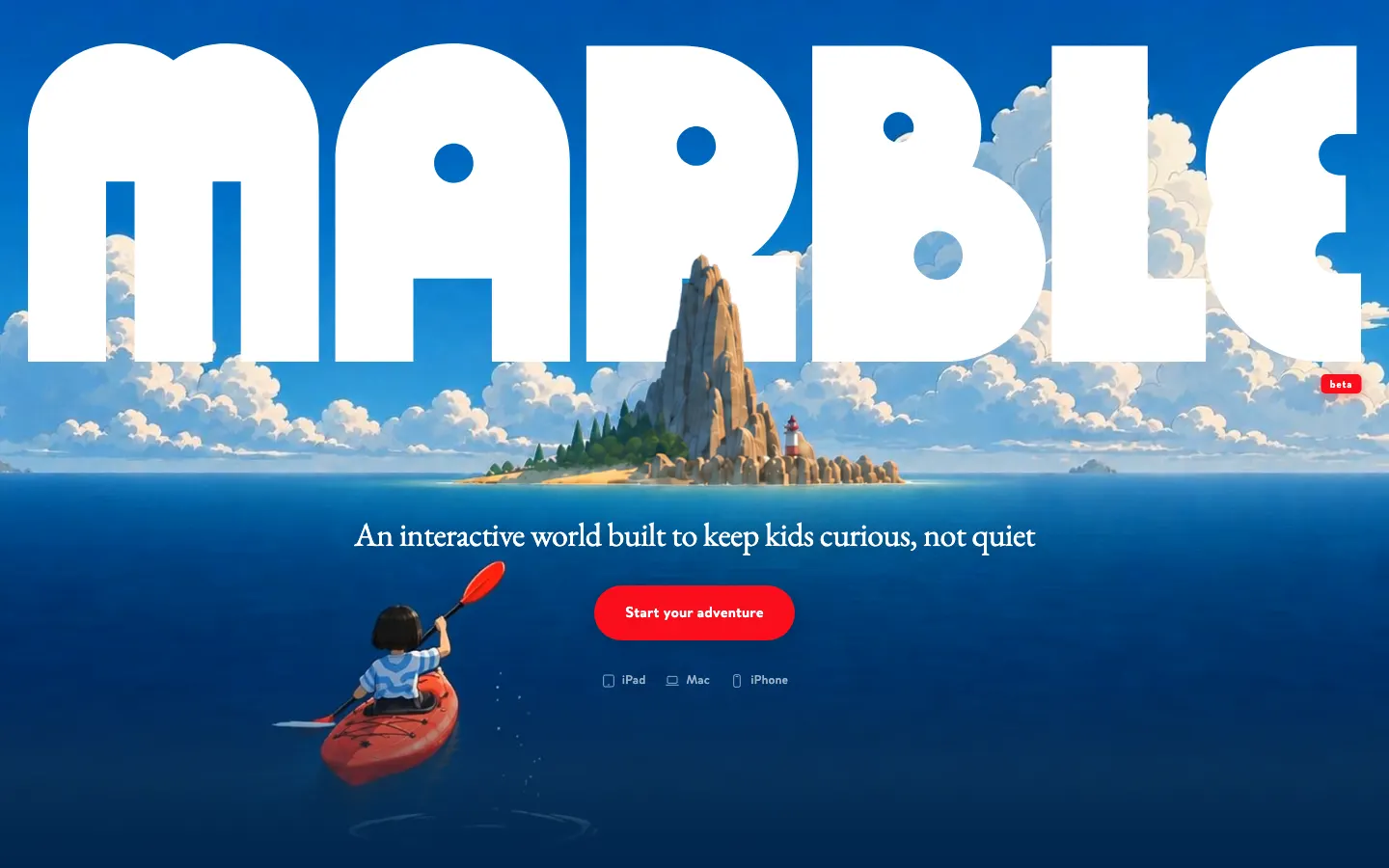
Marble
Marble is an interactive learning world for curious children ages 6–12, designed around making, asking, guessing, and exploring science and social-skills ideas through play. It is listed under Science and Games for ages 6–12.
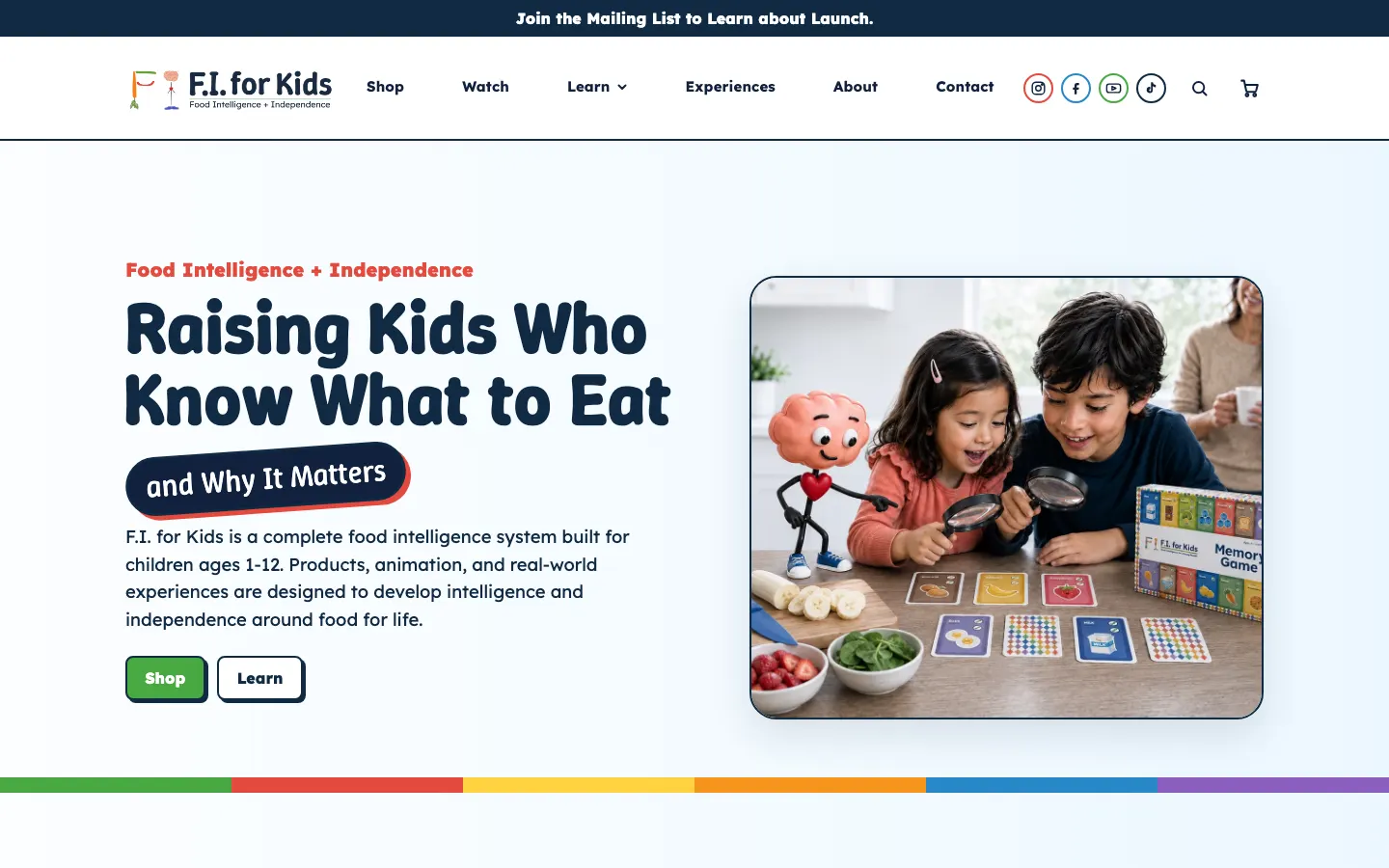
F.I. for Kids
F.I. for Kids is a food-intelligence learning system for ages 1–12 combining child-friendly products, animation, games, and real-world experiences to build food knowledge and independence. It is listed under Science and Family learning for ages 1–12.
Smithsonian National Museum of Natural History Family Programs
The Smithsonian National Museum of Natural History’s family programs page offers free interactive, playful science and nature learning for families, including early-learning Play Date sessions, The World & Me programs, and Natural History at Home videos.
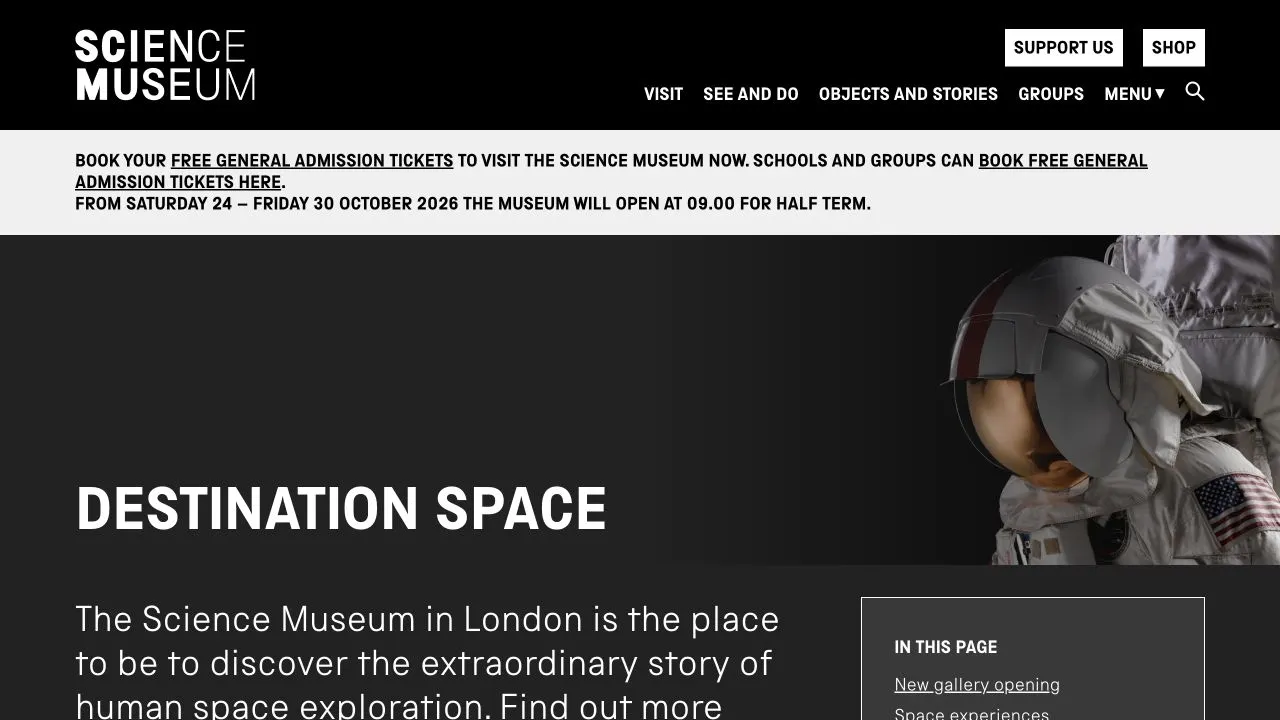
Science Museum Destination Space
Destination Space is the Science Museum’s family-facing space program and guide to space-inspired activities, live experiments, workshops, galleries, and online space stories. It is listed under Space and Science for ages Children and families; activity-specific.

Kids Code & Computer Science STEAM
Kids Code & Computer Science is a nonprofit source of kid-friendly STEAM content for adults and children to learn together, with a computing publication restarting as a weekly newsletter in 2026.
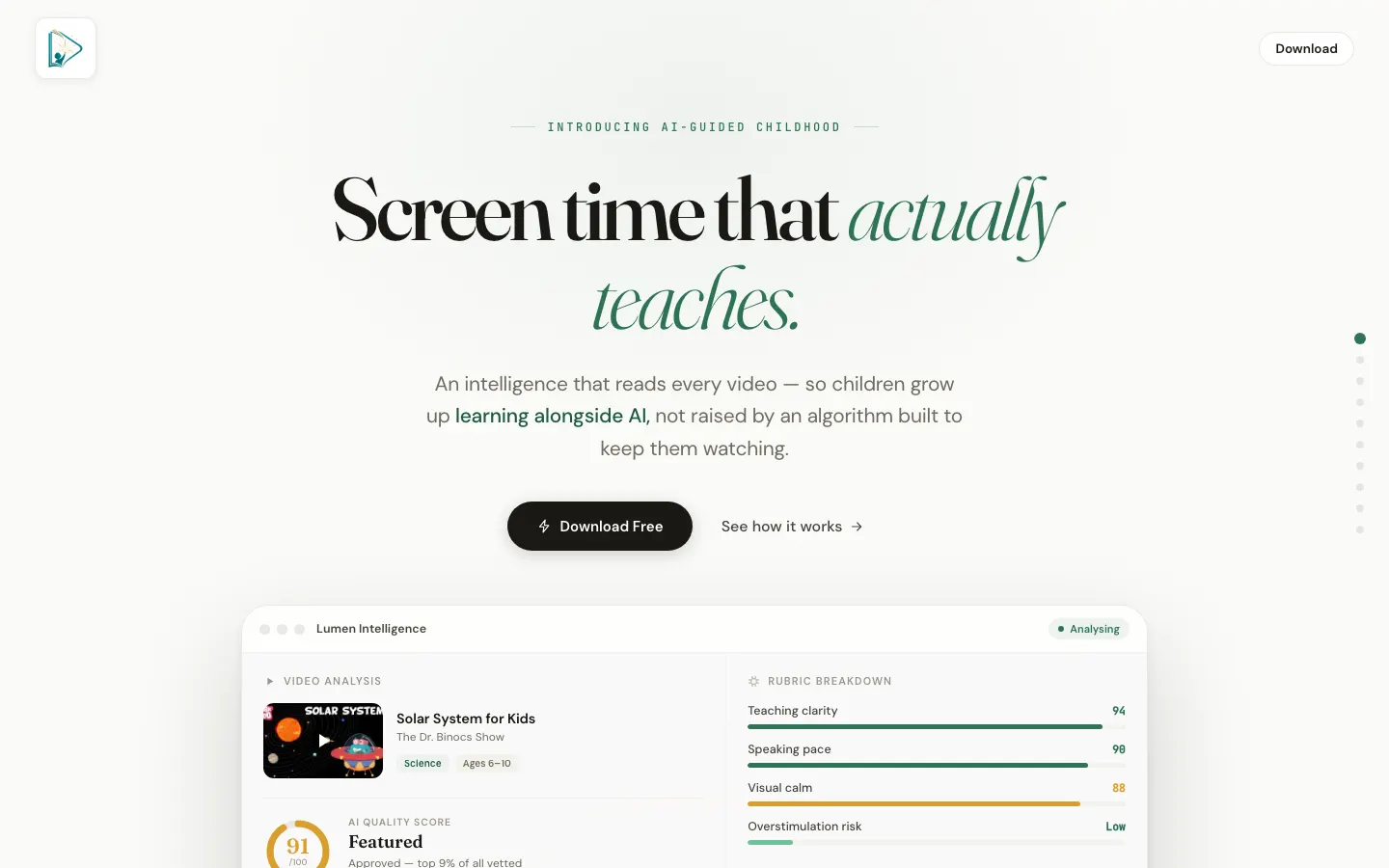
Lumen Kids
A child-focused educational video platform that analyzes and scores learning videos, supports short quizzes, and presents science and other topics under adult supervision. It is listed under Science and Technology for ages 0–12; adult supervision.
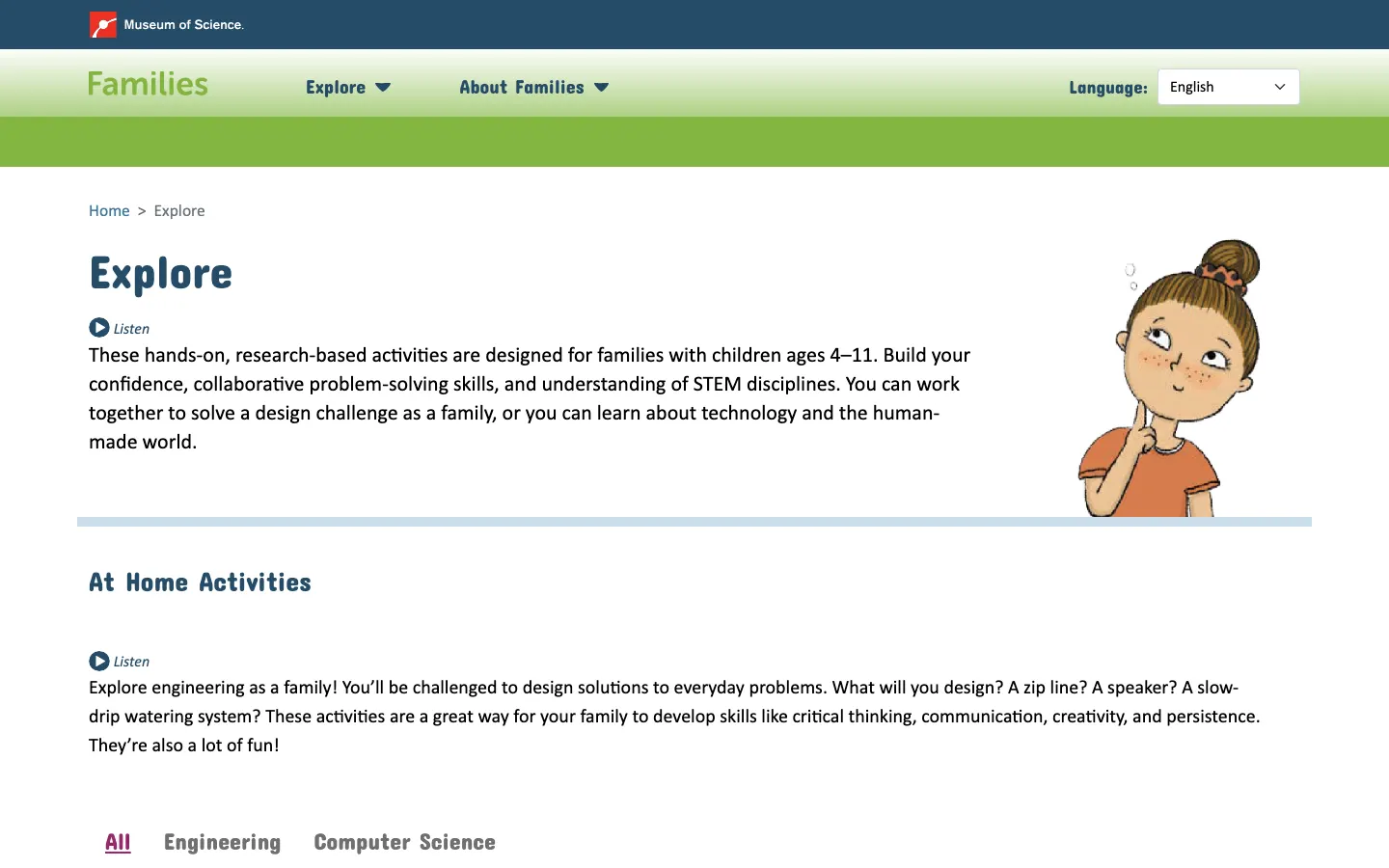
Museum of Science Family Explore
Museum of Science family activities for ages 4–11, including engineering stories, technology games, printable activities, and design challenges. It is listed under Science and Maker & DIY for ages 4–11. Children and families can use it through a website.
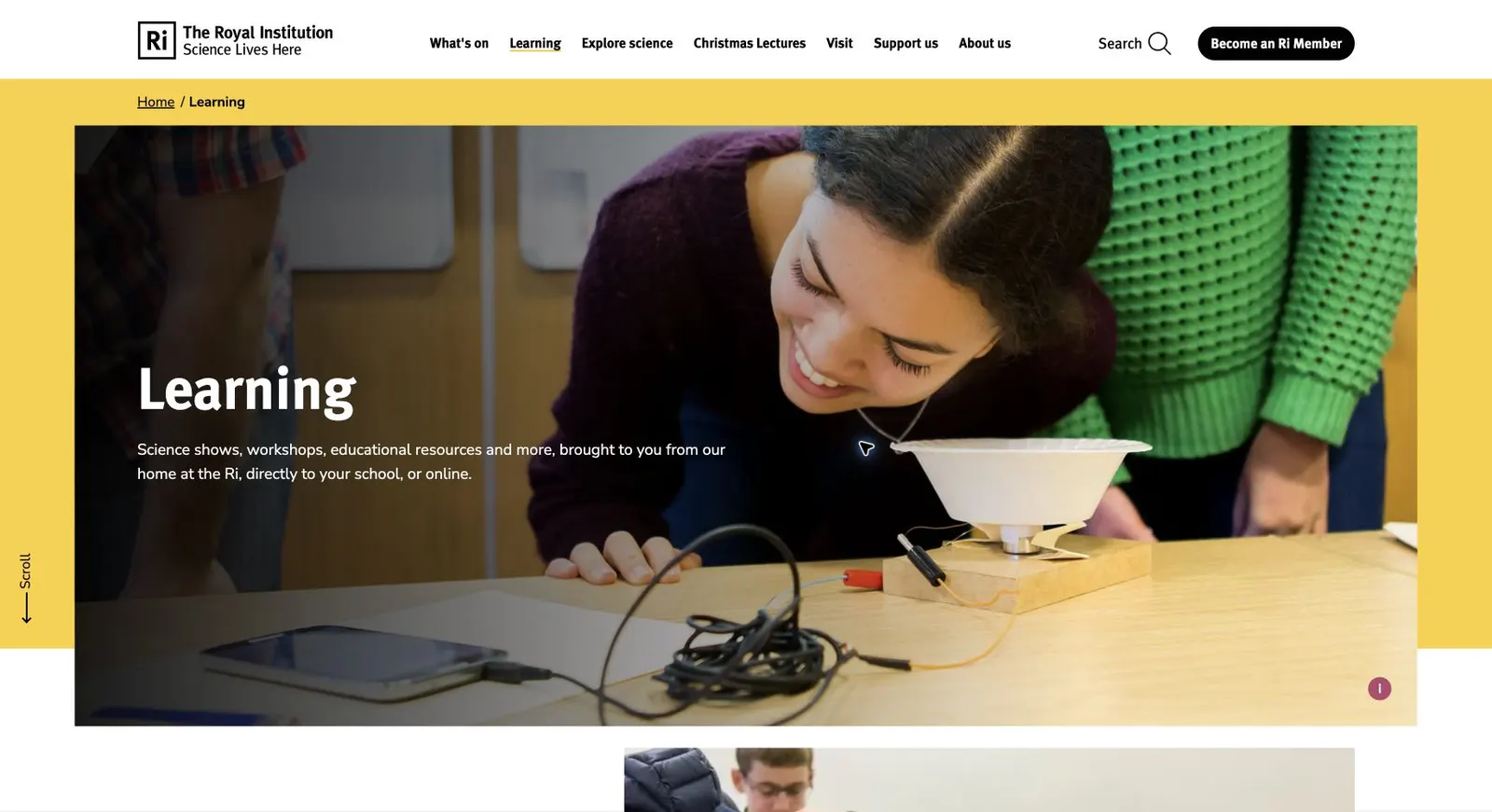
Royal Institution Learning
Science shows, experiments, workshops, and educational resources from the Royal Institution. It is listed under Science, Maker & DIY, and Parent & educator for ages 6-18. Children and families can use it through a website.
Compare with context
Use this collection to find a direction, then open each resource page before sharing it with a child. The individual review shows languages, access formats, tags, age guidance, source links, and notes for grown-ups.
Search the full directory →