Science ESA
for kids
Explore 12 trusted science esa resources selected for curious kids, with clear ages, access details, and parent context.
Two useful ways to narrow the directory
This page brings together science resources that also match esa. Each listing keeps its own age range, platform details, languages, links, and parent notes, so you can compare options without losing context.
Explore all science resources →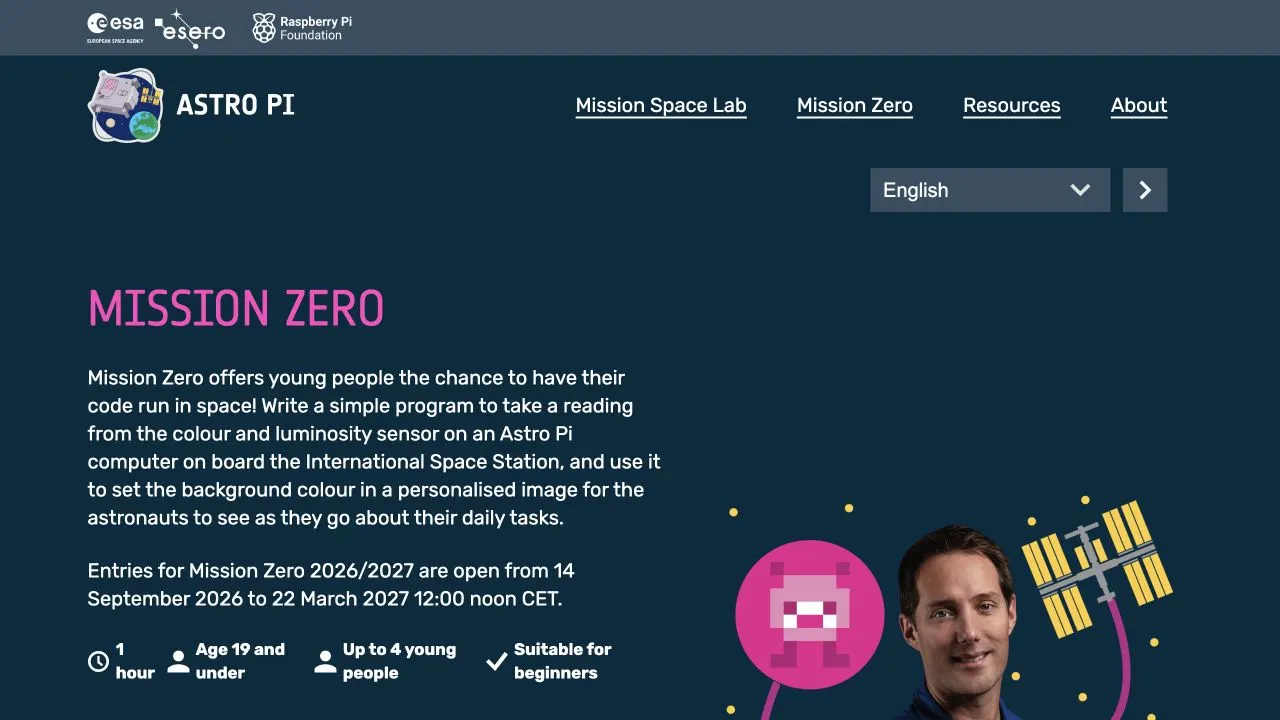
Astro Pi Mission Zero
ESA and the Raspberry Pi Foundation invite young people to write beginner Python programs that run on Astro Pi computers aboard the International Space Station. It is listed under Coding and Space for ages Age 19 and under; suitable for beginners.
Read the full resource review →More science picks
Astro Pi European Space Coding Challenge 2026/27
The official Astro Pi challenge gives young people the chance to write Python programs that run on Raspberry Pi computers in space, with beginner Mission Zero and advanced Mission Space Lab pathways for the 2026/27 season.
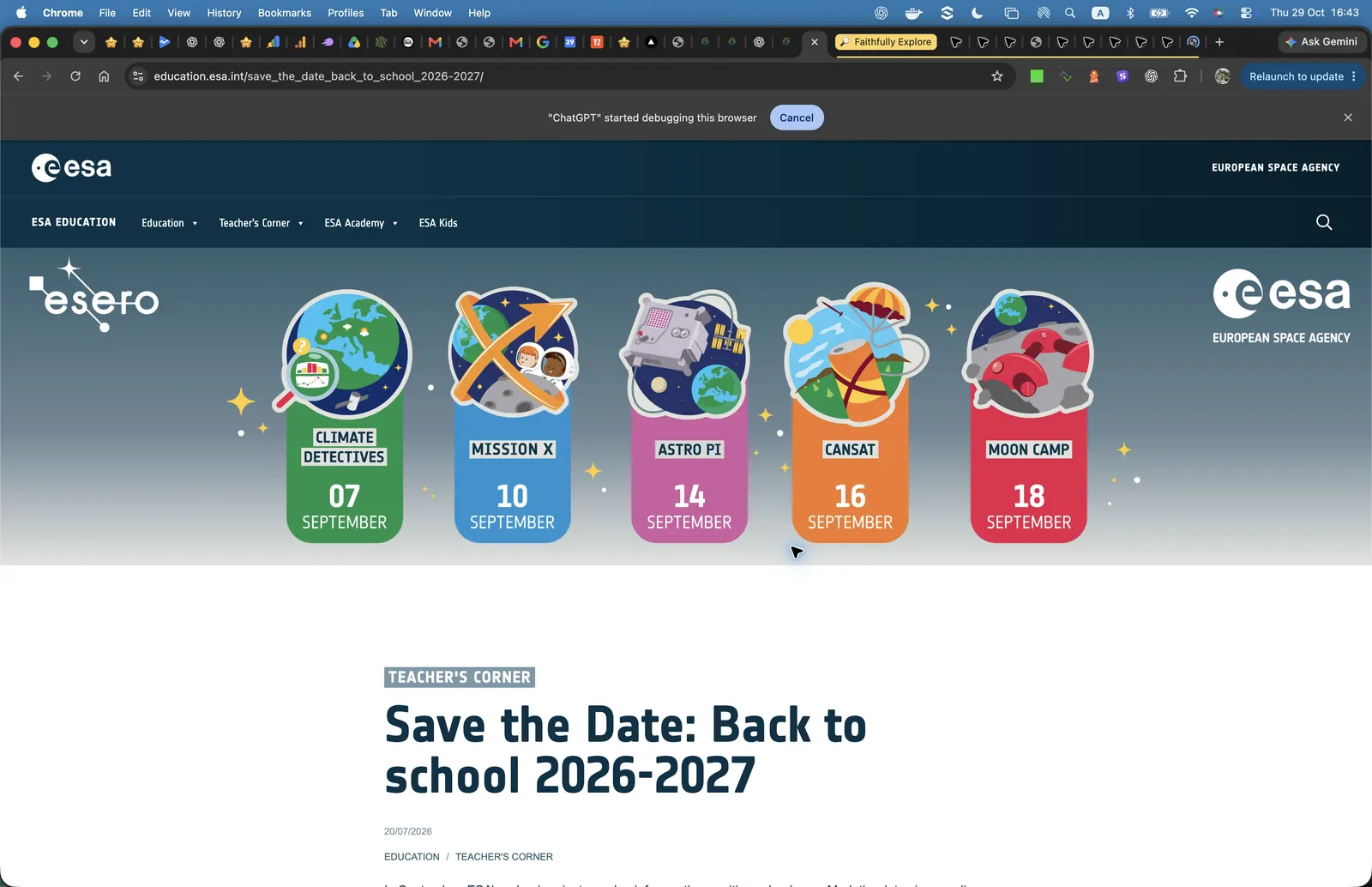
ESA Education 2026–2027 School Projects
The European Space Agency’s 2026–27 school-project overview connects children and teens with space-themed science, coding, environmental investigation, astronaut training, and design challenges. It is listed under Space and Science for ages 5–19 depending on project.
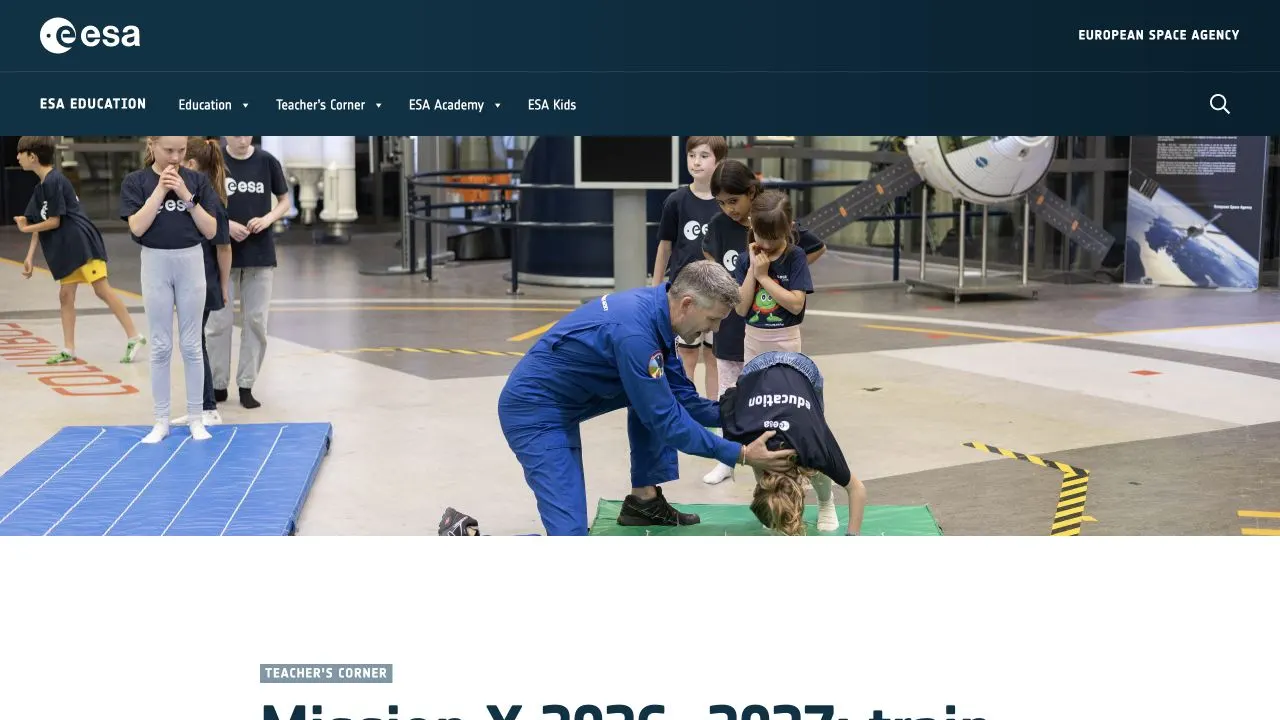
ESA Mission X 2026–2027
ESA Mission X combines astronaut-inspired fitness challenges with scientific investigations about health, nutrition, human biology, movement, and space travel. The directory lists it under Space and Science for recommended ages 5–14, with participation extending to older students up to 19. Adults and educators should confirm the current challenge dates, participation rules, and local delivery details with ESA.
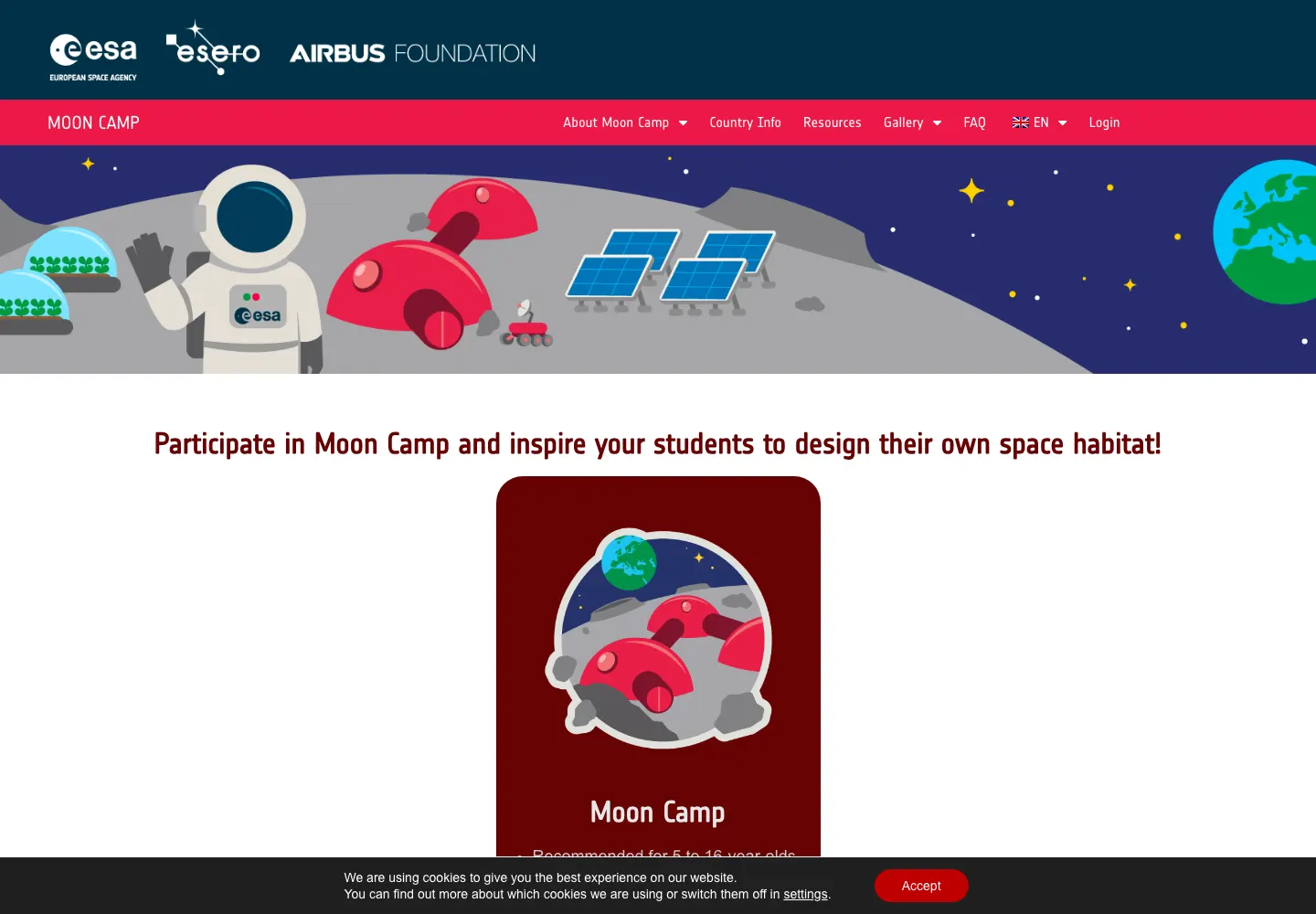
ESA Moon Camp Challenge 2026/27
The ESA Moon Camp Challenge invites students aged 5–16 to design a space habitat using creative tools such as arts and crafts, 3D design, robotics and videogames while exploring how people could live on the Moon or another celestial body.
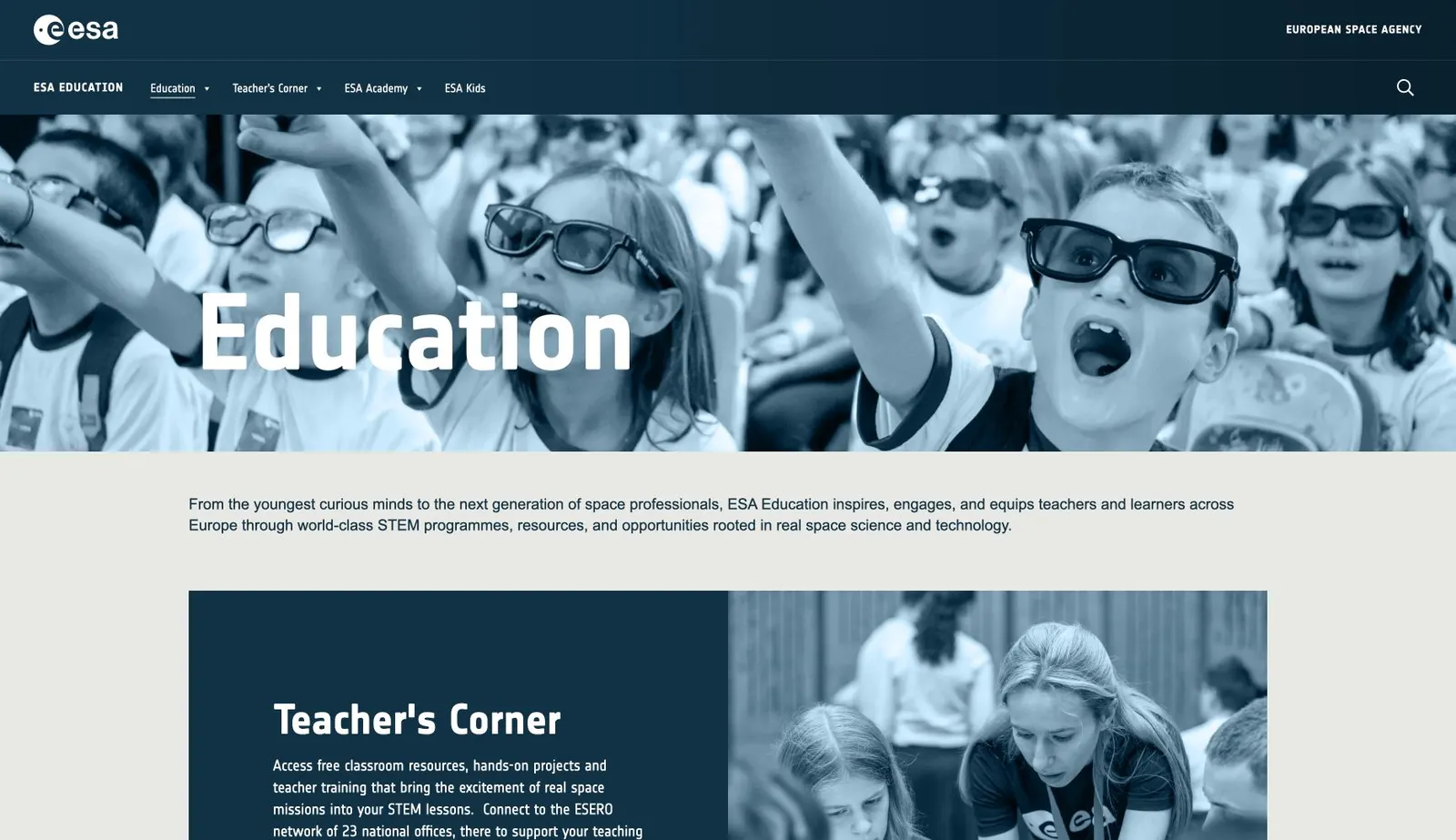
ESA Education
The European Space Agency’s education portal shares space-science projects, classroom activities, student opportunities, and STEM stories connected to ESA missions. It is listed under Space and Science for ages Primary through secondary students; program-specific.
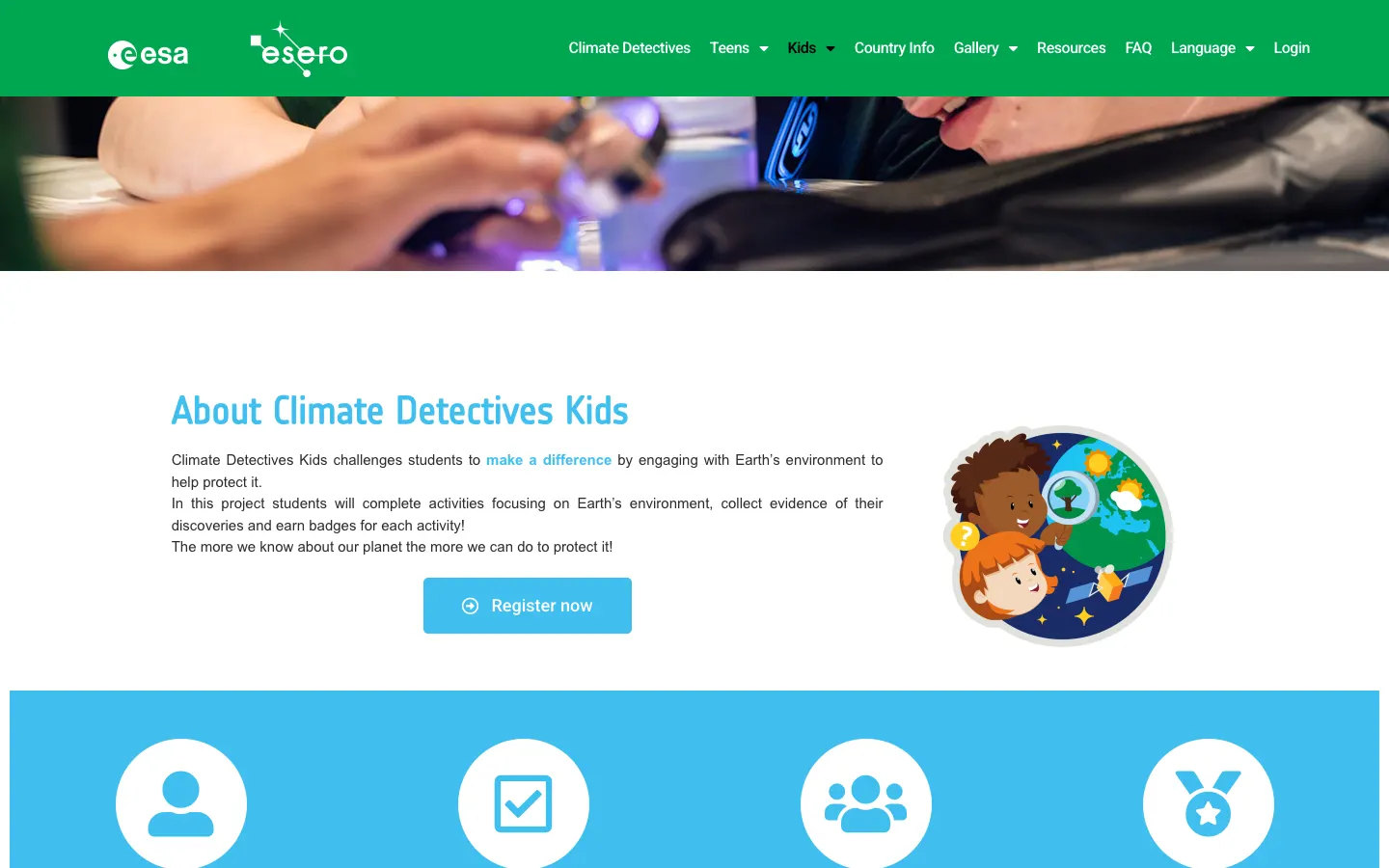
Climate Detectives Kids
Climate Detectives Kids is an ESA/ESERO environmental science project where teams of children complete Earth-focused activities, submit evidence, and earn badges. It is listed under Nature & environment and Science for ages 5–13. Children and families can use it through a website.
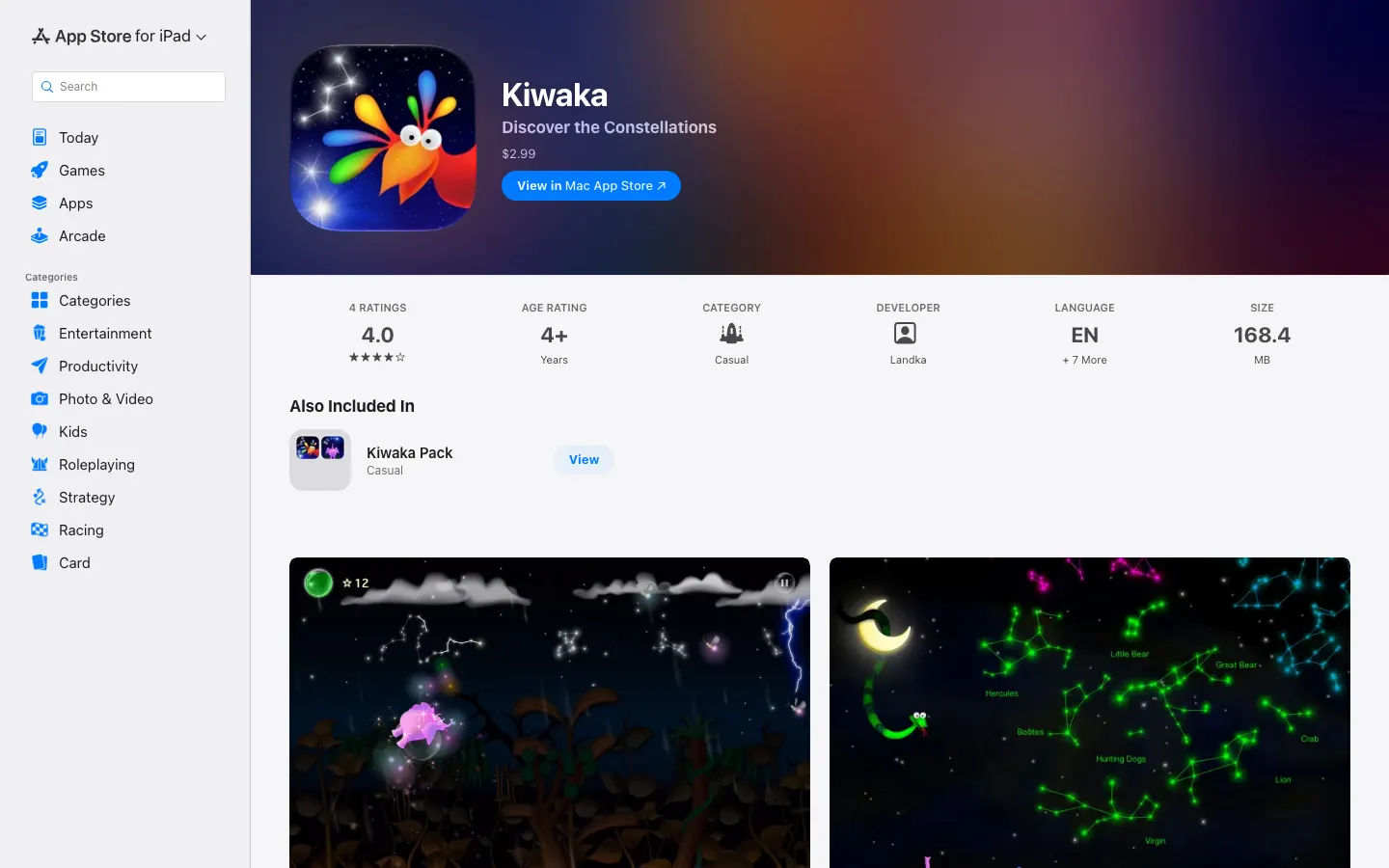
Kiwaka
Kiwaka is an astronomy learning game for children that teaches stars and constellations through play, with space imagery and educational content about astronomy and Greek mythology. It is listed under Space and Science for ages 4+.
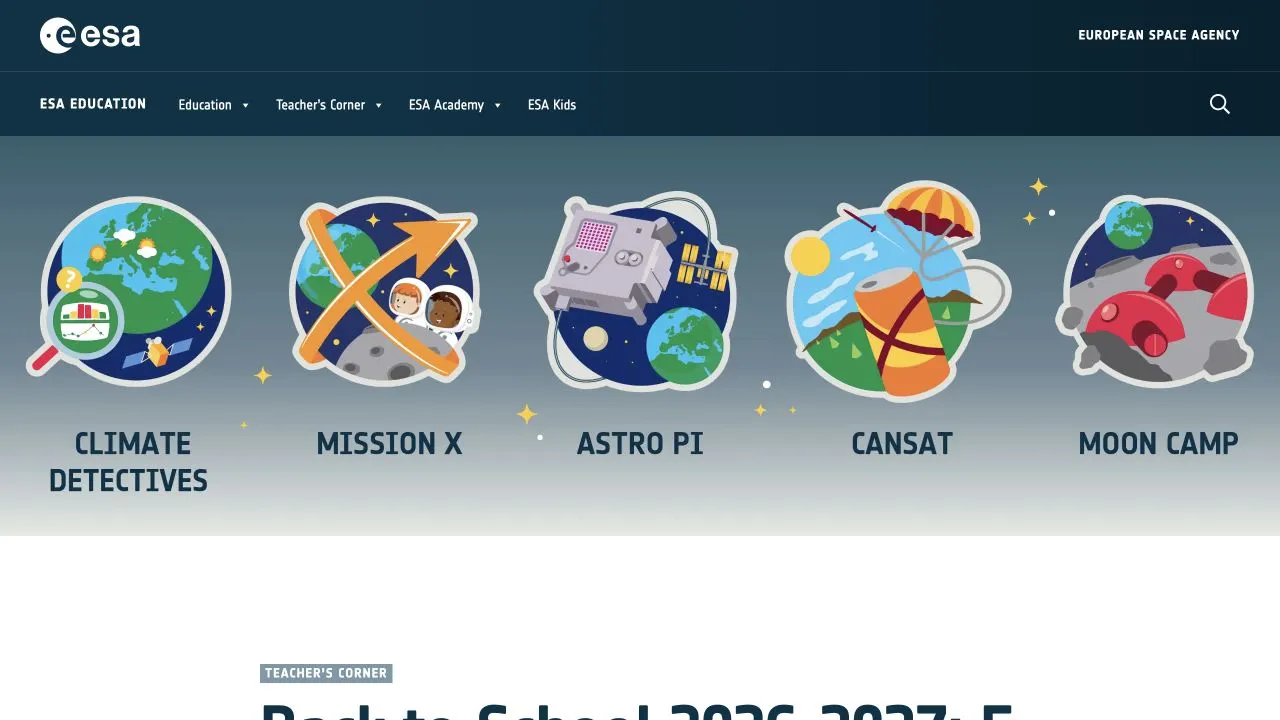
ESA Back to School 2026–27 STEM Projects
The European Space Agency’s 2026–27 Teacher’s Corner collection brings together Climate Detectives, Mission X, Astro Pi, CanSat, and Moon Camp, connecting school students with hands-on space science, coding, Earth observation, engineering, and design.
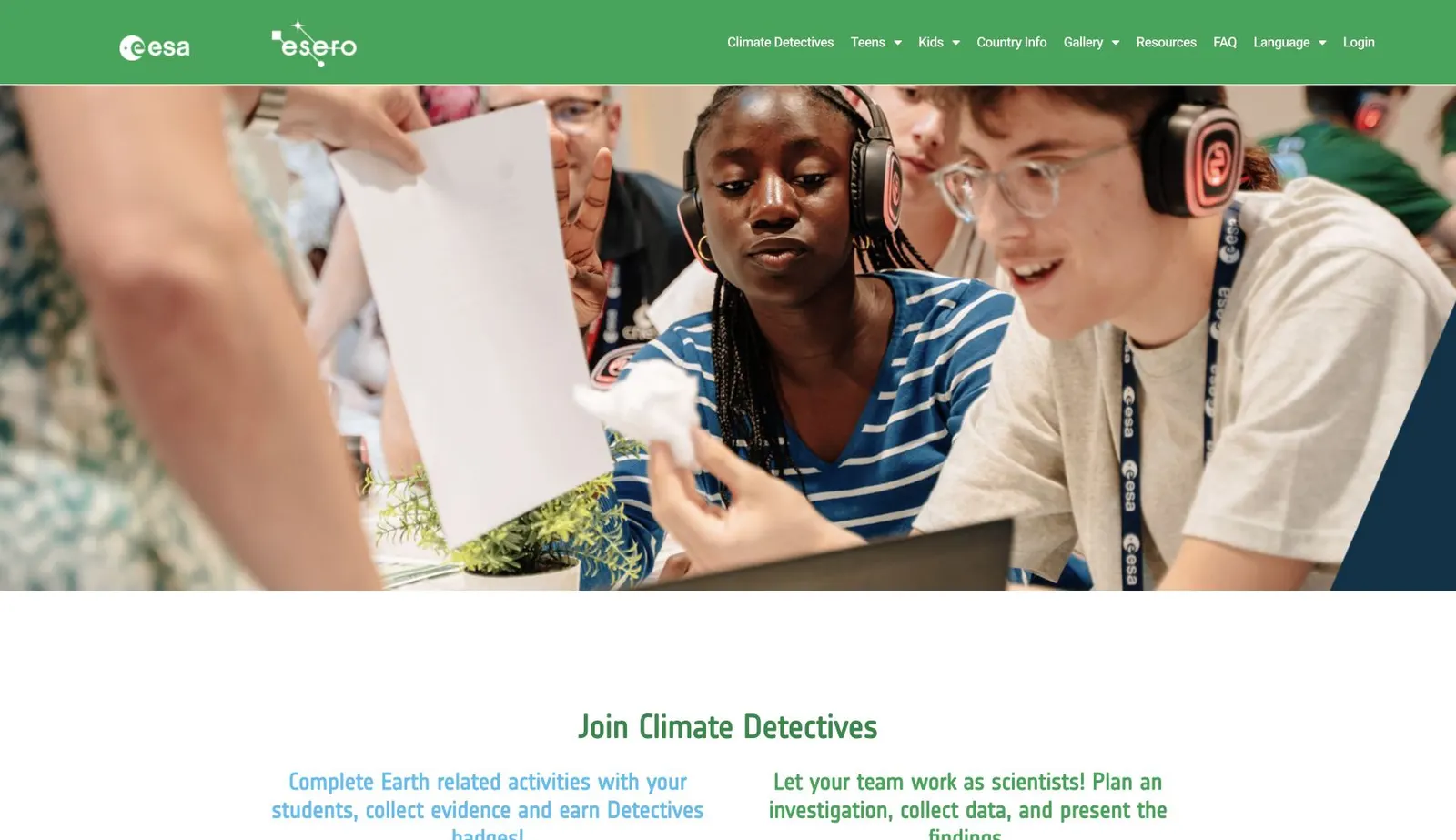
ESA Climate Detectives
ESA and ESERO’s Climate Detectives programme guides children ages 5–13 through Earth-related activities, evidence collection, investigations, galleries, and badges. It is listed under Nature & environment and Science for ages Ages 5–13 for Kids; a separate 14–19 track is also offered.
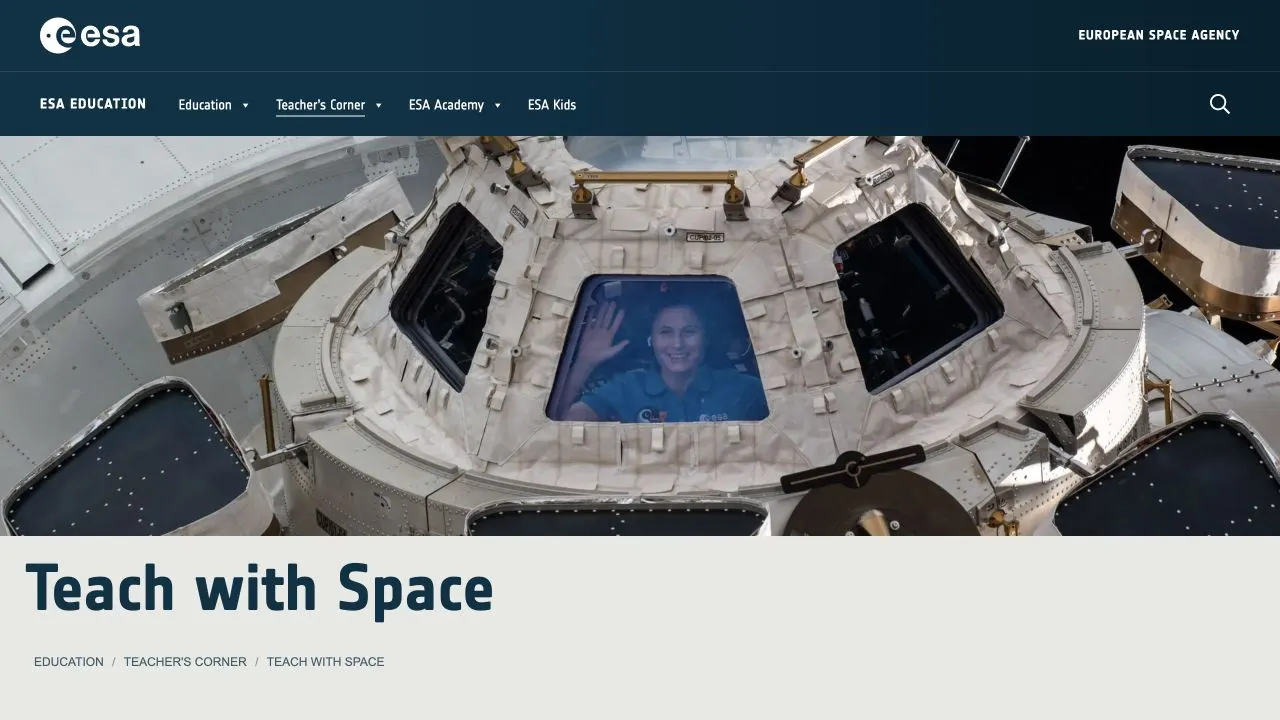
ESA Teach with Space
The European Space Agency collection offers classroom-ready space activities, resources, and videos with filters for age, subject, and language. It is listed under Space and Science for ages 6–19. Children and families can use it through a website, downloadable resources, and a YouTube channel.
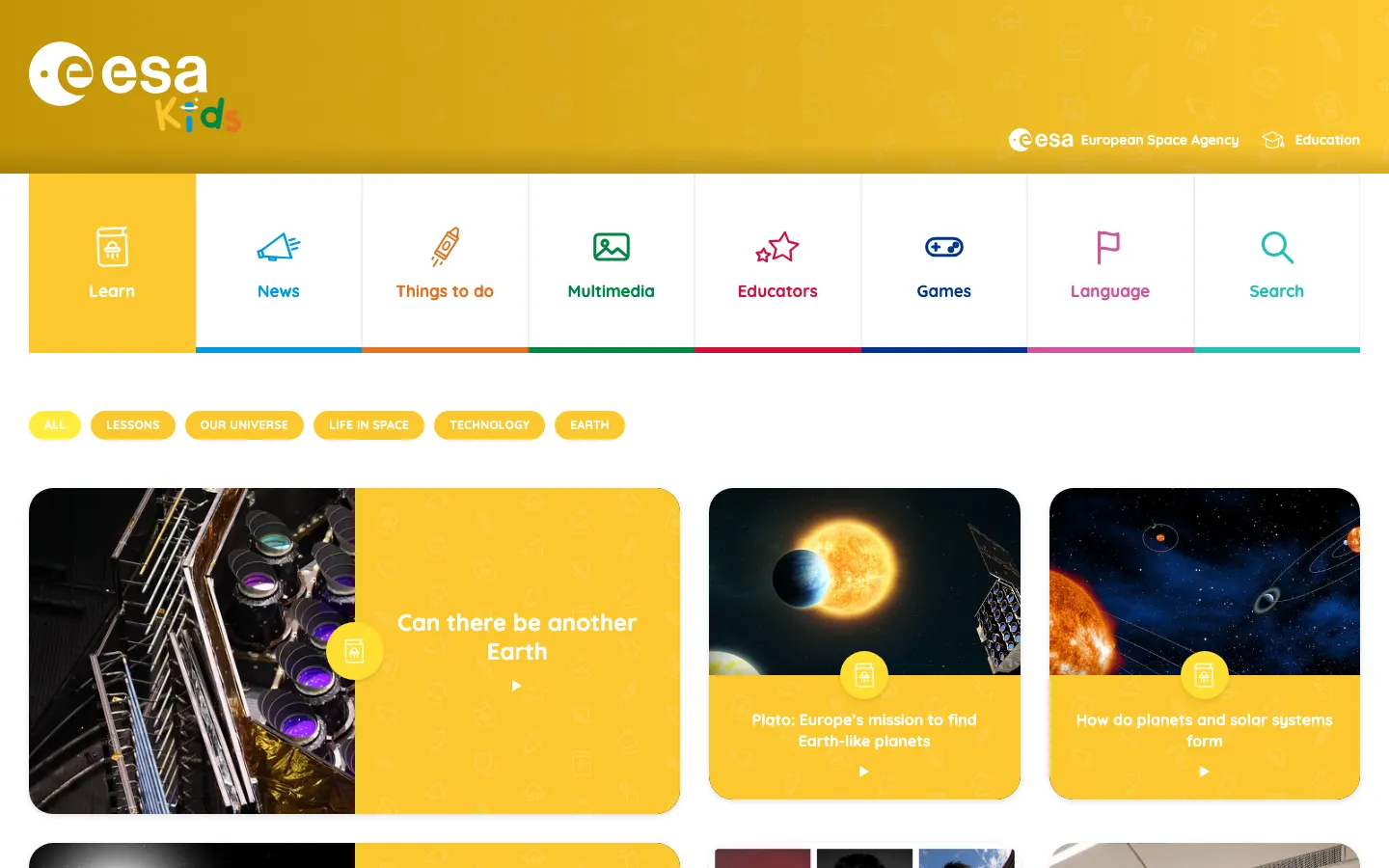
ESA Space for Kids
The European Space Agency’s kid-focused learning library with articles, lessons, games, and stories about space, Earth, astronauts, and technology. It is listed under Space, Science, and Nature & environment for ages 6–14. Children and families can use it through a website.
Compare with context
Use this collection to find a direction, then open each resource page before sharing it with a child. The individual review shows languages, access formats, tags, age guidance, source links, and notes for grown-ups.
Search the full directory →