Science Conservation
for kids
Explore 20 trusted science conservation resources selected for curious kids, with clear ages, access details, and parent context.
Two useful ways to narrow the directory
This page brings together science resources that also match conservation. Each listing keeps its own age range, platform details, languages, links, and parent notes, so you can compare options without losing context.
Explore all science resources →
Earth Rangers
A conservation-focused app with animal missions, games, facts, and ways for children to take action. It is listed under Nature & environment, Games, and Science for ages 7–12. Children and families can use it through a website.
Read the full resource review →More science picks
Nottawasaga Valley Virtual Field Trips
Nottawasaga Valley Conservation Authority offers virtual field trips and teacher resources about watersheds, glaciers, water quality, local ecology, and Fort Willow history. It is listed under Nature & environment and Science for ages 8–14.
Audubon for Kids
Bird and nature activities, games, coloring pages, and family learning ideas from the National Audubon Society. It is listed under Nature & environment, Science, and Art & creativity for ages 5–14. Children and families can use it through a website and downloadable resources.
Cincinnati Zoo Education
Zoo education programs, family activities, camps, school programs, and conservation learning for children and educators. It is listed under Nature & environment, Science, and Parent & educator for ages 4-18. Children and families can use it through a website.
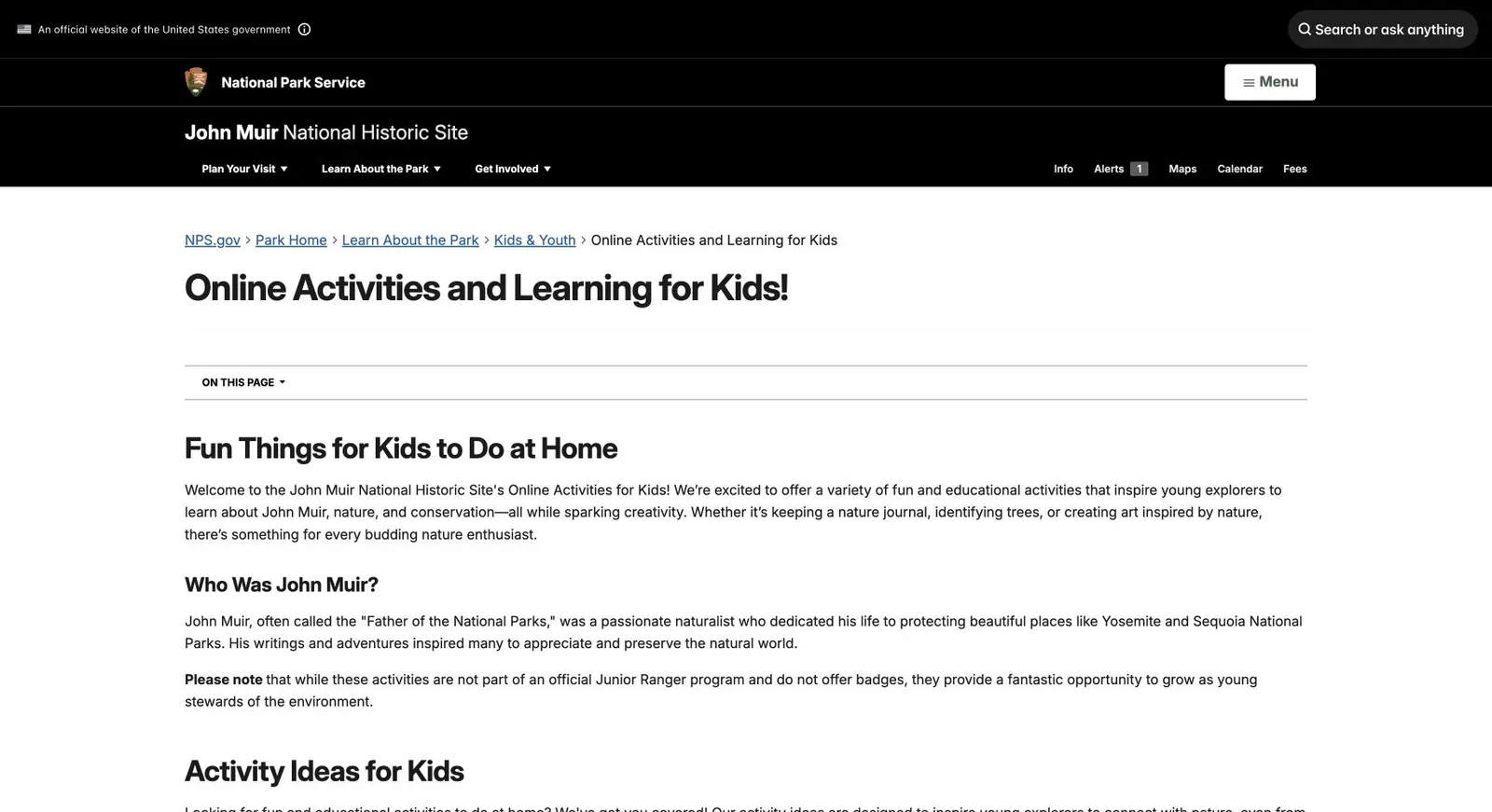
John Muir National Historic Site Kids Activities
A National Park Service collection of nature scavenger hunts, journaling, tree identification, nature art, and conservation activities inspired by John Muir. It is listed under Nature & environment and Science for ages 5–14. Children and families can use it through a website.
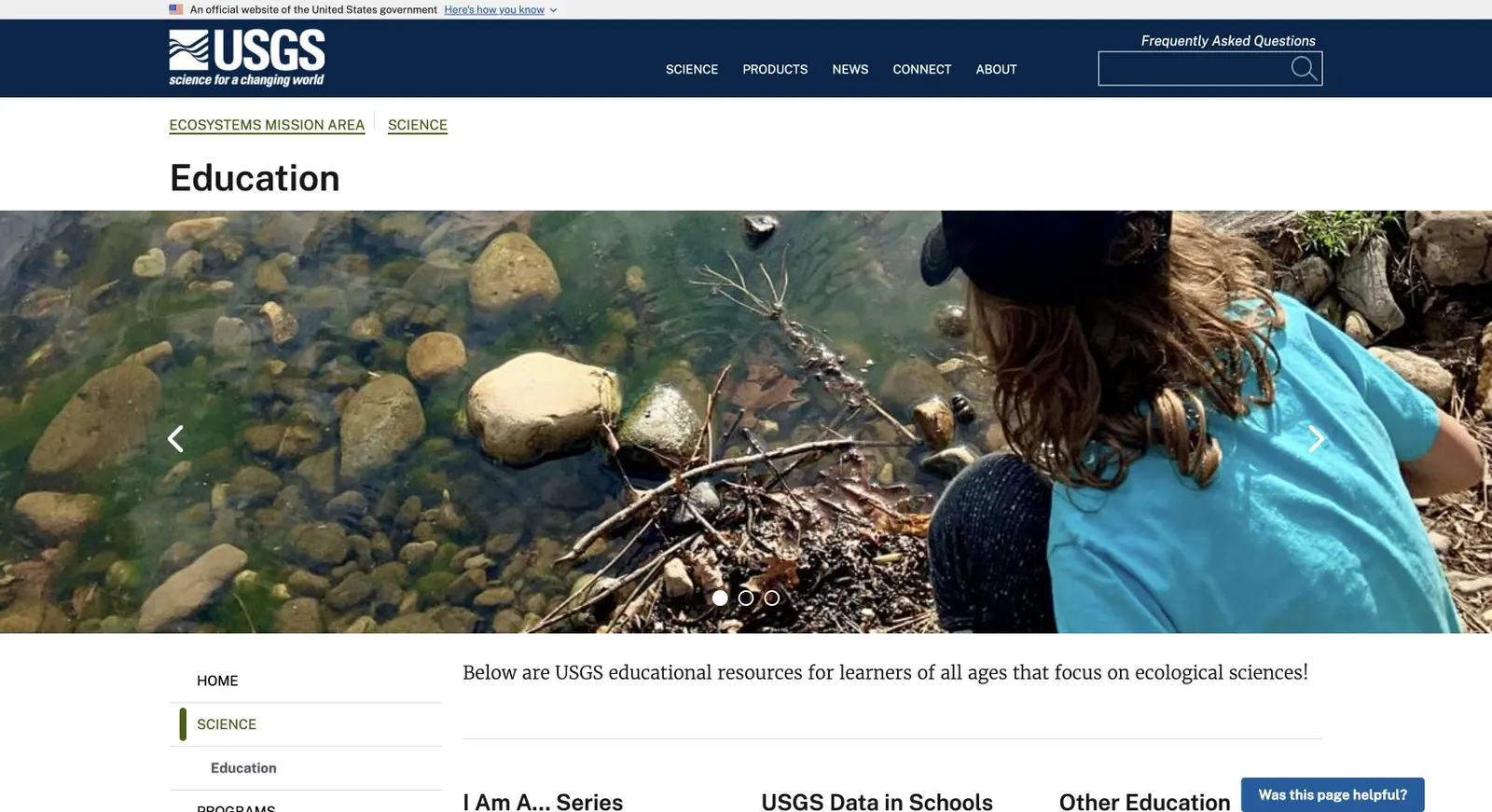
USGS Ecosystems Education
USGS ecosystems education resources help learners investigate habitats, biodiversity, ecological change, and the science behind conservation. It is listed under Nature & Environment and Science for ages 10–18; resource-specific. Children and families can use it through a website.
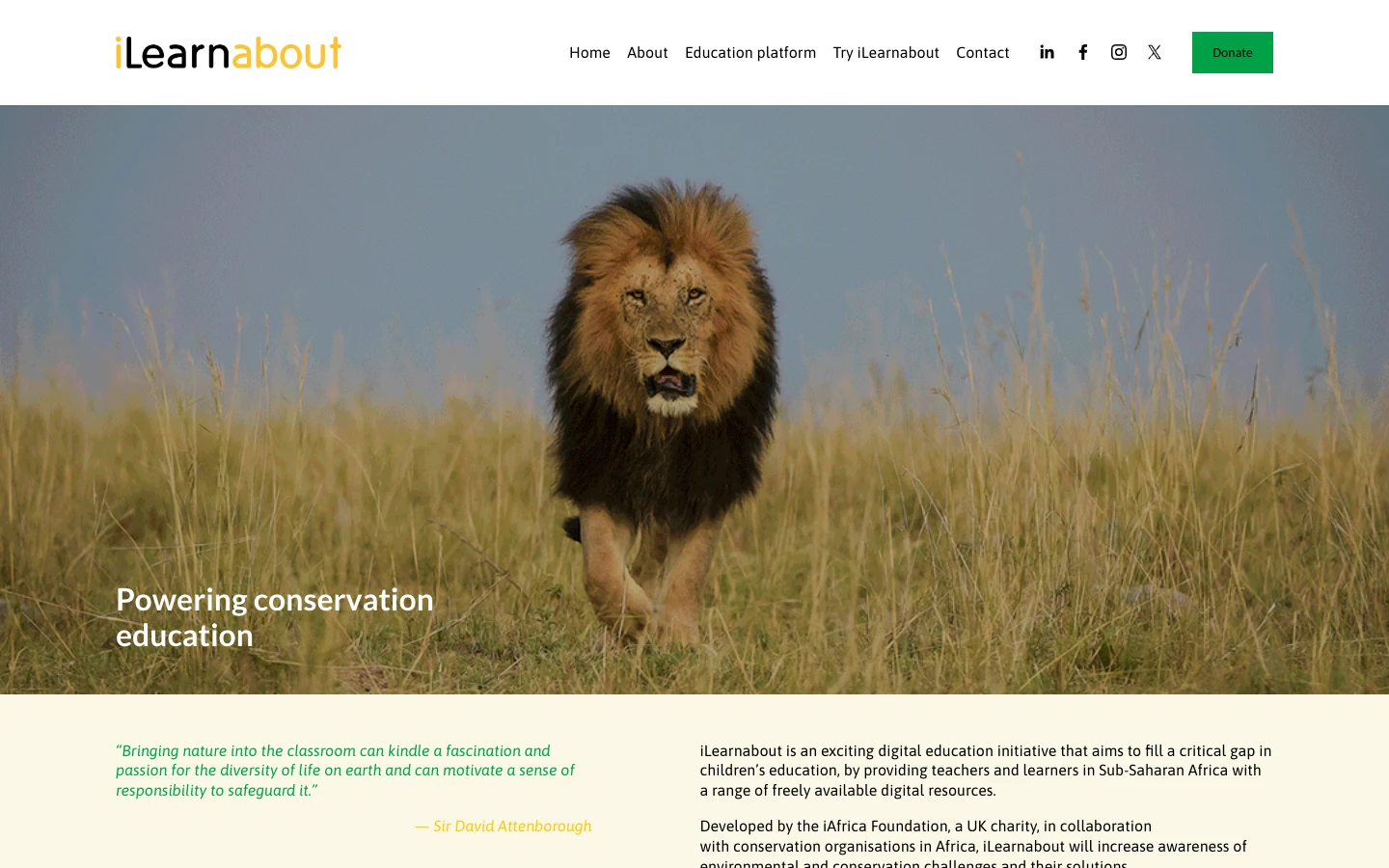
iLearnabout
A free digital conservation-education initiative providing modern, curriculum-linked environmental learning content and activities for schools, clubs, and organizations in Sub-Saharan Africa. It is listed under Nature & environment and Science for ages Upper primary–lower secondary.
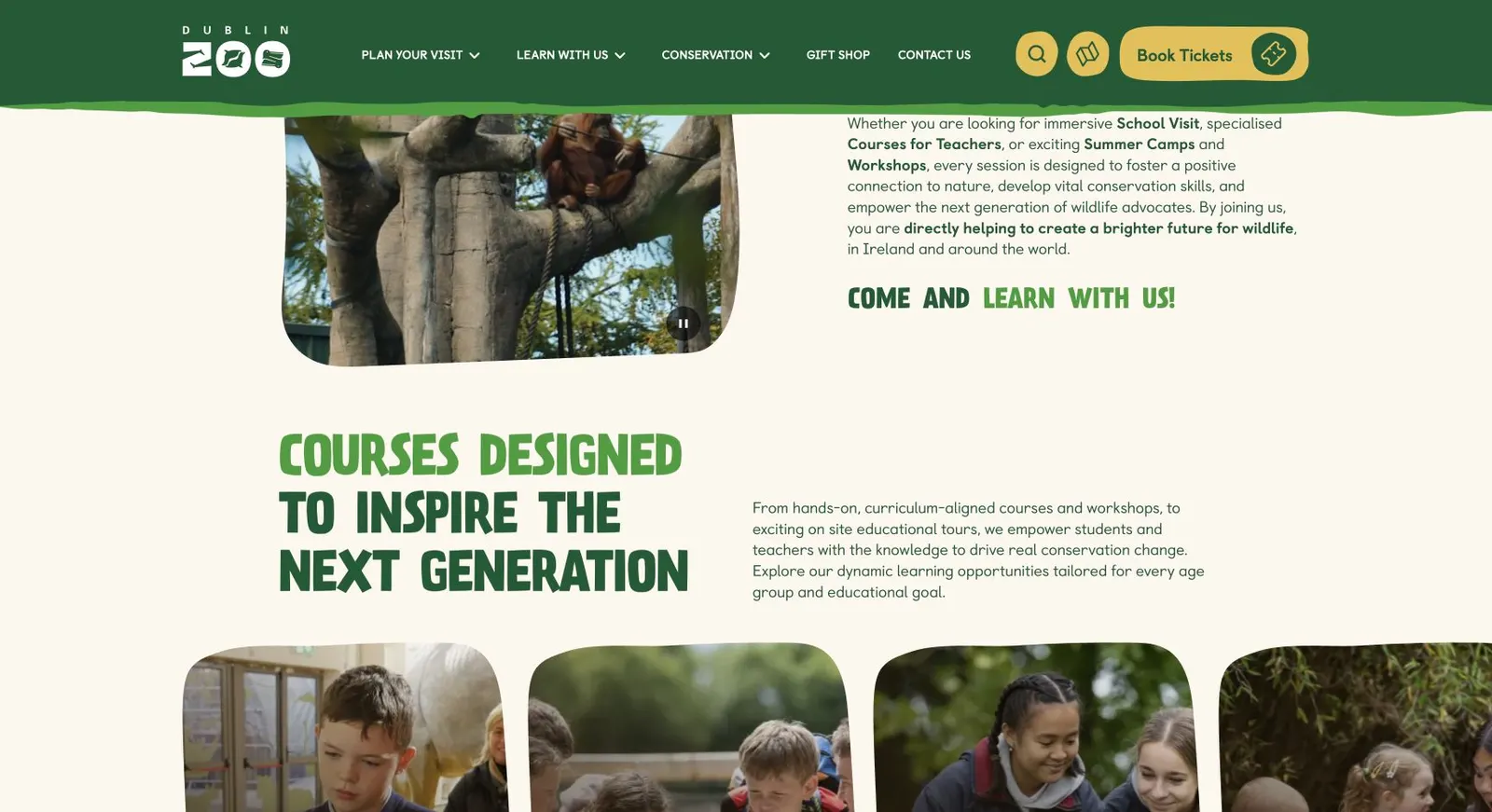
Dublin Zoo Conservation Education
Curriculum-linked wildlife programmes, school visits, workshops, and online activities from Dublin Zoo. It is listed under Nature & environment and Science for ages 4-18. Children and families can use it through a website and a physical place.
Toronto Zoo School Visits
School visits, virtual programmes, wildlife learning, and classroom resources from the Toronto Zoo. It is listed under Nature & environment and Science for ages 4-18. Children and families can use it through a website and a physical place.
USGS Critter Tales Activity Book
Critter Tales is a USGS restoration activity book for kids that uses animals and habitats to introduce conservation, ecology, and restoration ideas. It is listed under Nature & Environment and Science for ages 7–12.
Massachusetts Online Ocean Education Resources
Massachusetts Coastal Zone Management’s student resource guide links ocean science activities, stories, games, quizzes, virtual exploration, and coastal learning for younger and older learners. It is listed under Nature & environment and Science for ages 6–18.
Missouri Discover Nature Schools
Missouri Department of Conservation’s Discover Nature Schools is a conservation science program with grade-banded units, student notebooks, teacher guides, and outdoor investigations. It is listed under Nature & environment and Science for ages Pre-K–12.
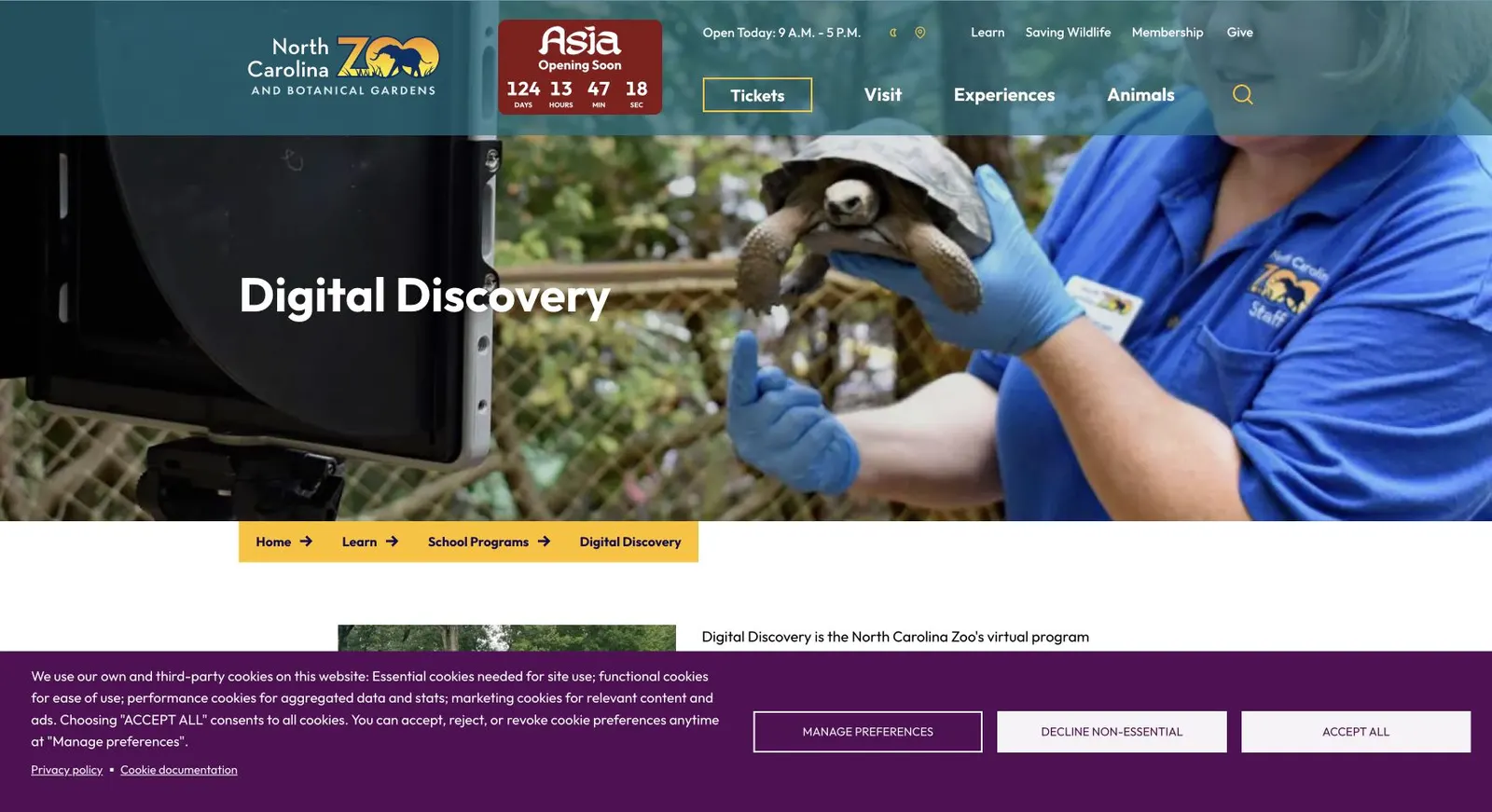
North Carolina Zoo Digital Discovery
North Carolina Zoo’s Digital Discovery is a virtual school-group program that brings wildlife care, conservation, and the protection of wild places to learners remotely. It is listed under Nature & environment and Science for ages 5–18.
Compare with context
Use this collection to find a direction, then open each resource page before sharing it with a child. The individual review shows languages, access formats, tags, age guidance, source links, and notes for grown-ups.
Search the full directory →