Science Chemistry
for kids
Explore 20 trusted science chemistry resources selected for curious kids, with clear ages, access details, and parent context.
Two useful ways to narrow the directory
This page brings together science resources that also match chemistry. Each listing keeps its own age range, platform details, languages, links, and parent notes, so you can compare options without losing context.
Explore all science resources →
Avanza STEM Interactive Labs
A free set of browser-based STEM labs covering physics, coding, chemistry, engineering, and virtual experiments with no installation or sign-in. It is listed under Science and Coding for ages 8–16. Children and families can use it through a website.
Read the full resource review →More science picks
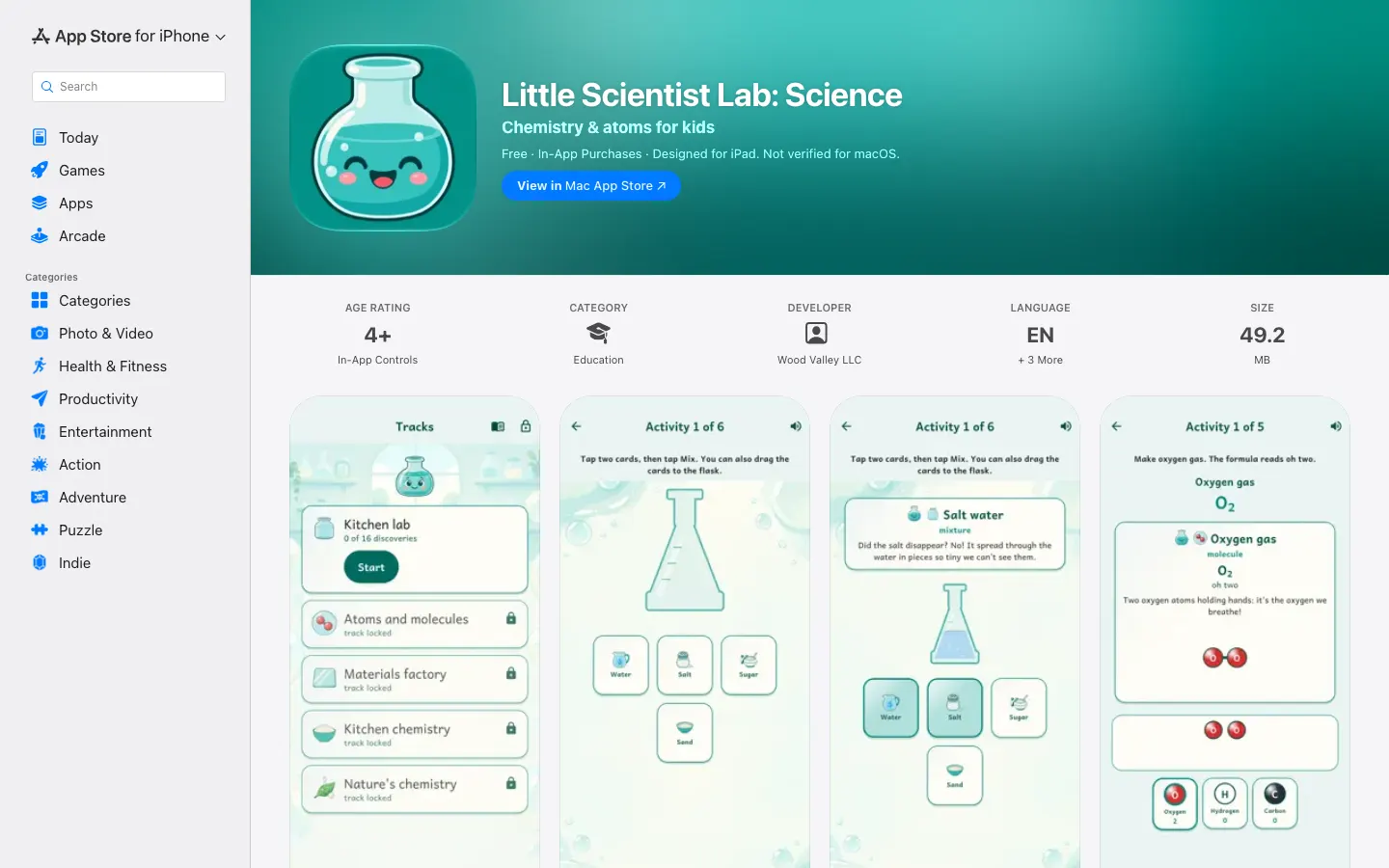
Little Scientist Lab
Little Scientist Lab is a virtual science lab for ages 6–10 where children mix materials, explore atoms and molecules, learn how materials are made, and keep explanations in a Scientist’s Notebook.
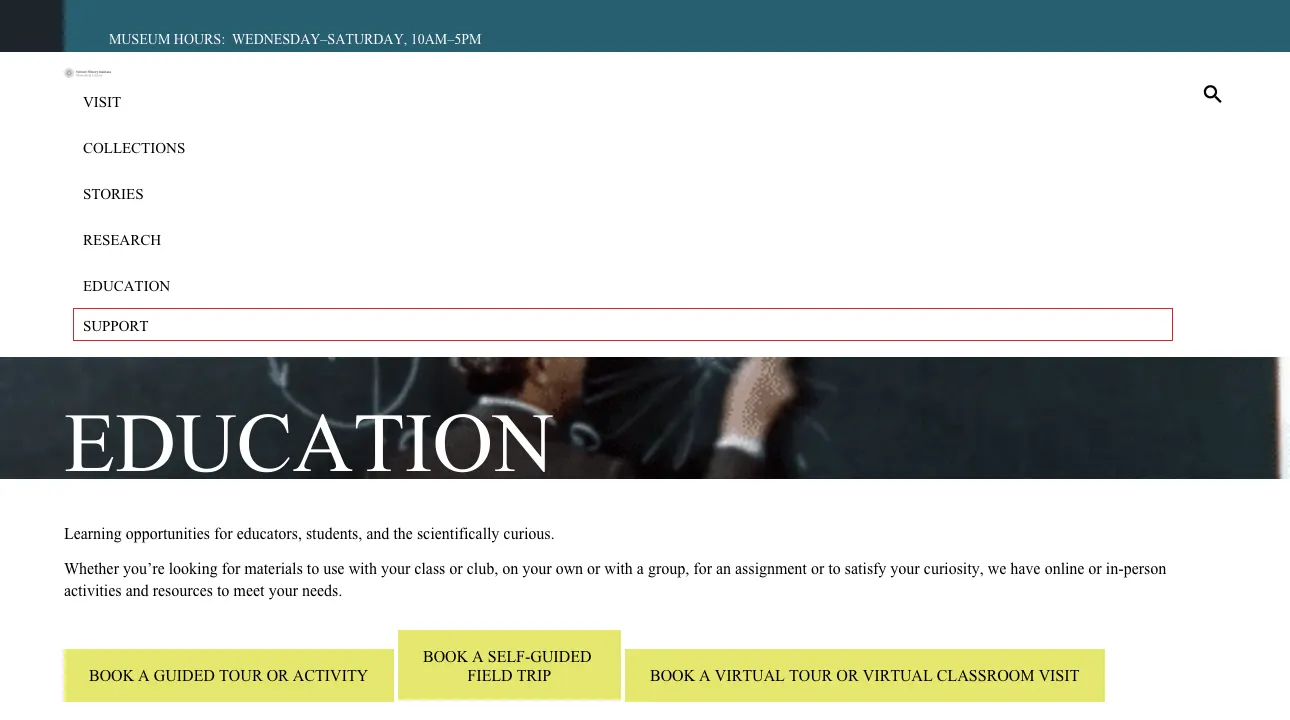
Science History Institute Education
Chemistry and science history activities, museum tours, virtual classrooms, and trustworthy resources for older students. It is listed under Science and History & culture for ages 12-18. Children and families can use it through a website and downloadable resources.
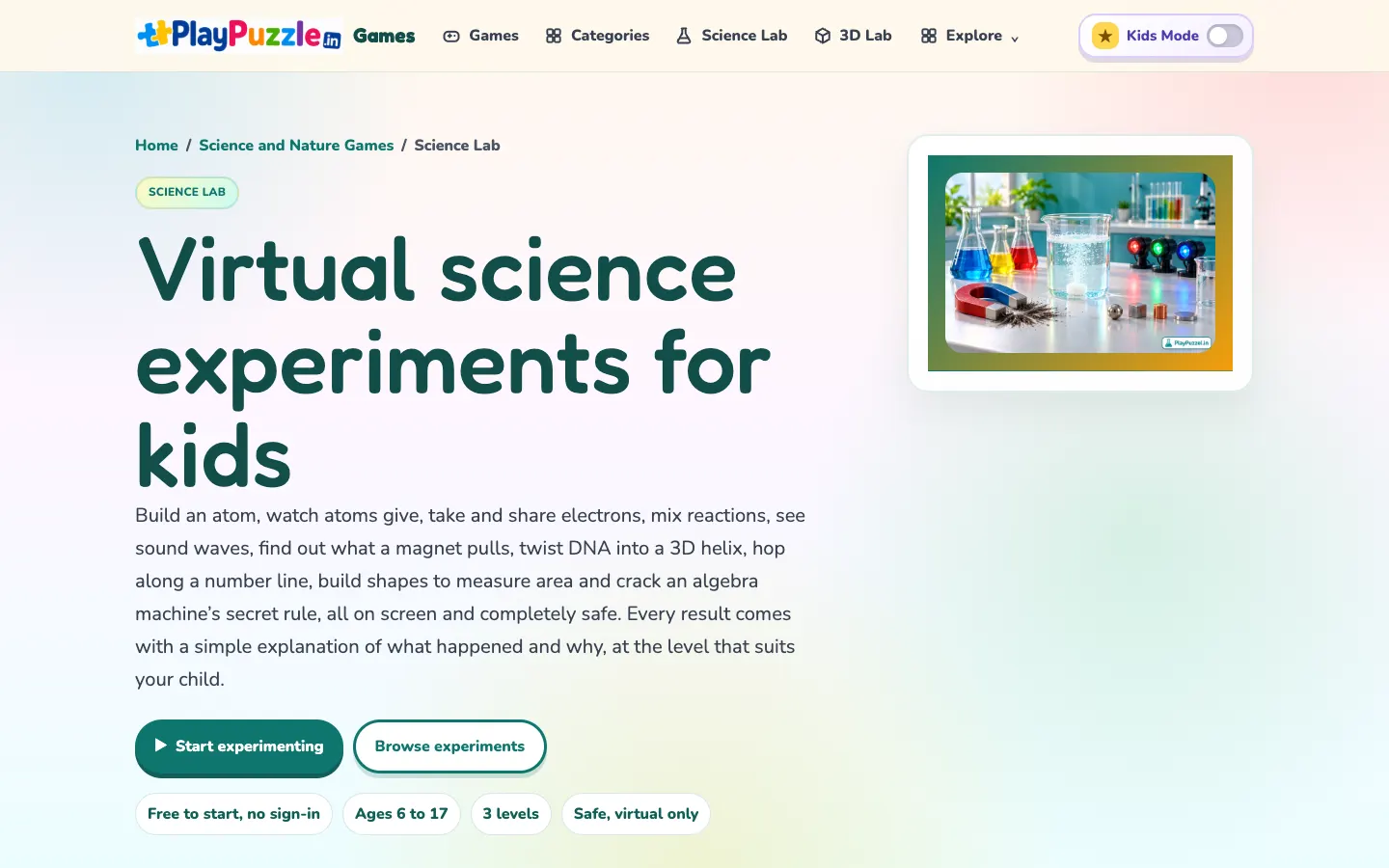
PlayPuzzle Science Lab
PlayPuzzle Science Lab is a virtual experiment collection where children build atoms, explore reactions, test magnets, investigate DNA, and work through maths and science missions. It is listed under Science and Mathematics for ages 6–17.
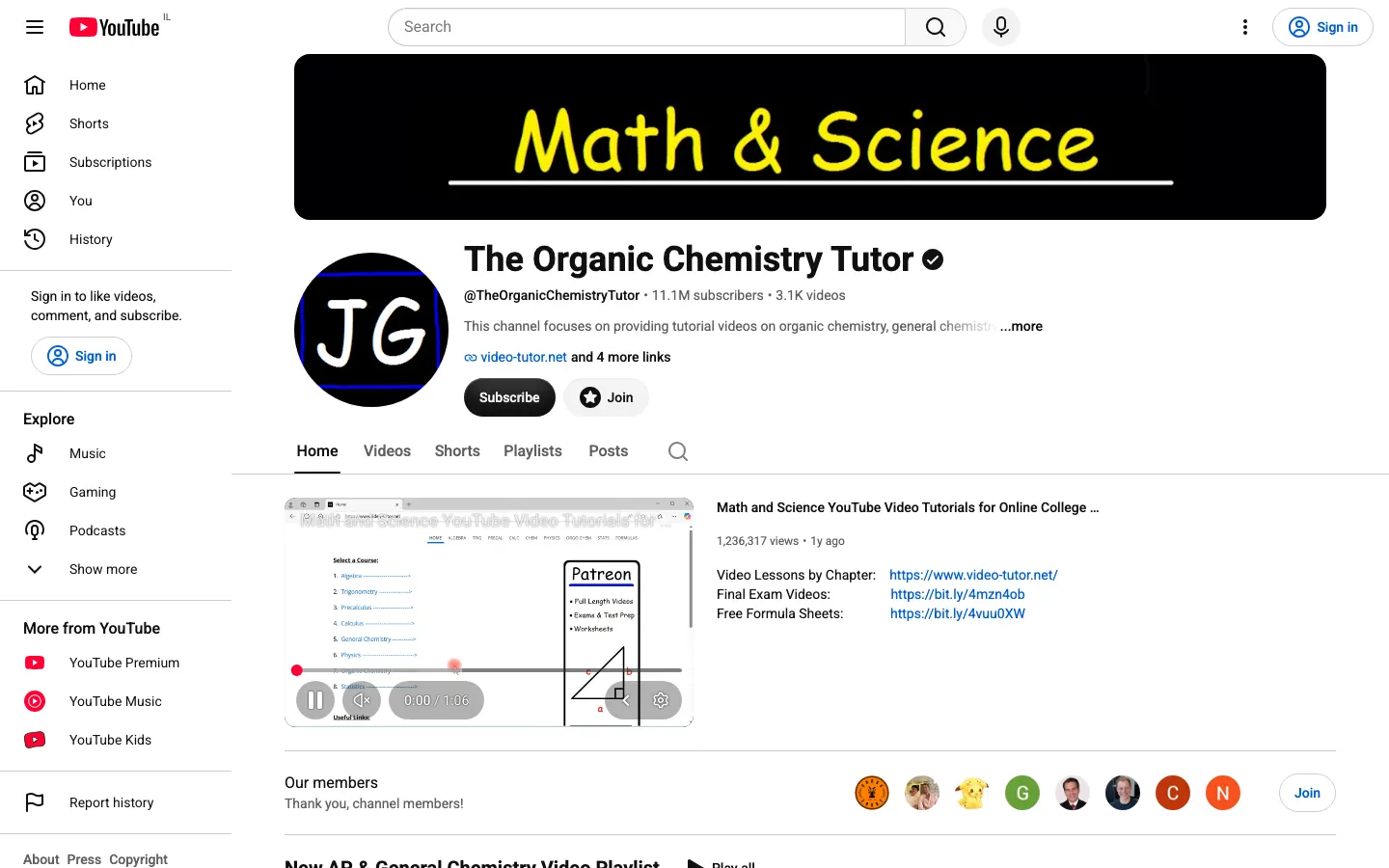
The Organic Chemistry Tutor
A large lesson library covering chemistry, physics, algebra, trigonometry, calculus, and other high-school and introductory college topics. It is listed under Science and Math for ages 14–18. Children and families can use it through a YouTube channel.
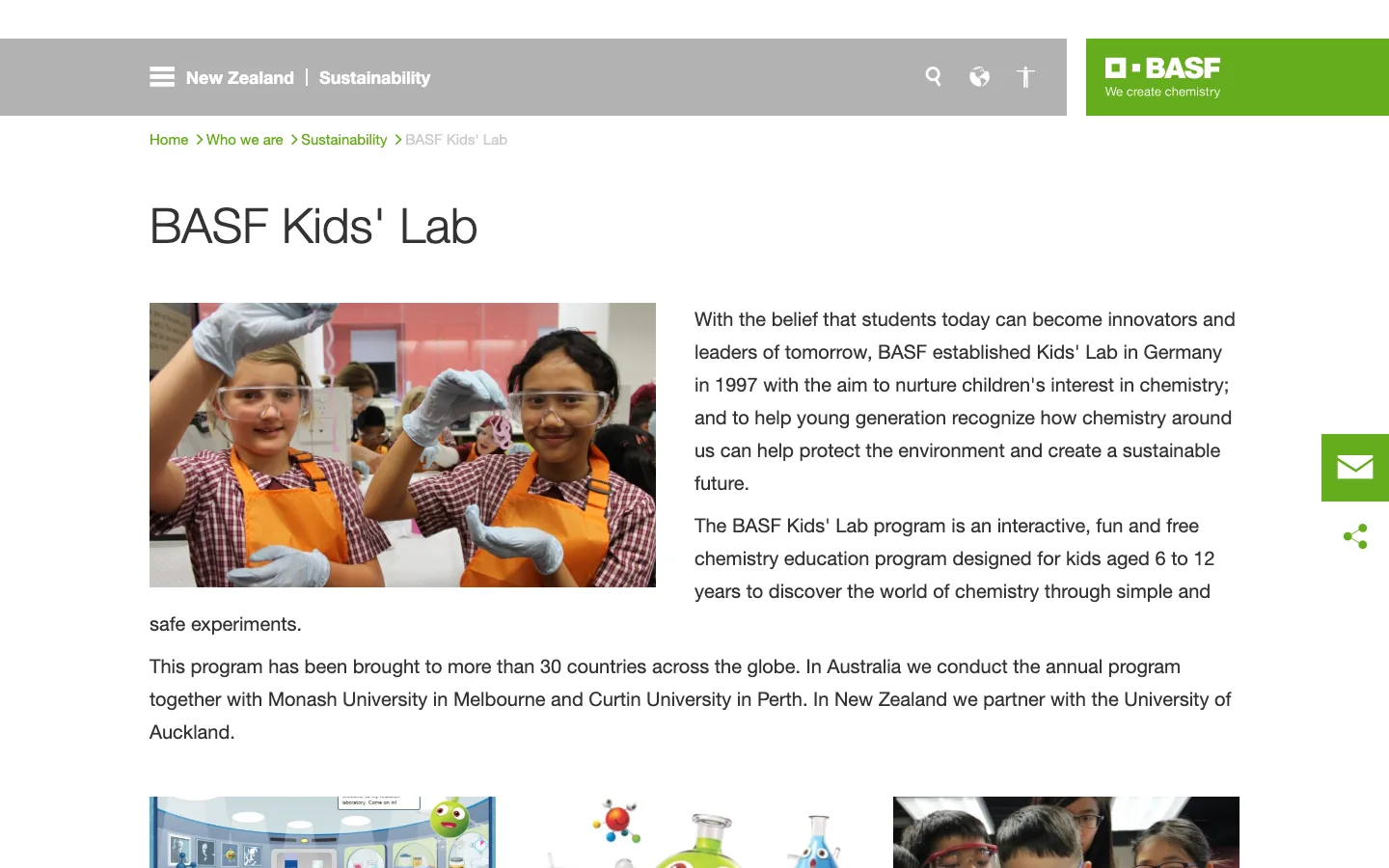
BASF Kids' Lab
A chemistry education program with interactive experiments and virtual activities designed to help children explore materials, reactions, and sustainability. It is listed under Science and Experiments for ages 6–12. Children and families can use it through a website.
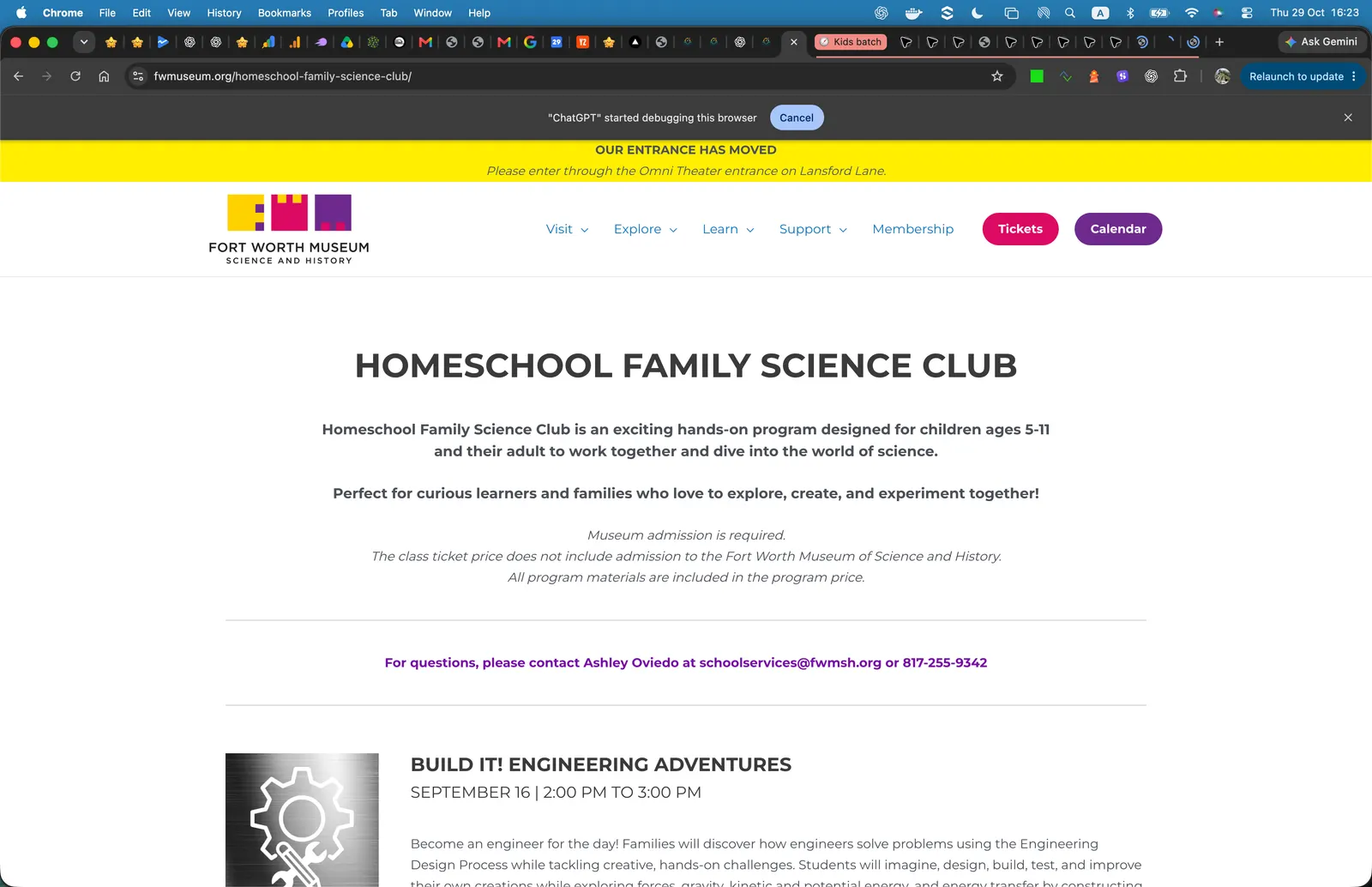
Fort Worth Homeschool Family Science Club
The Fort Worth Museum of Science and History’s Homeschool Family Science Club offers hands-on science sessions for children and an accompanying adult, with engineering, animal adaptations, and chemistry themes. It is listed under Science and Museums for ages 5–11 with adult.
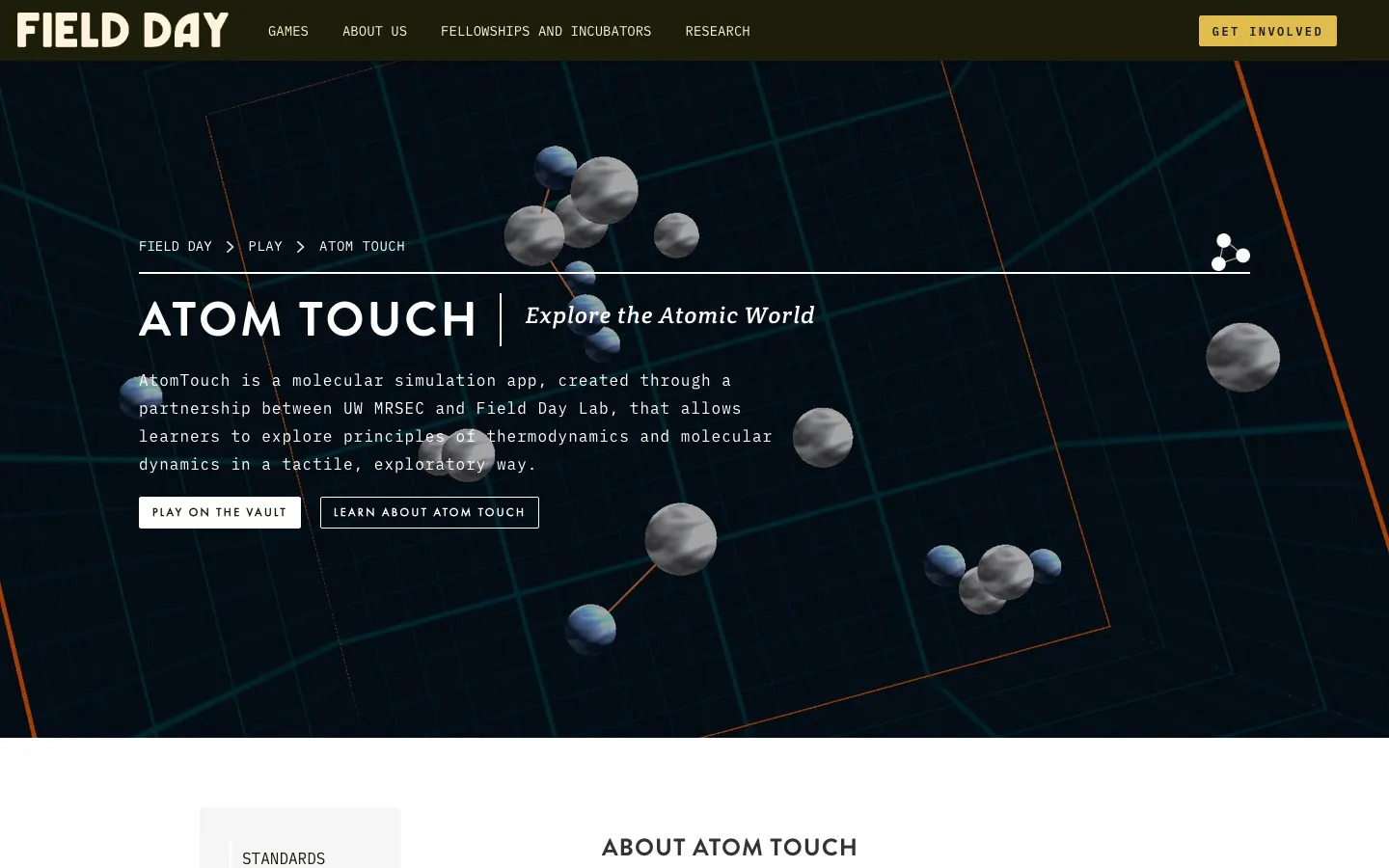
Atom Touch
An interactive Field Day Lab molecular simulation that lets learners explore thermodynamics, particles, molecular structures, and changing states of matter through tactile experimentation. It is listed under Science and Chemistry for ages Grades 5–8; activity-specific.

Science Museum Group Bouncy Egg Activity
A Science Museum Group hands-on KS2–KS3 chemistry activity uses vinegar and an egg to explore chemical reactions, osmosis, observation, and materials science. It is listed under Science and Technology for ages KS2–KS3. Children and families can use it through a website.
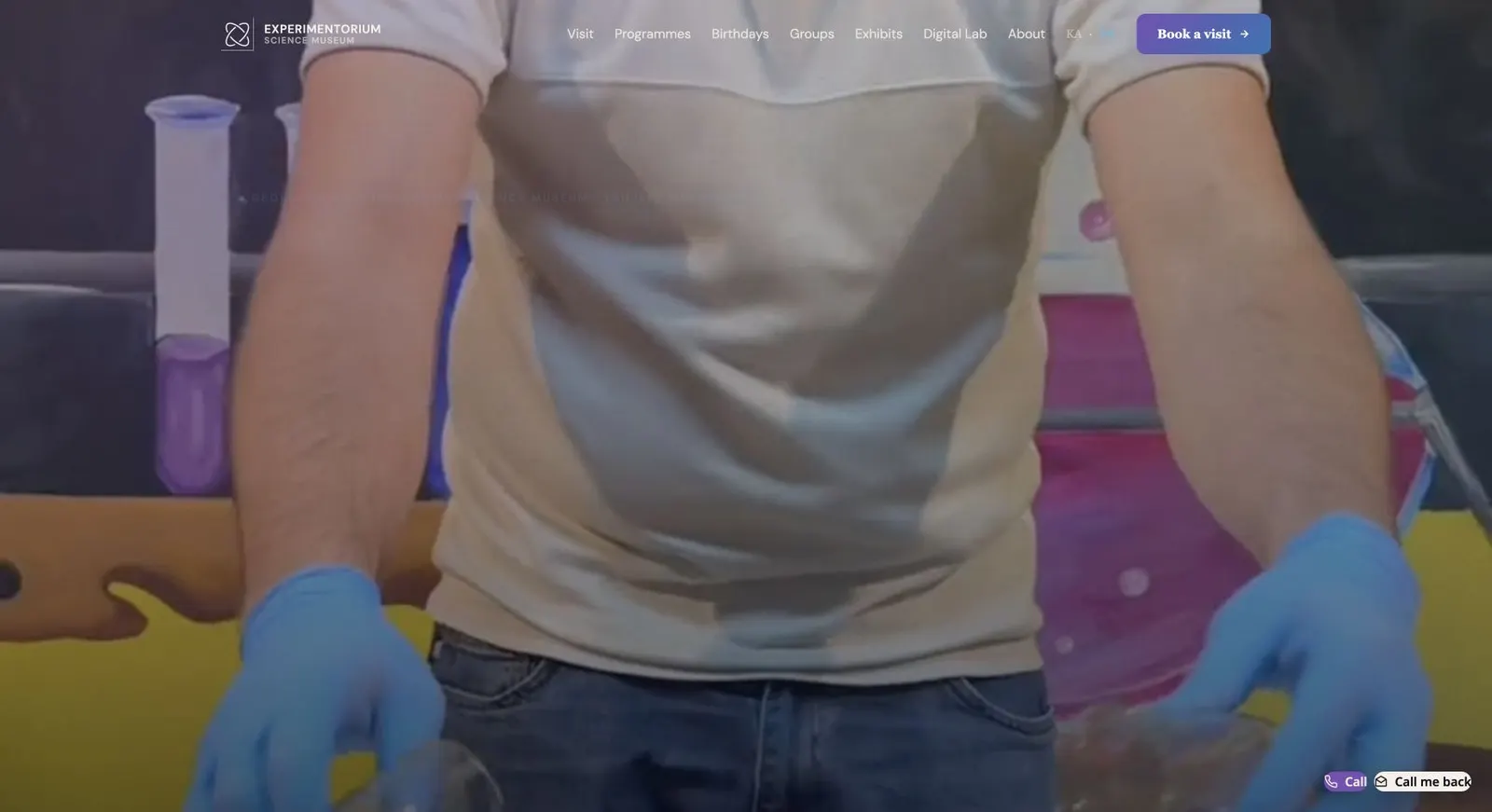
Experimentorium Science Museum
A hands-on science museum in Tbilisi with interactive exhibits, chemistry activities, Digital Lab sessions, and family programmes. It is listed under Science and Parent & educator for ages 5-18. Children and families can use it through a website and a physical place.
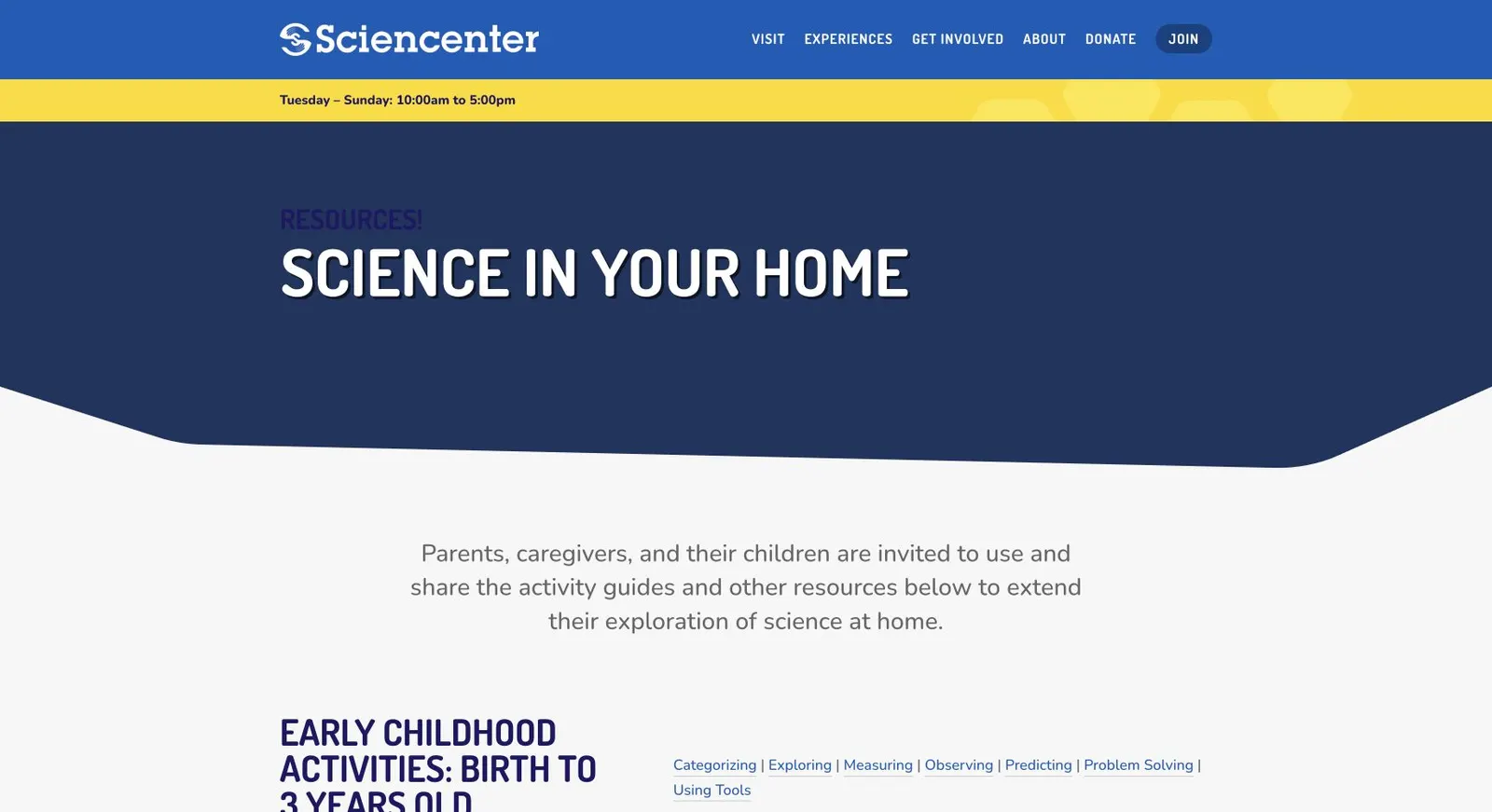
Sciencenter Science in Your Home
Free at-home science activity guides for young children, elementary learners, families, and caregivers from the Sciencenter. It is listed under Science, Parent & educator, and Maker & DIY for ages 0-12. Children and families can use it through a website and downloadable resources.
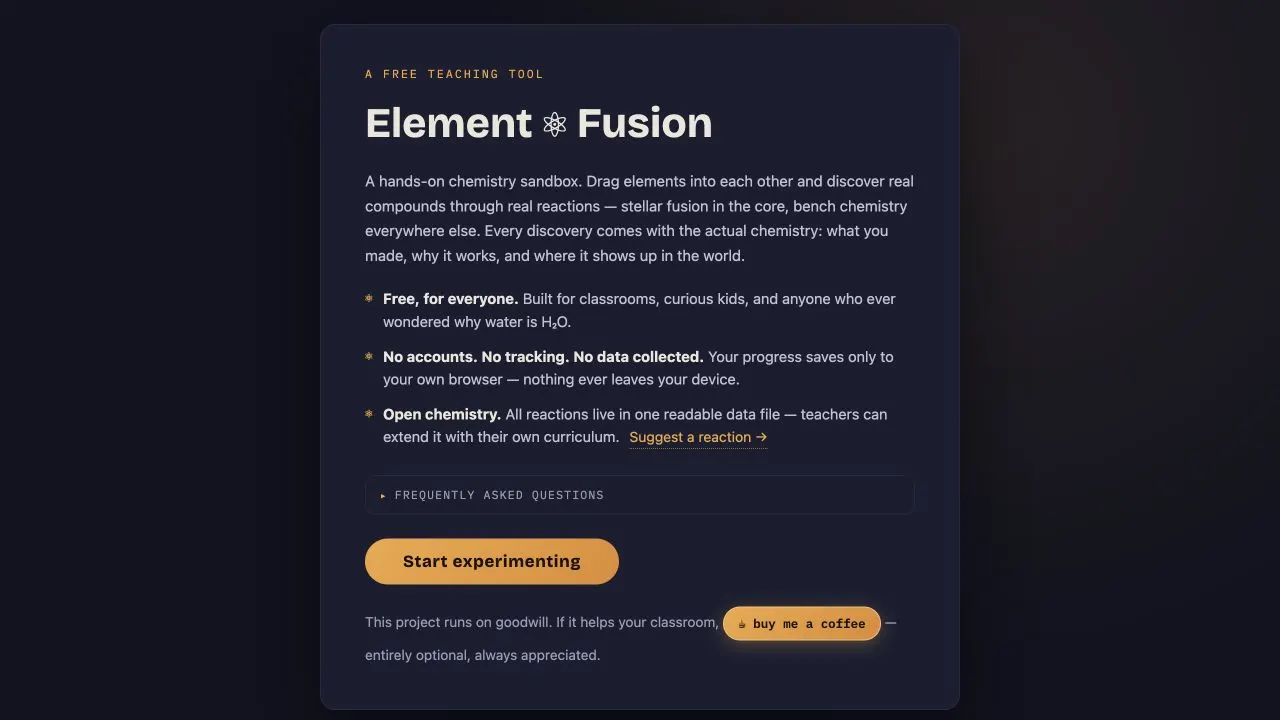
Element Fusion
A free hands-on chemistry sandbox where children combine elements to discover real compounds, reaction explanations, and chemistry in the world around them. It is listed under Science and Games for ages 9–16. Children and families can use it through a website.
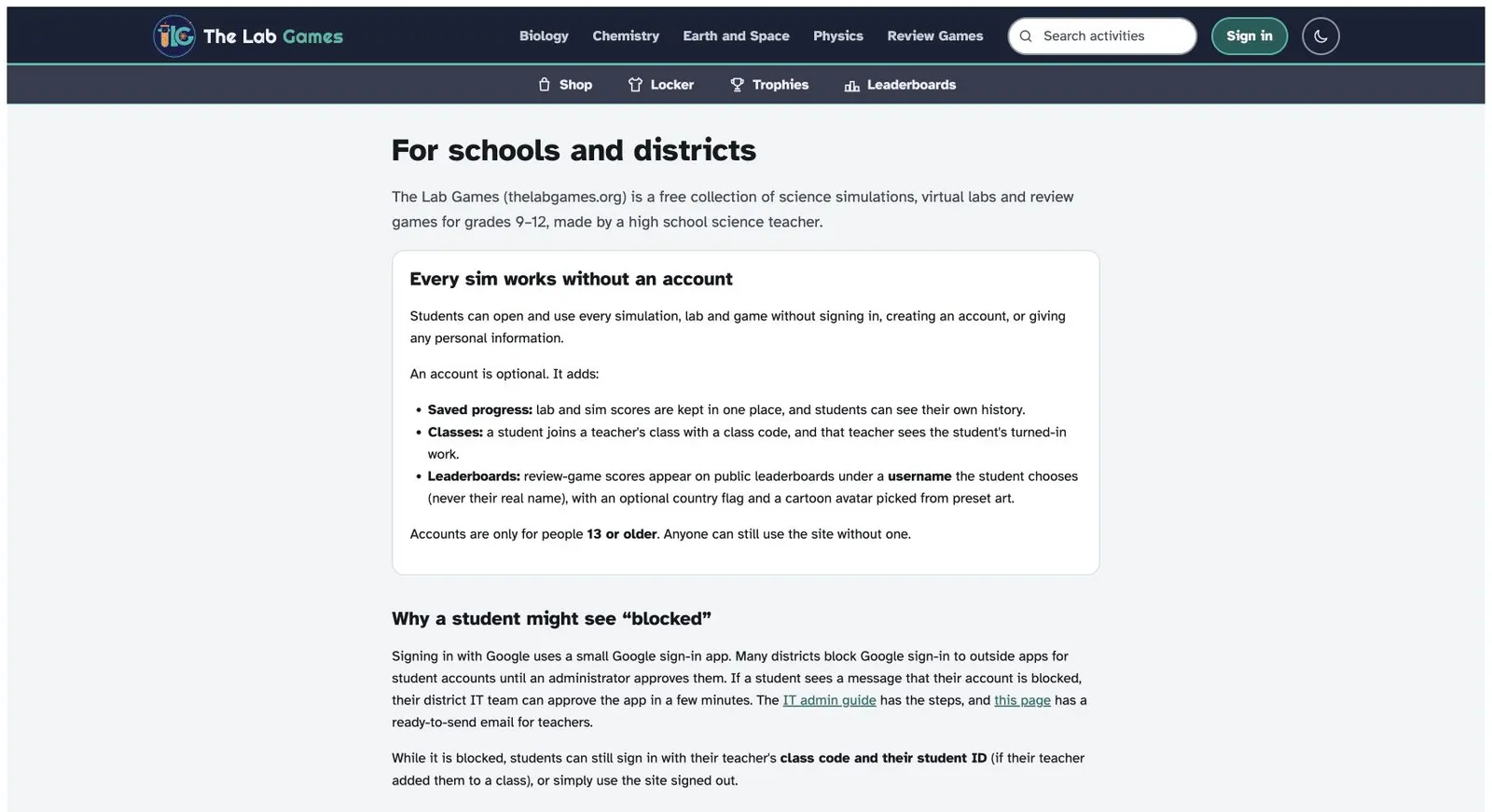
The Lab Games
Free science simulations, virtual labs, and review games for grades 9–12, covering biology, chemistry, Earth and space science, physics, and review practice. It is listed under Science and Games for ages 14–18. Children and families can use it through a website.
Compare with context
Use this collection to find a direction, then open each resource page before sharing it with a child. The individual review shows languages, access formats, tags, age guidance, source links, and notes for grown-ups.
Search the full directory →