Science Biology
for kids
Explore 20 trusted science biology resources selected for curious kids, with clear ages, access details, and parent context.
Two useful ways to narrow the directory
This page brings together science resources that also match biology. Each listing keeps its own age range, platform details, languages, links, and parent notes, so you can compare options without losing context.
Explore all science resources →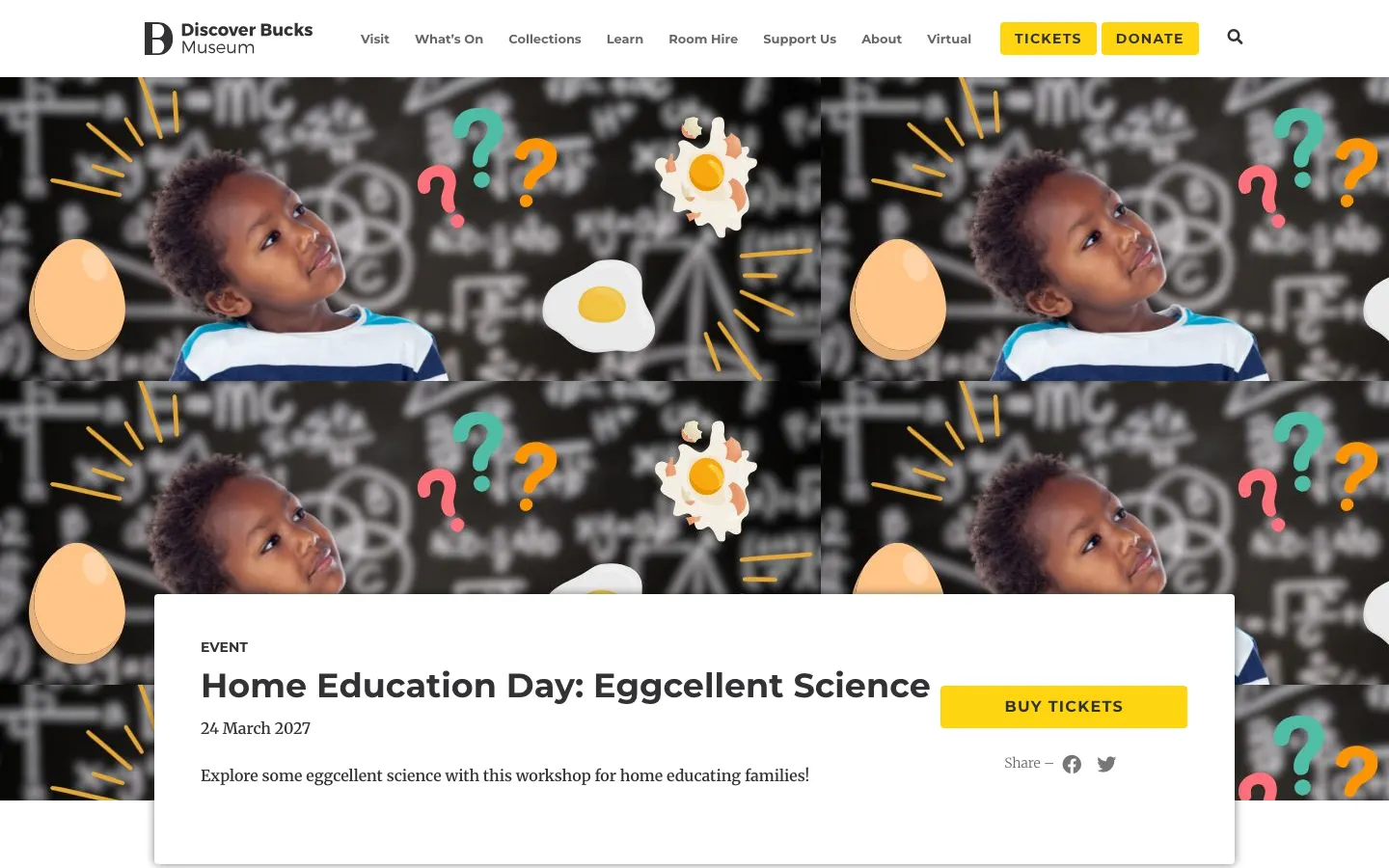
Discover Bucks Museum Home Education Day: Eggcellent Science
A home-education science day at Discover Bucks Museum where children investigate eggs through experiments and hands-on activities. It is listed under Science and Museums for ages 5–11. Children and families can use it through a website.
Read the full resource review →More science picks
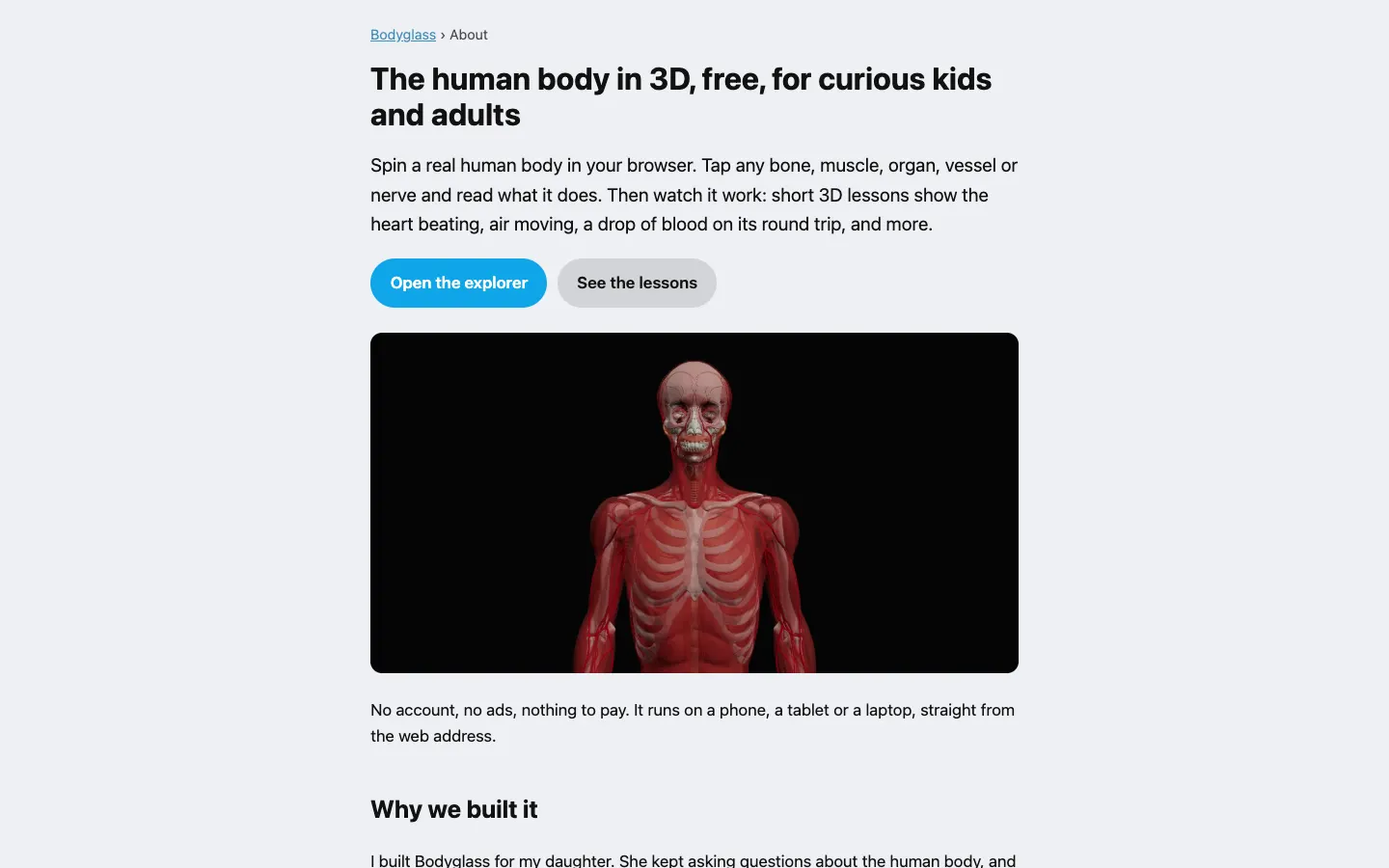
Bodyglass
A browser-based 3D human-body explorer where children can spin and tap bones, muscles, organs, vessels, and nerves, with short lessons about how the body works. It is listed under Science and Health for ages Curious kids and families; child reading ability varies.
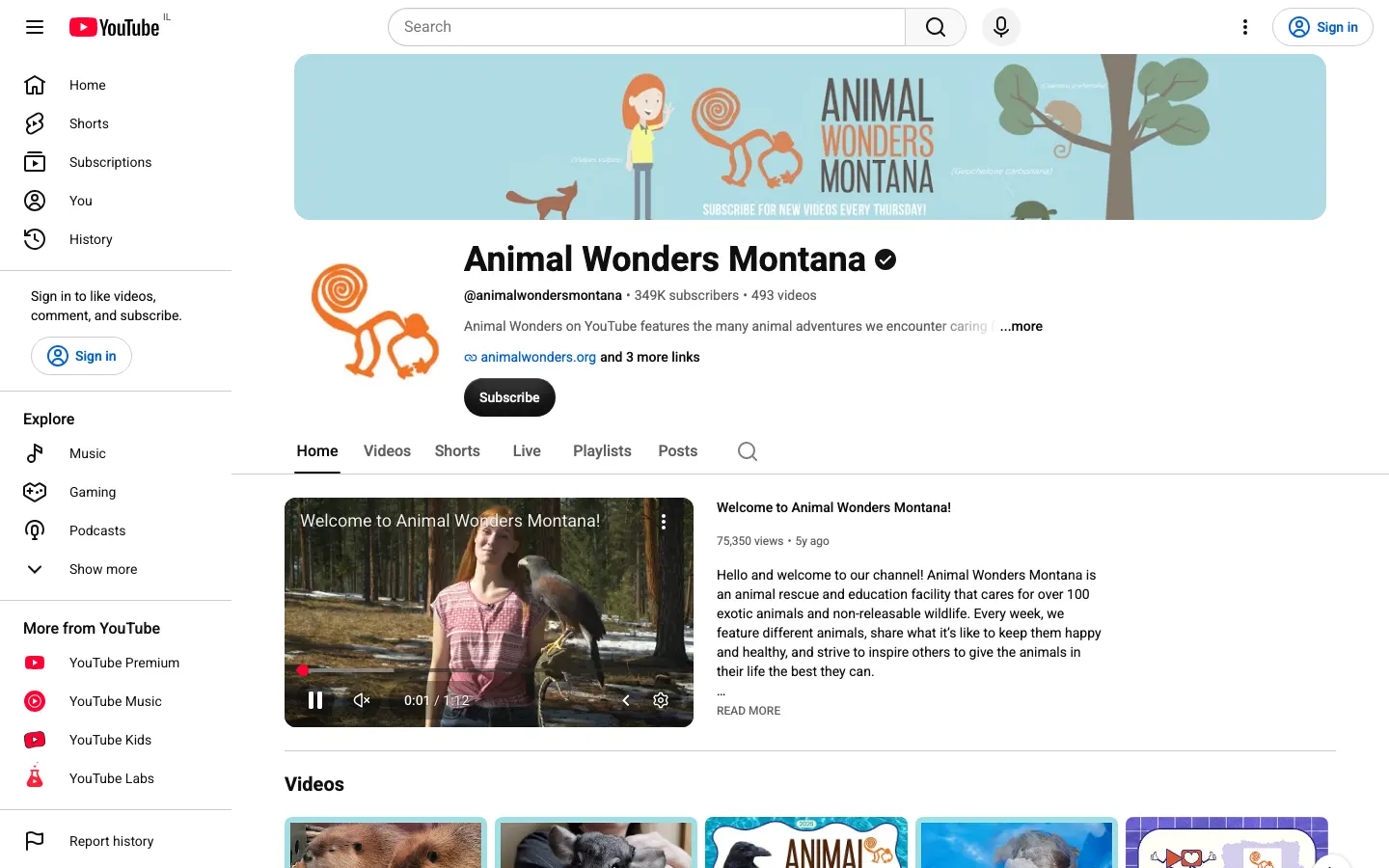
Animal Wonders Montana
Animal Wonders Montana is a wildlife education channel using rescued-animal encounters to teach children about animal biology, habitats, and conservation. It is listed under Nature & environment and Science for ages 7–14. Children and families can use it through a YouTube channel.
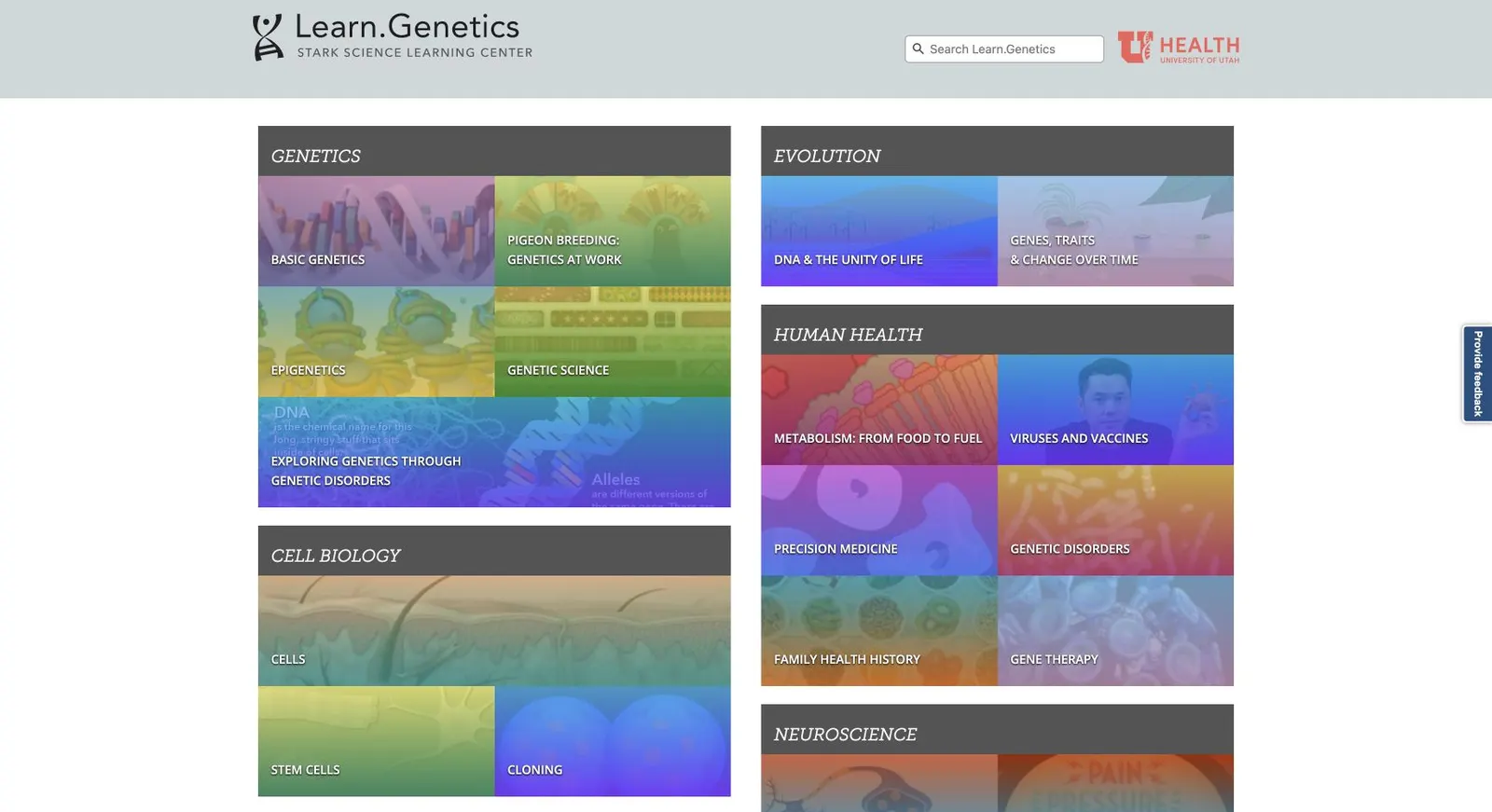
Learn.Genetics
University of Utah science learning with interactive genetics, cells, evolution, ecology, human health, neuroscience, and virtual lab activities. It is listed under Science and Nature & environment for ages 10–18. Children and families can use it through a website.
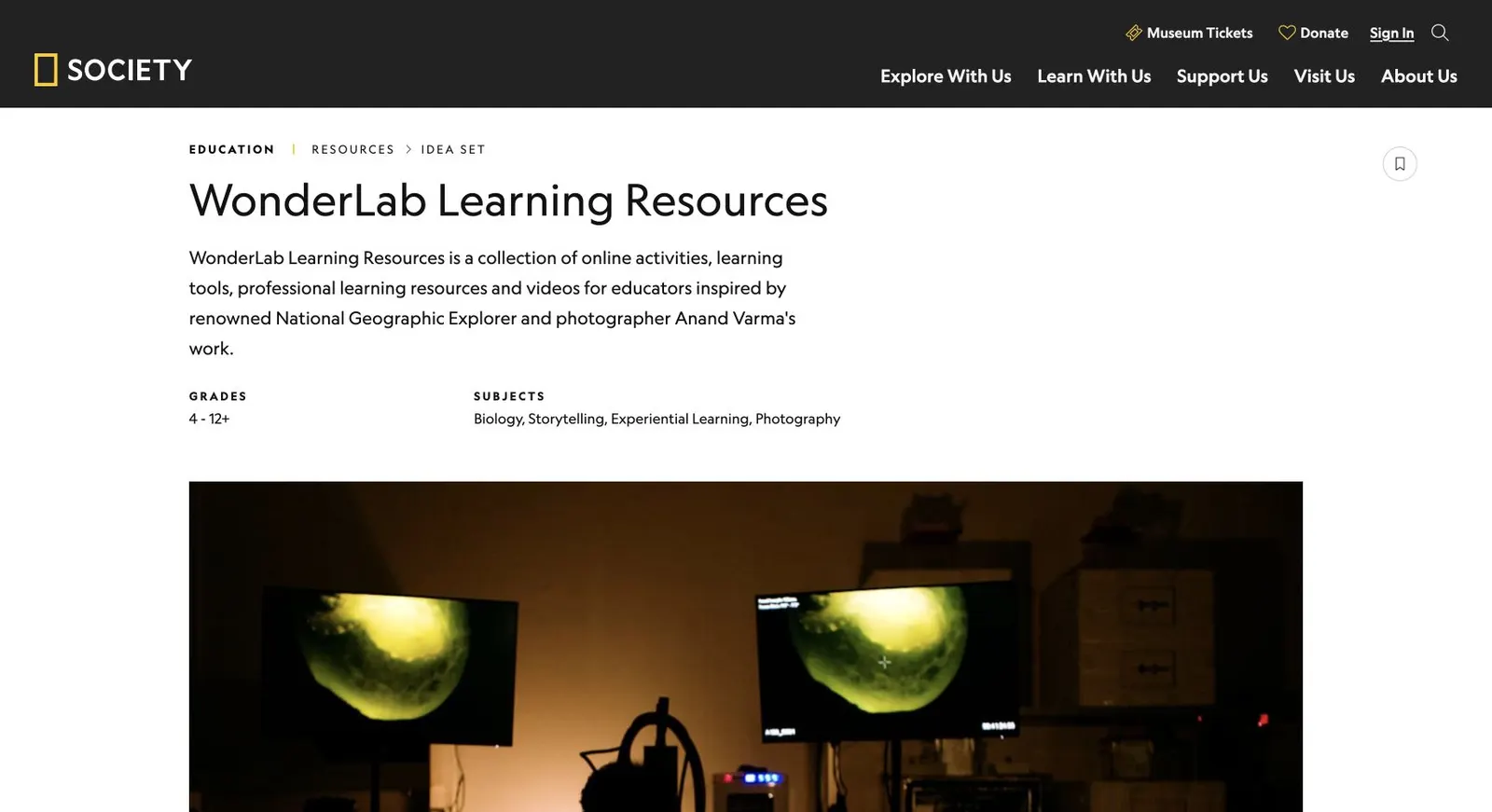
WonderLab Learning Resources
National Geographic’s WonderLab collection gives educators and older children activities, videos, and observation-based learning tools inspired by Explorer and photographer Anand Varma. It is listed under Science and Nature & environment for ages 9–18.
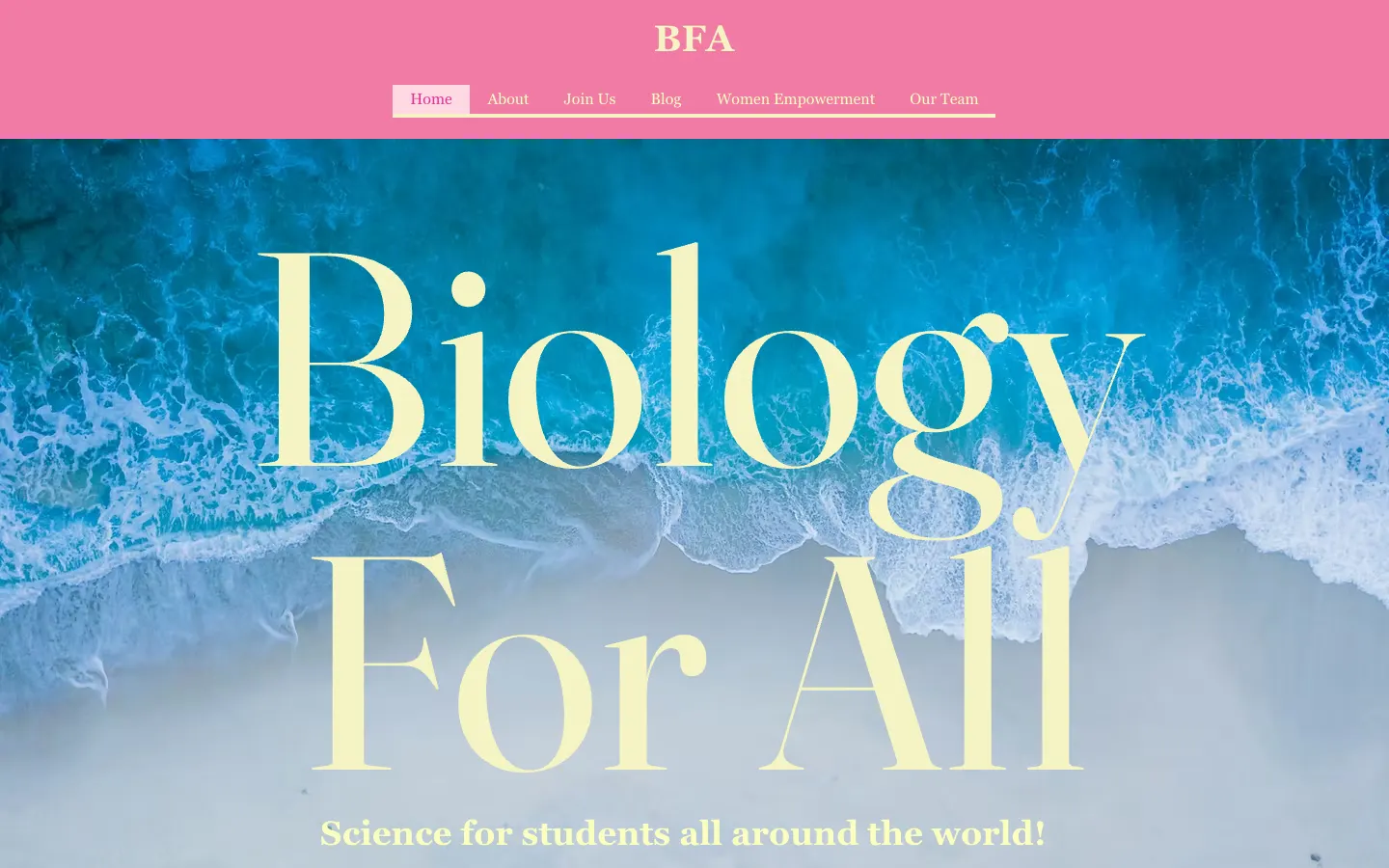
Biology for All
A nonprofit science program offering accessible biology lessons, educational videos, webinars, and youth-focused opportunities to explore life science. It is listed under Science and Parent & educator for ages Young students; activity-specific. Children and families can use it through a website.
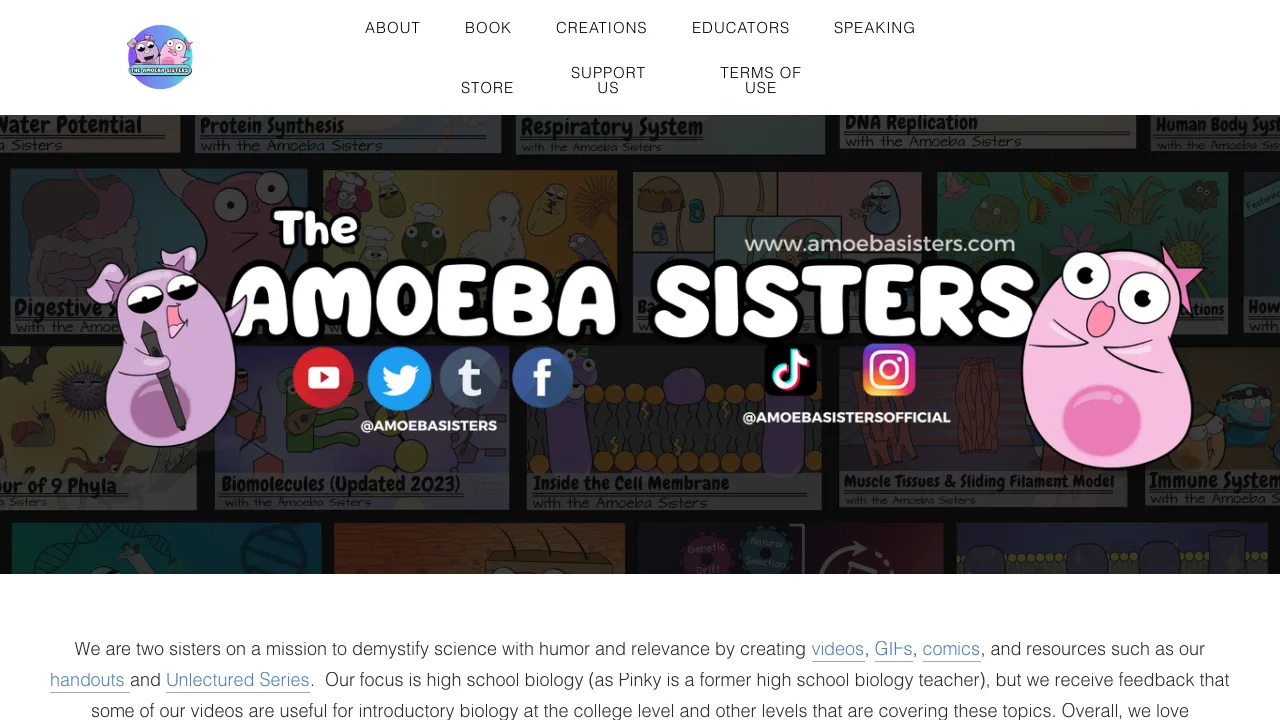
Amoeba Sisters
Friendly biology videos, handouts, and study resources for learners exploring life science. It is listed under Science, Reading, and Parent & educator for ages 11–18. Children and families can use it through a website.
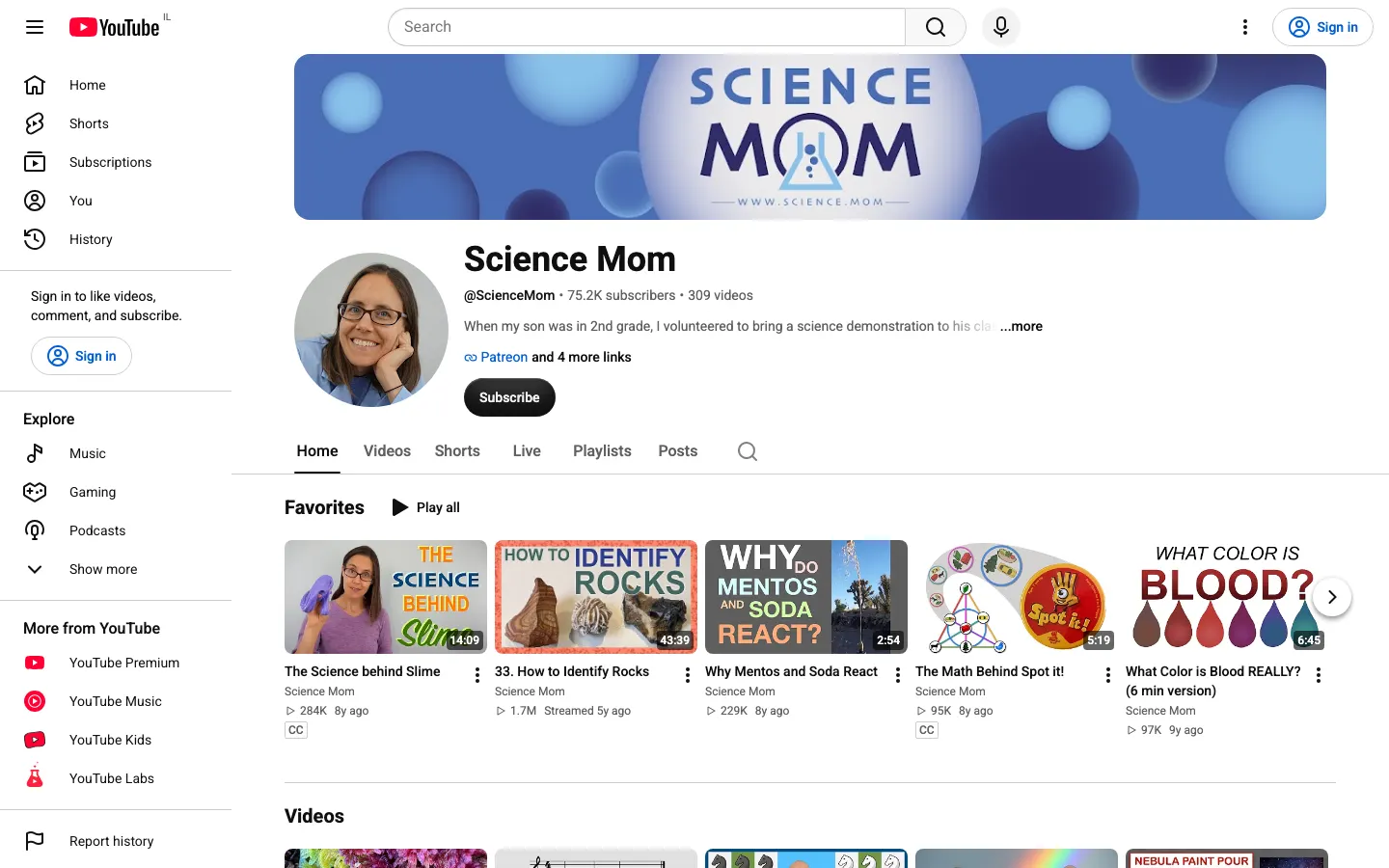
Science Mom
Science Mom is a parent-and-teacher science channel with clear lessons and demonstrations about biology, chemistry, physics, and everyday phenomena. It is listed under Science and Nature & environment for ages 8–14. Children and families can use it through a YouTube channel.
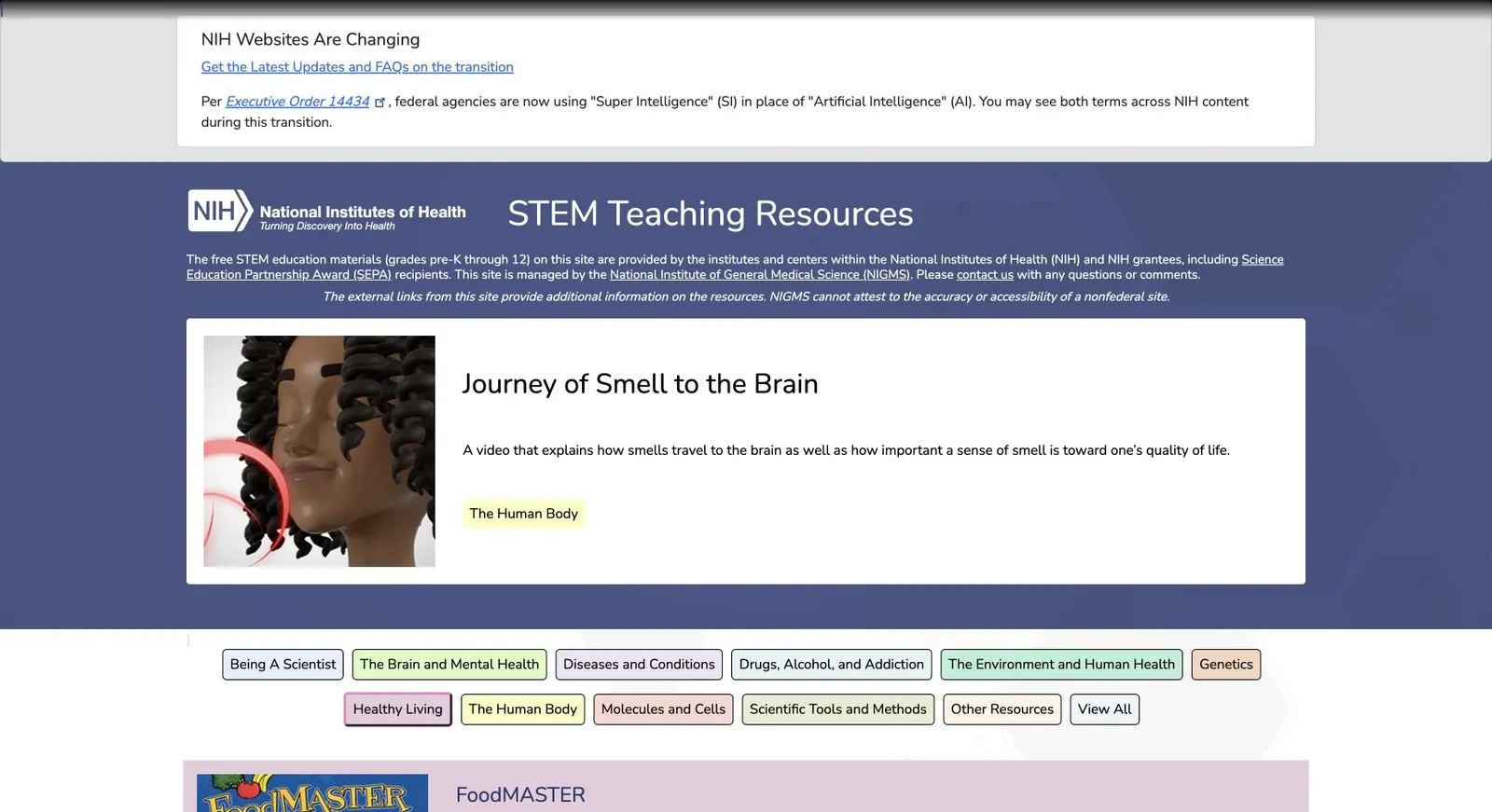
NIH STEM Teaching Resources: Healthy Living
Free NIH STEM teaching materials for pre-K through grade 12 that use health and biology topics to build scientific understanding and inquiry. It is listed under Science, Physical health, and Parent & educator for ages 3–18.
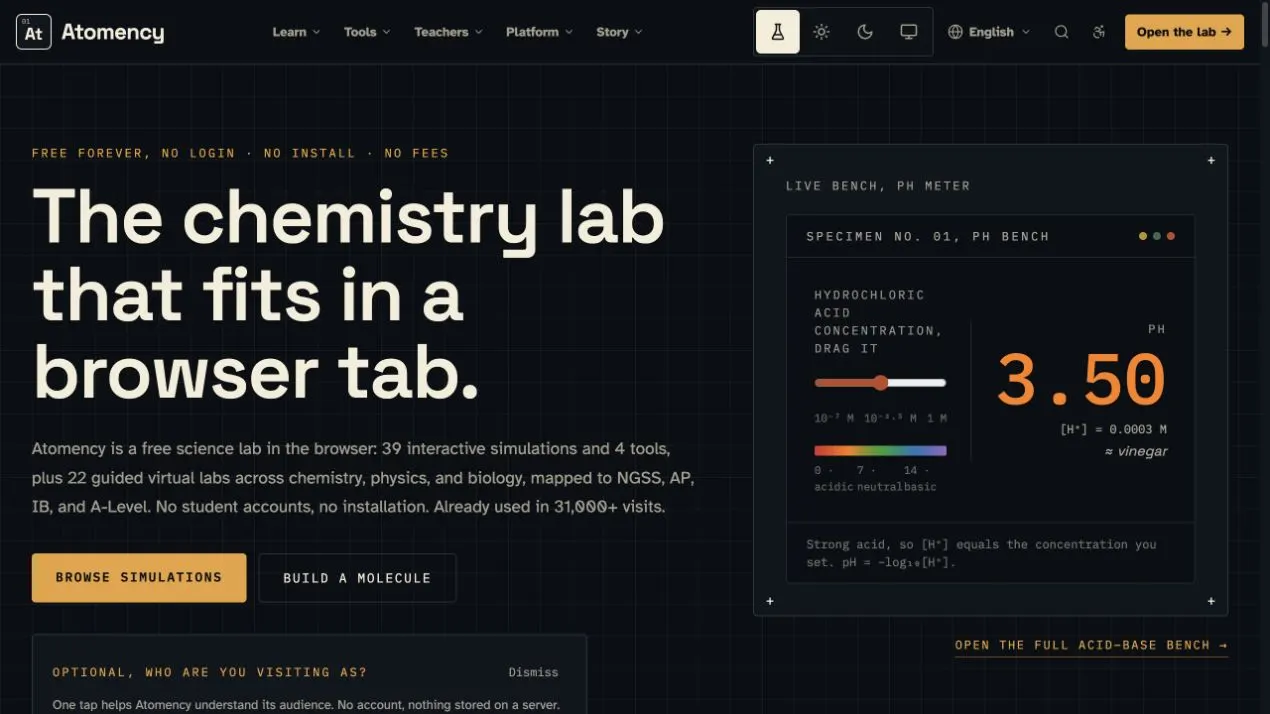
Atomency
A free browser science lab with interactive chemistry, physics, and biology simulations and guided virtual labs. It is listed under Science and Maths & logic for ages 10–18. Children and families can use it through a website.
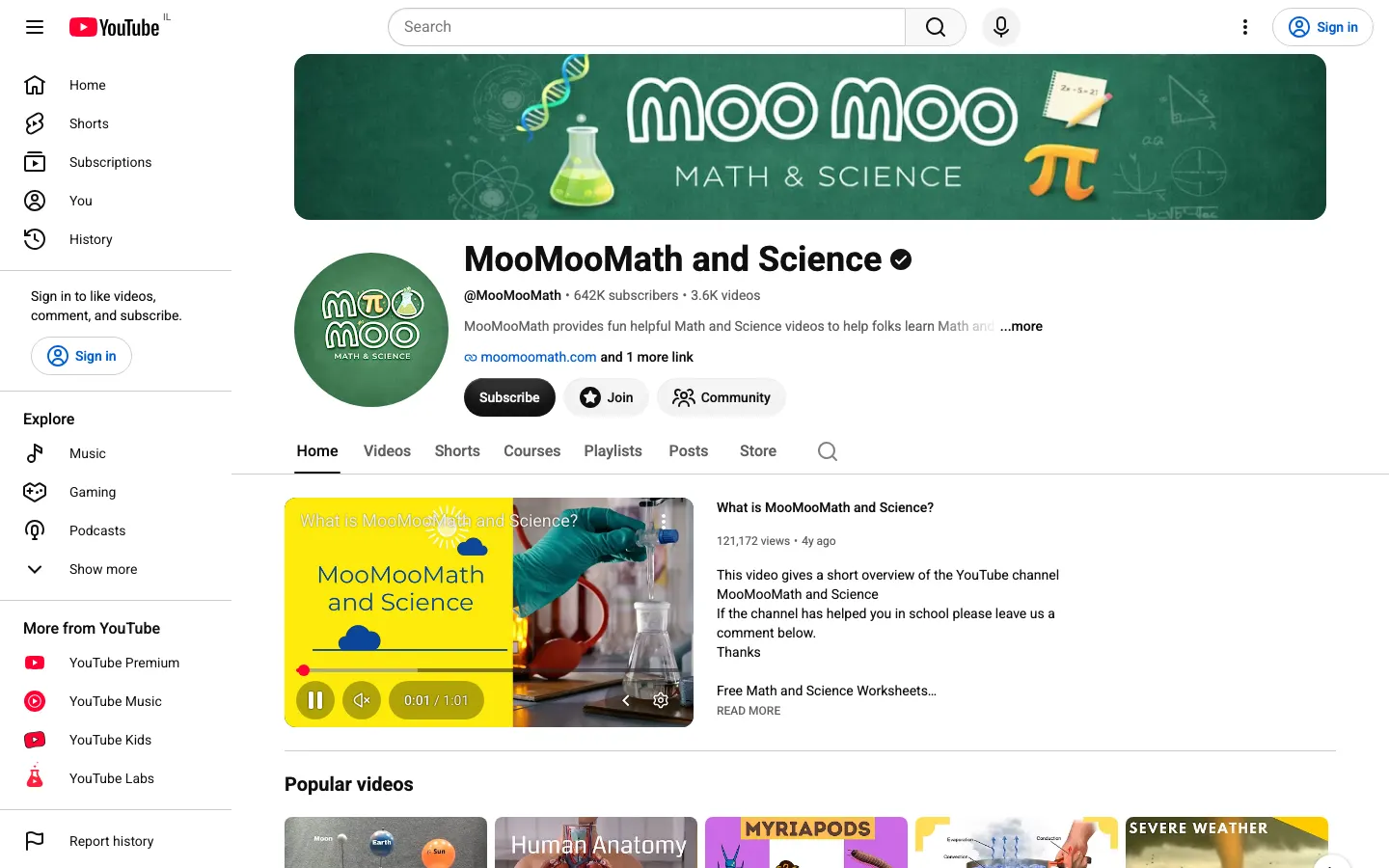
MooMooMath and Science
MooMooMath and Science is a teacher-led channel with clear school lessons in math, biology, chemistry, physics, and other STEM topics. It is listed under Science and Mathematics for ages 9–16. Children and families can use it through a YouTube channel.
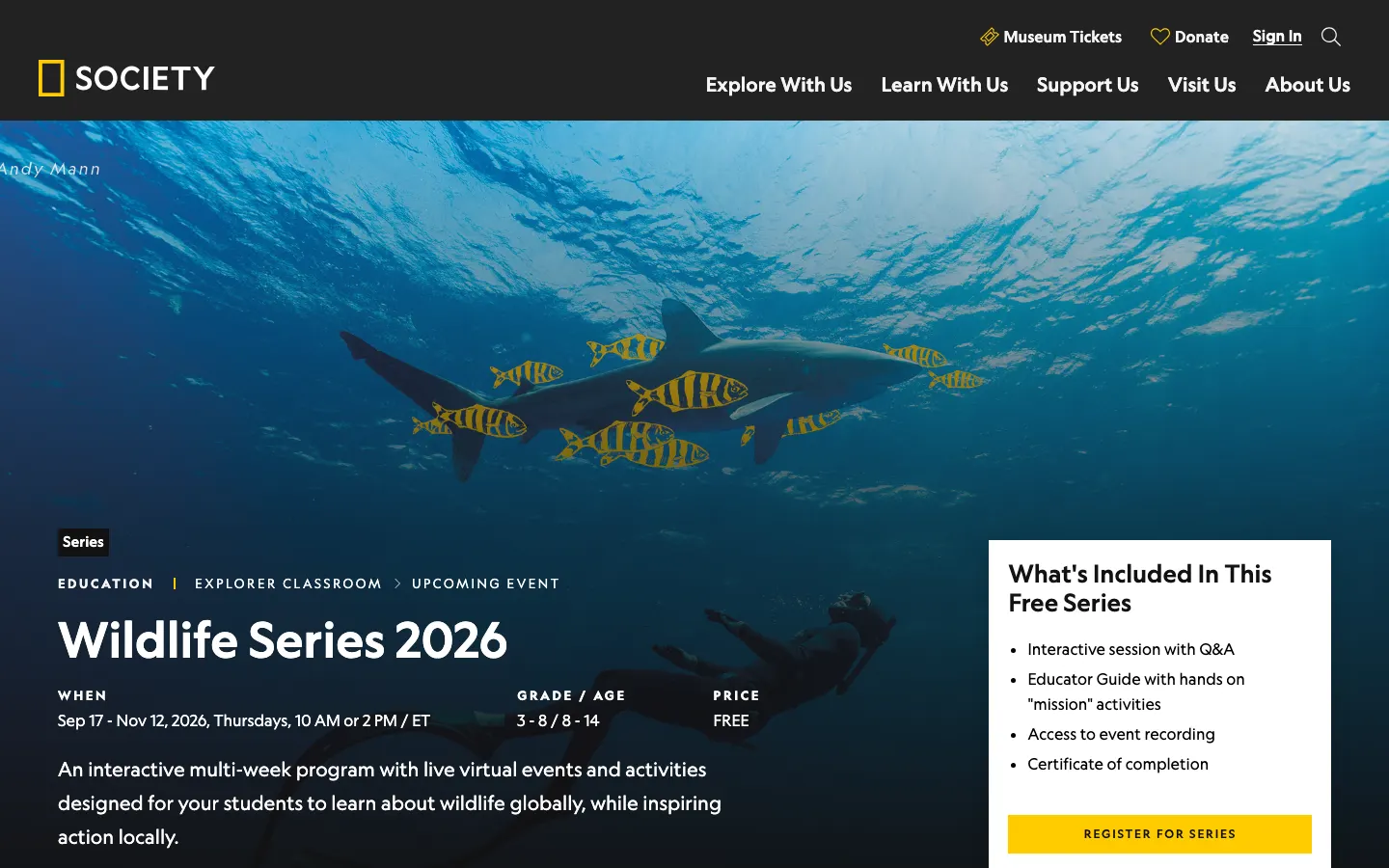
National Geographic Wildlife Series 2026
National Geographic Education’s five-part Wildlife Series combines live virtual sessions with Explorer Q&As, wildlife conservation stories, educator mission activities, recordings, and a completion certificate. It is listed under Science and Nature & environment for ages Ages 8–14; grades 3–8.
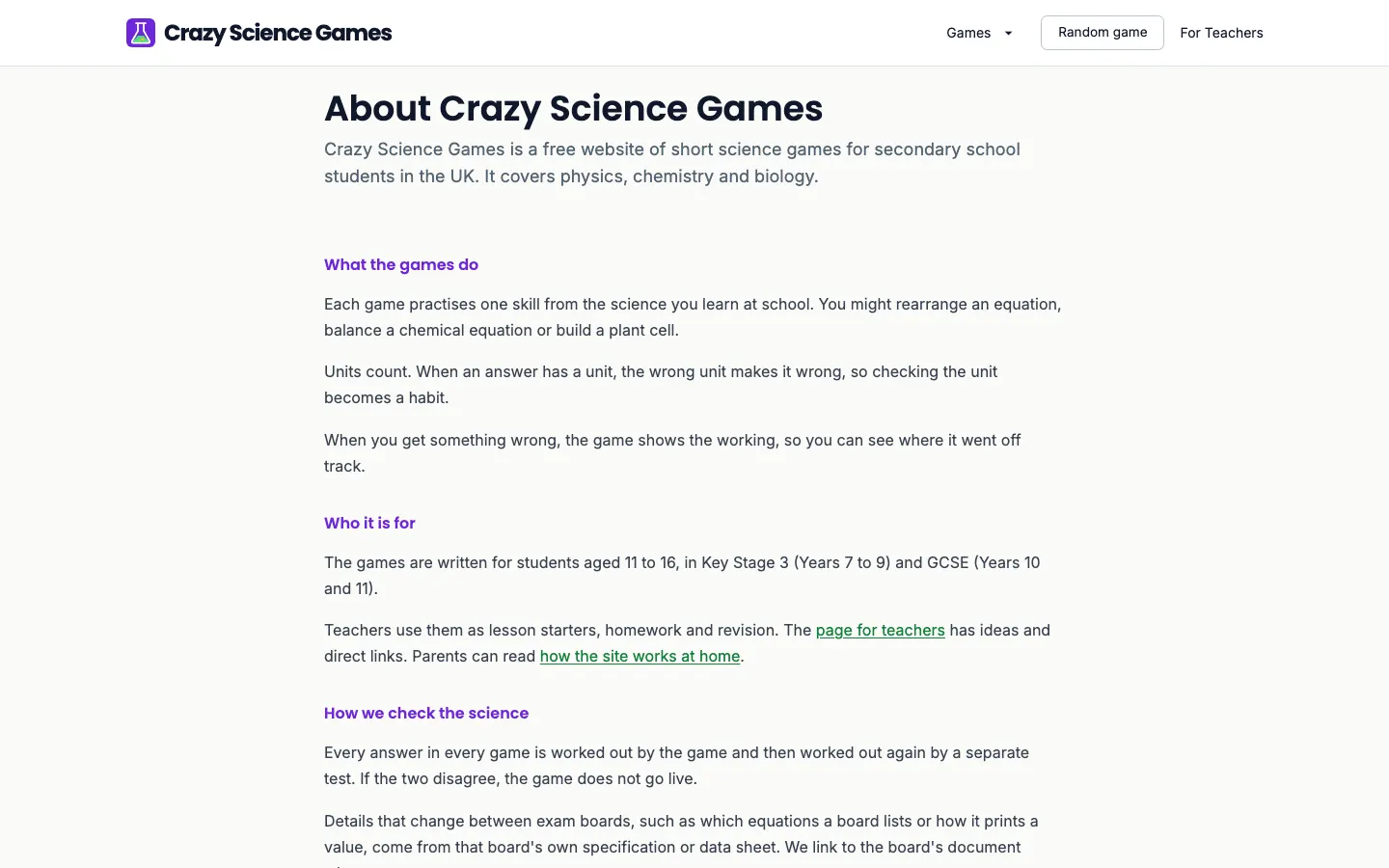
Crazy Science Games
A free collection of short science games for secondary-school students in the UK, covering physics, chemistry, and biology with immediate feedback. It is listed under Science and Games & interactives for ages 11–16; Key Stage 3 and GCSE.
Compare with context
Use this collection to find a direction, then open each resource page before sharing it with a child. The individual review shows languages, access formats, tags, age guidance, source links, and notes for grown-ups.
Search the full directory →