Science Astronomy
for kids
Explore 20 trusted science astronomy resources selected for curious kids, with clear ages, access details, and parent context.
Two useful ways to narrow the directory
This page brings together science resources that also match astronomy. Each listing keeps its own age range, platform details, languages, links, and parent notes, so you can compare options without losing context.
Explore all science resources →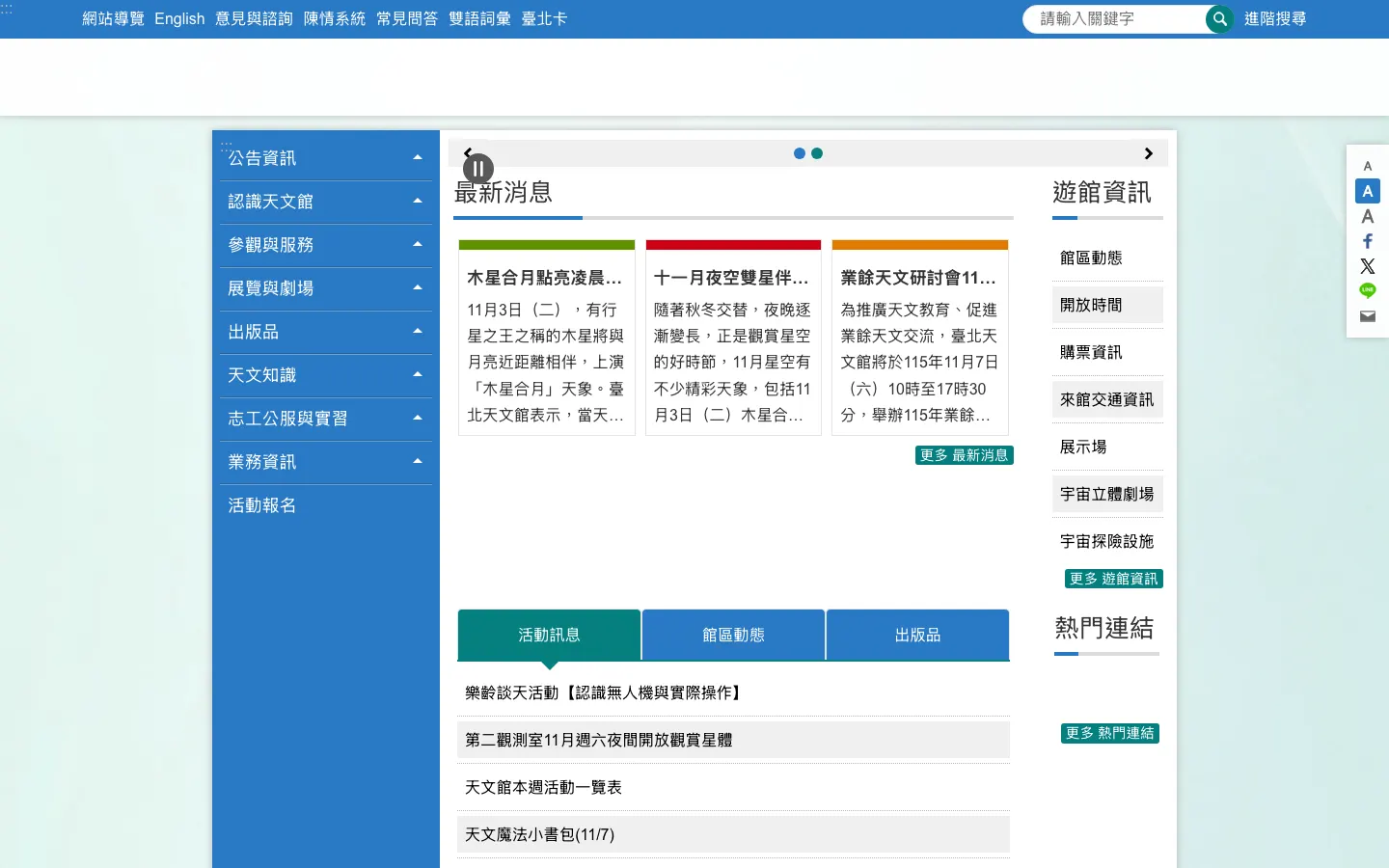
Taipei Astronomical Museum
A public astronomy museum with exhibits, planetarium experiences, observation opportunities, activity notices, and downloadable learning materials. It is listed under Science and Museums & places for ages 5–18. Children and families can use it through a website.
Read the full resource review →More science picks
Found in Space
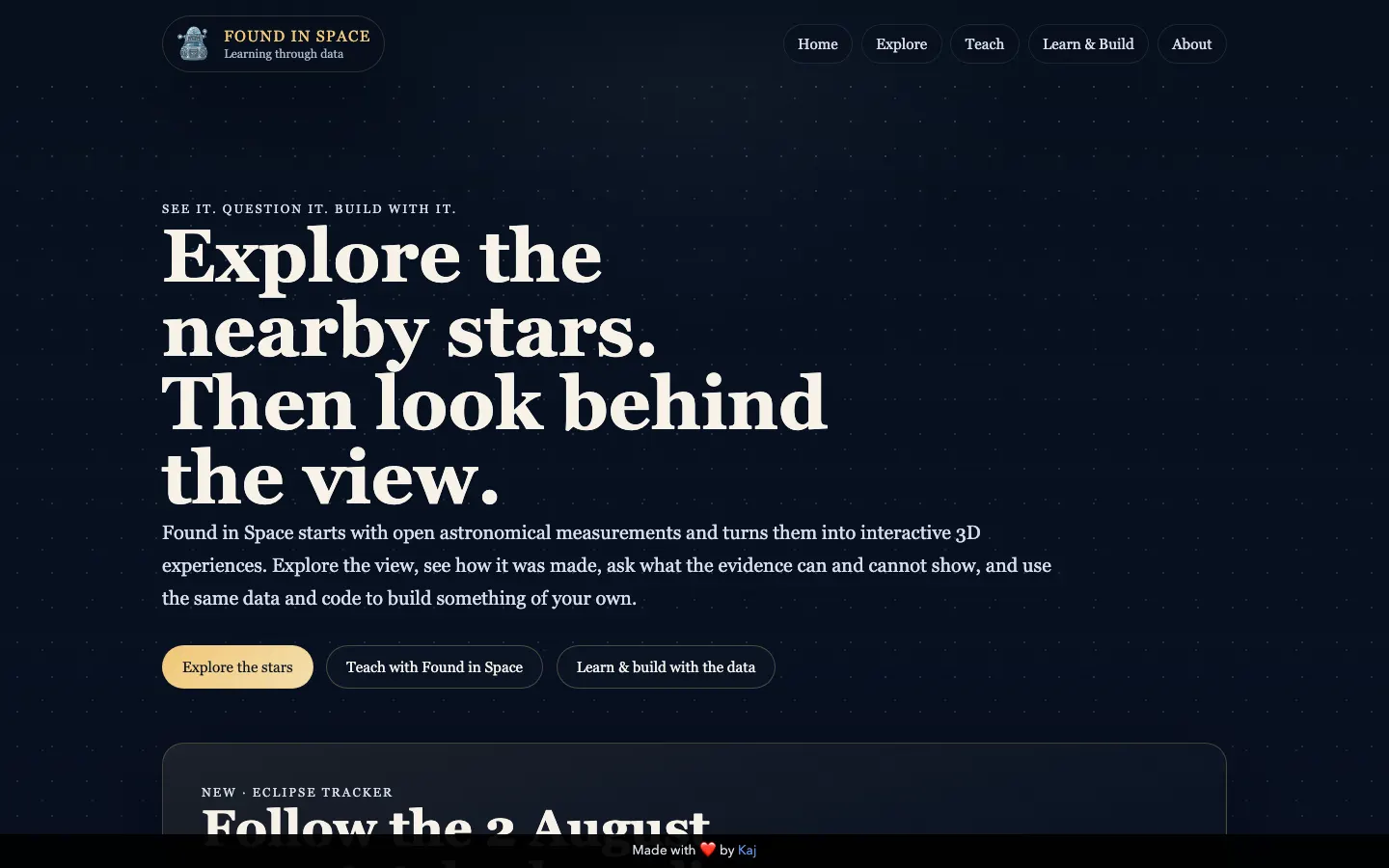
Found in Space turns open astronomical measurements into interactive 3D experiences, with star exploration, an eclipse tracker, teaching guides, and open data projects. It is listed under Space and Science for ages Children with adult or educator support.
FOGE Galaxy Explorers
FOGE programs connect children with astronomy, space science, and STEM learning through outreach and hands-on exploration. It is listed under Science and Coding for ages Children and young people; program-specific. Children and families can use it through a website.
Universe Awareness
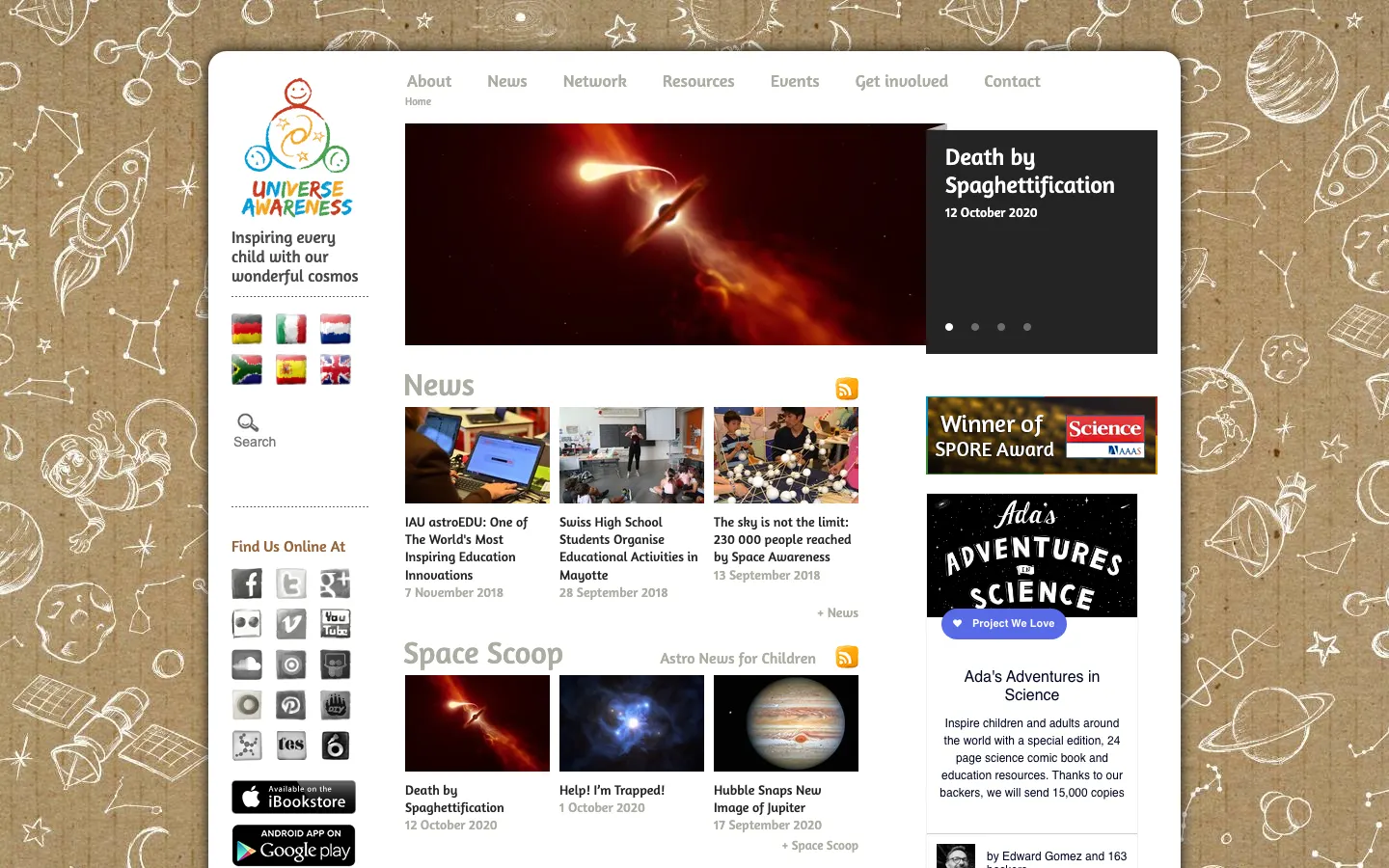
An international astronomy education network creating accessible space-science activities and resources for children around the world. It is listed under Science and Geography for ages 4–10; resource-specific. Children and families can use it through a website.
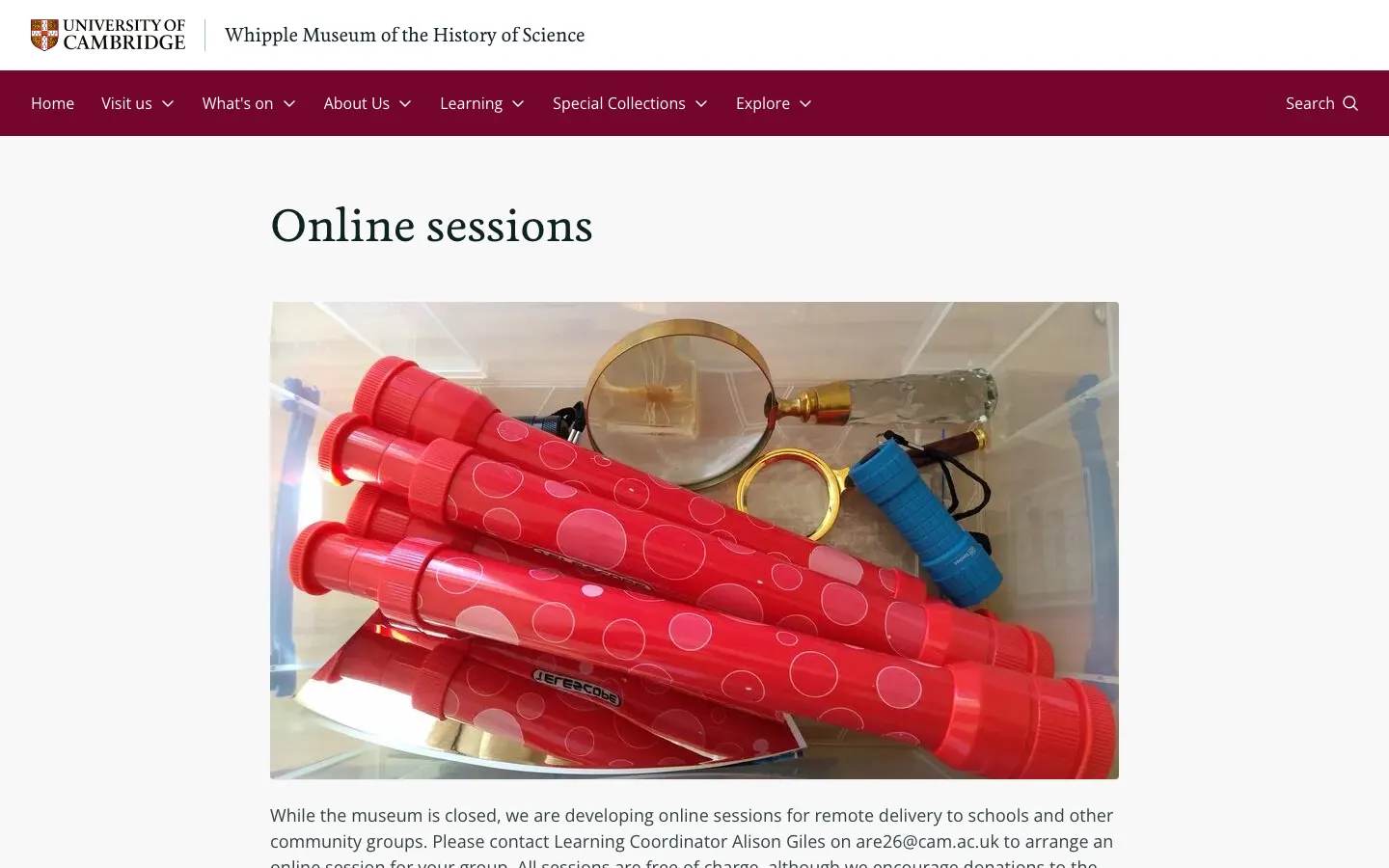
Whipple Museum Online Sessions
Whipple Museum Online Sessions use experiments, object-focused activities, talks, and astronomy sessions to explore the history and practice of science with young learners. It is listed under Science and History & culture for ages KS1–3; family.
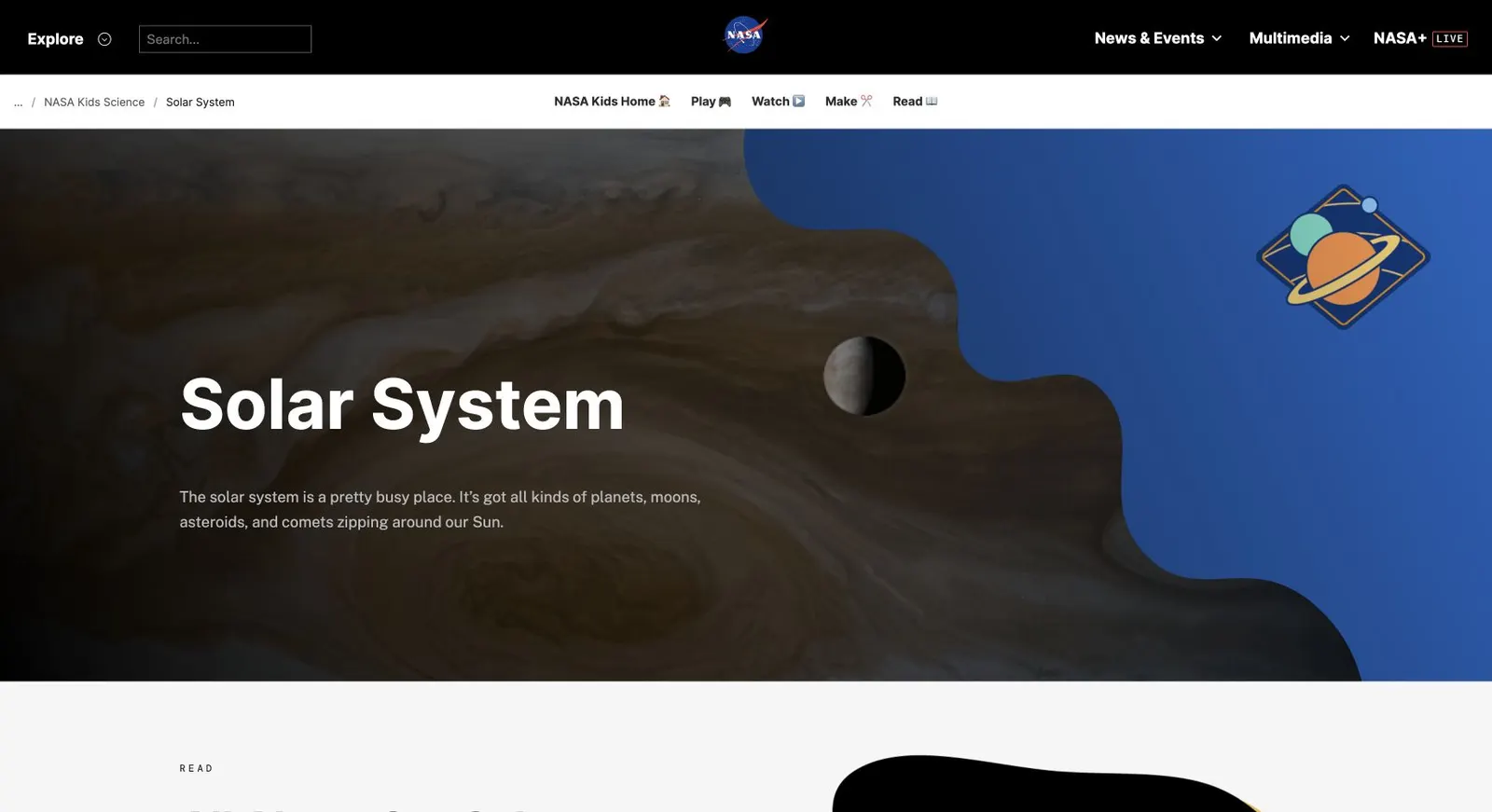
NASA Kids Solar System
A NASA Kids Science solar-system learning page about planets, moons, asteroids, and comets, with an age-appropriate overview and links to related NASA kids exploration. It is listed under Space and Science for ages 6–14.
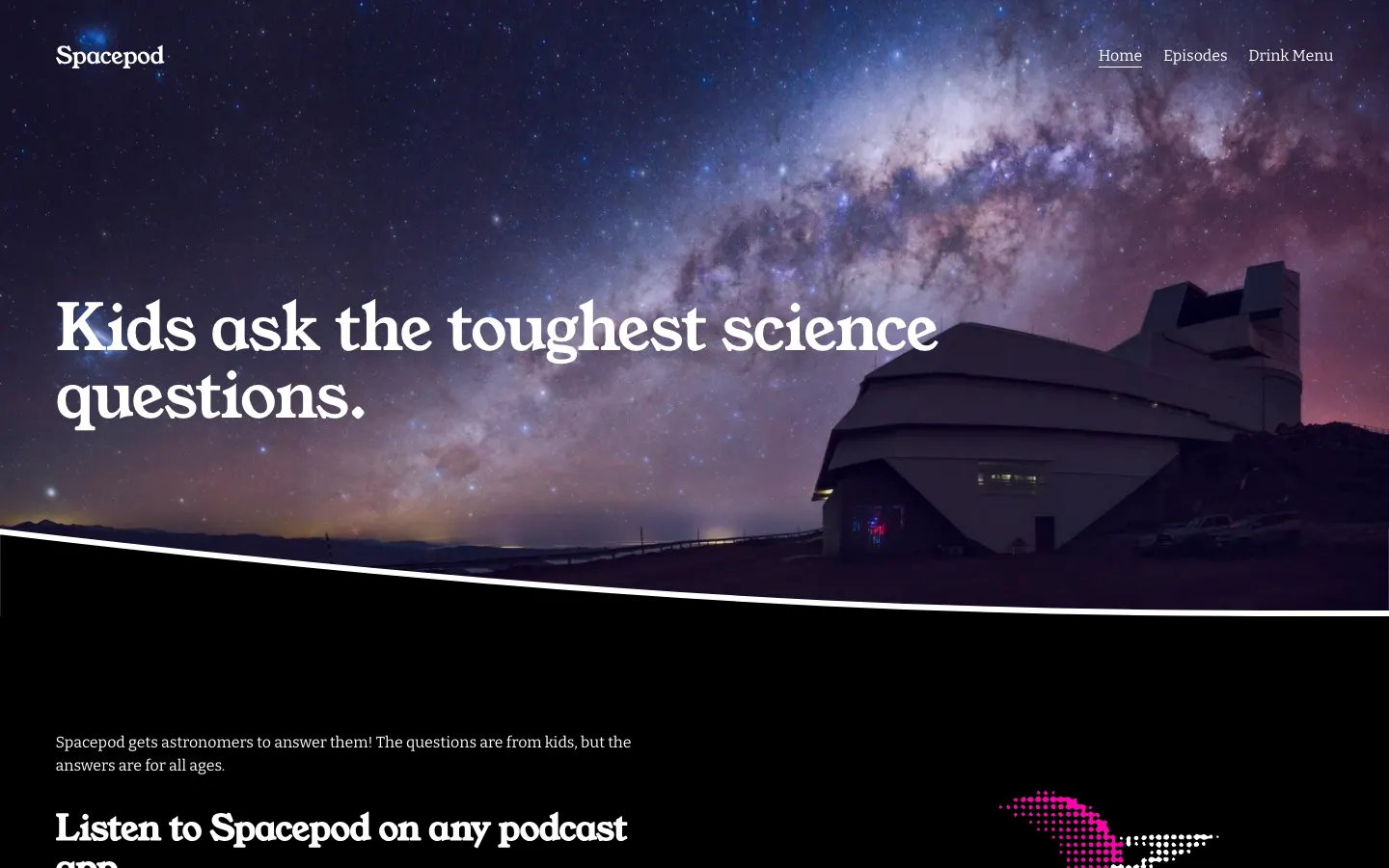
Spacepod
Spacepod is a children’s astronomy podcast where kids’ big questions are answered by astronomers and science guests across a large episode library. It is listed under Science and Geography for ages 5–12. Children and families can use it through a website and a podcast.
What Is the Nancy Grace Roman Space Telescope? (Grades 5-8)
NASA’s middle-school explainer introduces the Nancy Grace Roman Space Telescope and how it will help astronomers study dark energy, dark matter, exoplanets, and more. It is listed under Space and Science for ages Grades 5-8.
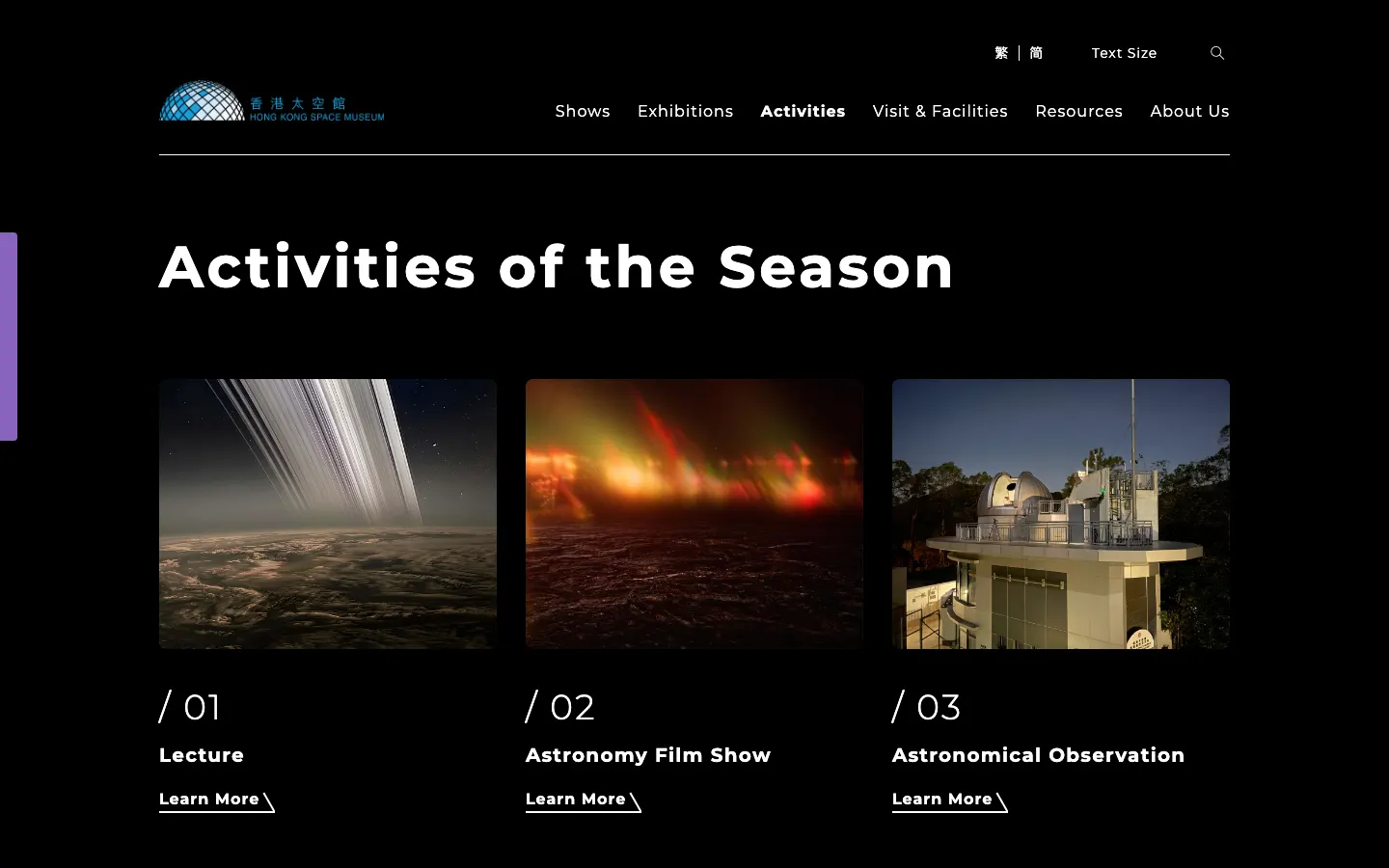
Hong Kong Space Museum Activities
Family and public astronomy activities, films, demonstrations, and museum programs from Hong Kong Space Museum. It is listed under Science and Museums & places for ages 6–18. Children and families can use it through a website.
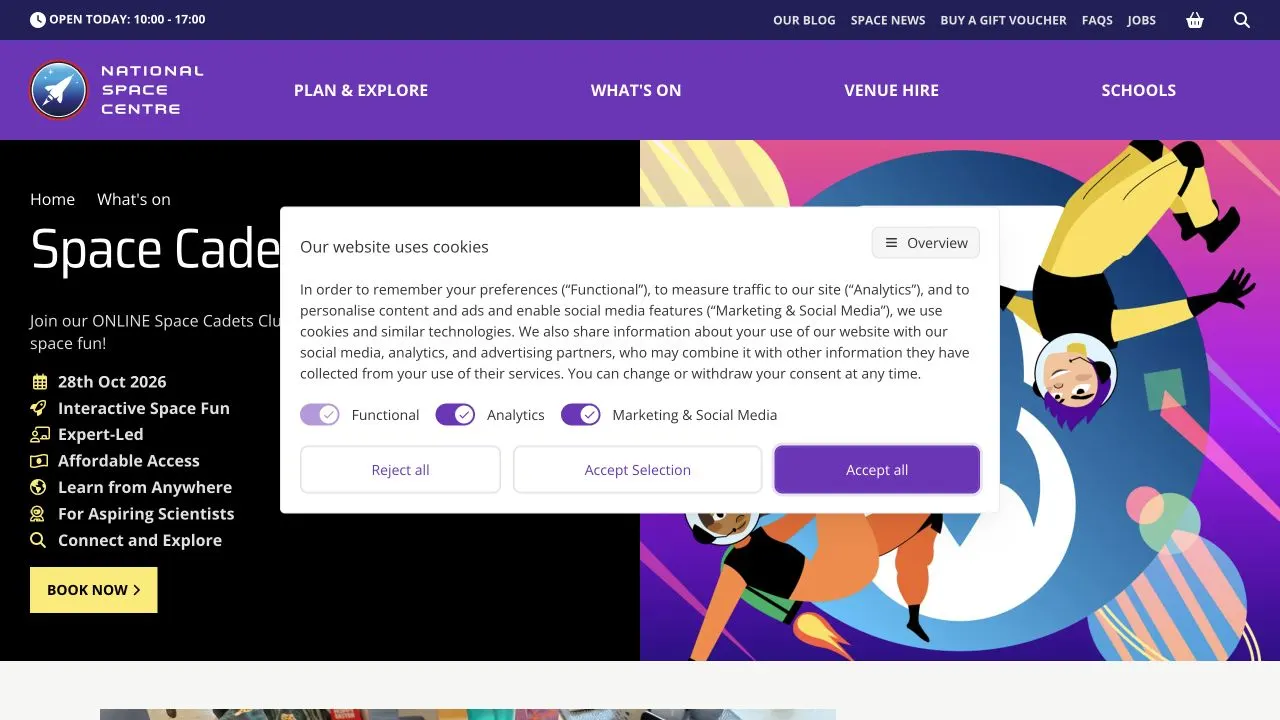
Space Cadets Online
The National Space Centre’s Space Cadets Online is an expert-led online space club for ages 7–11 with 60-minute science sessions, talks, craft ideas, interactive activities, and downloadable resources. It is listed under Science and Space for ages 7–11.
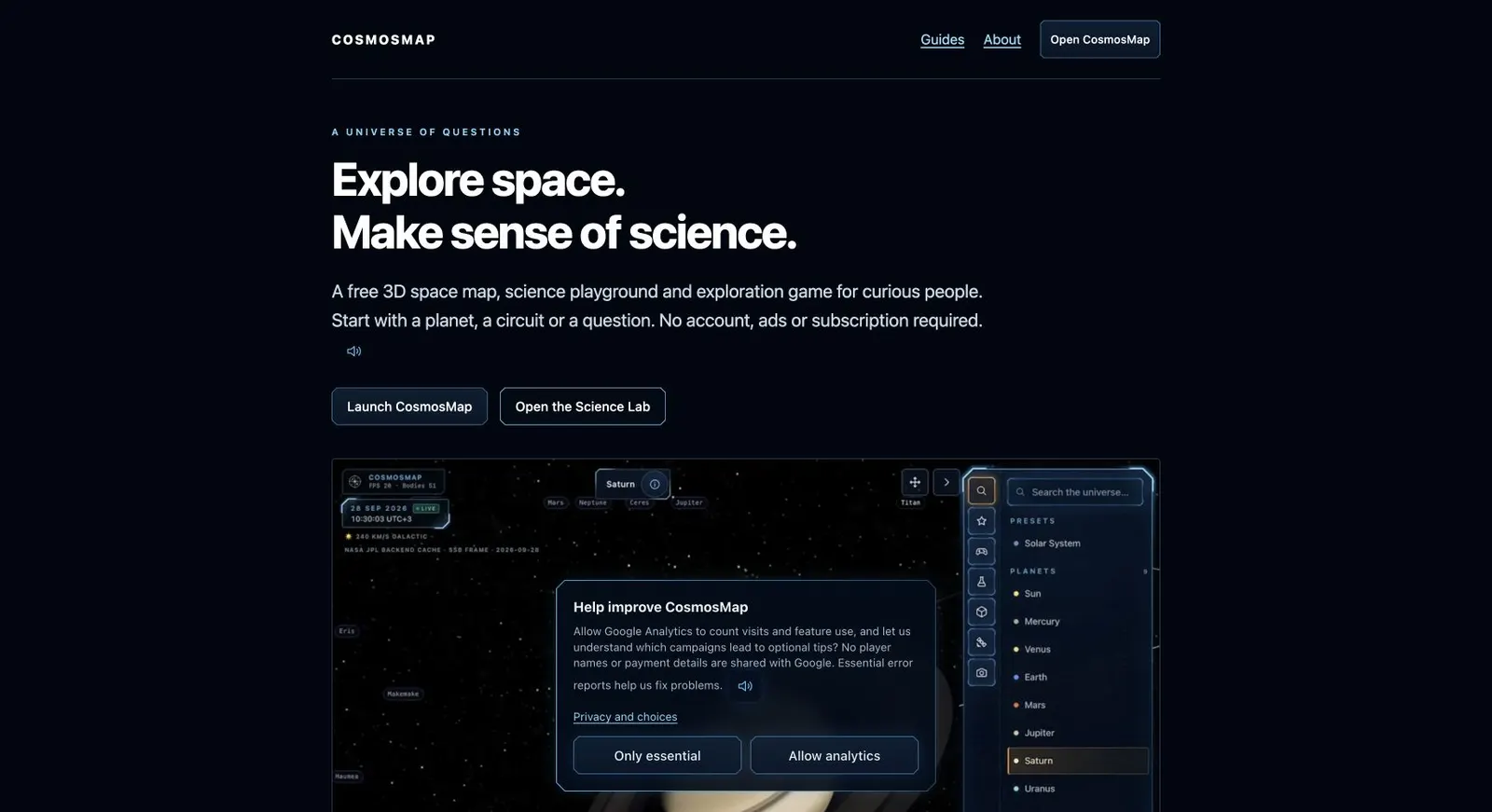
CosmosMap
A free 3D space map and science playground with solar-system exploration, electronics simulations, Mars and Moon scenes, and interactive activities from preschool to advanced physics. It is listed under Space and Science for ages 5–16.
National Air and Space Museum Programs
The National Air and Space Museum’s official programs page gathers family, educator, student, planetarium, astronomy, and hands-on aviation and space learning opportunities at the museum and online. It is listed under Space and Science for ages 4–18.
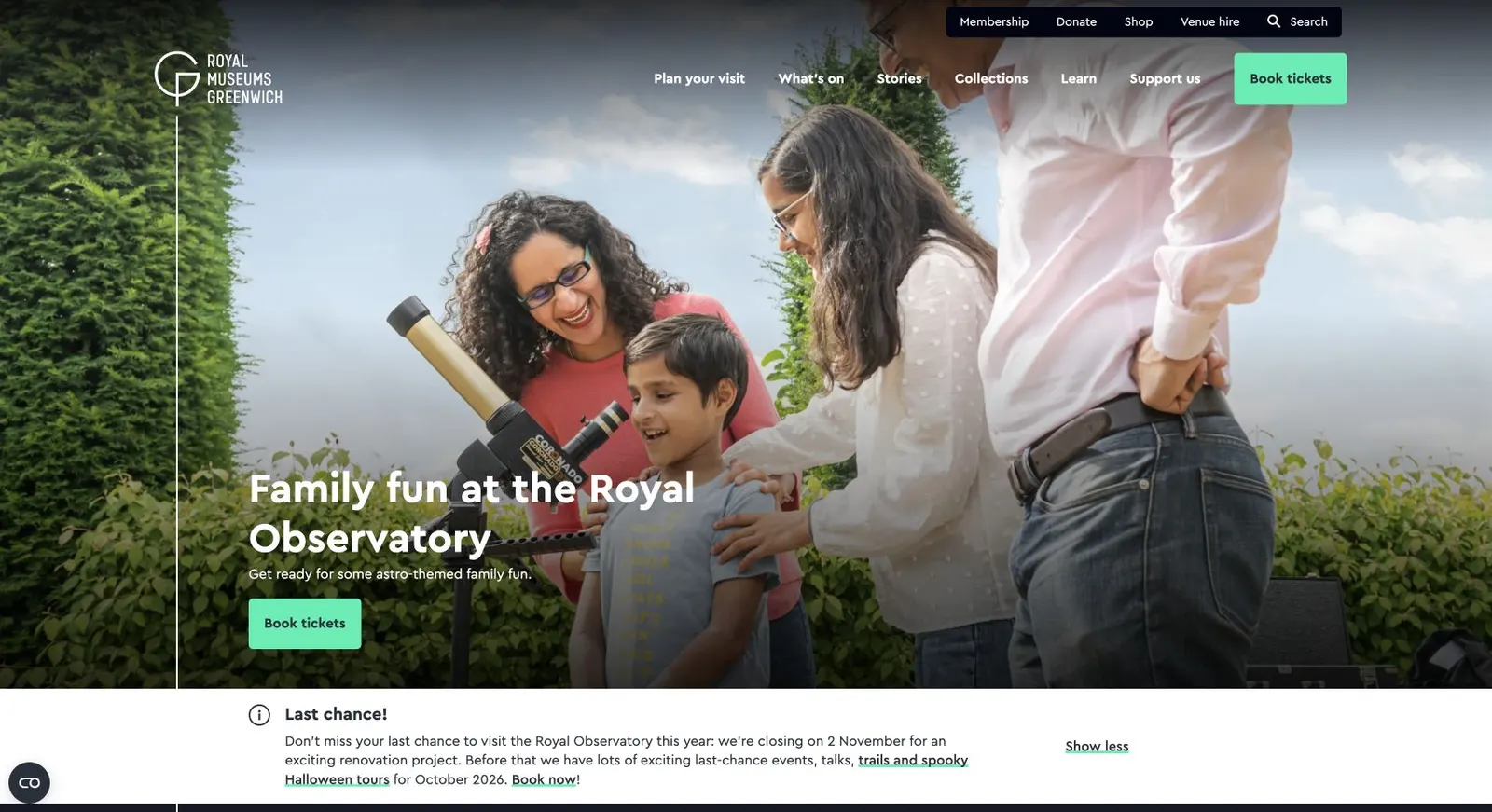
Royal Observatory Family Fun
Astro-themed family planning and visit guidance for the Royal Observatory, with space activities, accessibility information, tickets, and opening details. It is listed under Science, Geography, and Parent & educator for ages 4–16. Children and families can use it through a website and a physical place.
Compare with context
Use this collection to find a direction, then open each resource page before sharing it with a child. The individual review shows languages, access formats, tags, age guidance, source links, and notes for grown-ups.
Search the full directory →