Science AI
for kids
Explore 20 trusted science ai resources selected for curious kids, with clear ages, access details, and parent context.
Two useful ways to narrow the directory
This page brings together science resources that also match ai. Each listing keeps its own age range, platform details, languages, links, and parent notes, so you can compare options without losing context.
Explore all science resources →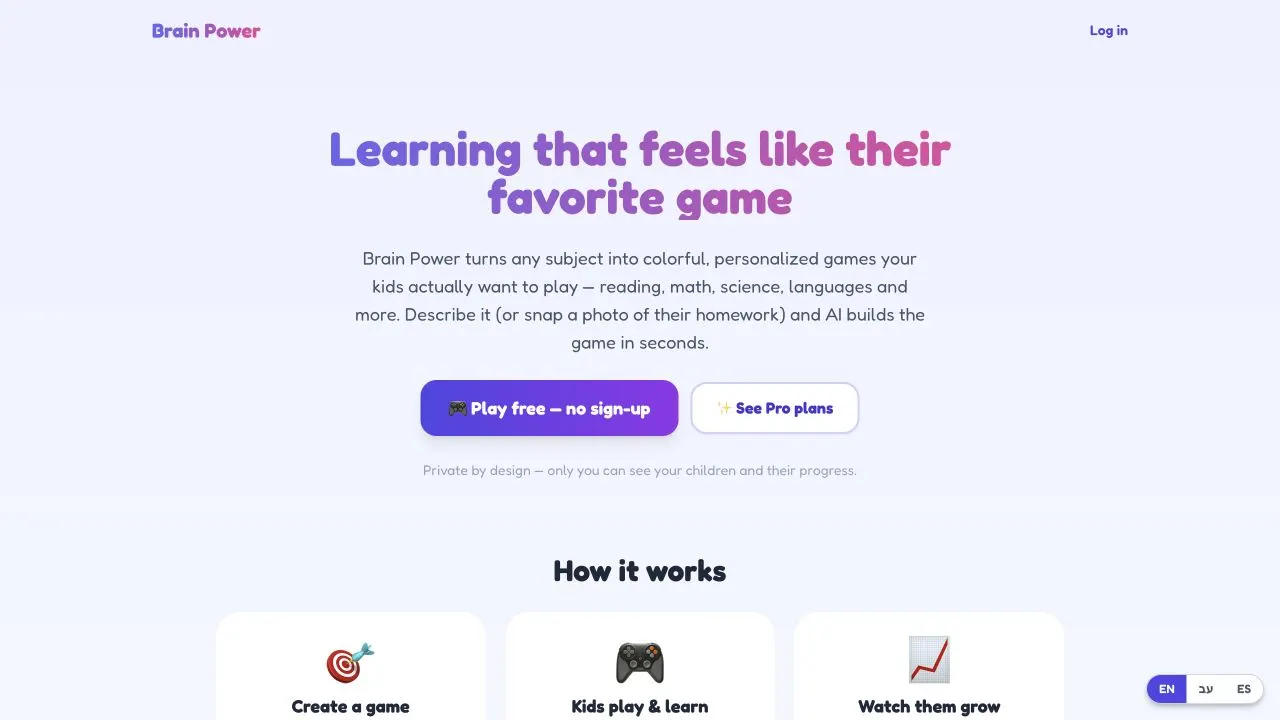
Brain Power
Brain Power offers free sample learning games for children across reading, maths, science, and languages, with read-aloud modes and a paid parent-controlled AI game builder. It is listed under Early learning and Maths & logic for ages 4–12.
Read the full resource review →More science picks
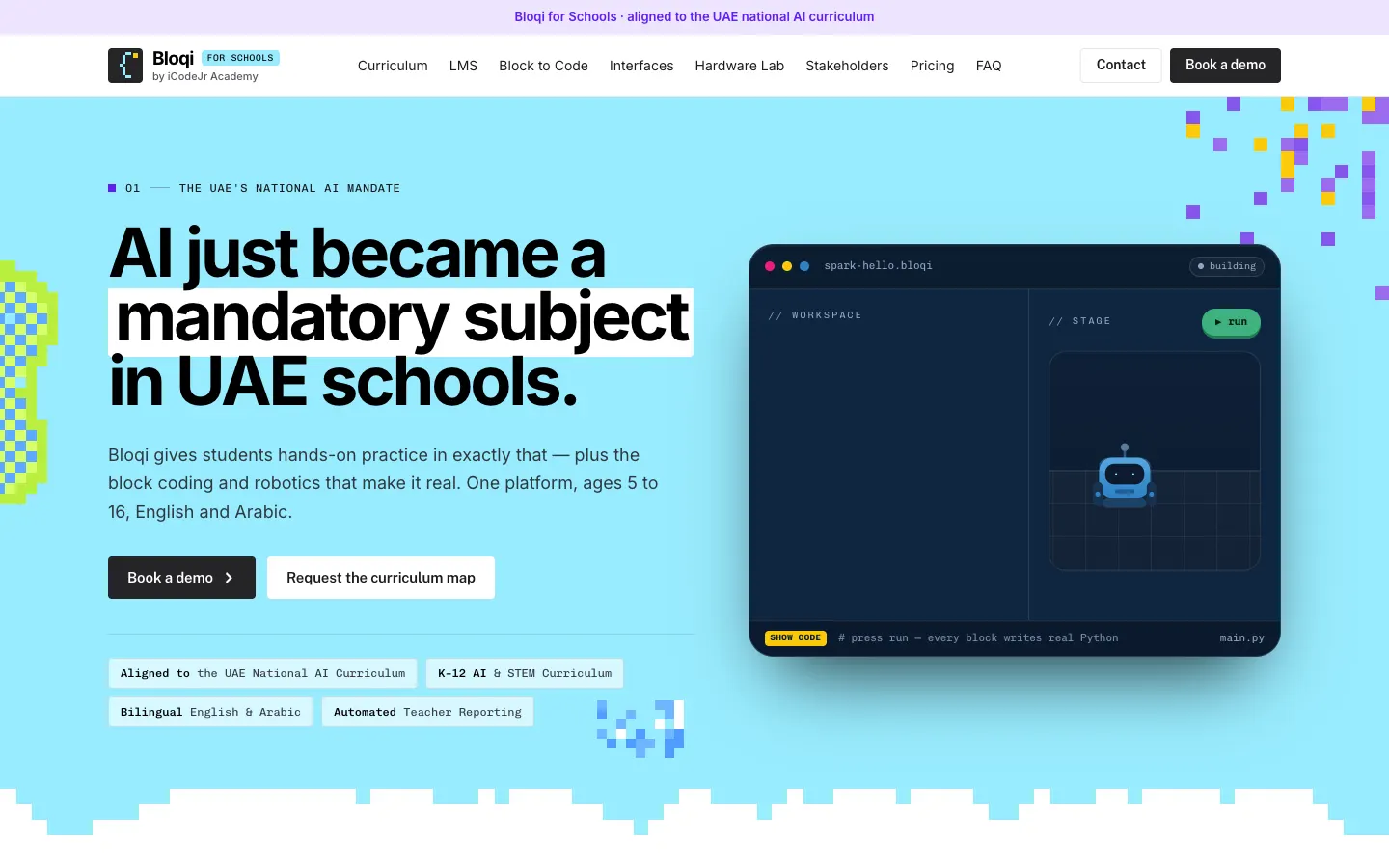
Bloqi
Bloqi is an iCodeJr school platform for ages 5–16 that combines block coding, real Python, AI, robotics, teacher reporting, and bilingual English–Arabic curriculum support. It is listed under Coding and Science for ages 5–16.
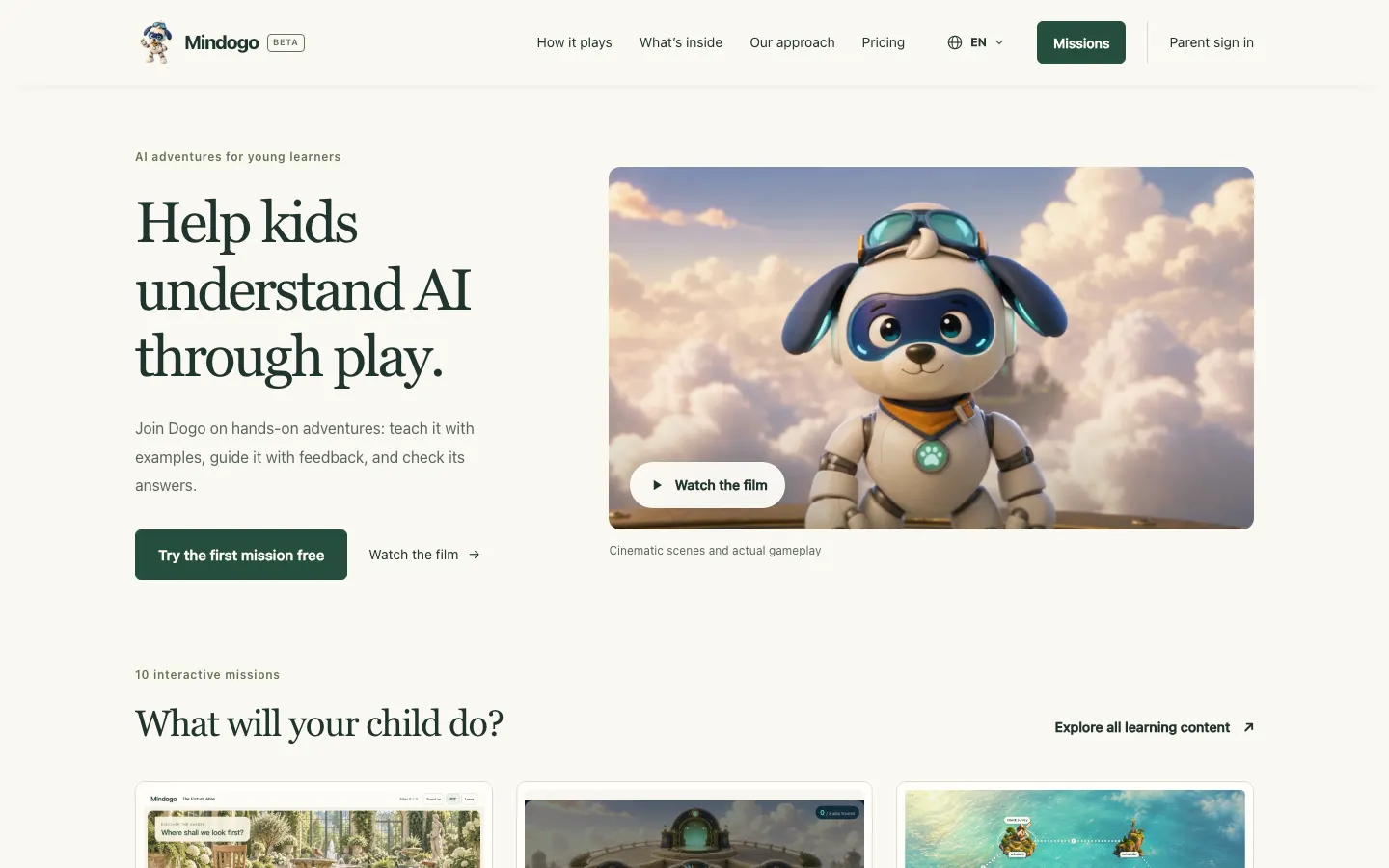
Mindogo
Mindogo teaches AI concepts through controlled browser missions about agents, signals, classification, testing, and evidence, with a free no-account starting set. It is listed under Coding and Science for ages 8–14; parent-guided. Children and families can use it through a website.
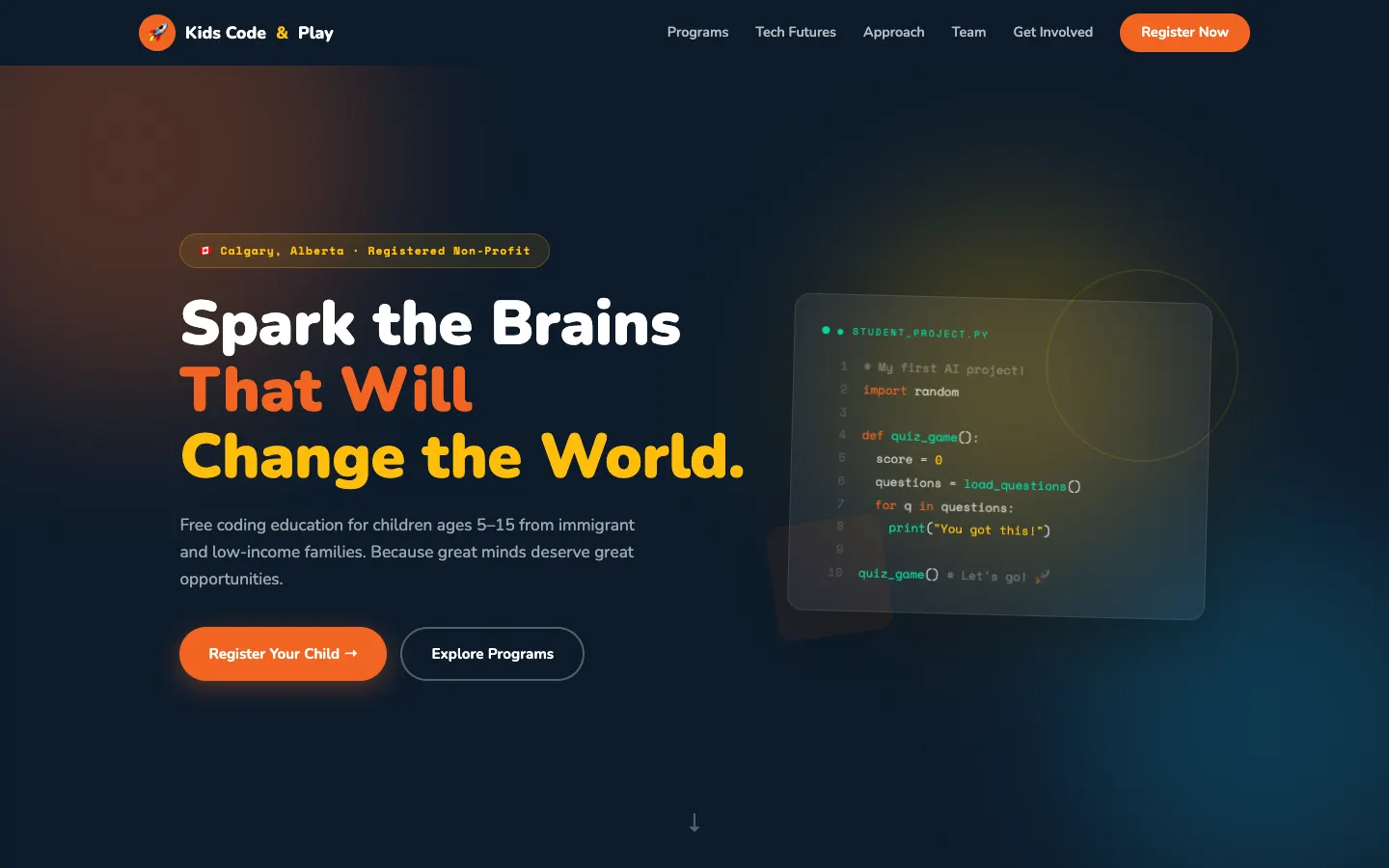
Kids Code and Play
Kids Code and Play is a Calgary nonprofit providing free coding education for children ages 5–15, including programming, AI, algorithms, and creative app-building projects. It is listed under Coding and Science for ages 5–15.
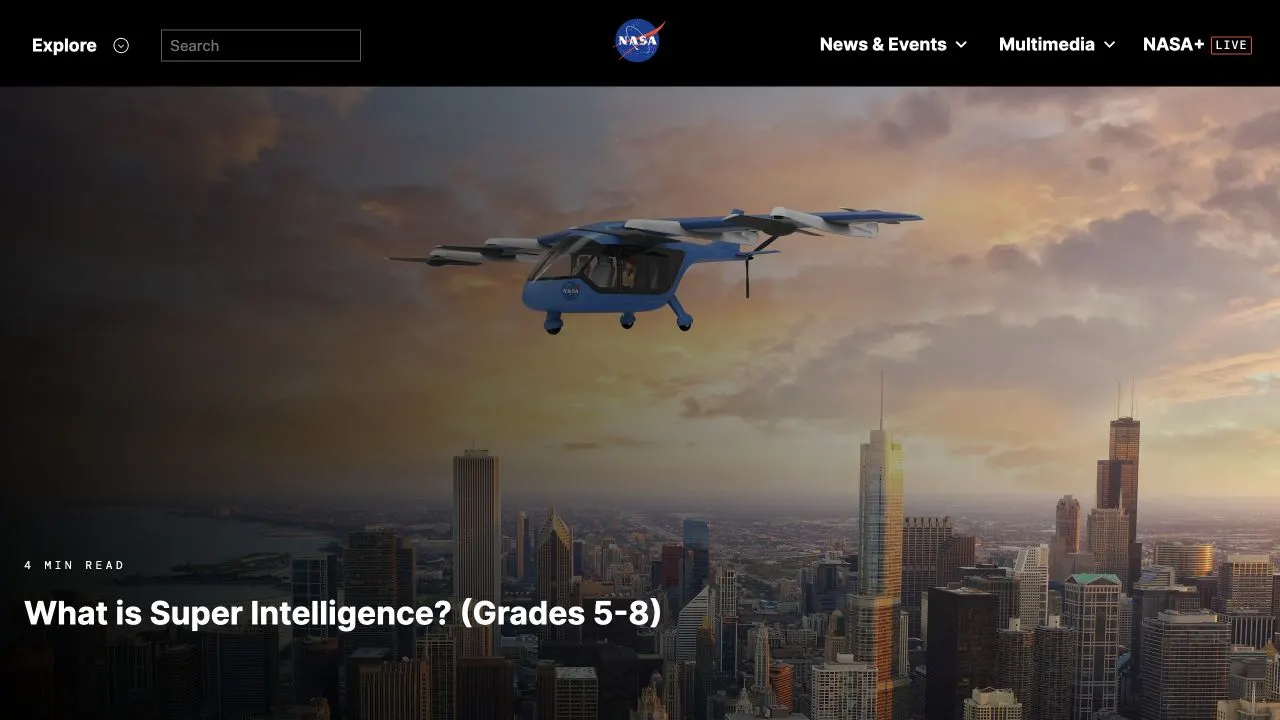
What Is Super Intelligence? (Grades 5-8)
NASA’s grade 5-8 technology explainer introduces machine learning and related ideas through examples from rovers, space science, Earth observation, and careers. It is listed under Coding and Science for ages Grades 5-8. Children and families can use it through a website.
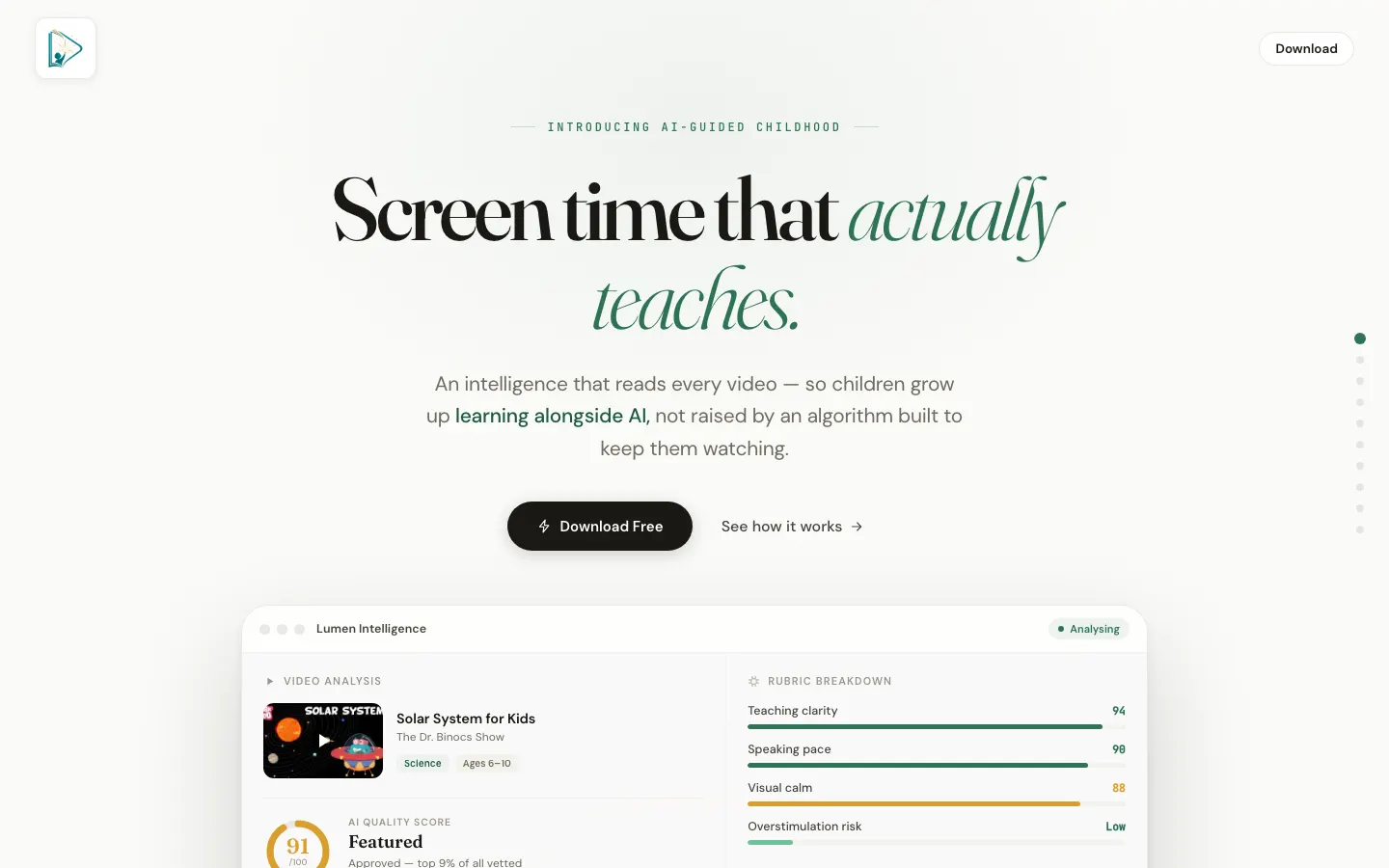
Lumen Kids
A child-focused educational video platform that analyzes and scores learning videos, supports short quizzes, and presents science and other topics under adult supervision. It is listed under Science and Technology for ages 0–12; adult supervision.
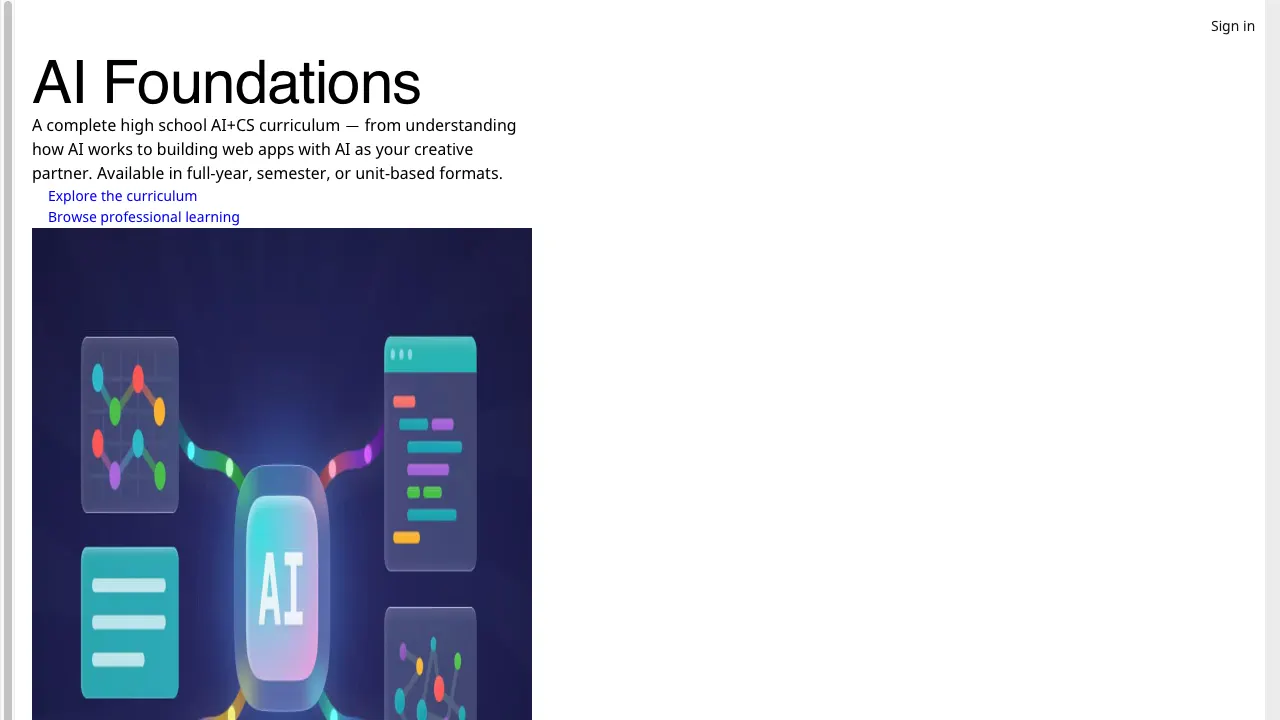
Code.org AI Foundations
A free high-school AI and computer-science curriculum covering AI literacy, the internet, cybersecurity, data, ethics, bias, JavaScript, web development, and responsible AI creation. It is listed under Coding and Science for ages 14–18. Children and families can use it through a website.
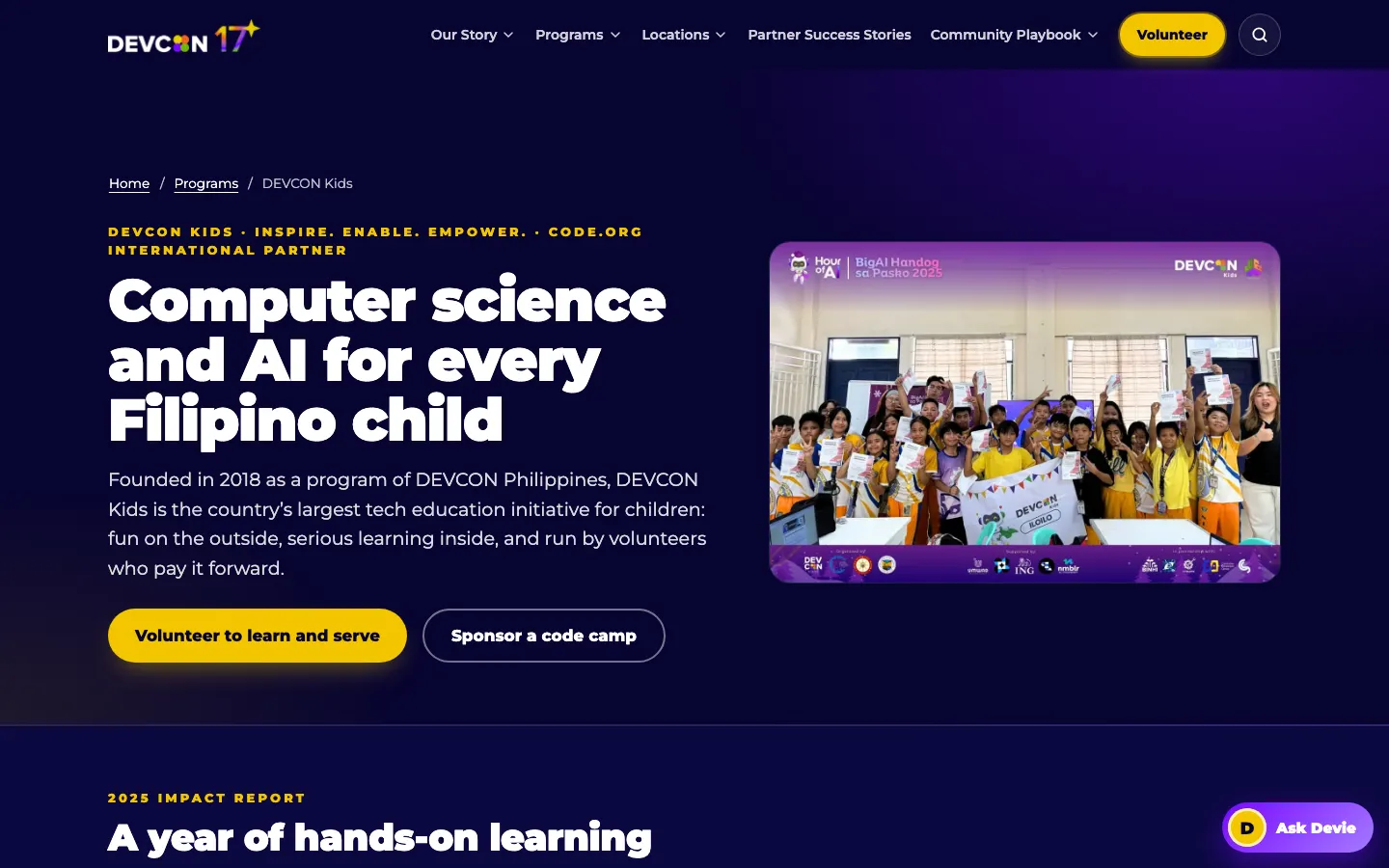
DEVCON Kids
A volunteer-led Philippine program bringing K–12 computer science, AI, coding, animation, and robotics to children through schools and community events. It is listed under Coding and Science for ages 6–18. Children and families can use it through a website.
Code.org Computer Science Discoveries
A flexible middle-school computer-science curriculum covering animations and games, design, data and society, app creation with devices, physical computing, AI, and creative problem solving. It is listed under Coding and Science for ages 11–16.
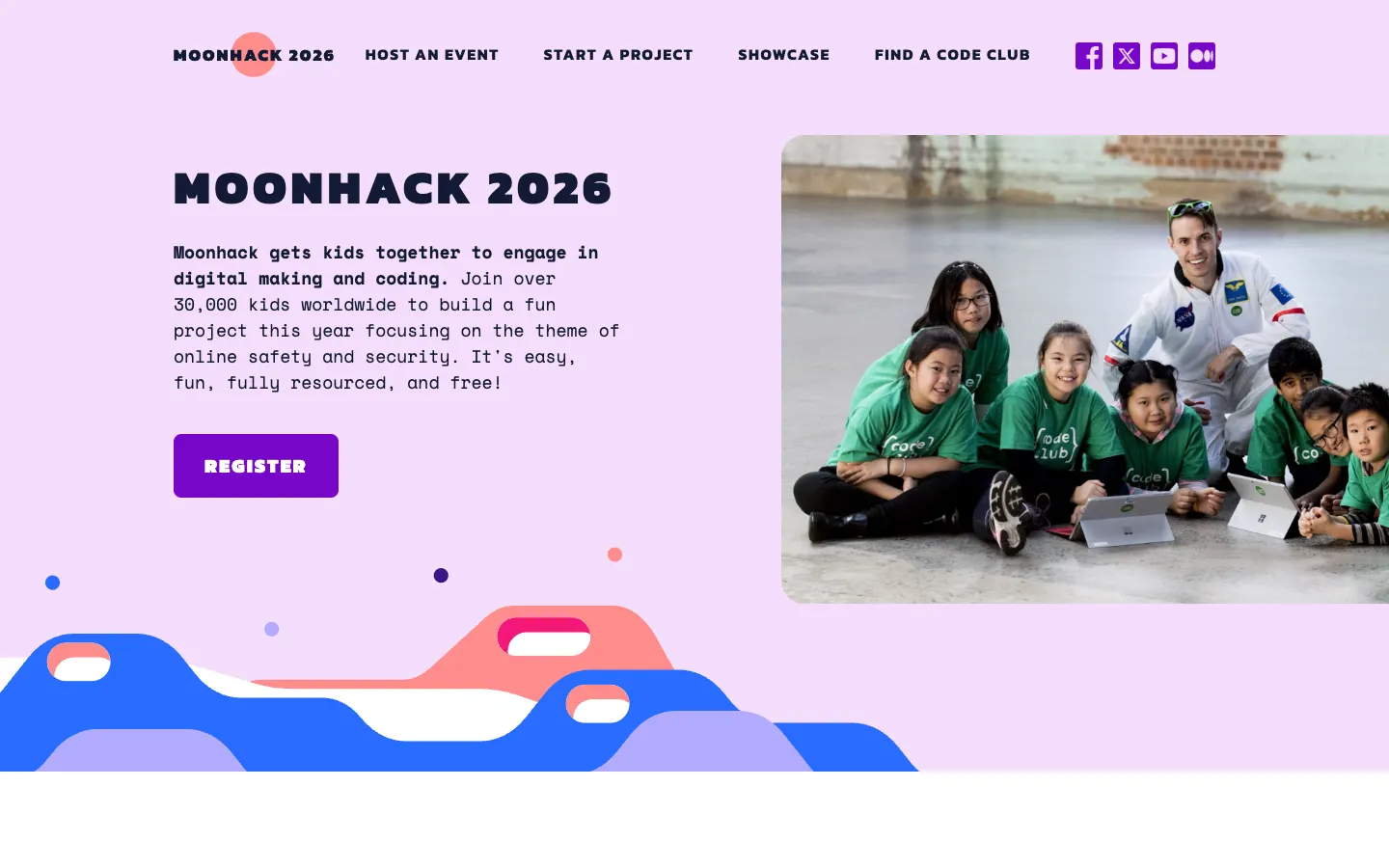
Moonhack 2026
Moonhack is a free, fully resourced global coding challenge where children build projects around online safety and security using Scratch, AI, and Python briefs. It is listed under Coding and Science for ages Children and young people; project levels vary.
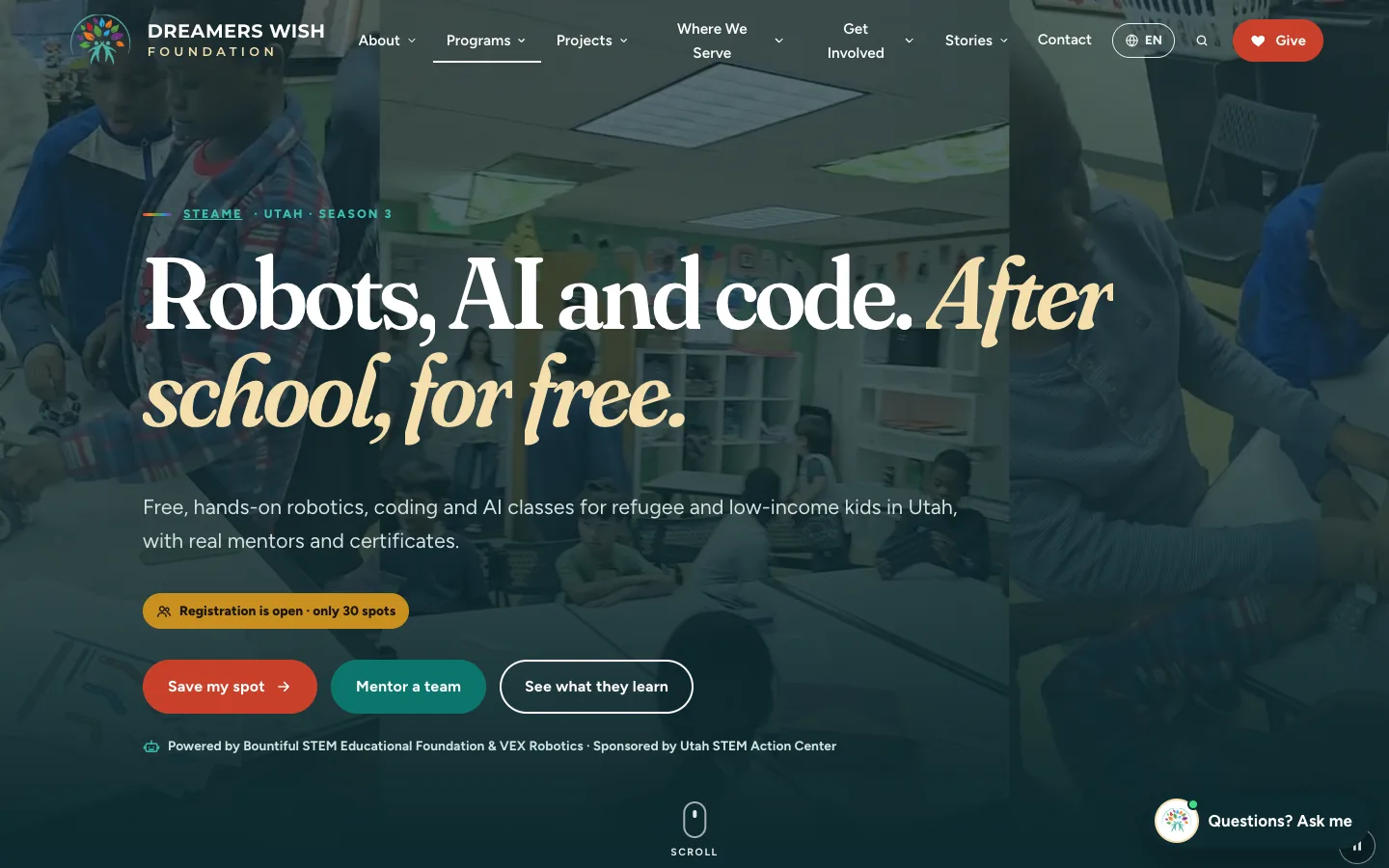
Dreamers Wish Foundation STEM
A free after-school robotics, coding, and AI program for refugee and low-income children, with mentors, laptops, and VEX robot kits. It is listed under Coding & technology and Engineering for ages 8–14. Children and families can use it through a website.
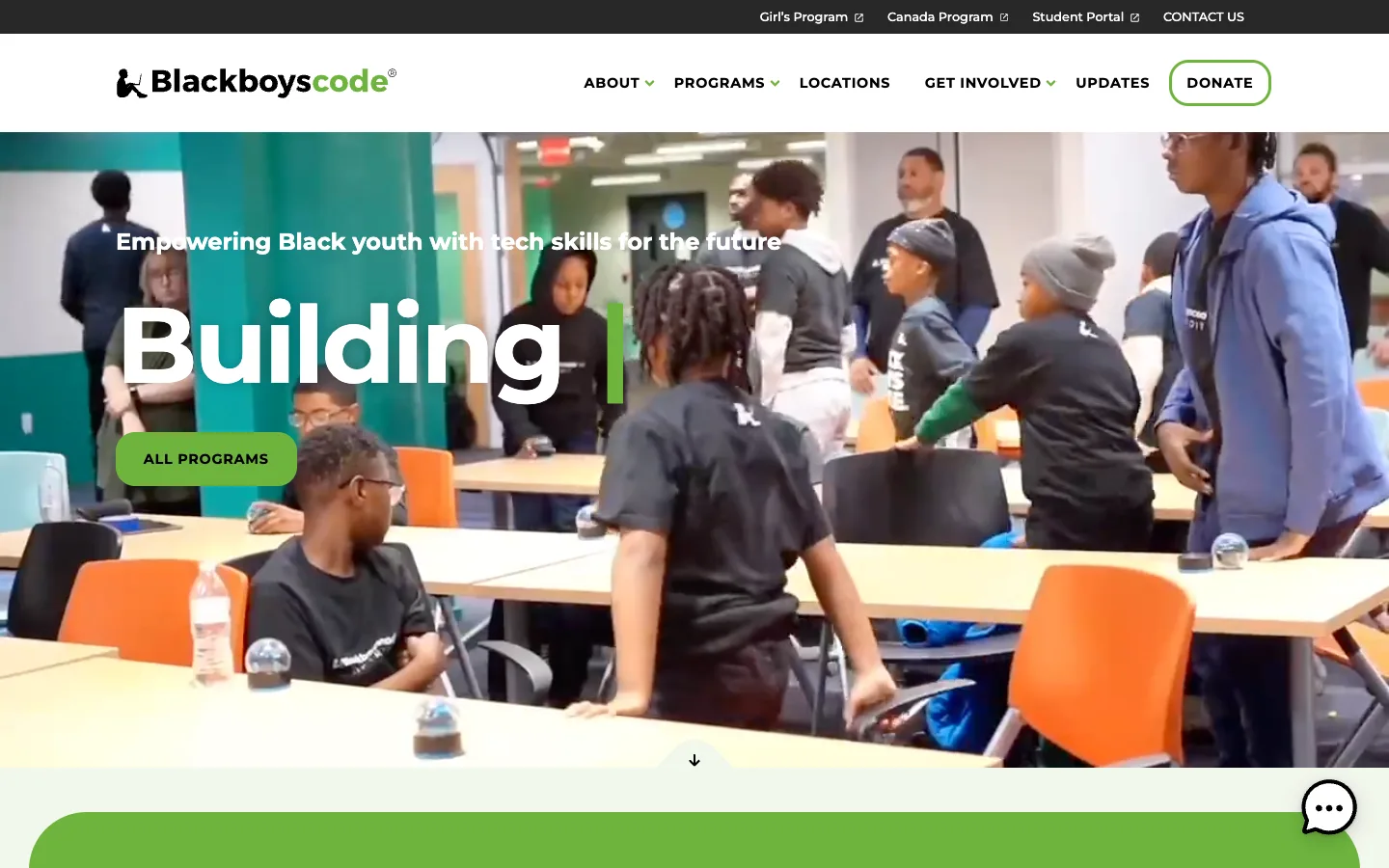
Black Boys Code USA
A nonprofit providing STEM, AI, robotics, and technology programs designed to empower Black youth with skills for the future. It is listed under Coding & technology and Engineering for ages Youth; program-specific. Children and families can use it through a website.
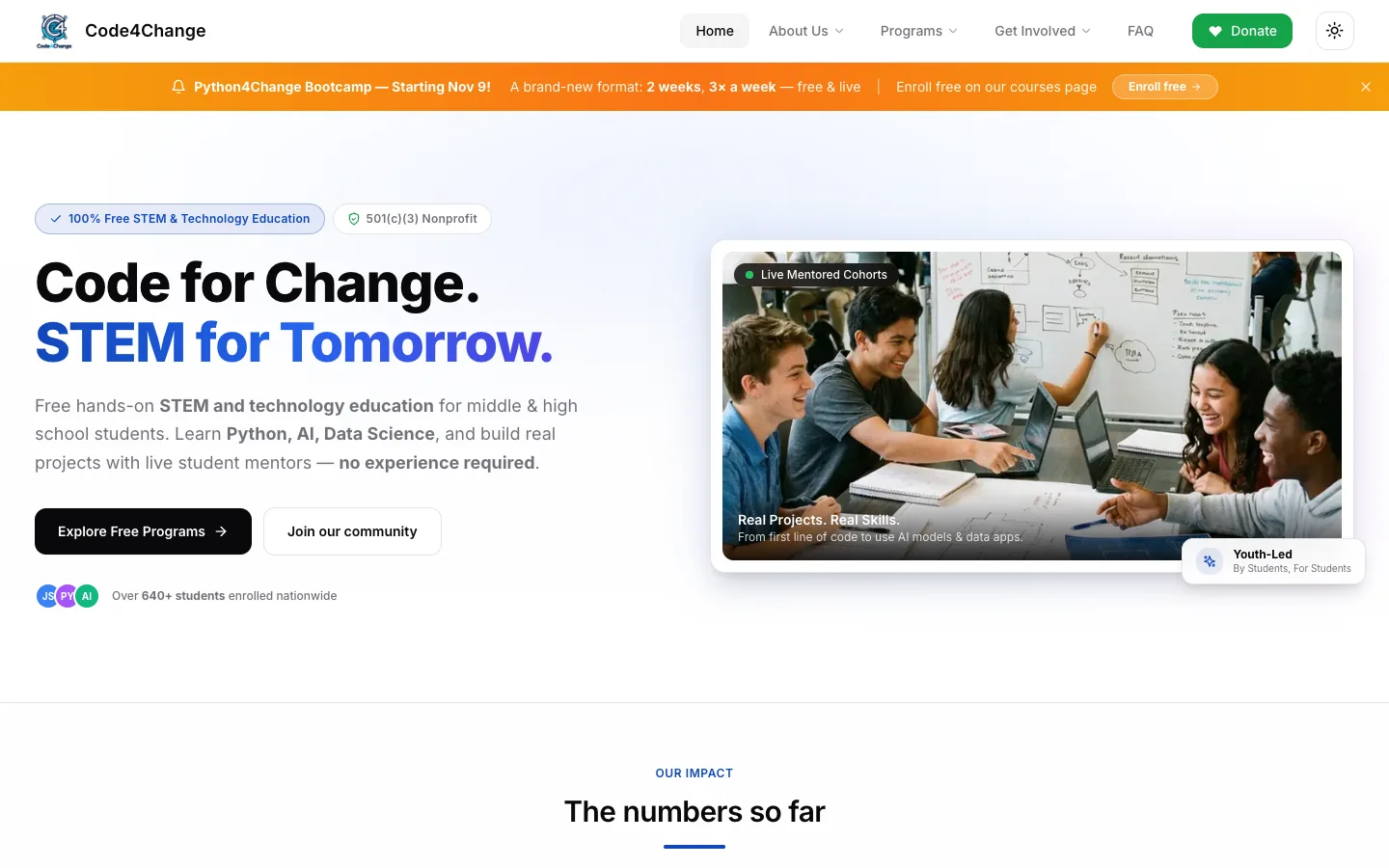
Code4Change
A youth-led nonprofit offering free hands-on education in Python, AI, data science, and technology for middle and high school students. It is listed under Coding & technology and Science for ages Middle and high school students.
Compare with context
Use this collection to find a direction, then open each resource page before sharing it with a child. The individual review shows languages, access formats, tags, age guidance, source links, and notes for grown-ups.
Search the full directory →