Parent & educator NASA
for kids
Explore 20 trusted parent & educator nasa resources selected for curious kids, with clear ages, access details, and parent context.
Two useful ways to narrow the directory
This page brings together parent & educator resources that also match nasa. Each listing keeps its own age range, platform details, languages, links, and parent notes, so you can compare options without losing context.
Explore all parent & educator resources →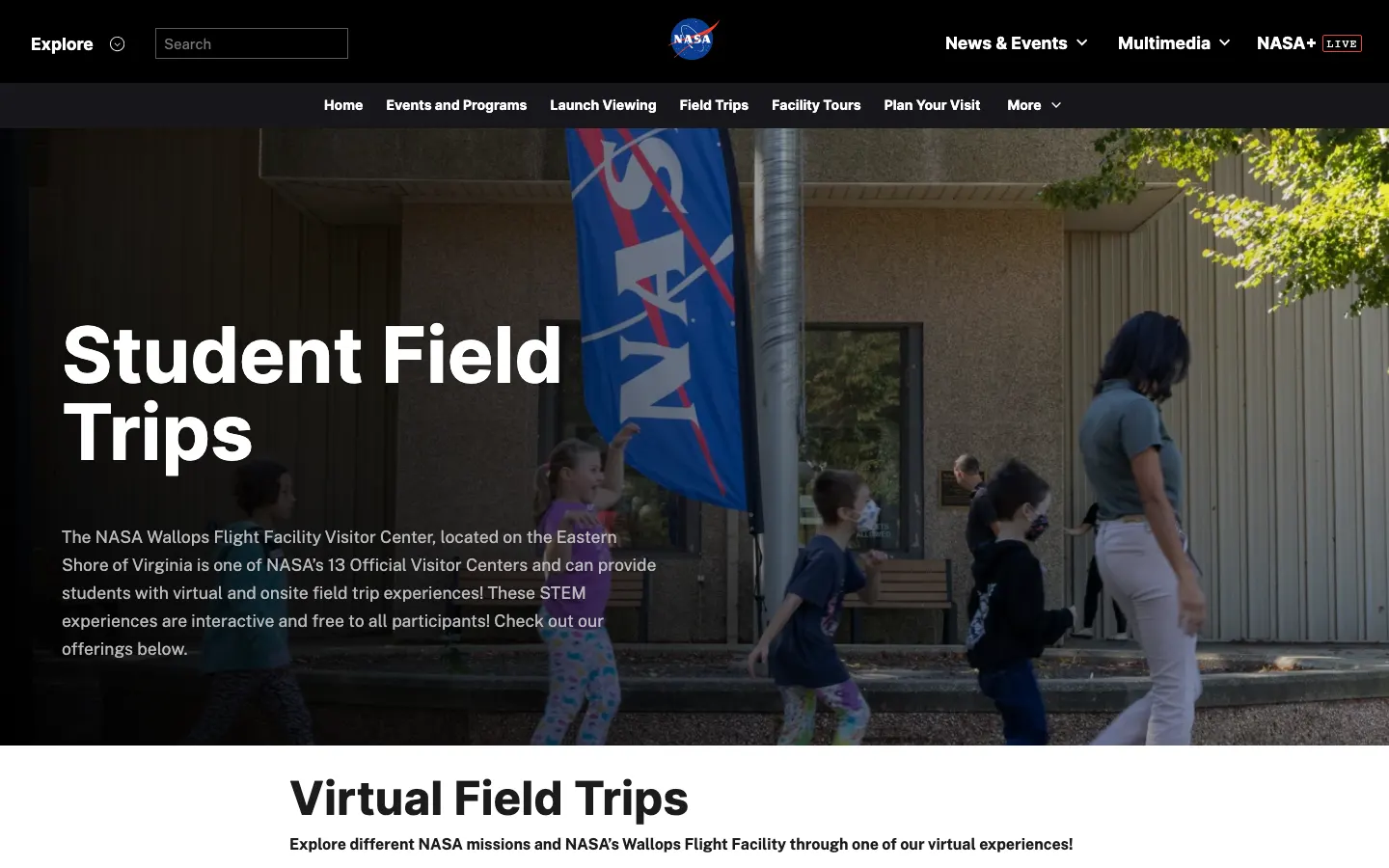
NASA Wallops Virtual Field Trips
NASA Wallops Visitor Center virtual field trips bring live educators to classrooms for programs about the Moon, Mars, the solar system, and aerospace. It is listed under Space and Science for ages 8–18. Children and families can use it through a website.
Read the full resource review →More parent & educator picks
Slime in Space
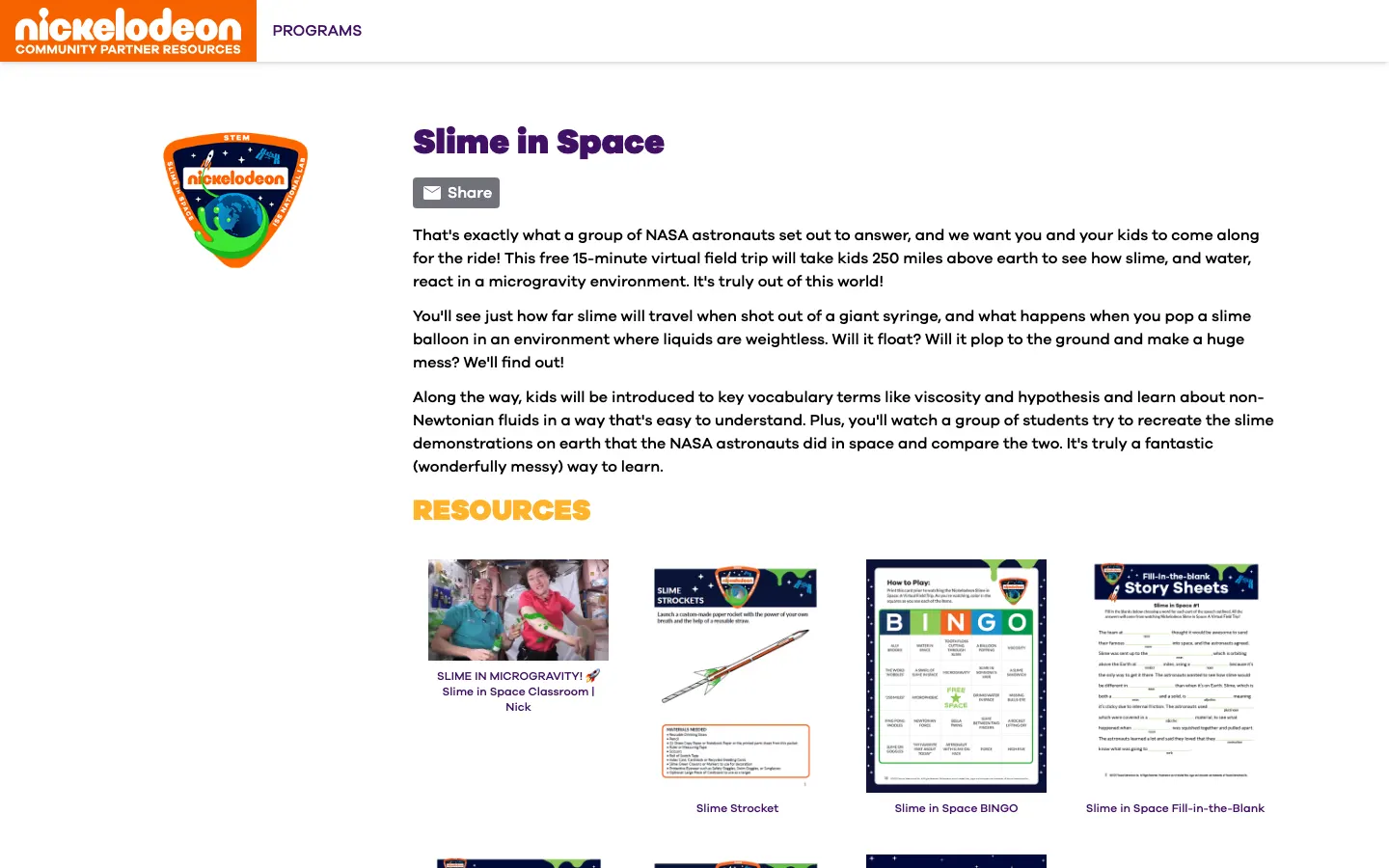
Slime in Space is an official Nickelodeon and NASA virtual field trip about slime, water, and microgravity, with classroom-facing science content. It is listed under Science and Space for ages 8–12. Children and families can use it through a website.
NASA eClips
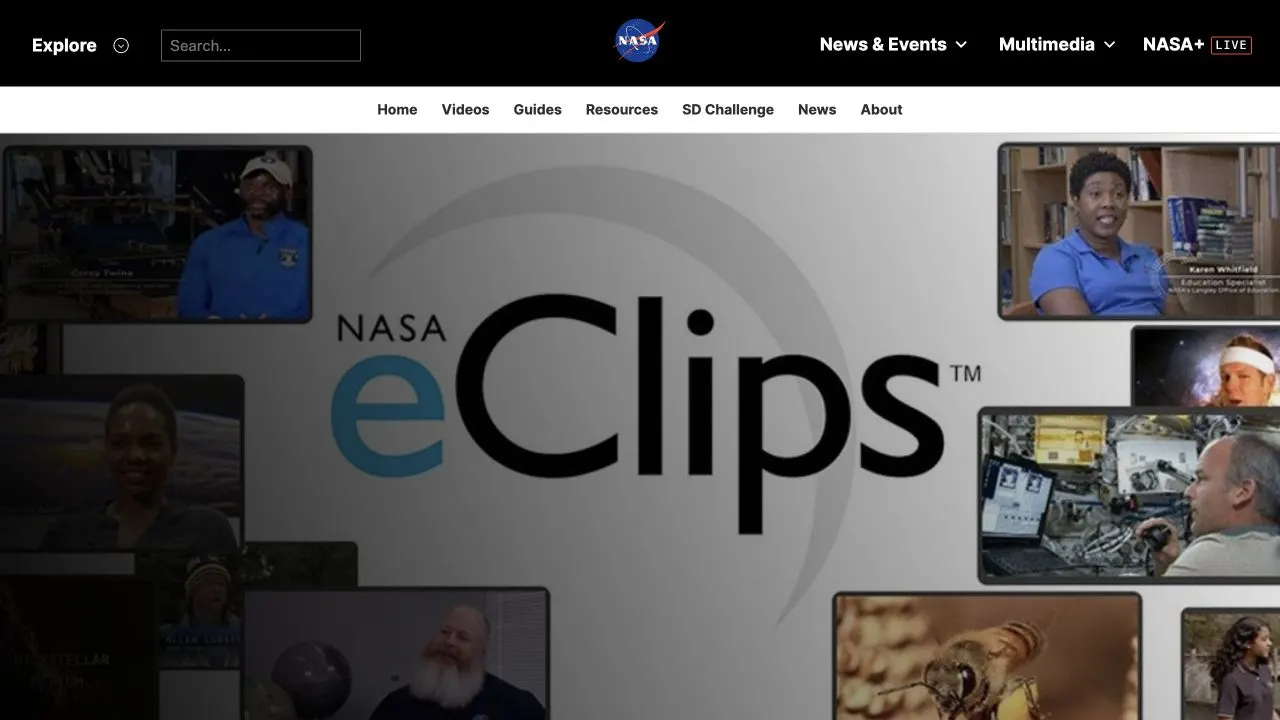
NASA videos and learning resources that connect space science with classroom and family STEM learning. It is listed under Science and Parent & educator for ages 8-18. Children and families can use it through a website.
Genesis Kids
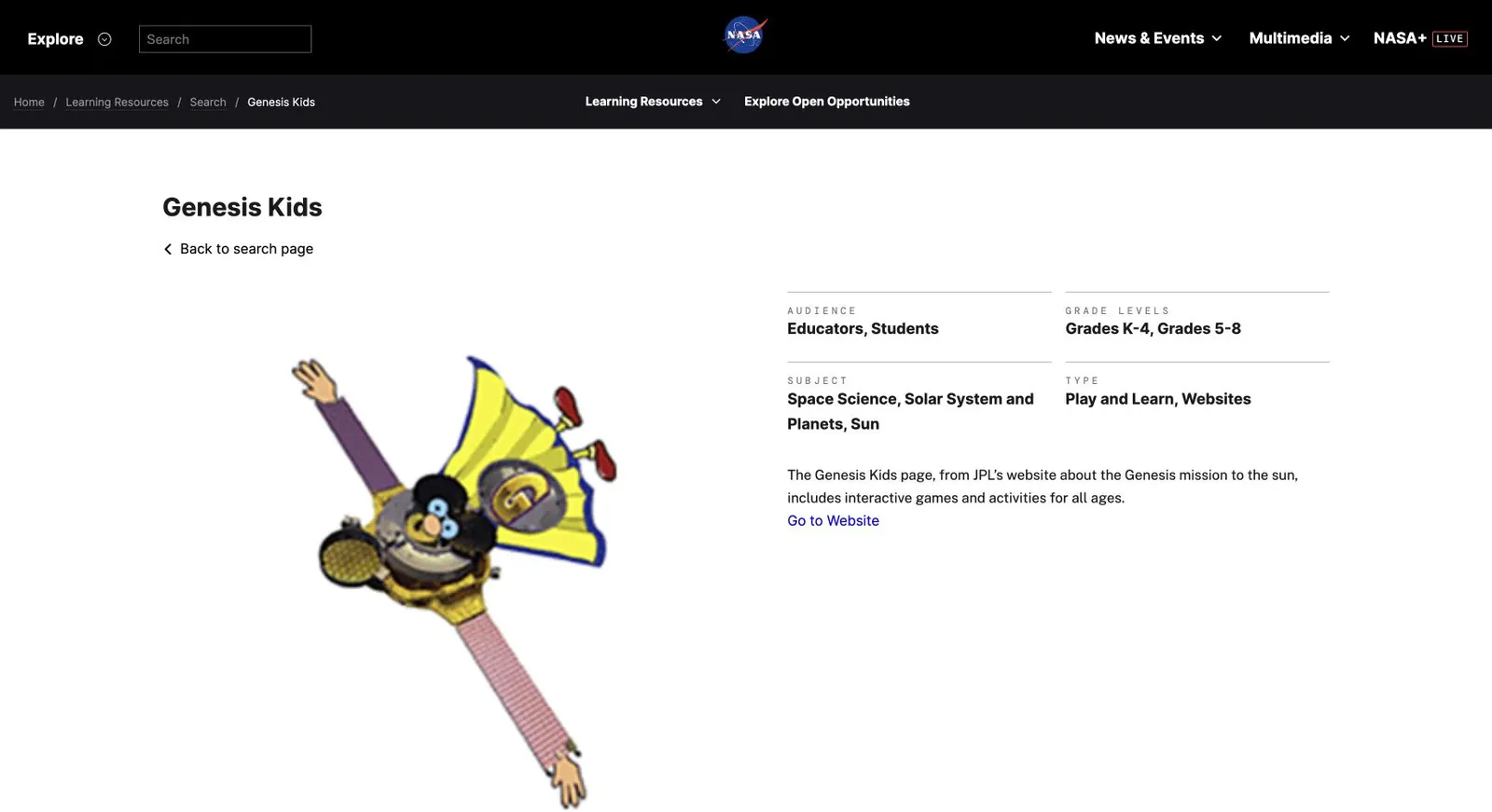
NASA’s Genesis mission learning page introduces children to the Sun and solar system through interactive games and activities, including instrument matching, Mars mazes, and word searches. It is listed under Science and Space for ages 5–14.
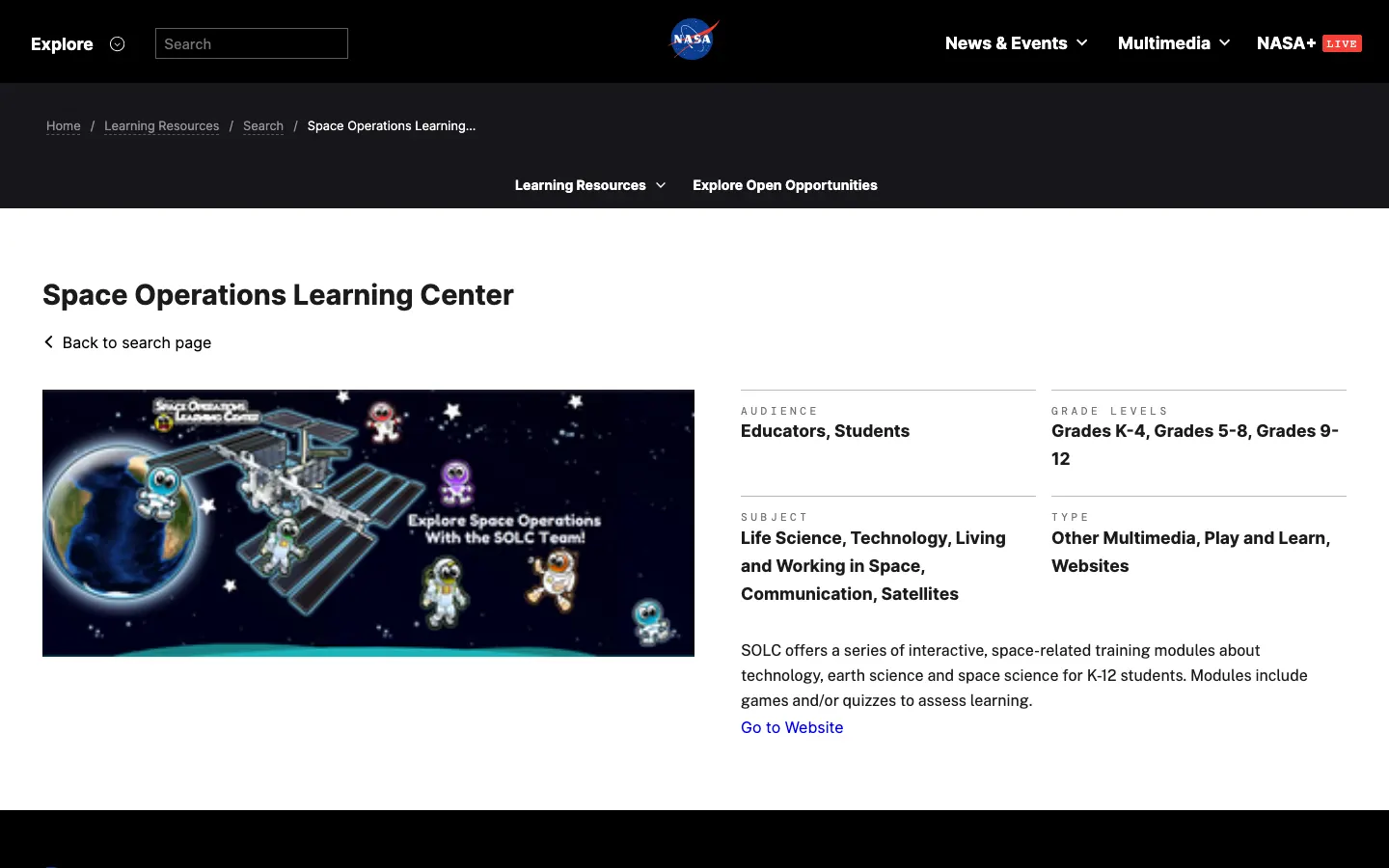
NASA Space Operations Learning Center
NASA’s Space Operations Learning Center provides interactive modules, games, and quizzes about space technology, Earth science, satellites, communication, and living and working in space. It is listed under Science and Space for ages K–12.
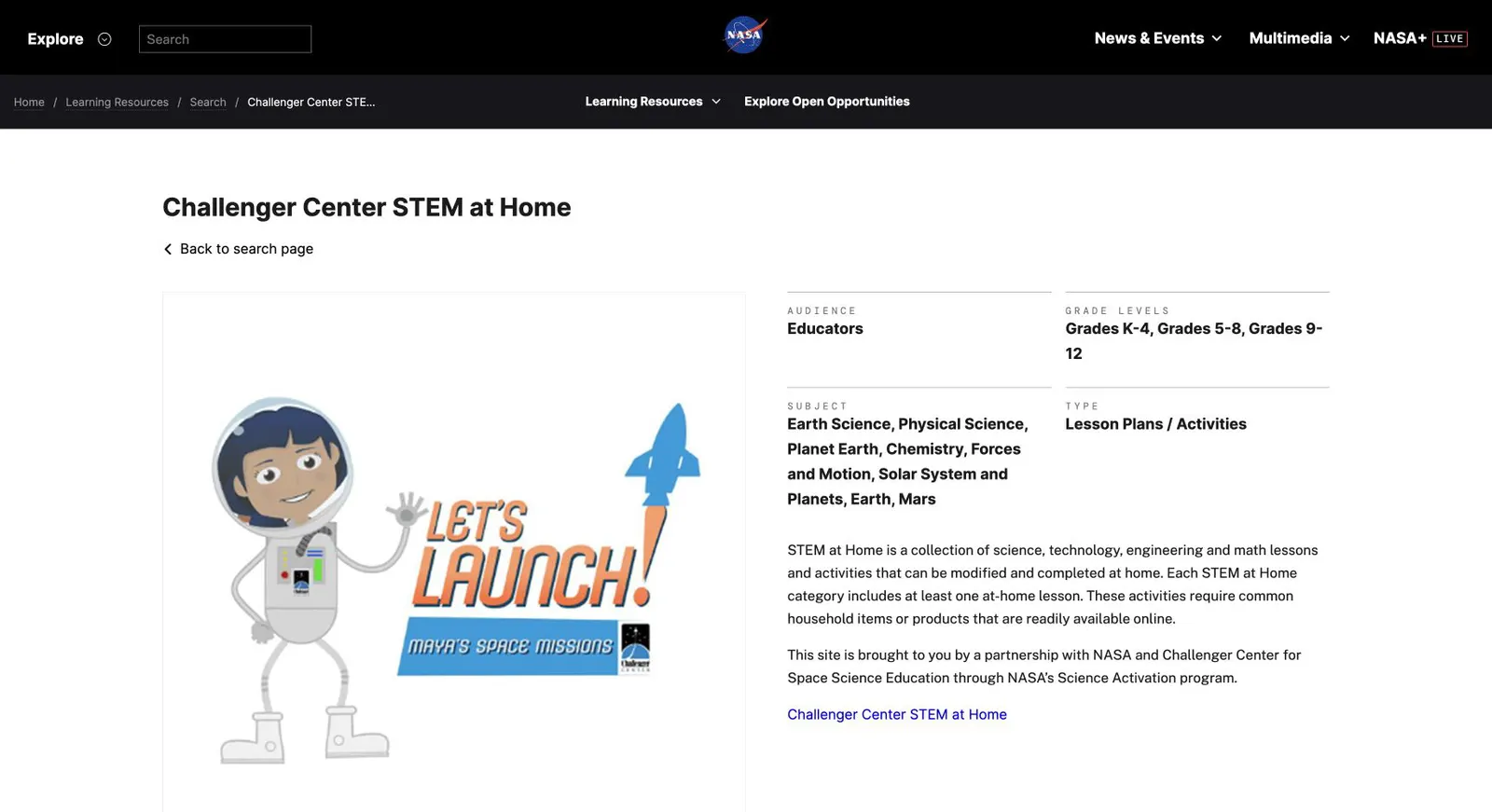
Challenger Center STEM at Home
A NASA and Challenger Center collection of adaptable science, technology, engineering, and math lessons for home learning, spanning Earth science, chemistry, forces, Mars, and the solar system. It is listed under Science and Space for ages 5–18.
NASA JPL Education Overview
An official overview of NASA JPL’s education mission, audiences, K-12 content, STEM resources, and family-facing space learning. It is listed under Science, Technology, and Engineering for ages 8–18. Children and families can use it through a website.
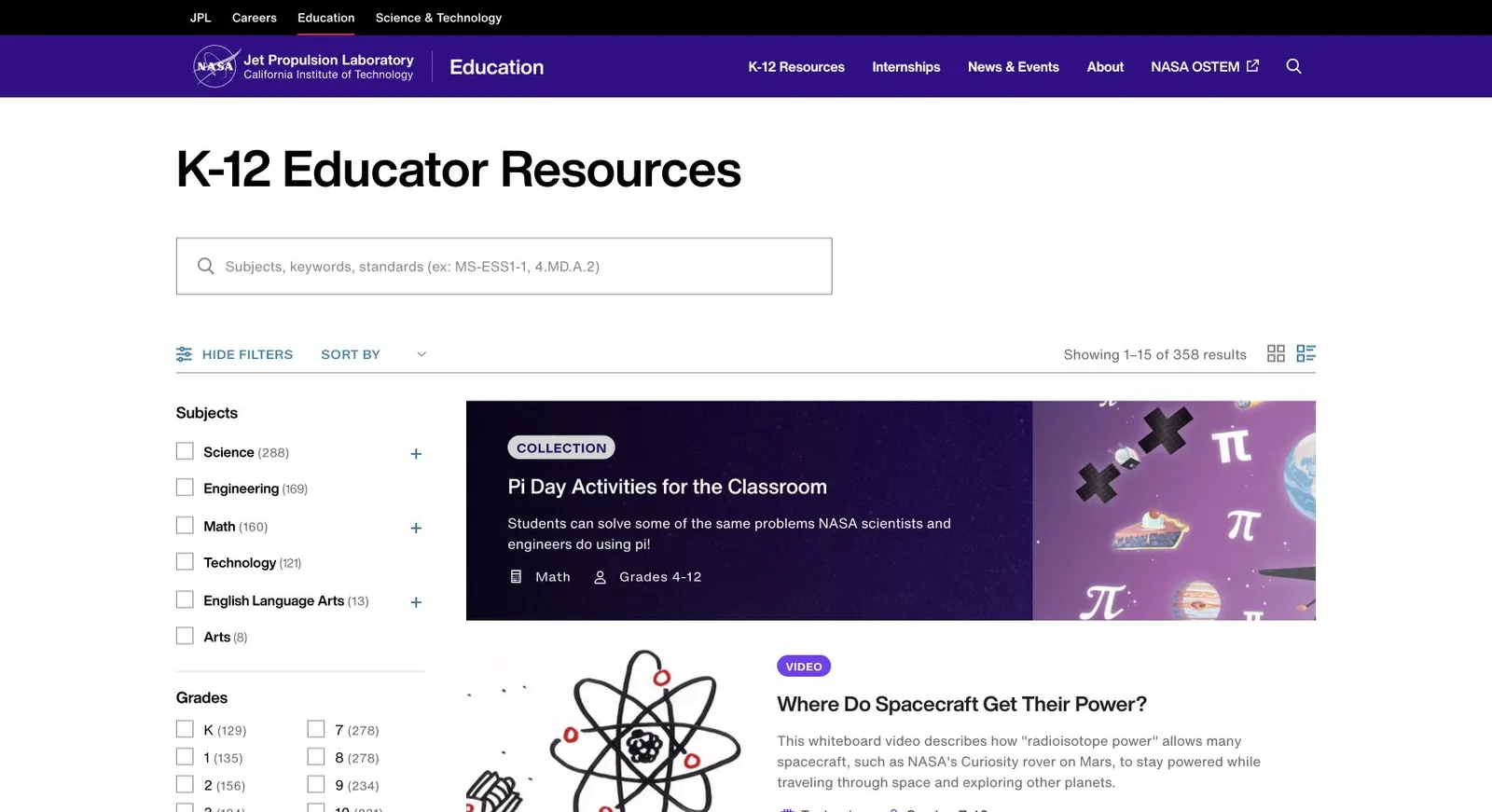
NASA JPL K-12 Educator Resources
A searchable NASA Jet Propulsion Laboratory library of K-12 lessons, projects, videos, collections, and teachable moments. It is listed under Science, Technology, and Engineering for ages 5–18. Children and families can use it through a website and downloadable resources.
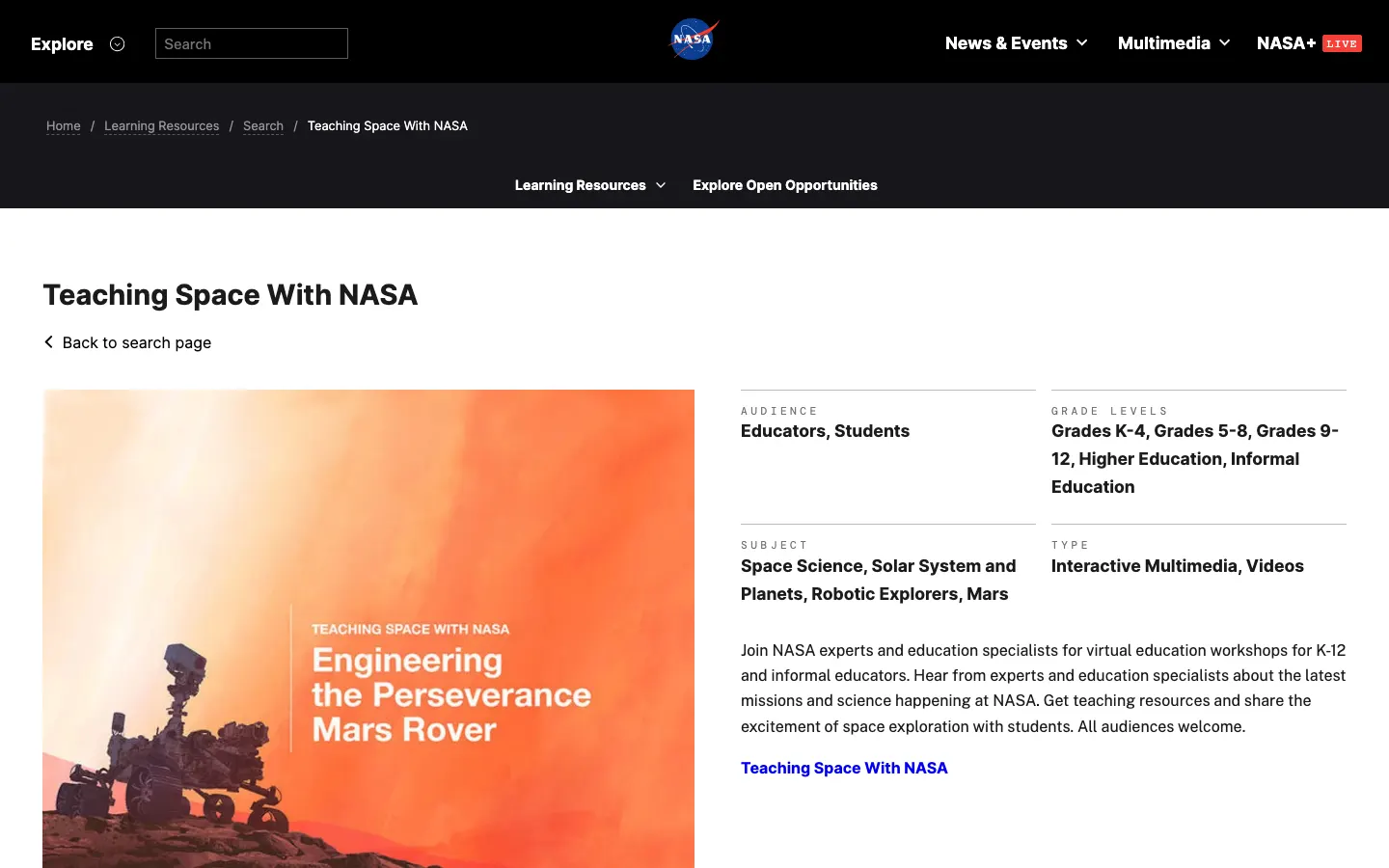
Teaching Space With NASA
Teaching Space With NASA is a NASA program of virtual education workshops where experts and education specialists connect K–12 and informal educators with current space missions and resources. It is listed under Science and Space for ages K–12 and informal education.
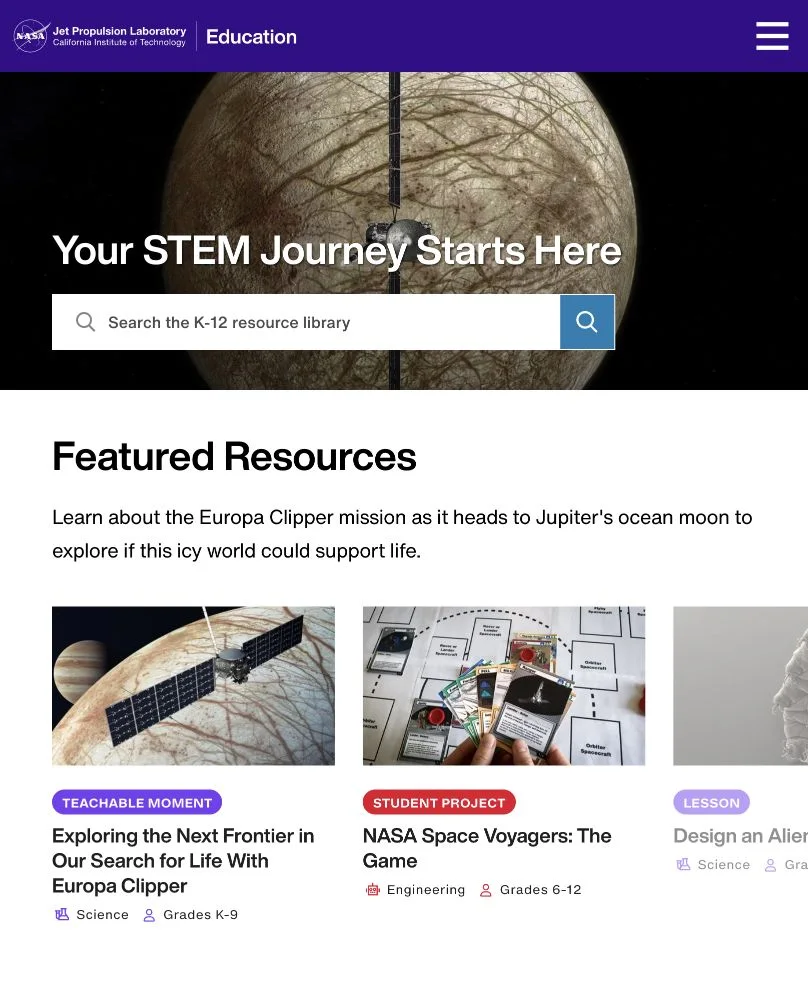
JPL Education
NASA Jet Propulsion Laboratory STEM resources, lessons, projects, videos, and activities for K-12 learners and educators. It is listed under Science, Engineering, and Technology for ages 5–18. Children and families can use it through a website and downloadable resources.
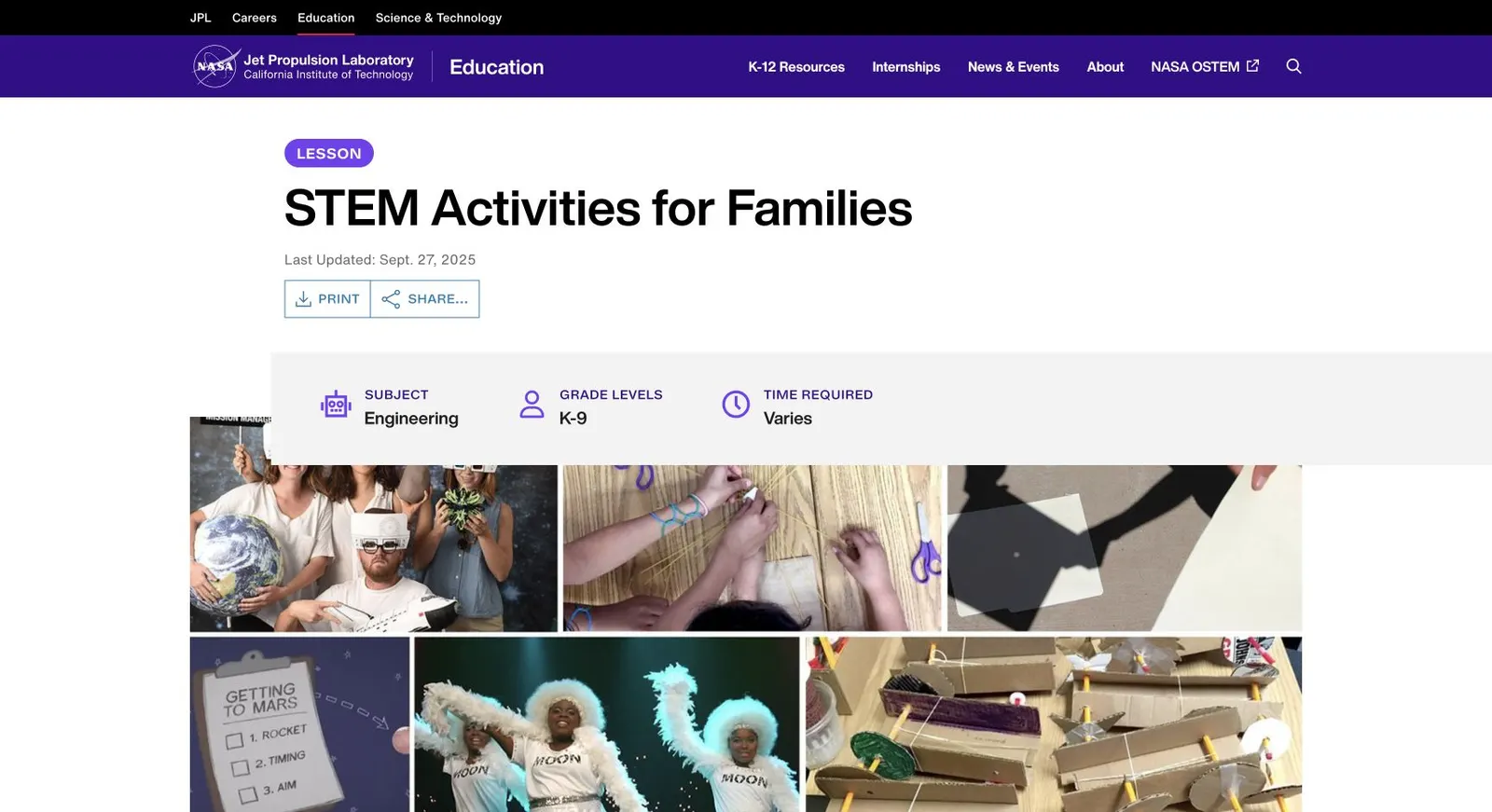
NASA JPL STEM Activities for Families
A NASA JPL collection of family STEM activities spanning engineering, science, technology, computer science, mathematics, rockets, space missions, and design challenges. It is listed under Engineering, Science, and Coding for ages 5–18. Children and families can use it through a website.
NASA at Home: For Kids and Families
NASA’s family collection of space and Earth-science activities, videos, crafts, coloring resources, and age-banded student materials for learning together at home. It is listed under Science, Space, and Nature & environment for ages 5–14.
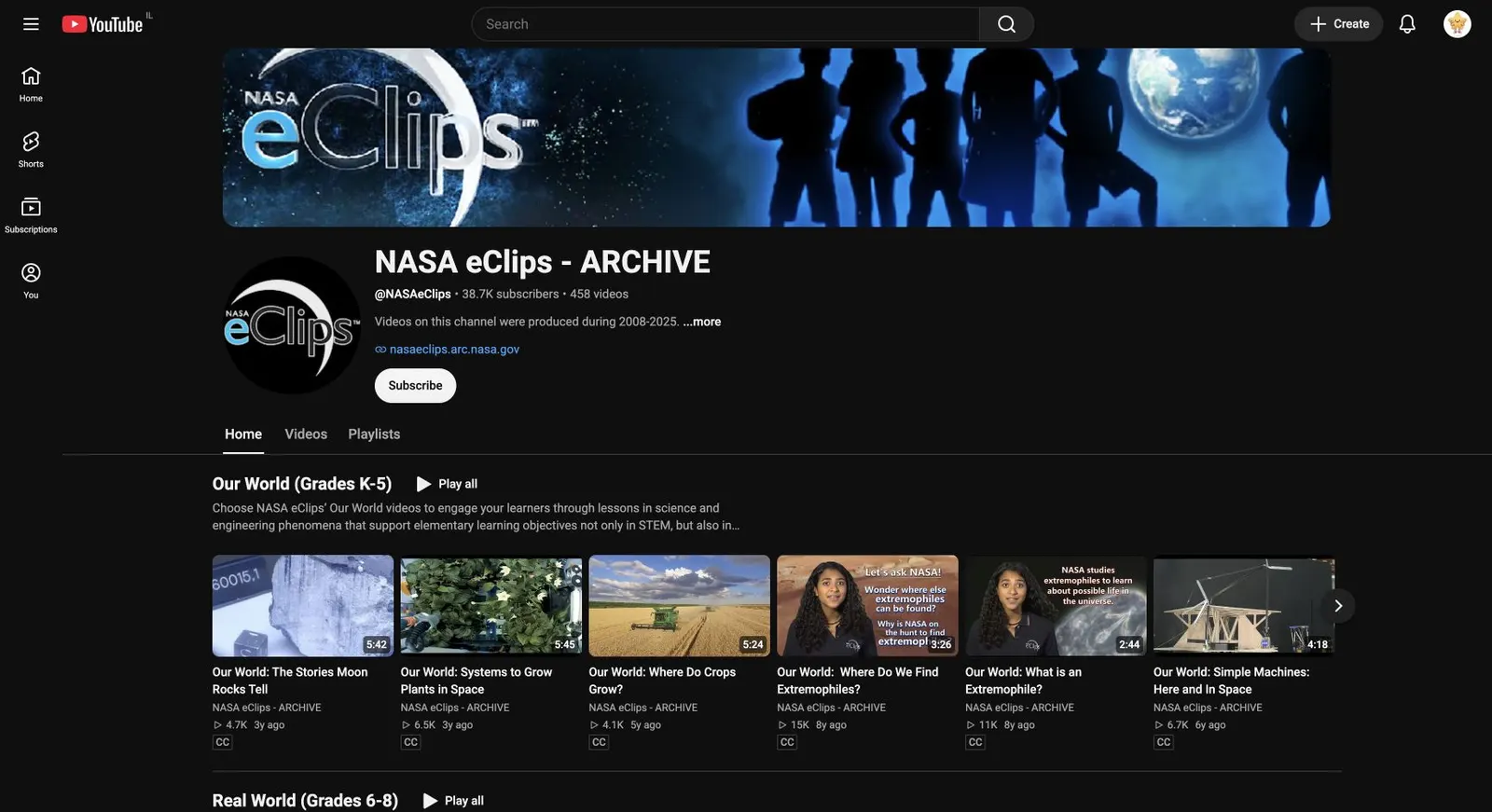
NASA eClips YouTube
NASA eClips videos connect students and educators with NASA missions, scientists, engineers, and classroom-ready STEM ideas. It is listed under Science, Technology, and Engineering for ages 8–18. Children and families can use it through a YouTube channel.
Compare with context
Use this collection to find a direction, then open each resource page before sharing it with a child. The individual review shows languages, access formats, tags, age guidance, source links, and notes for grown-ups.
Search the full directory →