Engineering Space
for kids
Explore 20 trusted engineering space resources selected for curious kids, with clear ages, access details, and parent context.
Two useful ways to narrow the directory
This page brings together engineering resources that also match space. Each listing keeps its own age range, platform details, languages, links, and parent notes, so you can compare options without losing context.
Explore all engineering resources →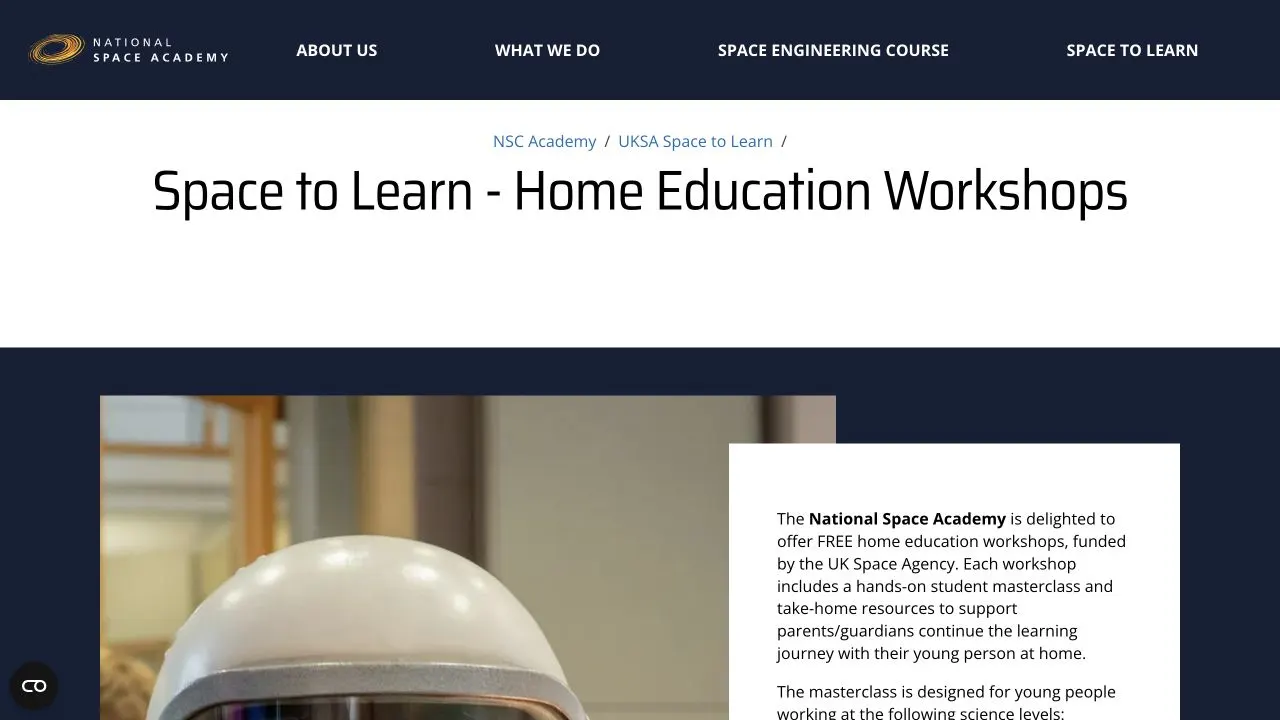
Space to Learn Home Education Workshops
National Space Academy’s Space to Learn page offers free UK Space Agency-funded home-education workshops with hands-on student masterclasses, rocket-design challenges, and take-home resources for families. It is listed under Space and Science for ages 11–15.
Read the full resource review →More engineering picks
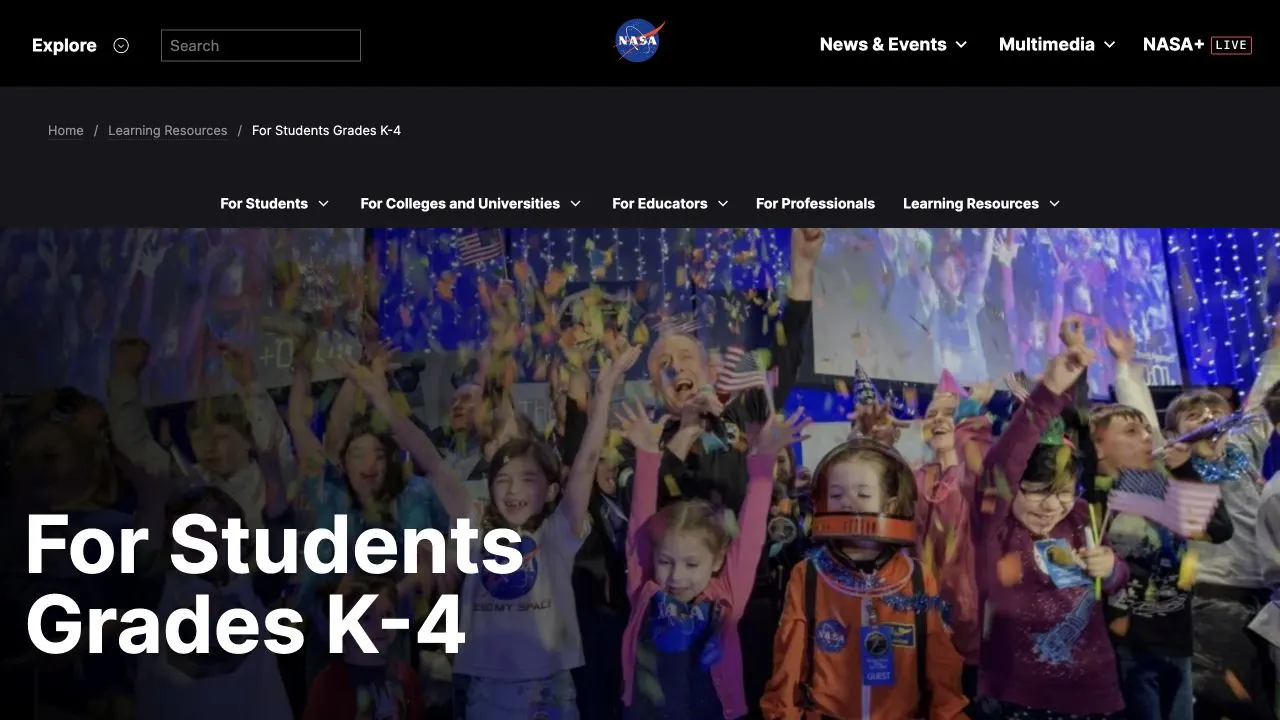
NASA For Students Grades K–4
NASA’s K–4 student hub offers age-appropriate space, Earth and engineering learning resources for younger students. It is listed under Space and Science for ages Grades K–4. Children and families can use it through a website.
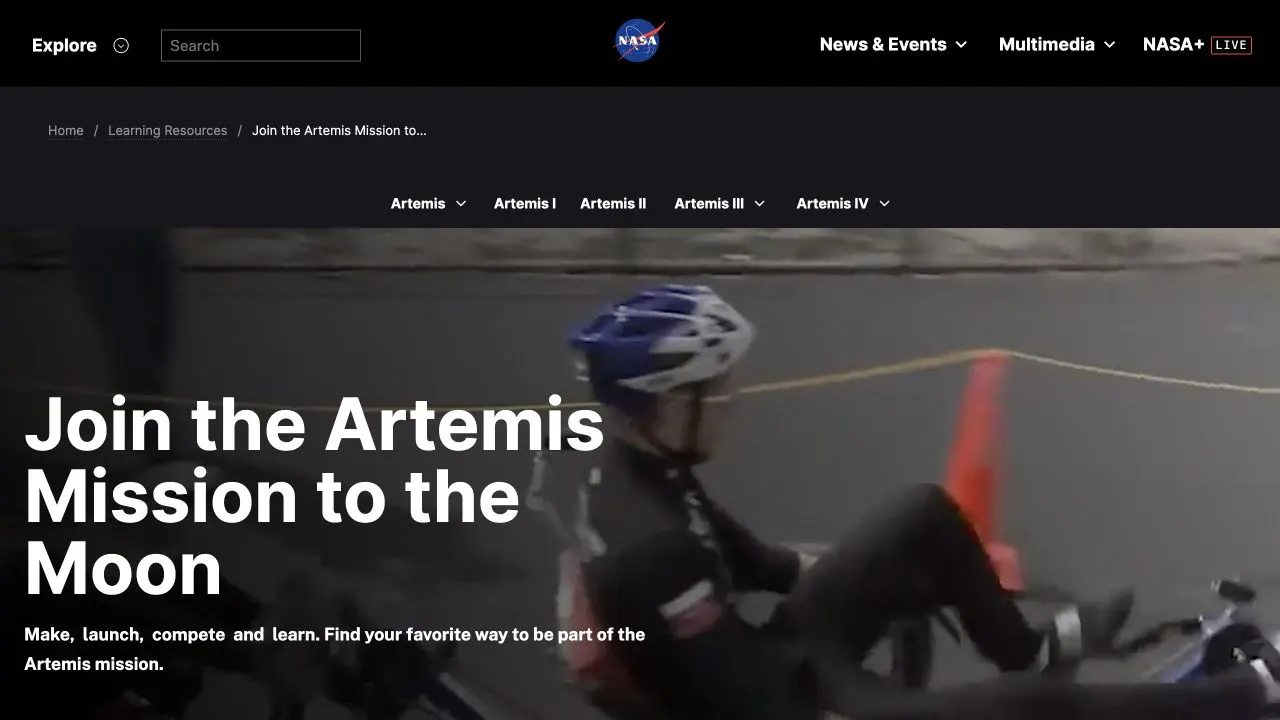
NASA Join the Artemis Mission to the Moon
NASA’s official Artemis learning page offers ways for students and families to make, launch, compete, and learn about the missions returning humans to the Moon. It is listed under Space and Science for ages Children and students; activity-specific.
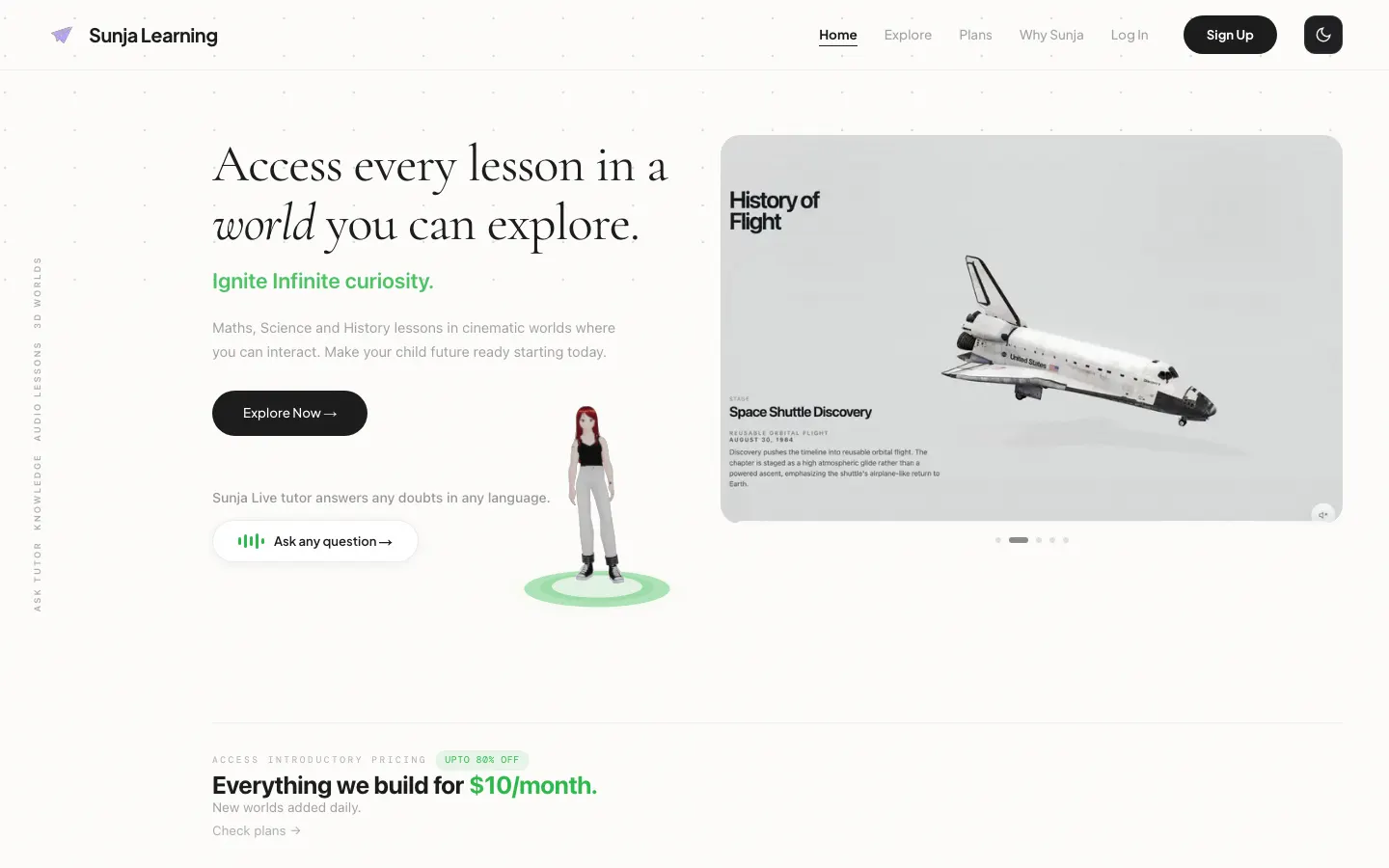
Sunja Learning
Sunja Learning is a browser-based collection of interactive concept worlds where children explore science and technology ideas through simulations and linked experiences. It is listed under Science and Space for ages Curious kids; exact range not stated.
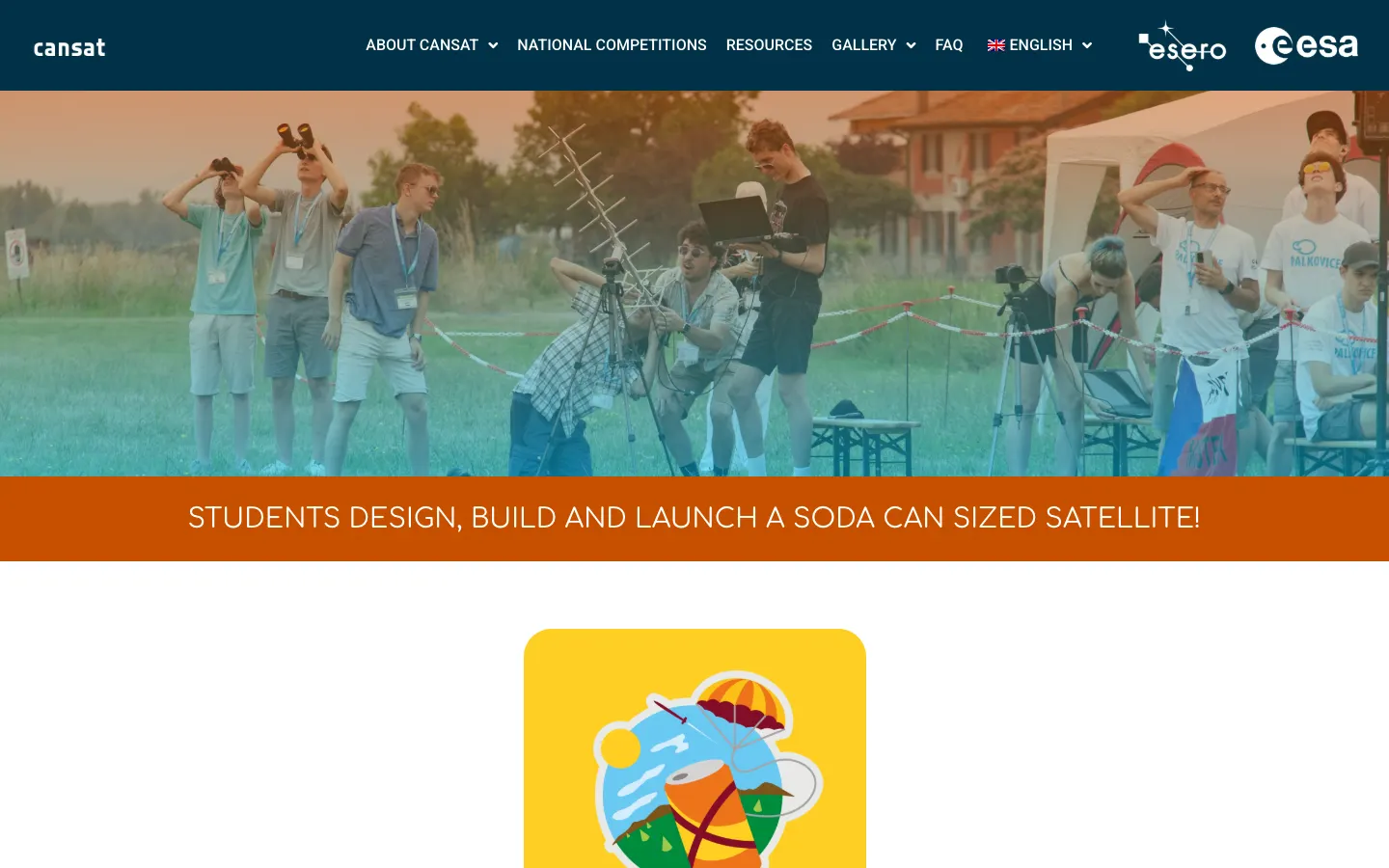
ESA CanSat
The European Space Agency CanSat program challenges teams to design, build and launch a soda-can-sized satellite, then collect and analyse mission data. It is listed under Space and Coding for ages 14–19. Children and families can use it through a website.
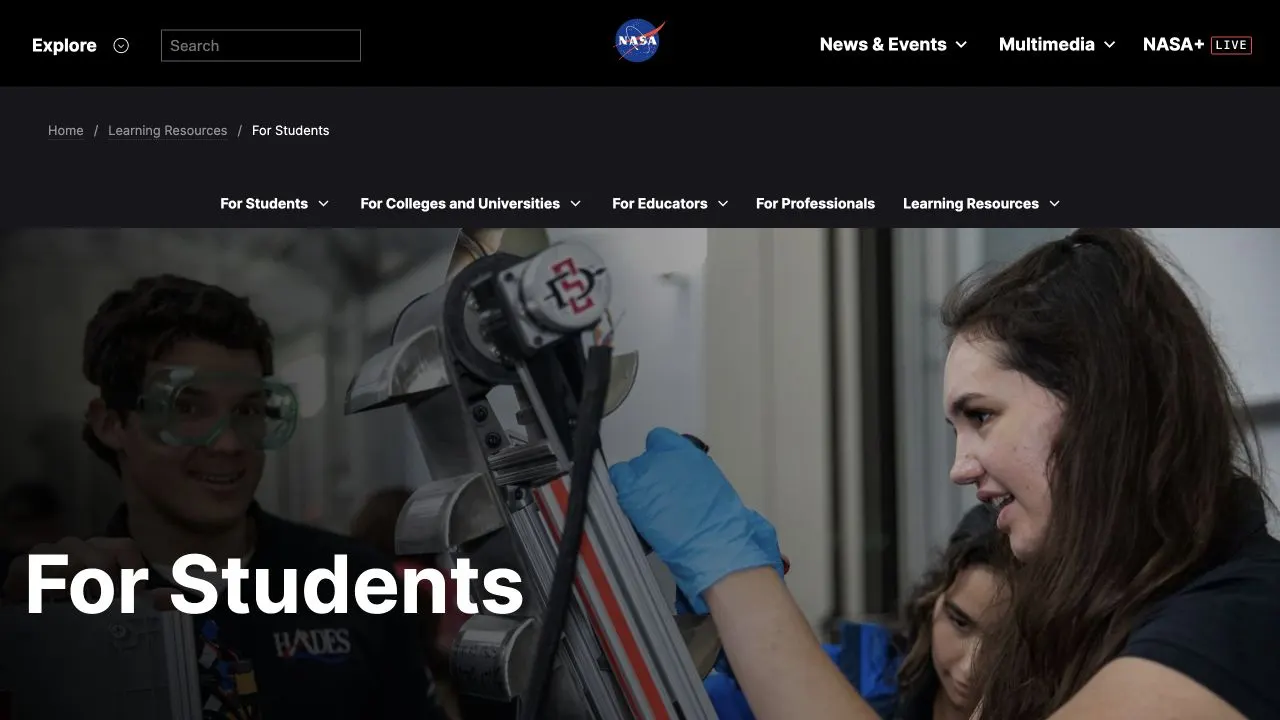
NASA For Students
NASA’s official student learning hub organizes space, science, engineering, and career resources by grade bands, with links for K–4, grades 5–8, grades 9–12, and college students. It is listed under Space and Science for ages K–12 and older students; page links grade bands.
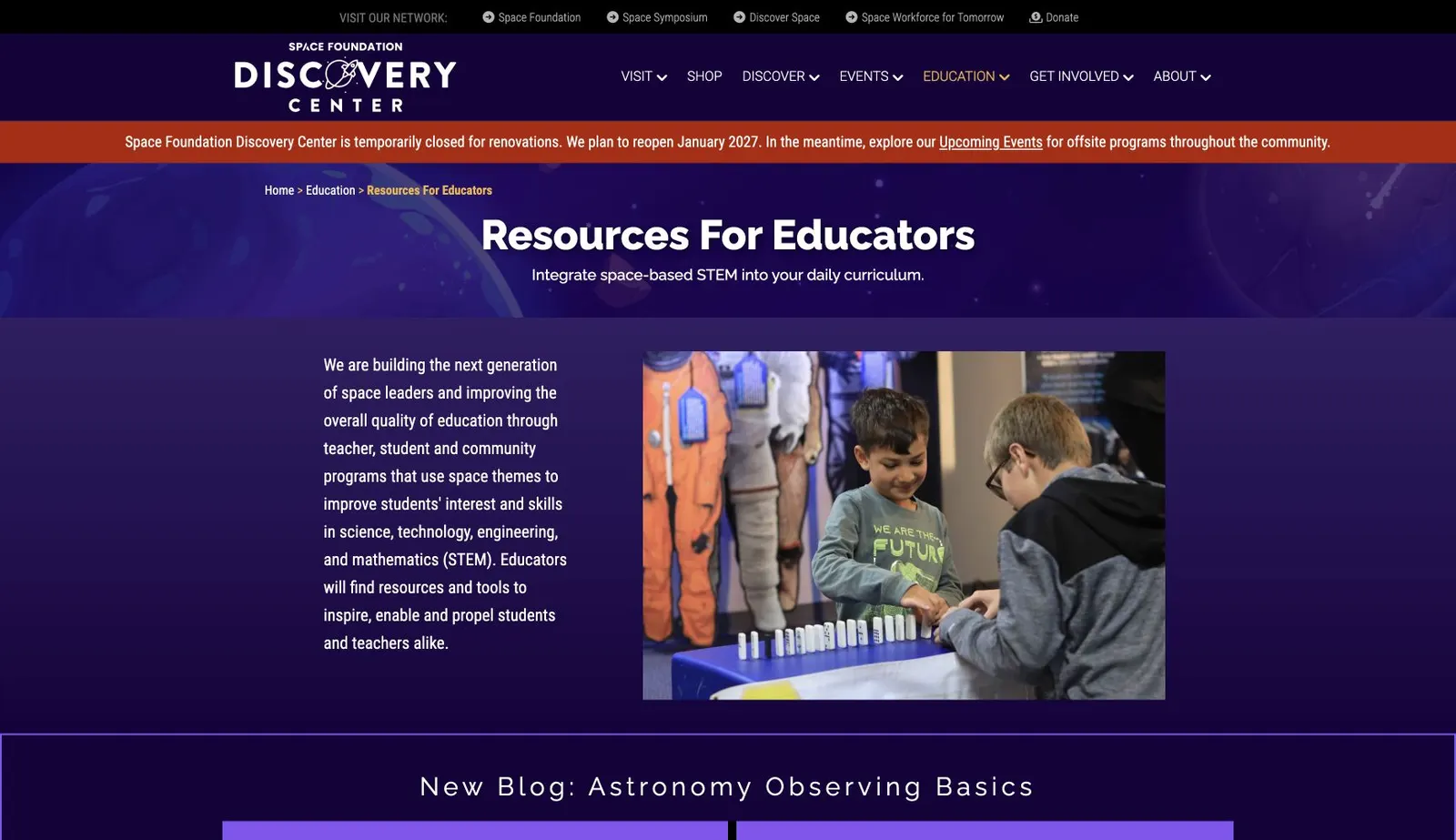
Space Foundation Discovery Center Resources for Educators
Space Foundation Discovery Center’s educator collection offers classroom and informal-learning resources for exploring space science, engineering, and space technology. It is listed under Space and Science for ages School-age children and teens; resource-specific. Children and families can use it through a website.
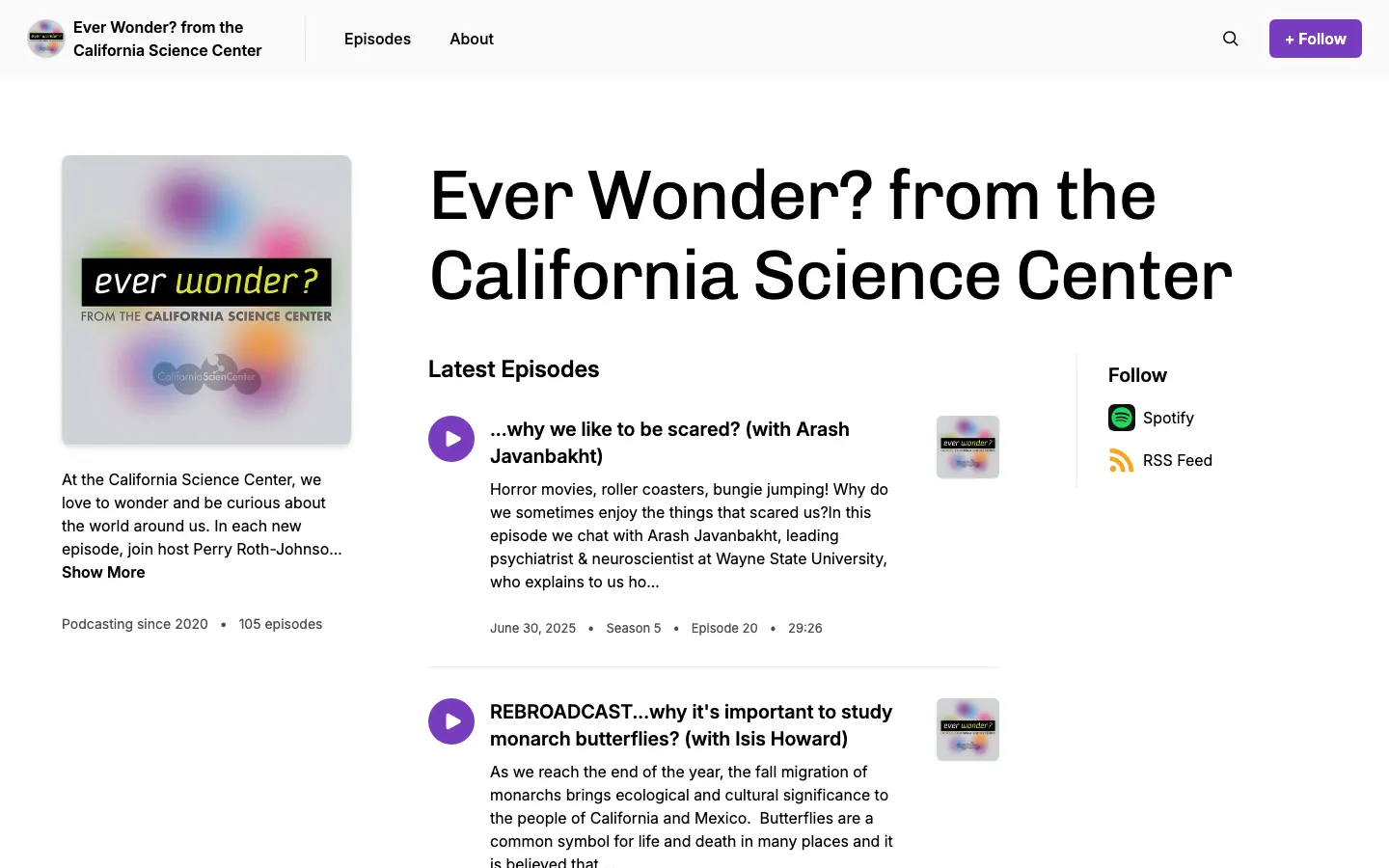
California Science Center Ever Wonder?
Ever Wonder? is a California Science Center science show with episodes that explain STEM questions and phenomena for curious learners. It is listed under Science and Space for ages 6–12. Children and families can use it through a website.
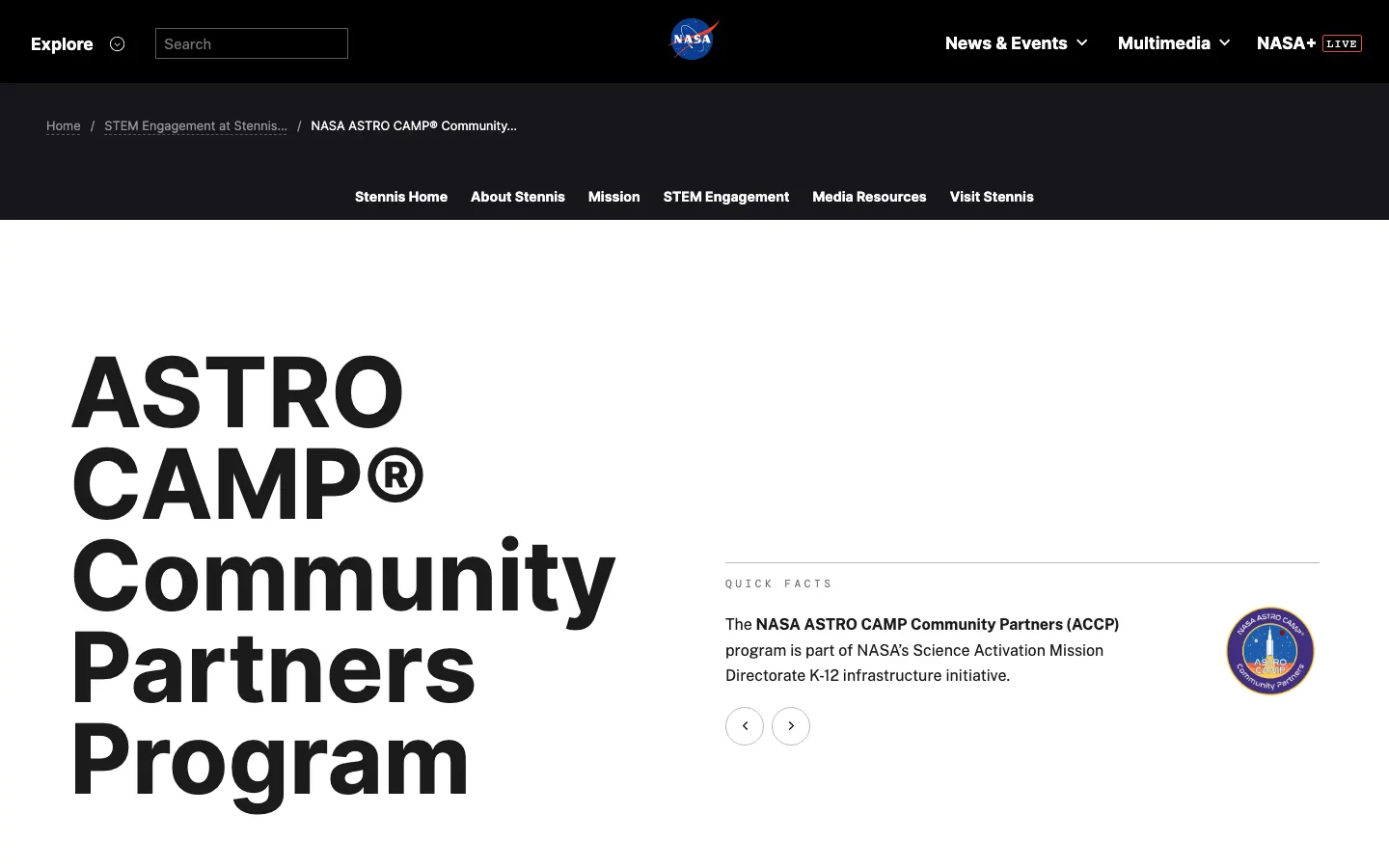
NASA ASTRO CAMP Community Partners Program
NASA’s community-partner program connects youth with hands-on NASA science activities in astrophysics, Earth science, planetary science, robotics, and related STEM topics. It is listed under Space and Science for ages Youth; partner-specific. Children and families can use it through a website.
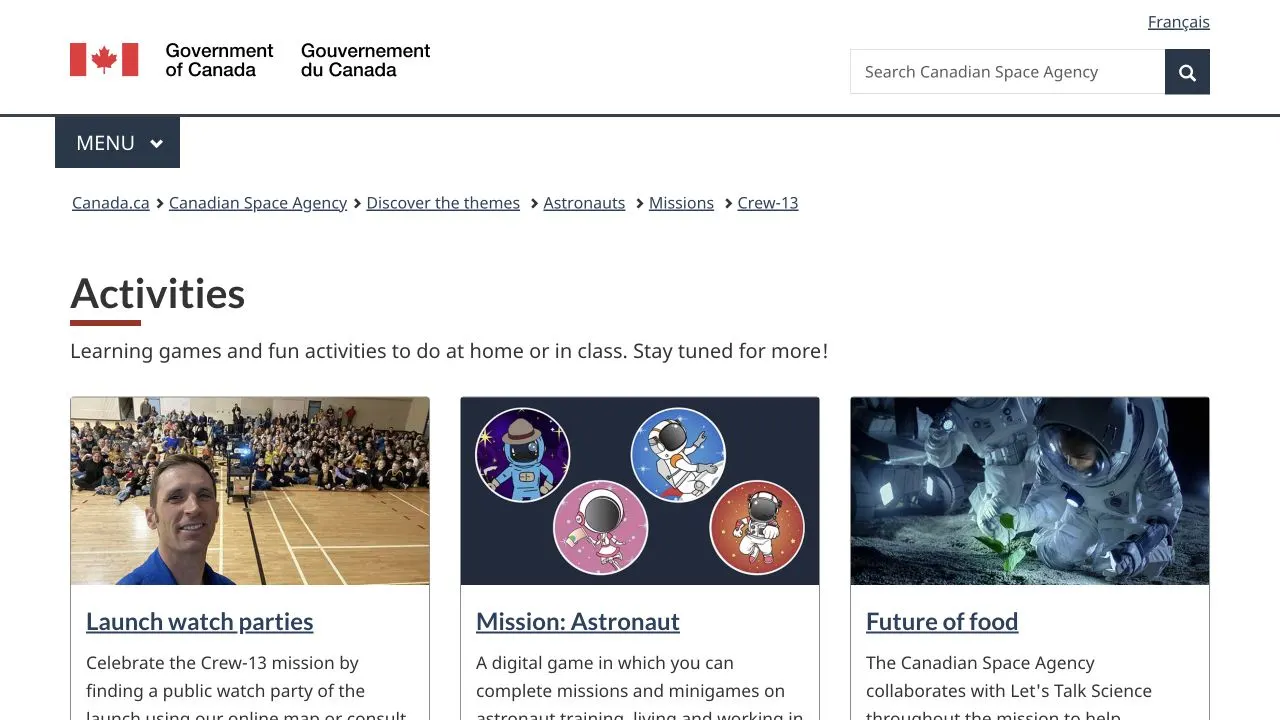
Canadian Space Agency Crew-13 Activities
The Canadian Space Agency Crew-13 activities page gathers official space games and classroom or home activities, including Mission: Astronaut, Future of Food, K–12 ISS materials, Tomatosphere, astronaut cutouts, and live space links.
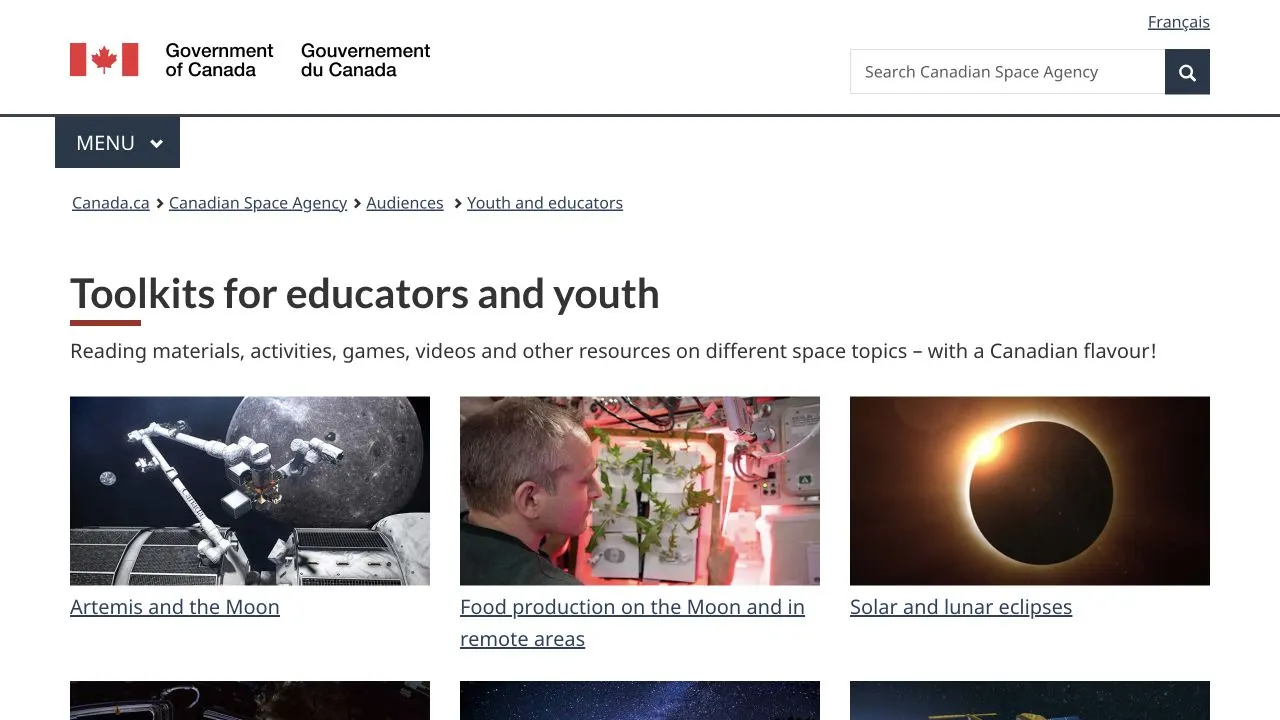
Canadian Space Agency Toolkits for Youth and Educators
The Canadian Space Agency’s toolkit hub brings together official space learning materials, activities, games, videos, and reading resources on astronomy, the Moon, eclipses, engineering, rovers, climate, health science, and space history.
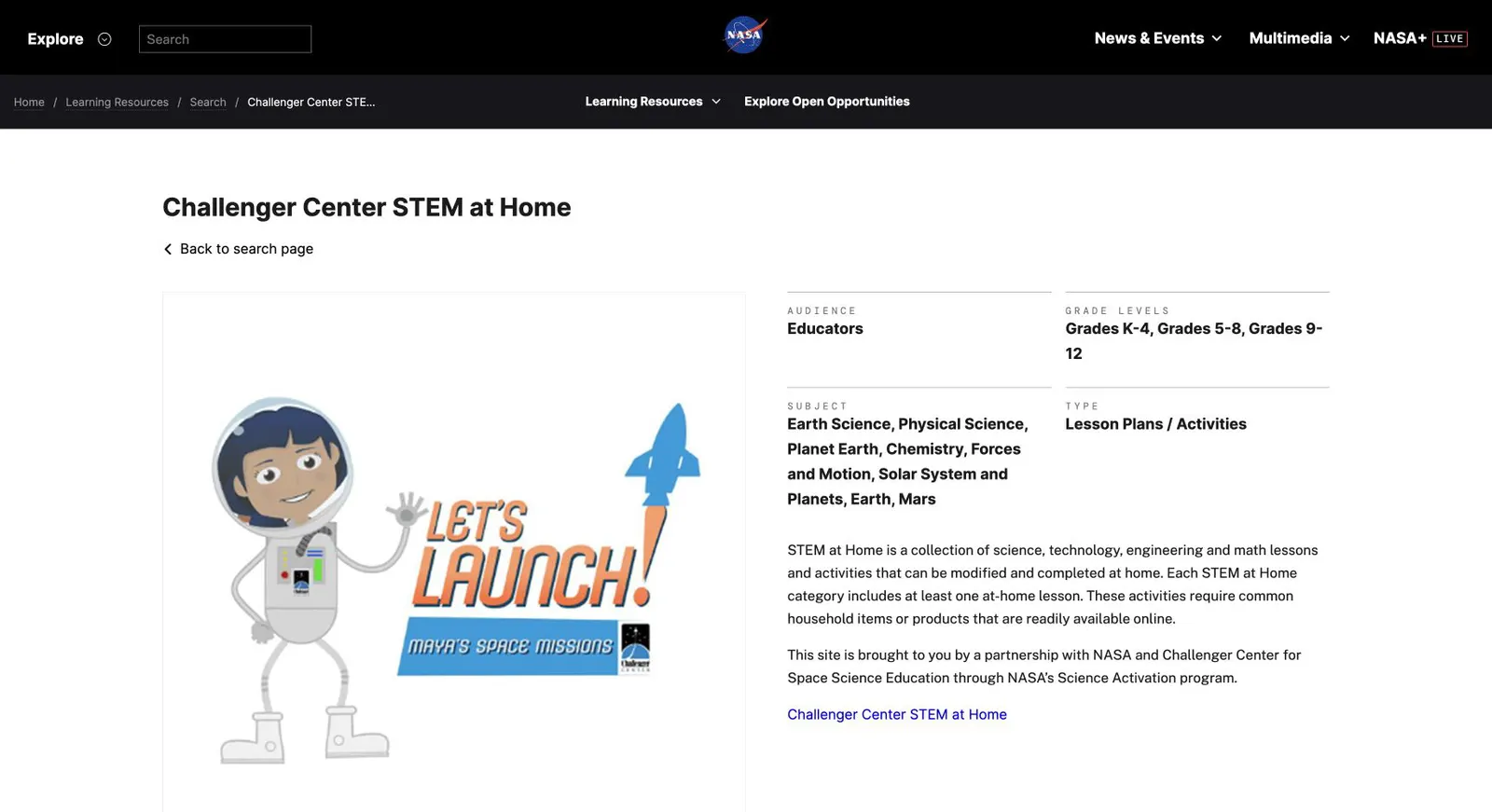
Challenger Center STEM at Home
A NASA and Challenger Center collection of adaptable science, technology, engineering, and math lessons for home learning, spanning Earth science, chemistry, forces, Mars, and the solar system. It is listed under Science and Space for ages 5–18.
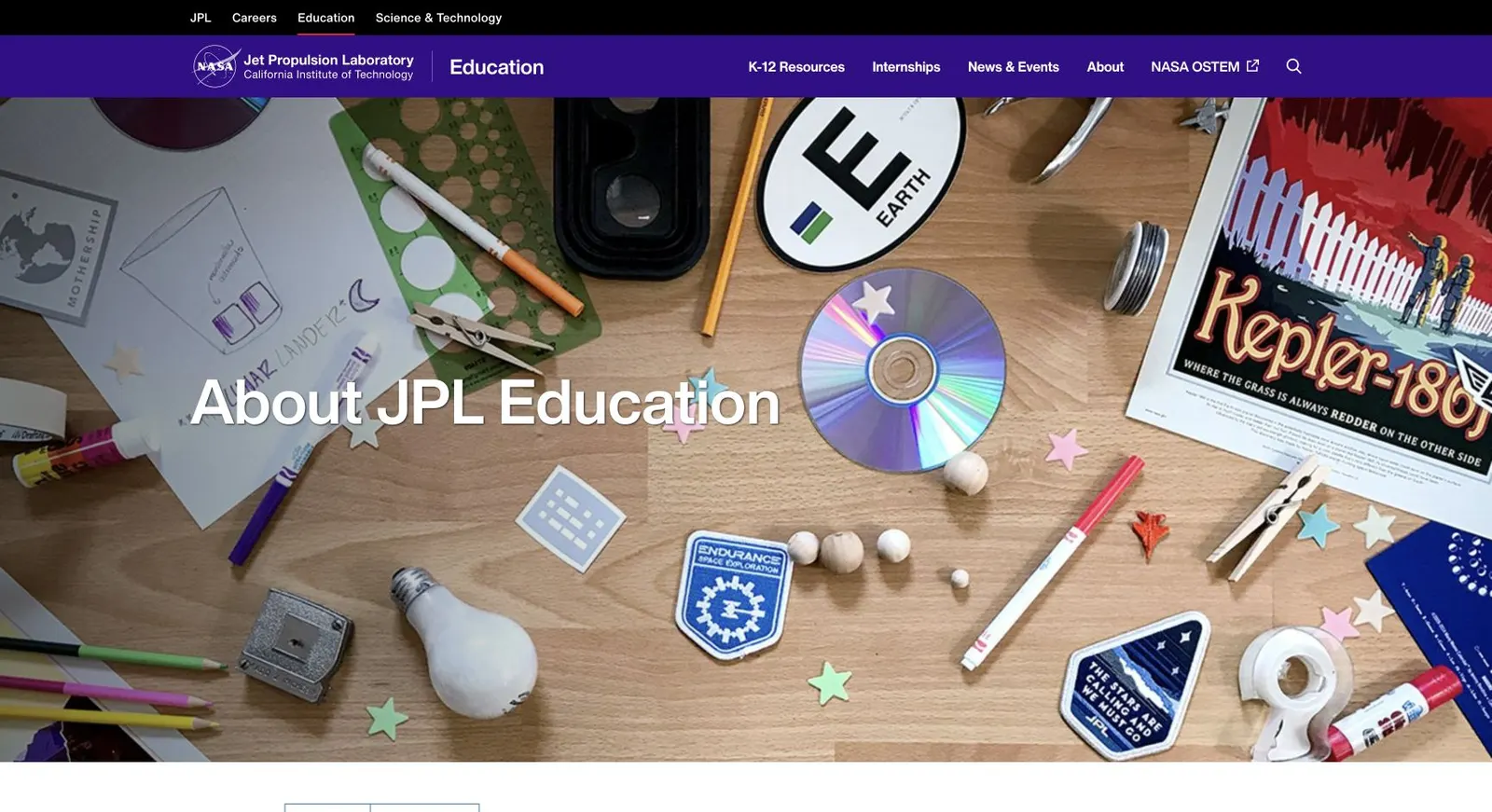
NASA JPL Education Overview
An official overview of NASA JPL’s education mission, audiences, K-12 content, STEM resources, and family-facing space learning. It is listed under Science, Technology, and Engineering for ages 8–18. Children and families can use it through a website.
Compare with context
Use this collection to find a direction, then open each resource page before sharing it with a child. The individual review shows languages, access formats, tags, age guidance, source links, and notes for grown-ups.
Search the full directory →