Engineering places
for kids
Explore 20 trusted engineering places selected for curious kids, with clear ages, access details, and parent context.
Two useful ways to narrow the directory
This page brings together engineering resources that also match places. Each listing keeps its own age range, platform details, languages, links, and parent notes, so you can compare options without losing context.
Explore all engineering resources →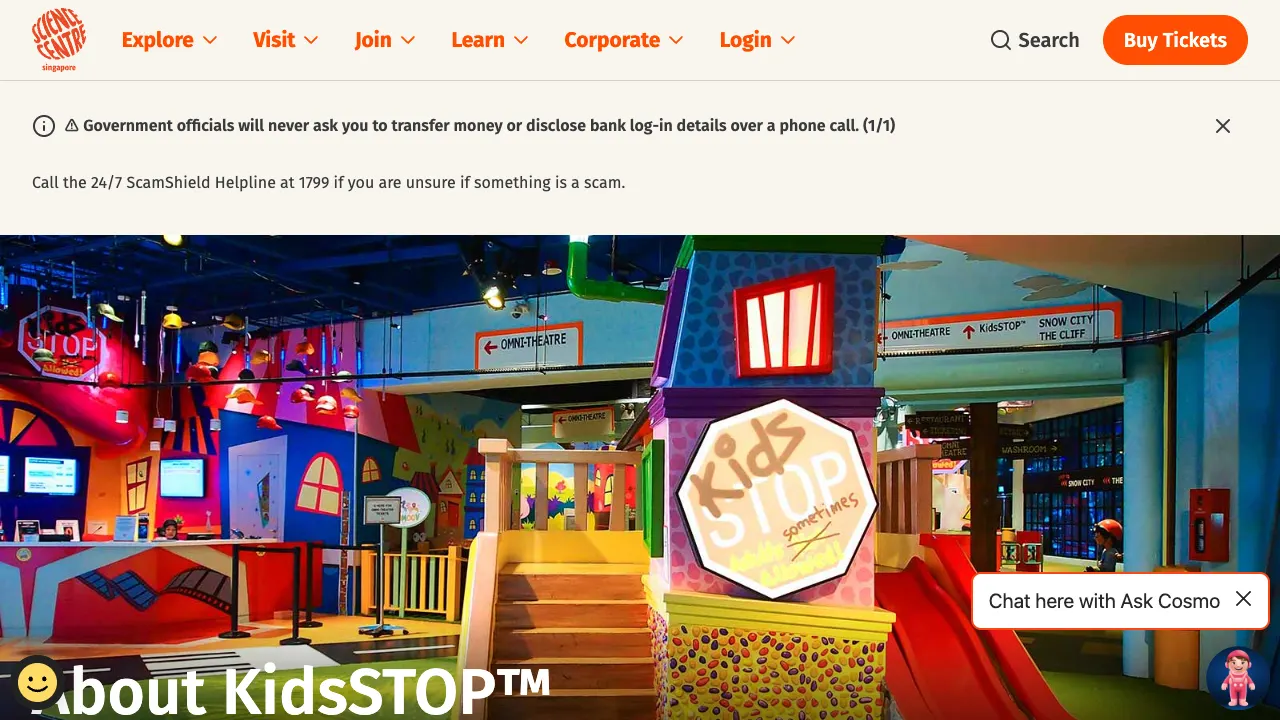
KidsSTOP
An early-years science centre with more than 20 interactive exhibits about flight, space, the human body, and everyday science. It is listed under Science, Games, and Engineering for ages 0-8. Children and families can use it through a website and a physical place.
Read the full resource review →More engineering picks
Discovery Cube
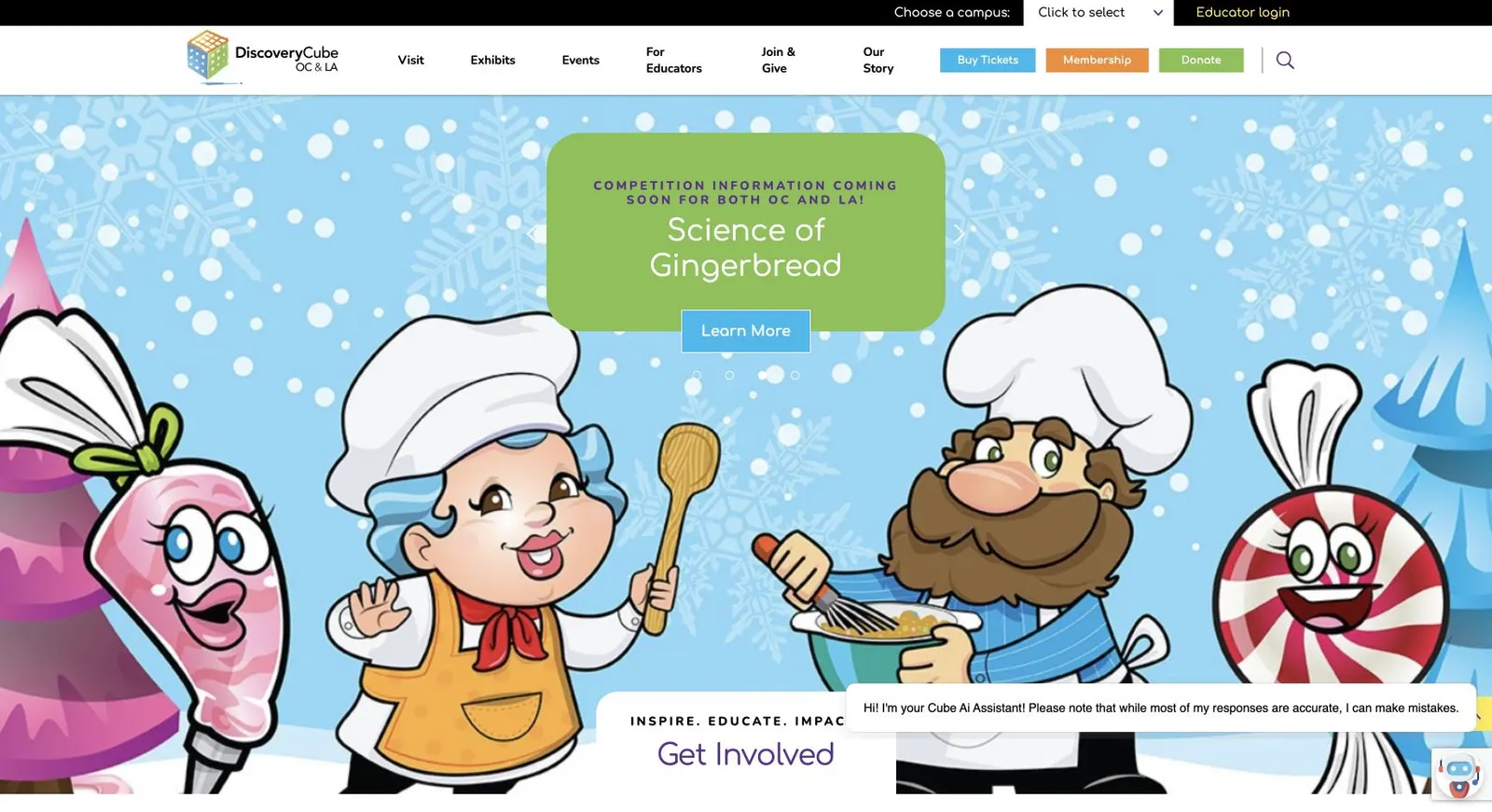
Hands-on science museums in Southern California with exhibits, field trips, free online activities, STEM events, and family learning. It is listed under Science and Engineering for ages 3–14. Children and families can use it through a website and a physical place.
Wiz Robotics We Do
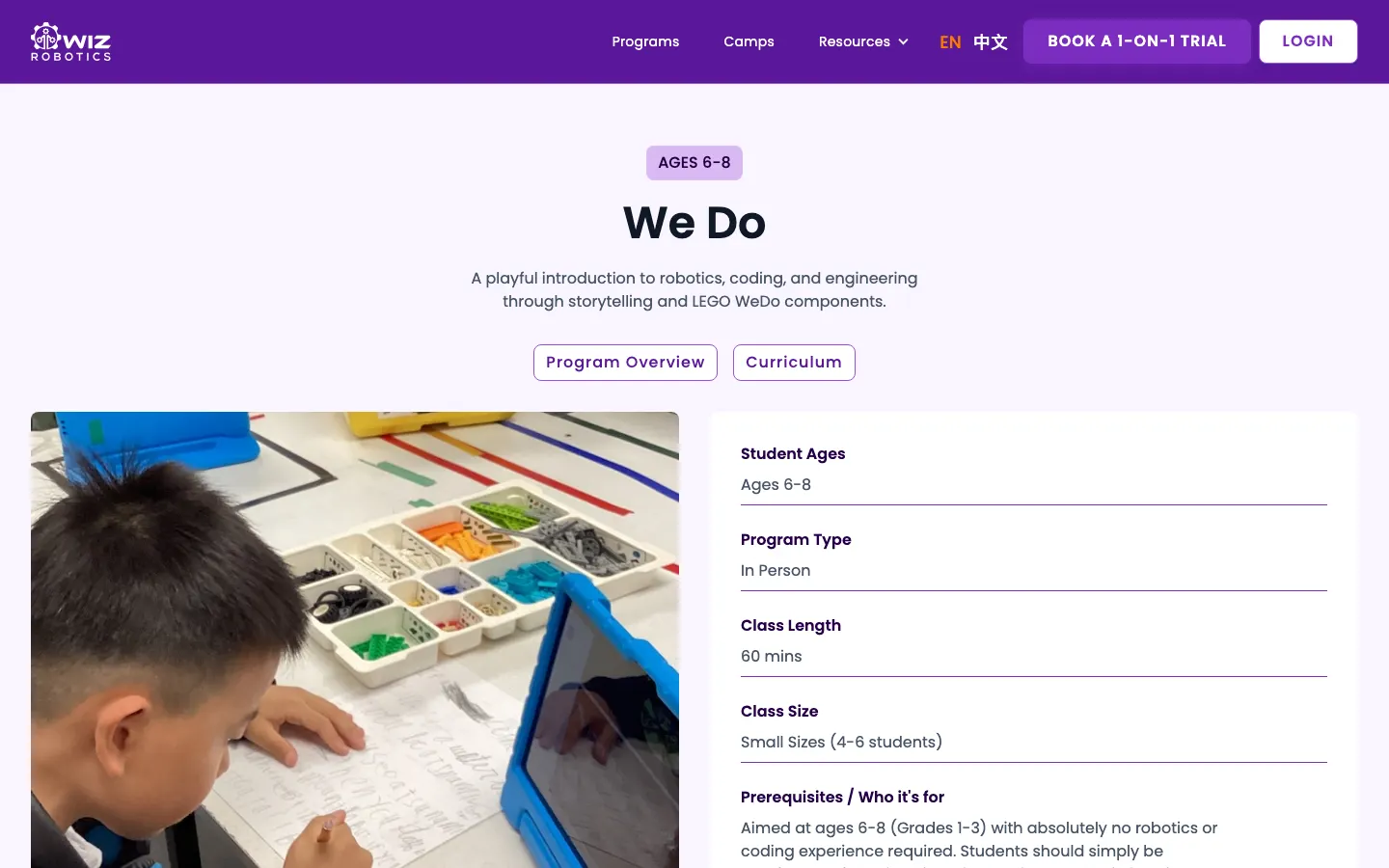
Wiz Robotics We Do is an in-person introduction to robotics, coding, and engineering through storytelling and LEGO WeDo components, with small-group sessions for beginners. It is listed under Coding and Robotics for ages 6–8.
The Tech Interactive
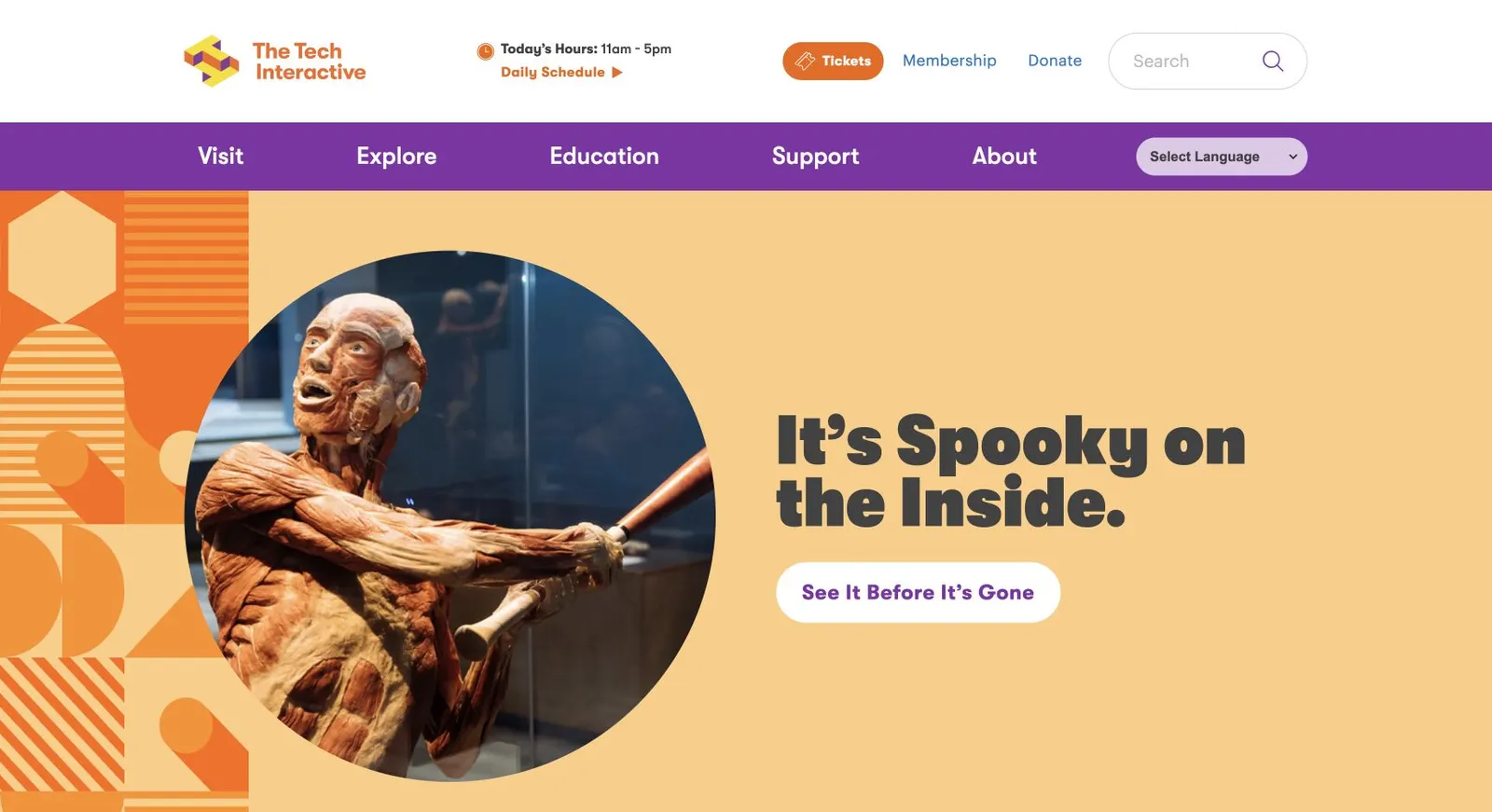
A family-friendly science and technology center with hands-on exhibits, experimental labs, design challenges, and youth engineering programs. It is listed under Science and Engineering for ages 4–18. Children and families can use it through a website and a physical place.
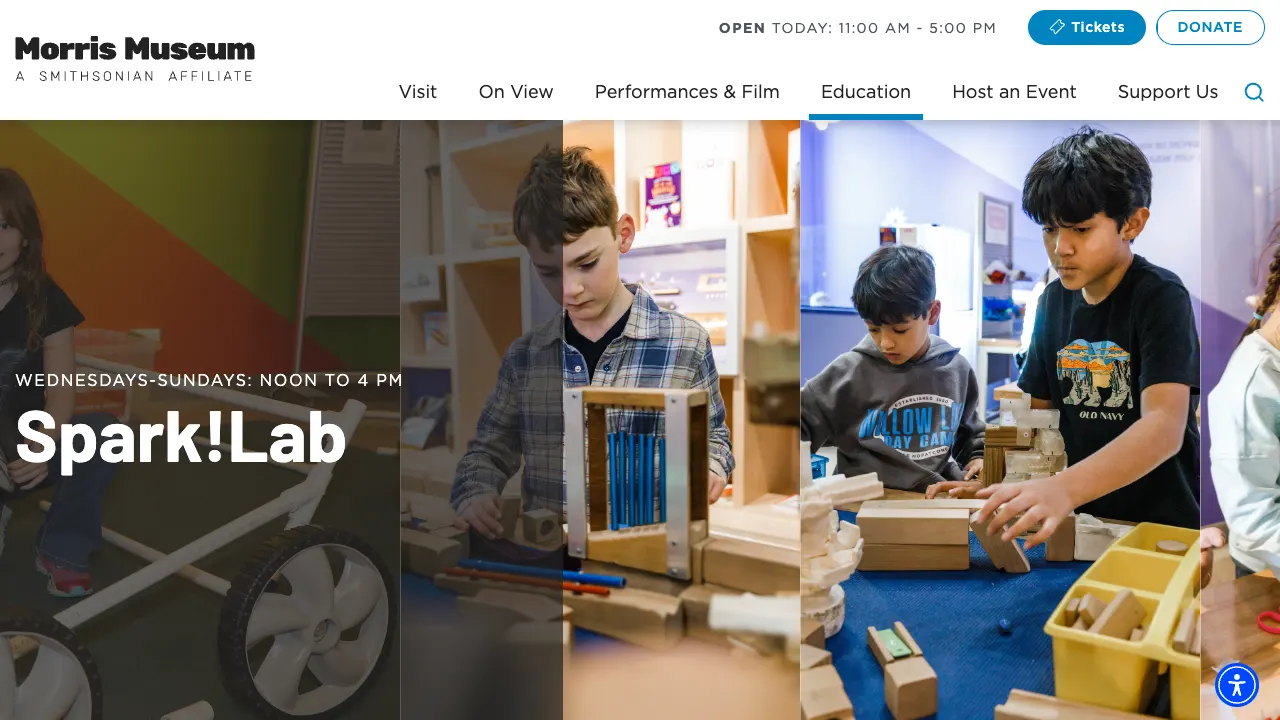
Morris Museum Spark!Lab
A Smithsonian invention workspace where children ages 5 to 12 imagine, design, test, and improve ideas. It is listed under Maker & DIY and Science for ages 5-12. Children and families can use it through a website and a physical place.
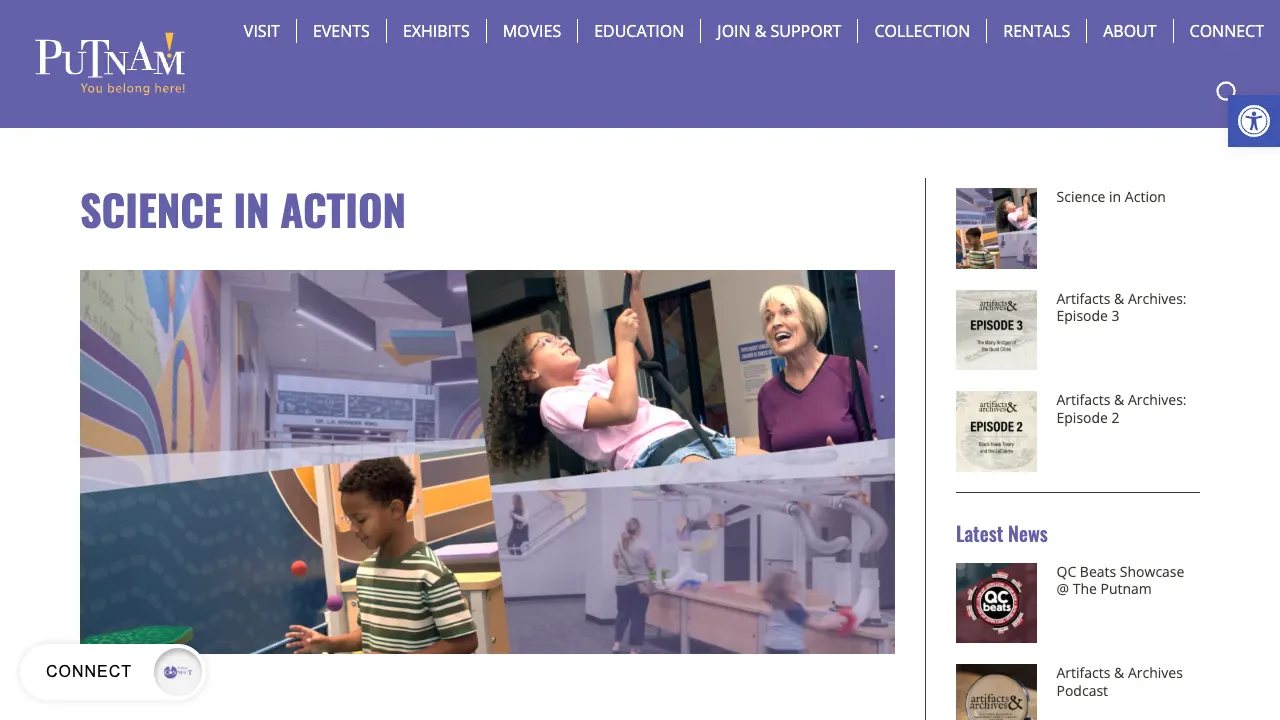
Putnam Museum Science in Action
Interactive science exhibits and engineering challenges exploring motion, energy, magnetism, circuits, gears, and more. It is listed under Science and Engineering for ages 6-16. Children and families can use it through a website and a physical place.
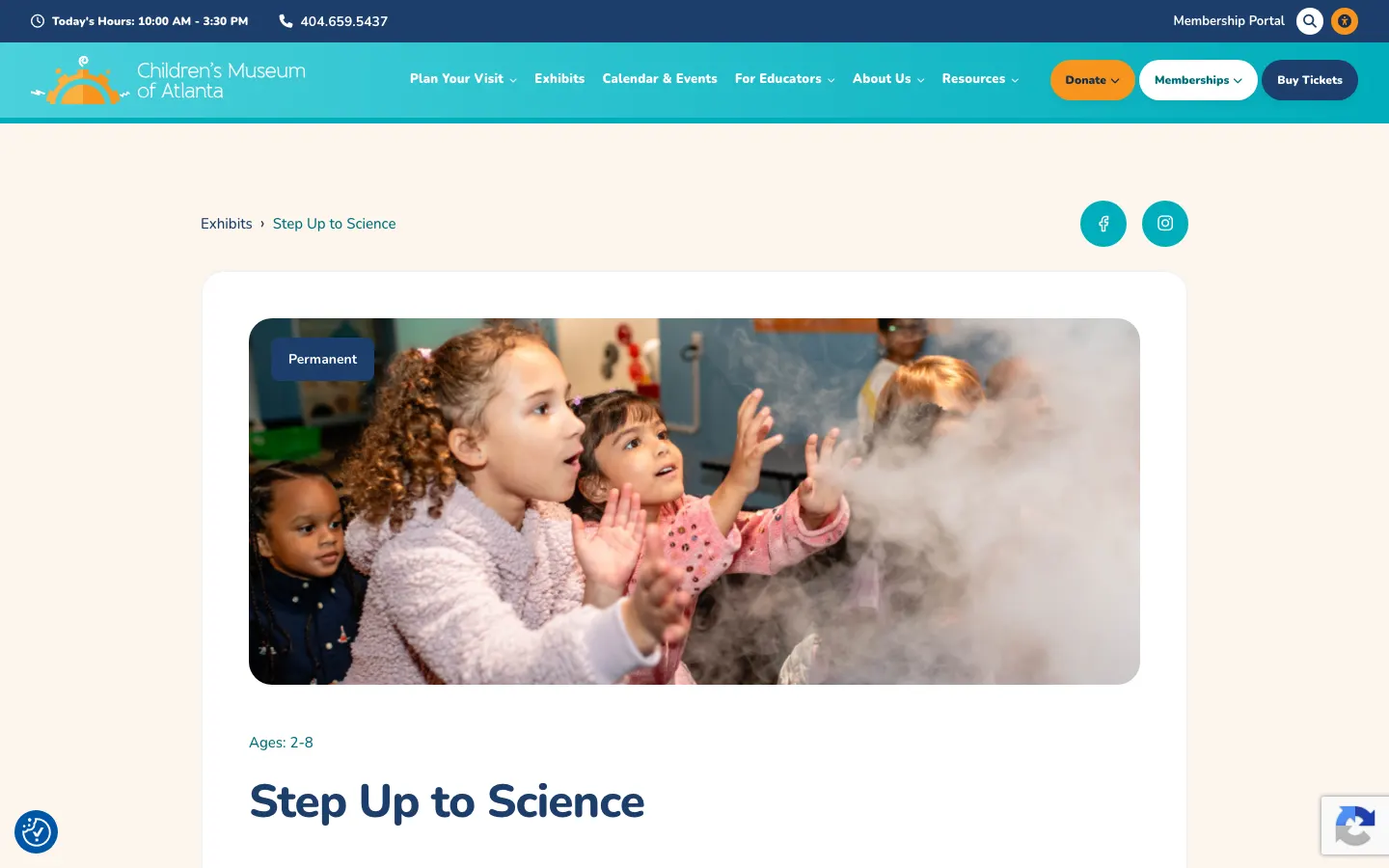
Step Up to Science
Step Up to Science is the Children’s Museum of Atlanta’s permanent science exhibit, where young children explore sound, light, motion, magnification, and engineering through interactive stations. It is listed under Science and Engineering for ages 2–8.
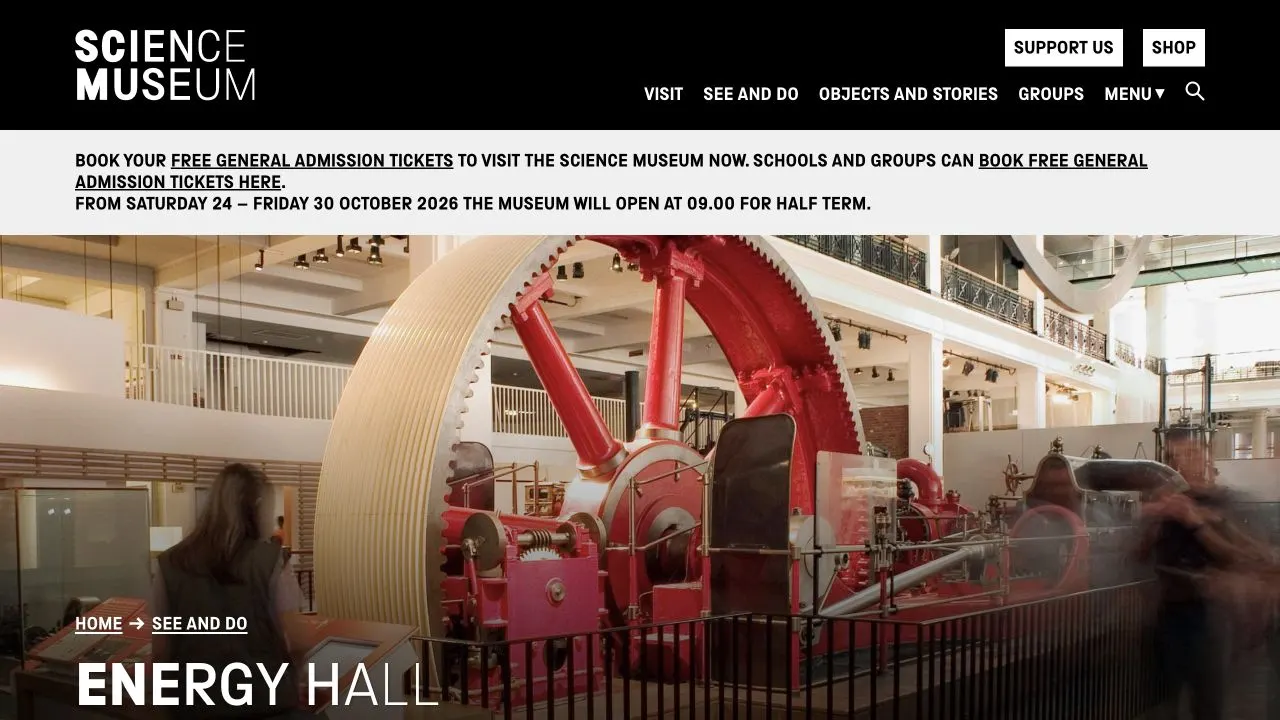
Science Museum Energy Hall
The Science Museum’s Energy Hall traces steam power and industrial change through historic full-size engines, models, and engineering stories, with an educational gallery page for family and school visits. It is listed under Science and Museums for ages Children, families, and school groups.

UT Austin Academy for All
UT Austin Computer Science offers a free residential summer academy for rising high-school seniors, combining Arduino or Python/AI projects with teamwork, campus life, and technology-career exploration. It is listed under Coding and Artificial intelligence for ages 16–18.
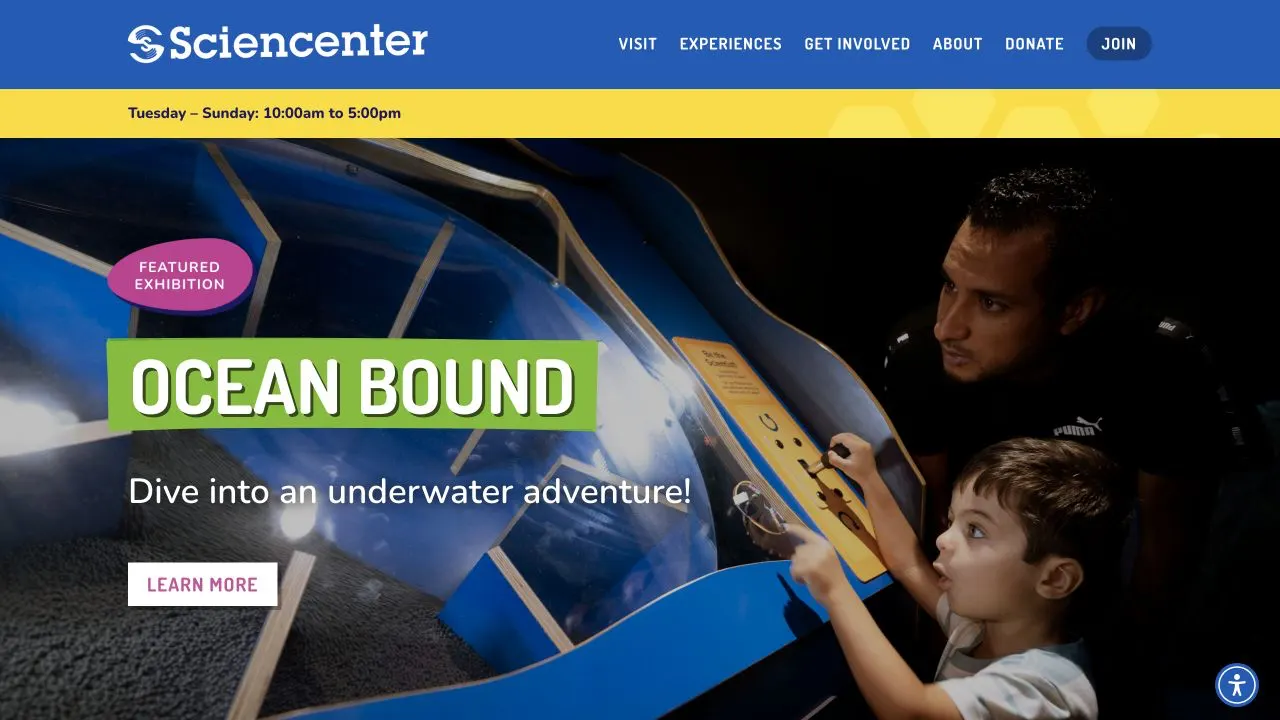
Sciencenter Exhibits
A science museum in Ithaca with more than 250 interactive exhibits covering weather, space, engineering, animals, oceans, physics, and hands-on early learning. It is listed under Science and Nature & environment for ages 0–18.
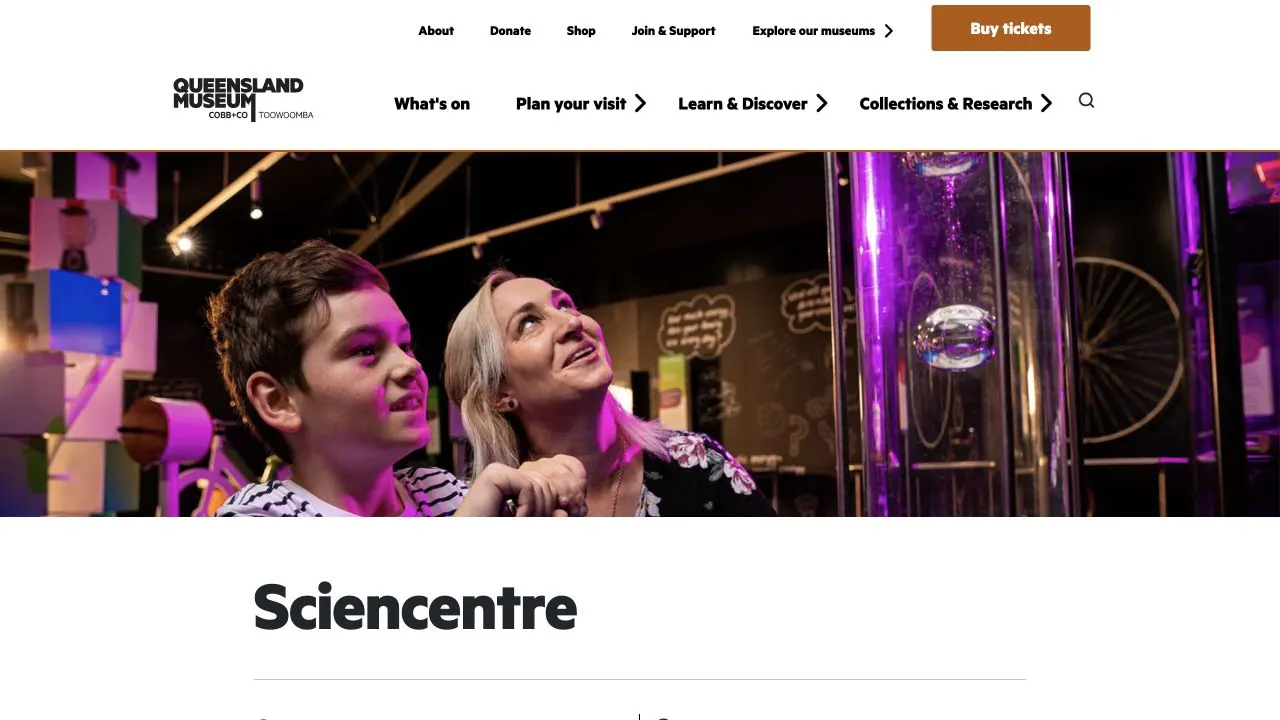
Queensland Sciencentre
Queensland Sciencentre is an interactive science museum experience with hands-on exhibits and family-friendly science exploration. It is listed under Science and Maker & DIY for ages 5–13. Children and families can use it through a website, a YouTube channel, and a physical place.
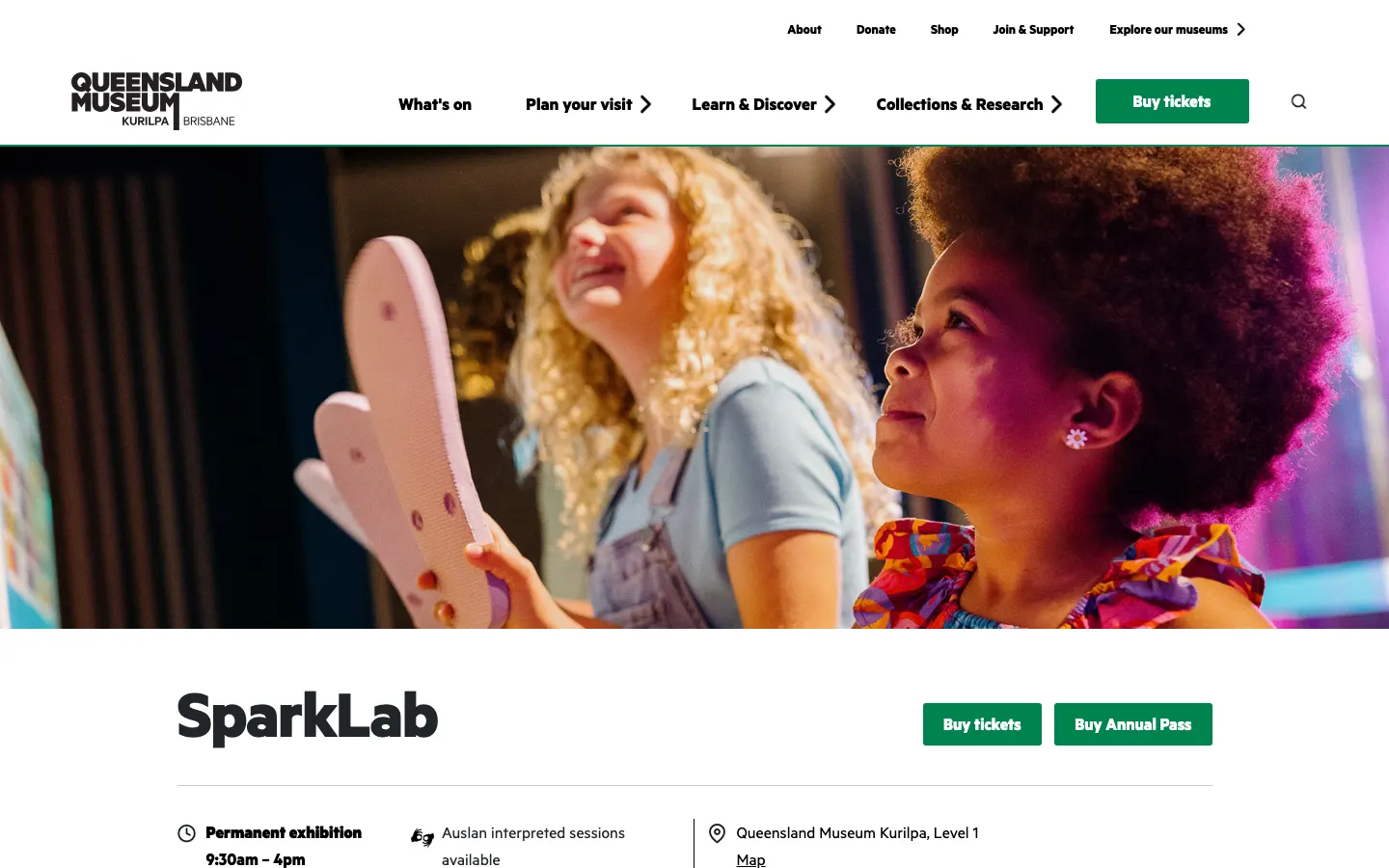
SparkLab
SparkLab is Queensland Museum Kurilpa’s interactive STEM space for children ages 6–13, with hands-on activities in science, technology, engineering, and mathematics. It is listed under Science and Coding for ages 6–13. Children and families can use it through a website and a physical place.
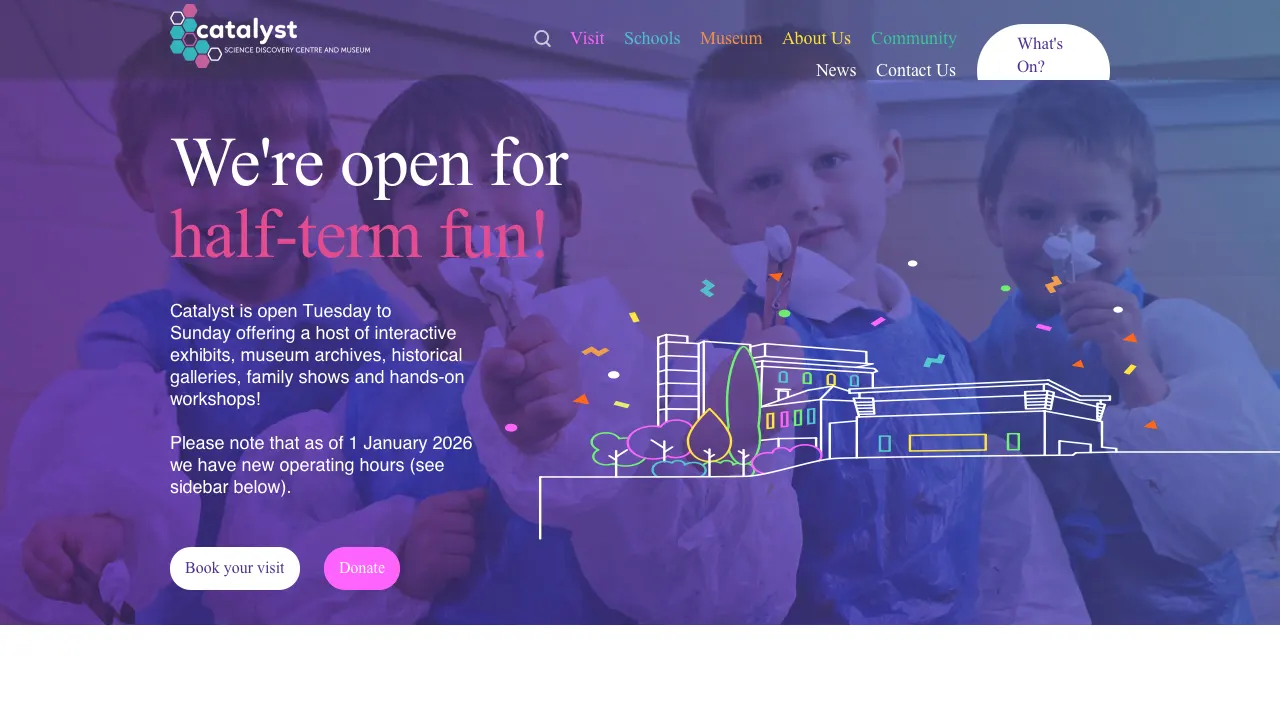
Catalyst Science Discovery Centre
Interactive science and technology exhibits, workshops, shows, and galleries for children, families, and school groups. It is listed under Science and Engineering for ages 5-16. Children and families can use it through a website and a physical place.
Compare with context
Use this collection to find a direction, then open each resource page before sharing it with a child. The individual review shows languages, access formats, tags, age guidance, source links, and notes for grown-ups.
Search the full directory →