Education websites
for kids
Explore 20 trusted education websites selected for curious kids, with clear ages, access details, and parent context.
Two useful ways to narrow the directory
This page brings together education resources that also match websites. Each listing keeps its own age range, platform details, languages, links, and parent notes, so you can compare options without losing context.
Explore all education resources →
University College Cork Mathematics Outreach
University College Cork’s School of Mathematical Sciences outreach page connects learners with Maths Enrichment, olympiad preparation, and wider mathematical engagement. It is listed under Math and Education for ages School-age and secondary; programme-specific. Children and families can use it through a website.
Read the full resource review →More education picks

YouCubed Resources Archive
The YouCubed resources archive organizes downloadable and online mathematics activities, lessons, tasks, and teaching materials for creative problem solving. It is listed under Mathematics and Education for ages Children and teens; resource-specific. Children and families can use it through a website.
Open OutDoors for Kids 2026–27
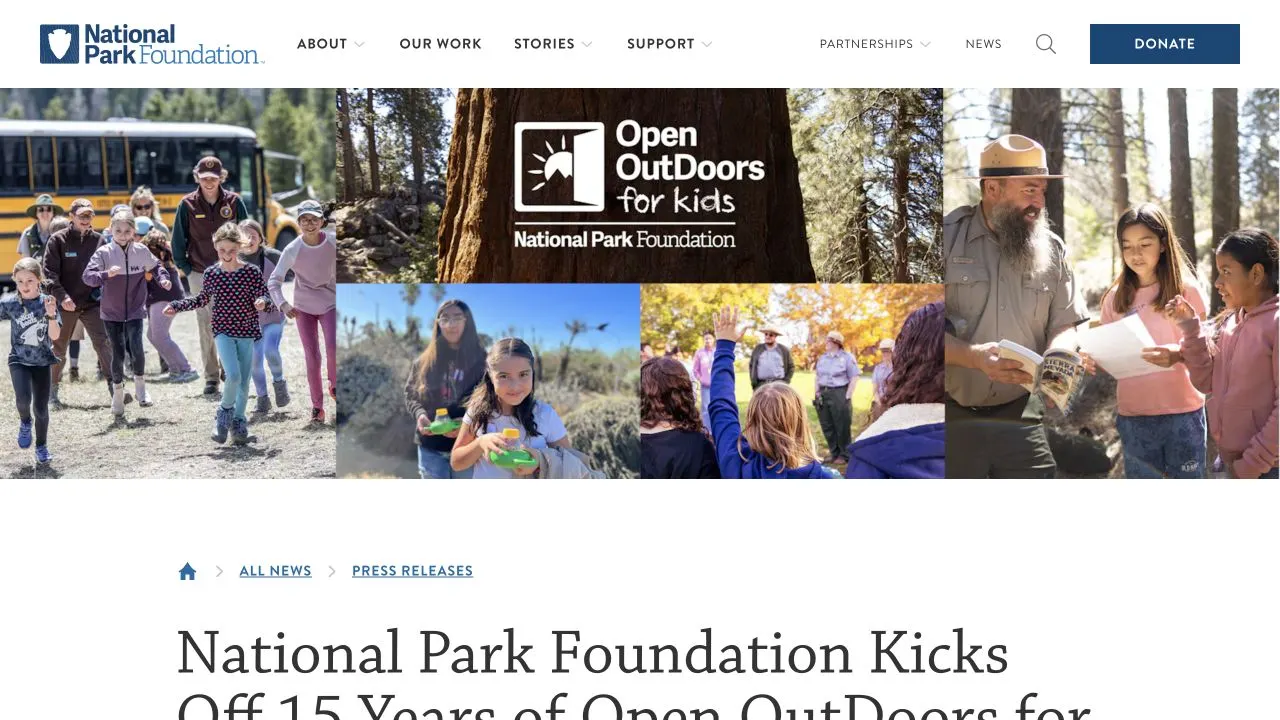
The National Park Foundation’s 2026–27 Open OutDoors for Kids program supports field trips, classroom engagements, virtual learning, and park-partner experiences for students across more than 90 national parks. It is listed under Nature & environment and Education for ages School-age students and families.
Big Music Games
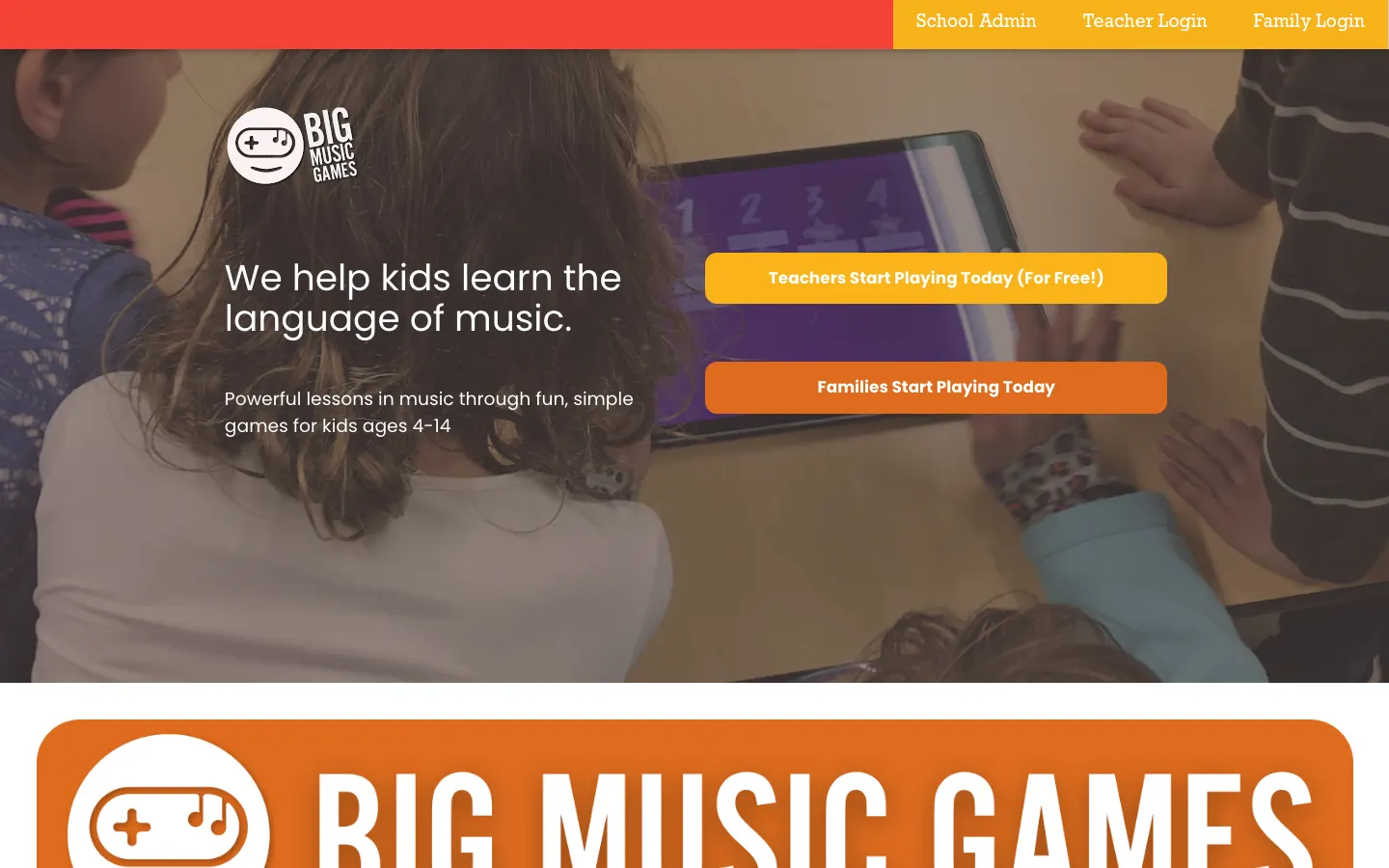
A web-based music-learning game platform with teacher-created games that help children ages 4–14 practise melody, harmony, rhythm, songwriting, and ear training. It is listed under Music and Games for ages 4–14. Children and families can use it through a website.
UArizona K–12 Math Engagement
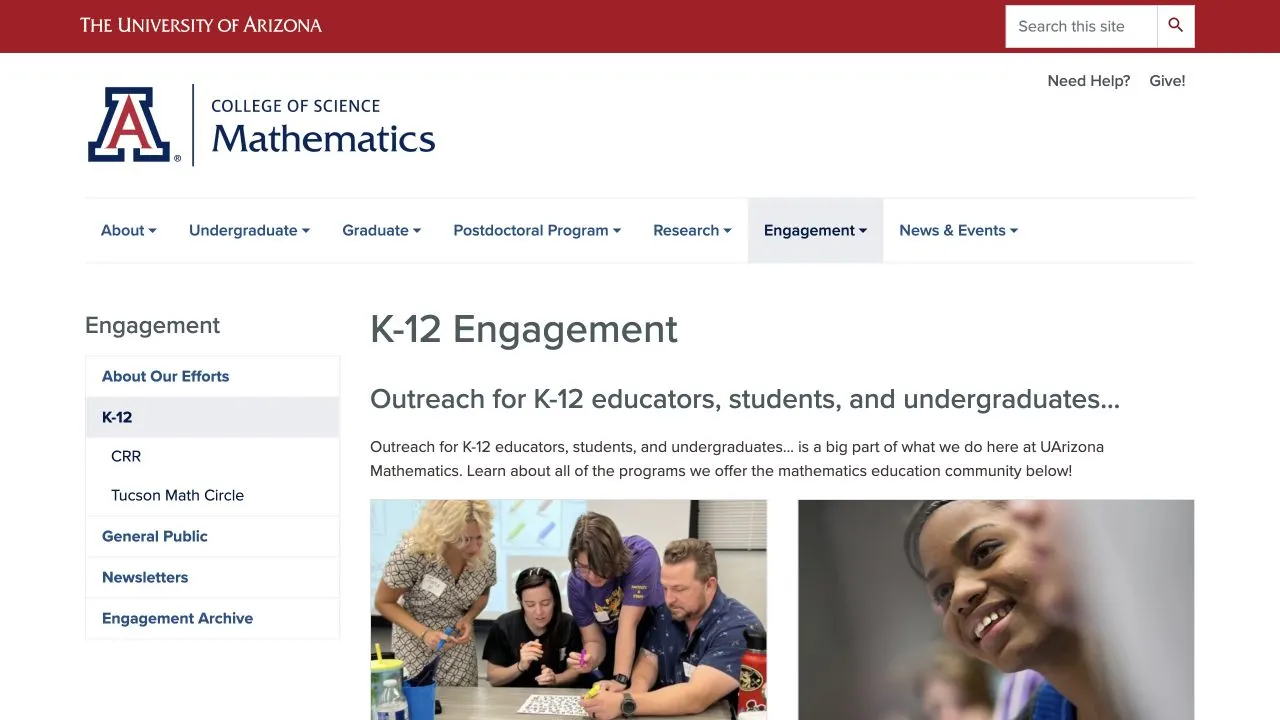
The University of Arizona Mathematics department’s K–12 engagement hub lists outreach for educators and students, including the Tucson Math Circle’s informal problem-solving sessions. It is listed under Math and Education for ages K–12; Tucson Math Circle is aimed at secondary students.
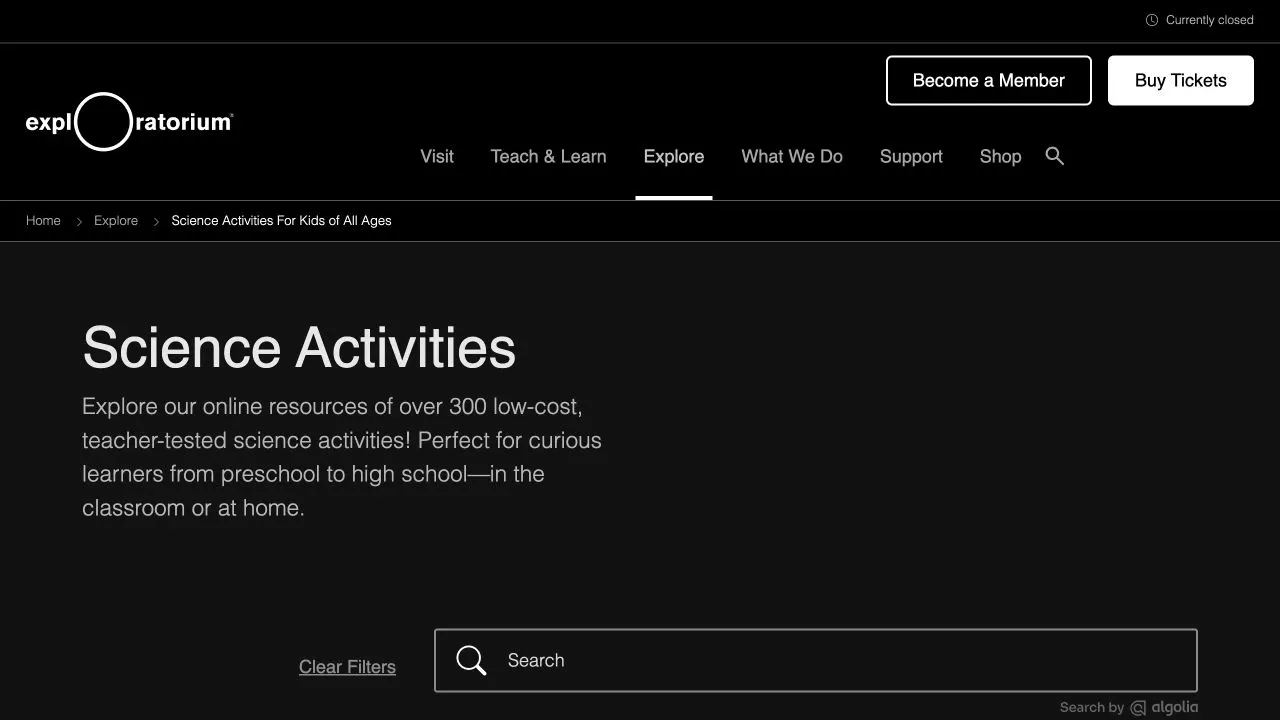
Exploratorium Science Activities
The Exploratorium offers more than 300 teacher-tested science activities for children from preschool through high school, with practical ways to investigate science at home or in educational settings. It is listed under Science and STEM for ages Ages 4–18; activity-specific.
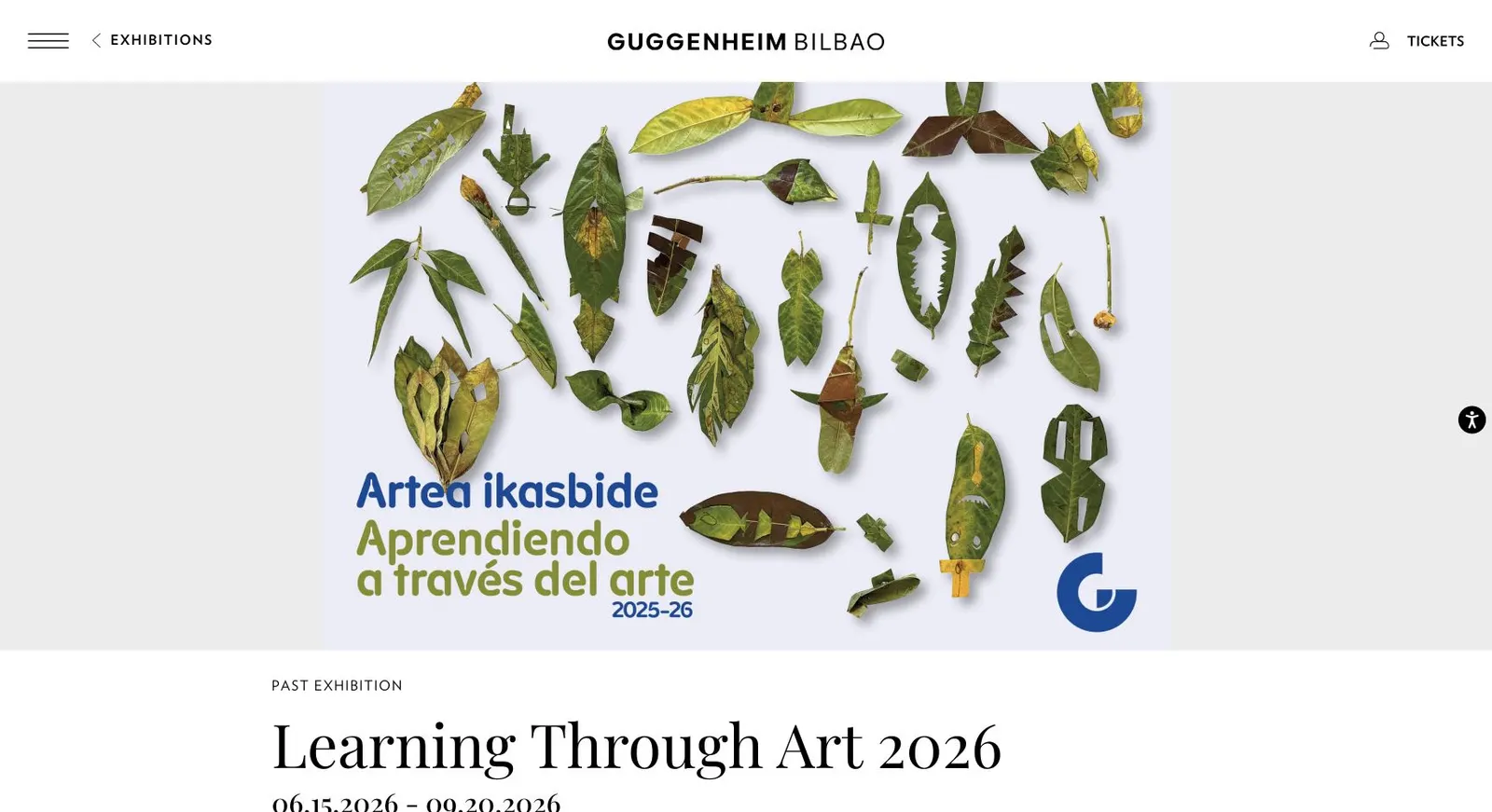
Guggenheim Bilbao Learning Through Art 2026
Guggenheim Bilbao’s Learning Through Art programme and exhibition document twenty-session classroom art workshops created with more than 100 children ages 6–12. It is listed under Arts and Museums for ages Ages 6–12. Children and families can use it through a website.
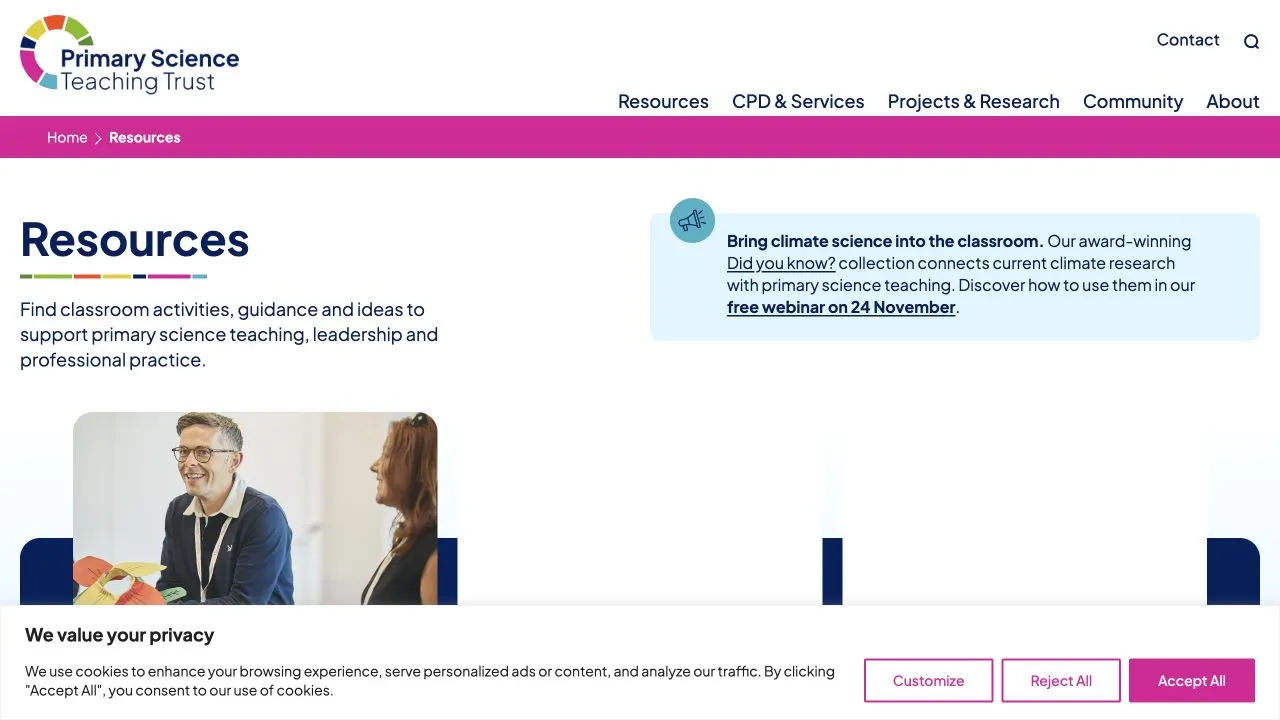
Primary Science Teaching Trust Resources
The Primary Science Teaching Trust catalogue provides classroom activities, teacher toolkits, assessment support, and topic-filtered science resources for primary education. It is listed under Science and Education for ages Ages 3–12; item-specific. Children and families can use it through a website and downloadable resources.
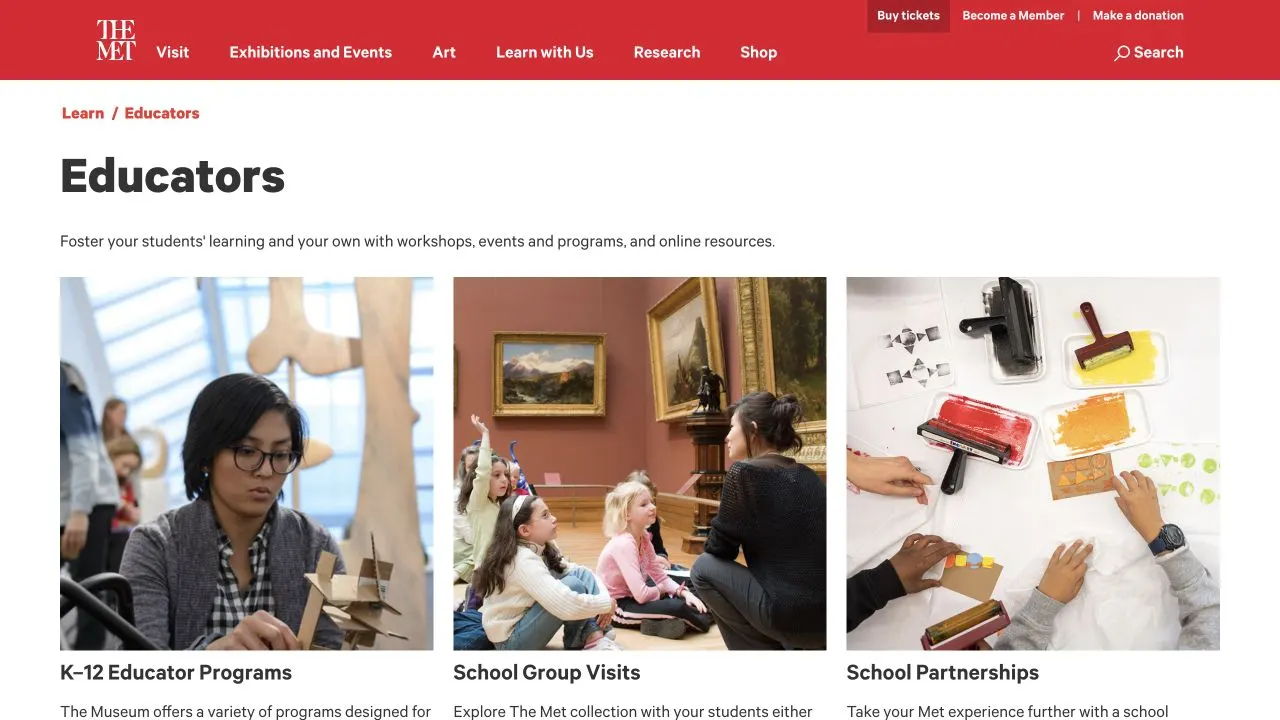
The Met Educators Resources
The Metropolitan Museum of Art provides K–12 educator programmes, school visits, lesson plans and curriculum resources connected to its collection. It is listed under Arts and Museums for ages K–12; resource-specific. Children and families can use it through a website.
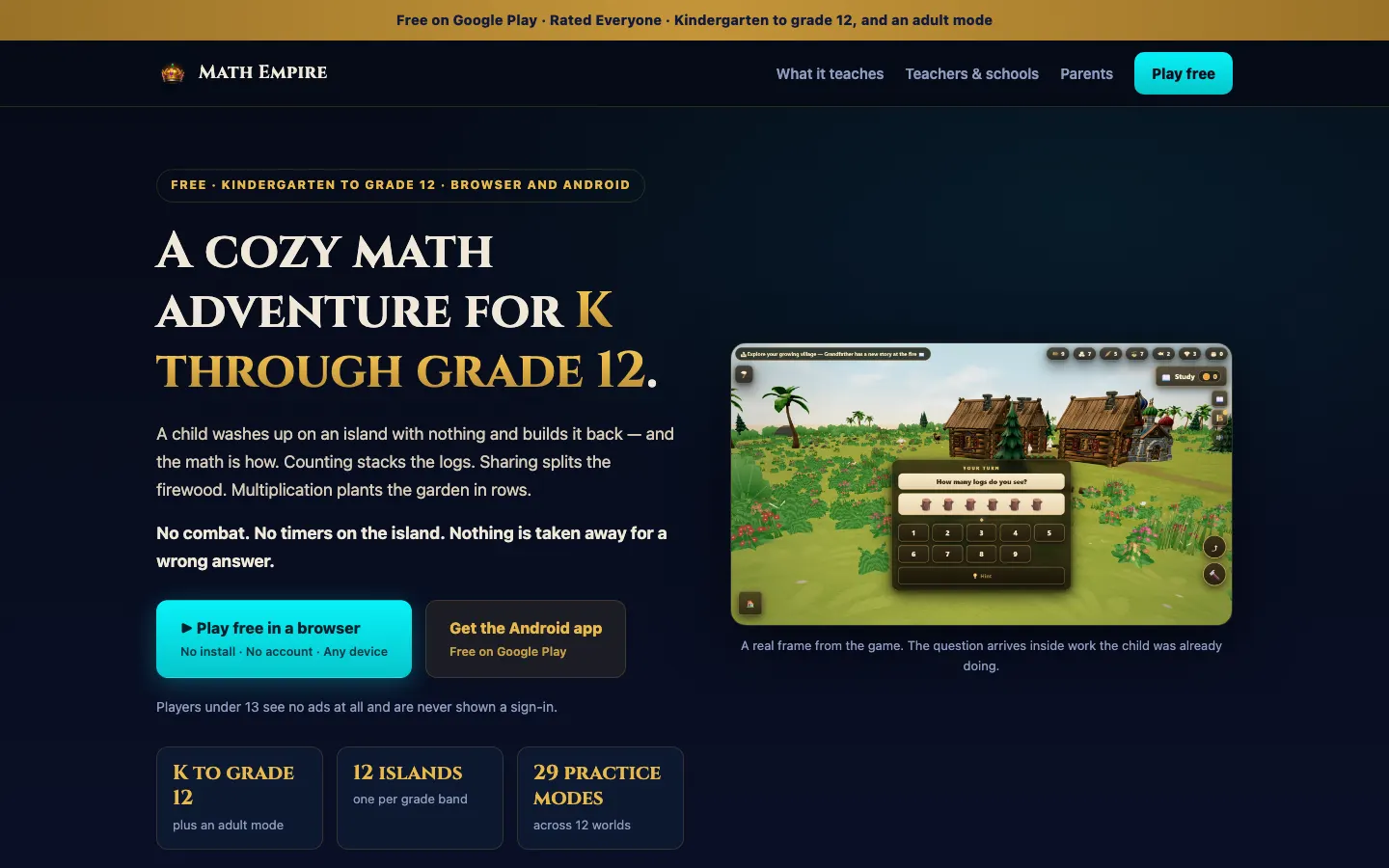
Math Empire
A browser math adventure for kindergarten through grade 12 that turns counting, sharing, multiplication, and other practice into a calm island-building game. It is listed under Mathematics and Games for ages Kindergarten through grade 12.
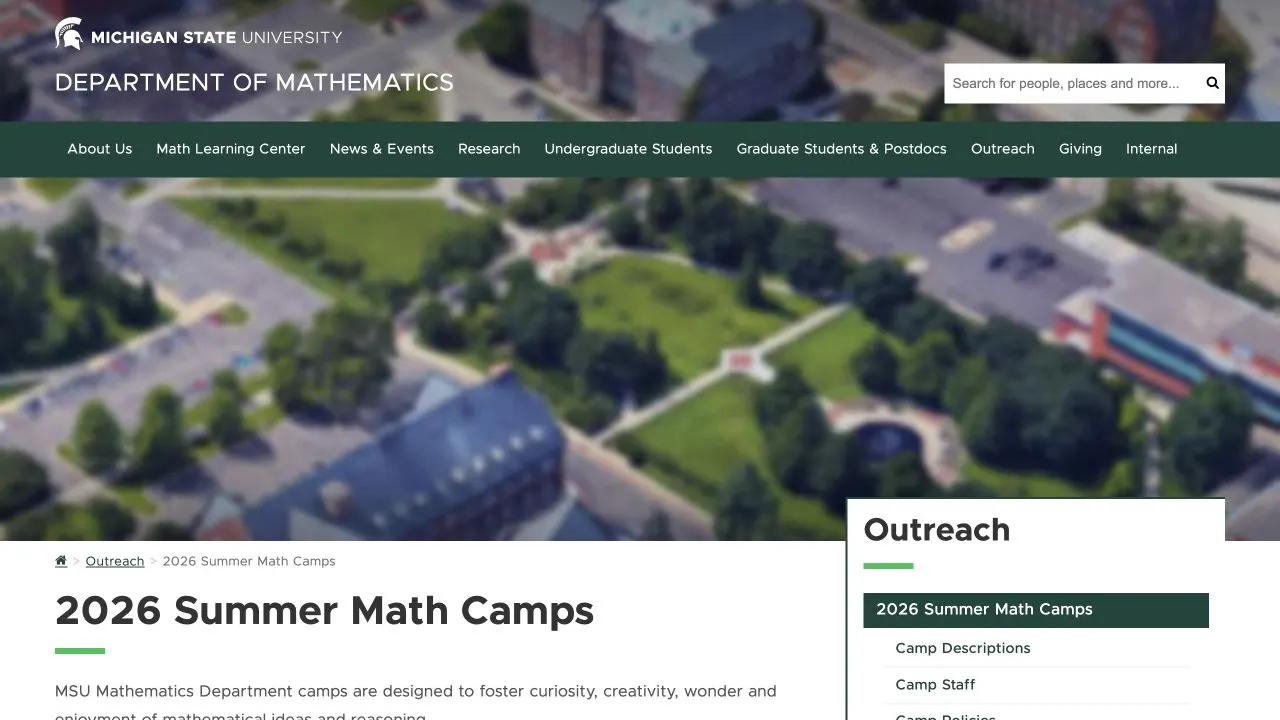
MSU 2026 Summer Math Camps
Michigan State University Mathematics Department’s 2026 summer camps cover grades K–12 through themed experiences such as Math Explorers, Geometry, Topology, Fractals and Python, and Fun with Fractions. It is listed under Math and Education for ages Grades K–12.
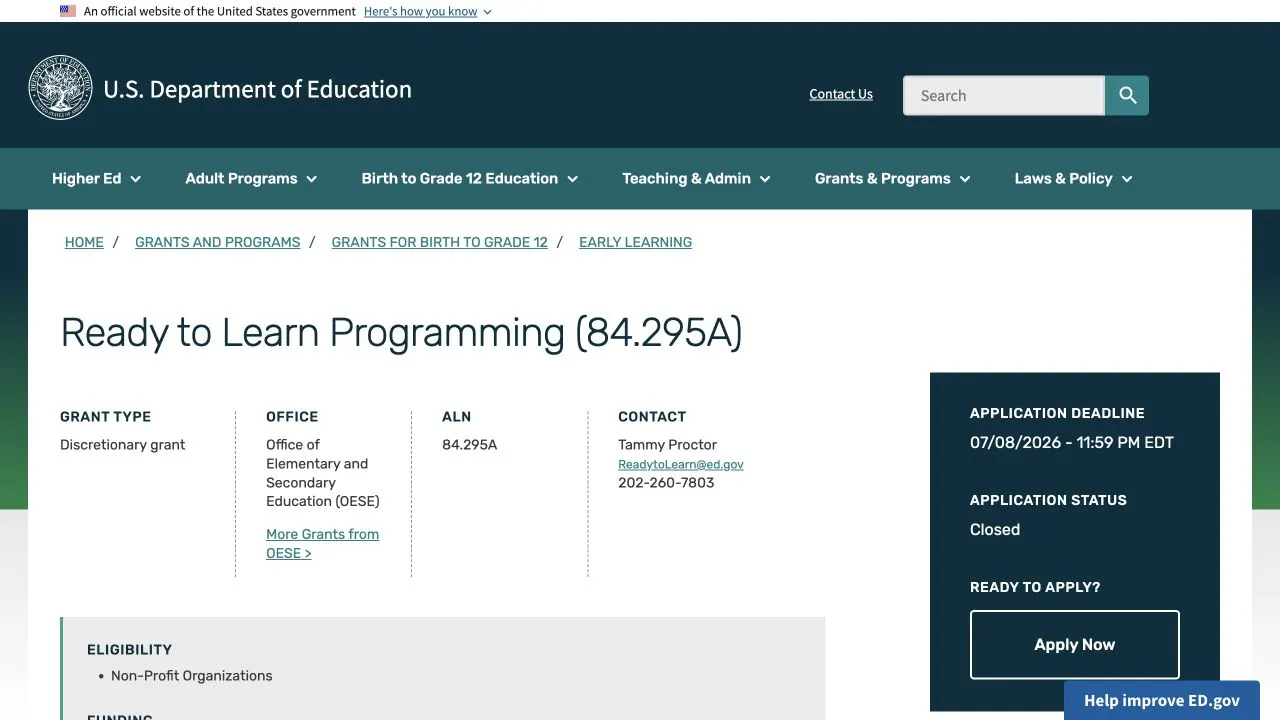
Ready to Learn Programming
The U.S. Department of Education Ready to Learn Programming grant supports public media educational programming and digital learning resources for young children and families. It is listed under Education and Early learning for ages Young children and families.
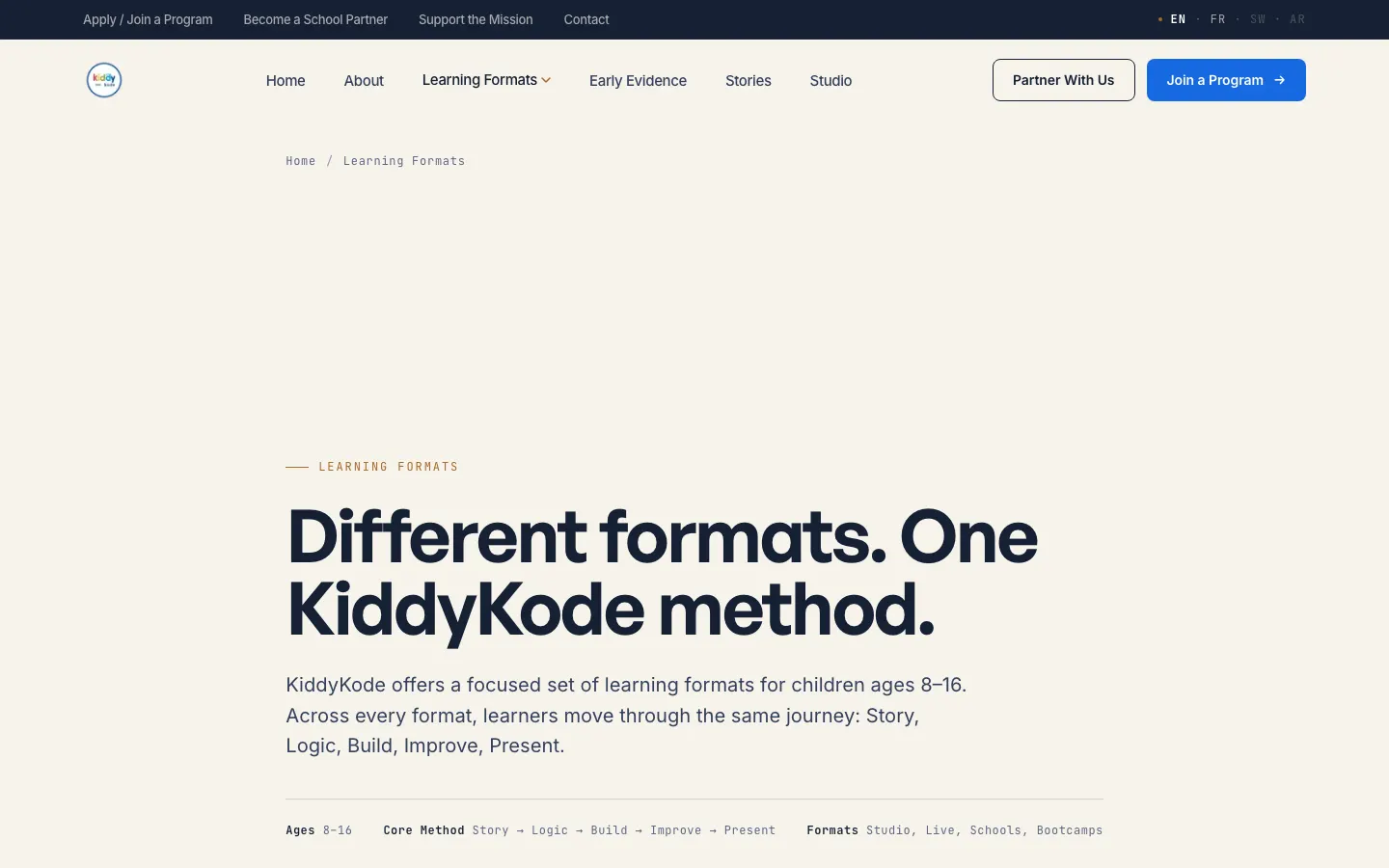
KiddyKode
KiddyKode teaches children ages 8–16 to create with code through self-paced Studio lessons, live cohorts, school programs, and holiday bootcamps following a story-to-presentation method. It is listed under Coding & technology and Education for ages 8–16.
Compare with context
Use this collection to find a direction, then open each resource page before sharing it with a child. The individual review shows languages, access formats, tags, age guidance, source links, and notes for grown-ups.
Search the full directory →