Education places
for kids
Explore 12 trusted education places selected for curious kids, with clear ages, access details, and parent context.
Two useful ways to narrow the directory
This page brings together education resources that also match places. Each listing keeps its own age range, platform details, languages, links, and parent notes, so you can compare options without losing context.
Explore all education resources →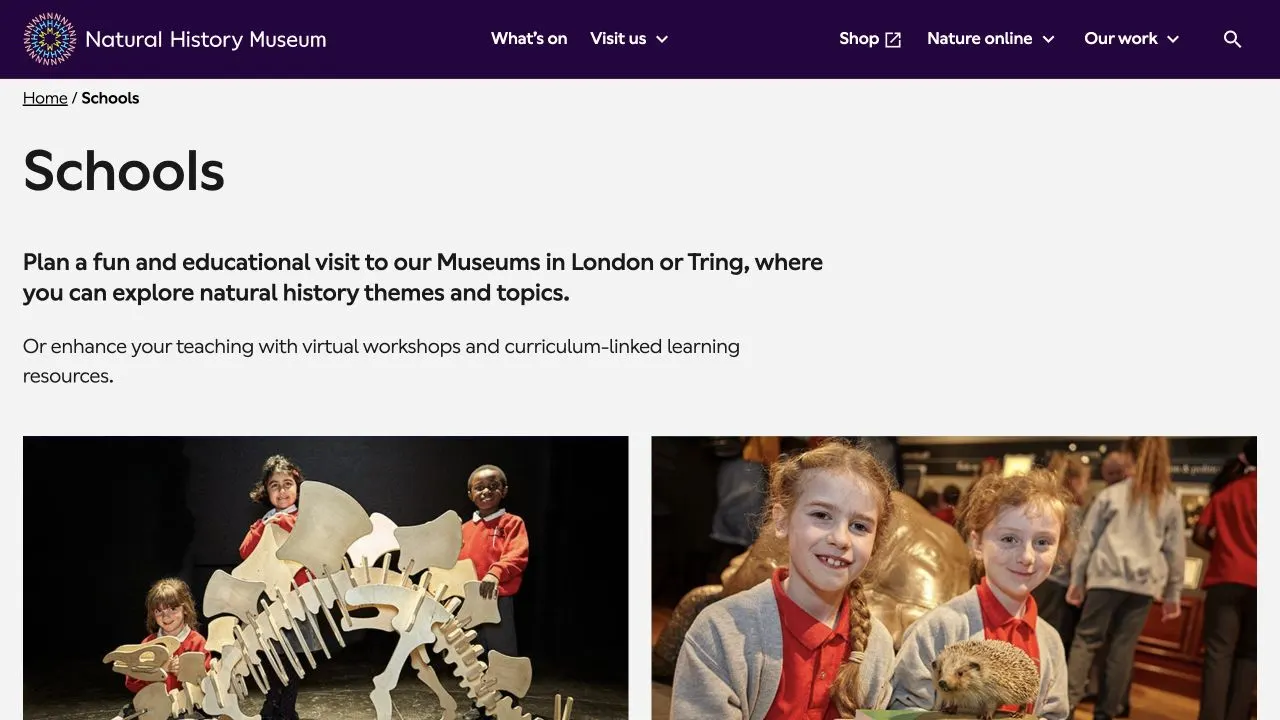
Natural History Museum Schools Learning
The Natural History Museum London schools programme offers museum visits, virtual workshops, curriculum-linked learning resources for ages 5–14, nature and climate activities, and dinosaur and natural-history collections. It is listed under Nature & environment and Science for ages Ages 5–14; resource-specific.
Read the full resource review →More education picks
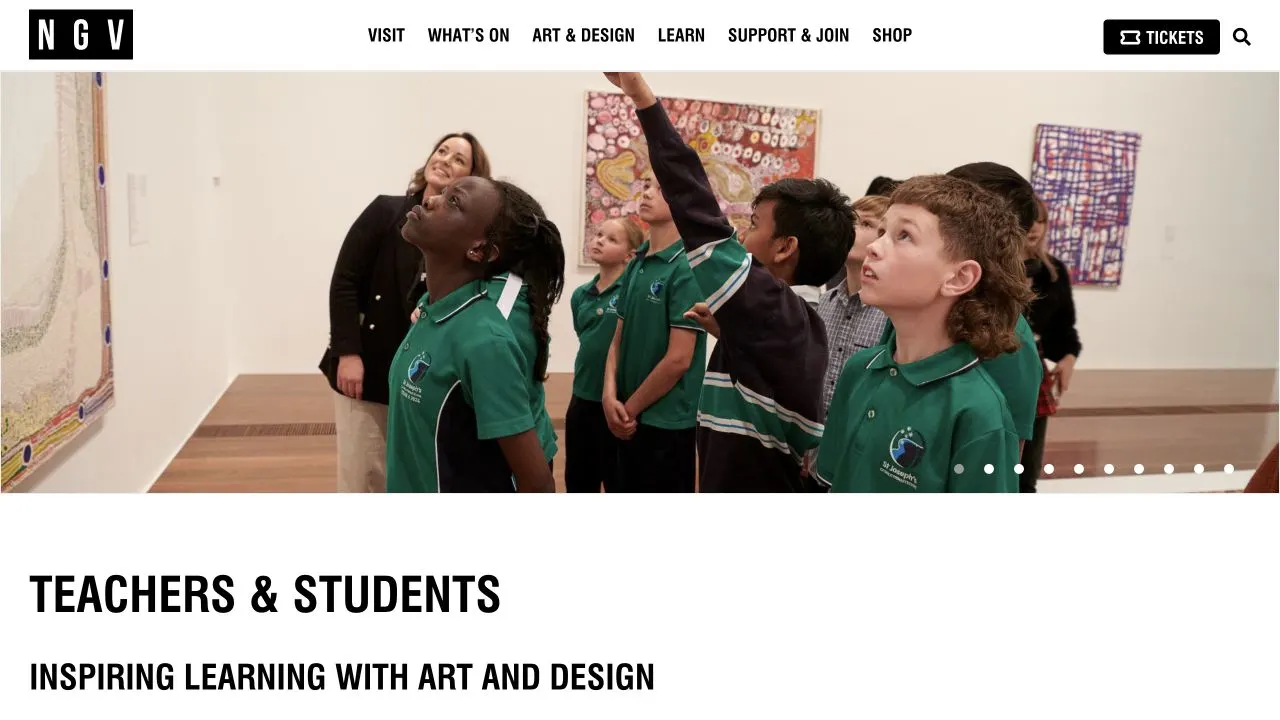
NGV Teachers and Students
The National Gallery of Victoria provides school learning programmes, self-guided visits, classroom connections, and art-and-design experiences for students and teachers. It is listed under Art & creativity and Museums for ages All school year levels; programme-specific.
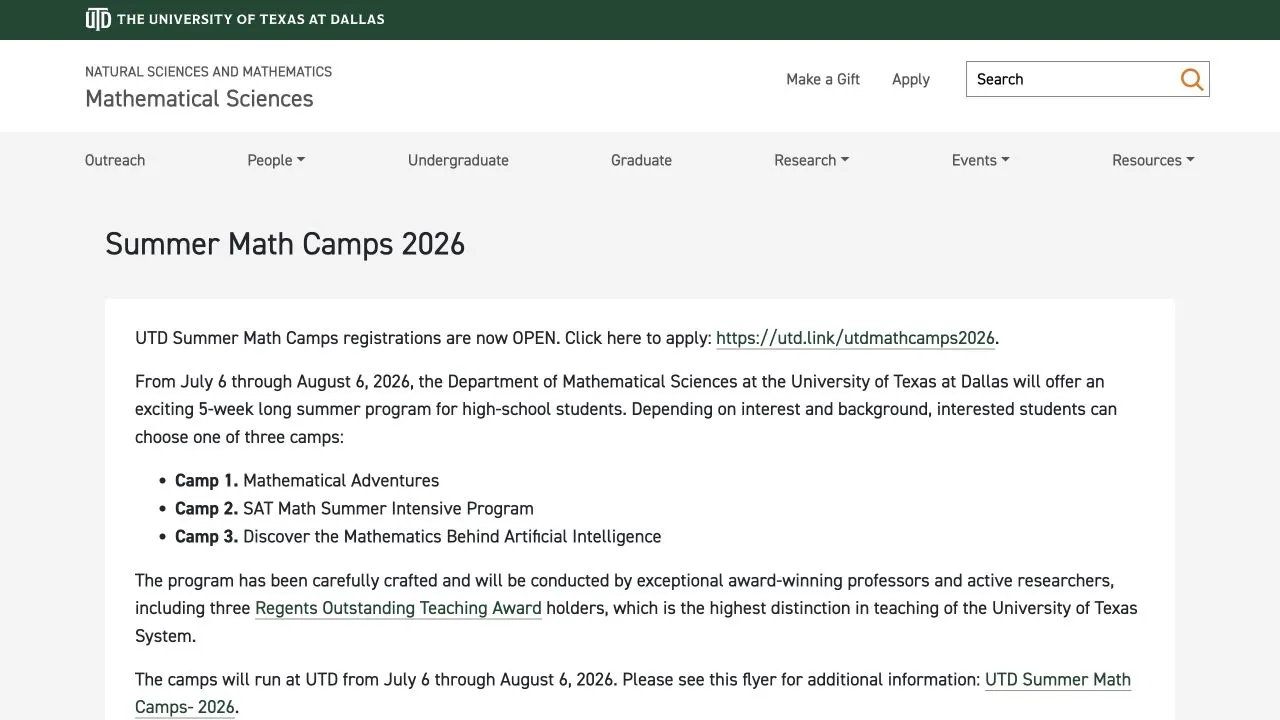
UTD Summer Math Camps 2026
The University of Texas at Dallas 2026 Summer Math Camps offer five-week programmes for high-school students in Mathematical Adventures, SAT Math, and Mathematics Behind Artificial Intelligence, with in-person and online components.
MSU 2026 Summer Math Camps
Michigan State University Mathematics Department’s 2026 summer camps cover grades K–12 through themed experiences such as Math Explorers, Geometry, Topology, Fractals and Python, and Fun with Fractions. It is listed under Math and Education for ages Grades K–12.

Science Museum Interactive Guide
The Science Museum’s interactive guide is a device-based tour that helps visitors discover science stories and must-see objects throughout the museum, with multilingual options. It is listed under Science and Museums for ages 7+.
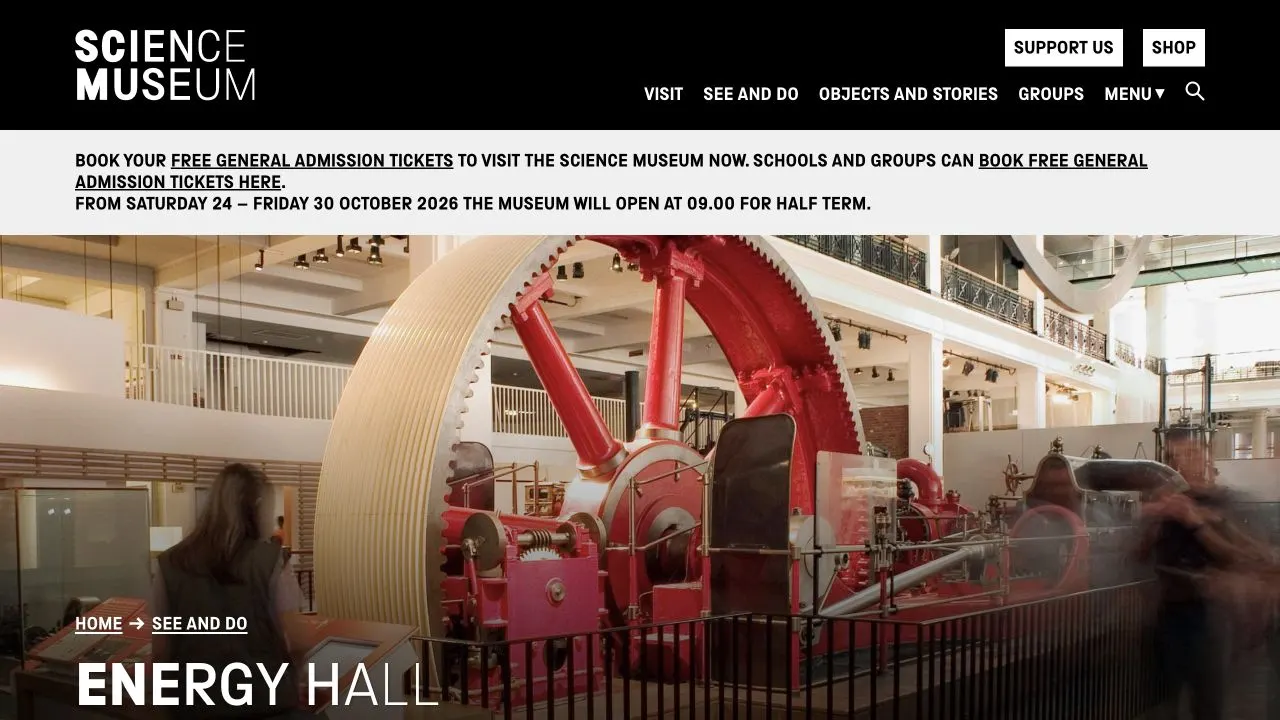
Science Museum Energy Hall
The Science Museum’s Energy Hall traces steam power and industrial change through historic full-size engines, models, and engineering stories, with an educational gallery page for family and school visits. It is listed under Science and Museums for ages Children, families, and school groups.
BYU Math Circles
Brigham Young University’s Fall 2026 Math Circles give students in grades K–12 free, age-grouped classes in mathematical exploration and problem solving led by BYU faculty and students. It is listed under Math and Education for ages Grades K–12.
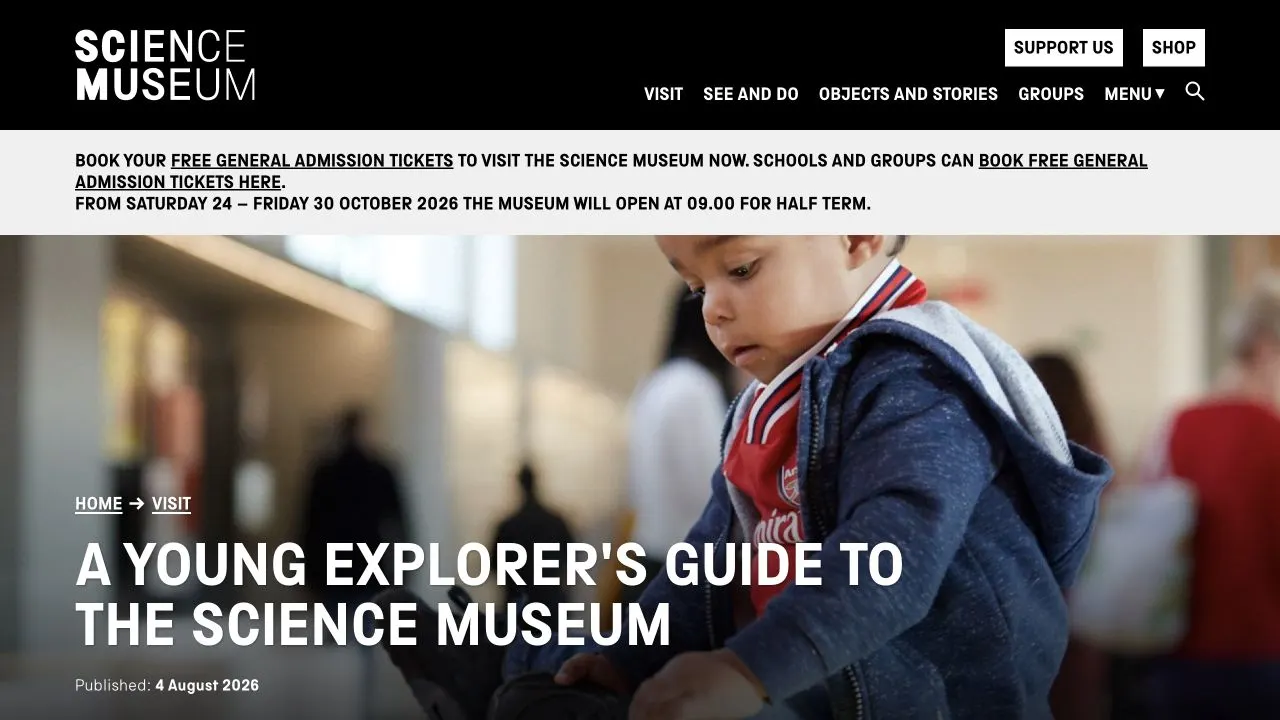
A Young Explorer’s Guide to the Science Museum
The Science Museum’s family guide for under-seven visitors highlights five museum experiences, including water play, bubbles, flight, and large engineering objects, to help families plan a first science visit. It is listed under Science and Museums for ages Under 7 and families.
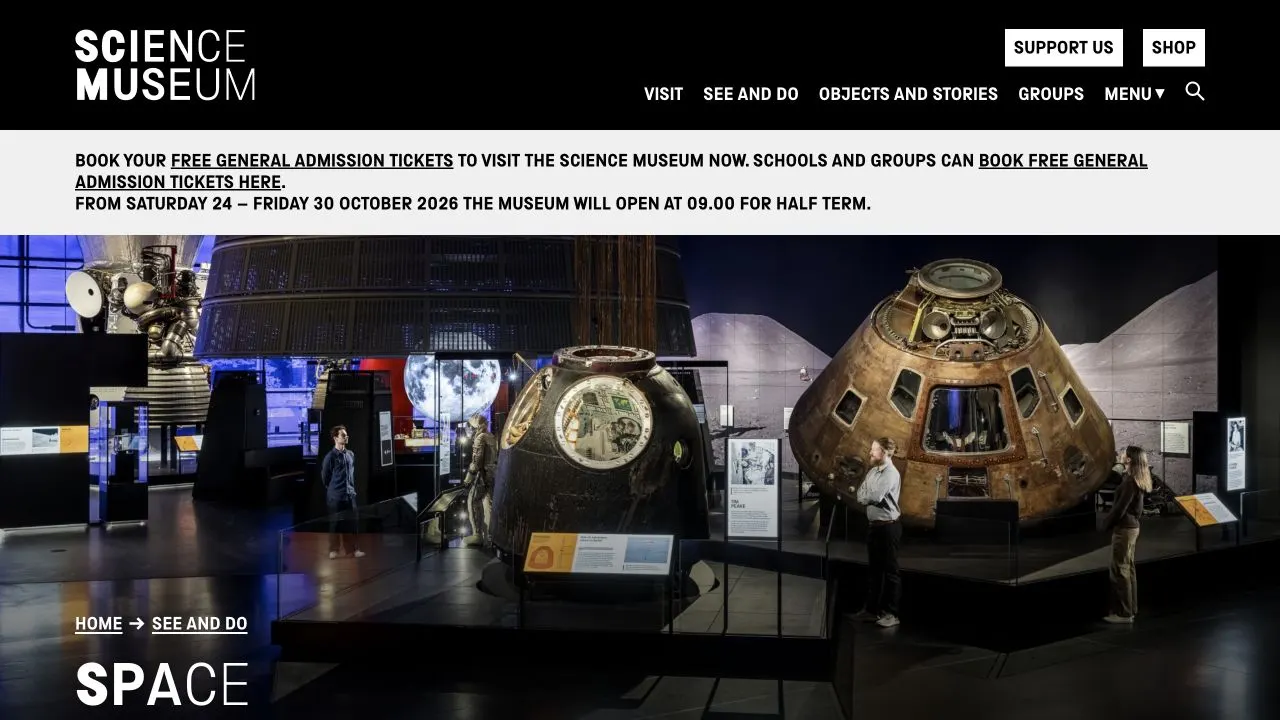
Science Museum Space Gallery
The Science Museum’s Space gallery brings together spacecraft, satellites, rockets, and stories about human spaceflight for family and school visits. It is listed under Space and Science for ages Children and families; school groups.
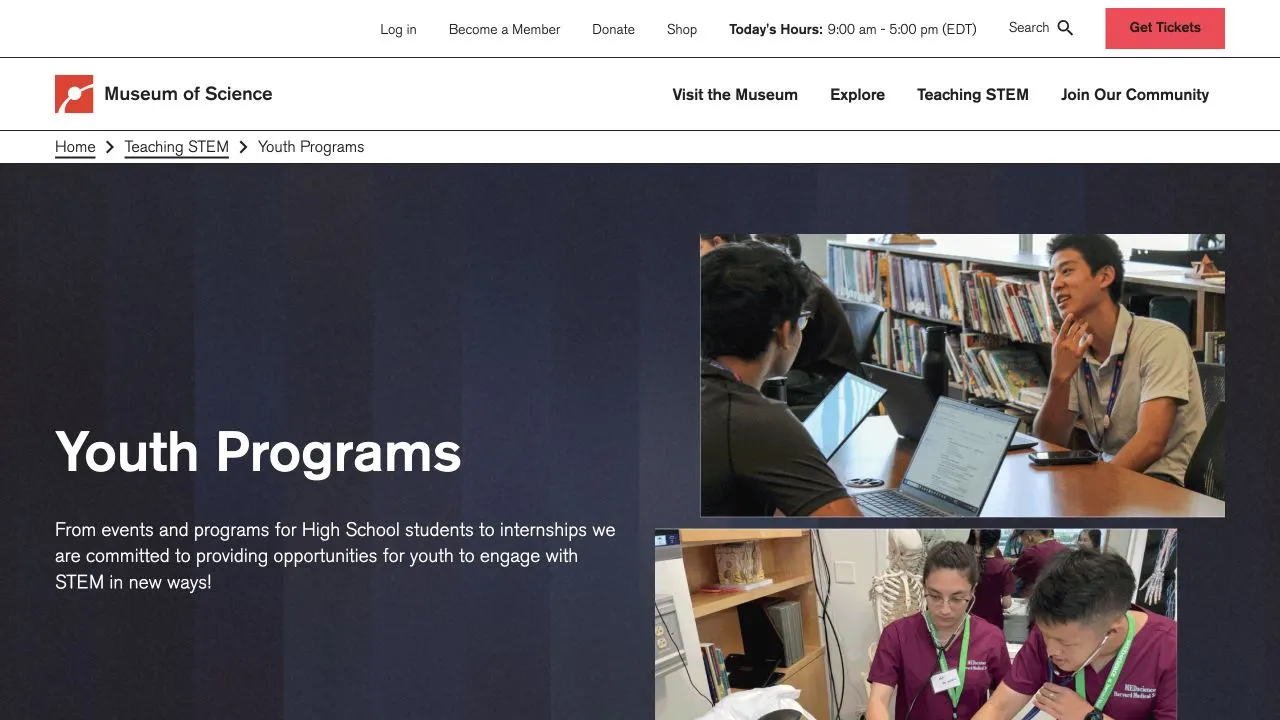
Museum of Science Boston Youth Programs
The Museum of Science Boston Youth Programs page gathers high-school STEM opportunities including science series, computer-science events, a 2026 innovation hackathon, biotechnology and renewable-energy workshops, MEDscience, and internships. It is listed under Science and Technology for ages High-school learners; programme-specific.
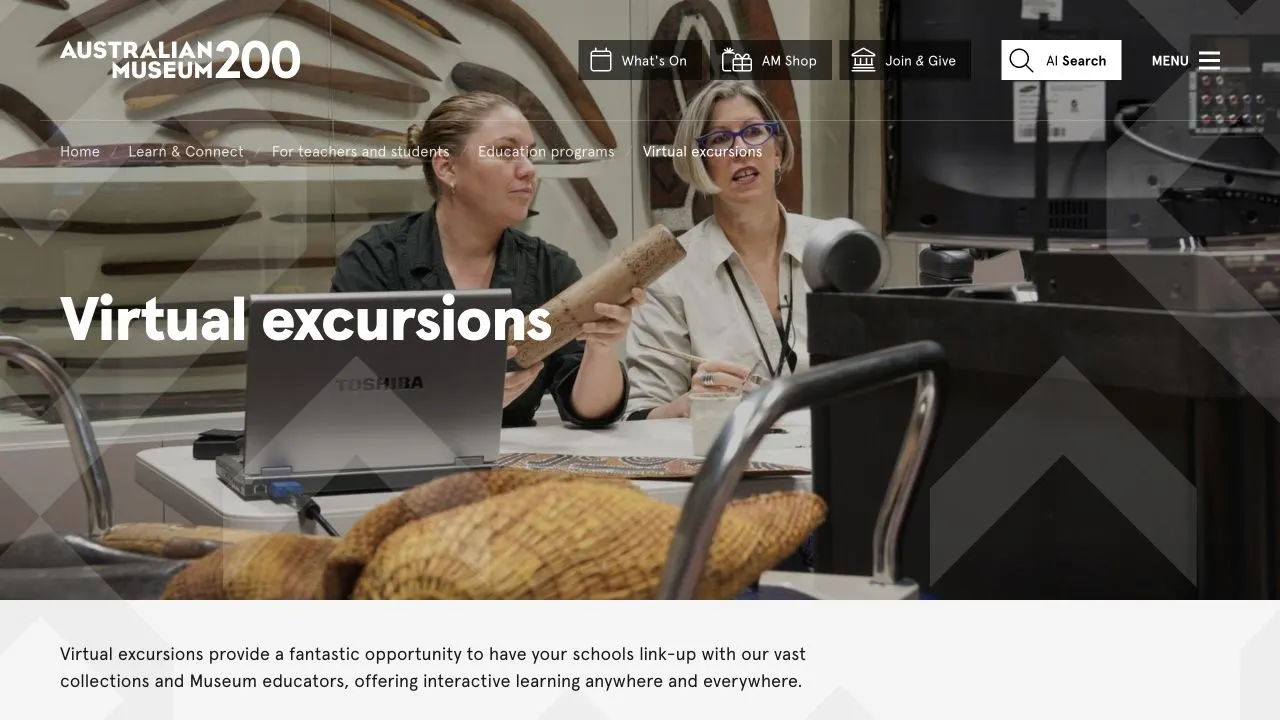
Australian Museum Virtual Excursions
The Australian Museum offers educator-led virtual excursions and on-demand science sessions that connect students with museum collections and experts. It is listed under Museums and Science for ages Primary through secondary; activity-specific. Children and families can use it through a website and a physical place.
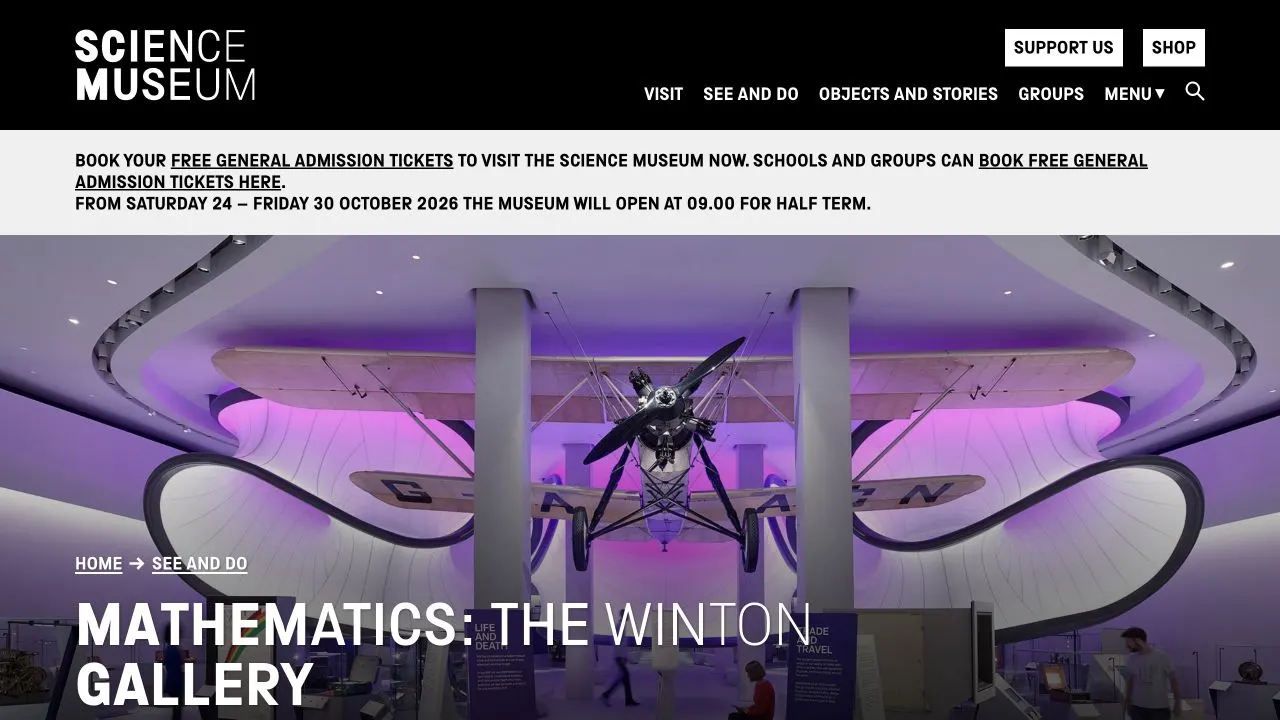
Science Museum Mathematics: The Winton Gallery
The Science Museum’s Mathematics: The Winton Gallery explores how mathematics has shaped the modern world through objects, stories, and gallery interpretation. It is listed under Math and Science for ages Children, families, and school groups.
Compare with context
Use this collection to find a direction, then open each resource page before sharing it with a child. The individual review shows languages, access formats, tags, age guidance, source links, and notes for grown-ups.
Search the full directory →