Coding Space
for kids
Explore 20 trusted coding space resources selected for curious kids, with clear ages, access details, and parent context.
Two useful ways to narrow the directory
This page brings together coding resources that also match space. Each listing keeps its own age range, platform details, languages, links, and parent notes, so you can compare options without losing context.
Explore all coding resources →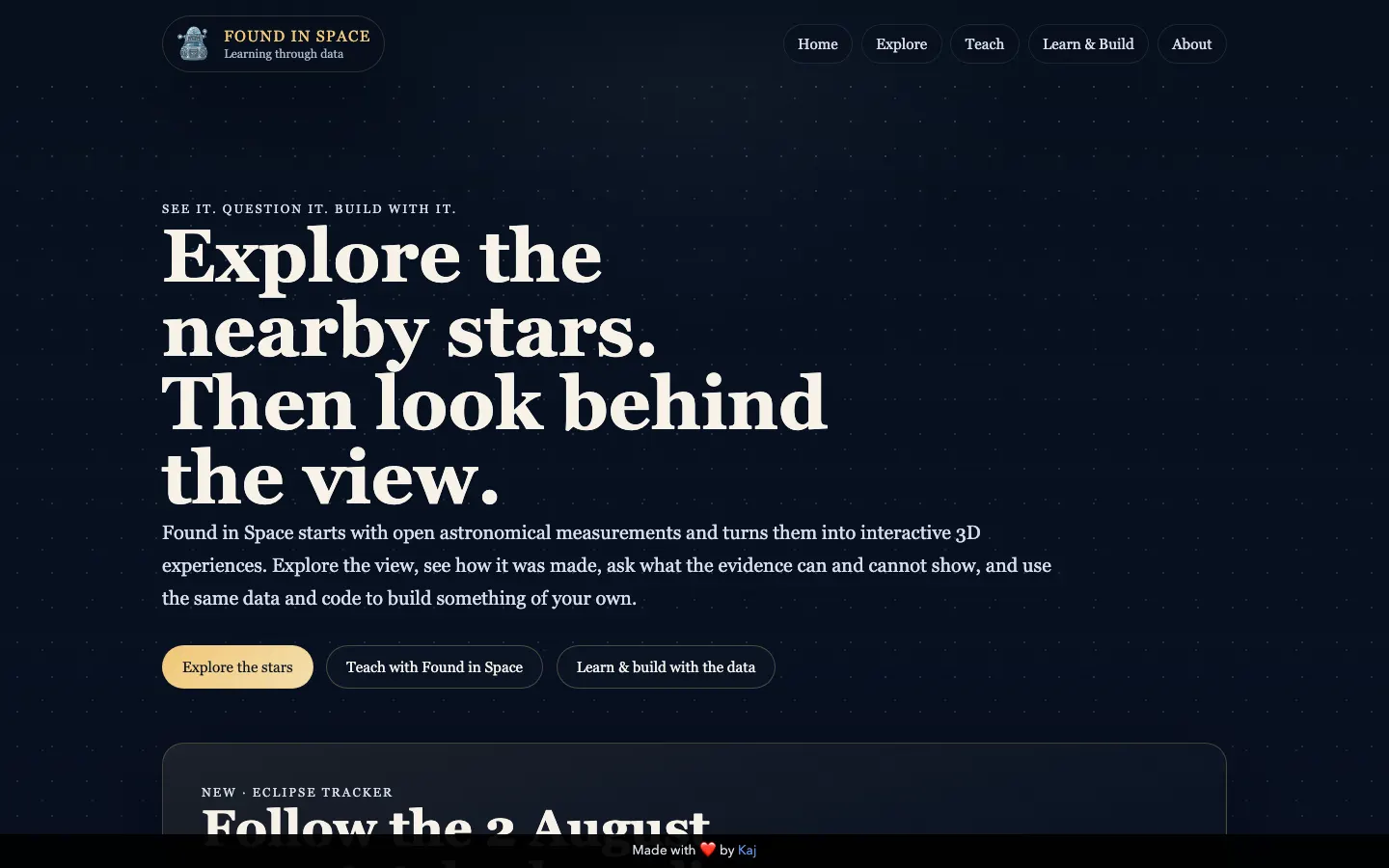
Found in Space
Found in Space turns open astronomical measurements into interactive 3D experiences, with star exploration, an eclipse tracker, teaching guides, and open data projects. It is listed under Space and Science for ages Children with adult or educator support.
Read the full resource review →More coding picks
FOGE Galaxy Explorers
FOGE programs connect children with astronomy, space science, and STEM learning through outreach and hands-on exploration. It is listed under Science and Coding for ages Children and young people; program-specific. Children and families can use it through a website.
FromOne
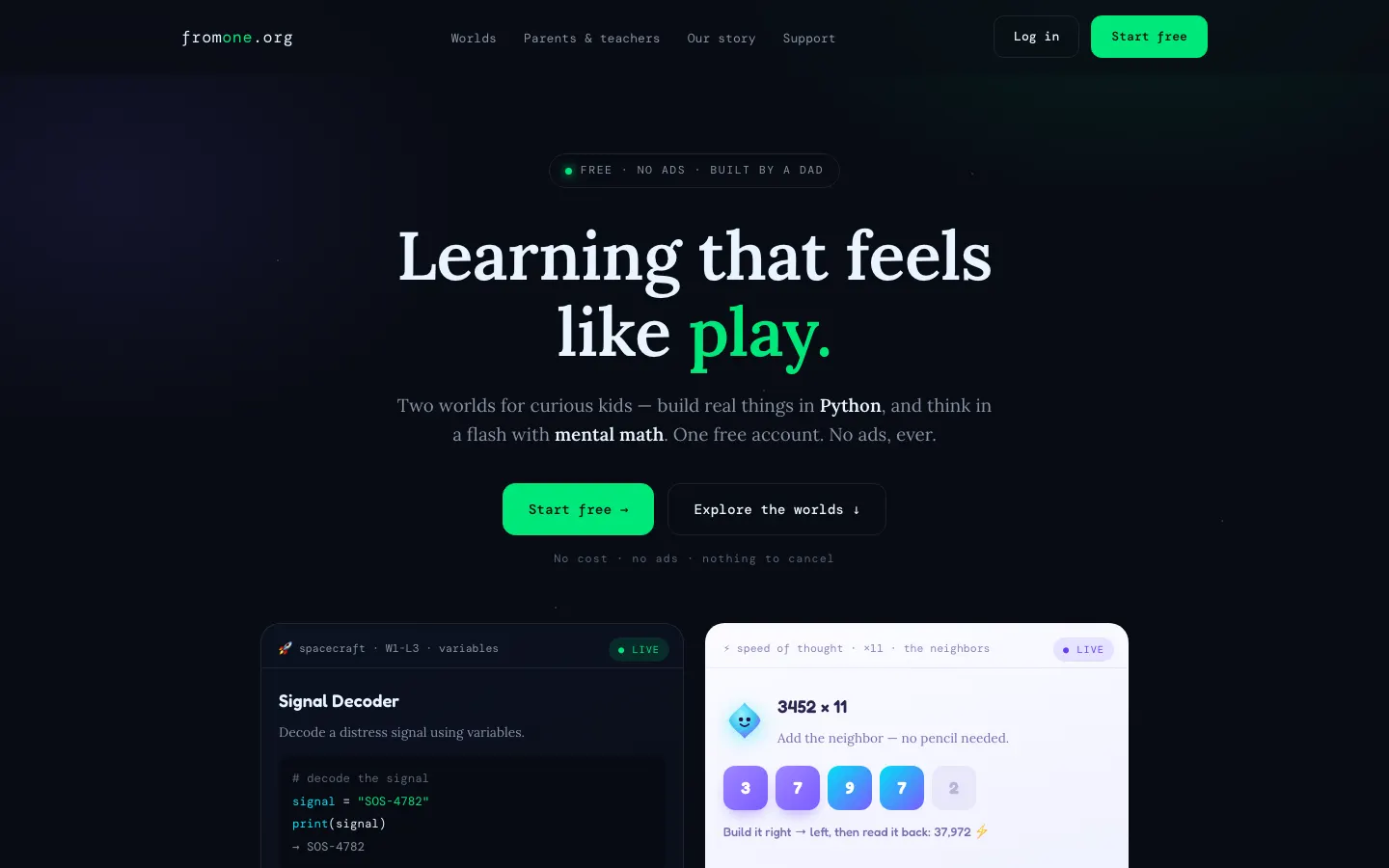
A playful learning platform combining Python space missions with mental-math challenges, built around short interactive levels and progress. It is listed under Coding, Math, and Space for ages 8–16. Children and families can use it through a website.
ESA CanSat
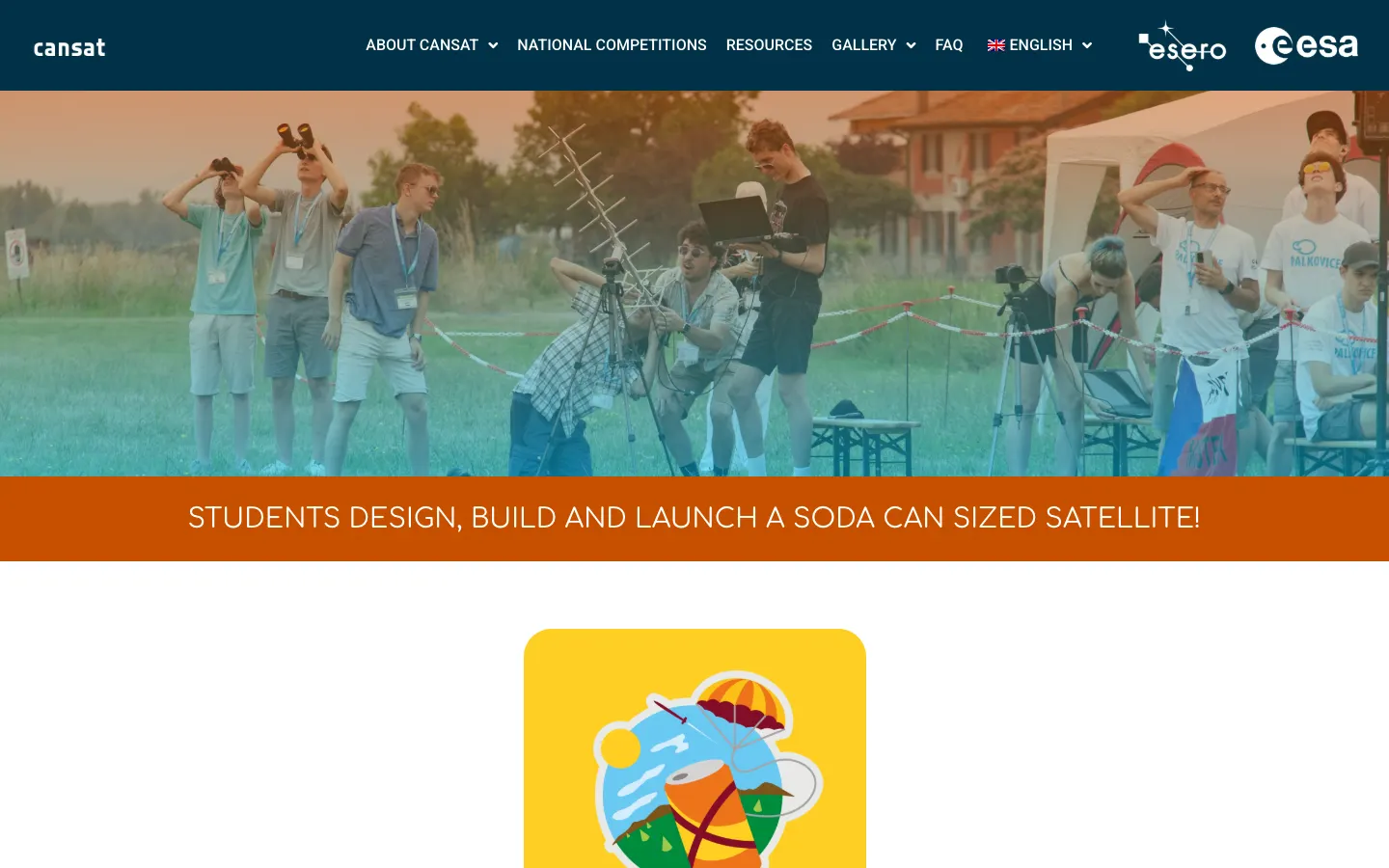
The European Space Agency CanSat program challenges teams to design, build and launch a soda-can-sized satellite, then collect and analyse mission data. It is listed under Space and Coding for ages 14–19. Children and families can use it through a website.
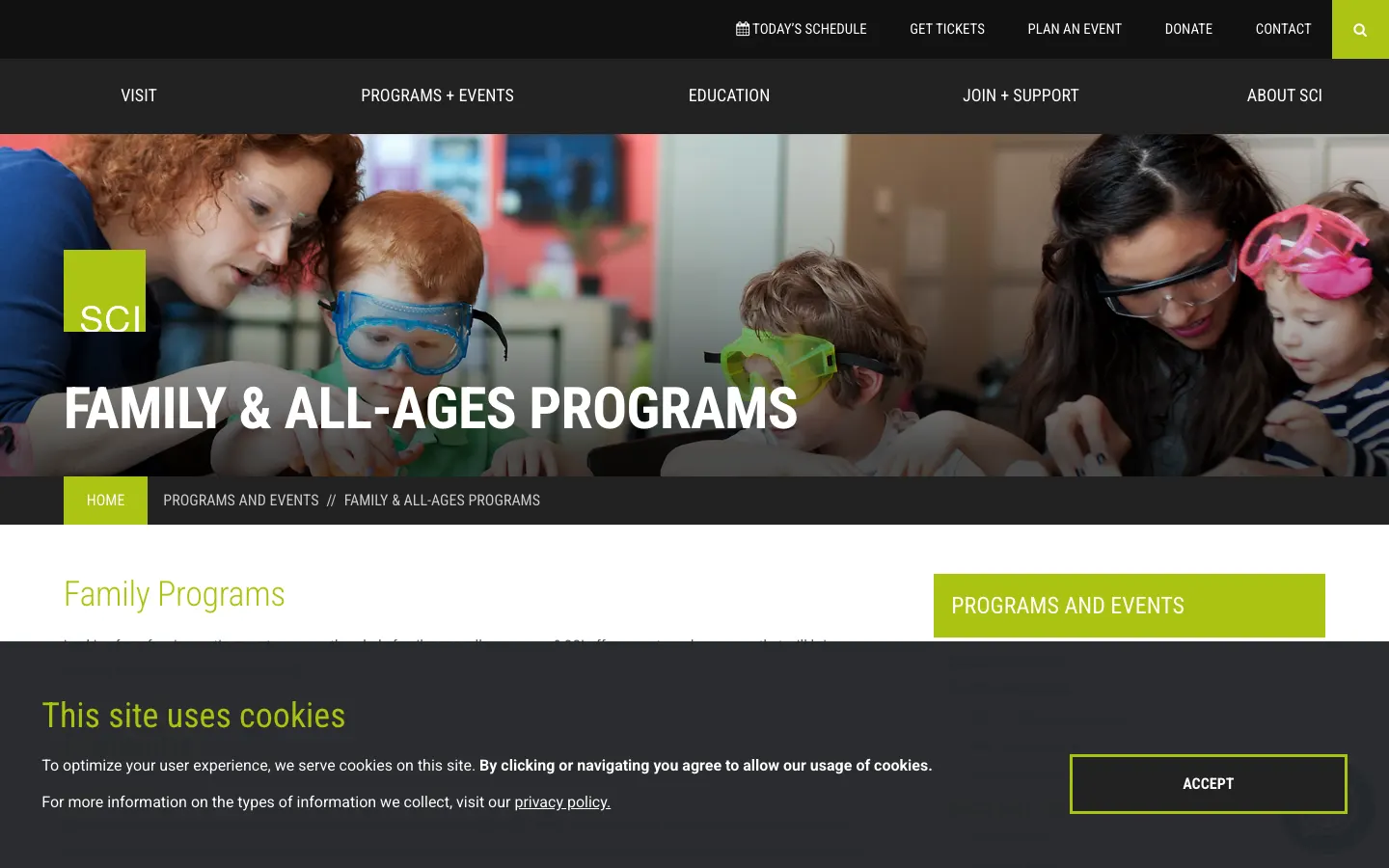
Science Center of Iowa Family Programs
Science Center of Iowa family programs include star parties, hands-on innovation activities, sensory-friendly hours, and playful introductions to responsible AI and science. It is listed under Science and Space for ages 2–12 with family; program-specific.
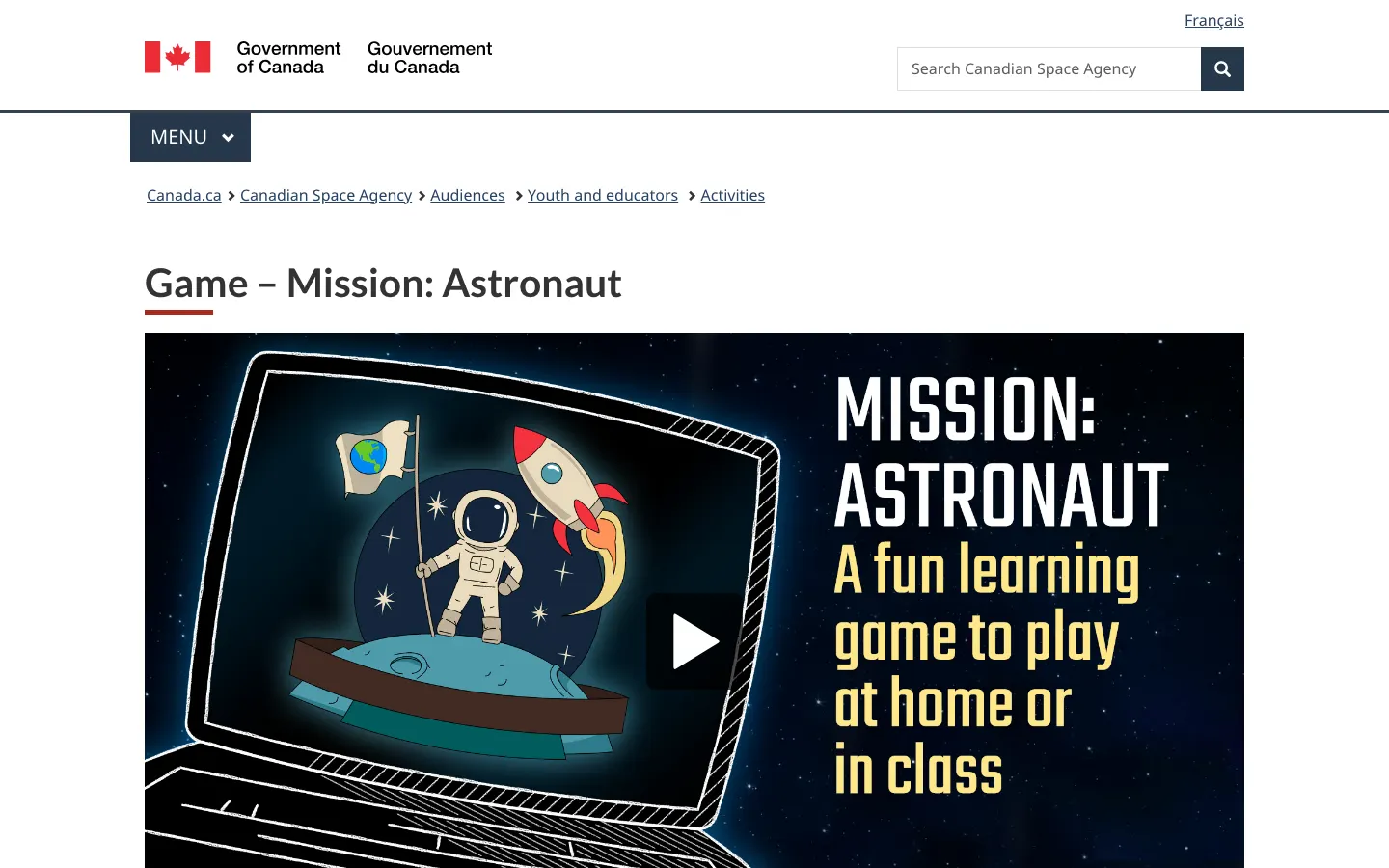
Canadian Space Agency Mission: Astronaut
Mission: Astronaut is a Canadian Space Agency space game for youth in grades 3–6, with a block-coding Lunar Rover activity that supports classroom or home learning. It is listed under Space and Science for ages Grades 3–6.
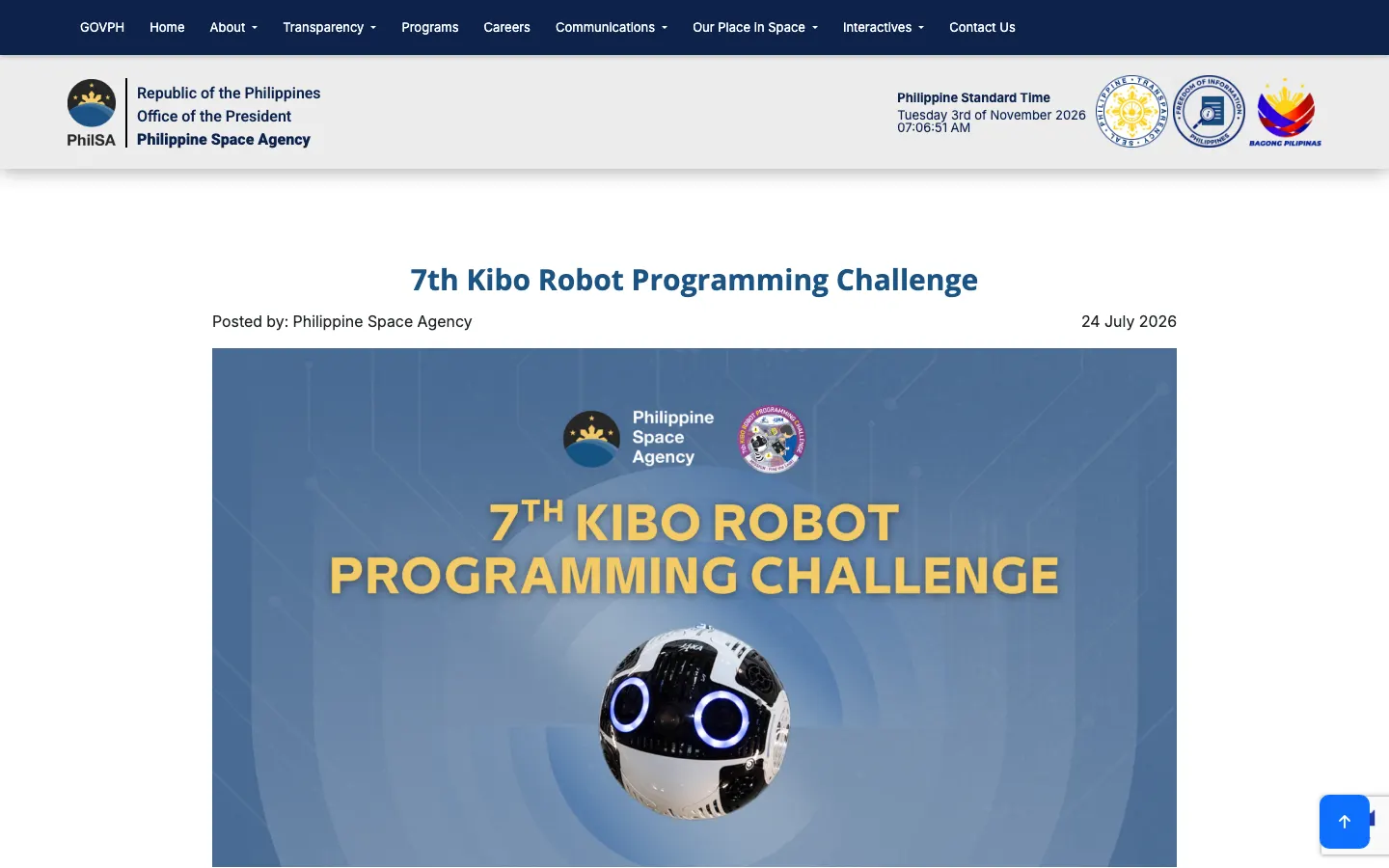
7th Kibo Robot Programming Challenge — Philippines
The Philippine Space Agency’s Kibo Robot Programming Challenge gives student teams a space-themed programming challenge connected to the Kibo module on the International Space Station. It is listed under Space and Coding for ages Under 16 beginner track; team-based.
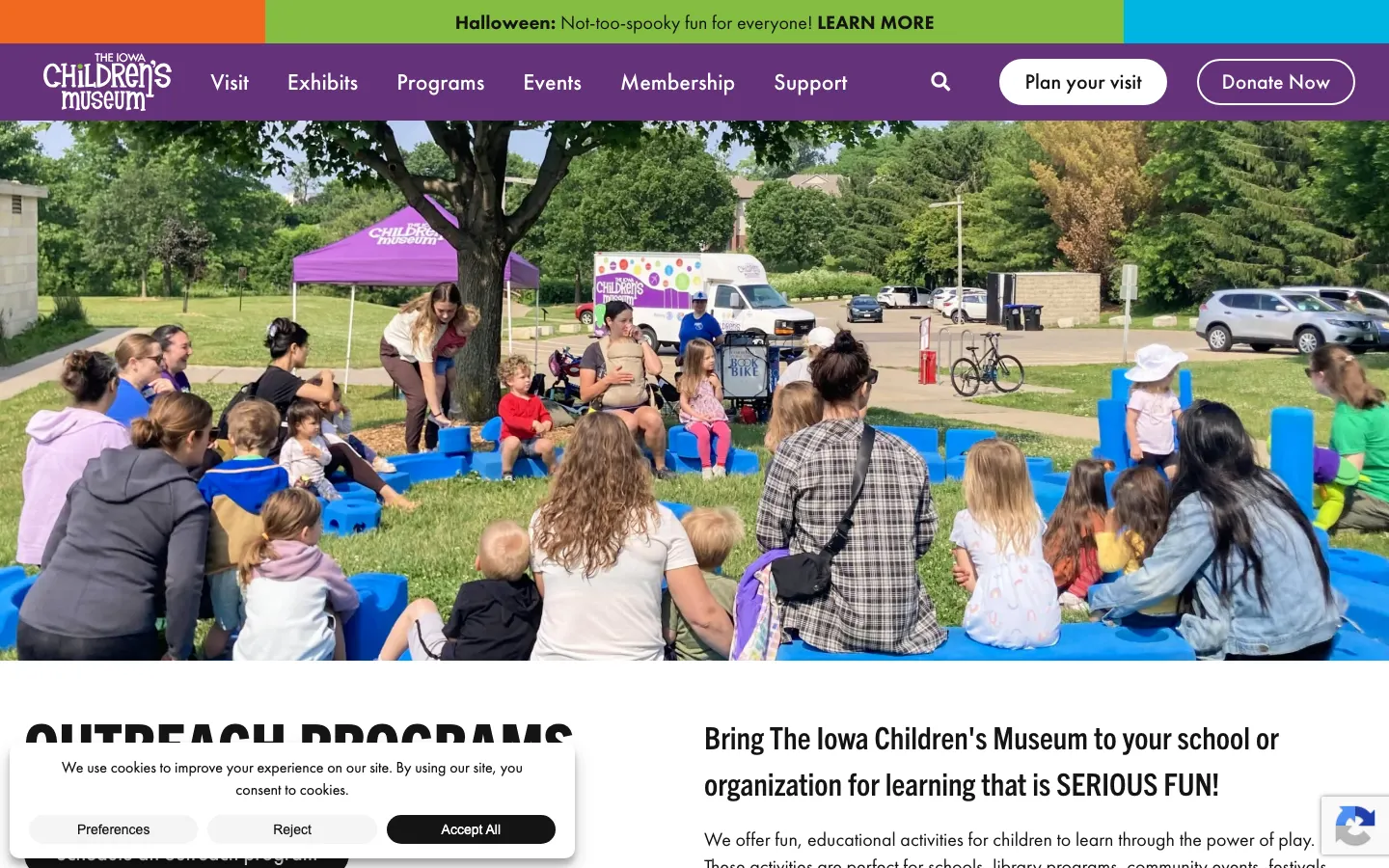
Iowa Children’s Museum Outreach Programs
Iowa Children’s Museum Outreach Programs bring hands-on learning to schools and organizations with activities in art, science, space, movement, and introductory robotics and programming. It is listed under Science and Coding for ages 3–12; program-specific.
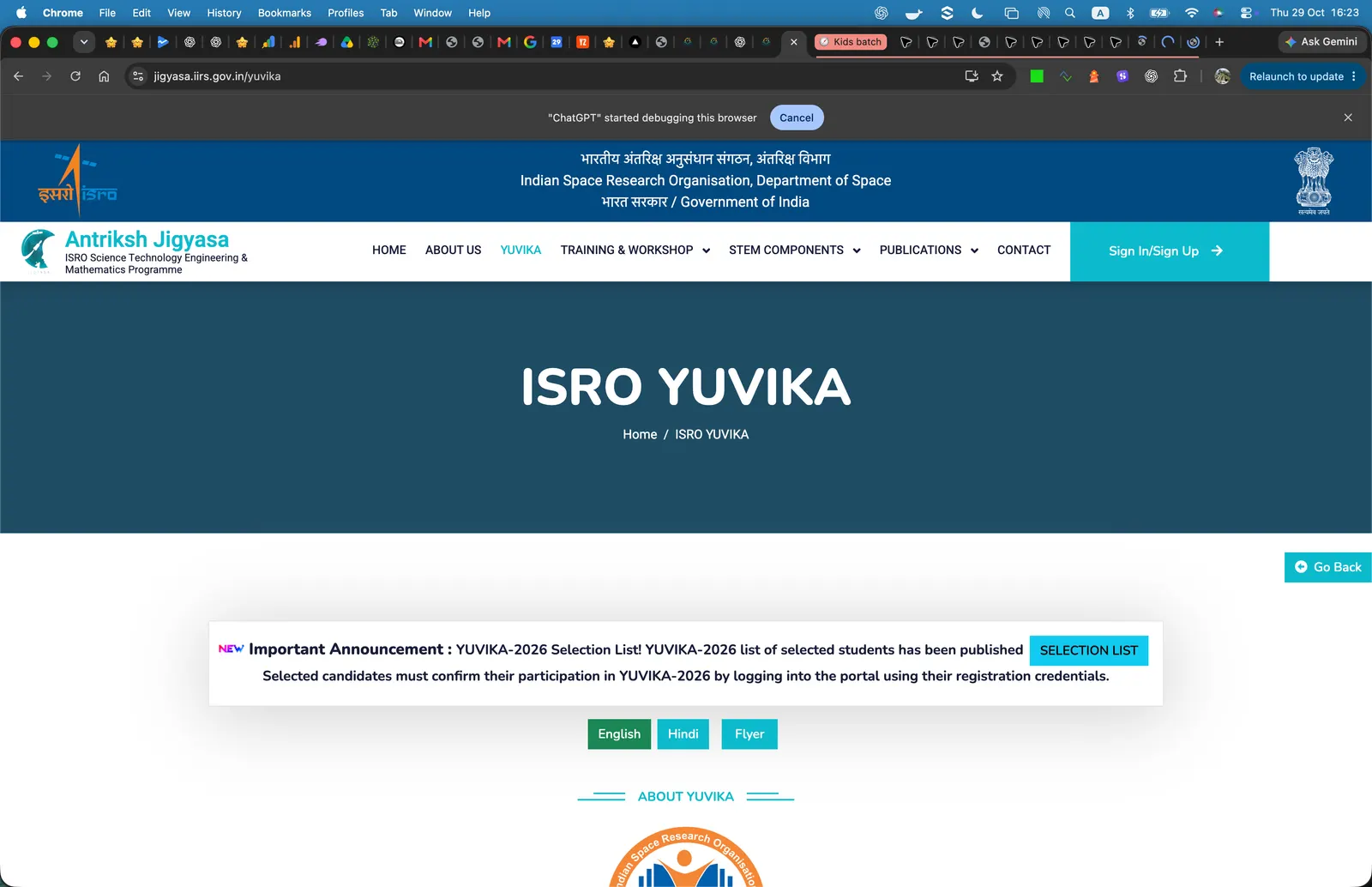
ISRO YUVIKA Young Scientist Programme
The Indian Space Research Organisation’s YUVIKA programme introduces school children to space technology, space science, and space applications through a selective young-scientist experience. It is listed under Space and Science for ages Class 9 / about 14–15.
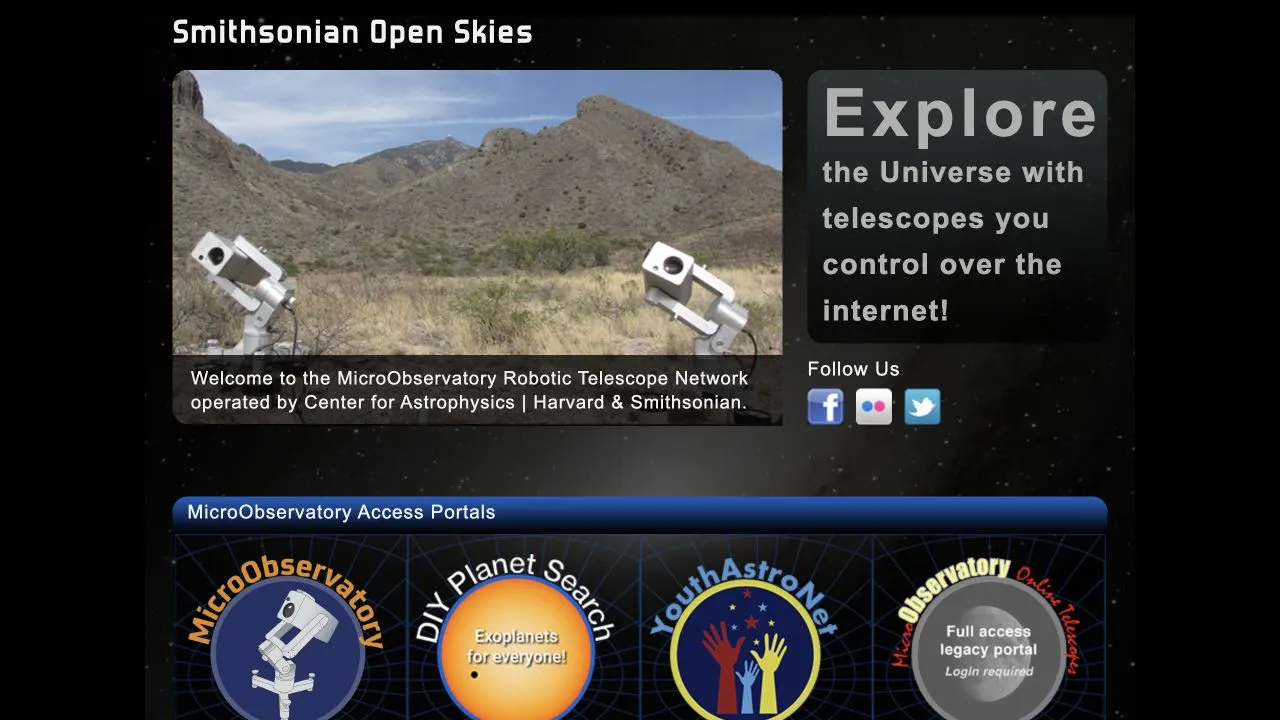
MicroObservatory Robotic Telescope Network
A Smithsonian Astrophysical Observatory and Center for Astrophysics program that lets learners control robotic telescopes online and explore real astronomy images. It is listed under Space and Science for ages 9–18. Children and families can use it through a website and downloadable resources.
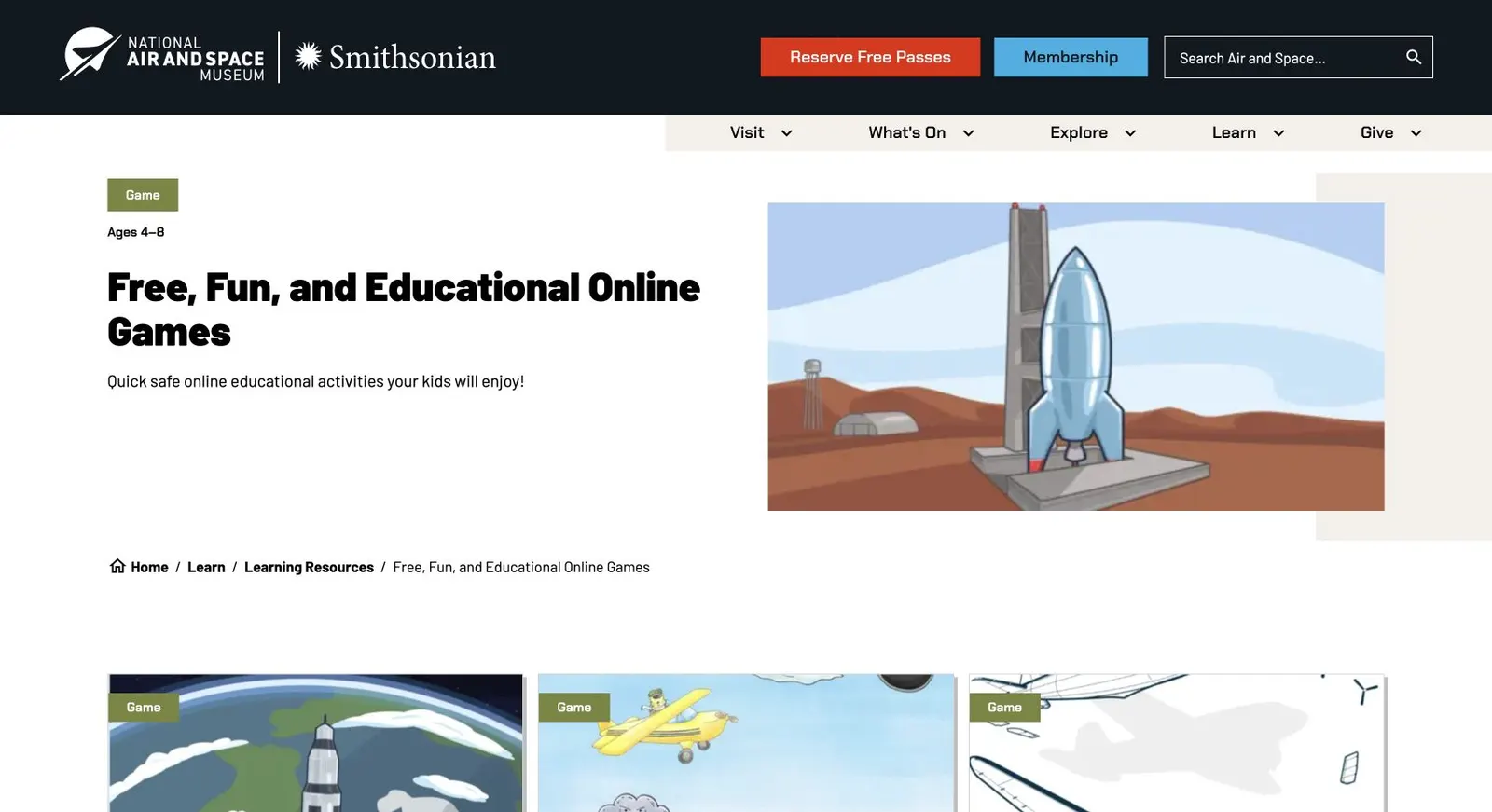
National Air and Space Museum Online Games
The National Air and Space Museum’s online games give young learners playful ways to explore rockets, aircraft, weather, motion, gears, and airplane parts. It is listed under Science and Space for ages 4–8. Children and families can use it through a website.
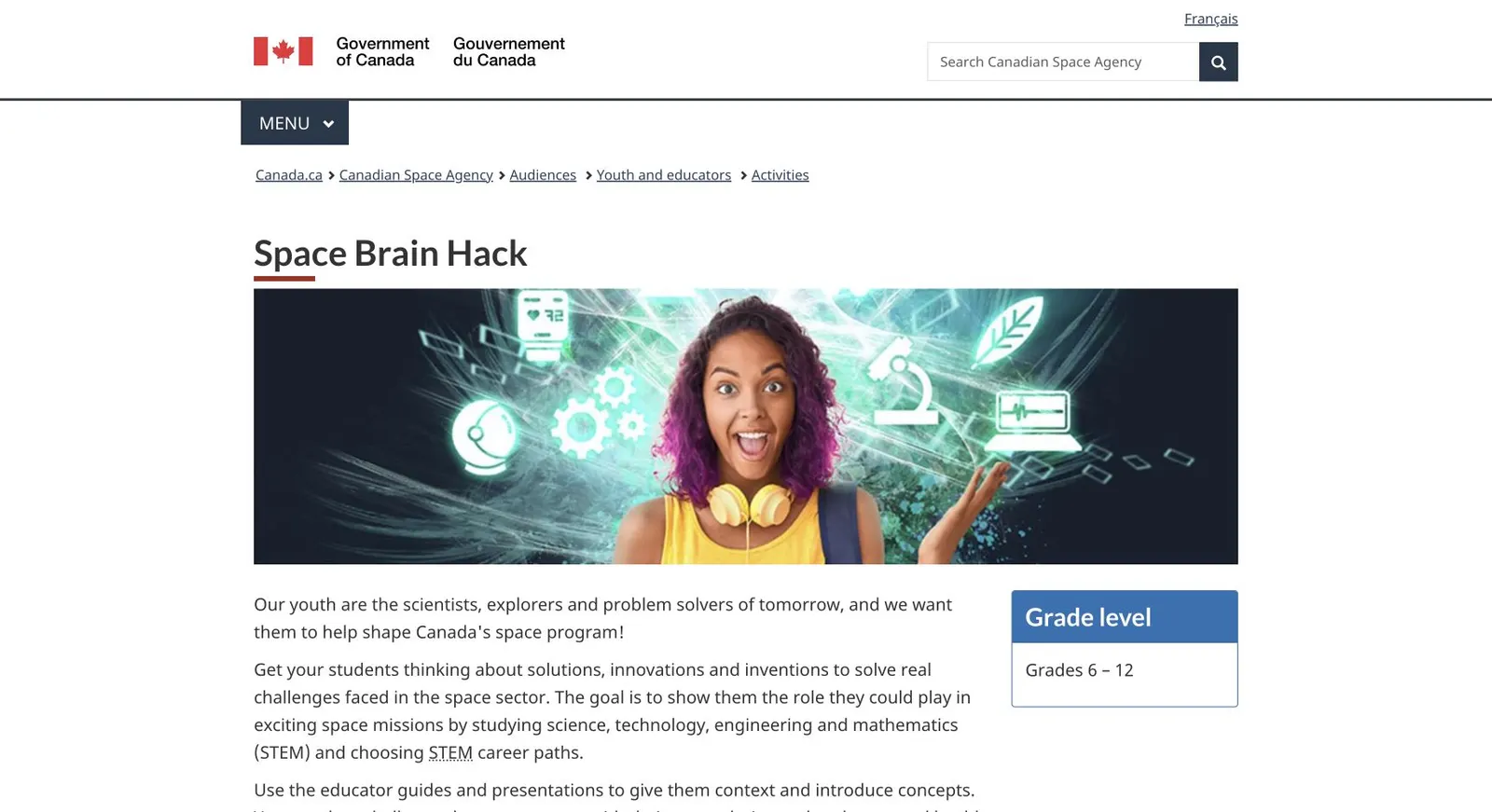
Canadian Space Agency Space Brain Hack
A Canadian Space Agency challenge collection for grades 6–12 that asks learners to design solutions for astronaut mental health, food production, and sustainable satellites. It is listed under Science and Space for ages 11–18.
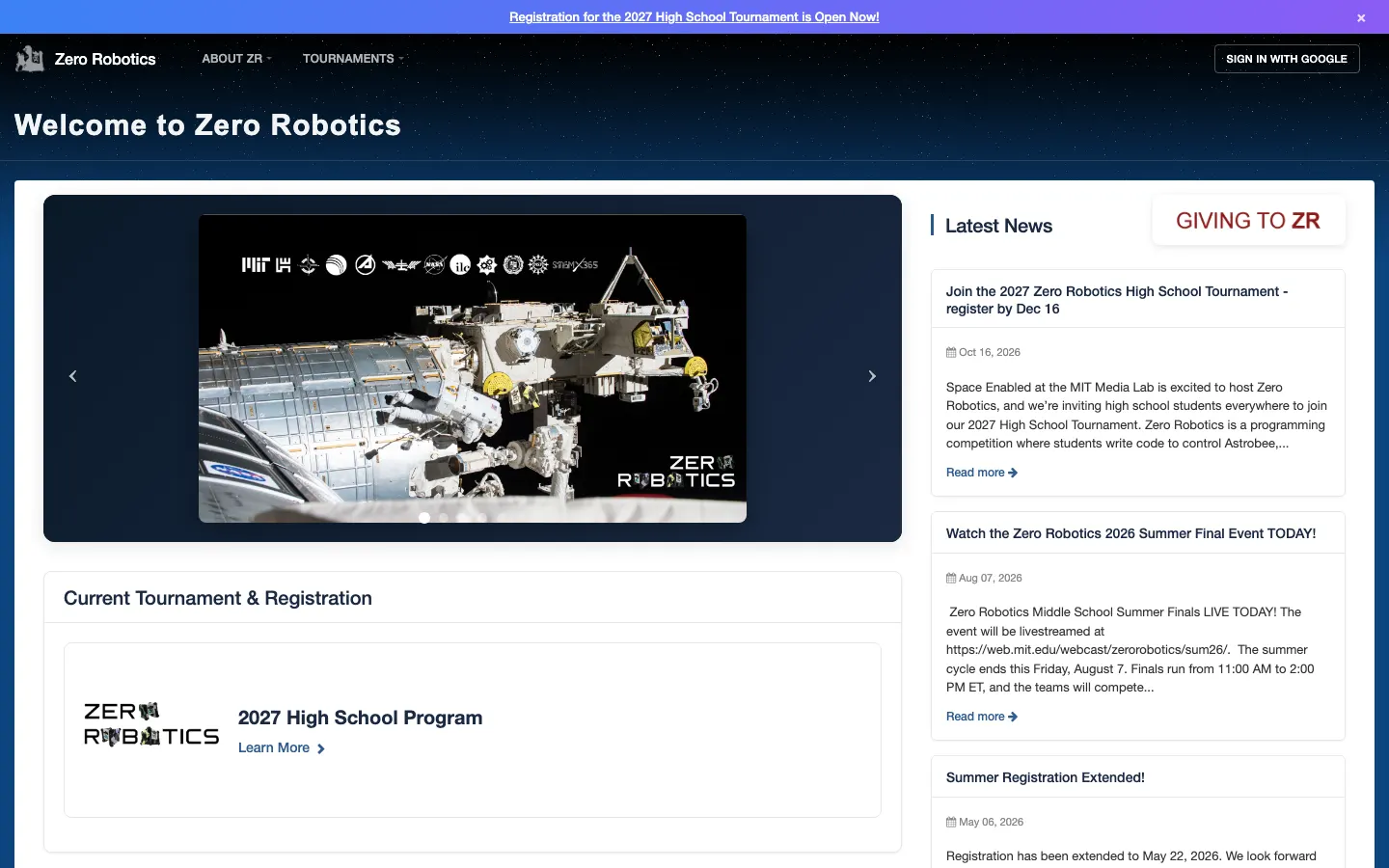
Zero Robotics 2027 High School Program
MIT’s Zero Robotics is a programming competition where high-school students write code to control Astrobee robots in space-themed challenges. It is listed under Coding and Space for ages High school students. Children and families can use it through a website.
Compare with context
Use this collection to find a direction, then open each resource page before sharing it with a child. The individual review shows languages, access formats, tags, age guidance, source links, and notes for grown-ups.
Search the full directory →