Coding downloadable resources
for kids
Explore 20 trusted coding downloadable resources selected for curious kids, with clear ages, access details, and parent context.
Two useful ways to narrow the directory
This page brings together coding resources that also match downloadable resources. Each listing keeps its own age range, platform details, languages, links, and parent notes, so you can compare options without losing context.
Explore all coding resources →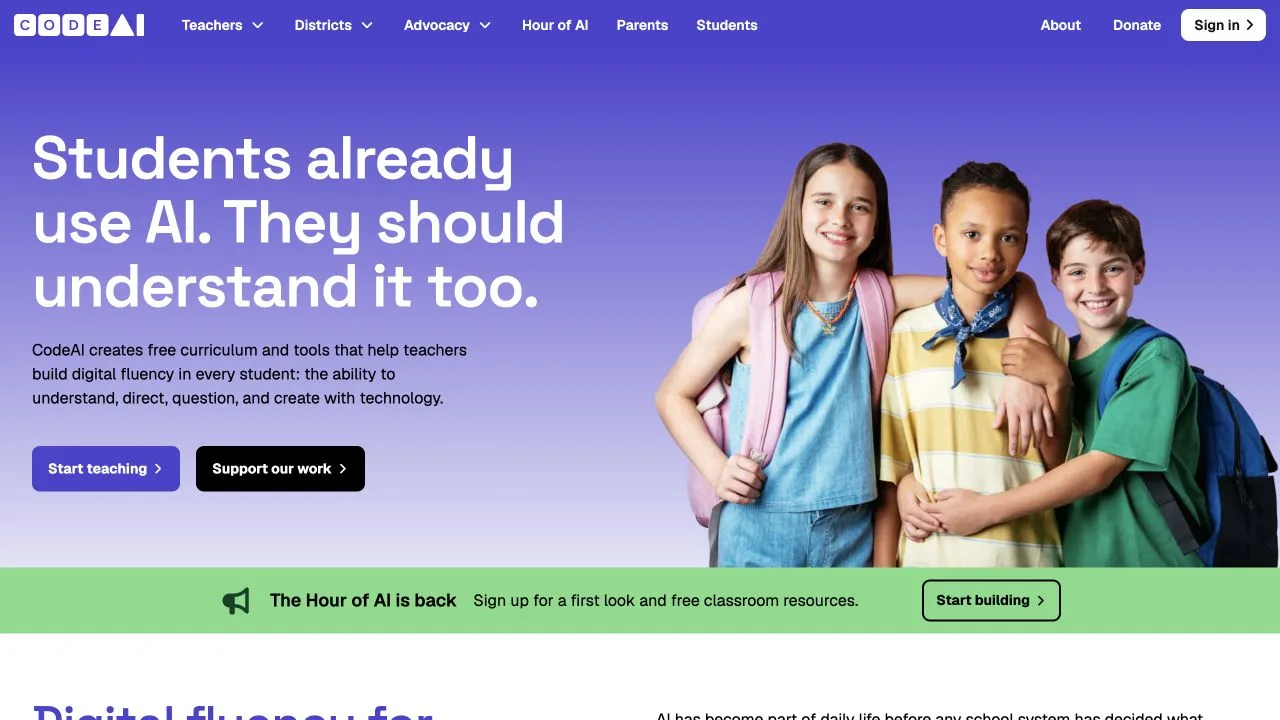
Code.org
Structured computer science courses and creative coding activities for schools and families. It is listed under Coding for ages 4–18. Children and families can use it through a website and downloadable resources. The directory records access as free and language coverage as English, Indonesian, and Hindi.
Read the full resource review →More coding picks
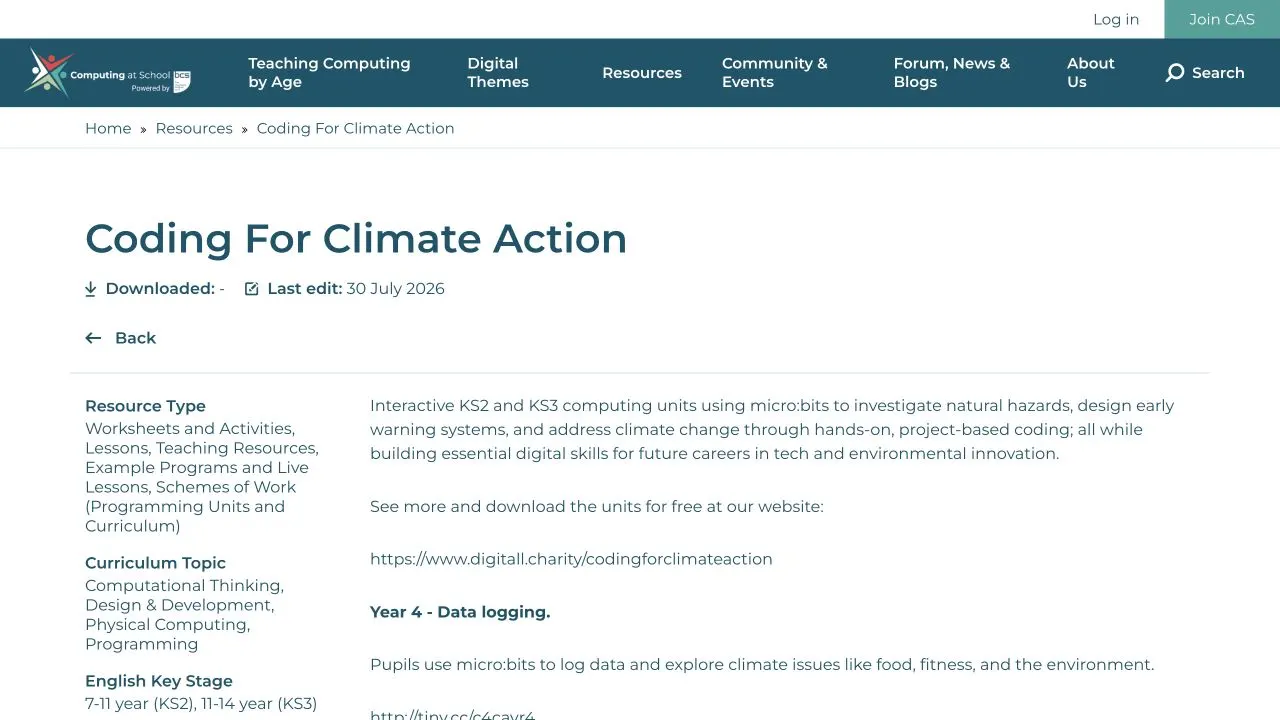
Coding for Climate Action
Computing at School’s Coding for Climate Action is a six-week curriculum that uses micro:bit projects to connect computing with climate science, data and practical action. It is listed under Coding and Climate for ages Ages 9–14; curriculum-specific.
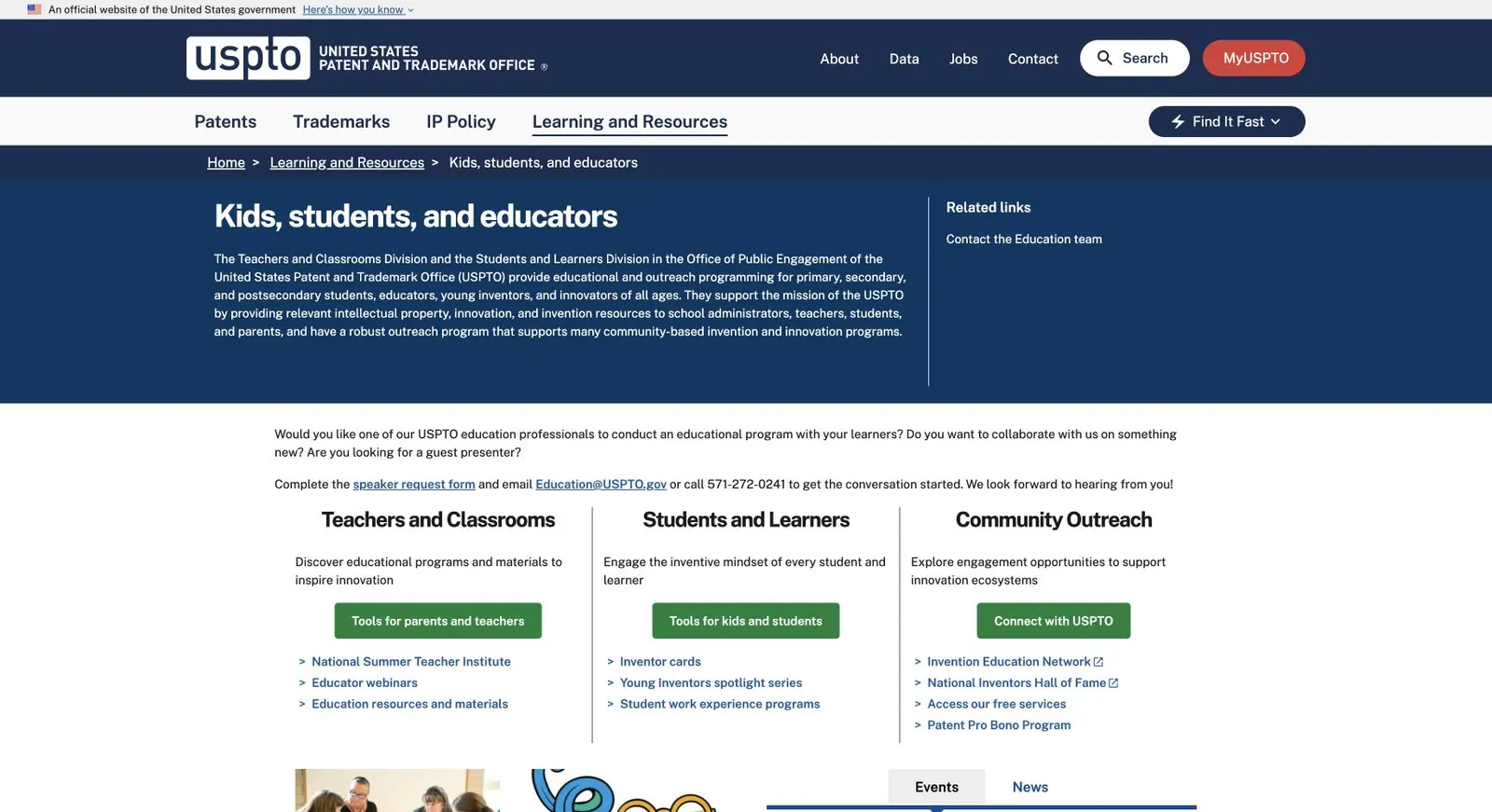
USPTO Kids, Students, and Educators
Invention, creativity, intellectual property, and innovation resources for young inventors, students, families, and teachers. It is listed under Maker & DIY, Coding, and Parent & educator for ages 7-18. Children and families can use it through a website and downloadable resources.
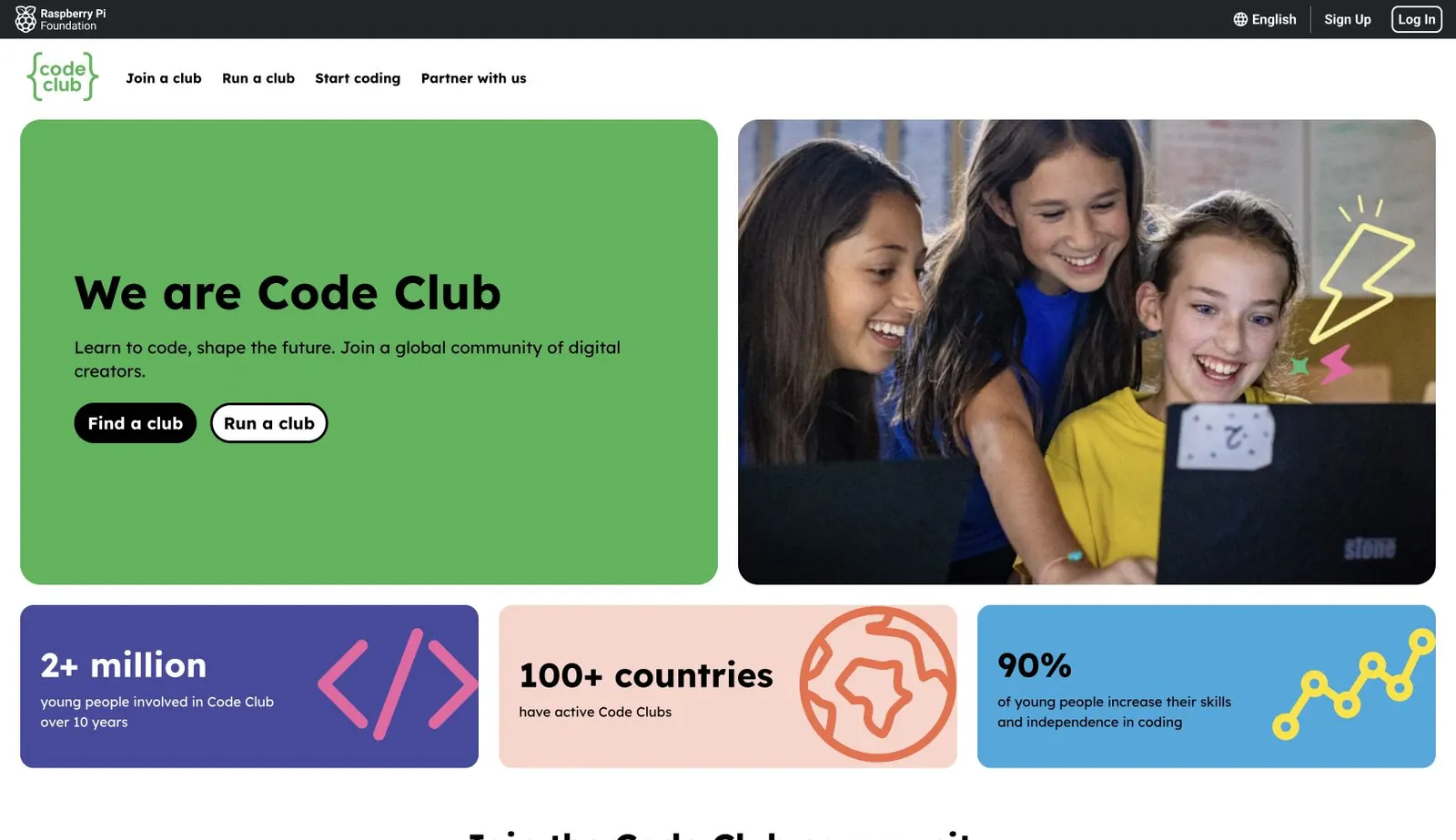
Code Club
Free coding clubs, projects, and community support that help young people create with code. It is listed under Coding, Parent & educator, and Games for ages 7–18. Children and families can use it through a website and downloadable resources.
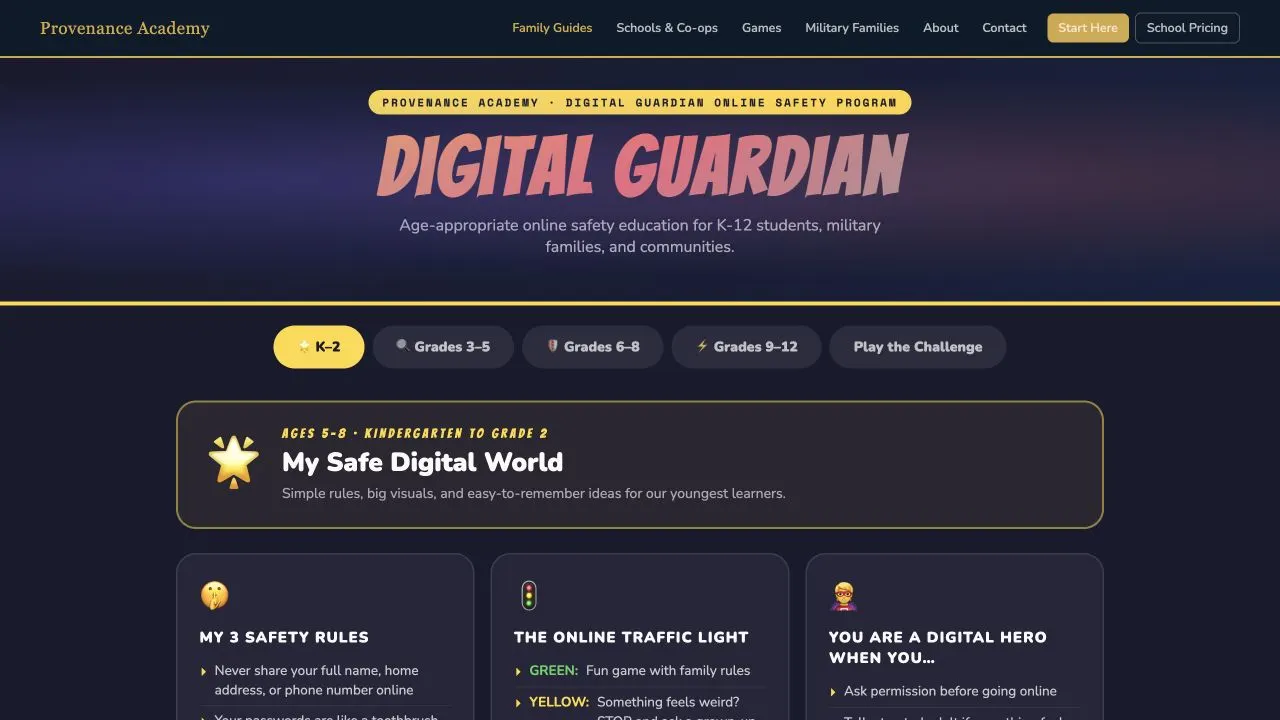
Digital Guardian
An age-banded K–12 online-safety curriculum with practical lessons and challenges for privacy, game chat, cyberbullying, AI, and what to do when something feels wrong online. It is listed under Parent & educator and Coding for ages 5–18.
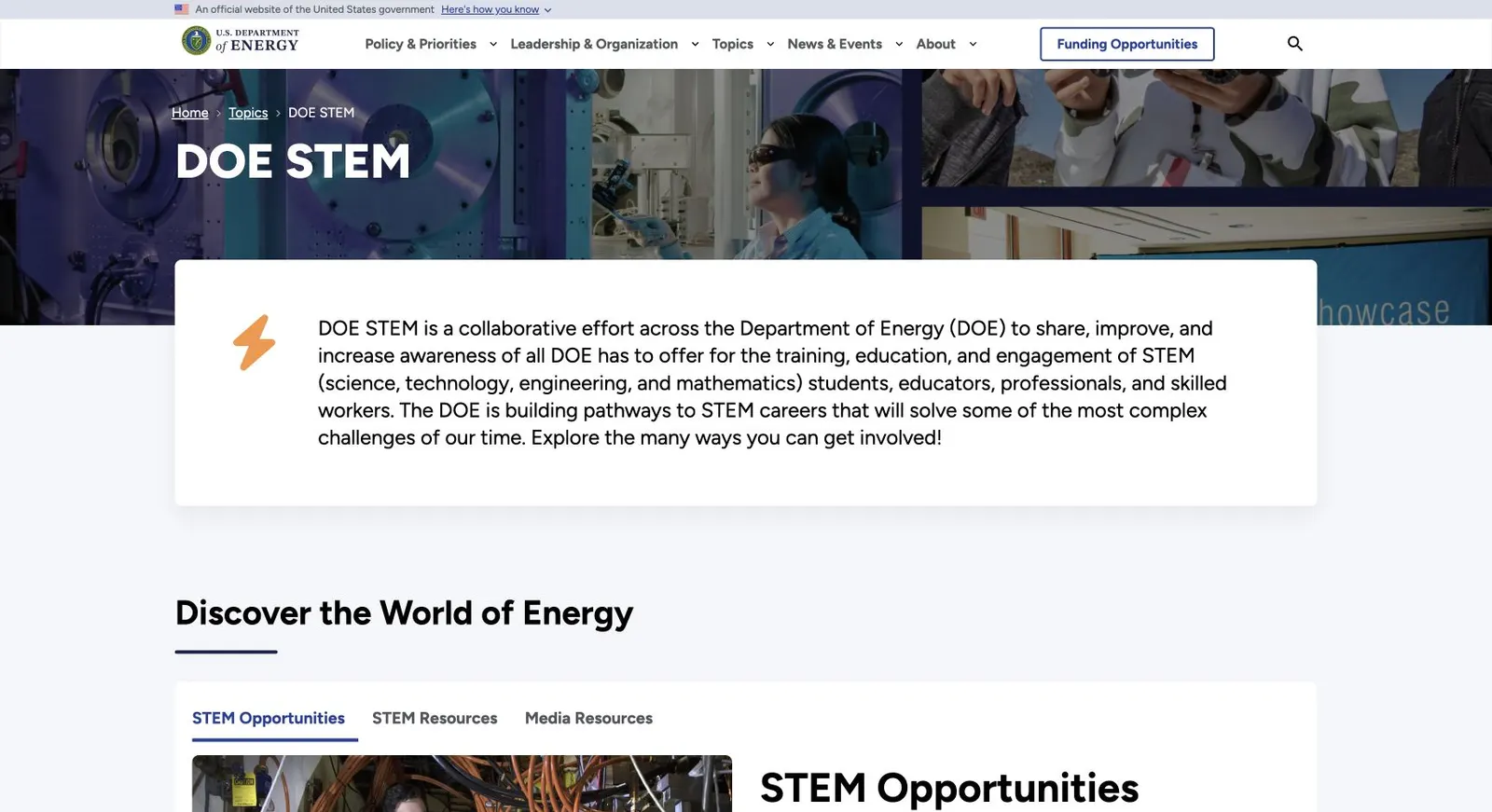
DOE STEM
U.S. Department of Energy STEM opportunities, activities, and learning resources for students, educators, and families. It is listed under Science, Coding, and Maker & DIY for ages 12-18. Children and families can use it through a website and downloadable resources.
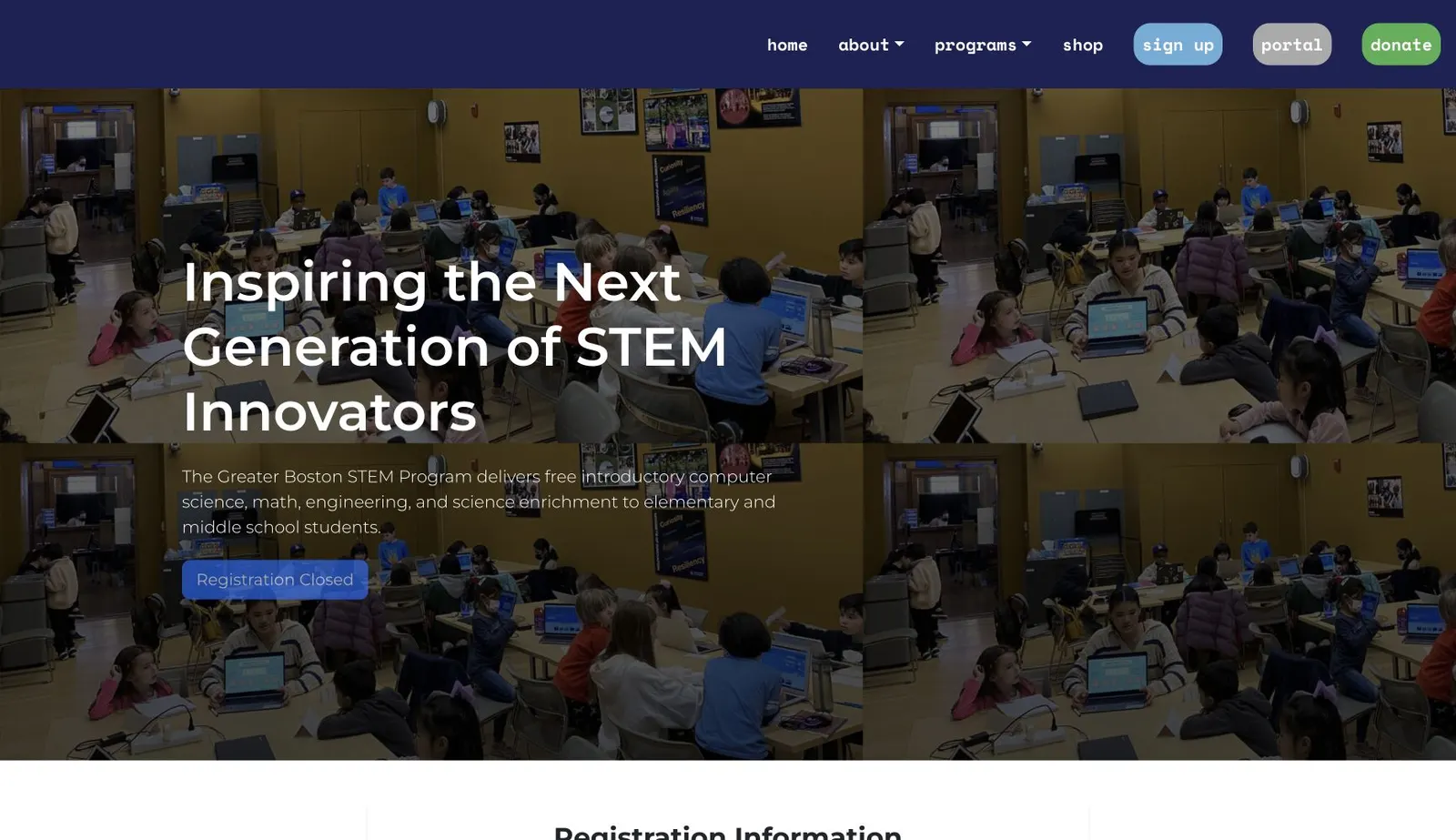
Greater Boston STEM Program
The Greater Boston STEM Program provides free introductory computer science, math, engineering, and science enrichment for elementary and middle-school students through remote or in-person small-group classes. It is listed under Science and Coding for ages 7–14.
Minecraft Education
A game-based learning platform with K–12 lesson libraries, coding, STEM, digital citizenship, and educator training. It is listed under Games, Coding, and Science for ages 8–18. Children and families can use it through a website and downloadable resources.
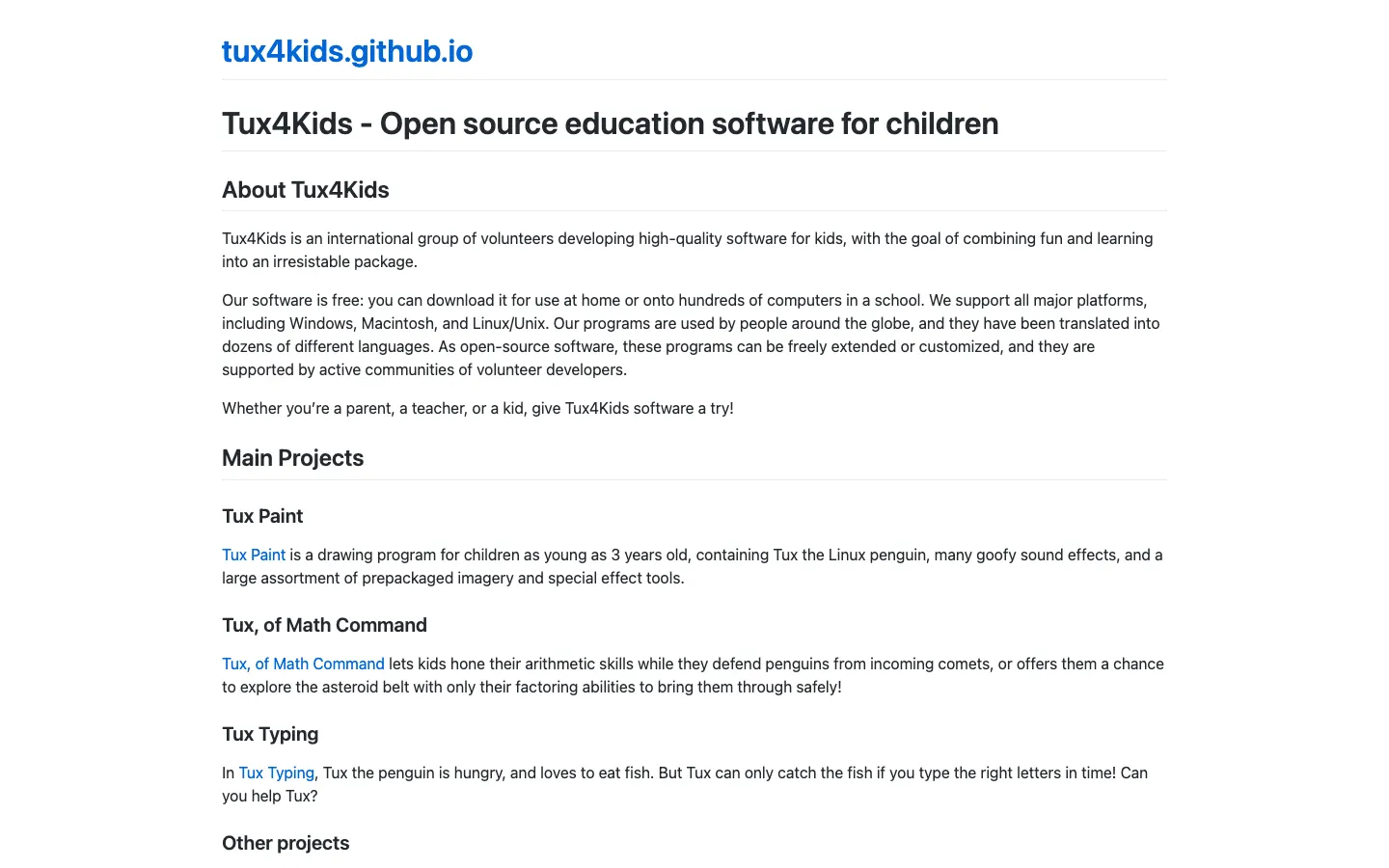
Tux4Kids
Tux4Kids is an open-source project offering free educational software for children, including Tux Paint and other learning-focused desktop activities for home and school use. It suits families and educators who want downloadable creative tools and are comfortable with desktop installation. Adults should check current operating-system support, download sources, accessibility, and setup requirements before use.
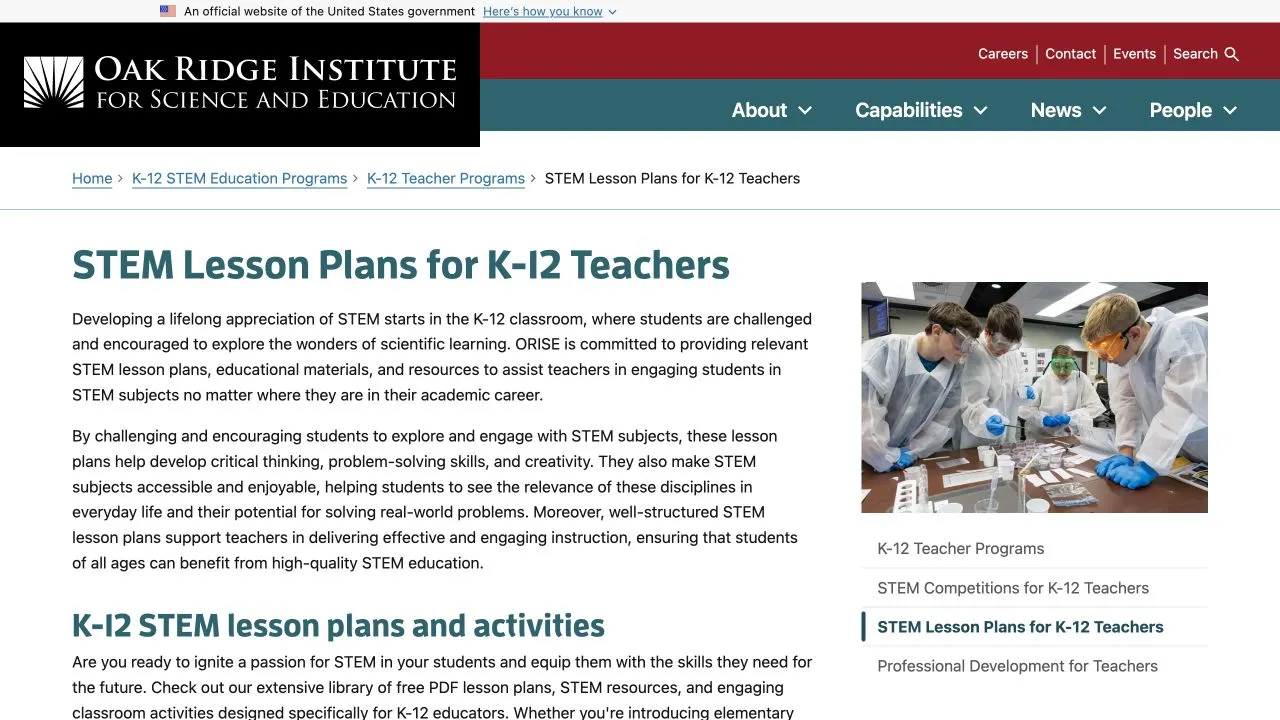
ORISE STEM Lesson Plans for K–12 Teachers
The Oak Ridge Institute for Science and Education provides a library of free K–12 STEM lesson plans, PDFs, activities, games and student opportunities. It is listed under Science and Engineering for ages K–12; lesson-specific.
Stanford Code in Place
Stanford’s Code in Place is a free online introduction to Python based on CS106A, with weekly sections, assignments, a six-week syllabus, and a supportive global learning community. It is listed under Coding and Programming for ages 13–18+.
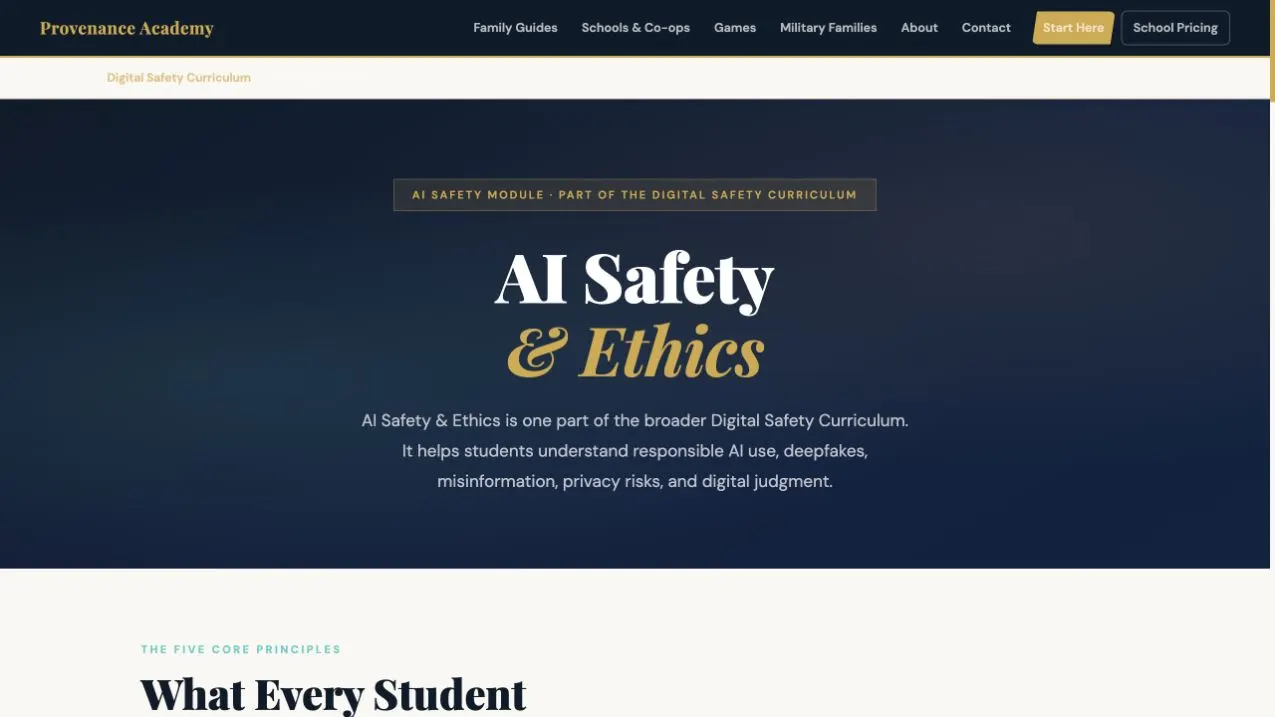
AI Safety and Ethics Guide
A grade-banded AI safety and ethics module covering responsible use, deepfakes, misinformation, privacy, and digital judgment with interactive checks and printable guidance. It is listed under Parent & educator and Coding for ages 5–18.
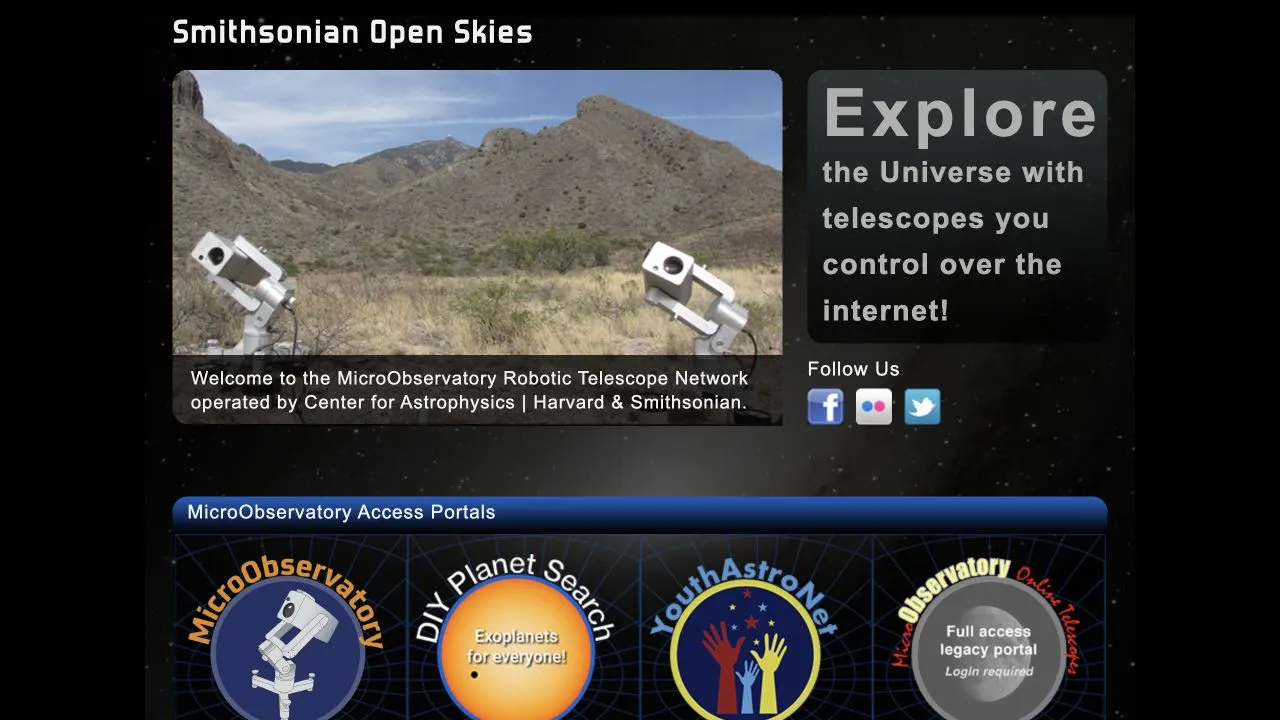
MicroObservatory Robotic Telescope Network
A Smithsonian Astrophysical Observatory and Center for Astrophysics program that lets learners control robotic telescopes online and explore real astronomy images. It is listed under Space and Science for ages 9–18. Children and families can use it through a website and downloadable resources.
Compare with context
Use this collection to find a direction, then open each resource page before sharing it with a child. The individual review shows languages, access formats, tags, age guidance, source links, and notes for grown-ups.
Search the full directory →