Coding Programming
for kids
Explore 12 trusted coding programming resources selected for curious kids, with clear ages, access details, and parent context.
Two useful ways to narrow the directory
This page brings together coding resources that also match programming. Each listing keeps its own age range, platform details, languages, links, and parent notes, so you can compare options without losing context.
Explore all coding resources →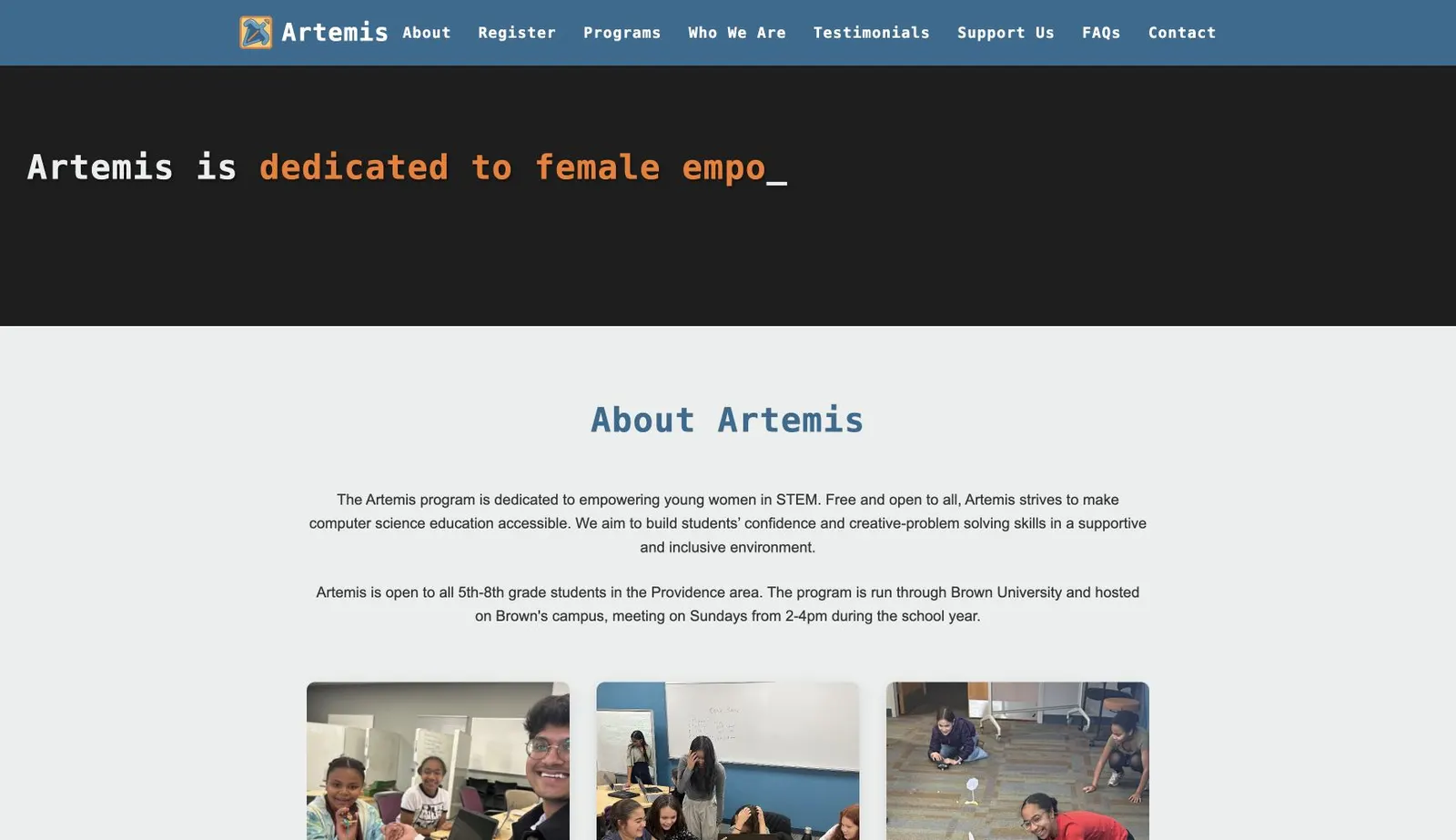
Brown University Artemis Coding Program
Brown University’s Artemis program offers free, supportive computer-science learning for Providence-area students in grades 5–8 through Microbits, Scratch, and Python tracks. It is listed under Coding and Science for ages 10–14. Children and families can use it through a website.
Read the full resource review →More coding picks
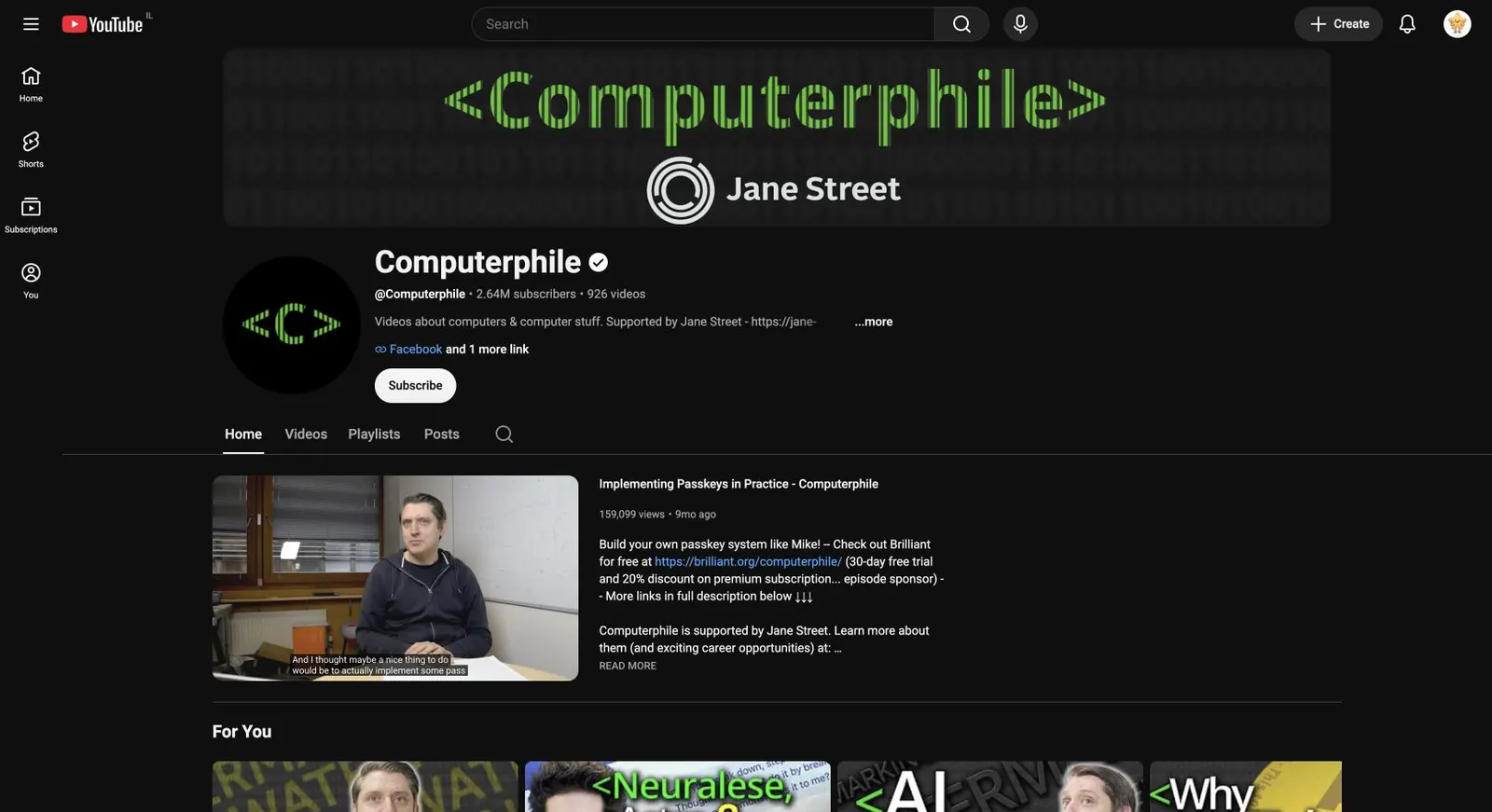
Computerphile
Interviews and demonstrations about computers, programming, cybersecurity, algorithms, hardware, and computer science. It is listed under Coding, Technology, and Mathematics for ages 12–18. Children and families can use it through a YouTube channel. The directory records access as free with paid options and language coverage as English.
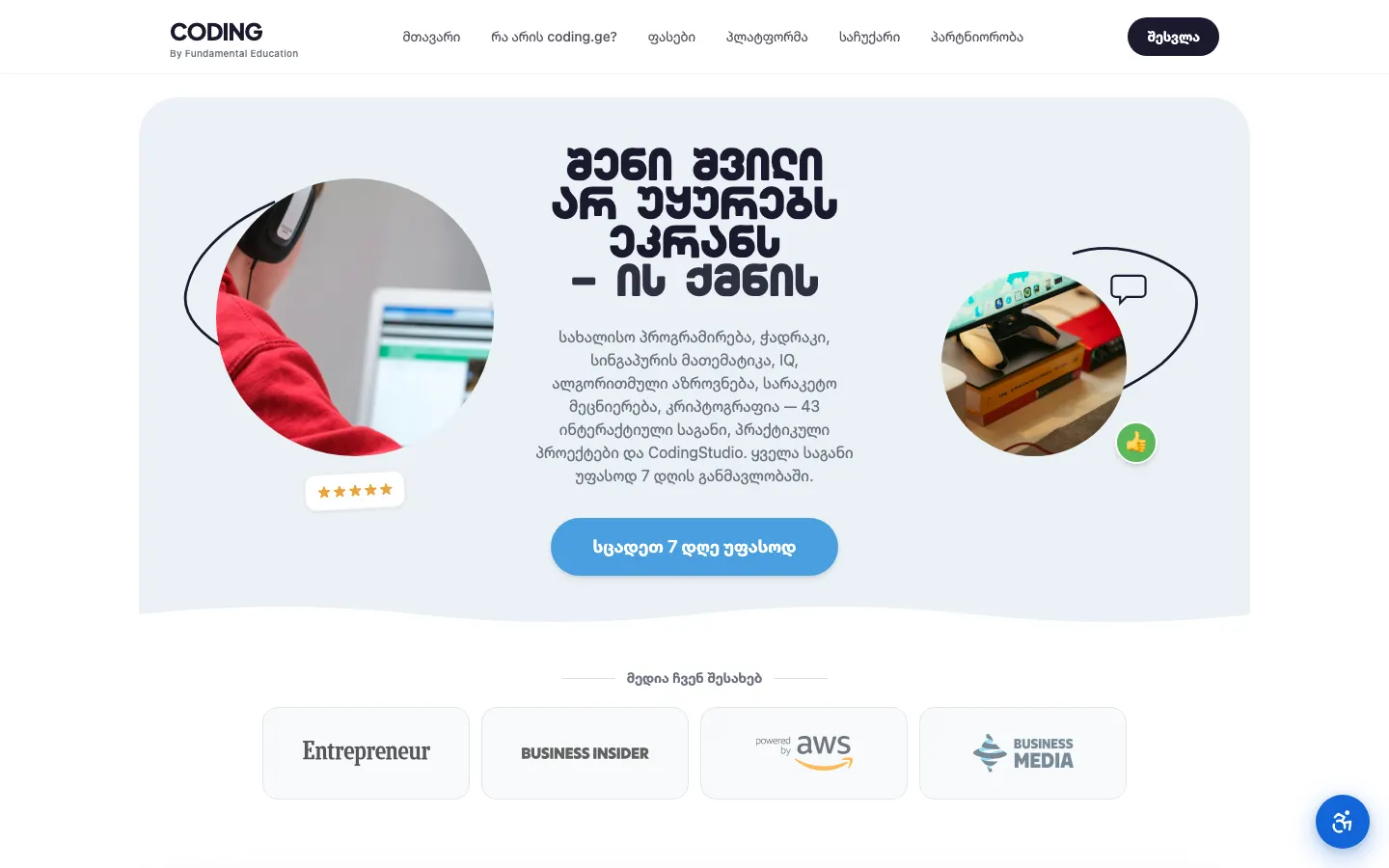
Coding.ge
A Georgian learning platform with interactive programming, mathematics, engineering, geography, language, business, and digital-skills subjects, practical projects, and CodingStudio activities. It is listed under Coding and Mathematics for ages 8–18. Children and families can use it through a website.
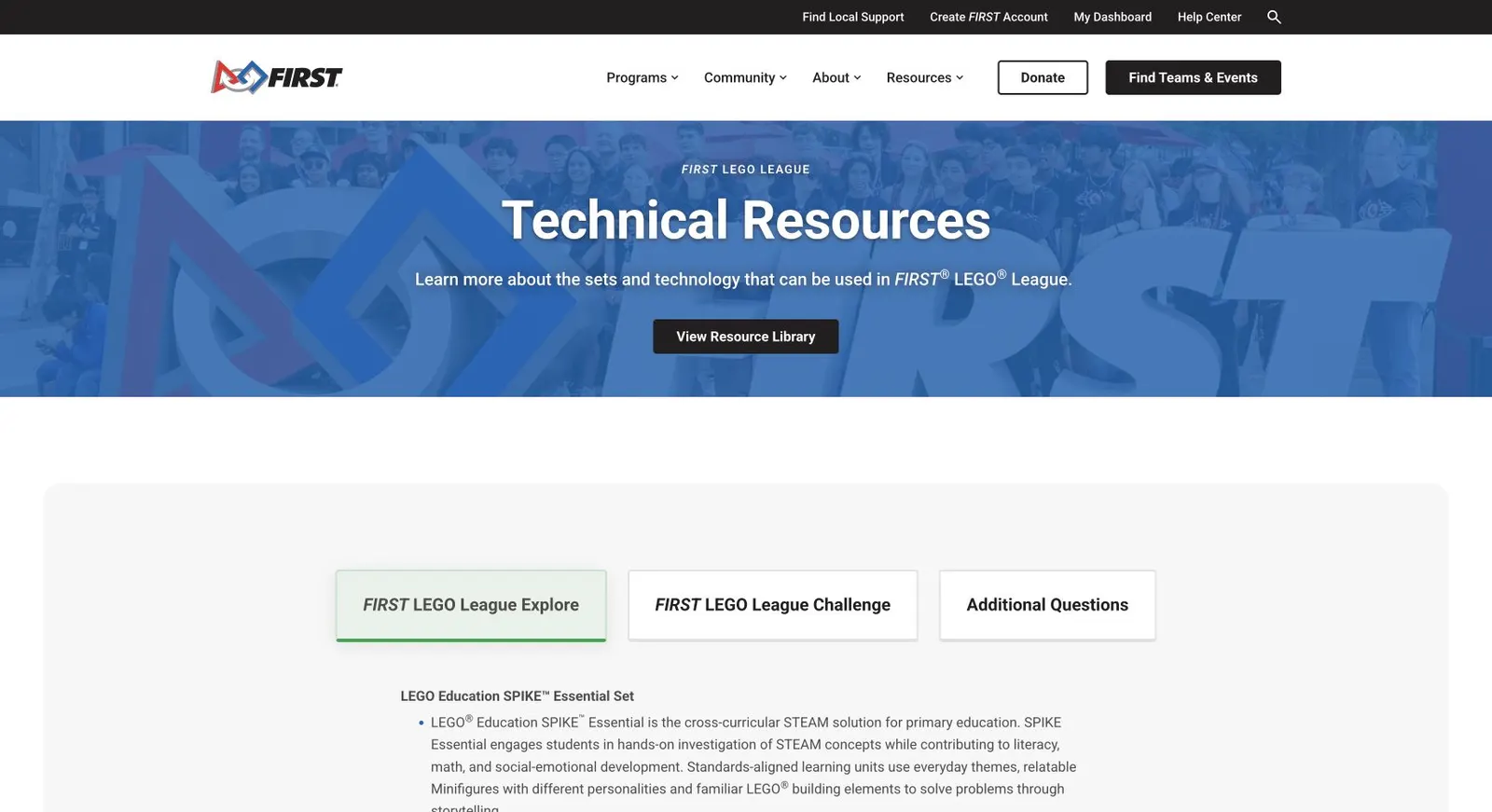
FIRST LEGO League Technical Resources
FIRST LEGO League technical resources support teams with robot-building, programming, engineering design, and challenge-season guidance. It is listed under Engineering and Coding for ages 4–16; division-specific. Children and families can use it through a website.
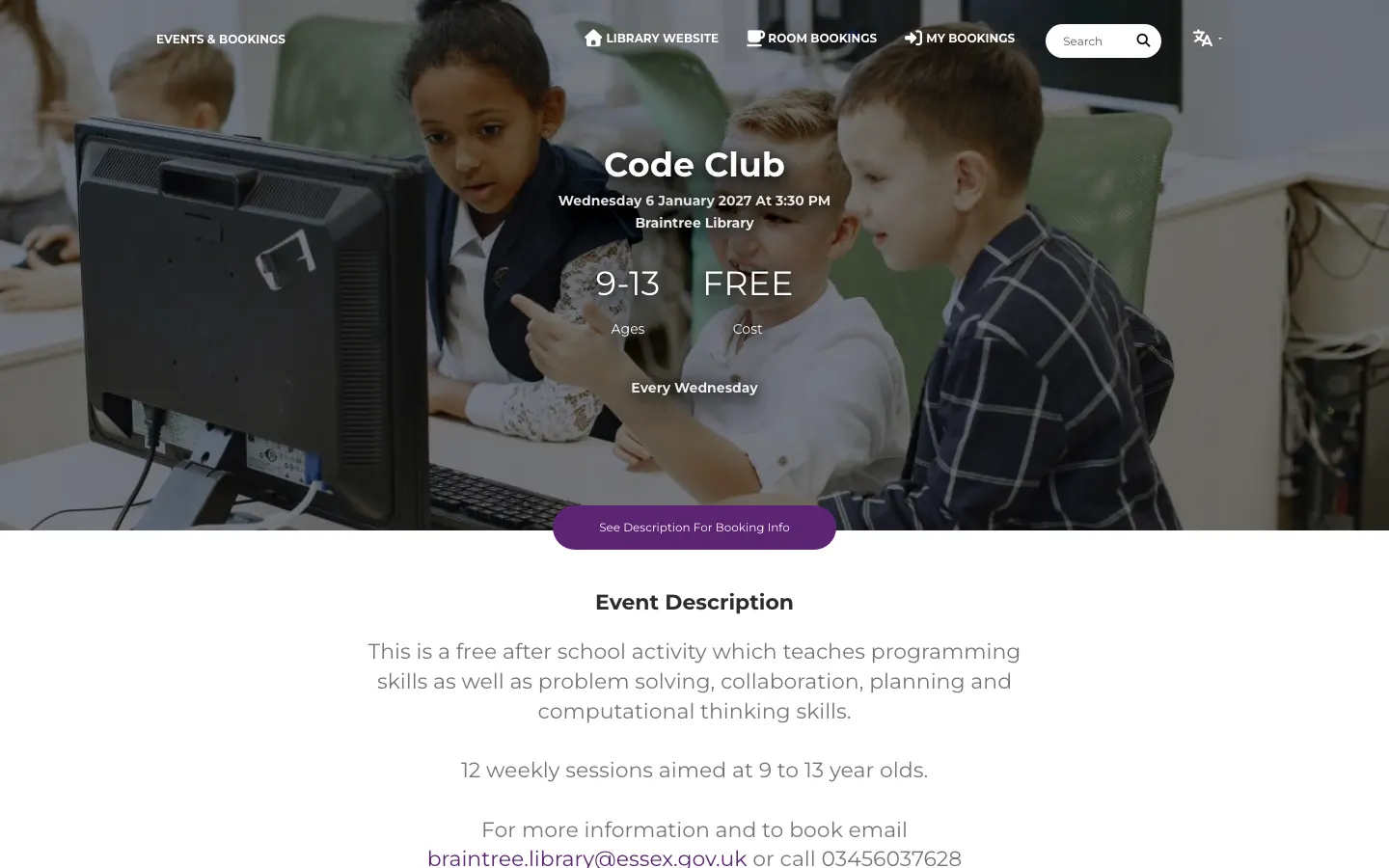
Essex Libraries Code Club
A free twelve-week after-school coding course at Braintree Library teaching programming, problem solving, collaboration, planning, and computational thinking to children ages 9–13. It is listed under Coding and Libraries for ages 9–13. Children and families can use it through a website.
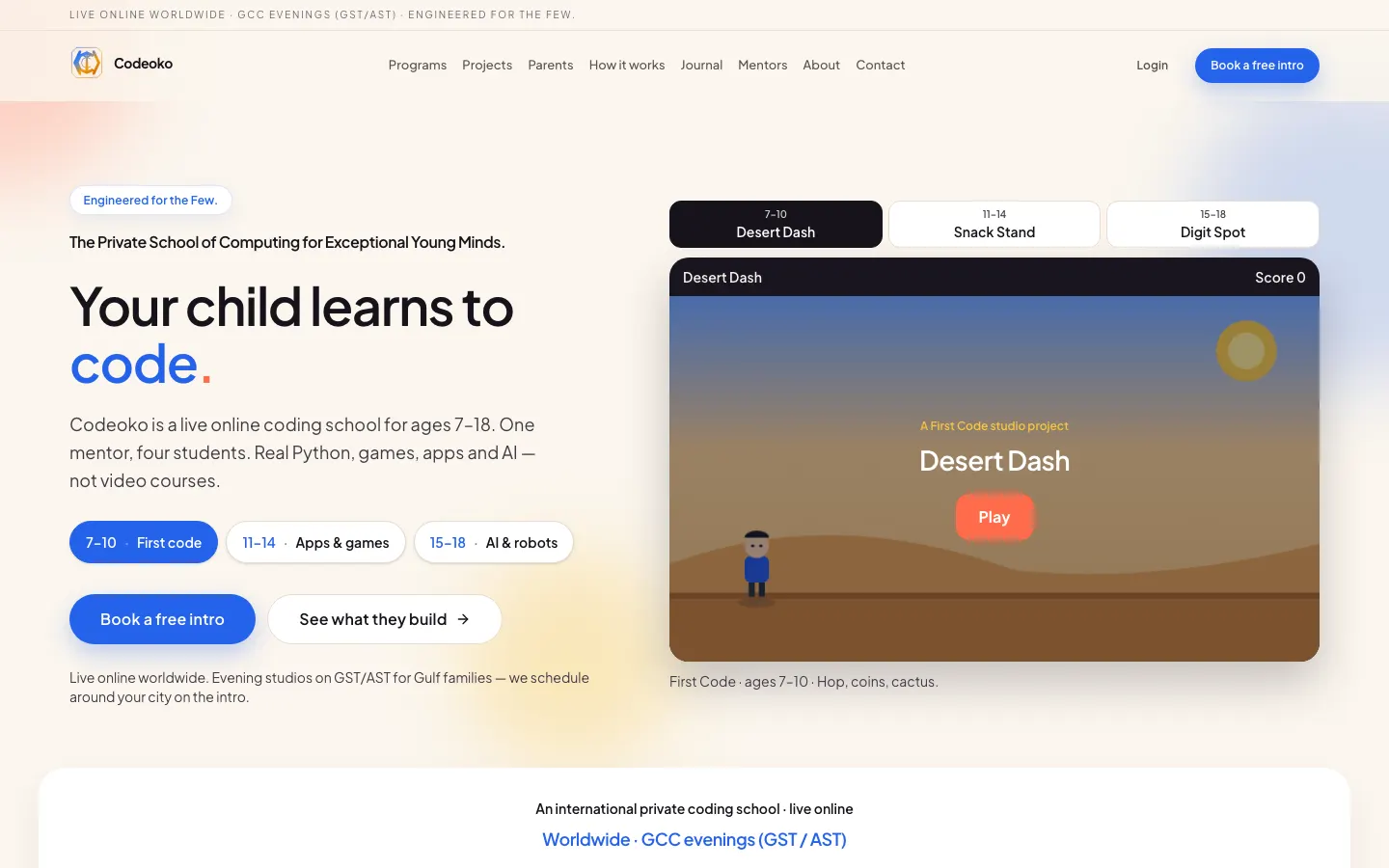
Codeoko
Codeoko is a child-focused coding platform with interactive projects and beginner-friendly web development activities for young learners. It is listed under Coding and Games for ages Children and beginners; exact range not stated. Children and families can use it through a website.
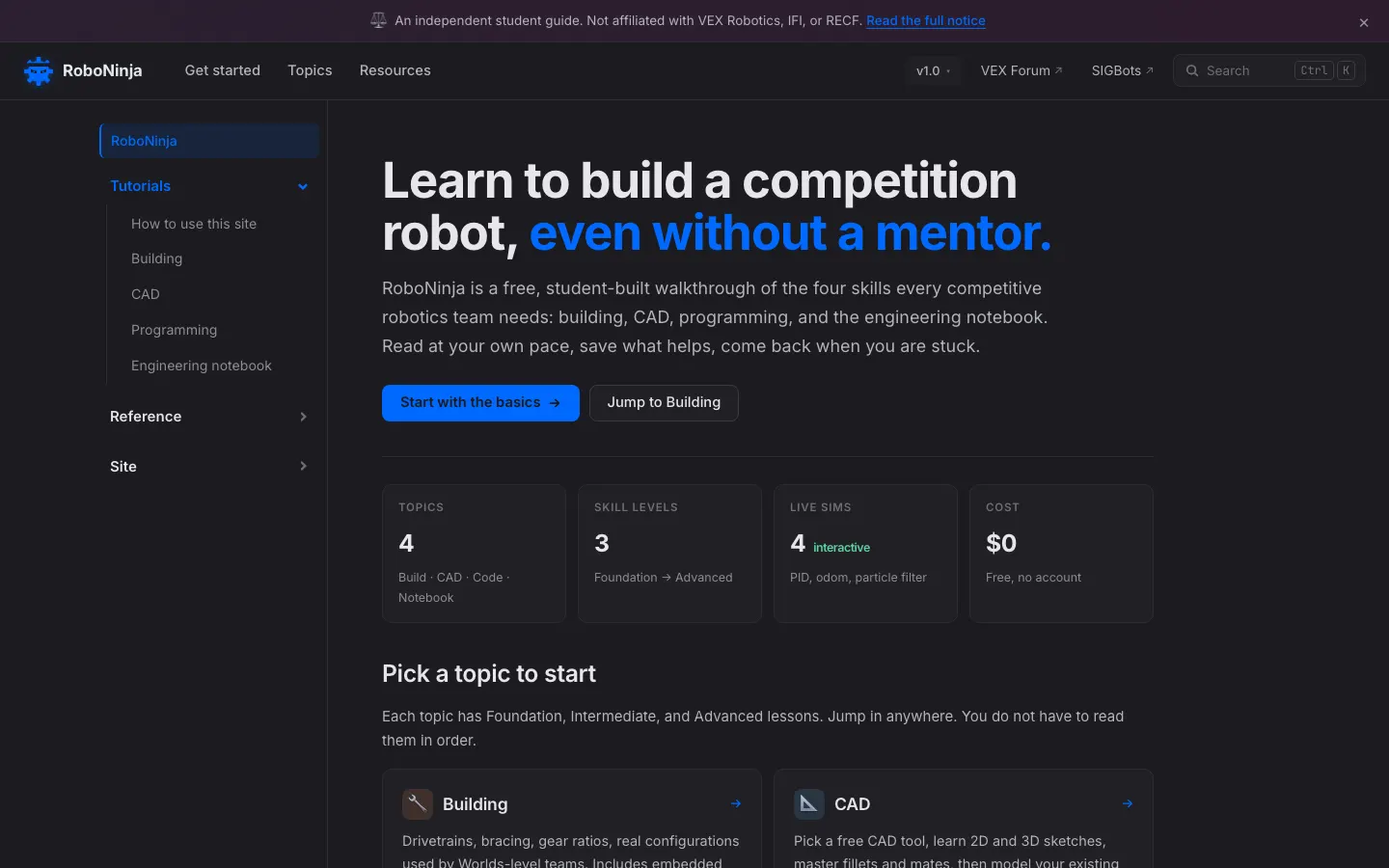
RoboNinja
RoboNinja is a free student-built guide to competitive robotics, with self-paced lessons in building, CAD, programming, engineering notebooks, and interactive simulations. It is listed under Coding and Robotics for ages 10–18. Children and families can use it through a website.
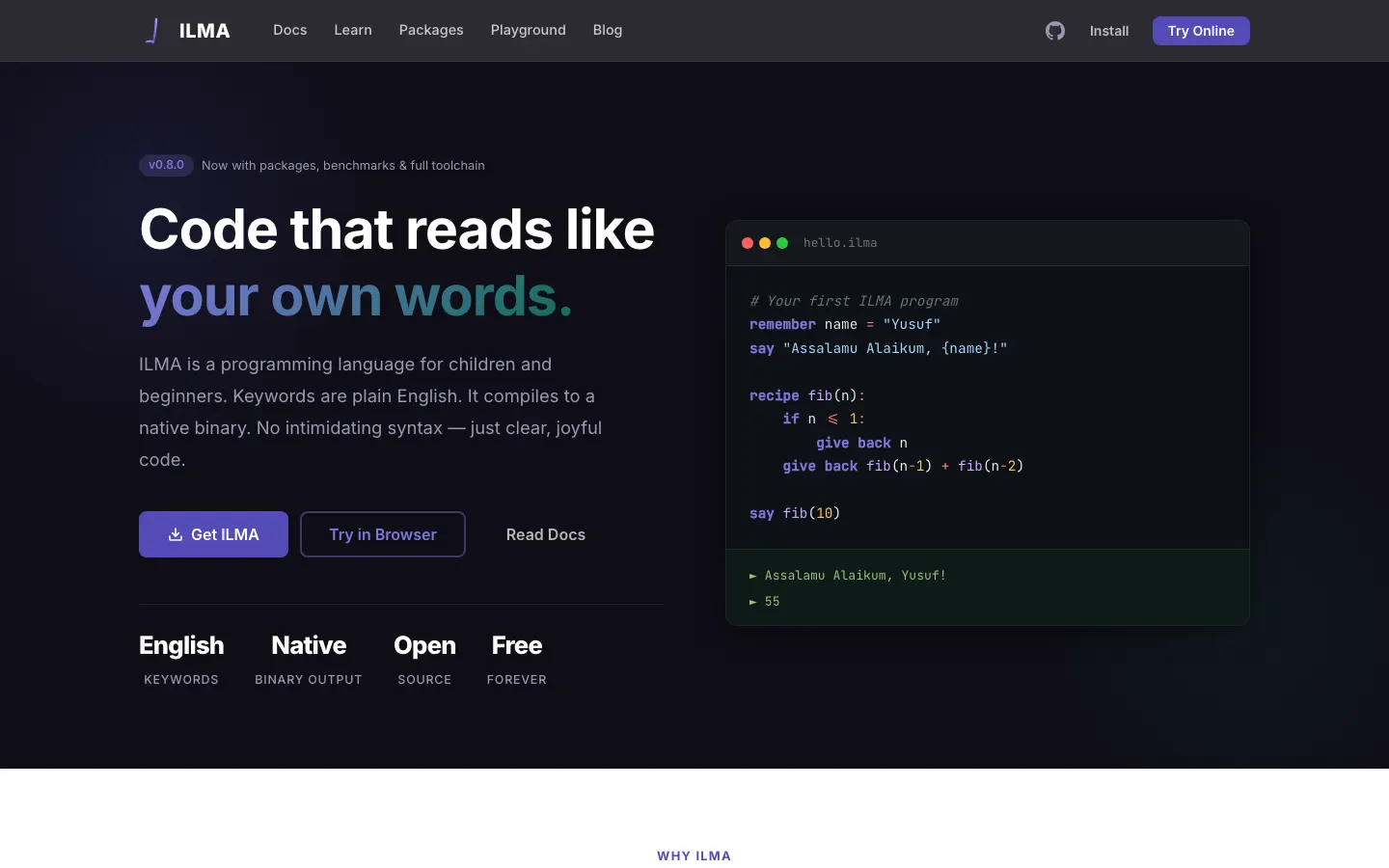
ILMA
ILMA is an English-like programming language and browser playground designed to make first coding steps readable, visual, and approachable for children and beginners. It is listed under Coding and Mathematics for ages 8+. Children and families can use it through a website.
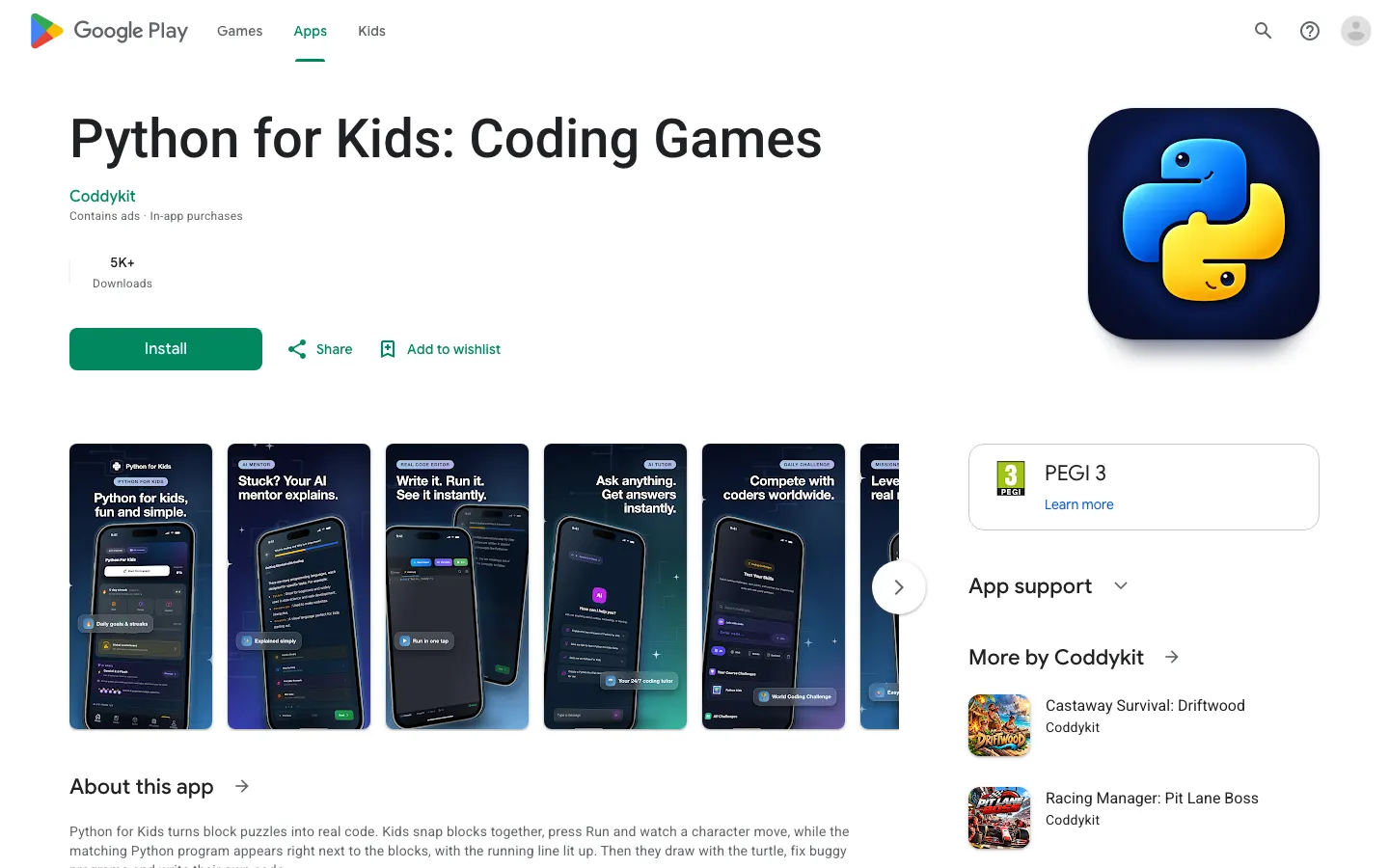
Python for Kids
Python for Kids introduces children to Python through beginner lessons and AI-assisted code generation based on simple commands. It is listed under Coding and Apps for ages Children. Children and families can use it through an Android app.
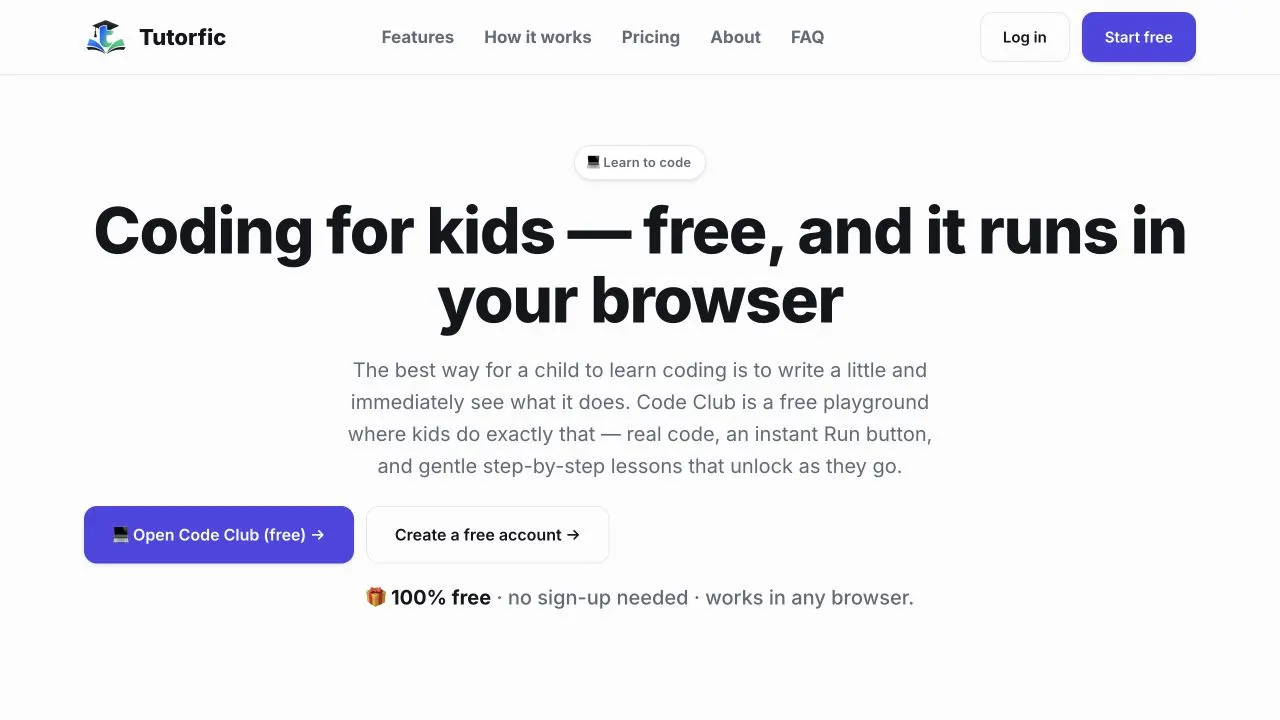
Tutorfic Code Club
A free browser coding club with guided lessons and projects spanning blocks, HTML, JavaScript, SQL, and Python, with no sign-up or ads. It is listed under Coding and Maths & logic for ages 6–16.
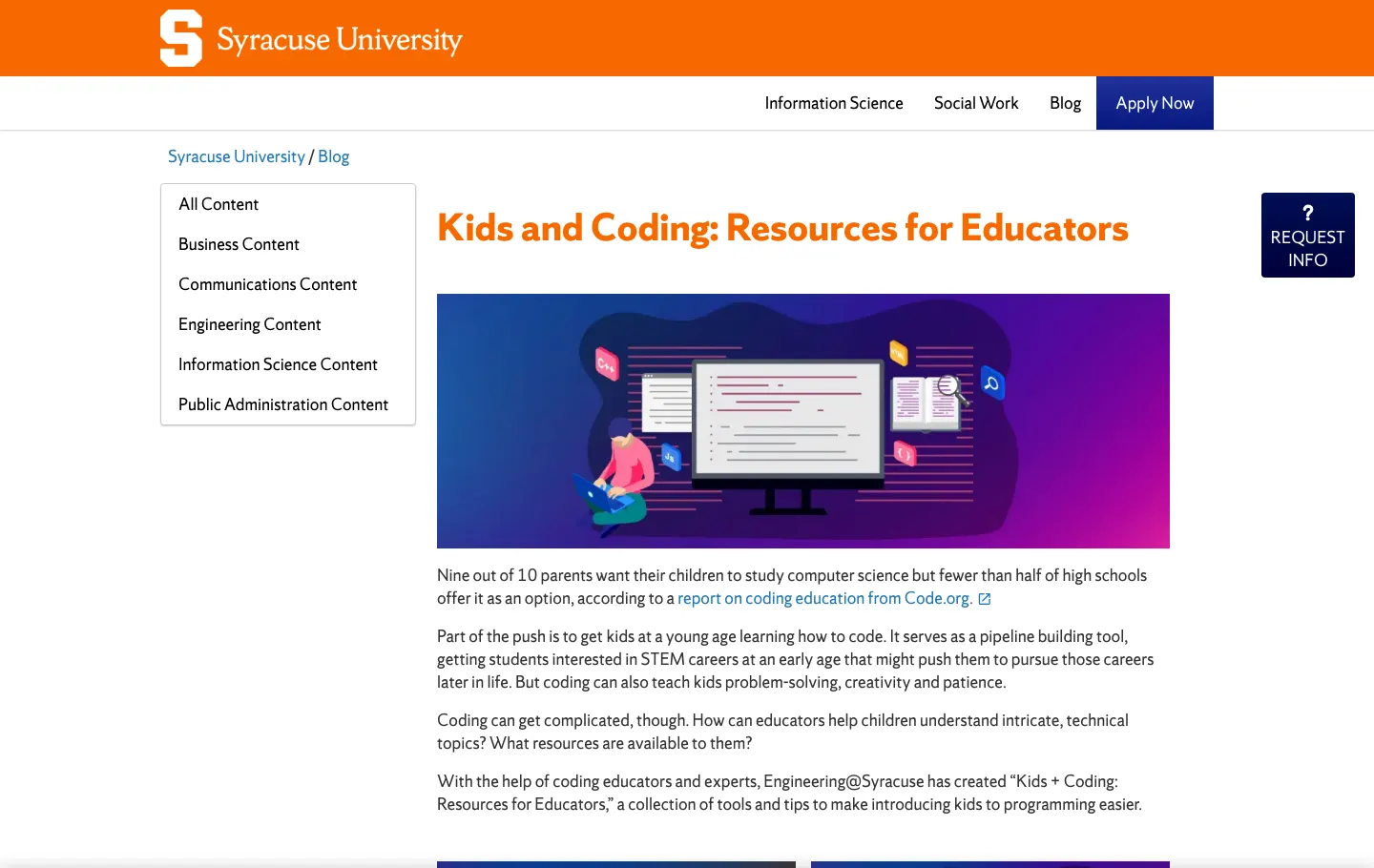
Syracuse University Kids + Coding Resources
Syracuse University Engineering@Syracuse presents a collection of coding tools and educator tips for introducing children to programming, with linked explainers on coding terms, teaching approaches, languages, and learning tools. It is listed under Coding and Technology for ages 6–14.
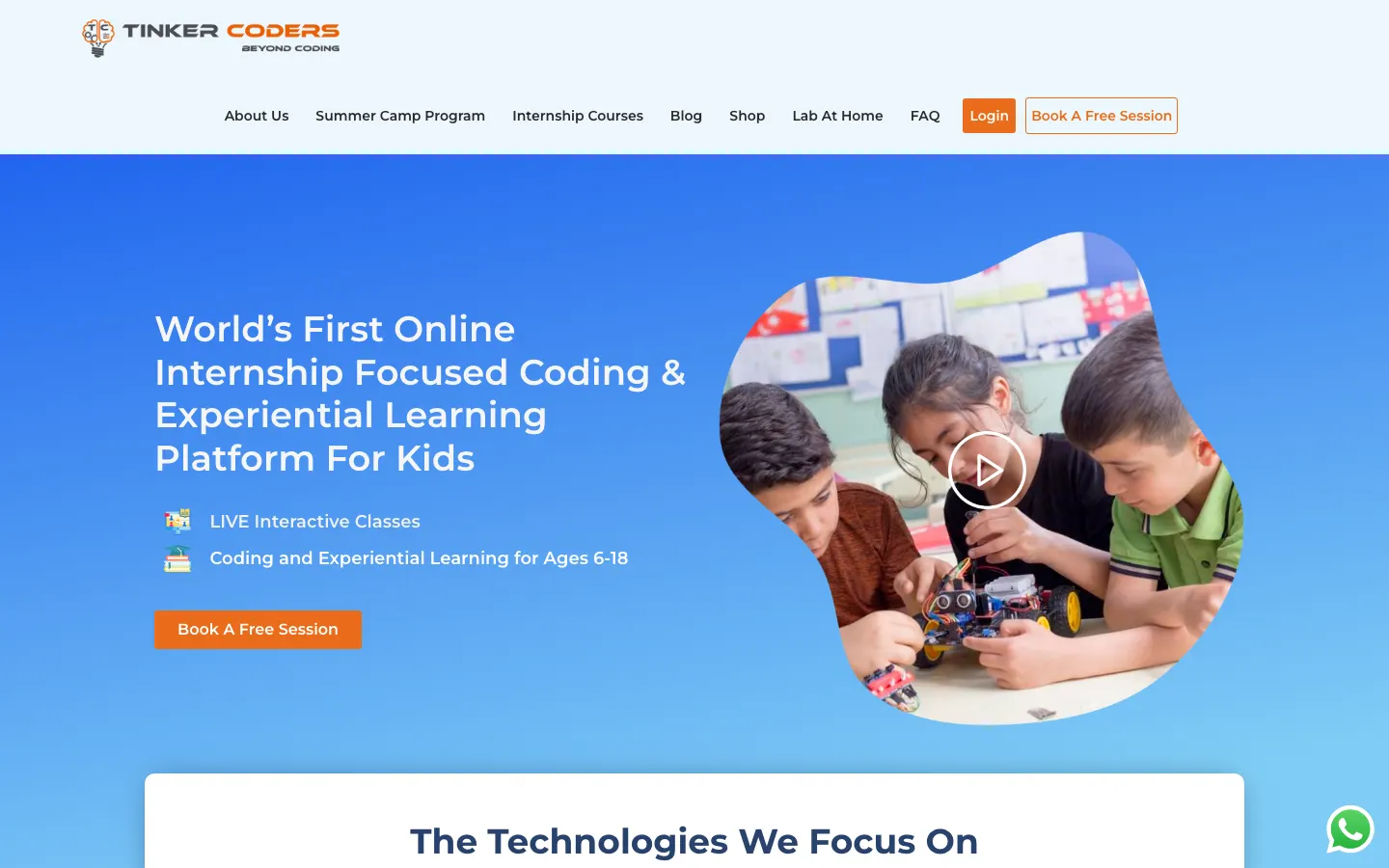
Tinker Coders
Tinker Coders offers project-based online coding and experiential learning for children and teens, with courses designed around making games, apps, websites, and other technology projects. It is listed under Coding and Technology for ages 6–18.
Compare with context
Use this collection to find a direction, then open each resource page before sharing it with a child. The individual review shows languages, access formats, tags, age guidance, source links, and notes for grown-ups.
Search the full directory →