Coding places
for kids
Explore 15 trusted coding places selected for curious kids, with clear ages, access details, and parent context.
Two useful ways to narrow the directory
This page brings together coding resources that also match places. Each listing keeps its own age range, platform details, languages, links, and parent notes, so you can compare options without losing context.
Explore all coding resources →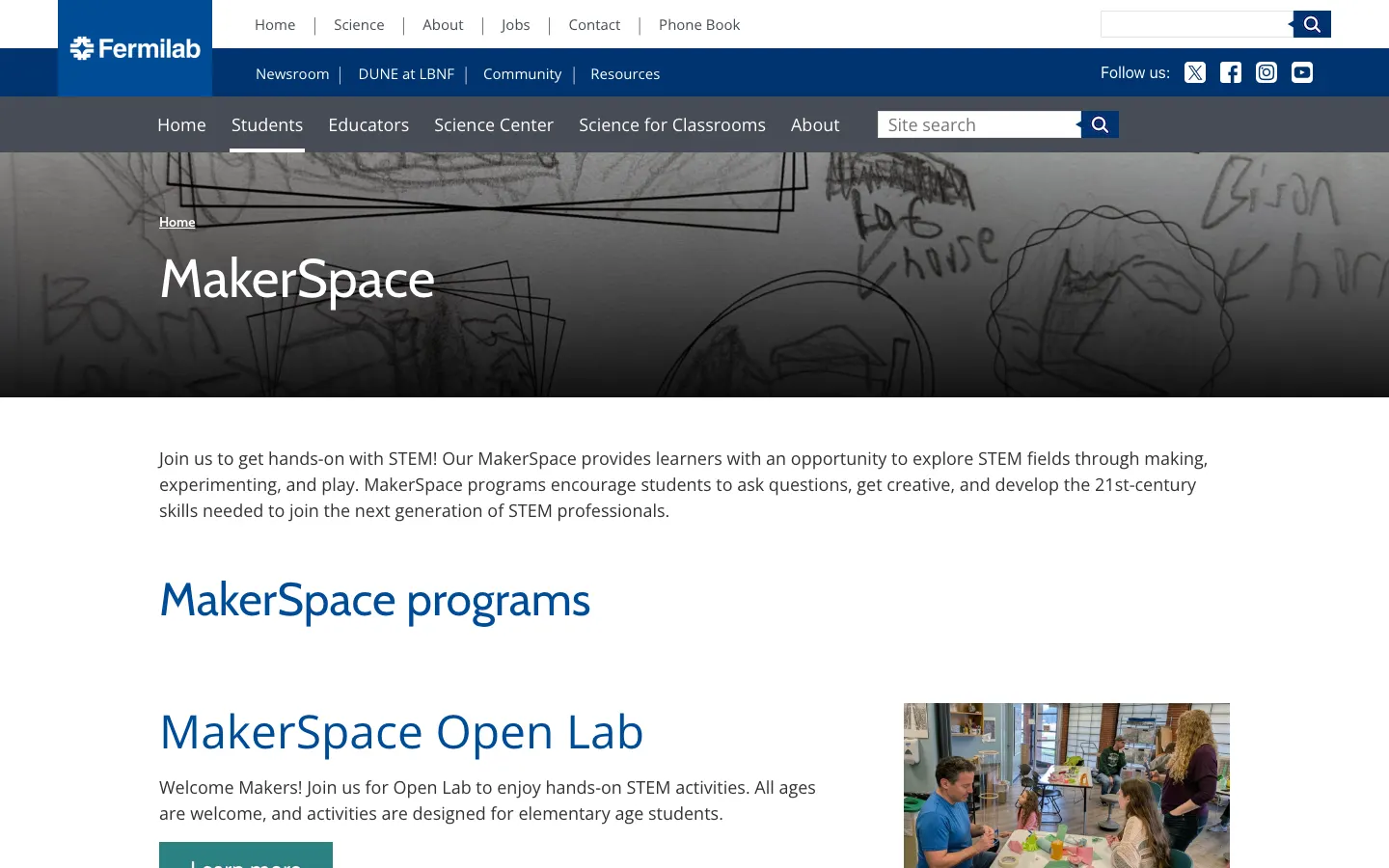
Fermilab MakerSpace
Fermilab MakerSpace provides open labs, STEM Spotlight activities, physics projects, and maker learning that connect children and families with science careers and experimentation. It is listed under Science and Coding for ages Elementary age; programs 8–14.
Read the full resource review →More coding picks
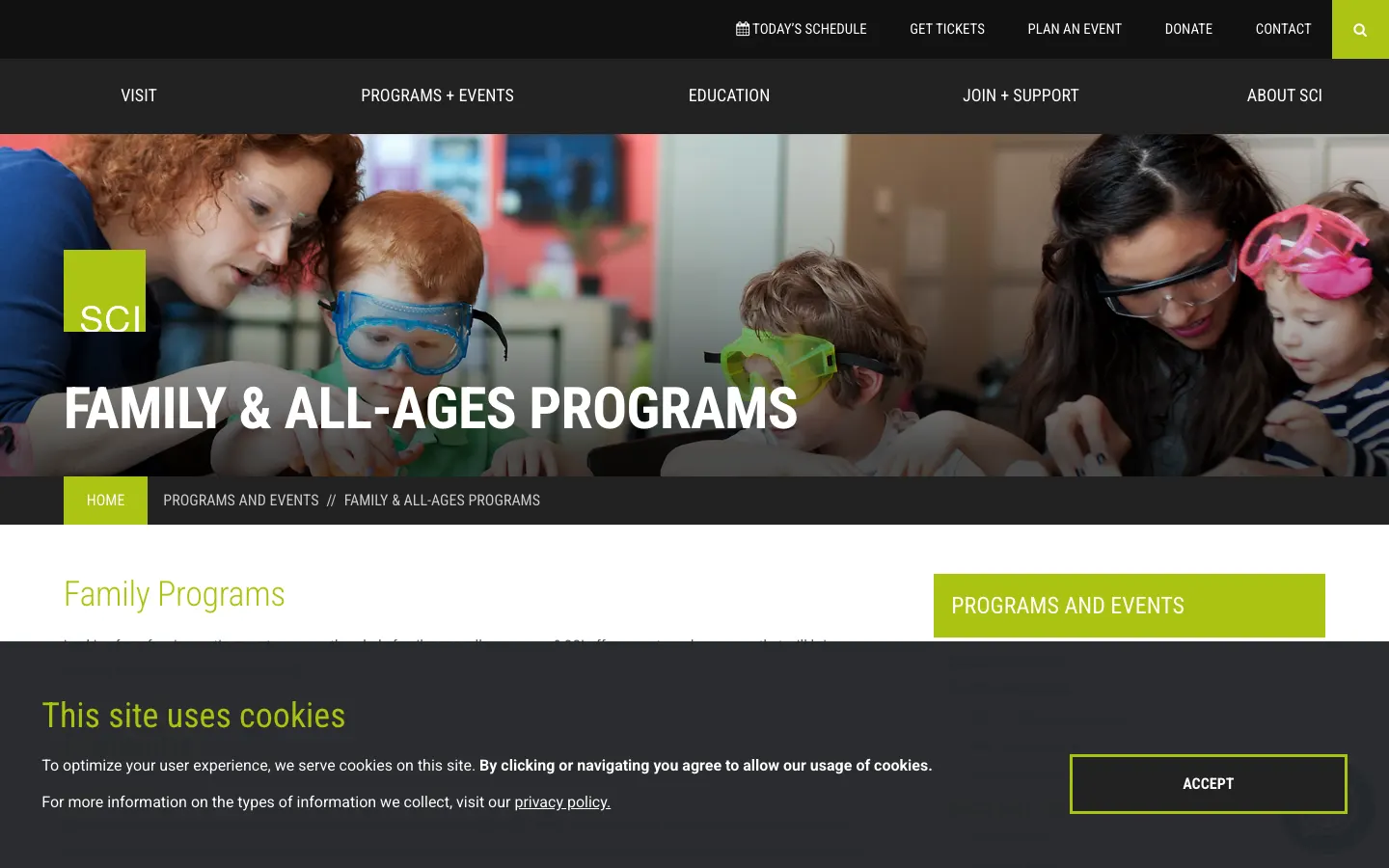
Science Center of Iowa Family Programs
Science Center of Iowa family programs include star parties, hands-on innovation activities, sensory-friendly hours, and playful introductions to responsible AI and science. It is listed under Science and Space for ages 2–12 with family; program-specific.
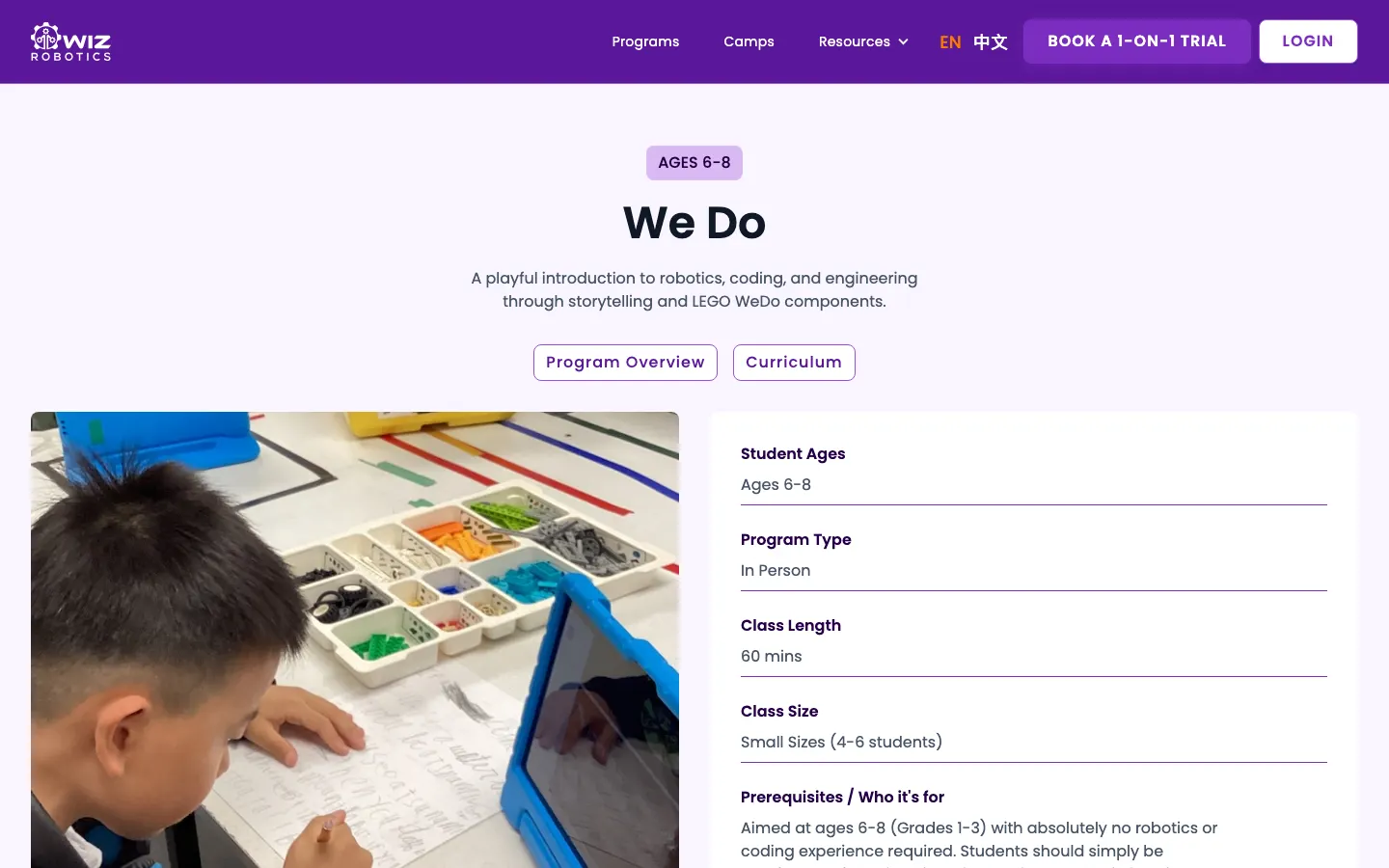
Wiz Robotics We Do
Wiz Robotics We Do is an in-person introduction to robotics, coding, and engineering through storytelling and LEGO WeDo components, with small-group sessions for beginners. It is listed under Coding and Robotics for ages 6–8.
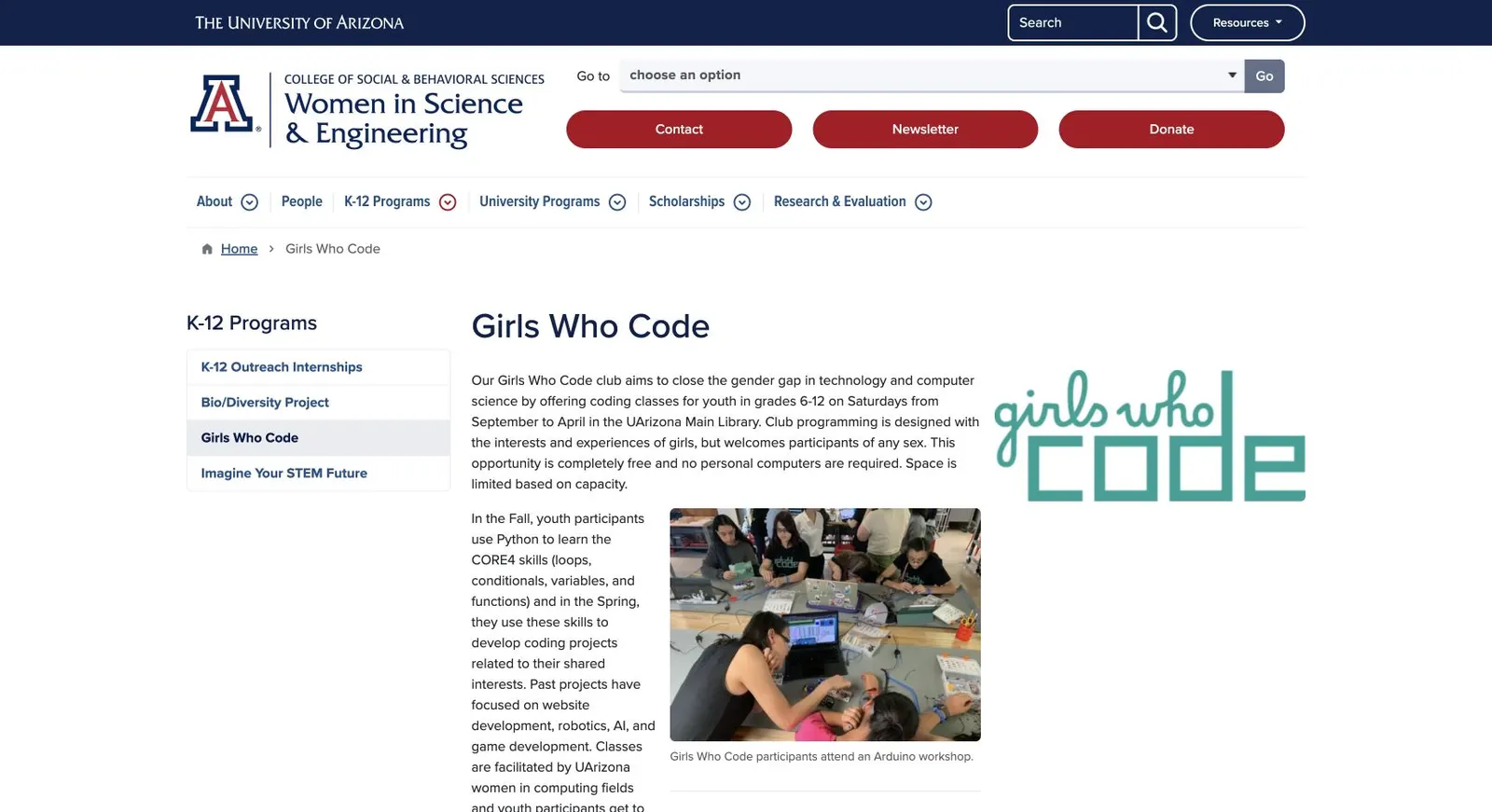
UArizona Girls Who Code Club
The University of Arizona’s Girls Who Code club offers free Saturday coding classes for grades 6–12, including Python, Arduino, robotics, AI, website development, and game projects. It is listed under Coding and Science for ages 11–18.
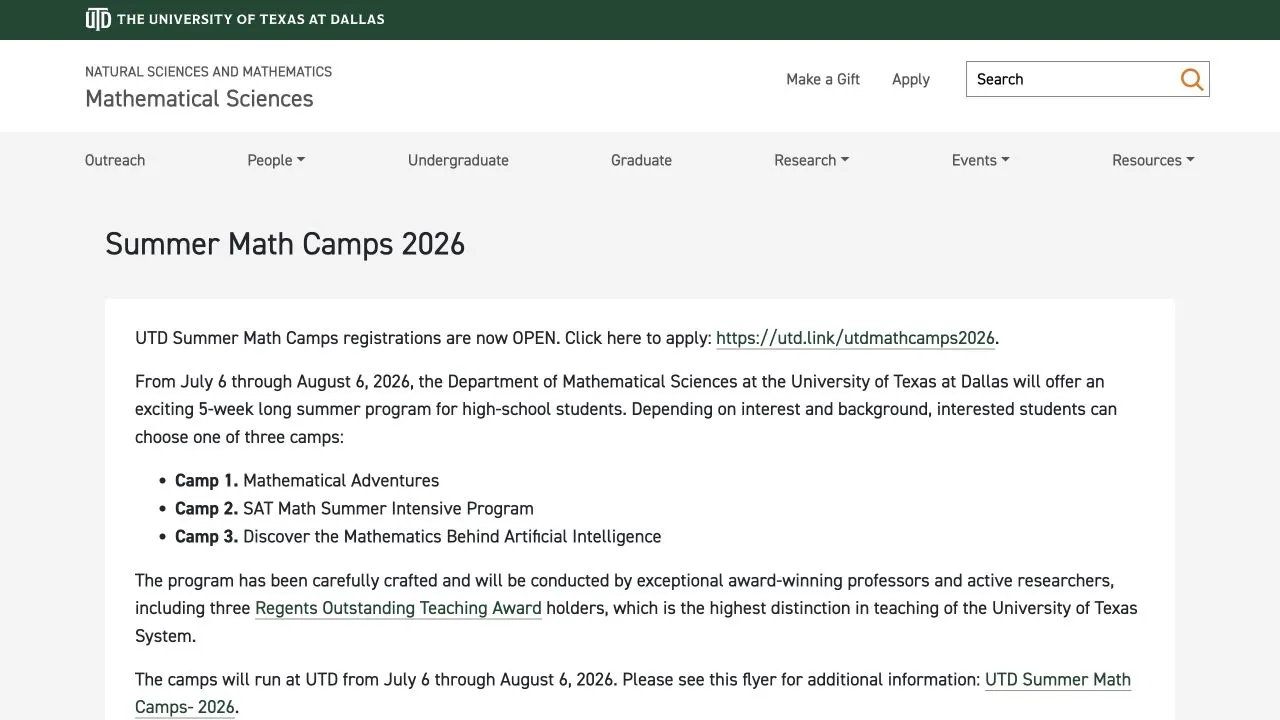
UTD Summer Math Camps 2026
The University of Texas at Dallas 2026 Summer Math Camps offer five-week programmes for high-school students in Mathematical Adventures, SAT Math, and Mathematics Behind Artificial Intelligence, with in-person and online components.
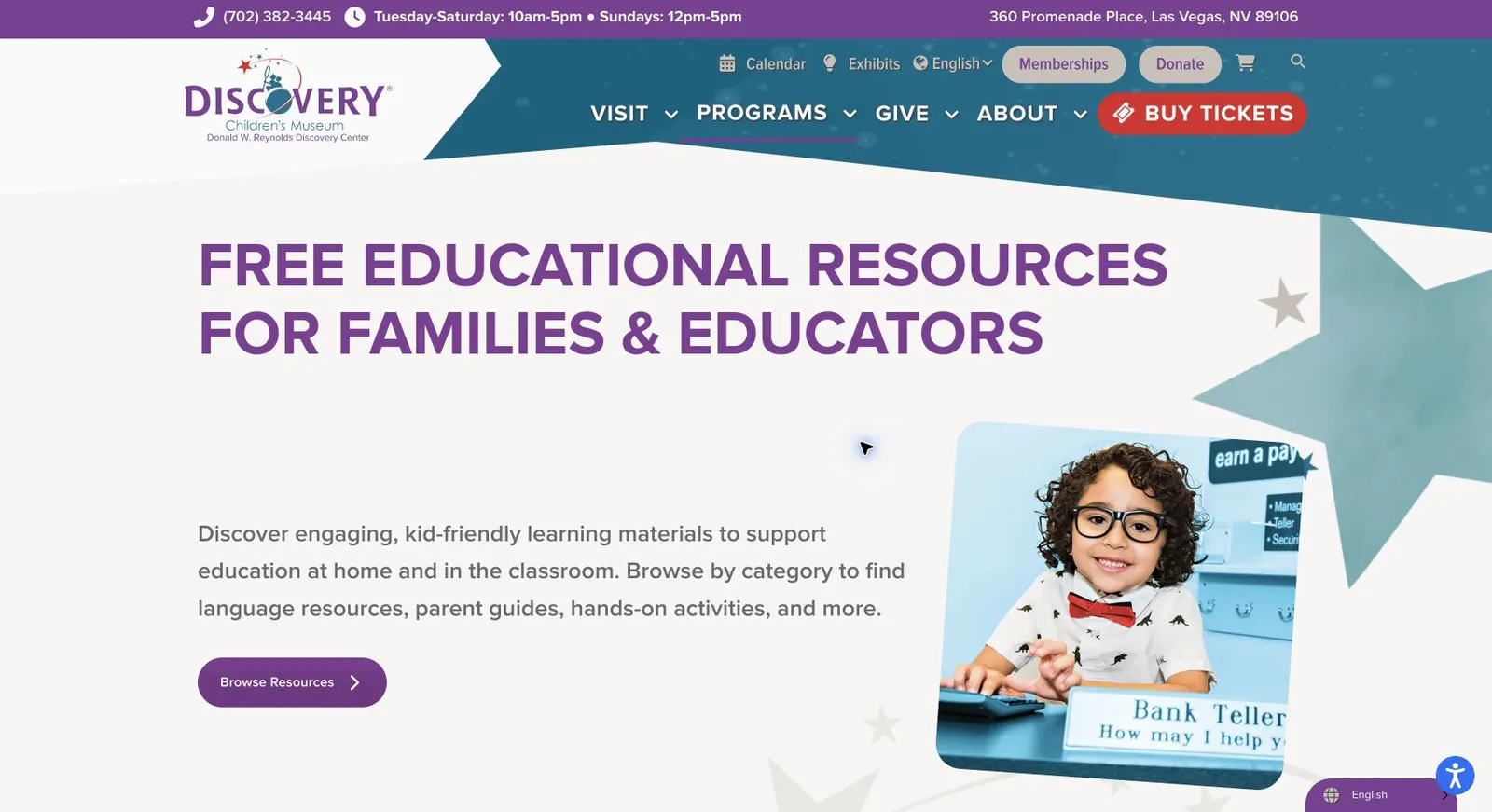
Discovery Children's Museum Resources
Free family and educator activities from Discovery Children's Museum, including STEM, coding, math, creative projects, books, games, and accessibility resources. It is listed under Science, Coding, and Art & creativity for ages 2-12. Children and families can use it through a website and a physical place.
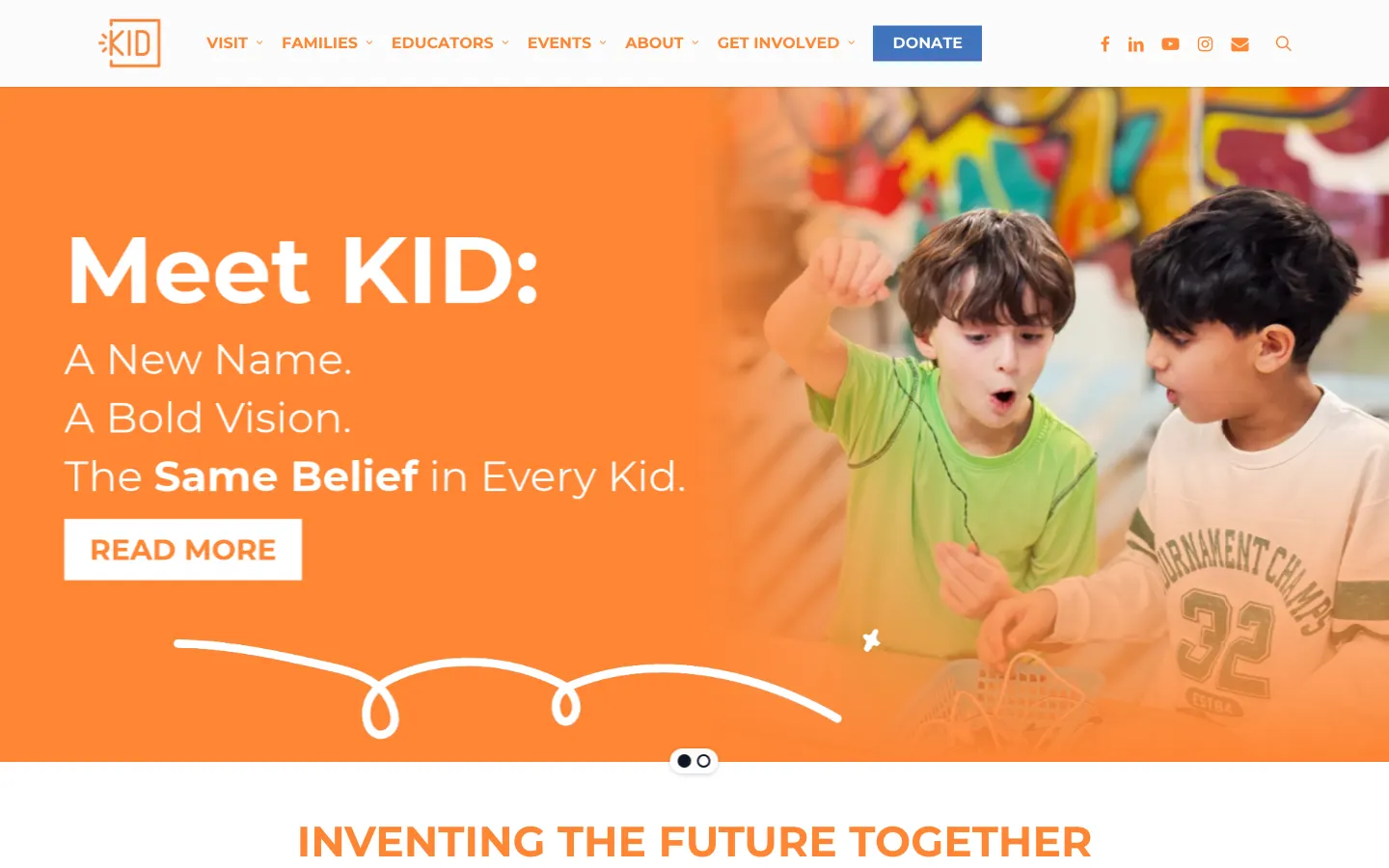
KID Museum
A hands-on maker museum with coding, robotics, engineering, electronics, woodshop, textiles, and design challenges. It is listed under Maker & DIY, Science, and Coding for ages 3-18. Children and families can use it through a website and a physical place.
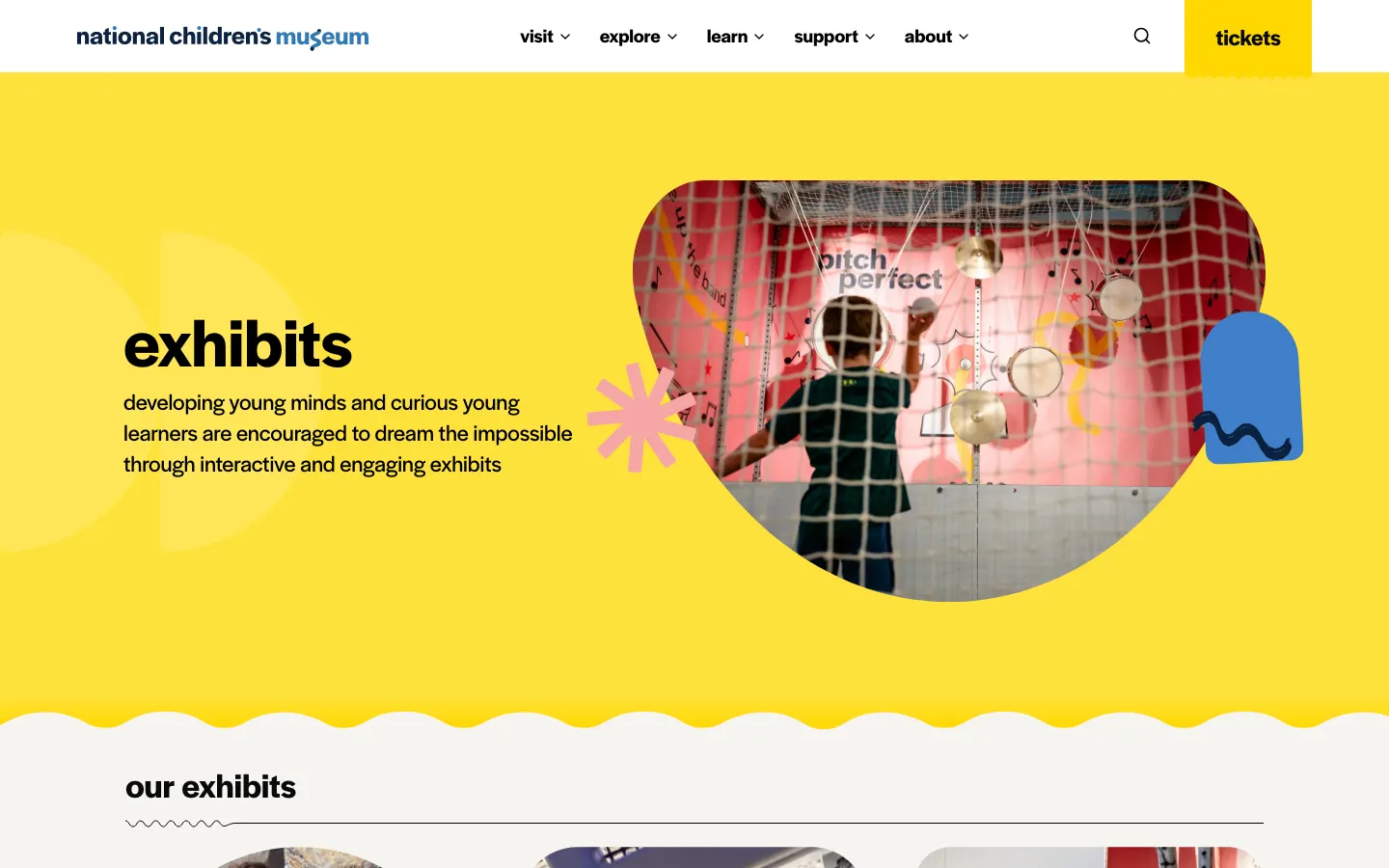
National Children’s Museum Exhibits
National Children’s Museum’s exhibit collection offers play-based science, data, engineering, climate, art, and technology experiences with clear age recommendations for children from infancy through 12. It is listed under Science and Coding for ages 0–12.
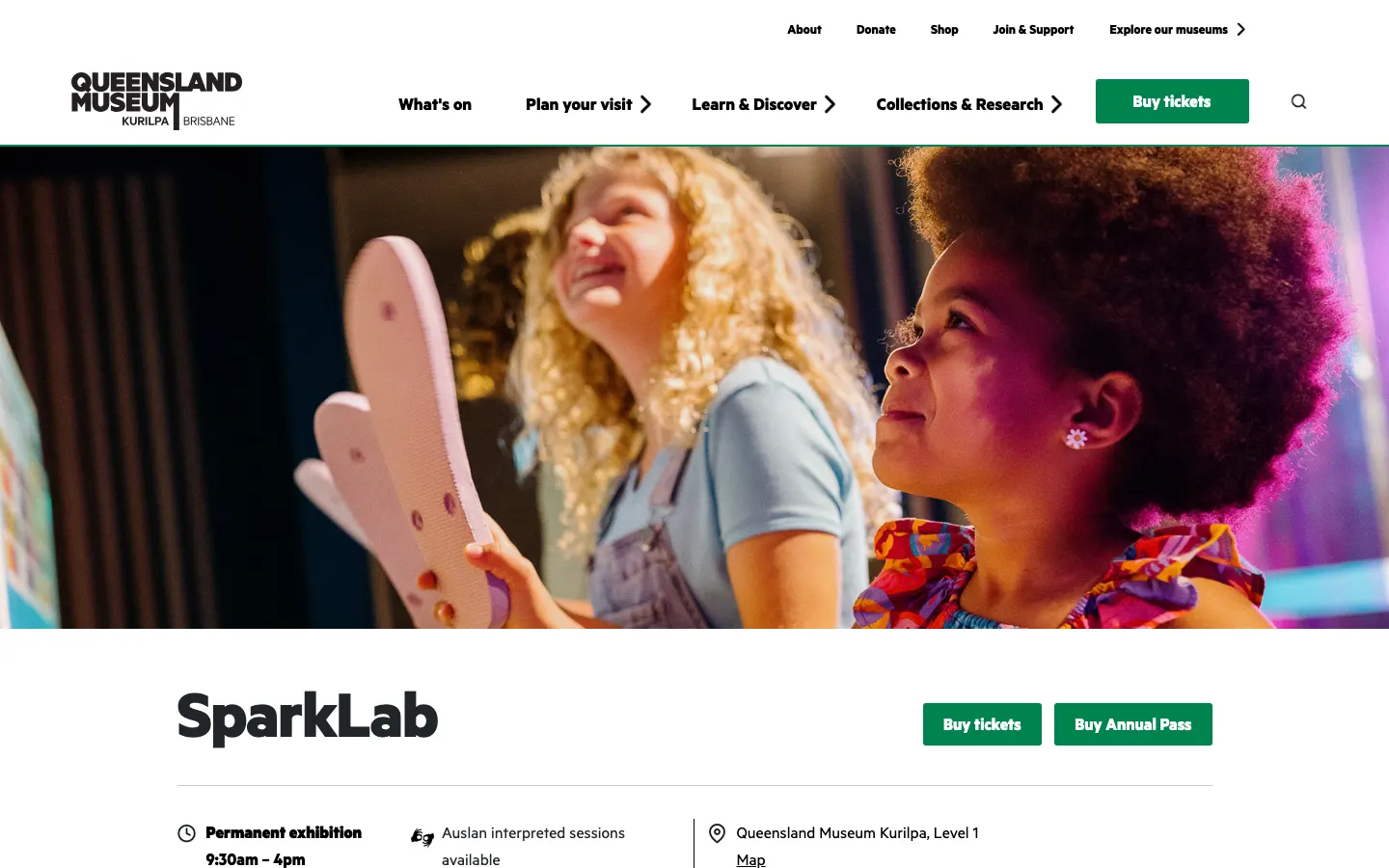
SparkLab
SparkLab is Queensland Museum Kurilpa’s interactive STEM space for children ages 6–13, with hands-on activities in science, technology, engineering, and mathematics. It is listed under Science and Coding for ages 6–13. Children and families can use it through a website and a physical place.
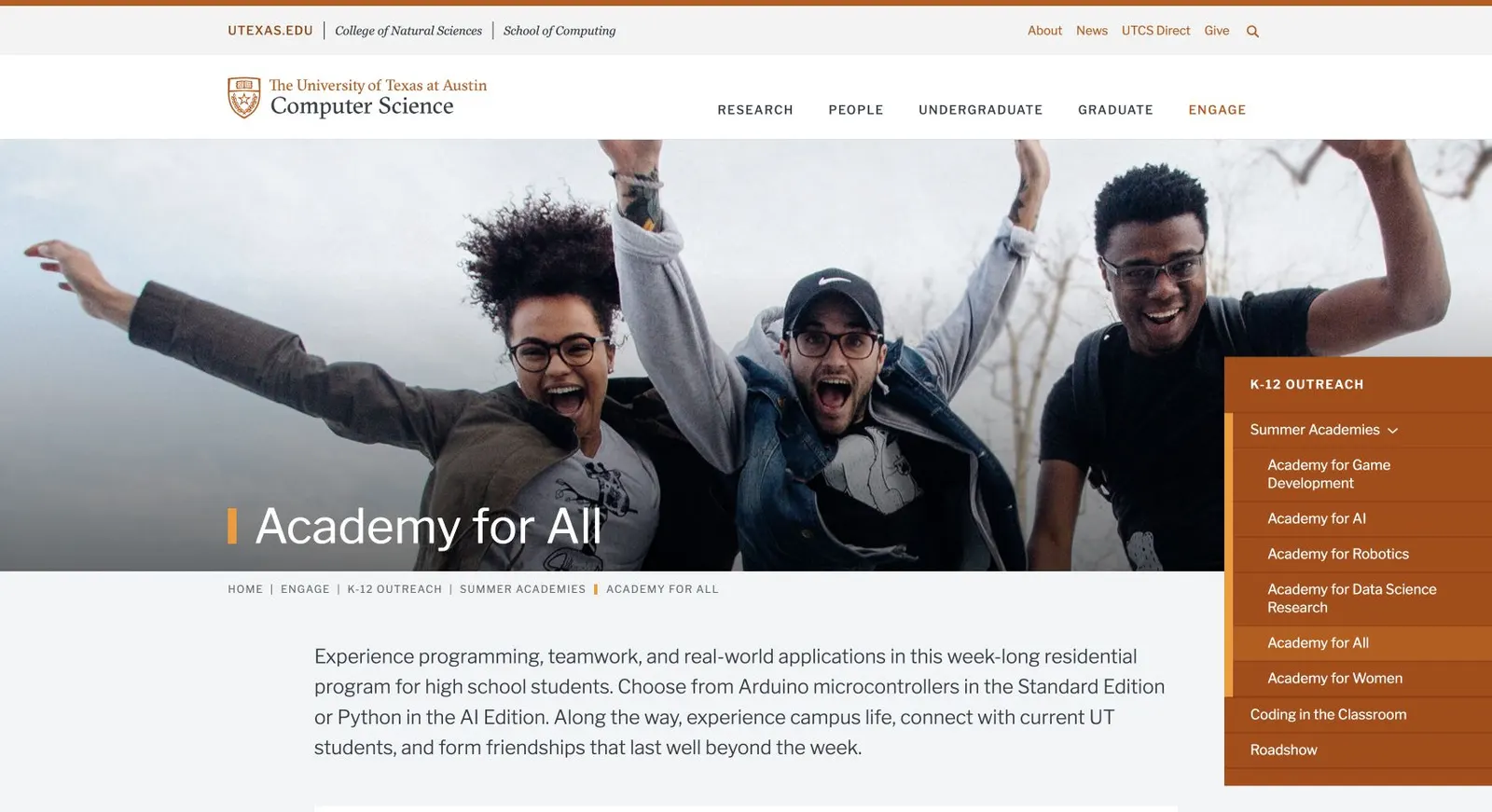
UT Austin Academy for All
UT Austin Computer Science offers a free residential summer academy for rising high-school seniors, combining Arduino or Python/AI projects with teamwork, campus life, and technology-career exploration. It is listed under Coding and Artificial intelligence for ages 16–18.
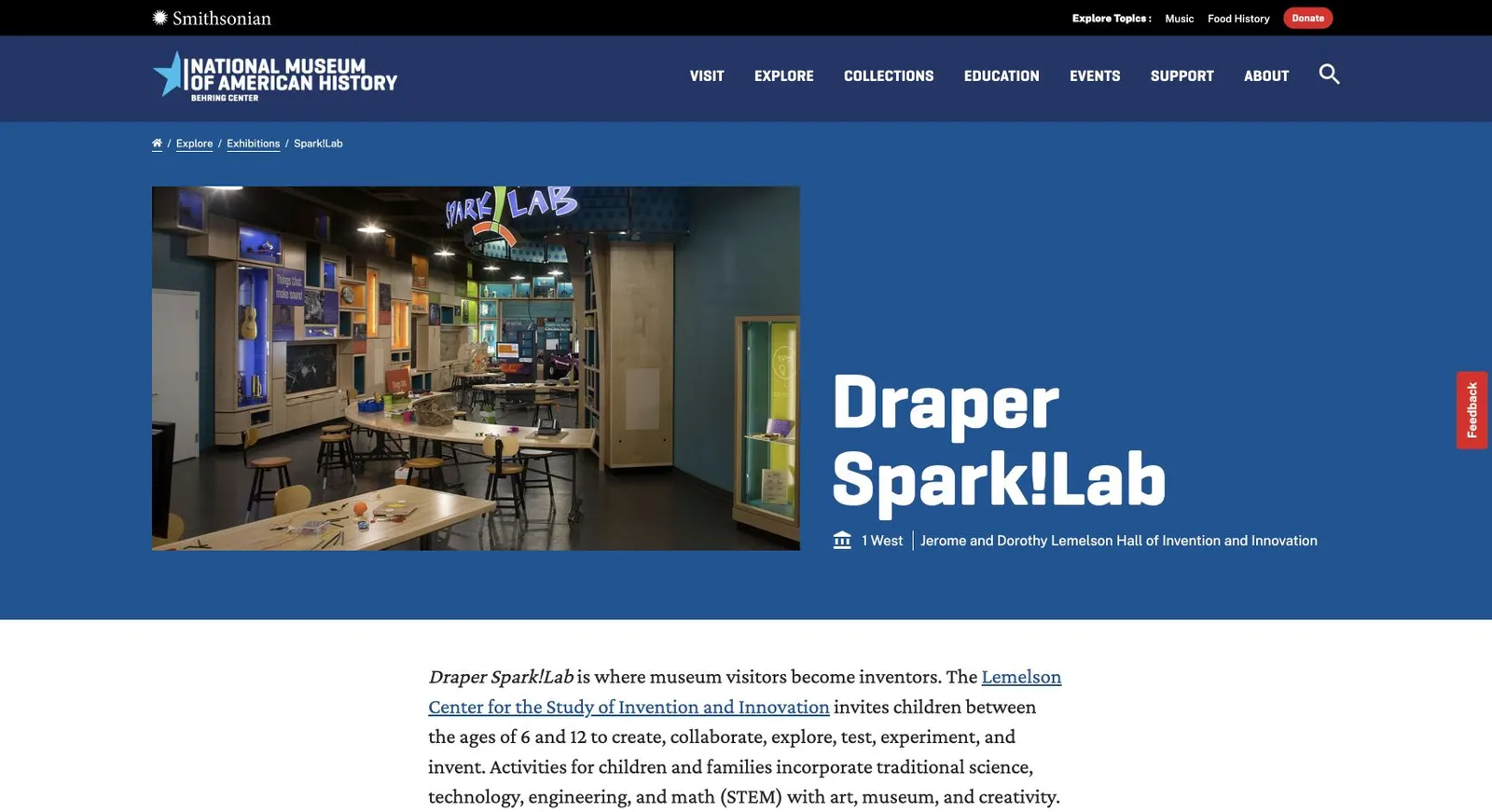
Draper Spark!Lab
The National Museum of American History’s Spark!Lab invites children to create, collaborate, test, experiment, and invent through hands-on STEM and art activities. It is listed under Science and Coding for ages 6–12. Children and families can use it through a website and a physical place.
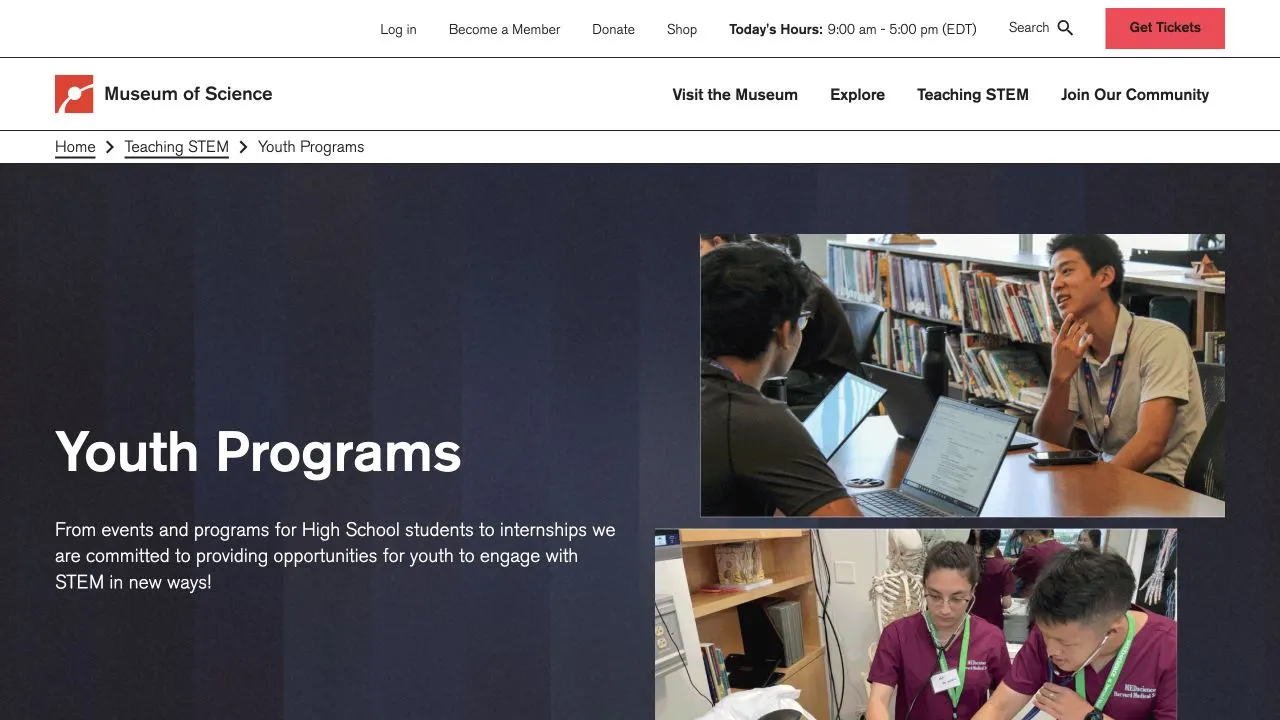
Museum of Science Boston Youth Programs
The Museum of Science Boston Youth Programs page gathers high-school STEM opportunities including science series, computer-science events, a 2026 innovation hackathon, biotechnology and renewable-energy workshops, MEDscience, and internships. It is listed under Science and Technology for ages High-school learners; programme-specific.
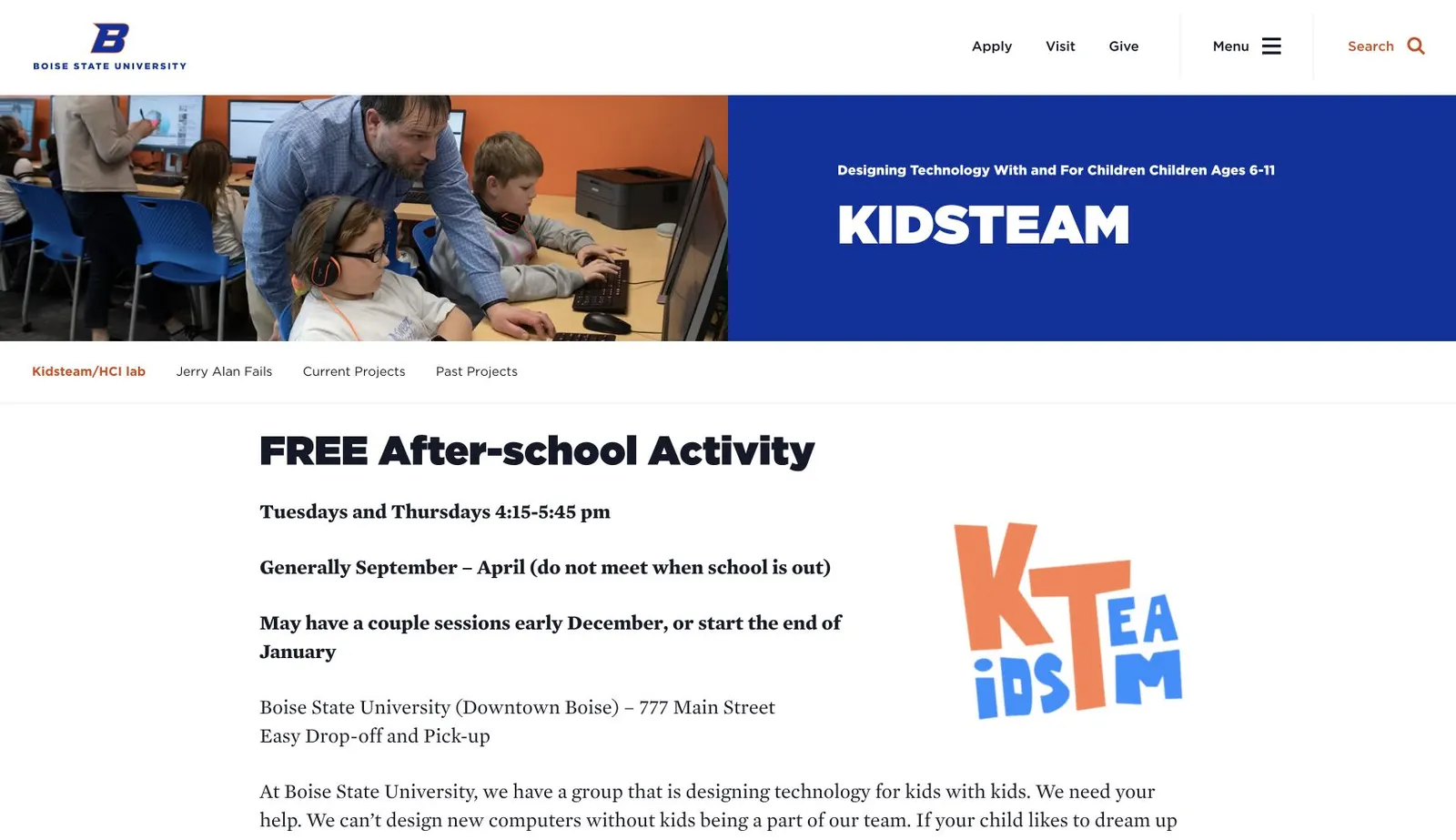
Boise State Kidsteam
Boise State University’s Kidsteam invites children to help design technology with researchers through free twice-weekly after-school sessions involving drawing, programming, problem solving, and collaborative making. It is listed under Coding and Maker & DIY for ages 6–11.
Compare with context
Use this collection to find a direction, then open each resource page before sharing it with a child. The individual review shows languages, access formats, tags, age guidance, source links, and notes for grown-ups.
Search the full directory →