Coding Engineering
for kids
Explore 20 trusted coding engineering resources selected for curious kids, with clear ages, access details, and parent context.
Two useful ways to narrow the directory
This page brings together coding resources that also match engineering. Each listing keeps its own age range, platform details, languages, links, and parent notes, so you can compare options without losing context.
Explore all coding resources →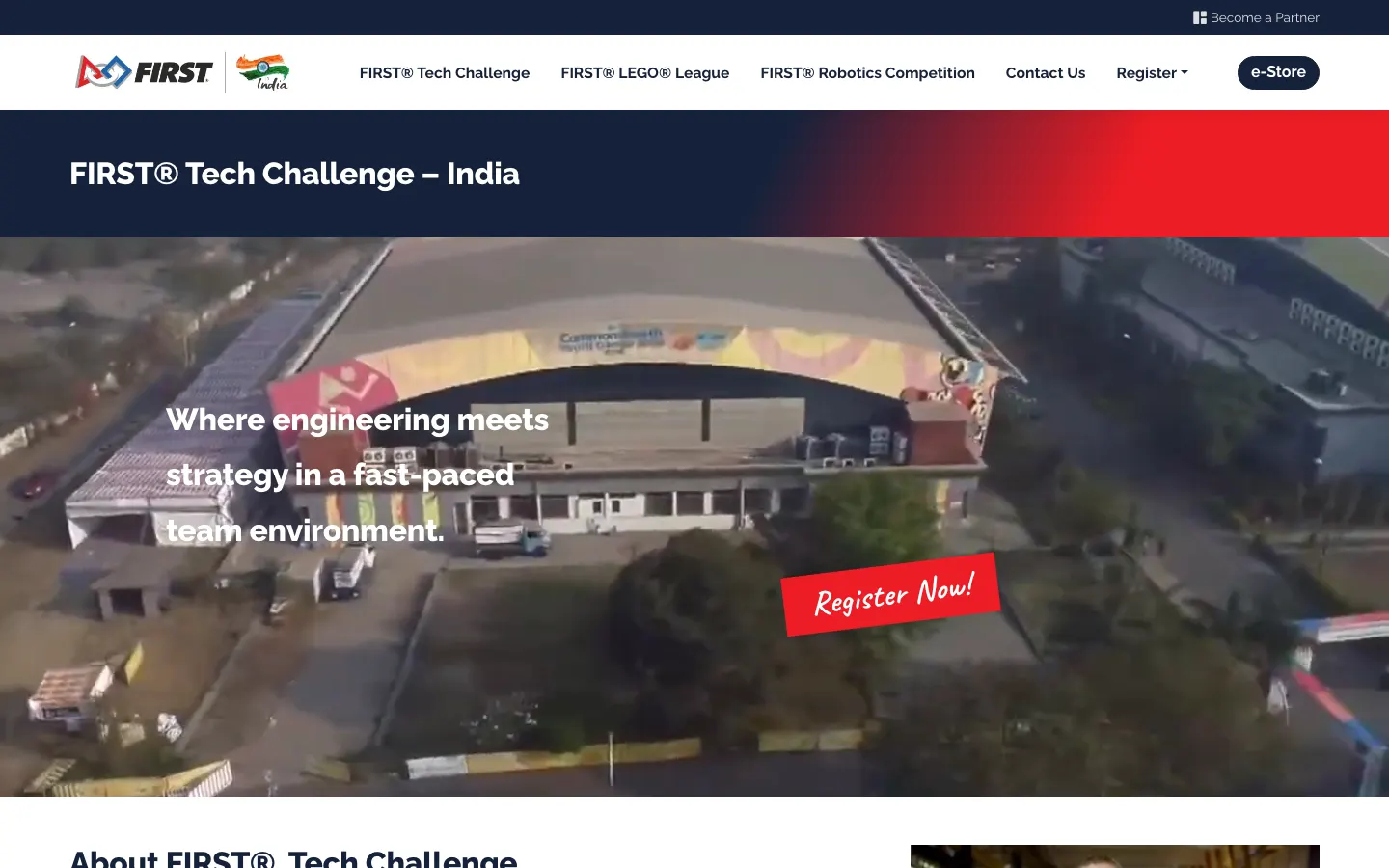
FIRST Tech Challenge India
FIRST Tech Challenge India is a team robotics program in which students design, build, program, and compete with robots in a structured season. It is listed under Engineering & coding and Coding for ages 12–18.
Read the full resource review →More coding picks
Engineering For Kids
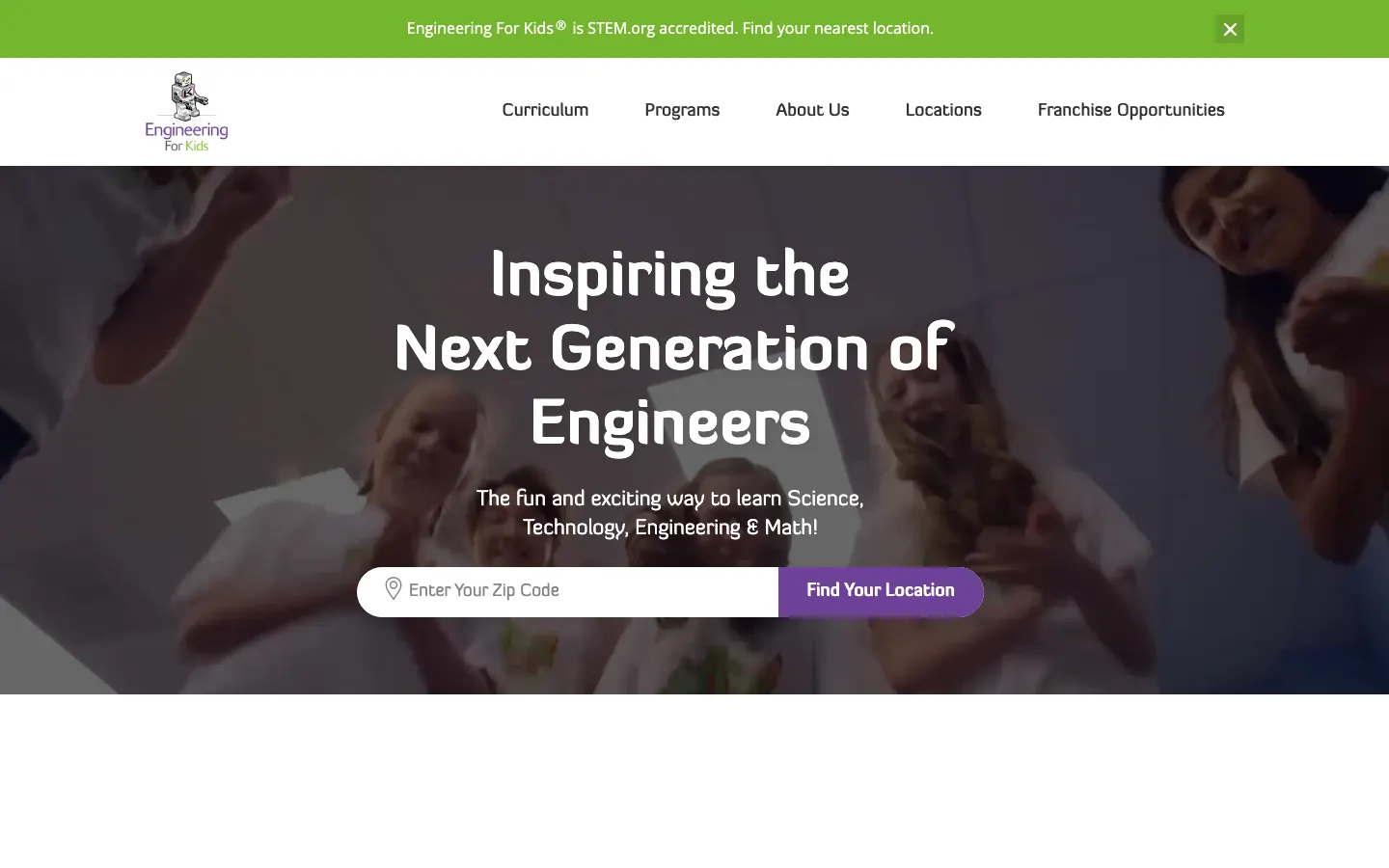
A STEM education provider offering engineering curriculum, programs, and locations for children and families. It is listed under Science and Coding for ages 4–14. Children and families can use it through a website. The directory records access as paid programs; location-specific pricing and language coverage as English.
FAA Airport Design Challenge 2027
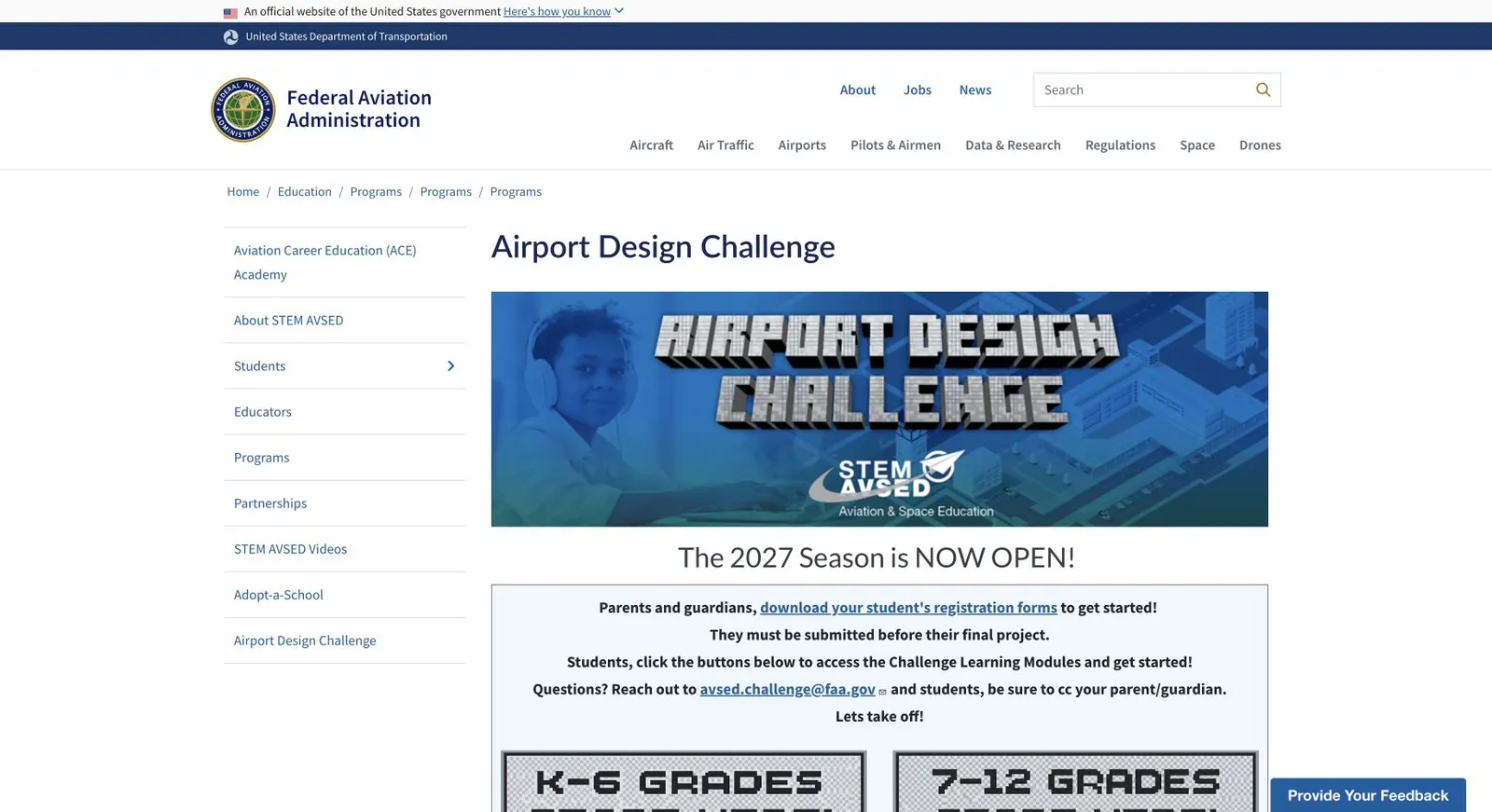
The FAA Airport Design Challenge is a K–12 STEM learning challenge where teams learn about local airports and complete design tasks in Minecraft. It is listed under Science and Coding for ages Grades K–12.
TryEngineering
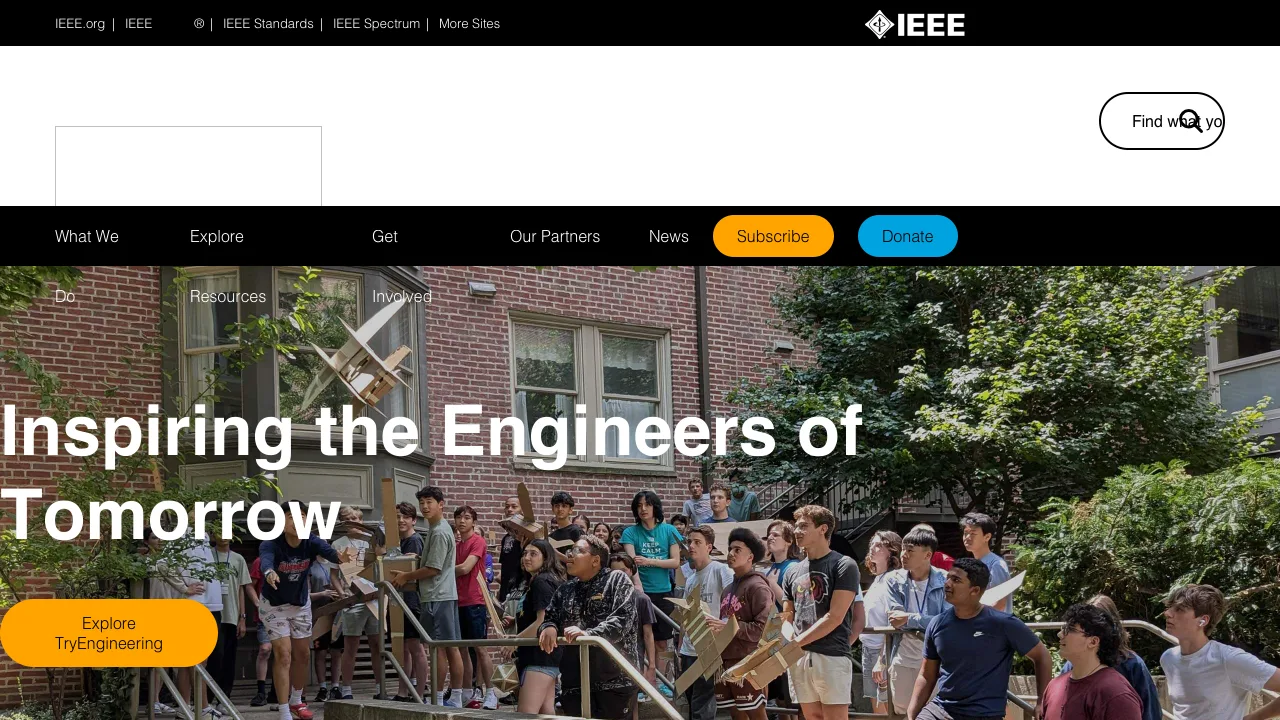
Engineering lesson plans, activities, games, and career stories from IEEE for young learners. It is listed under Science, Coding, and Maker & DIY for ages 4–18. Children and families can use it through a website.
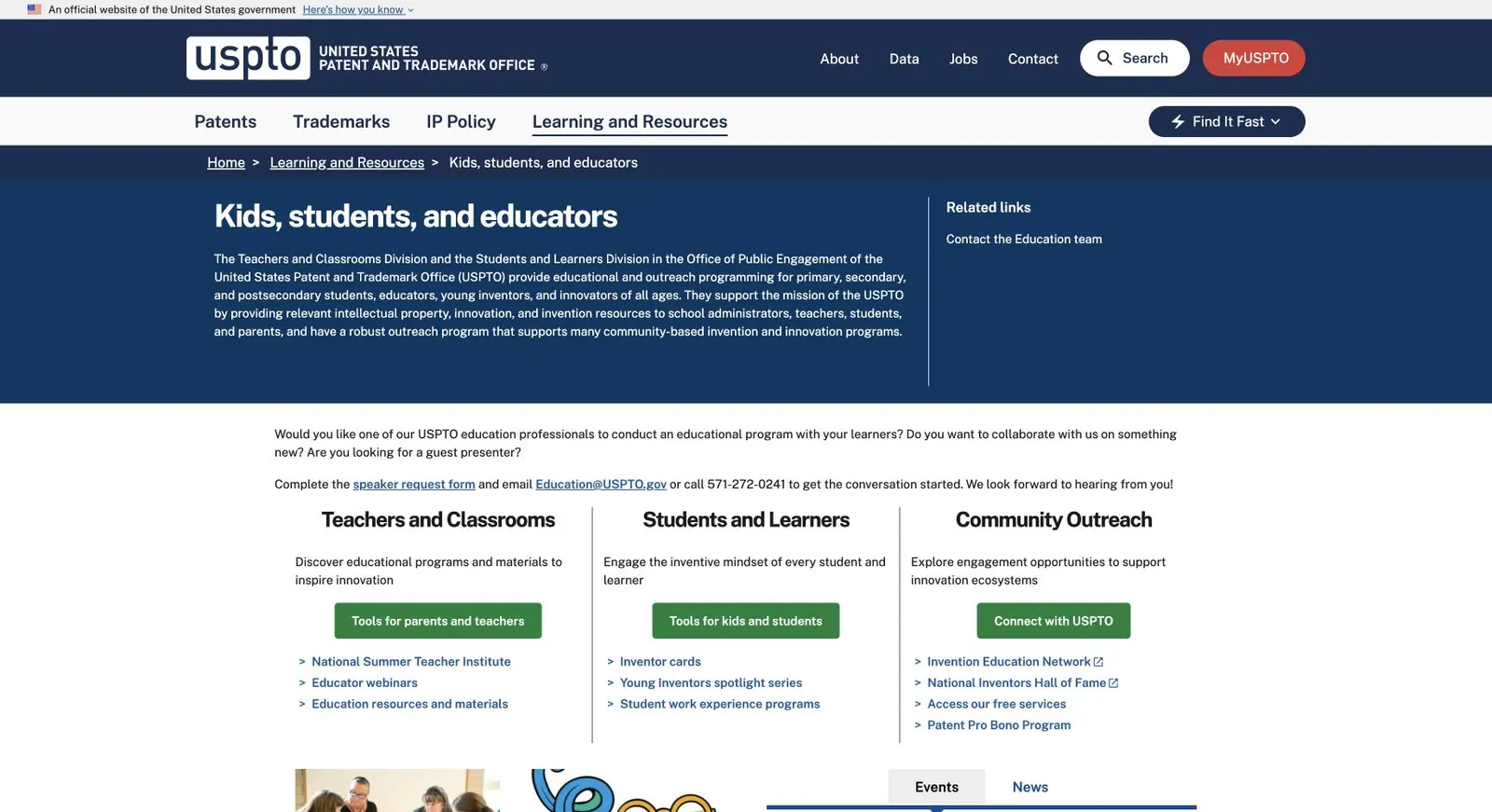
USPTO Kids, Students, and Educators
Invention, creativity, intellectual property, and innovation resources for young inventors, students, families, and teachers. It is listed under Maker & DIY, Coding, and Parent & educator for ages 7-18. Children and families can use it through a website and downloadable resources.
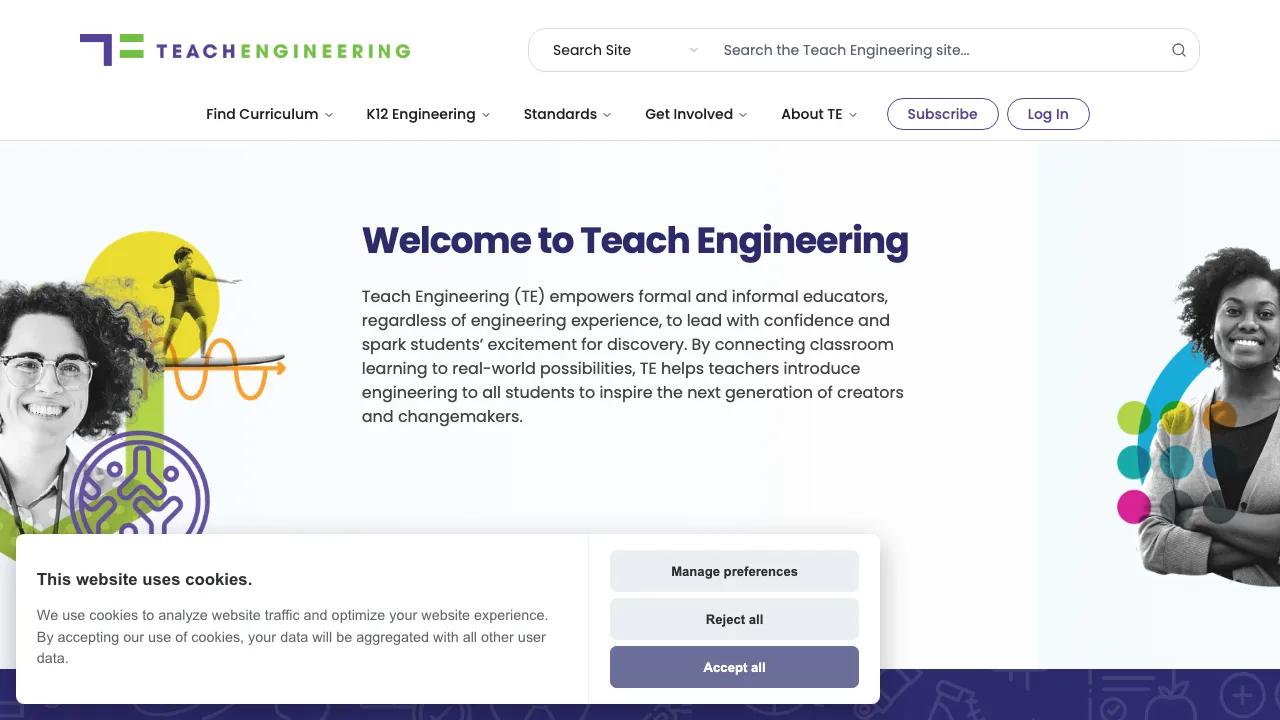
TeachEngineering
TeachEngineering provides standards-aligned engineering lessons, activities, and design challenges for K–12 learners ages 5–18. The resources are especially useful when an educator or parent wants children to define a problem, test an idea, and explain a design choice. The directory lists free English access; adults should select the grade level and review materials before use.
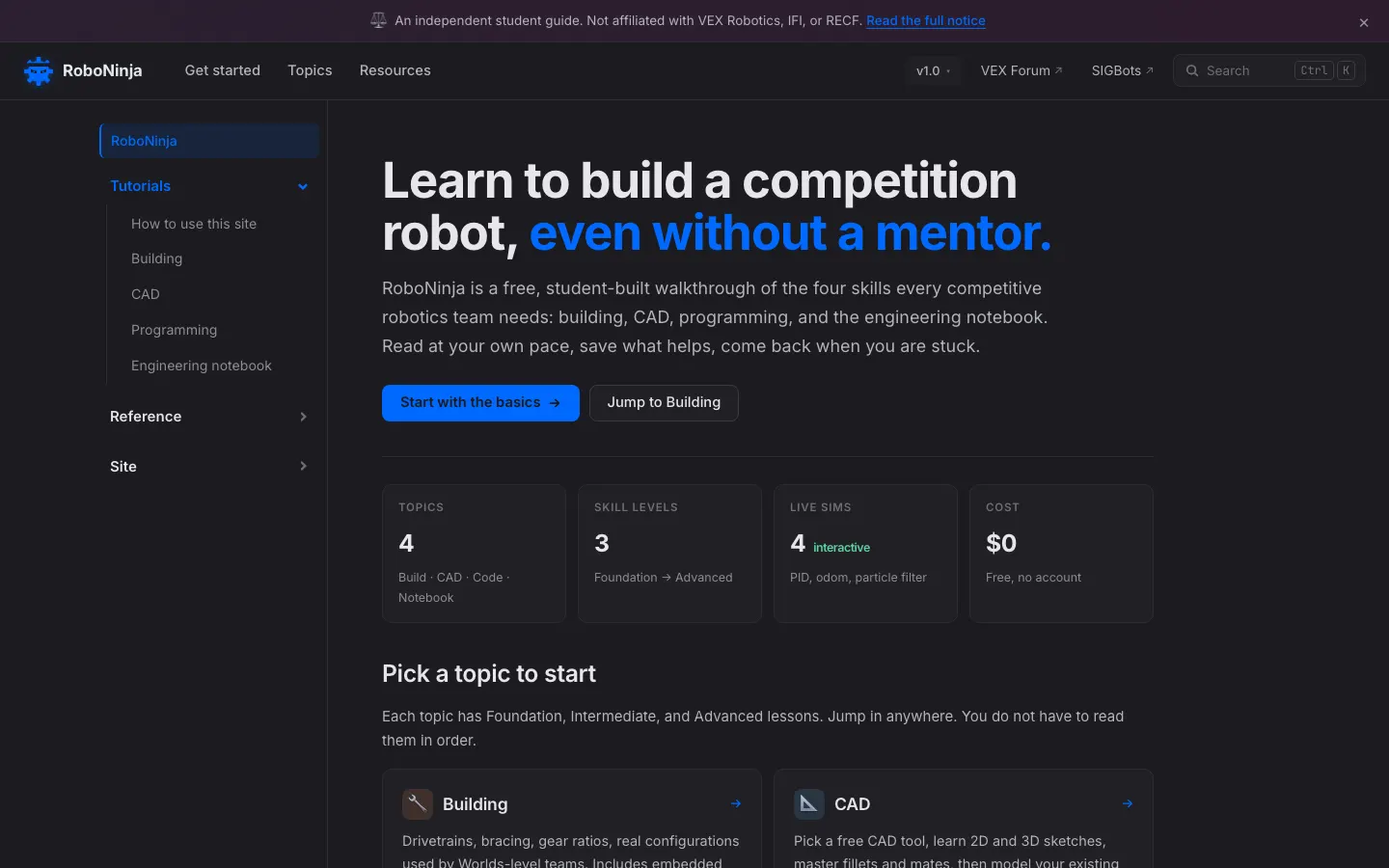
RoboNinja
RoboNinja is a free student-built guide to competitive robotics, with self-paced lessons in building, CAD, programming, engineering notebooks, and interactive simulations. It is listed under Coding and Robotics for ages 10–18. Children and families can use it through a website.
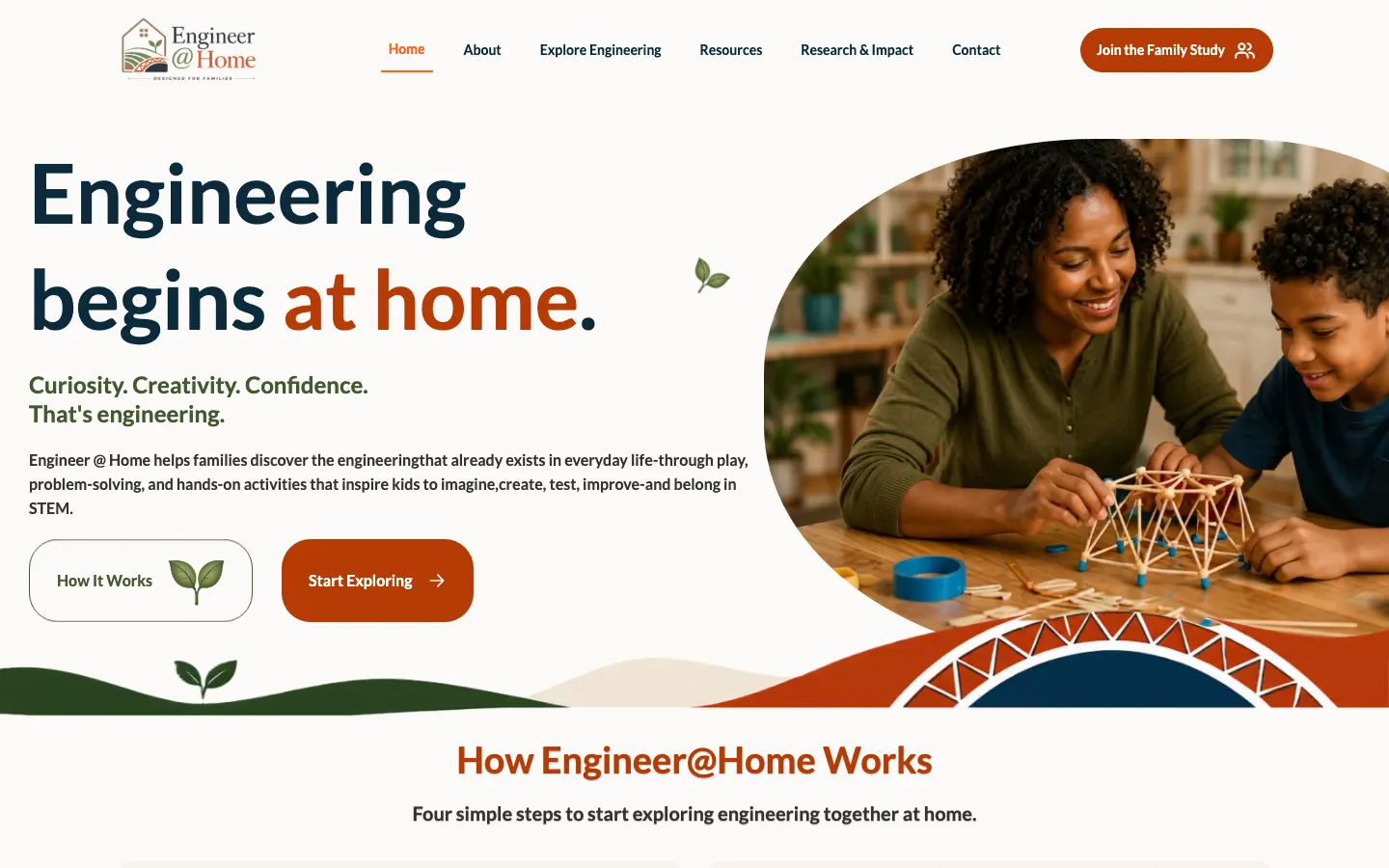
Engineer @ Home
A family engineering resource with research-backed, hands-on challenges using everyday materials to imagine, create, test, and improve. It is listed under Science and Maker & DIY for ages 4–11. Children and families can use it through a website.

Avanza STEM Interactive Labs
A free set of browser-based STEM labs covering physics, coding, chemistry, engineering, and virtual experiments with no installation or sign-in. It is listed under Science and Coding for ages 8–16. Children and families can use it through a website.
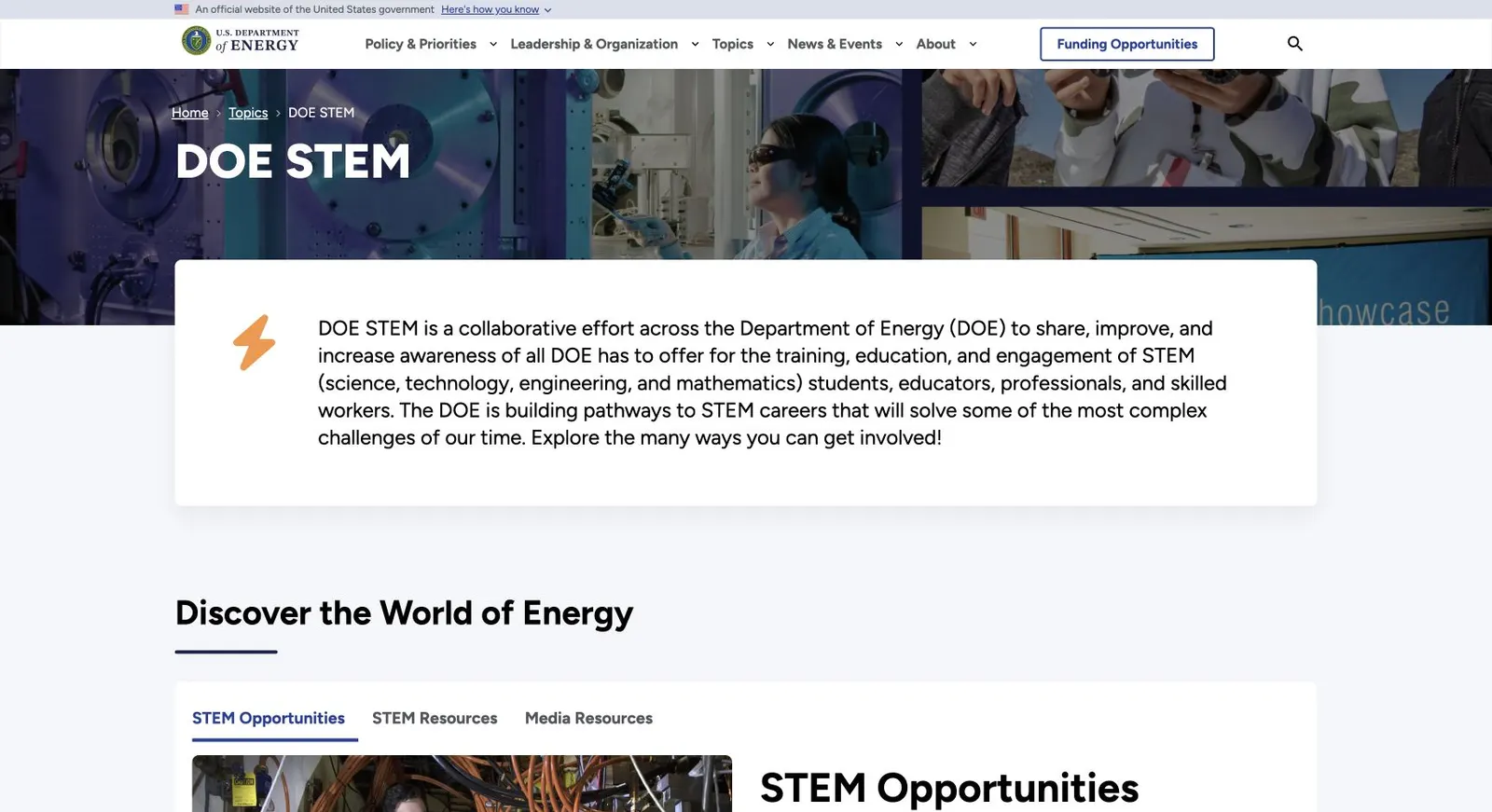
DOE STEM
U.S. Department of Energy STEM opportunities, activities, and learning resources for students, educators, and families. It is listed under Science, Coding, and Maker & DIY for ages 12-18. Children and families can use it through a website and downloadable resources.
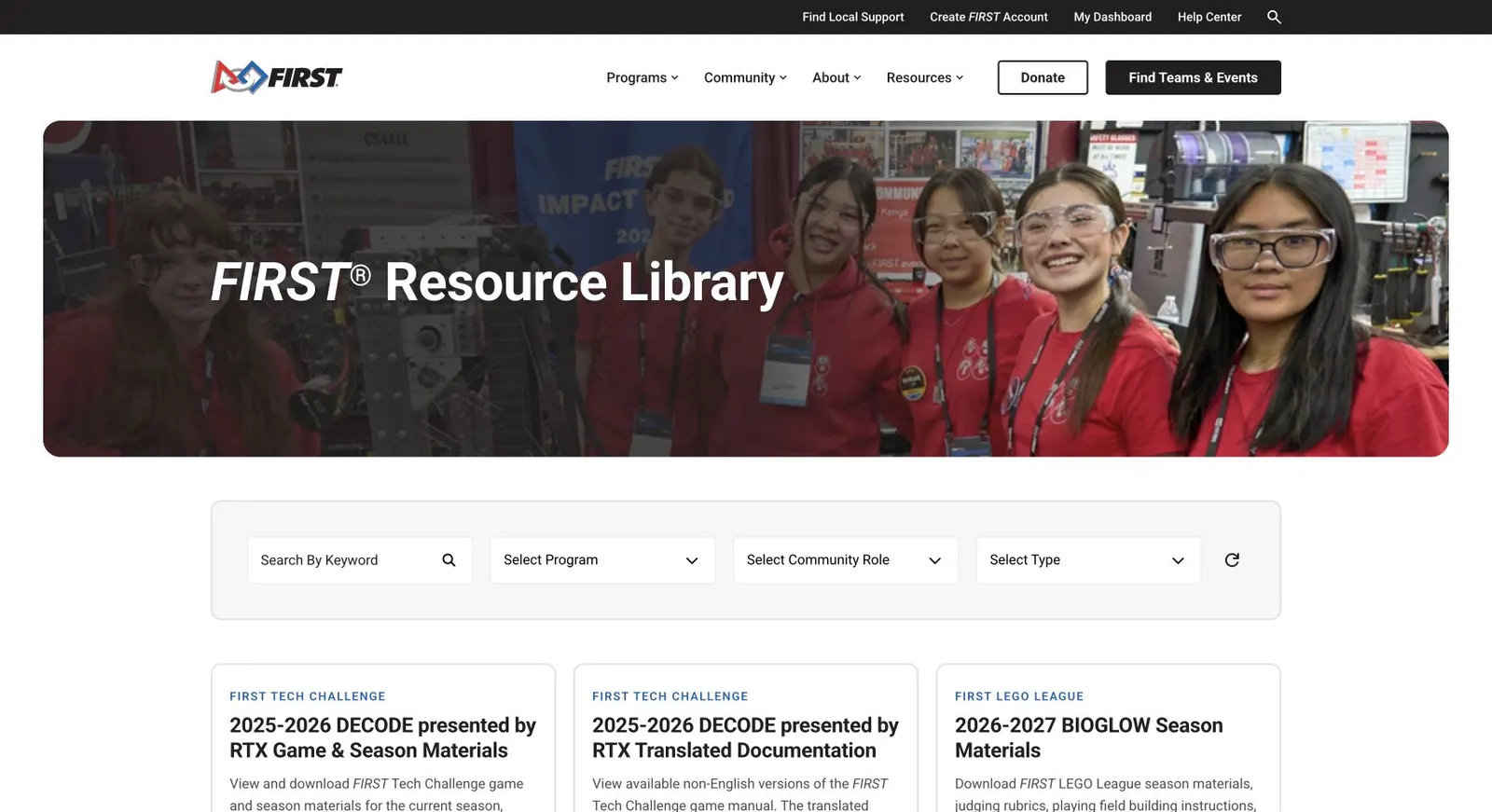
FIRST Resource Library
FIRST’s resource library connects teams, families, educators, and young people with STEM, robotics, teamwork, and challenge resources across FIRST programs. It is listed under Coding and Engineering for ages 5–18; program-specific. Children and families can use it through a website.
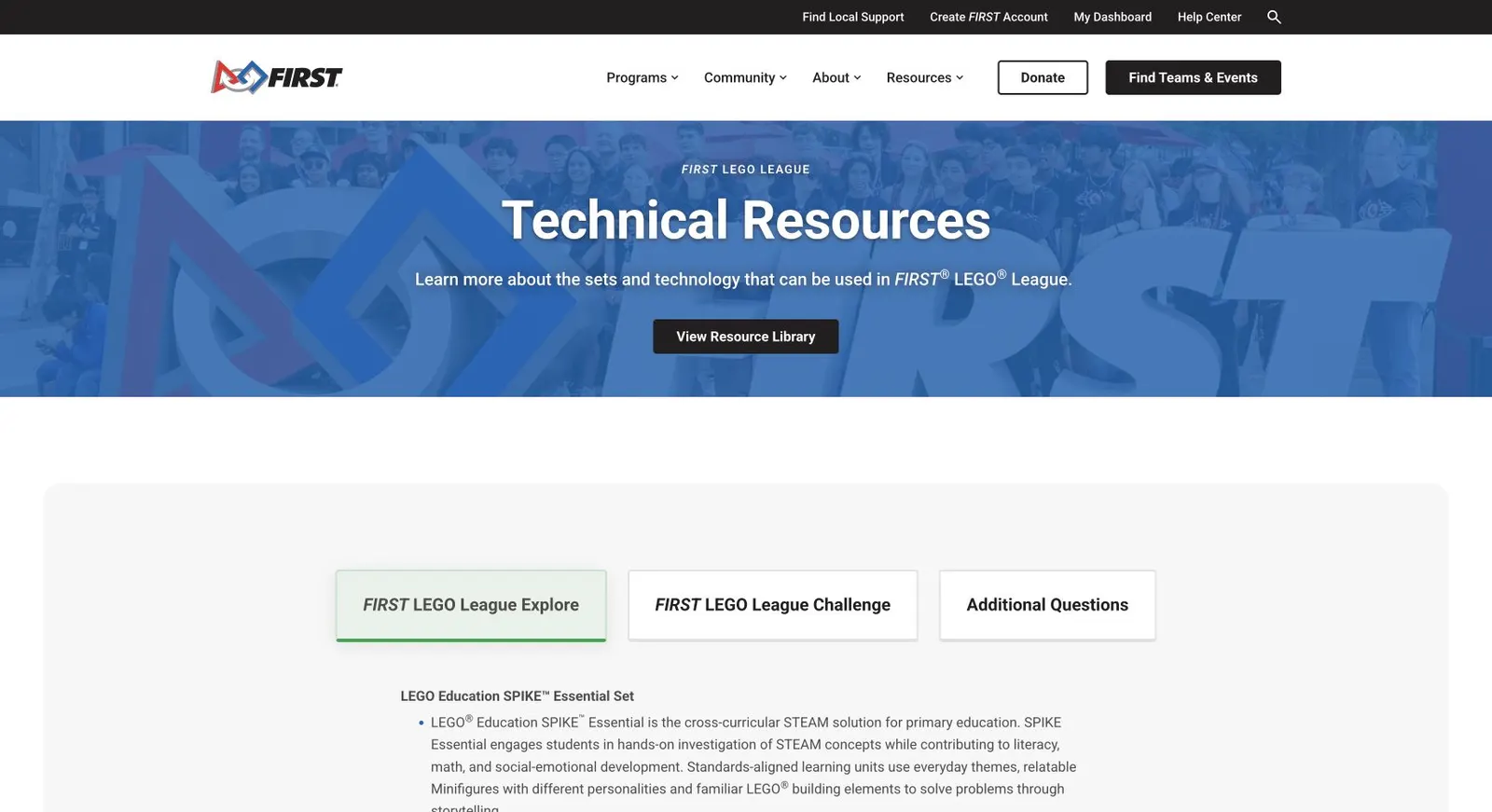
FIRST LEGO League Technical Resources
FIRST LEGO League technical resources support teams with robot-building, programming, engineering design, and challenge-season guidance. It is listed under Engineering and Coding for ages 4–16; division-specific. Children and families can use it through a website.
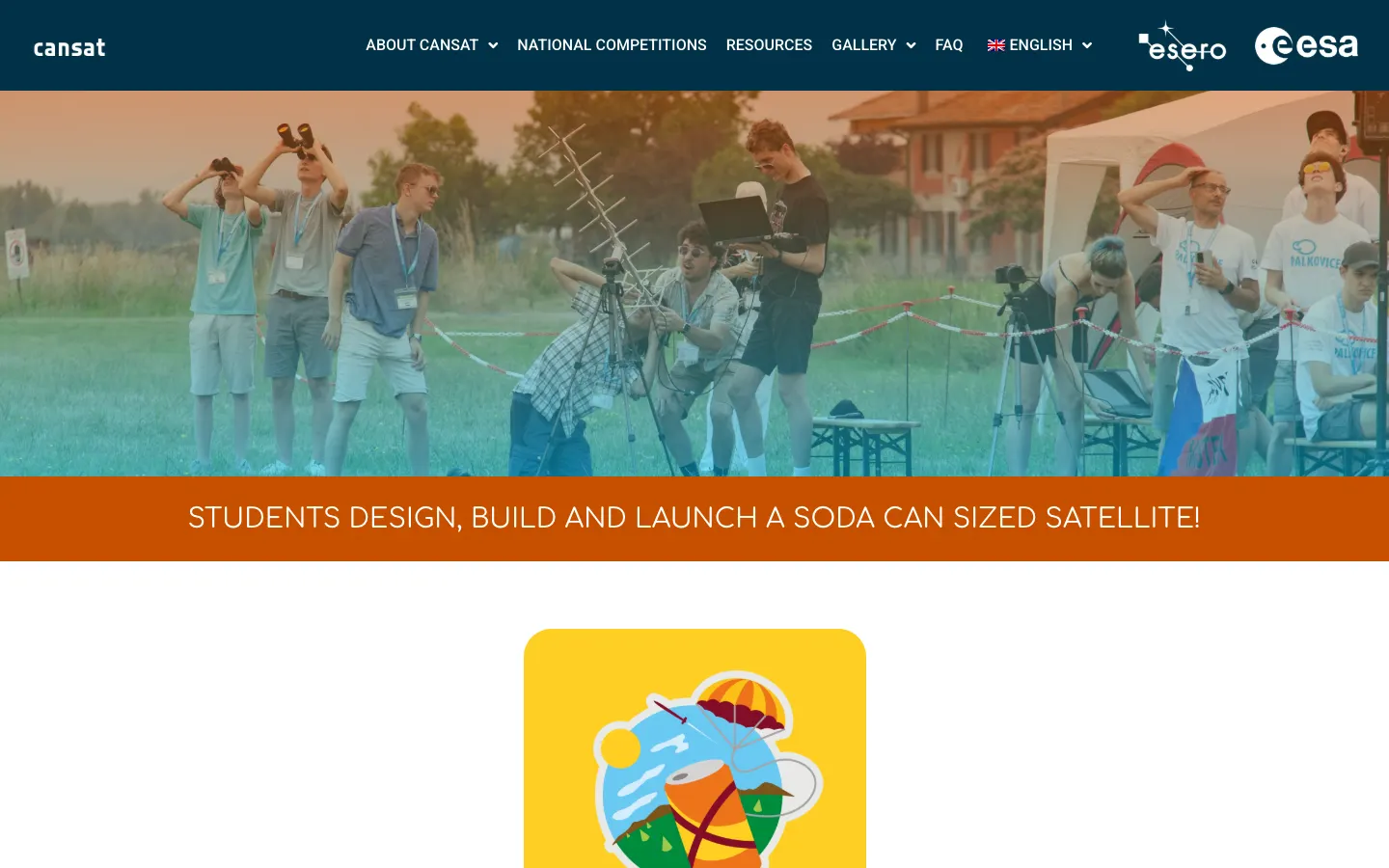
ESA CanSat
The European Space Agency CanSat program challenges teams to design, build and launch a soda-can-sized satellite, then collect and analyse mission data. It is listed under Space and Coding for ages 14–19. Children and families can use it through a website.
Compare with context
Use this collection to find a direction, then open each resource page before sharing it with a child. The individual review shows languages, access formats, tags, age guidance, source links, and notes for grown-ups.
Search the full directory →