Coding Computer science
for kids
Explore 16 trusted coding computer science resources selected for curious kids, with clear ages, access details, and parent context.
Two useful ways to narrow the directory
This page brings together coding resources that also match computer science. Each listing keeps its own age range, platform details, languages, links, and parent notes, so you can compare options without losing context.
Explore all coding resources →
Kids Code & Computer Science STEAM
Kids Code & Computer Science is a nonprofit source of kid-friendly STEAM content for adults and children to learn together, with a computing publication restarting as a weekly newsletter in 2026.
Read the full resource review →More coding picks
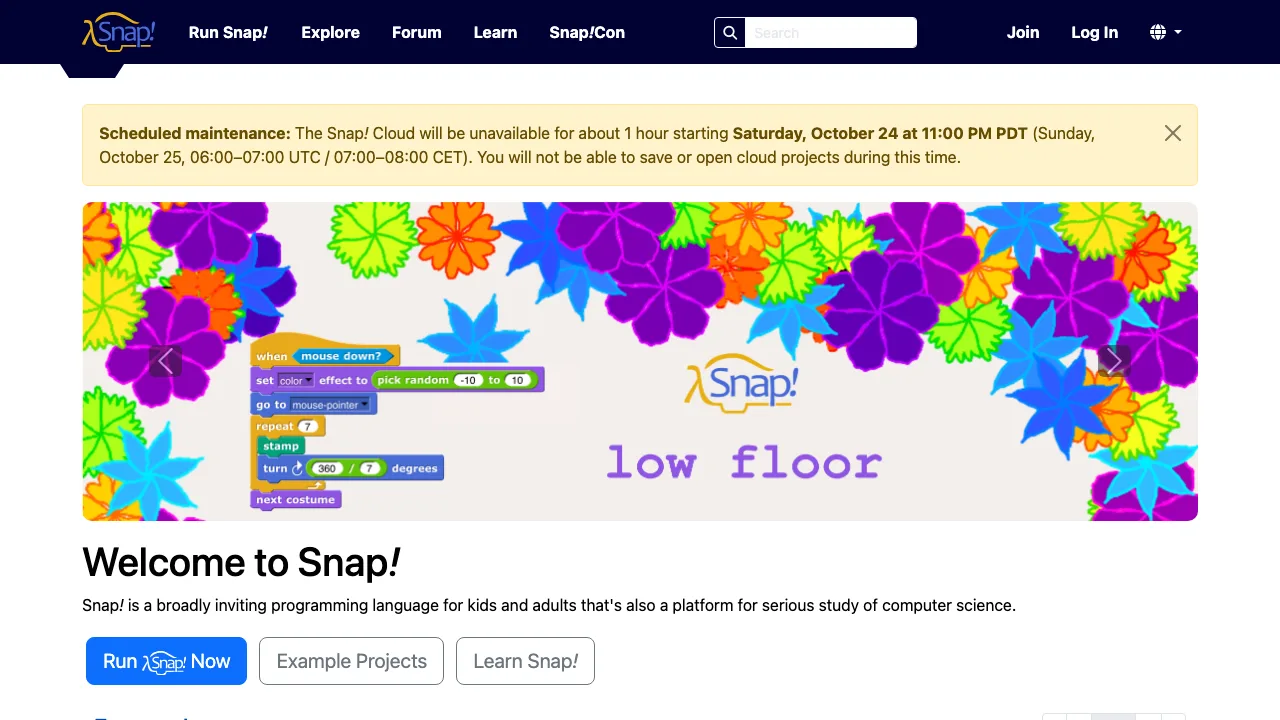
Snap!
A browser-based visual programming language that extends Scratch with custom blocks and deeper computer-science ideas. It is listed under Coding, Math, and Games for ages 12–18. Children and families can use it through a website.
CodeHS
K–12 computer-science curriculum with browser coding tools, projects, tutorials, quizzes, and free courses for schools and learners. It is listed under Coding and Parent & educator for ages 5–18. Children and families can use it through a website.
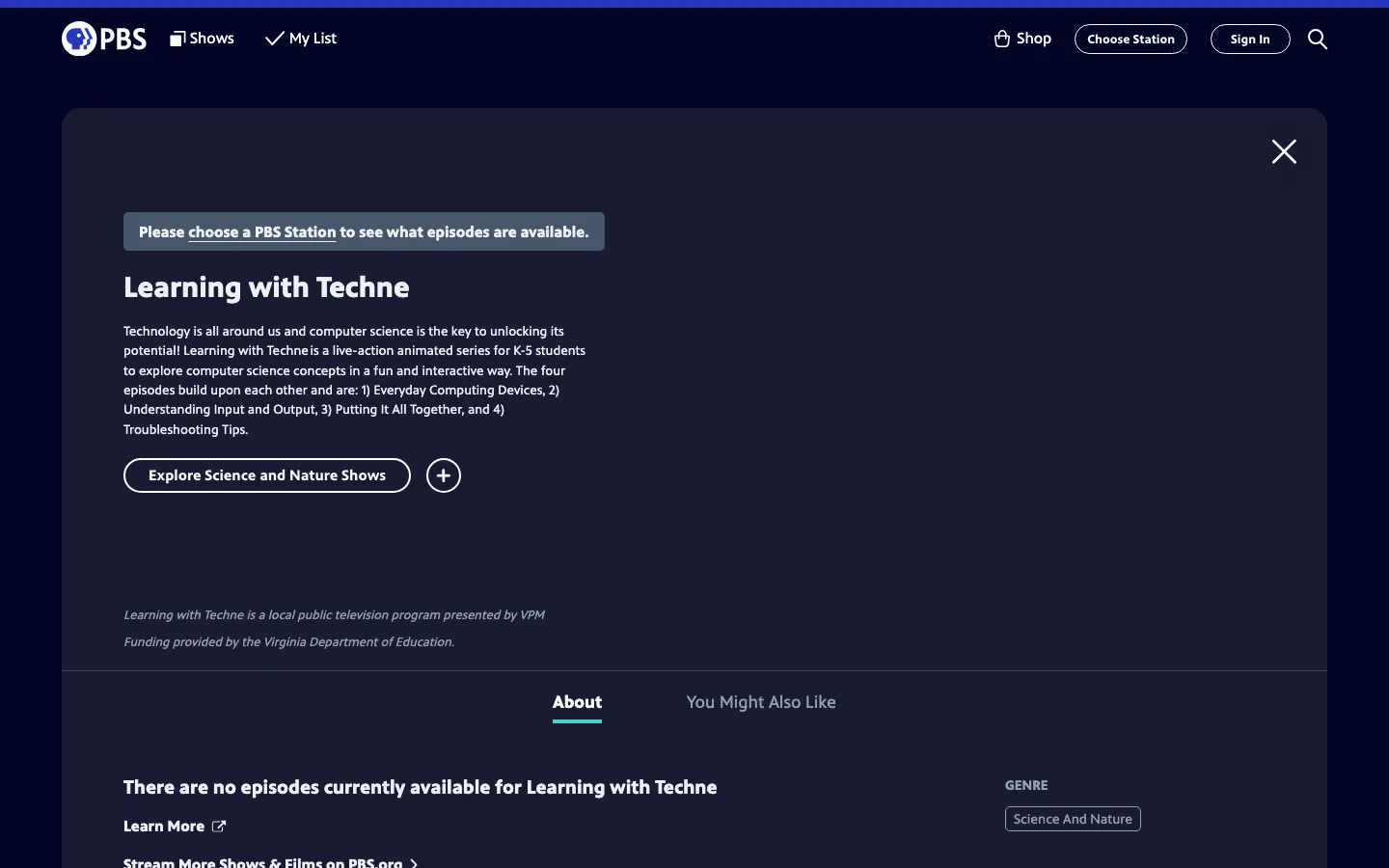
Learning with Techne
Learning with Techne is a PBS K–5 live-action animated series that introduces computer science through everyday devices, input and output, troubleshooting, and problem-solving. It is listed under Coding and Science for ages K–5. Children and families can use it through a website.
NSF Educational Resources: Computing
The U.S. National Science Foundation computing resource page points to computing and computer-science learning materials, projects, and educational opportunities for learners and educators. It is listed under Coding and Science for ages 7–18. Children and families can use it through a website.
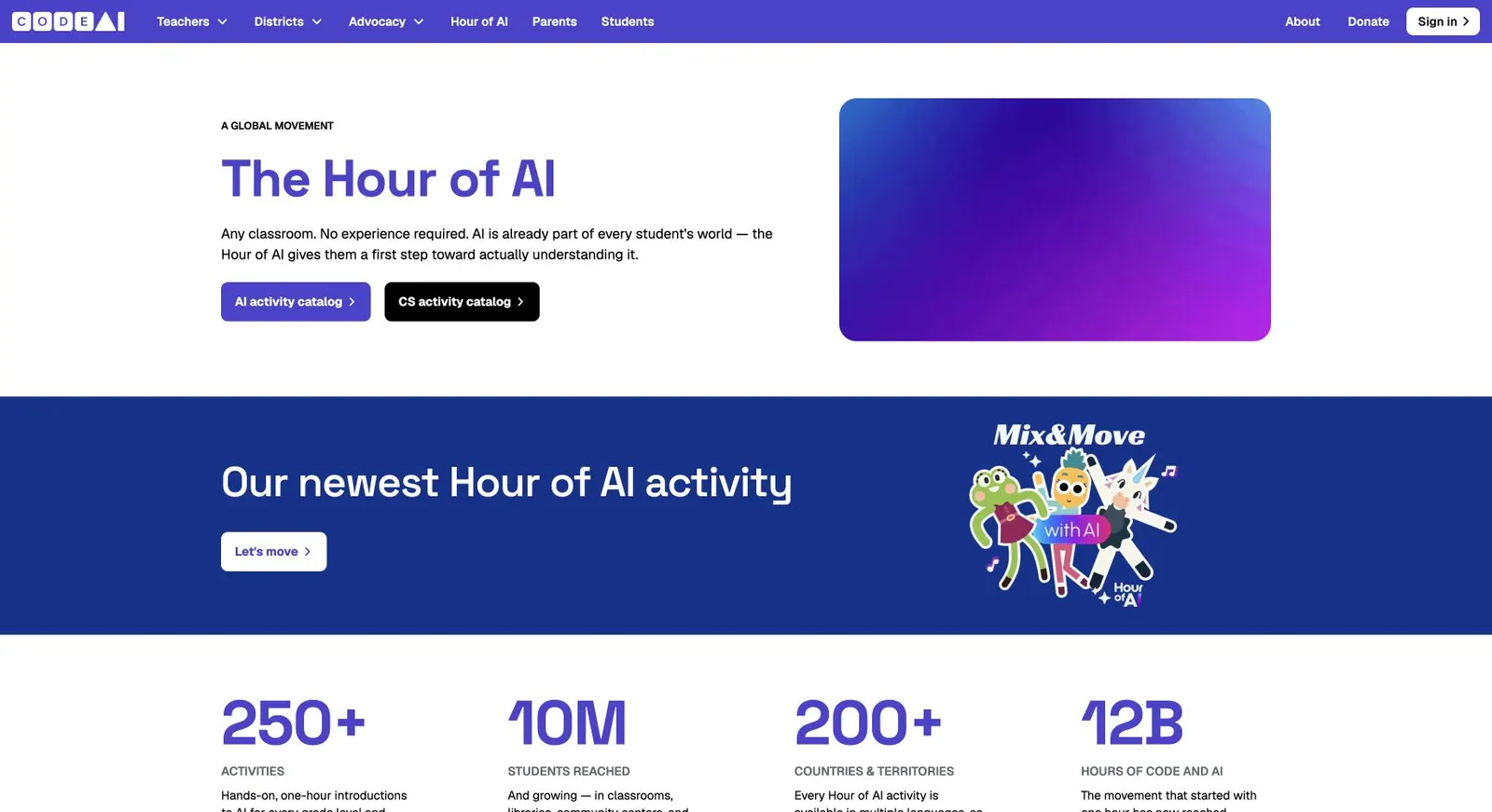
Code.org The Hour of AI
The Hour of AI is Code.org’s global collection of more than 250 free, one-hour AI and computer-science activities across grades and settings, including AI for Oceans, creative AI projects, Minecraft, music, and web development.
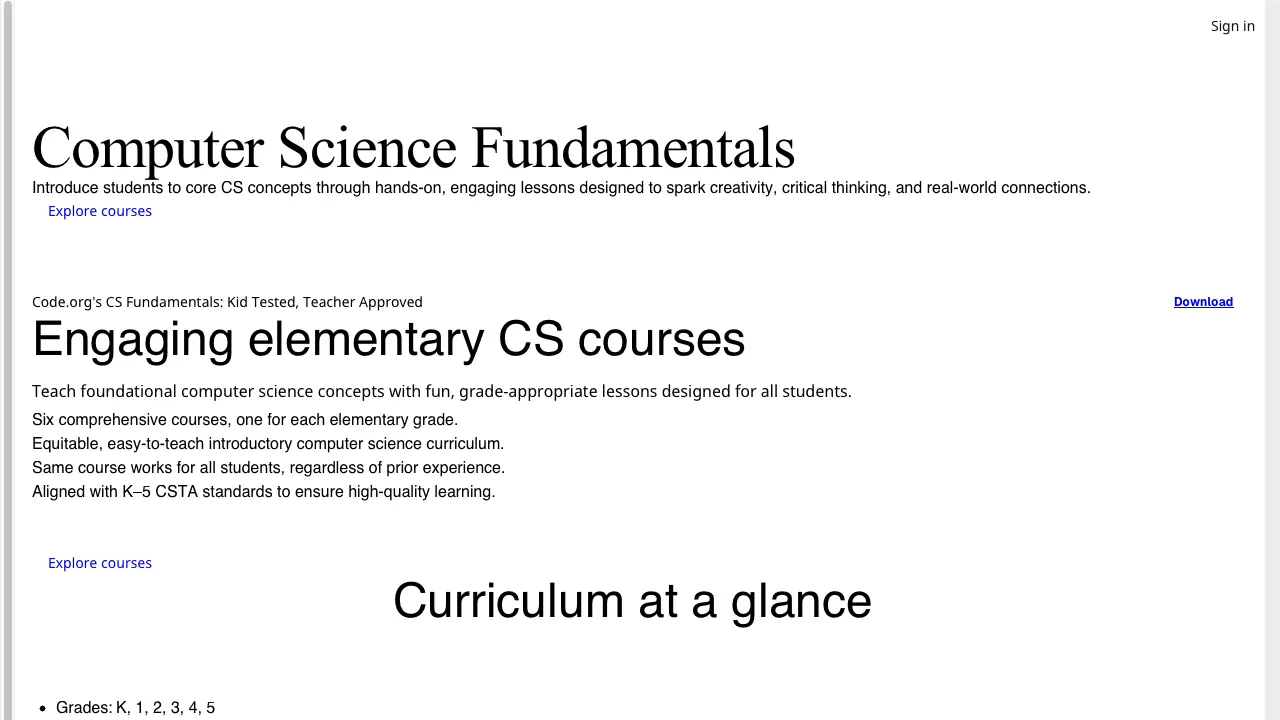
Code.org Computer Science Fundamentals
A beginner elementary computer-science curriculum with grade-specific courses, unplugged activities, programming, games, animations, and teacher support for kindergarten through fifth grade. It is listed under Coding and Games for ages 4–11. Children and families can use it through a website.
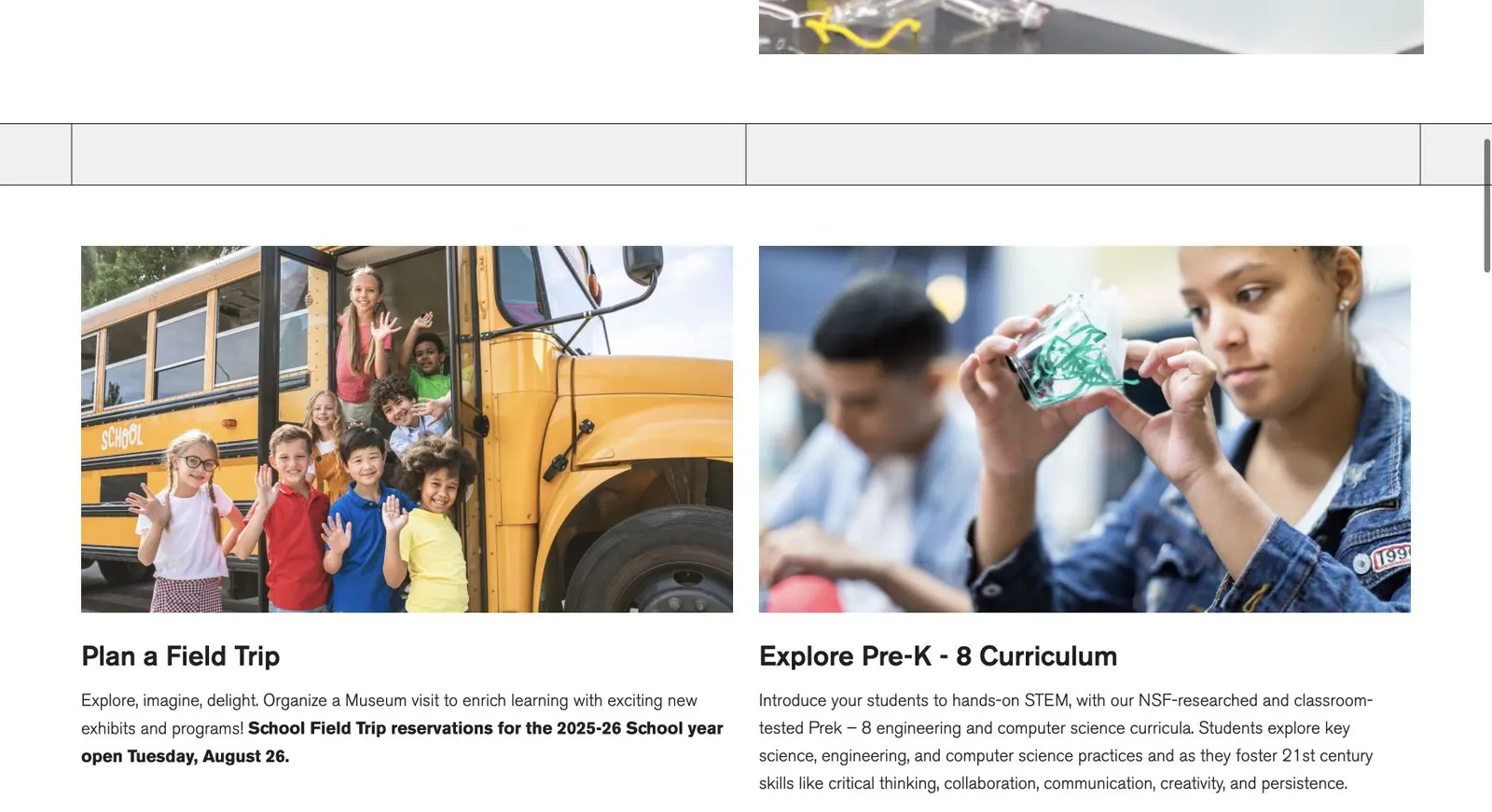
Museum of Science Teaching STEM
STEM teaching resources, curriculum ideas, and hands-on learning support from Boston's Museum of Science. It is listed under Science and Coding for ages 5-18. Children and families can use it through a website. The directory records access as free with paid options and language coverage as English.
Stanford Code in Place
Stanford’s Code in Place is a free online introduction to Python based on CS106A, with weekly sections, assignments, a six-week syllabus, and a supportive global learning community. It is listed under Coding and Programming for ages 13–18+.
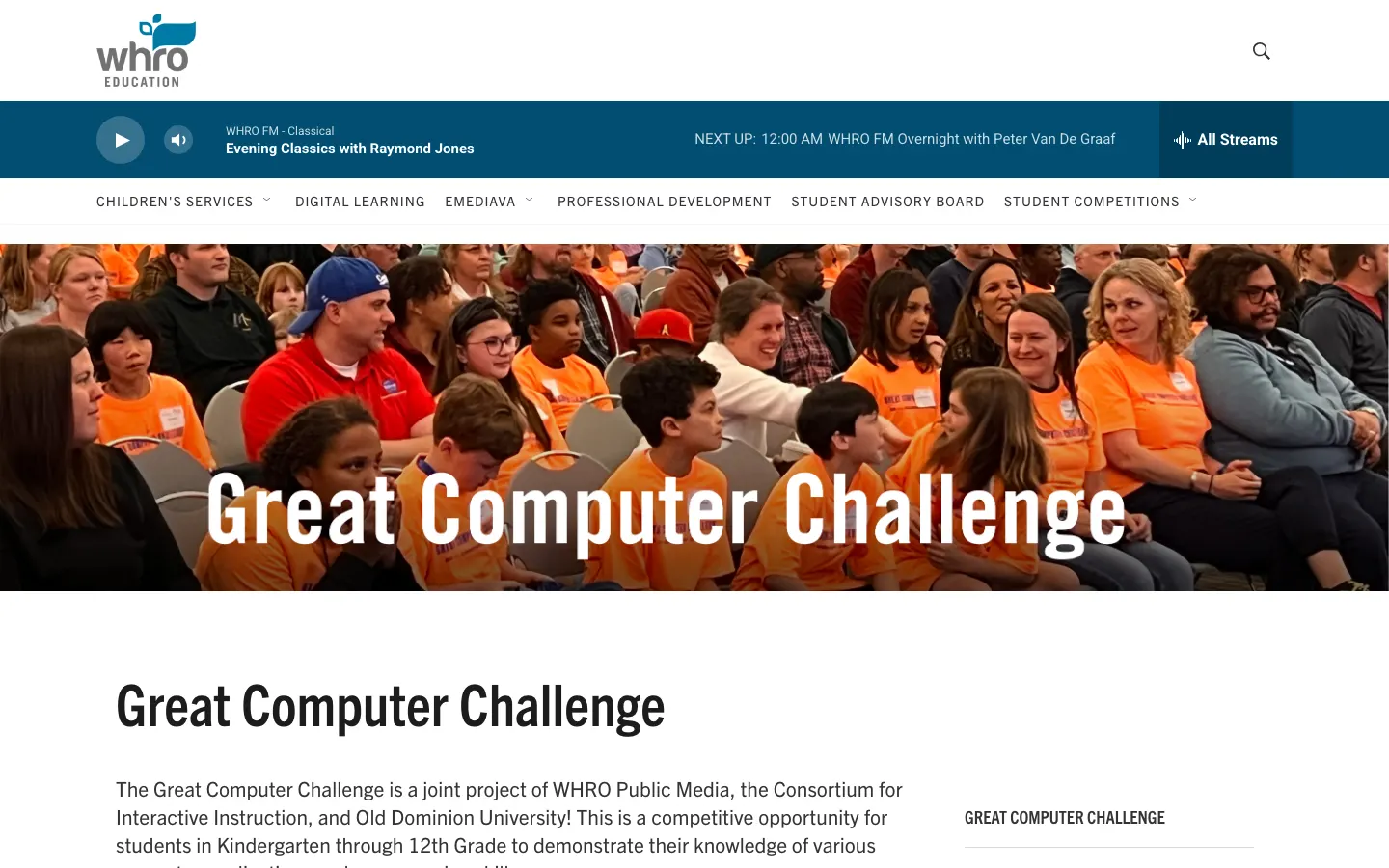
Great Computer Challenge
WHRO’s Great Computer Challenge is a student technology competition with categories including programming, AI, cybersecurity, design, multimedia, and block coding. It is listed under Coding and Technology for ages Kindergarten–12th grade; division-specific. Children and families can use it through a website.
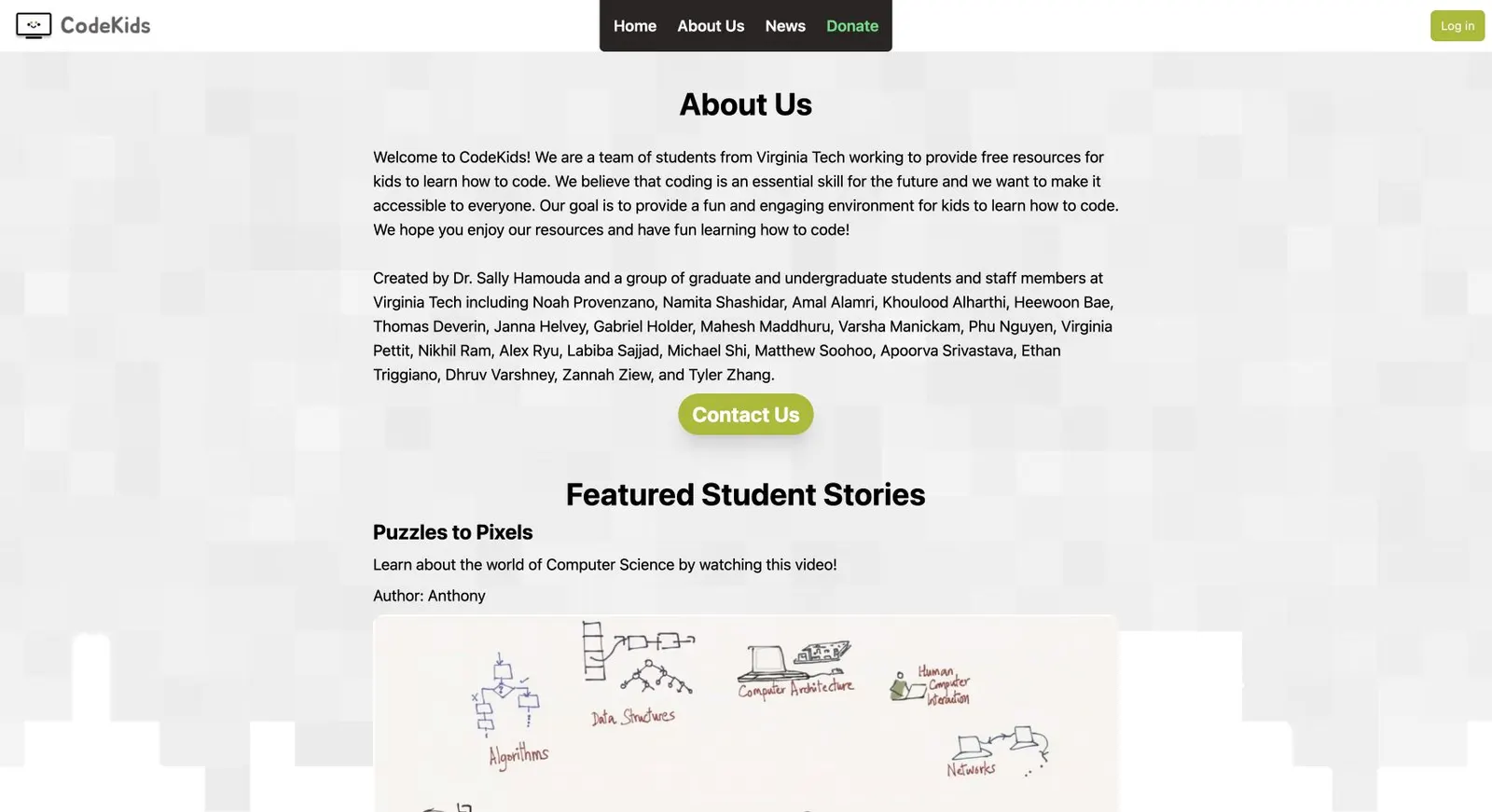
Virginia Tech CodeKids
Virginia Tech’s CodeKids project provides free child-facing coding resources and stories designed to make computer science approachable and engaging. It is listed under Coding and Problem solving for ages 7–14. Children and families can use it through a website and downloadable resources.
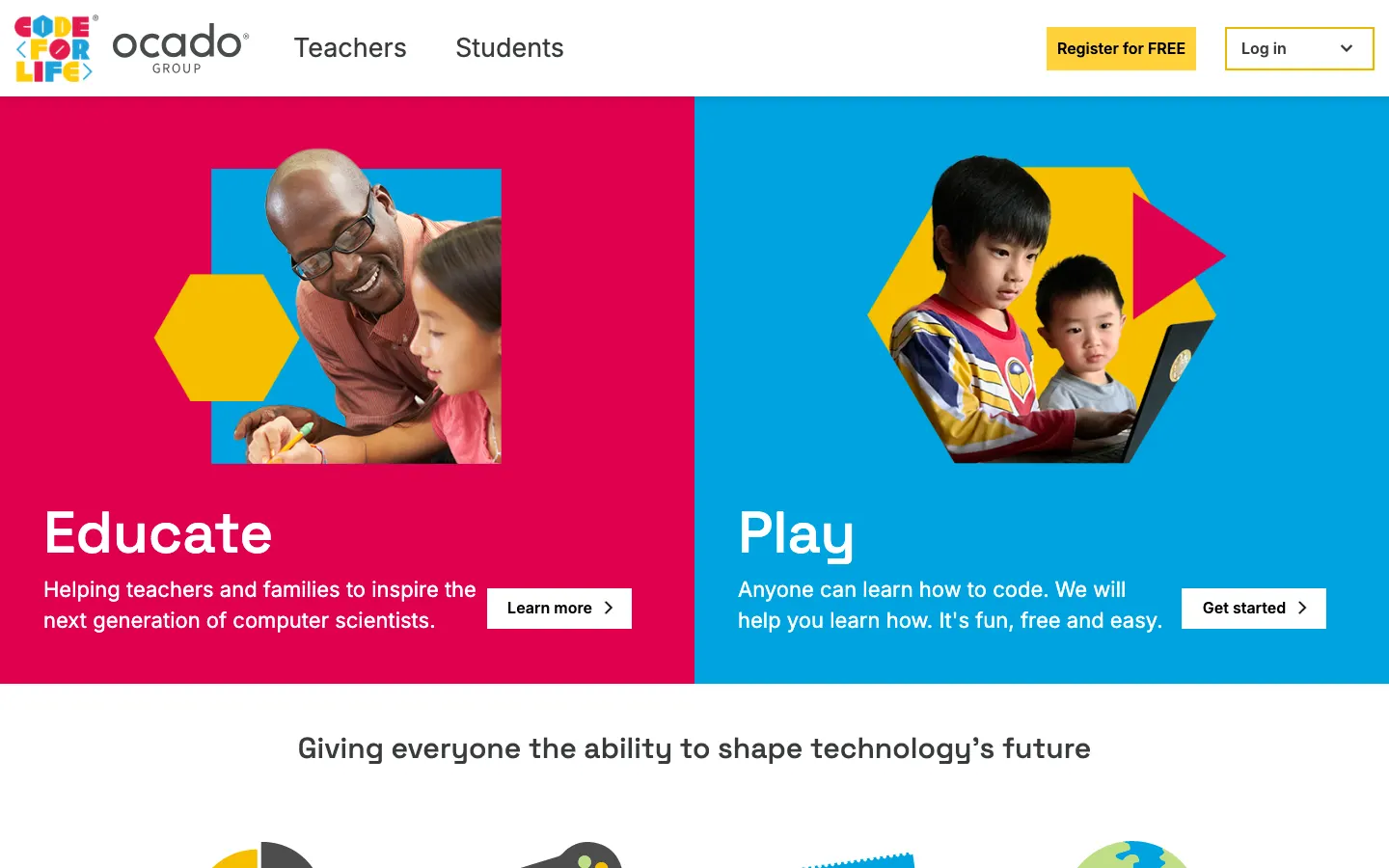
Code for Life
Free coding courses and creative programming activities for children, with guided learning paths for school and home. It is listed under Coding, Technology, and Games for ages 5–16. Children and families can use it through a website and downloadable resources.
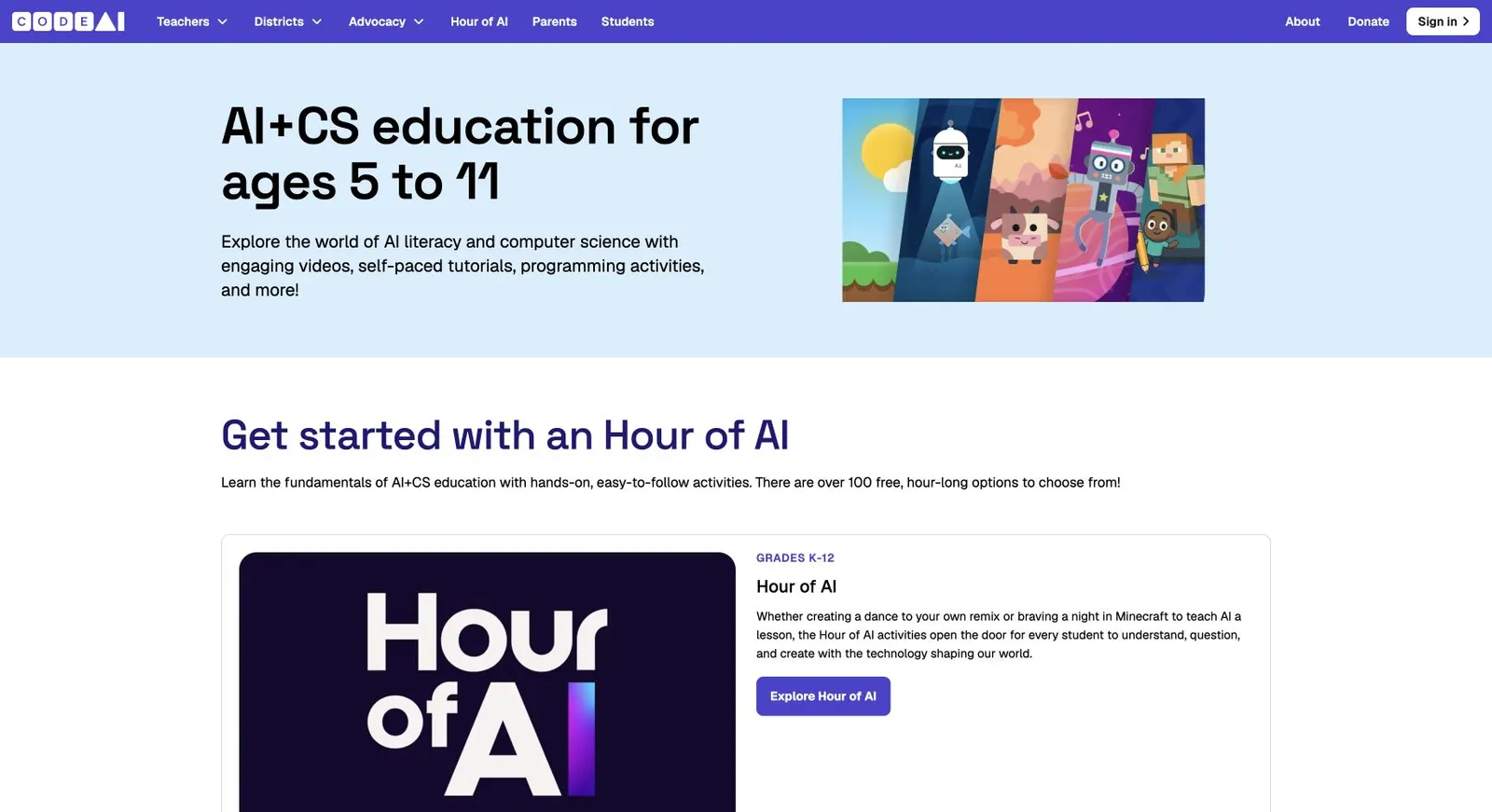
Code.org Computer Science for Ages 5–11
Code.org’s elementary student hub provides free AI literacy and computer science activities for ages 5–11, including Hour of AI, pre-reader courses, programming challenges, Music Lab, Sprite Lab, and curriculum links.
Compare with context
Use this collection to find a direction, then open each resource page before sharing it with a child. The individual review shows languages, access formats, tags, age guidance, source links, and notes for grown-ups.
Search the full directory →