Coding Art
for kids
Explore 13 trusted coding art resources selected for curious kids, with clear ages, access details, and parent context.
Two useful ways to narrow the directory
This page brings together coding resources that also match art. Each listing keeps its own age range, platform details, languages, links, and parent notes, so you can compare options without losing context.
Explore all coding resources →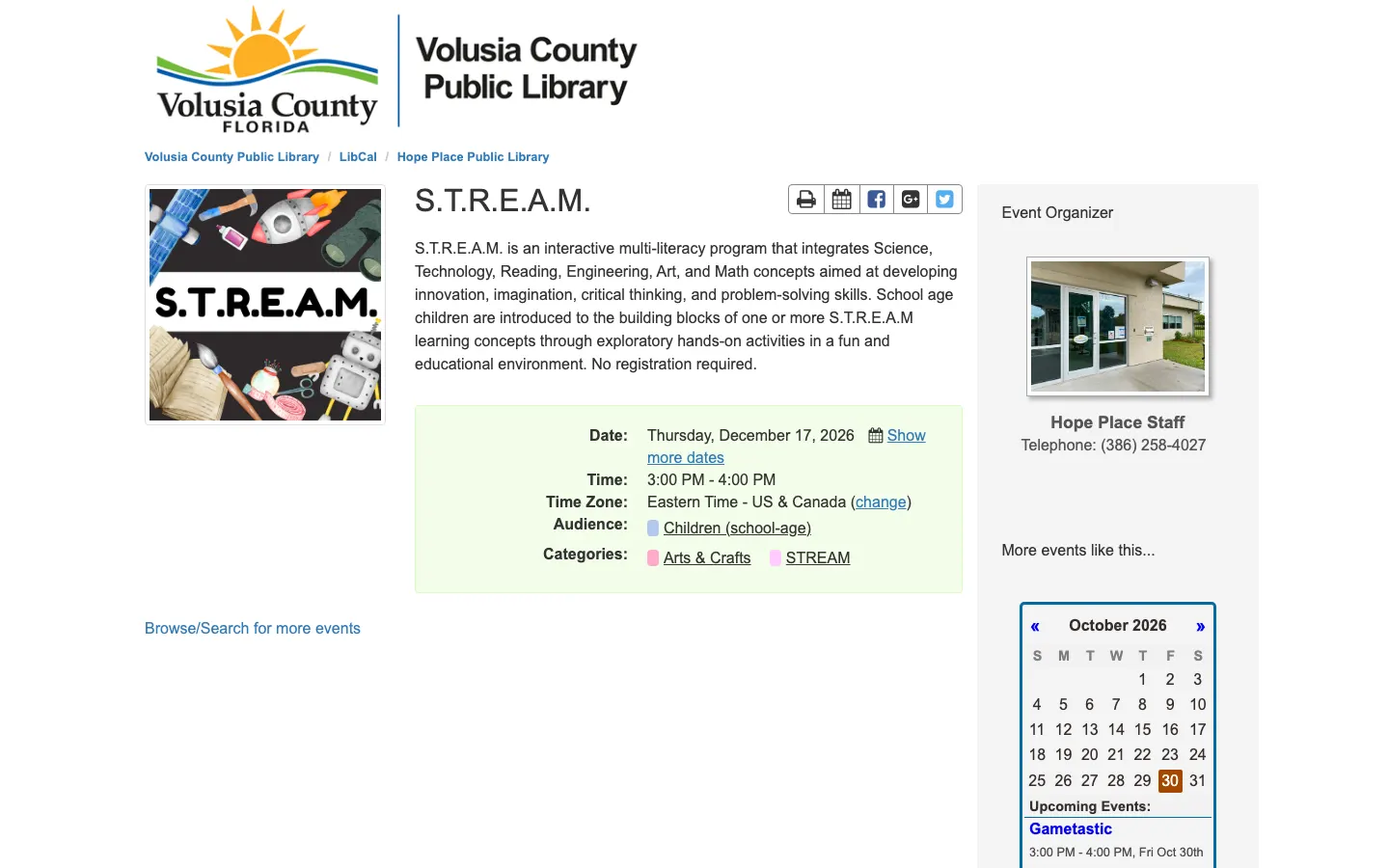
Volusia County Public Library S.T.R.E.A.M.
An interactive multi-literacy library program integrating science, technology, reading, engineering, art, and math through exploratory hands-on activities for school-age children. It is listed under Science and Coding for ages School-age children. Children and families can use it through a website.
Read the full resource review →More coding picks
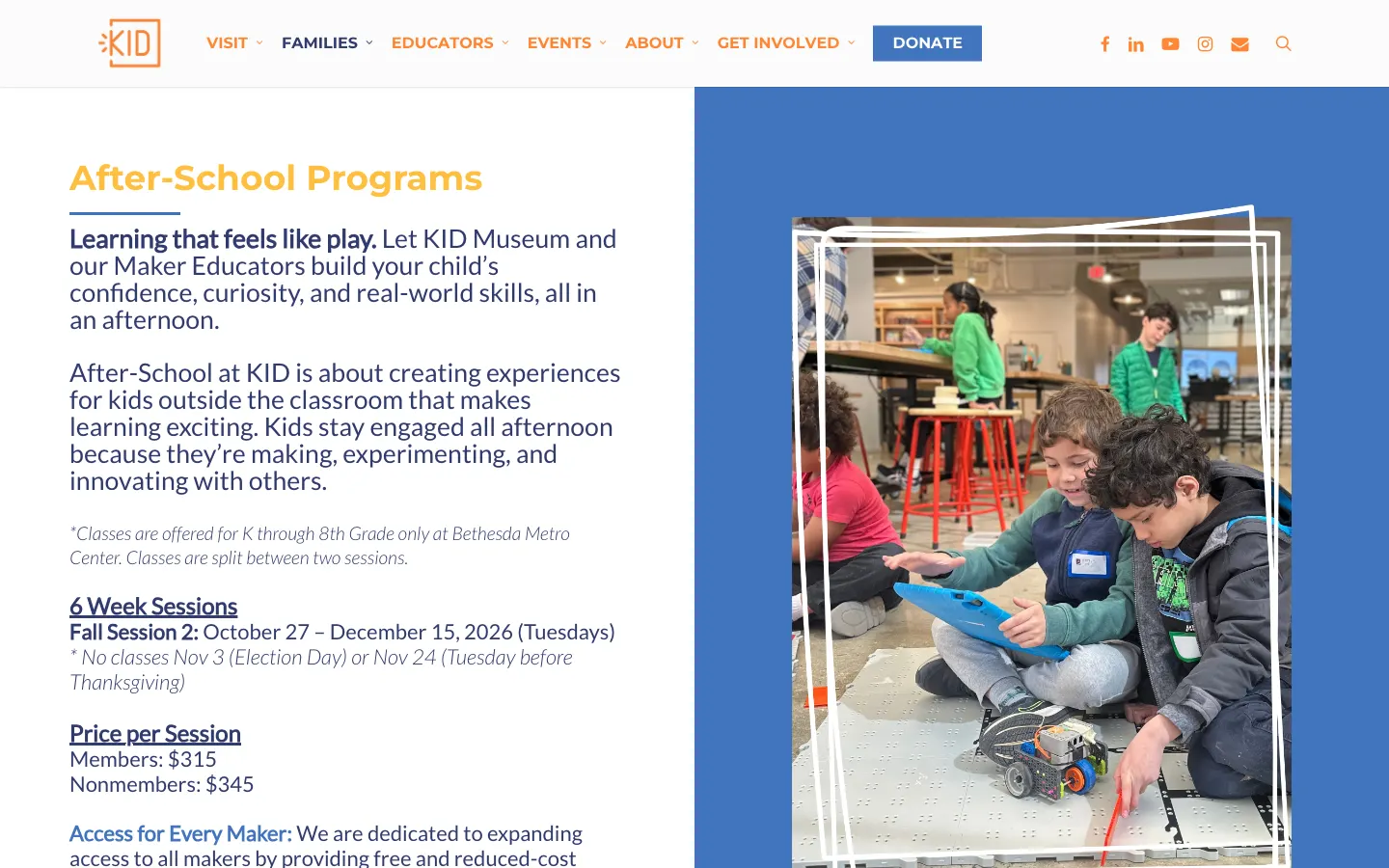
KID Museum After-School Programs
KID Museum’s fall after-school sessions give children K–8th grade hands-on maker learning through innovative art, coding, circuitry, textiles, construction, and creative problem-solving. It is listed under Coding and Art & creativity for ages K–8th grade.
KudoKids
KudoKids is a child-focused learning app and web experience for ages 3–12 with original stories, educational games across math, reading, science, coding, music, and art, plus calming tools and a parent dashboard.
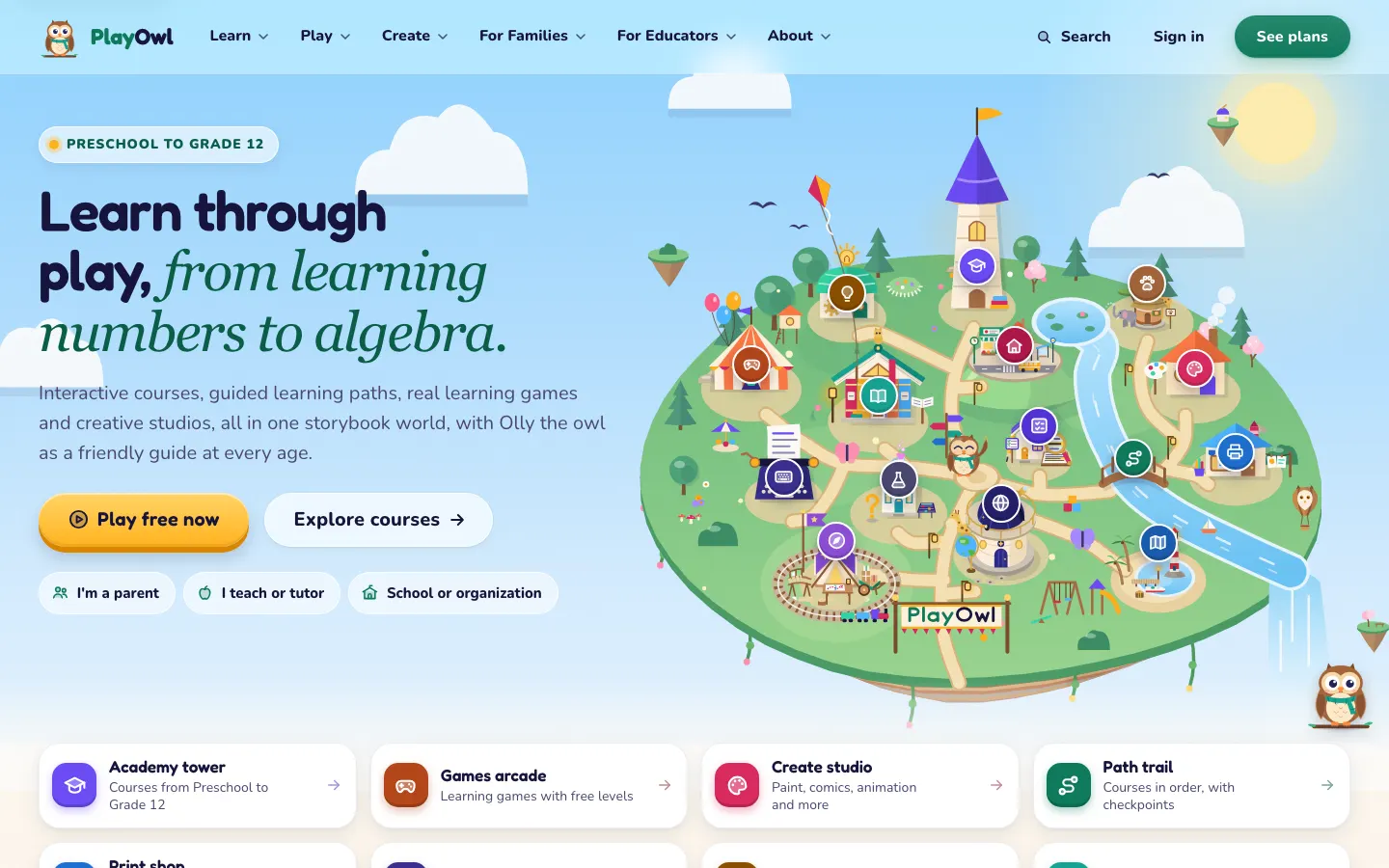
PlayOwl
PlayOwl is a broad browser learning hub with interactive courses, games, coding and art studios, printables, reading practice, animals, and science discovery activities. It is listed under Parent & educator, Mathematics, and Reading for ages 3–18.
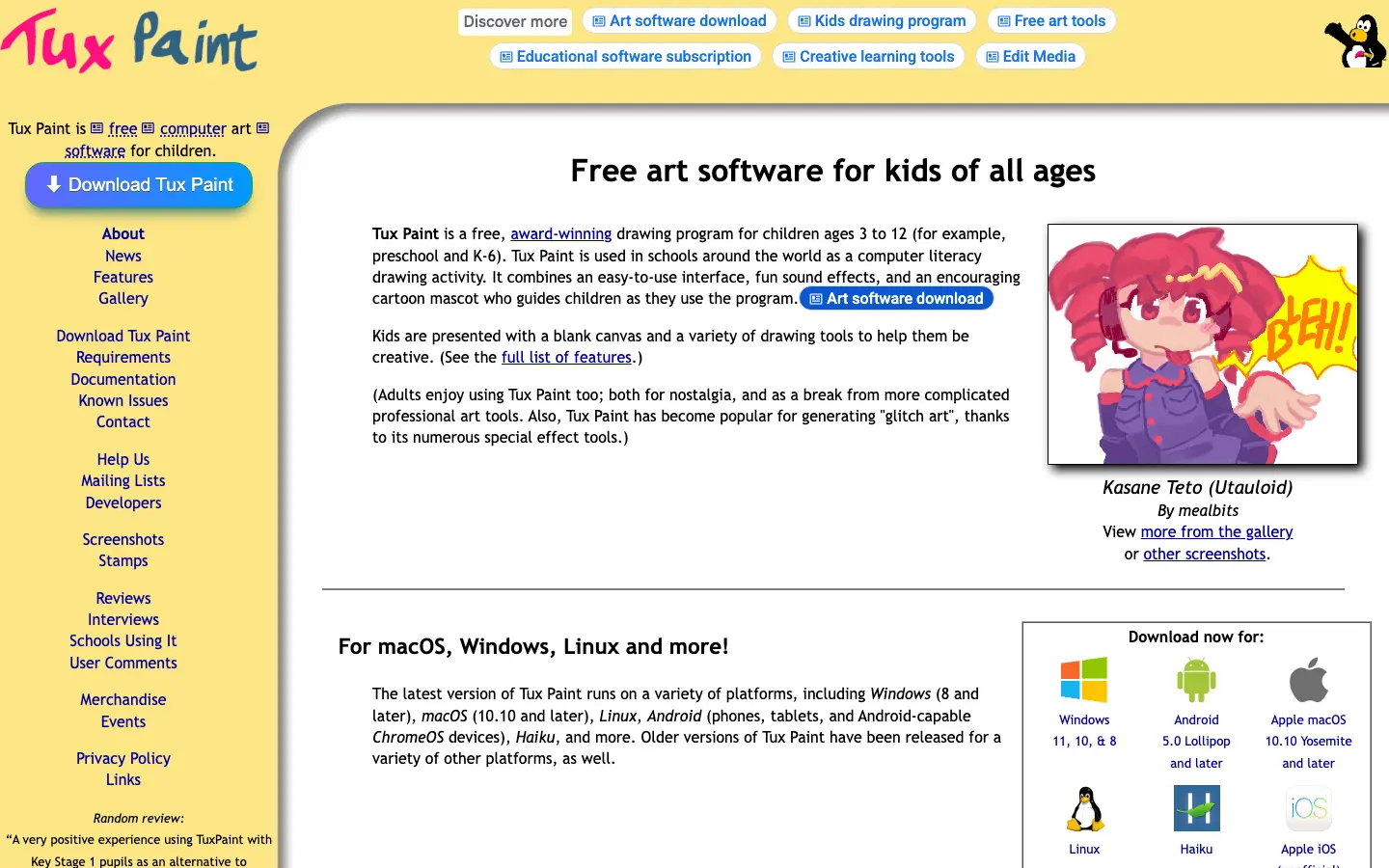
Tux Paint
Tux Paint is free open-source drawing software made for children, combining simple creative tools, sound effects, stamps, and a friendly mascot. It is listed under Art & creativity and Coding for ages 3–12. Children and families can use it through a website.
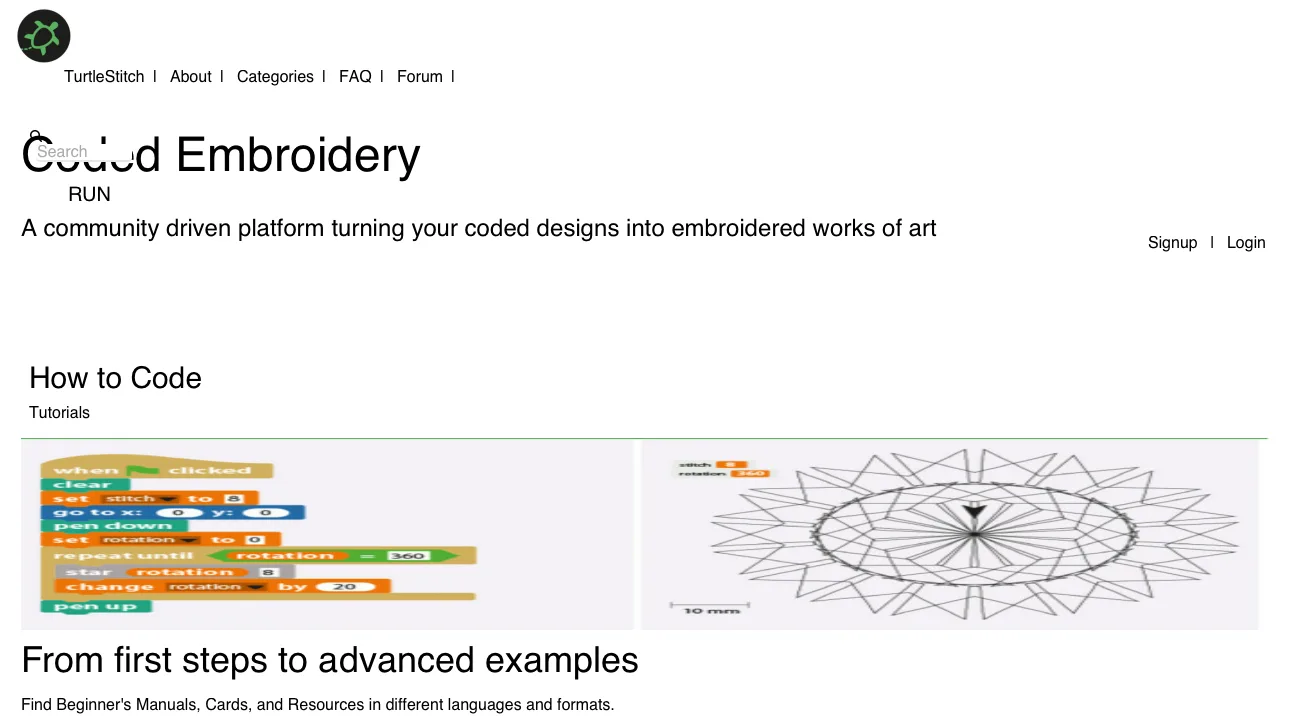
TurtleStitch
A free, open-source coding and textile platform where learners turn visual programs into embroidery patterns and physical designs. It is listed under Maker & DIY, Coding, and Art & creativity for ages 9–18. Children and families can use it through a website.
University of Cambridge Museums Home Activities
University of Cambridge Museums Home Activities offer collection-inspired science, nature, art, archaeology, and coding projects for families to make and explore at home. It is listed under Arts and Science for ages 6–14; activity-specific.
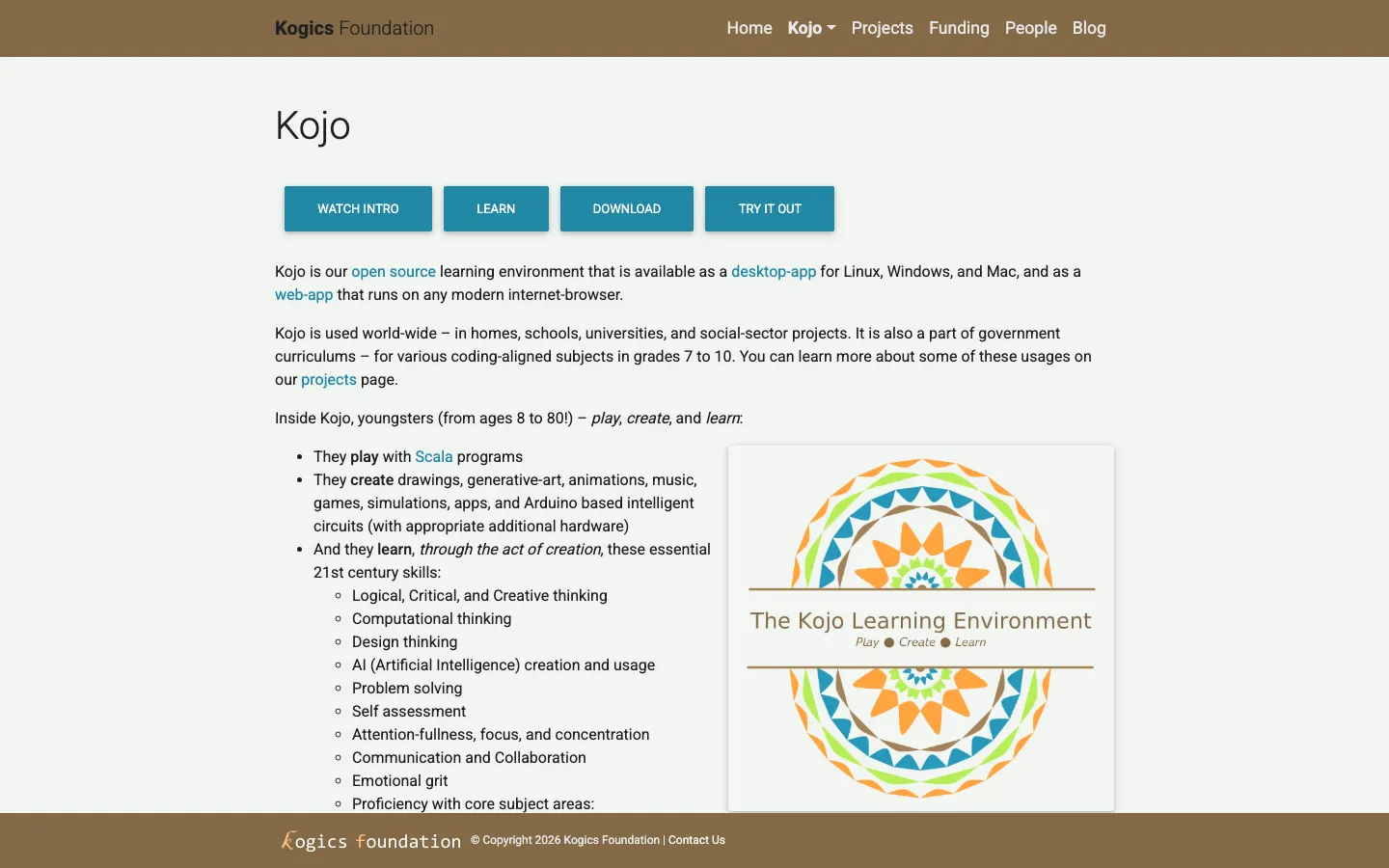
Kojo
Kojo is an open-source learning environment where young people create drawings, generative art, animations, music, games, simulations, apps, and Arduino projects while learning computational and design thinking. It is listed under Coding and Art & creativity for ages 8–18.
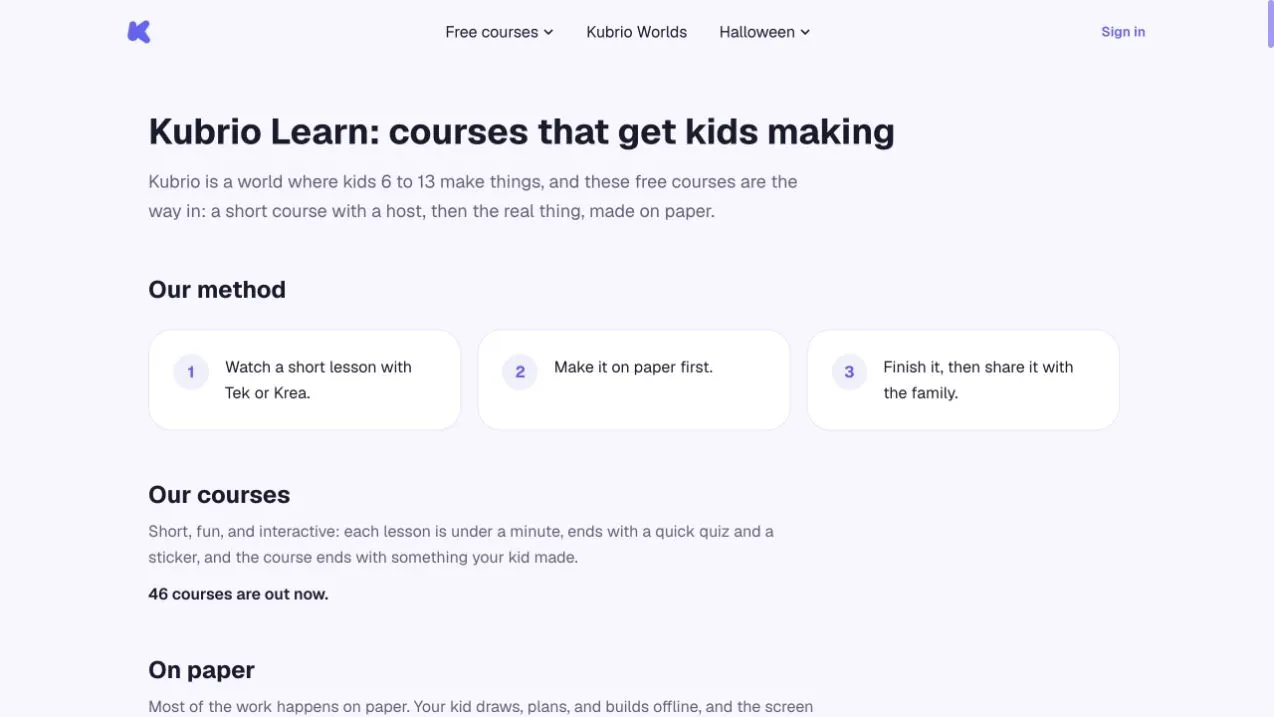
Kubrio Learn
Short free courses for ages 6–13 that turn drawing, animation, comics, games, robots, and coding into paper-first making projects. It is listed under Art & creativity and Coding for ages 6–13. Children and families can use it through a website.
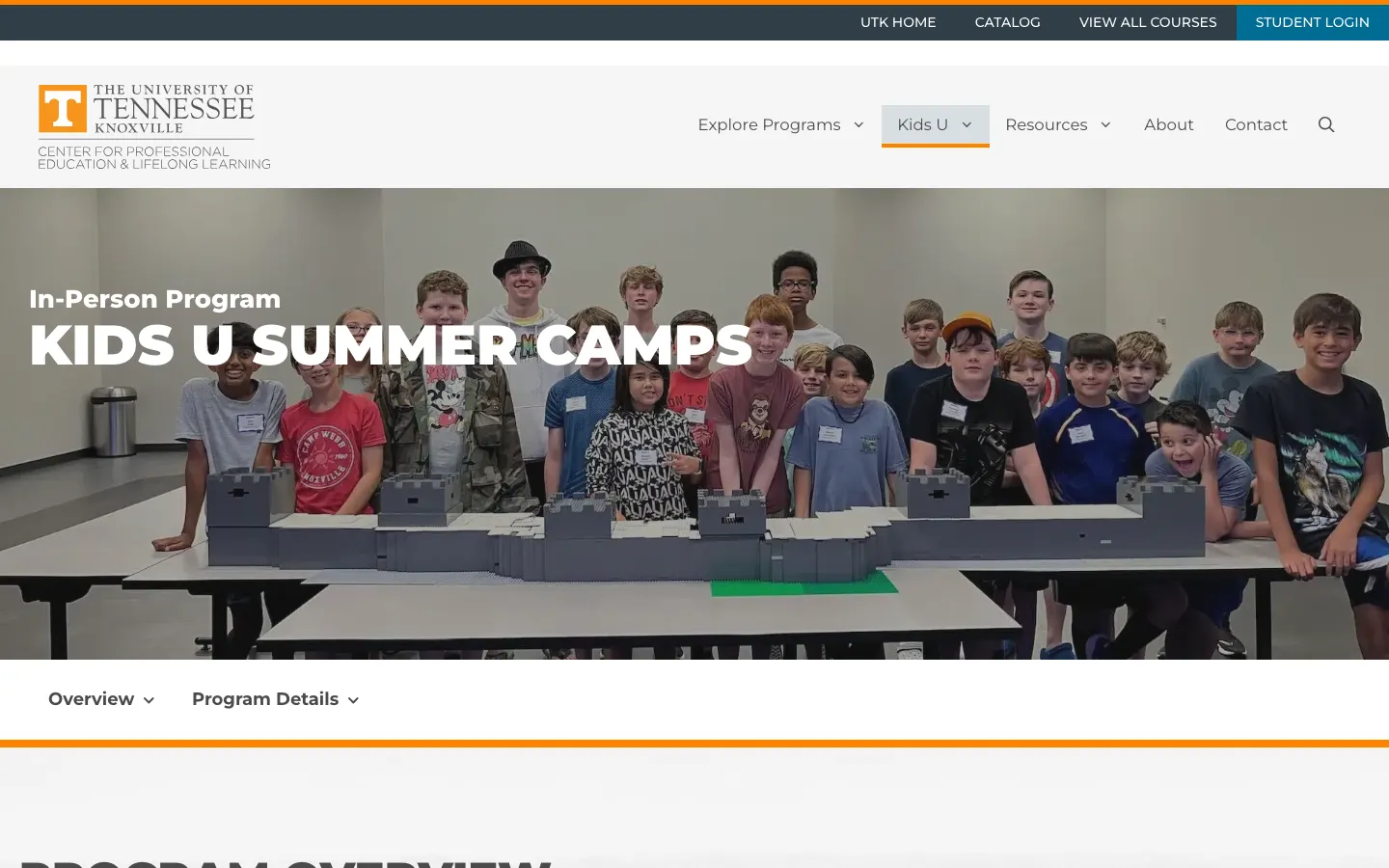
UT Kids U Summer Camps
University of Tennessee Kids U offers weeklong camps for rising grades 3–12 across art, chemistry, science, technology, STEM, LEGO, photography, and other interests. It is listed under Science and Art & creativity for ages Rising grades 3–12.
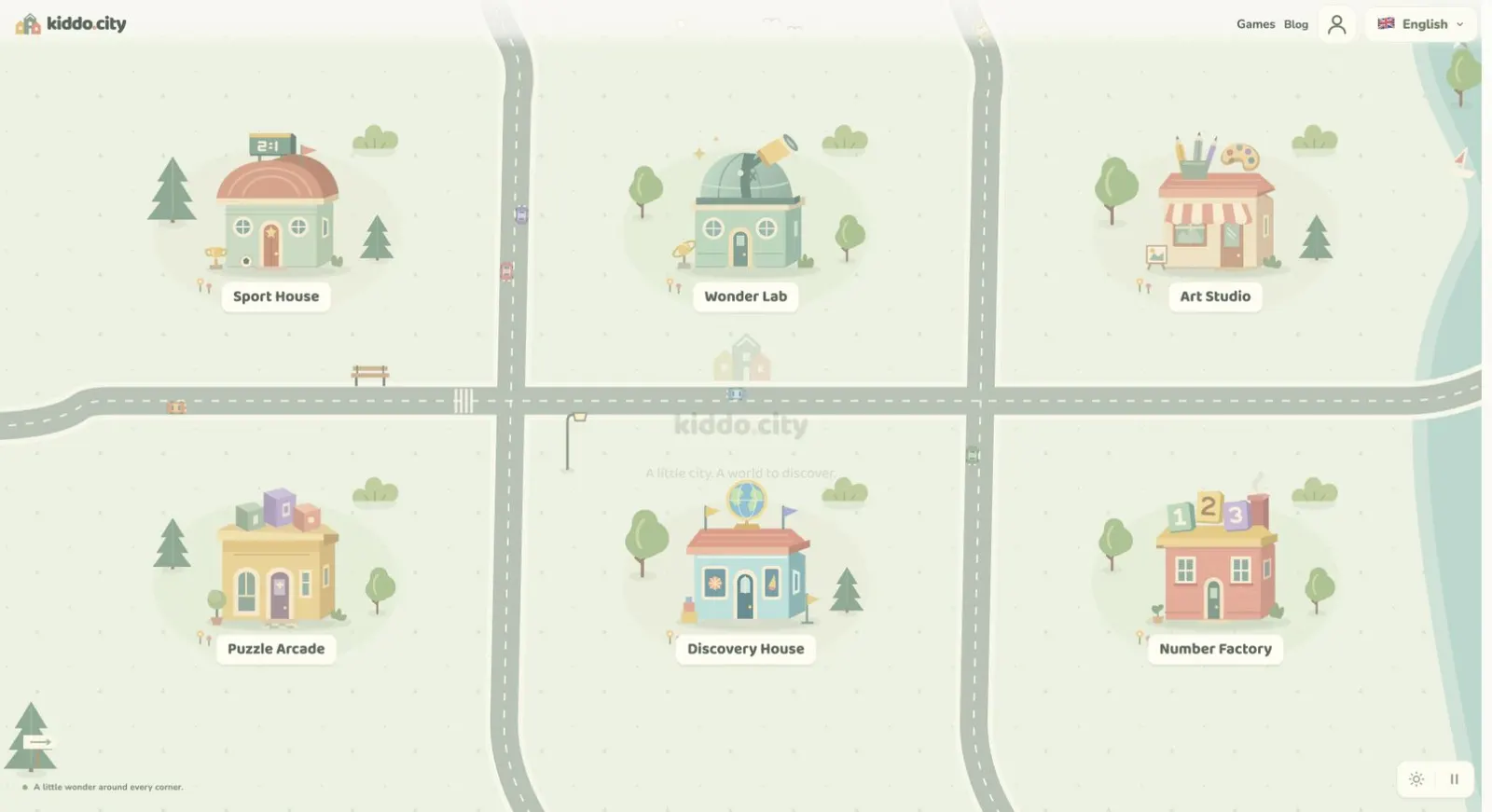
Kiddo.city
A free illustrated browser arcade with puzzles, coding, music, painting, and math games for young children. It is listed under Games, Coding, and Mathematics for ages 5–8. Children and families can use it through a website.
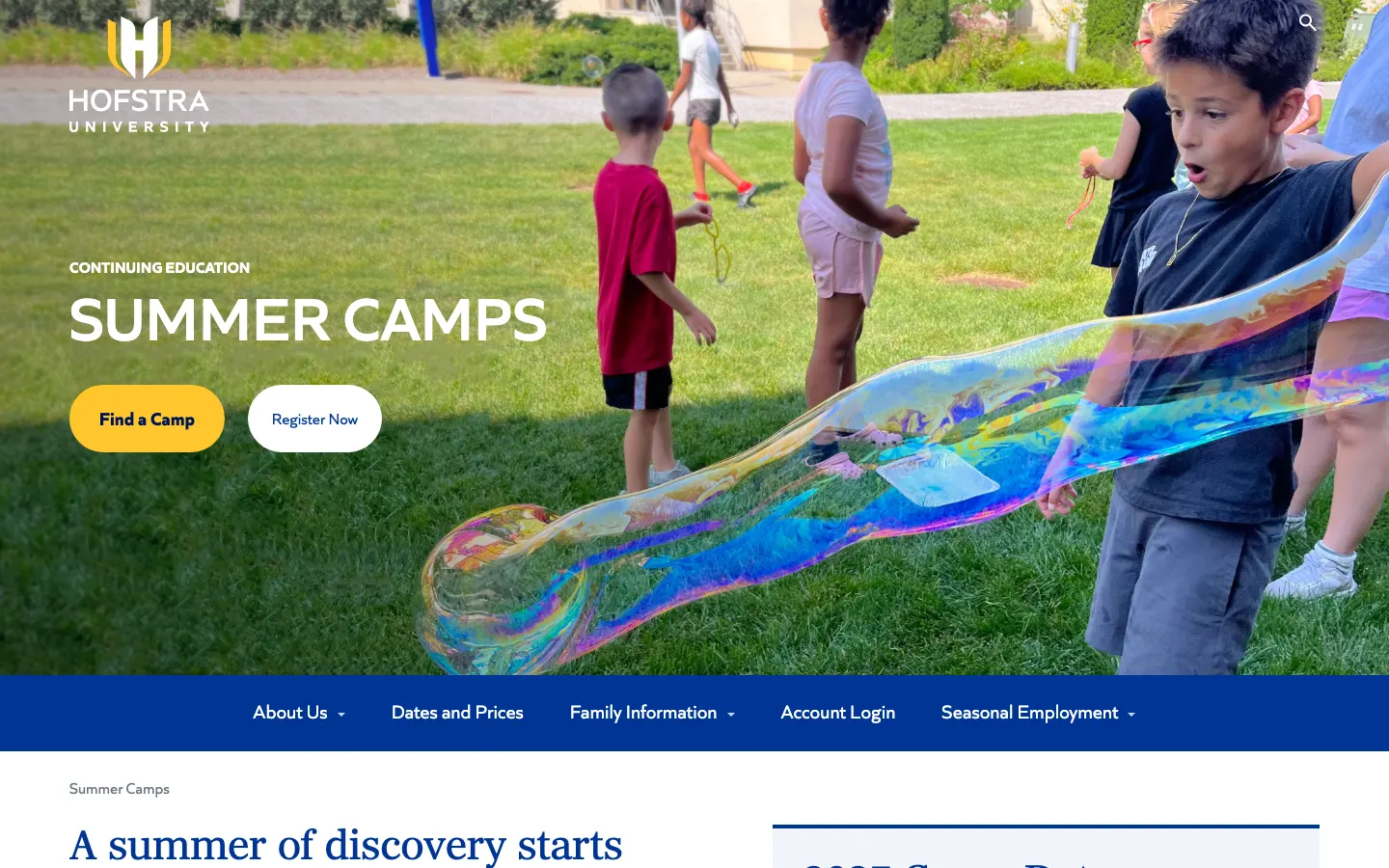
Hofstra University Summer Camps 2027
Hofstra’s summer day camps give children entering kindergarten through grade 12 options across arts, science, technology, sports, and enrichment. It is listed under Science and Art & creativity for ages Entering kindergarten–grade 12. Children and families can use it through a website.
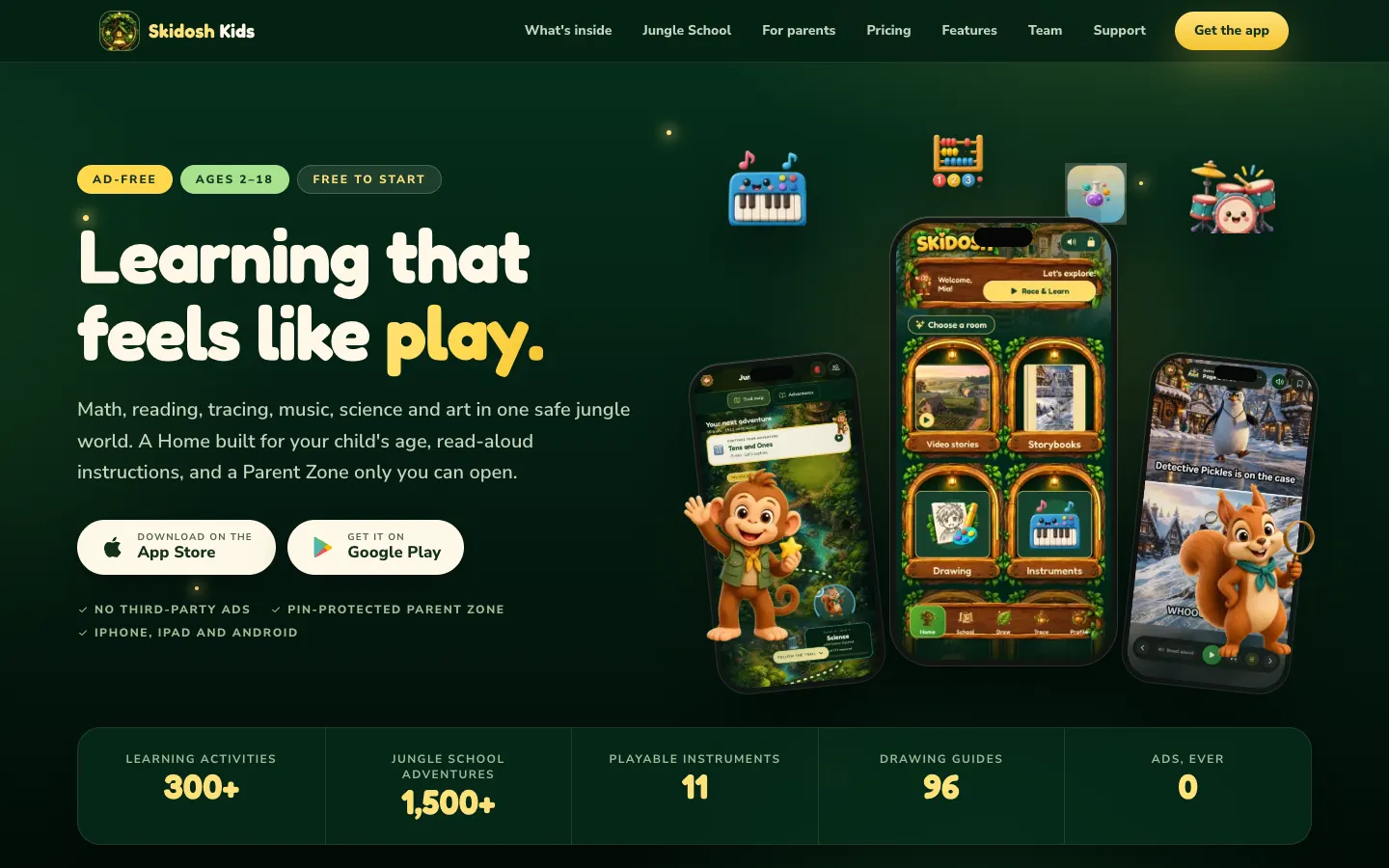
Skidosh Kids
Skidosh Kids is an ad-free learning app covering math, reading, tracing, music, science, art, coding basics, puzzles, and life skills in an age-guided world. It is listed under Early learning, Mathematics, and Reading for ages 2–18.
Compare with context
Use this collection to find a direction, then open each resource page before sharing it with a child. The individual review shows languages, access formats, tags, age guidance, source links, and notes for grown-ups.
Search the full directory →