Art & creativity Math
for kids
Explore 20 trusted art & creativity math resources selected for curious kids, with clear ages, access details, and parent context.
Two useful ways to narrow the directory
This page brings together art & creativity resources that also match math. Each listing keeps its own age range, platform details, languages, links, and parent notes, so you can compare options without losing context.
Explore all art & creativity resources →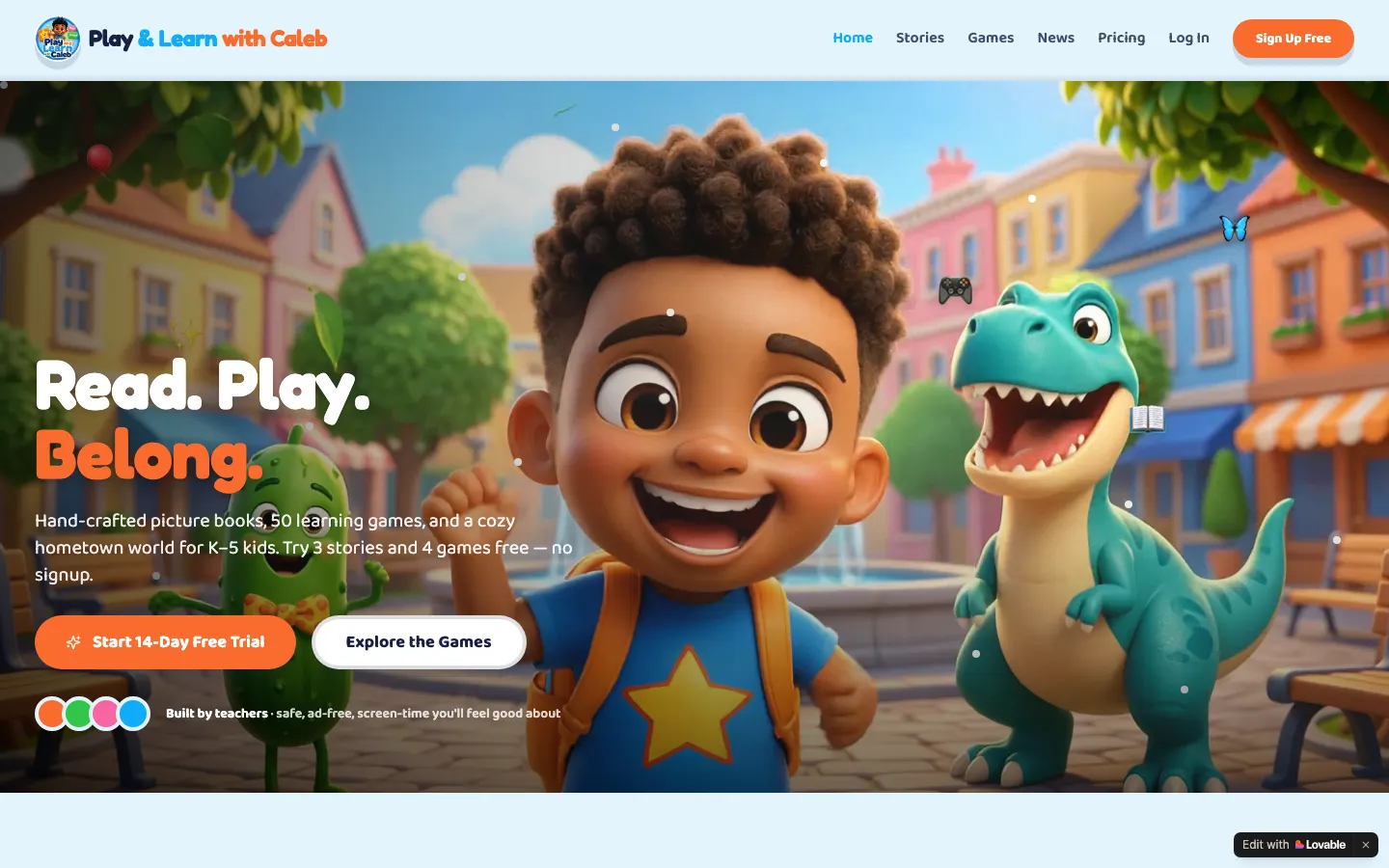
Play & Learn with Caleb
Play & Learn with Caleb combines original picture books and short learning games for K–5 children, including early reading, counting, shapes, and creative play. It is listed under Reading and Mathematics for ages 5–11.
Read the full resource review →More art & creativity picks
Home School Explorations Series (Grades 3–5)
Explora’s Home School Explorations Series is a semester of weekly experiential science, technology, engineering, art, and math sessions for home-educated children in grades 3–5. It is listed under Science and Engineering & coding for ages 8–11 / grades 3–5.
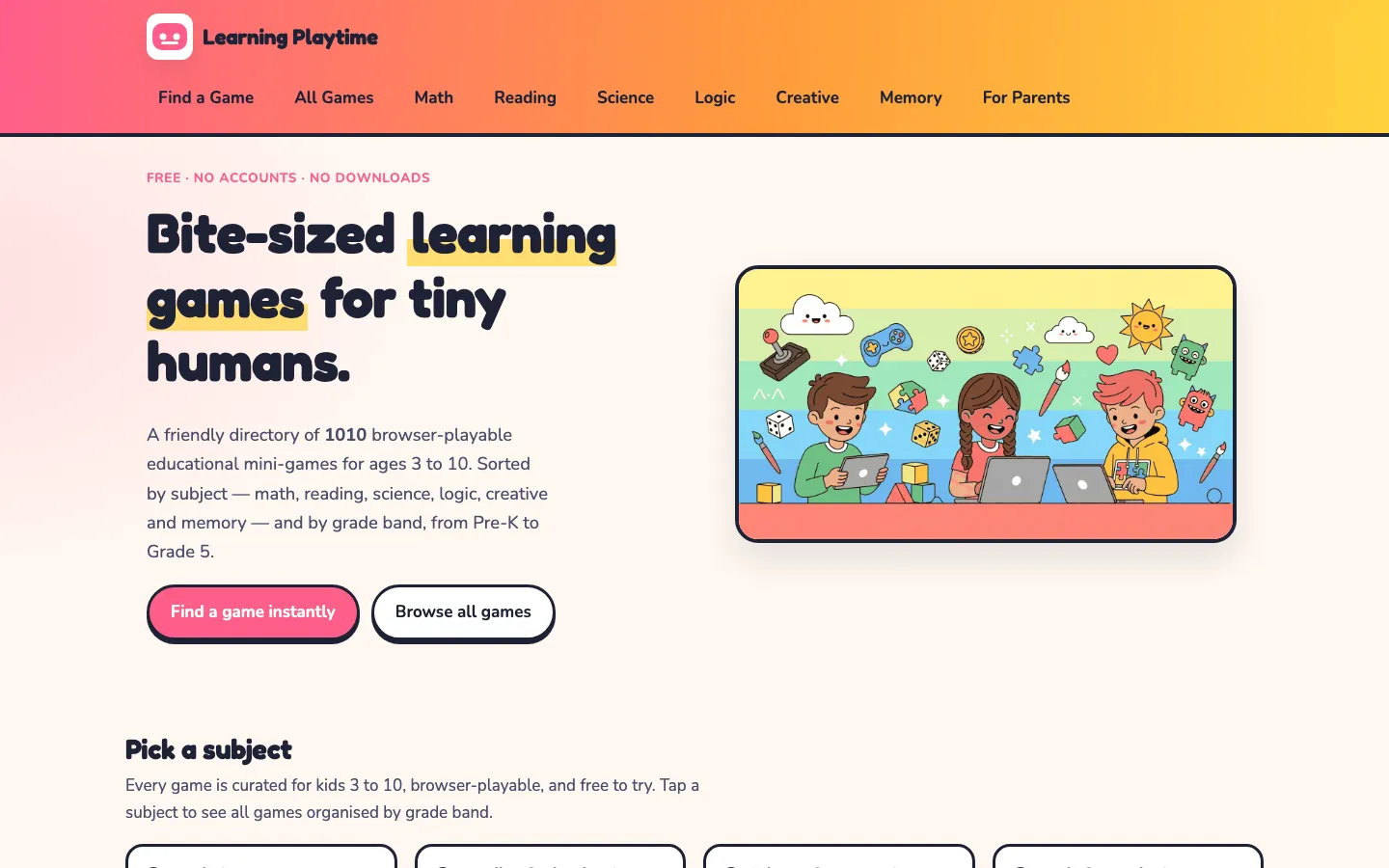
Learning Playtime
Learning Playtime is a curated browser-game directory for children ages 3–10, organized by math, reading, science, logic, creative, and memory skills. It is listed under Games, Mathematics, and Reading for ages 3–10. Children and families can use it through a website.
Brainland
A Singapore-built browser learning world for Primary 1–6 with free gamified zones for maths, English, science, geography, art, coding, and puzzles. It is listed under Maths & logic and Reading for ages 7–12. Children and families can use it through a website.
Pibblewick
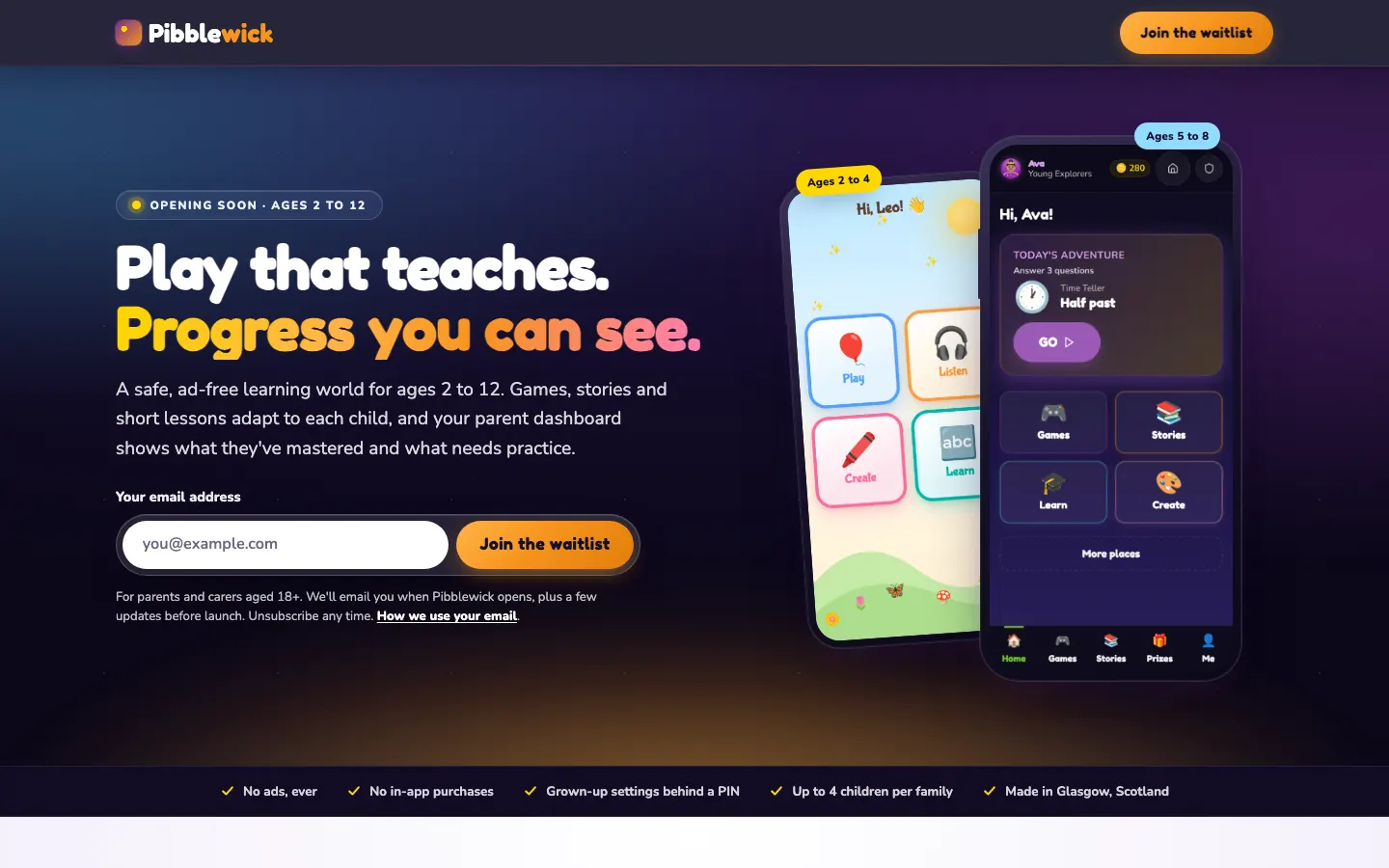
Pibblewick is an age-adaptive learning app with narrated stories, math, literacy, science, art, music, quizzes, and creative challenges for children. It is listed under Early learning and Mathematics for ages 2–12. Children and families can use it through a website.
Great Minds PK–12 Curriculum
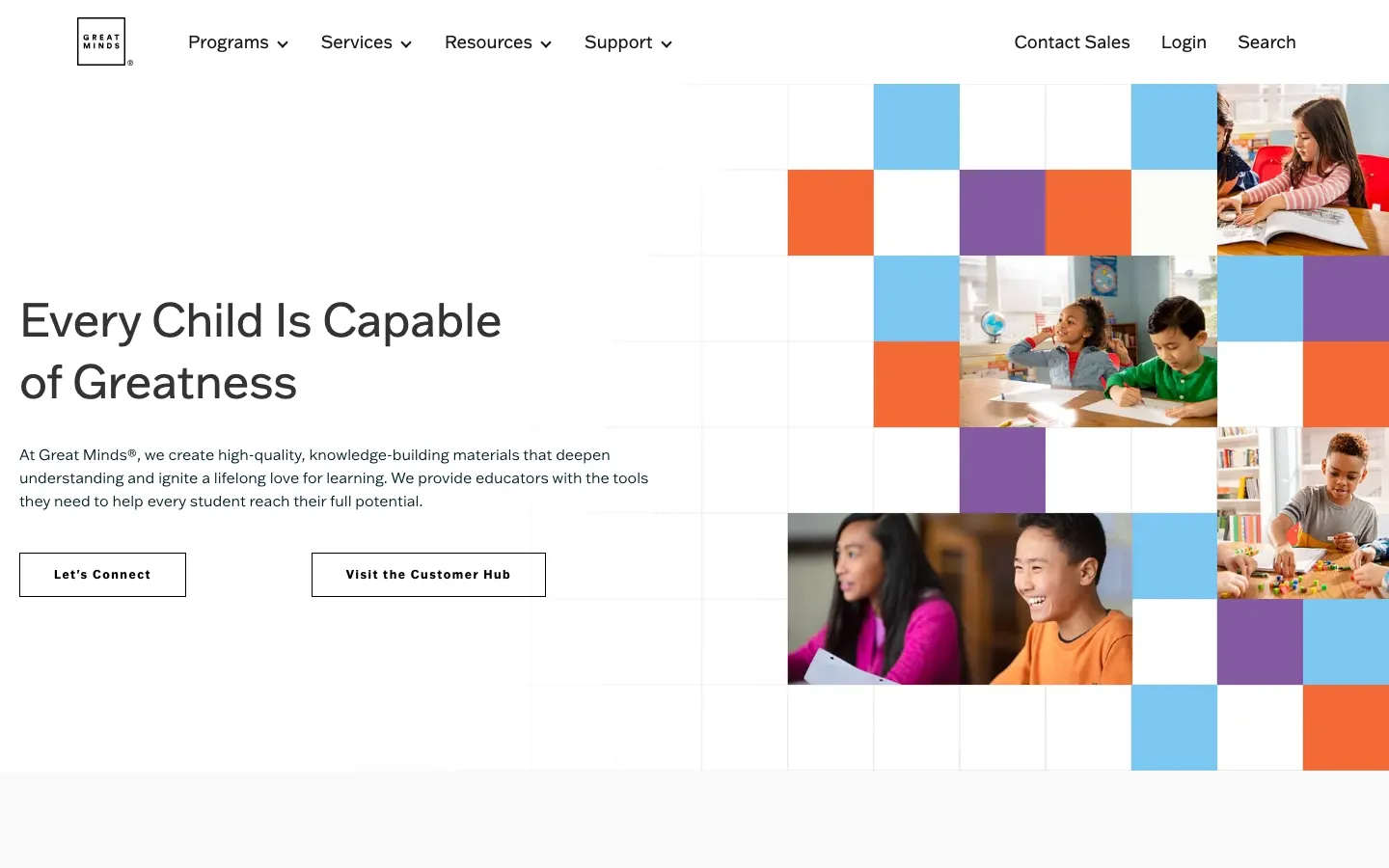
Great Minds is a curriculum publisher offering knowledge-building mathematics, literacy, and arts programs including Eureka Math², Wit & Wisdom, Arts & Letters, and Geodes decodable books, with educator support for PK through secondary grades.
Kvasi
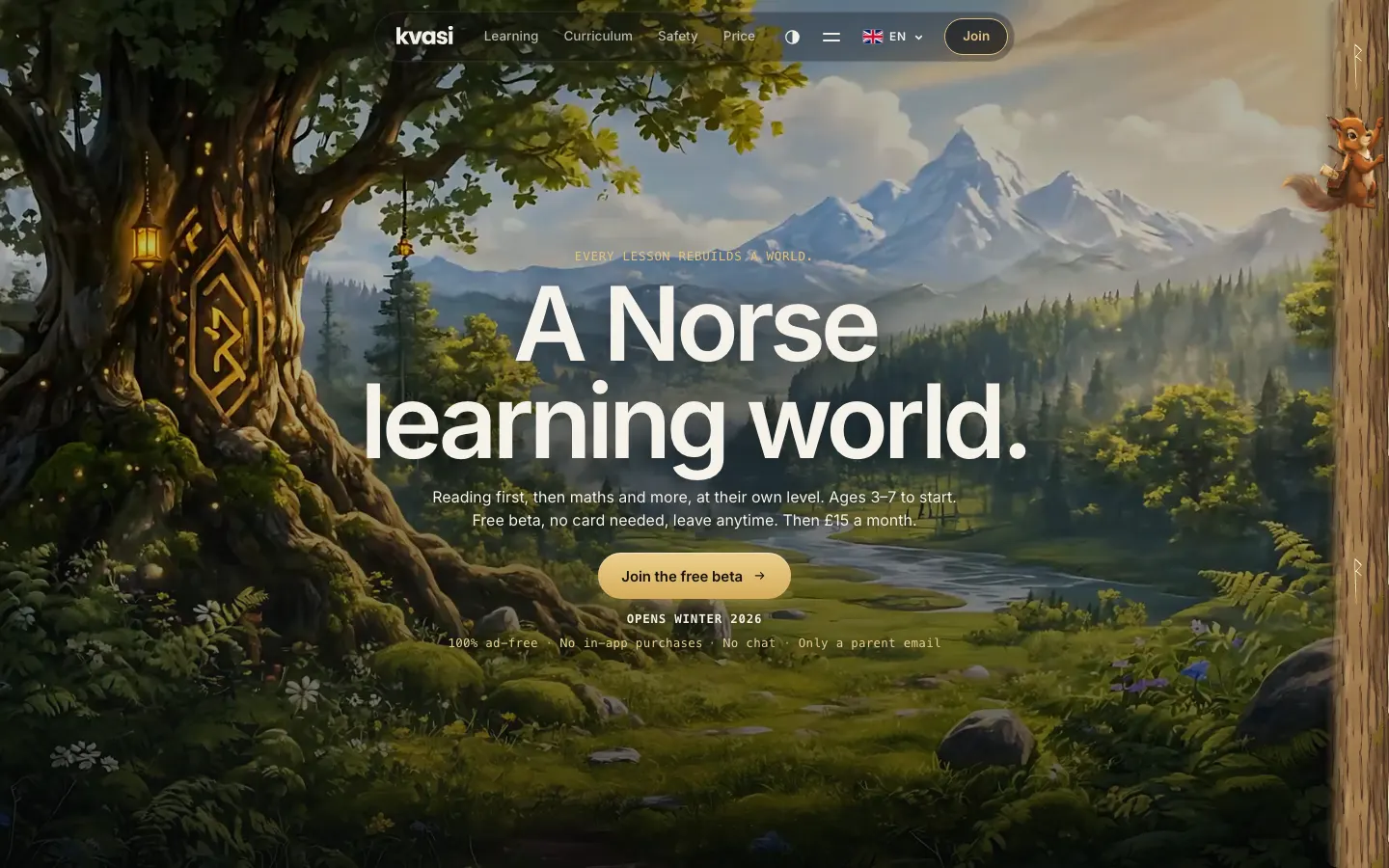
Kvasi is a beta learning world that turns reading, maths, geography, biology, art, health, physics, chemistry, and philosophy into themed realms. It is listed under Mathematics and Reading for ages 4–10. Children and families can use it through a website.
TapTots
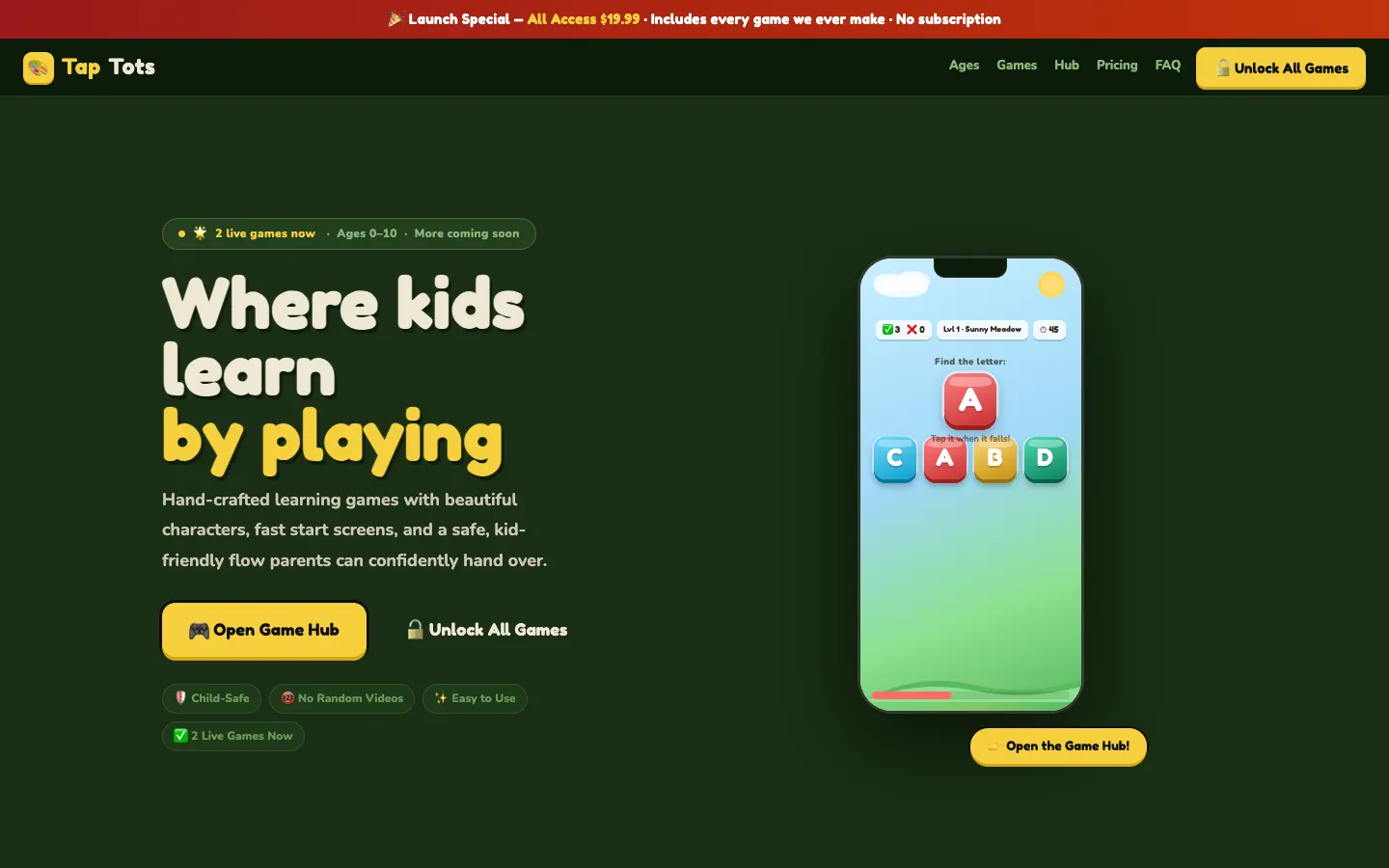
TapTots is an age-banded browser game hub with early literacy, math, logic, and creativity activities, including free live games and additional locked or upcoming content. It is listed under Early learning, Mathematics, and Reading for ages 0–10.
KokeLab
KokeLab offers kids learning games and projects in programming, math, science, and drawing, with a free-to-start browser experience aimed at ages 4–12. It is listed under Coding and Maths & logic for ages 4–12.
TinkerSchool
TinkerSchool is a free open-source learning platform for ages 3–12 combining guided play, math, reading, science, music, art, coding, and optional hands-on hardware. It is listed under Science and Mathematics for ages 3–12. Children and families can use it through a website.
Tux4Kids
Tux4Kids is an open-source project offering free educational software for children, including Tux Paint and other learning-focused desktop activities for home and school use. It suits families and educators who want downloadable creative tools and are comfortable with desktop installation. Adults should check current operating-system support, download sources, accessibility, and setup requirements before use.
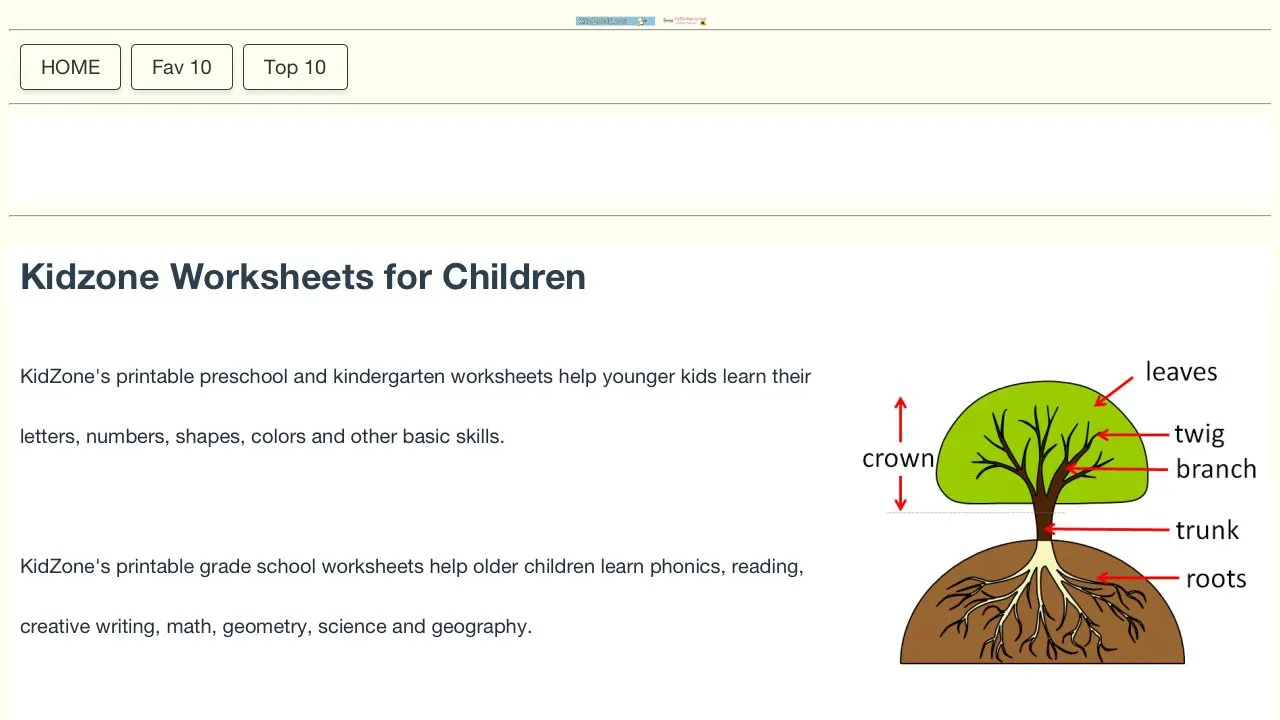
KidZone Worksheets
Printable worksheets and activity pages for children covering letters, numbers, shapes, colors, reading, writing, and early learning. It is listed under Reading, Math, and Art & creativity for ages 3–10. Children and families can use it through a website.
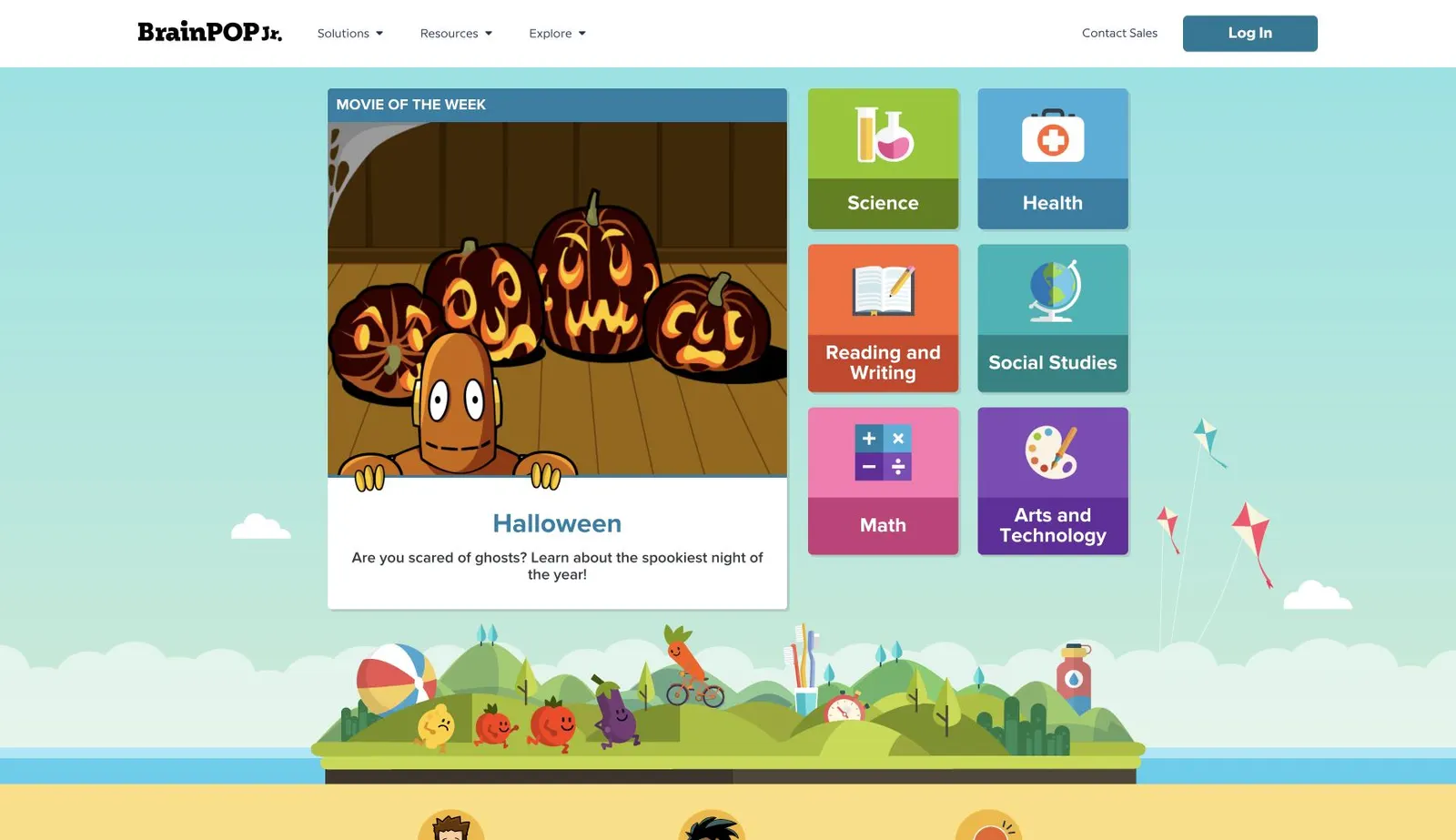
BrainPOP Jr.
Animated lessons, activities, and learning resources for young learners across science, math, reading, health, social studies, and the arts. It is listed under Science, Reading, and Math for ages 5–9. Children and families can use it through a website and downloadable resources.
Compare with context
Use this collection to find a direction, then open each resource page before sharing it with a child. The individual review shows languages, access formats, tags, age guidance, source links, and notes for grown-ups.
Search the full directory →