
Smithsonian Learning Lab
Free Smithsonian digital collections, classroom-ready resources, and educator-created learning collections for children and students. It is listed under History & culture, Science, and Art & creativity for ages 5-18. Children and families can use it through a website and downloadable resources.
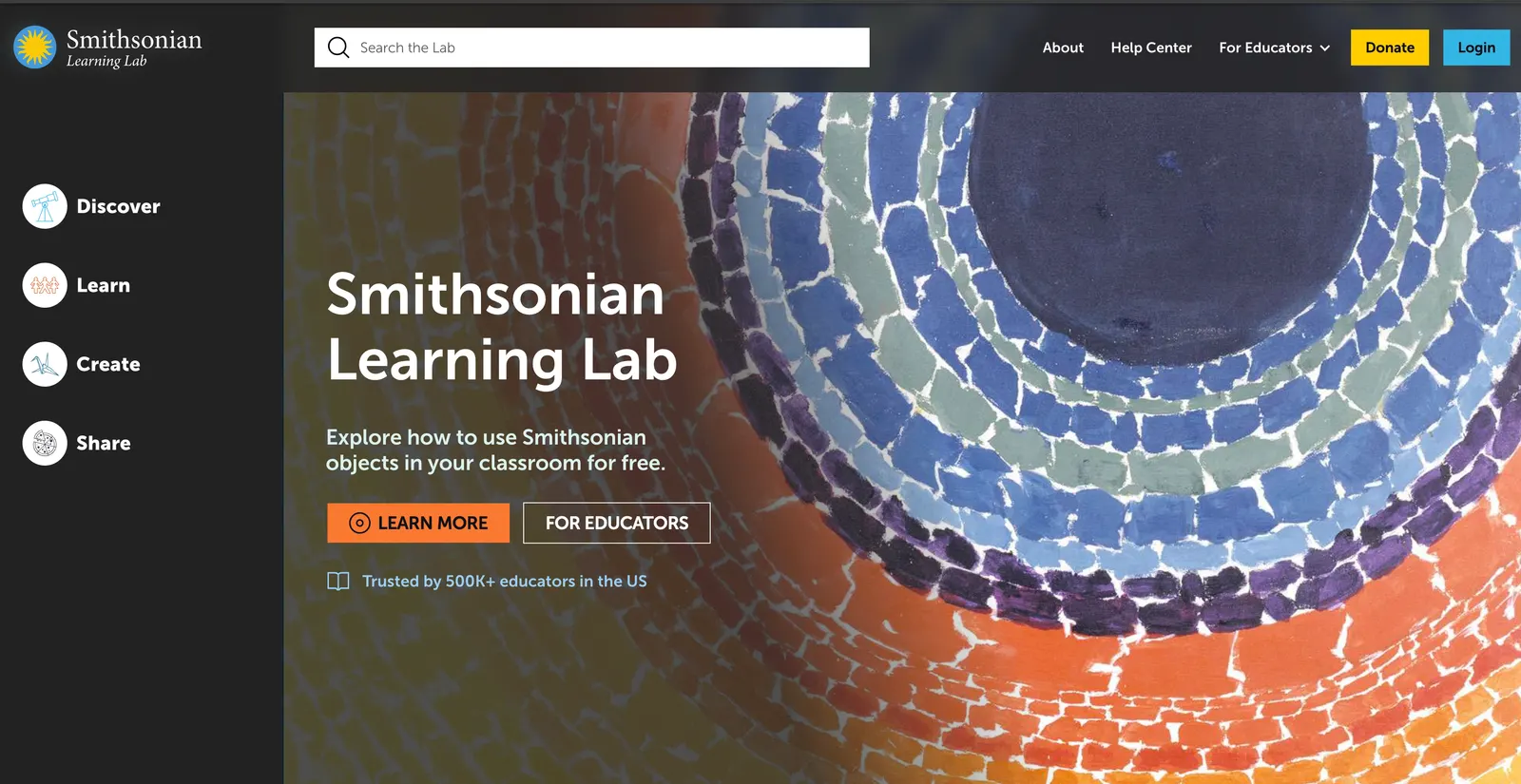 Website preview
About Smithsonian Learning Lab
Smithsonian Learning Lab lets families and educators discover, create, and share collections built from Smithsonian digital images, recordings, texts, videos, and objects. The official platform includes grade-banded collections, classroom tools, annotations, quizzes, and assignments.
Age and access
This resource is listed for ages 5–18. It is available as Website, Downloadable and is listed as free. The listed language coverage is English.
What stands out
- Brings trusted museum objects and media into guided learning
- Offers collections by grade and subject
- Lets educators adapt materials and build interactive collections
Editorial review
Smithsonian Learning Lab brings museum objects, primary sources, and educator-created collections into a searchable digital workspace. It is useful when a child or teacher wants to look closely at real evidence—an image, specimen, document, or object—and build a question around it.
Families and educators who want museum-backed material for inquiry, research, and discussion across science, history, and art.
- The quality and age fit of individual collections vary because the catalogue includes many creators and subjects.
- Some classroom workflows may require an account or teacher setup; preview the collection and access requirements first.
Review basis: We compared the Smithsonian’s collection platform, object-based format, educator use, and recorded source and access details. · The thekidspick editorial team · reviewed 2026-11-19
Check the details at the source
This page separates our editorial context from provider evidence. Access, pricing, language, privacy, and content can change.
Evidence date not recorded for this listing; confirm current details with the provider.
How the score is built
The platform is produced by the Smithsonian Institution.
The official page combines millions of digital objects with curated collections and teaching tools.
Public discovery is free, while some creation and classroom tools require an account.
Parent notes
- The platform includes user-created collections, so adults should preview individual items and external links.
- Some tools are intended for educators or logged-in users, while discovery pages are publicly accessible.
- Preview checked clean with no cookie popup, ad overlay, broken rendering, or placeholder imagery.
Recognized by
TheKidsPick
This resource has been independently reviewed by our team for its learning value, age fit, access, and trust signals, so parents can discover high-quality, kid-friendly resources with confidence.
Manage this resource?
Add this recognition to your website or share your TheKidsPick profile. It helps parents find your resource and shows your commitment to quality.
Find Smithsonian Learning Lab in related listings
A few useful subject and format shortlists for this resource.
Questions parents ask
See something wrong?
Report an outdated link, image, language, platform, tag, or other detail.
Other history & culture resources to consider
Use these nearby options to compare age fit, format, access, and the kind of adult support each resource asks for. The scores are editorial signals, not a substitute for checking the provider page.
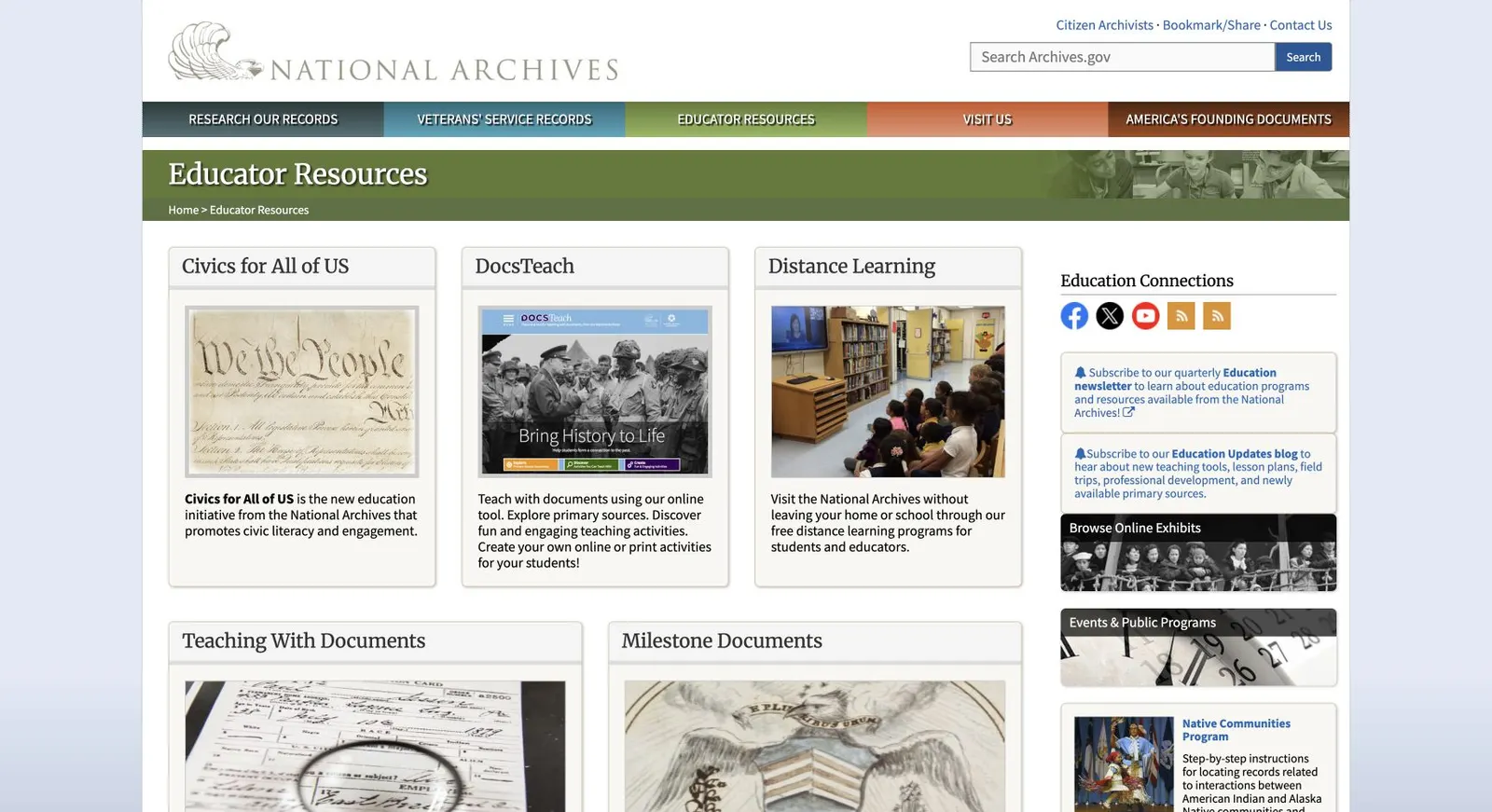
National Archives Education
Primary sources, civics activities, document-based lessons, and student learning resources from the U.S. National Archives. It is listed under History & culture, Parent & educator, and Reading for ages 8-18. Children and families can use it through a website and downloadable resources.
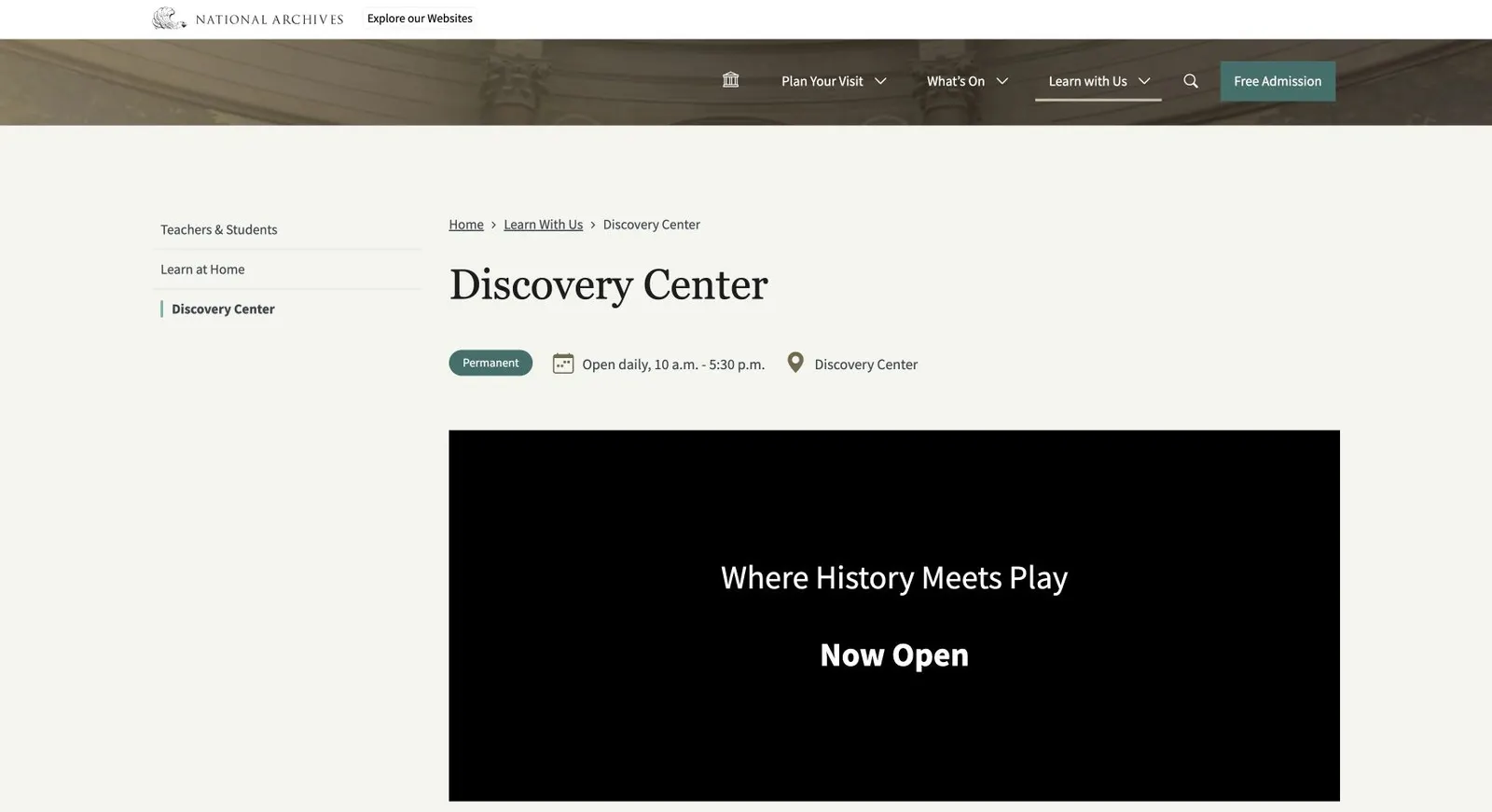
National Archives Discovery Center
An interactive museum learning experience where children explore American democracy through games, documents, stories, and hands-on activities. It is listed under History & culture, Parent & educator, and Reading for ages 4-12. Children and families can use it through a website and a physical place.
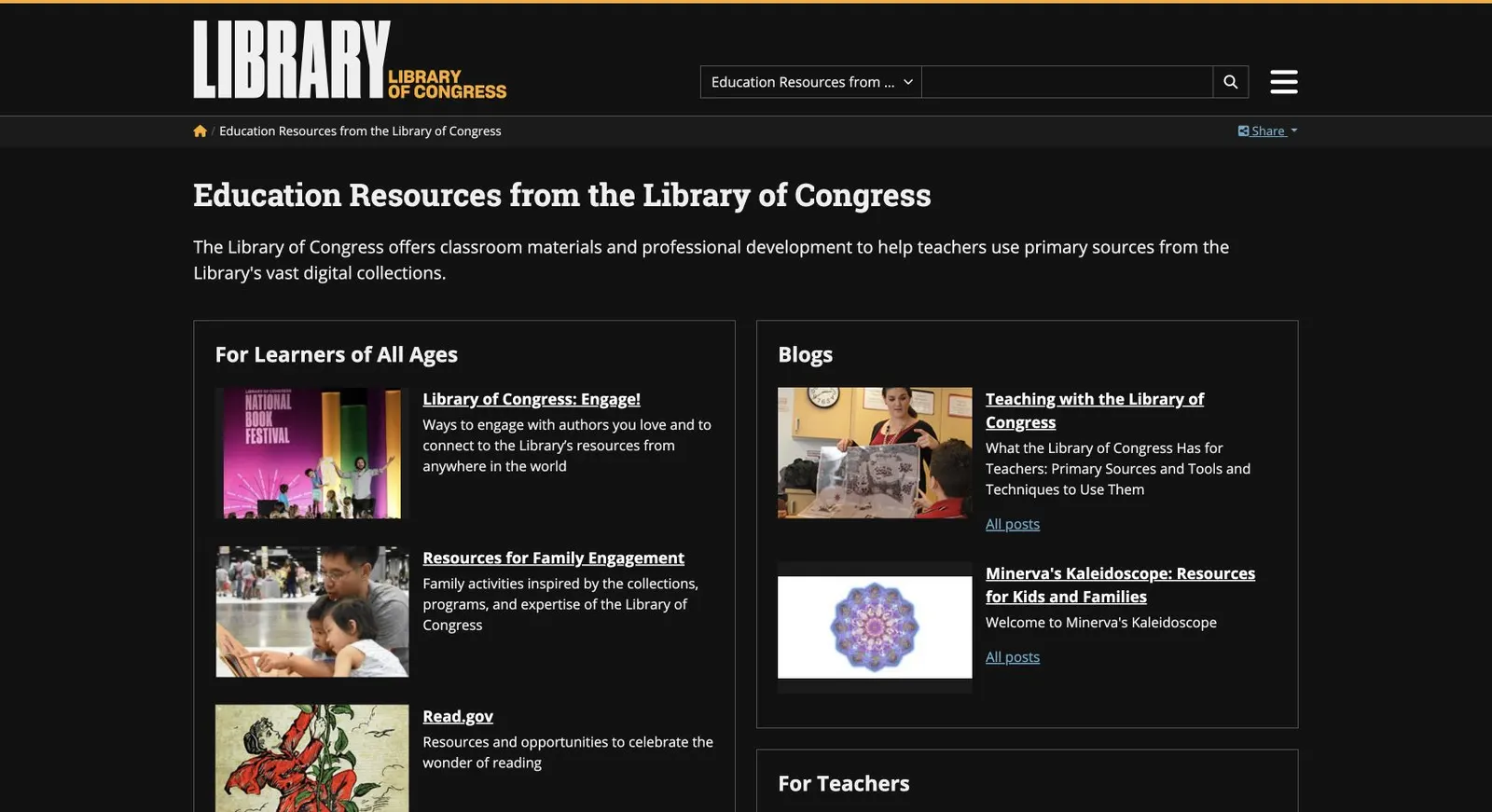
Library of Congress Education
Primary sources, family learning, classroom materials, and reading resources from the Library of Congress. It is listed under History & culture, Reading, and Parent & educator for ages 5-18. Children and families can use it through a website and downloadable resources.
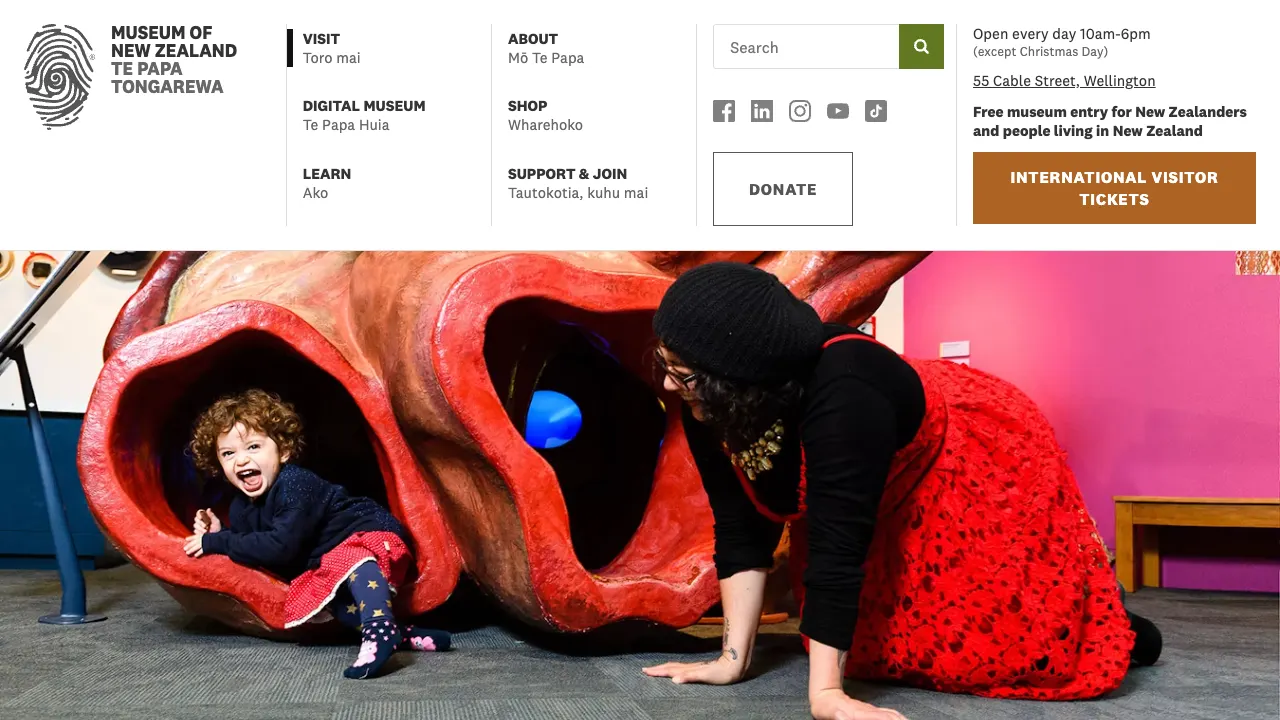
Te Papa Discovery Centres
Free museum discovery spaces with games, books, art activities, and hands-on learning for children and families. It is listed under History & culture, Science, and Art & creativity for ages 0-12. Children and families can use it through a website, a physical place, and downloadable resources.