Esa
Explore resources from Esa, or visit the organization’s official website.
About Esa
The European Space Agency is an intergovernmental organization created in 1975 to develop Europe’s space capability. ESA coordinates member-state resources across Earth observation, navigation, astronomy, exploration, and space technology.
- Identity status
- Verified from official sources
- Official website
- esa.int ↗
- Directory resources
- 12 published resources
- Main subjects
- Science · Space · Technology · Education · Nature & environment · Coding
Explore Esa
ESA Back to School 2026–27 STEM Projects
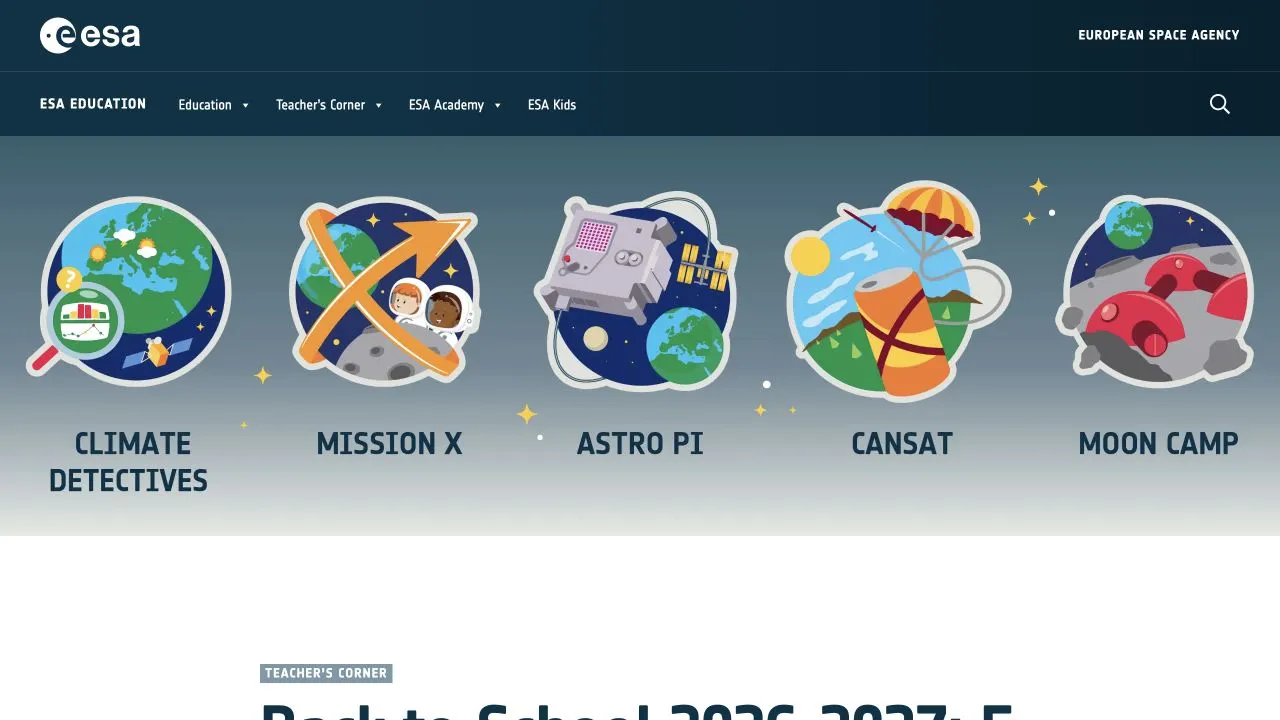
The European Space Agency’s 2026–27 Teacher’s Corner collection brings together Climate Detectives, Mission X, Astro Pi, CanSat, and Moon Camp, connecting school students with hands-on space science, coding, Earth observation, engineering, and design.
ESA Climate Detectives
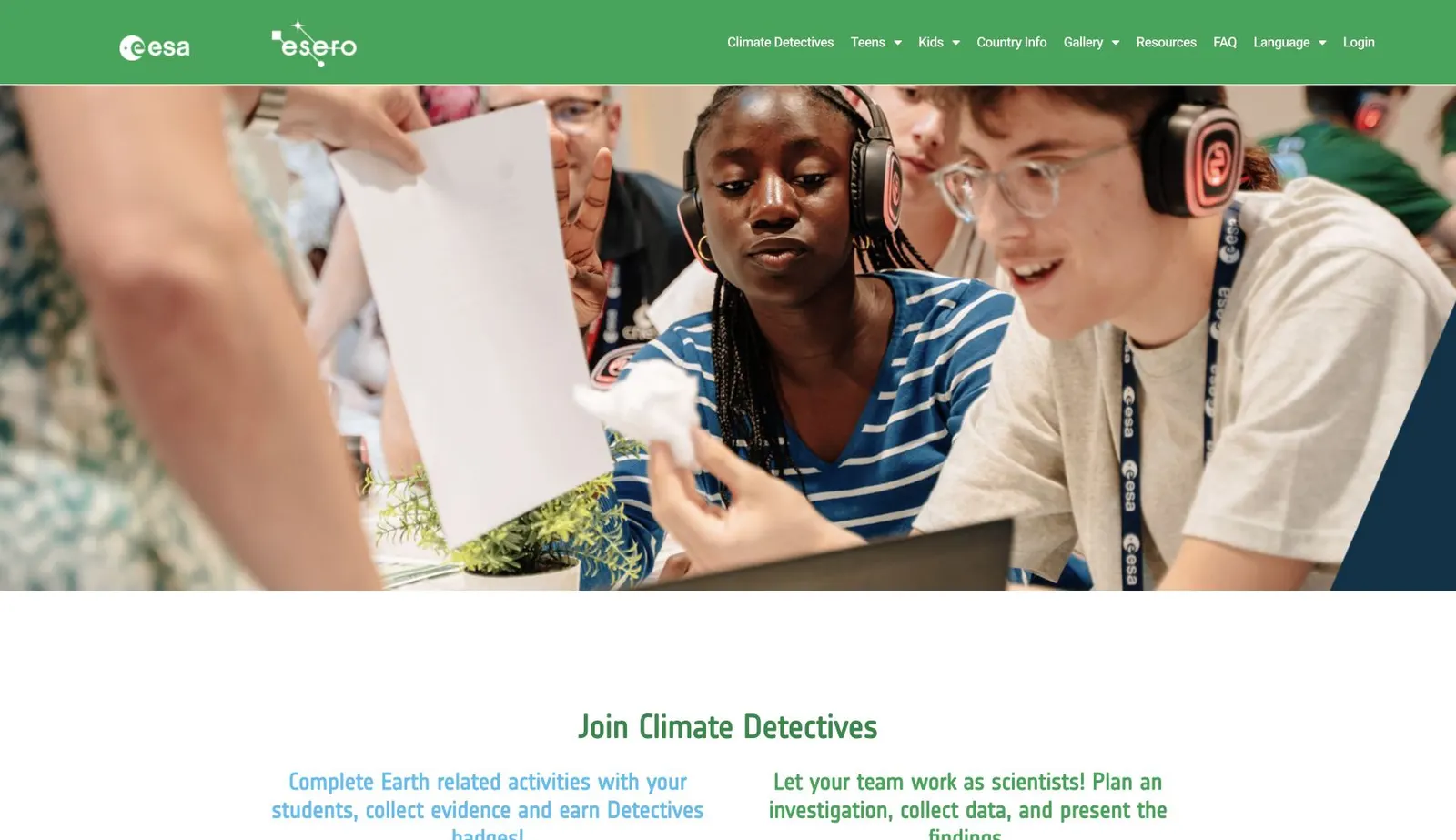
ESA and ESERO’s Climate Detectives programme guides children ages 5–13 through Earth-related activities, evidence collection, investigations, galleries, and badges. It is listed under Nature & environment and Science for ages Ages 5–13 for Kids; a separate 14–19 track is also offered.
ESA CanSat
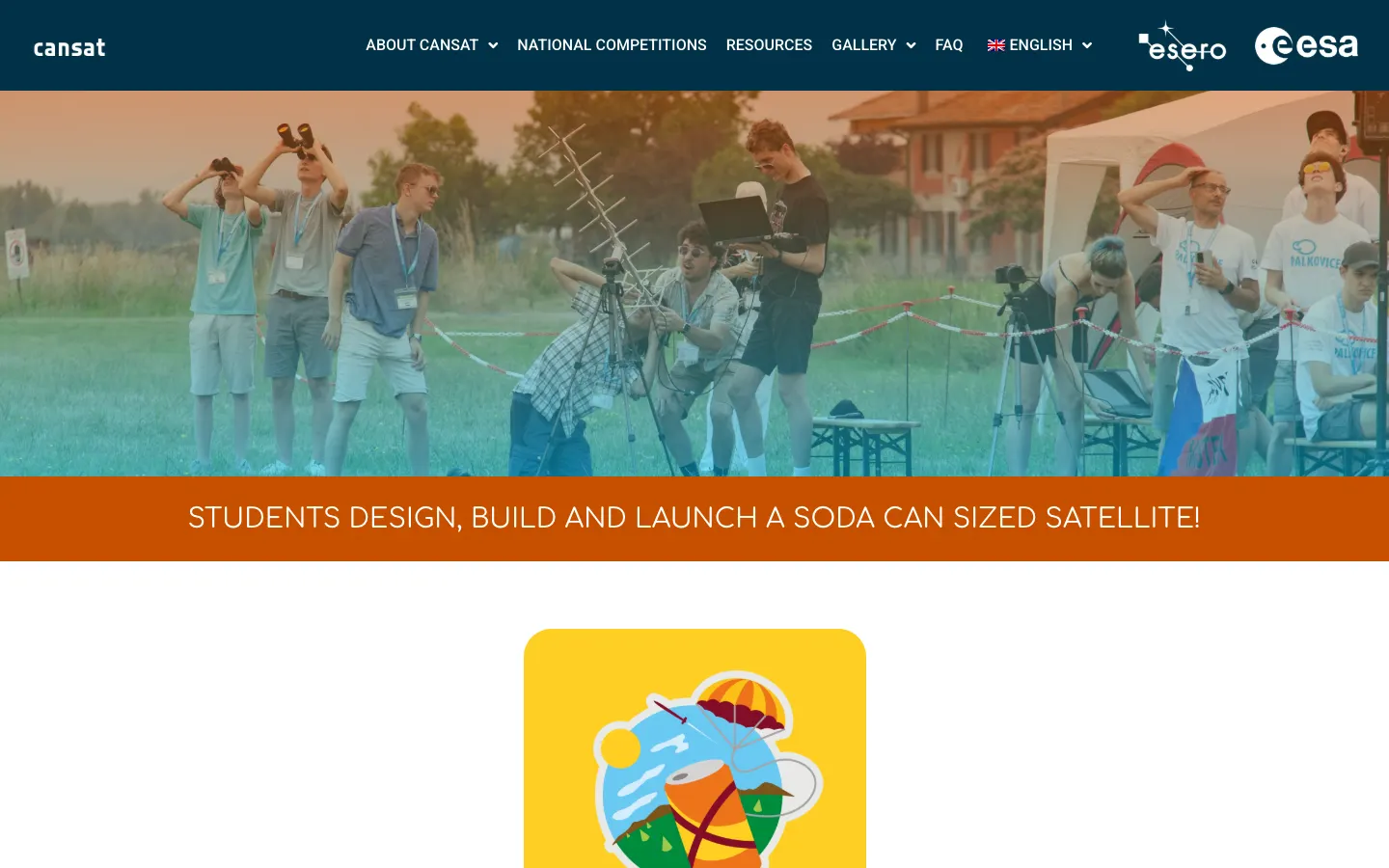
The European Space Agency CanSat program challenges teams to design, build and launch a soda-can-sized satellite, then collect and analyse mission data. It is listed under Space and Coding for ages 14–19. Children and families can use it through a website.
ESA Education 2026–2027 School Projects
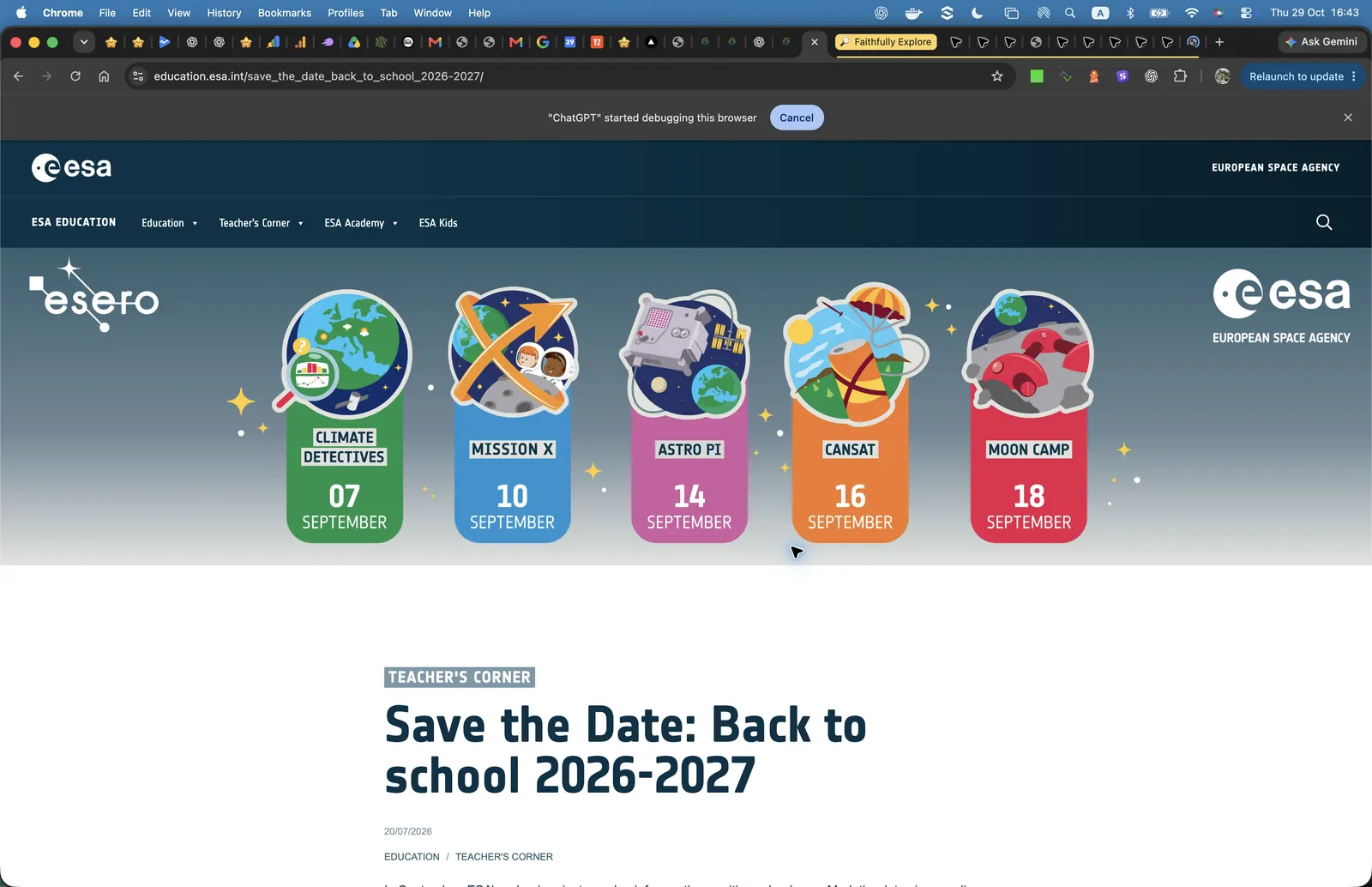
The European Space Agency’s 2026–27 school-project overview connects children and teens with space-themed science, coding, environmental investigation, astronaut training, and design challenges. It is listed under Space and Science for ages 5–19 depending on project.
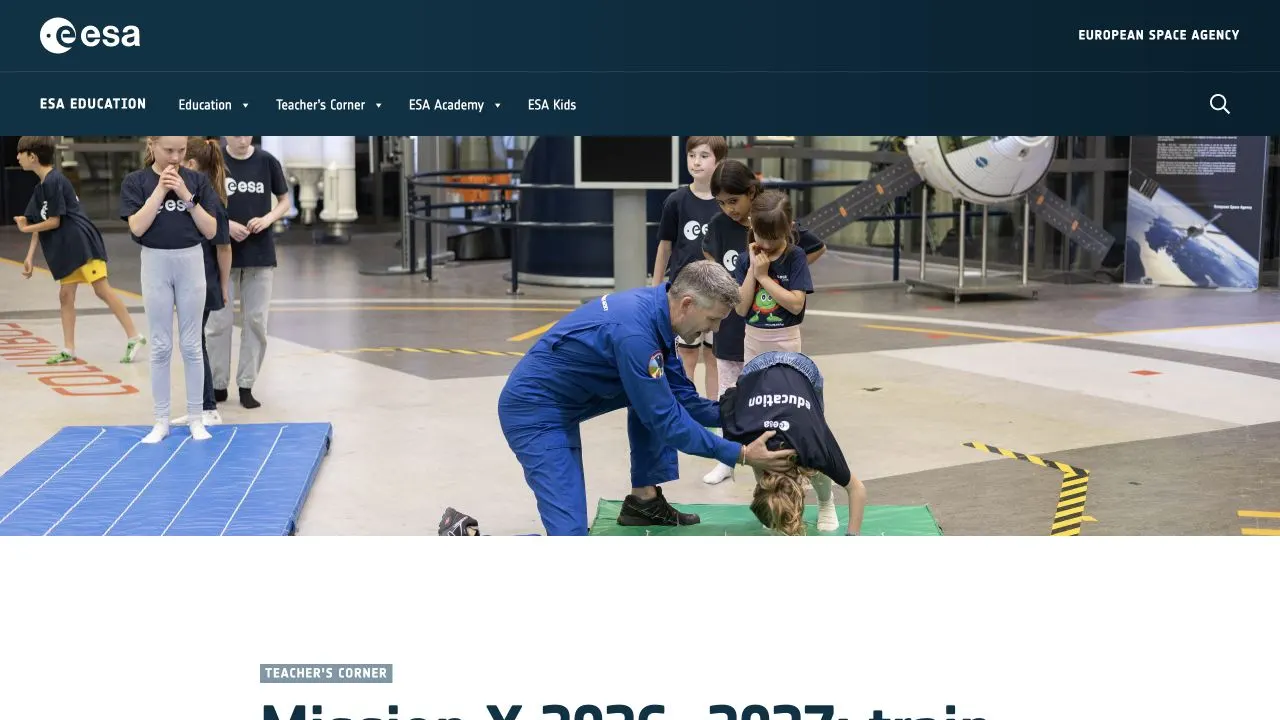
ESA Mission X 2026–2027
ESA Mission X combines astronaut-inspired fitness challenges with scientific investigations about health, nutrition, human biology, movement, and space travel. The directory lists it under Space and Science for recommended ages 5–14, with participation extending to older students up to 19. Adults and educators should confirm the current challenge dates, participation rules, and local delivery details with ESA.
ESA Kids
Space science stories, missions, games, and activities from the European Space Agency. It is listed under Science and Geography for ages 6–14. Children and families can use it through a website. The directory records access as free and language coverage as English.
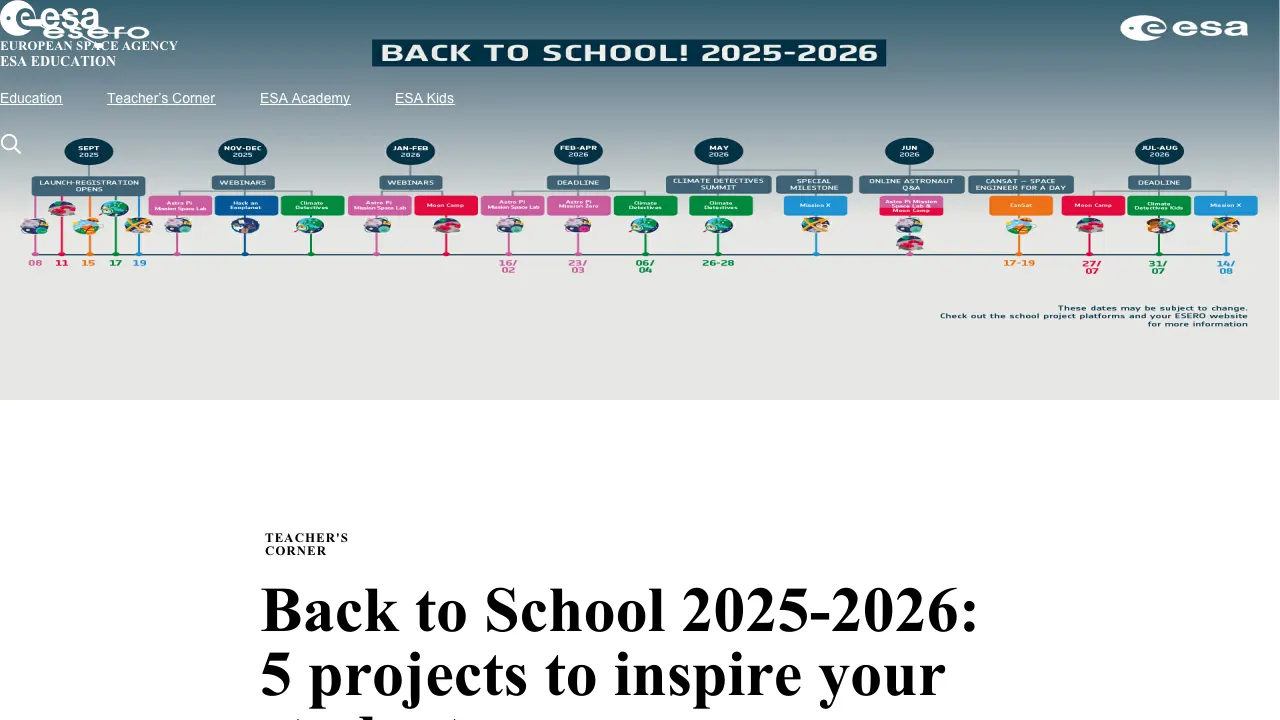
ESA Back to School Student Space Projects
The European Space Agency’s teacher page presents student projects including Astro Pi, Moon Camp, and CanSat to inspire classroom space and engineering learning. It is listed under Space and Engineering for ages School-age students; project-specific.
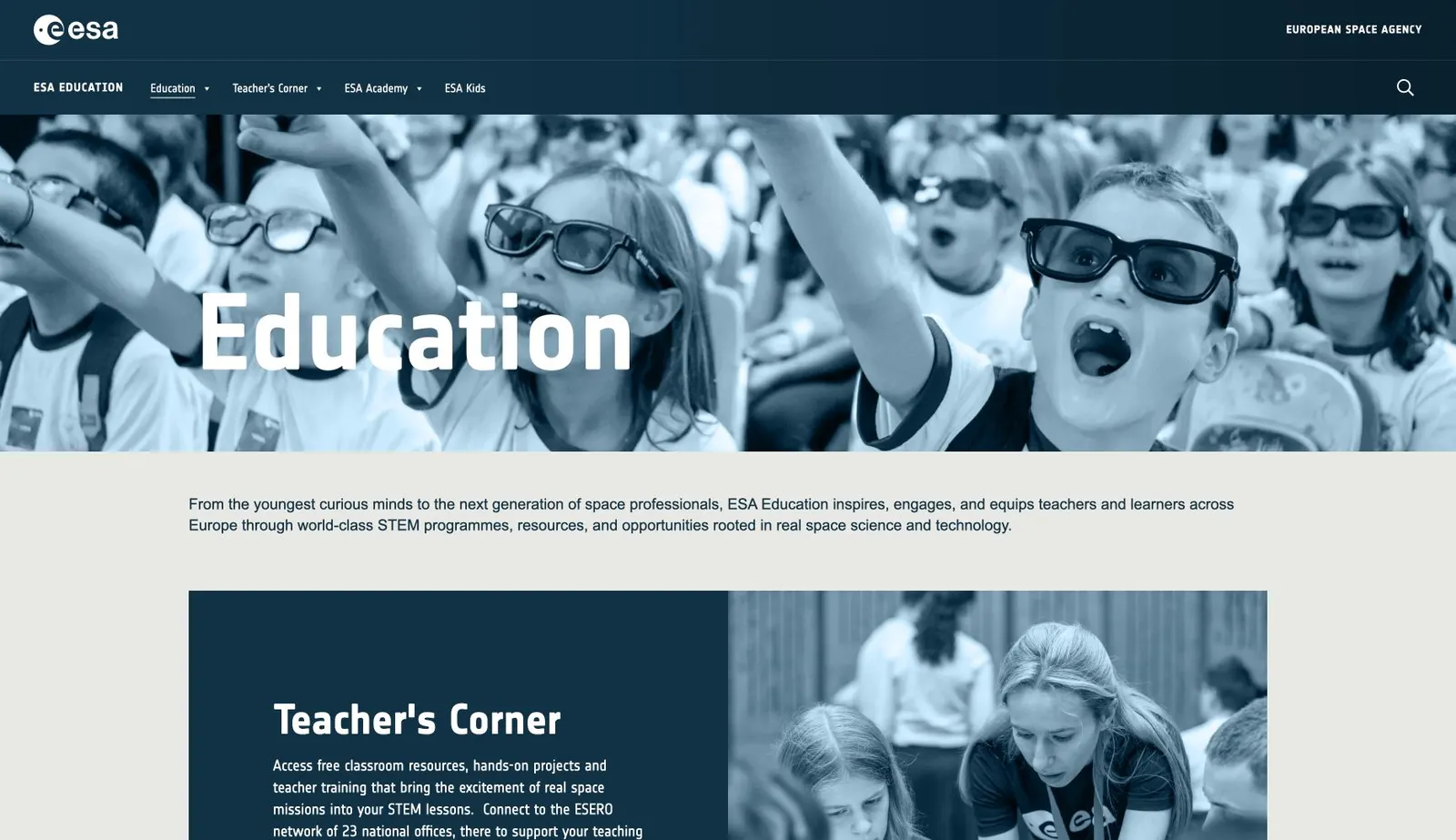
ESA Education
The European Space Agency’s education portal shares space-science projects, classroom activities, student opportunities, and STEM stories connected to ESA missions. It is listed under Space and Science for ages Primary through secondary students; program-specific.
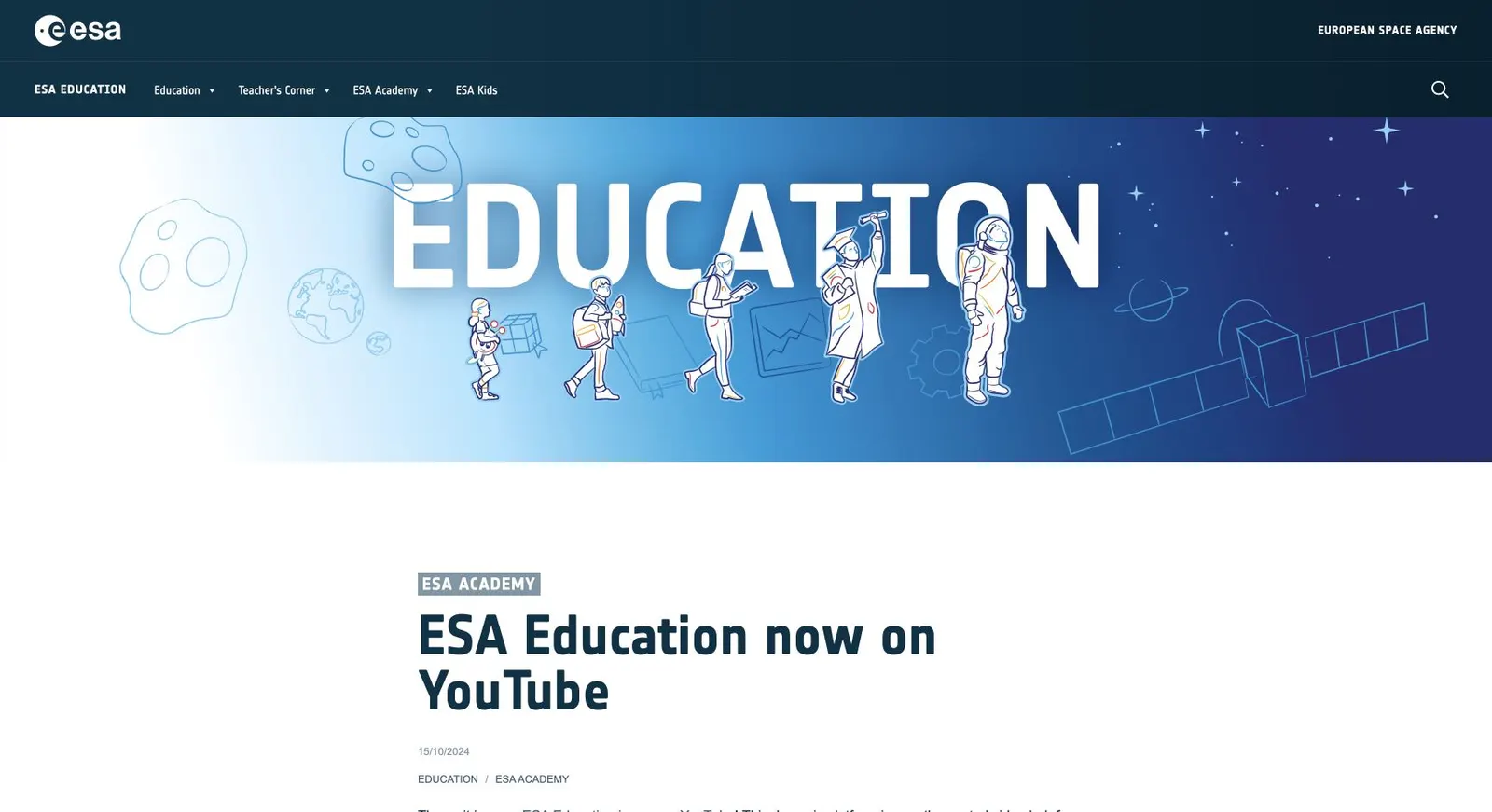
ESA Education YouTube
The European Space Agency’s education video hub offers space-STEM explainers, experiments, student mission documentaries, expert interviews, and behind-the-scenes learning videos. It is listed under Science and Space for ages 6–18+. Children and families can use it through a website and a YouTube channel.
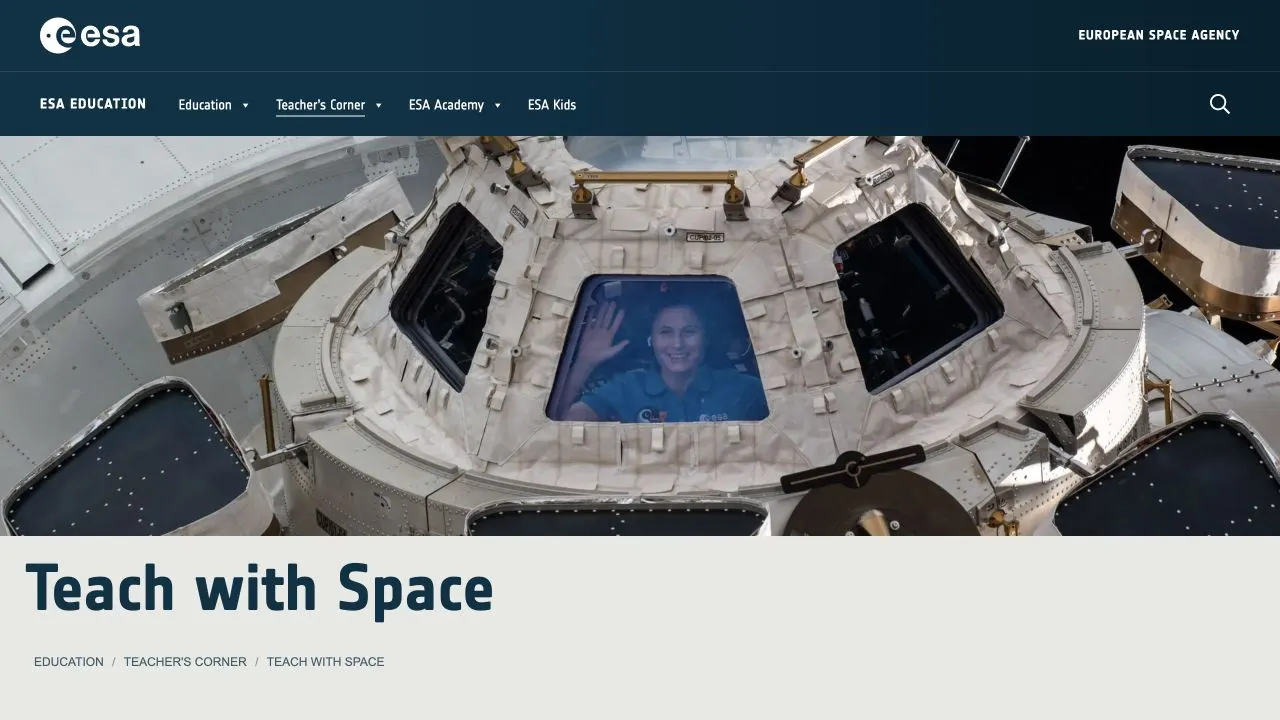
ESA Teach with Space
The European Space Agency collection offers classroom-ready space activities, resources, and videos with filters for age, subject, and language. It is listed under Space and Science for ages 6–19. Children and families can use it through a website, downloadable resources, and a YouTube channel.
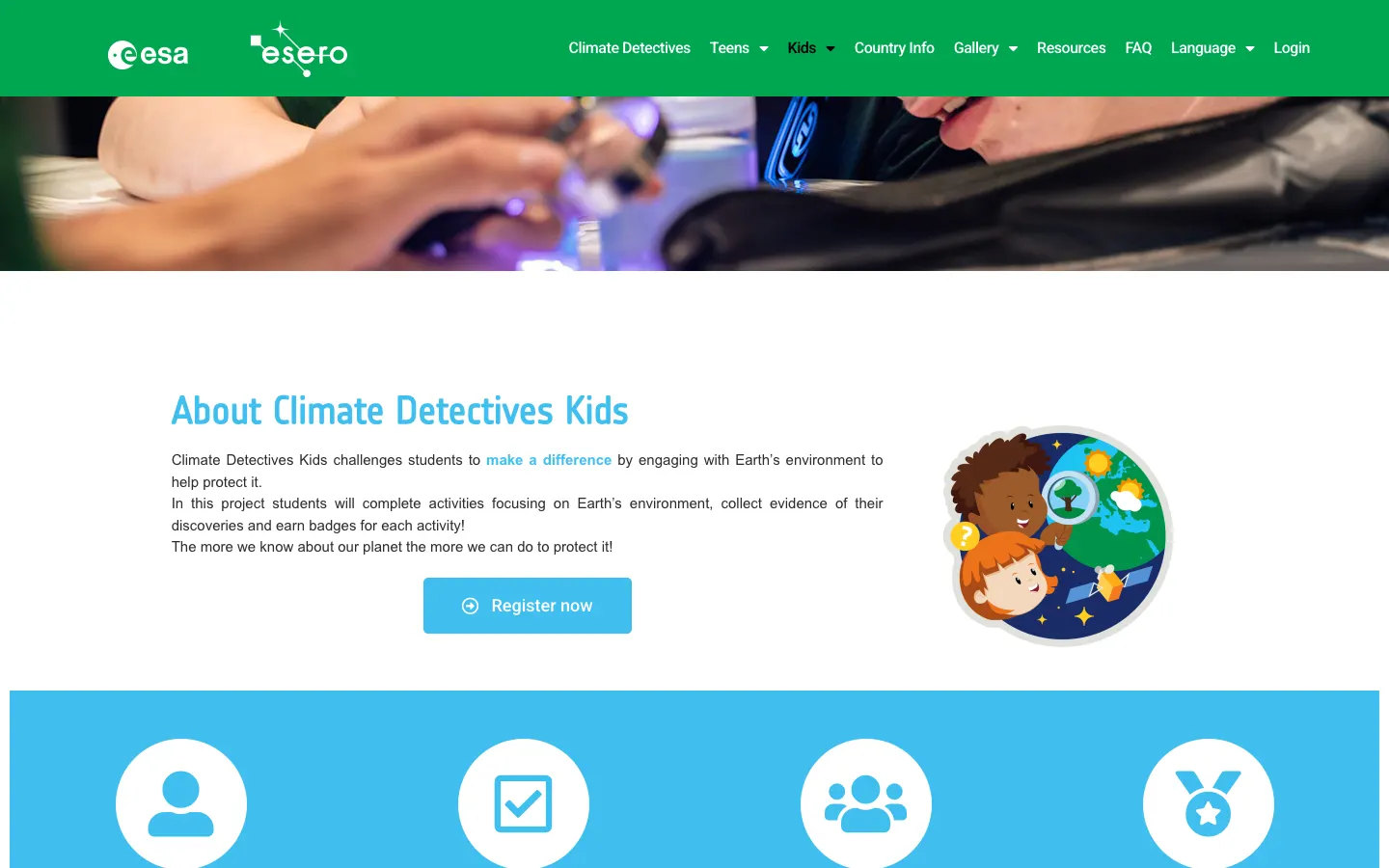
Climate Detectives Kids
Climate Detectives Kids is an ESA/ESERO environmental science project where teams of children complete Earth-focused activities, submit evidence, and earn badges. It is listed under Nature & environment and Science for ages 5–13. Children and families can use it through a website.
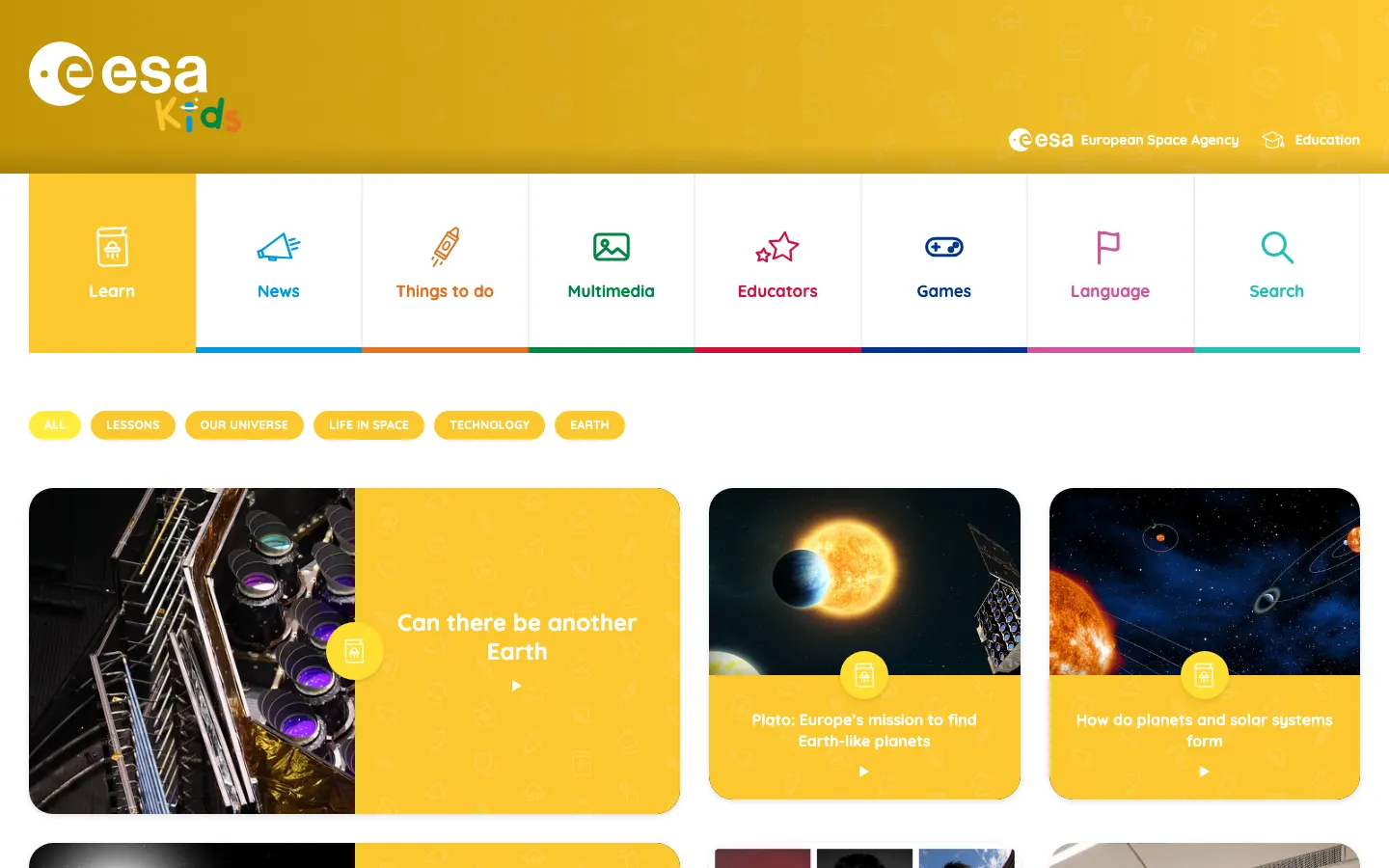
ESA Space for Kids
The European Space Agency’s kid-focused learning library with articles, lessons, games, and stories about space, Earth, astronauts, and technology. It is listed under Space, Science, and Nature & environment for ages 6–14. Children and families can use it through a website.
See something wrong?
Report an outdated organization detail, logo, link, or resource.