Comparison guide · math

Math resources for kids: compare the ways to practice

Math practice can look like a lesson, a game, or a quick browse through a wider learning library. Compare these starting points by the kind of repetition and feedback they offer—not by a single score.

3 resources comparedIndependent editorial guideUpdated 2026-11-18
See the practical differences
Math resources for kids: compare the ways to practice theme illustrationContext before you choose
The short answer

Start with the child, not the label.

The best starting point depends on the child’s age, interest, independence, and the amount of adult support available today. Use the table to narrow the shortlist, then open the full review and verify the current provider details.

We comparedPractice styleFeedback and progressionSubject breadthAdult guidance
Quick orientation

Three useful first moves

No universal winner
At a glance

The practical differences

Use this table to narrow the shortlist
ResourceBest forAccess and formatTrade-off
Khan Academy Kids92/100 editorial scoreA broad, gentle routine that combines early math with literacy and other skills.Ages 2–8; Free; website, android-app, ios-app, amazon-appstore; English, SpanishIts many activities can make it harder to choose one focused math goal.
Toy Theater84/100 editorial scoreShort browser games and virtual tools that make elementary math concrete.Ages 5–12; Free; website, downloadable; EnglishAds and a large menu mean adults should help children choose a focused activity.
BBC Bitesize92/100 editorial scoreCurriculum-linked explanations, practice, and revision across a wide age range.Ages 3–16; Free; website, android-app; English, Welsh, Irish, Scottish GaelicThe school-subject structure can feel formal for a child looking for open-ended play.
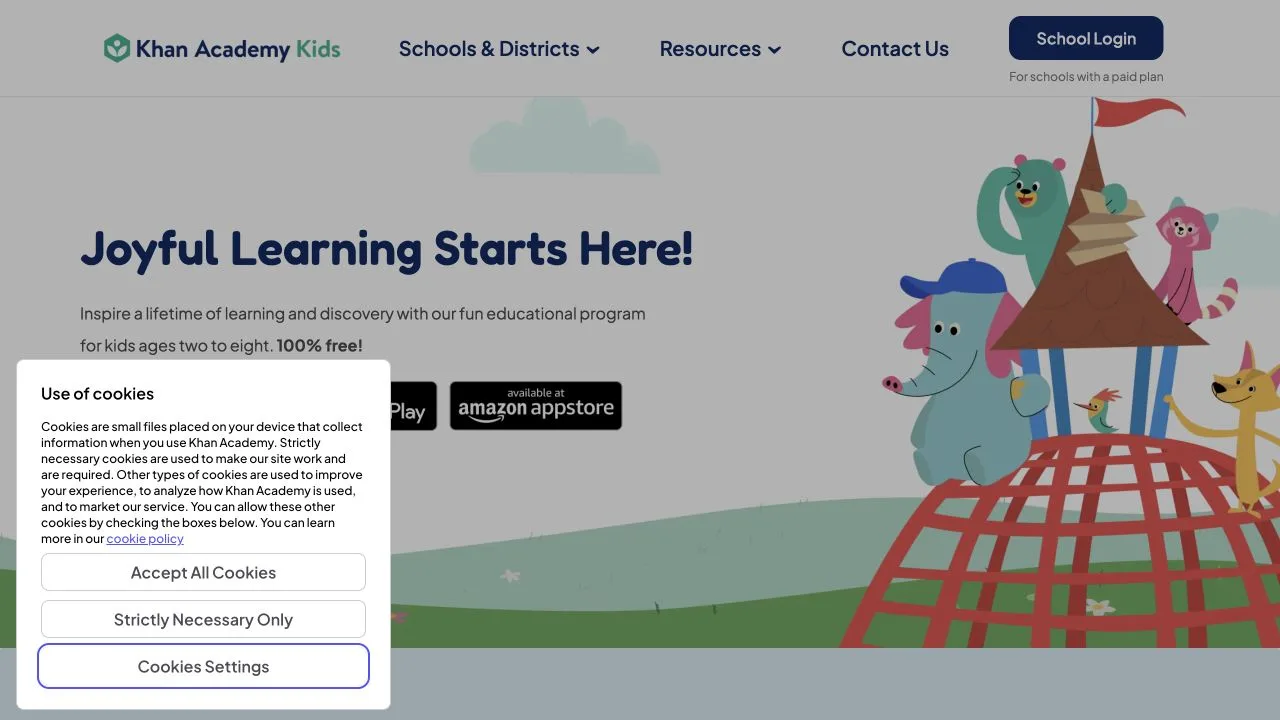
Screenshot of Khan Academy KidsOpen full review ↗
Mathematics92/100

Khan Academy Kids

Choose it when math is part of a wider early-learning routine and a child benefits from a calm, guided app environment.

Best fit: A broad, gentle routine that combines early math with literacy and other skills.

Worth weighing: Its many activities can make it harder to choose one focused math goal.

Editorial note: Khan Academy Kids is a broad early-learning app built around short, guided activities in reading, writing, math, and social-emotional learning. Its strongest use is as a flexible practice shelf for a young child, especially when an adult wants several subject areas in one place.
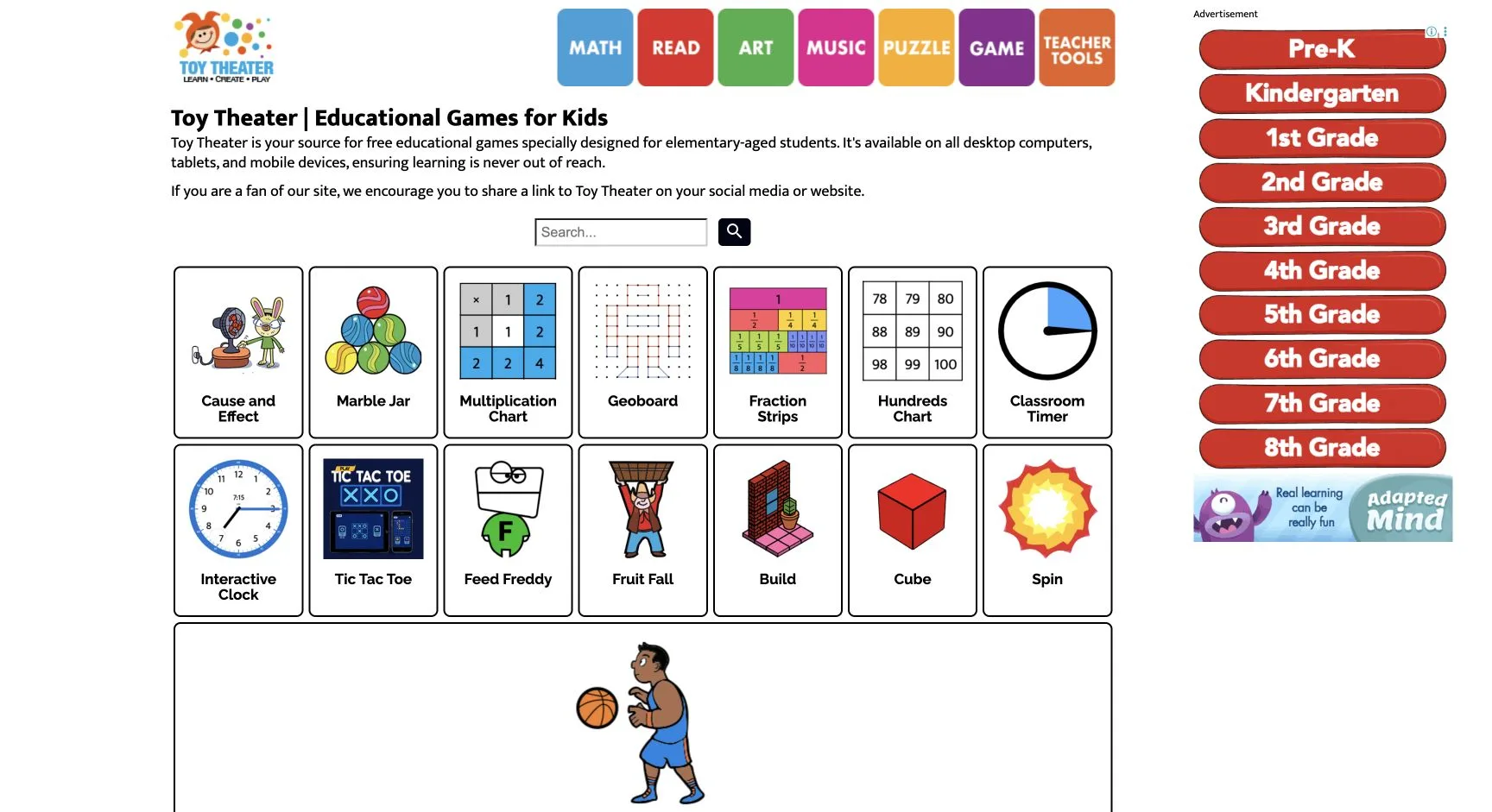
Screenshot of Toy TheaterOpen full review ↗
Games84/100

Toy Theater

Choose it when a child wants to practice one concept through a quick interactive game or classroom-style tool.

Best fit: Short browser games and virtual tools that make elementary math concrete.

Worth weighing: Ads and a large menu mean adults should help children choose a focused activity.

Editorial note: Free educational games and virtual tools for elementary learners across math, literacy, art, music, puzzles, and classroom play. It is listed under Games, Mathematics, and Reading for ages 5–12. Children and families can use it through a website and downloadable resources. In the directory, it is best approached as a educational website for 5–12, with games and mathematics as the main learning context and creativity, family learning, games as useful starting signals.

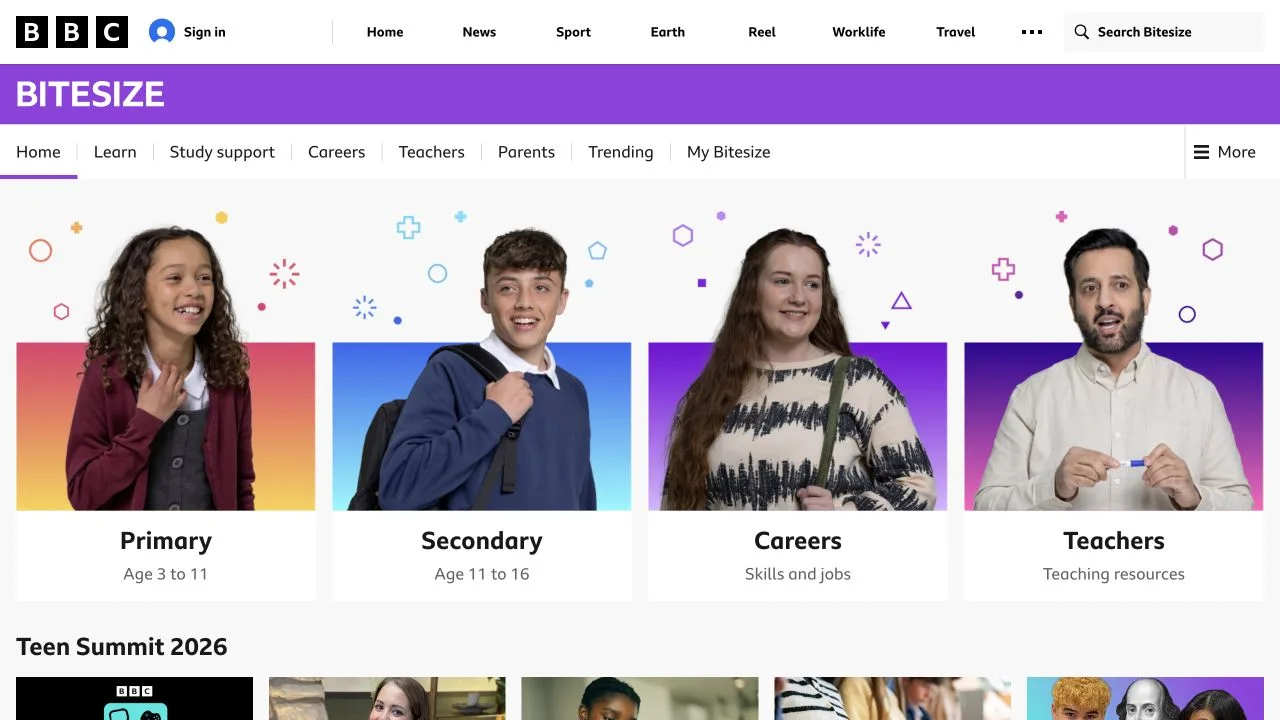
Screenshot of BBC BitesizeOpen full review ↗
Science92/100

BBC Bitesize

Choose it when an adult or learner wants a clear topic page connected to school learning and explanation.

Best fit: Curriculum-linked explanations, practice, and revision across a wide age range.

Worth weighing: The school-subject structure can feel formal for a child looking for open-ended play.

Editorial note: BBC Bitesize is a broad curriculum-support library with explainers, videos, games, quizzes, and revision material across school stages. Its strongest use is targeted help: choose a subject and stage, use one explanation or quiz, then ask the learner to explain the idea without the page open.

For parents and teachers

Make the first session easy to finish.

Preview one activity, check the current age and privacy information, and decide what “done” looks like before a child starts. A useful coding resource should fit the child’s attention, device, language, and context—not only its subject label.

Questions parents ask

Before you choose