Comparison guide · science

Free science websites for kids: choose by curiosity

A good science website gives a child something to notice, question, test, or explain. These starting points differ in topic and depth, so the best choice depends on the question in front of you.

3 resources comparedIndependent editorial guideUpdated 2026-11-18
See the practical differences
Free science websites for kids: choose by curiosity theme illustrationContext before you choose
The short answer

Start with the child, not the label.

The best starting point depends on the child’s age, interest, independence, and the amount of adult support available today. Use the table to narrow the shortlist, then open the full review and verify the current provider details.

We comparedTopic doorwayExplore versus makeReading levelQuality of source evidence
Quick orientation

Three useful first moves

No universal winner
At a glance

The practical differences

Use this table to narrow the shortlist
ResourceBest forAccess and formatTrade-off
NASA Space Place95/100 editorial scoreSpace and Earth questions with articles, games, and activities.Ages 5–14; Free; website, downloadable; English, SpanishThe wide topic range means younger children may need an adult-selected starting page.
National Geographic Kids88/100 editorial scoreVisual browsing around animals, nature, geography, and factual explainers.Ages 6–12; Free with paid options; website, youtube-channel; EnglishShort facts are a starting point; deeper research needs another source.
Crick Kids86/100 editorial scoreBiology and life-science questions connected to research and discovery.Ages Children and families; activity-specific; Free public resources; website; EnglishSome topics and language may suit older children better than independent early readers.
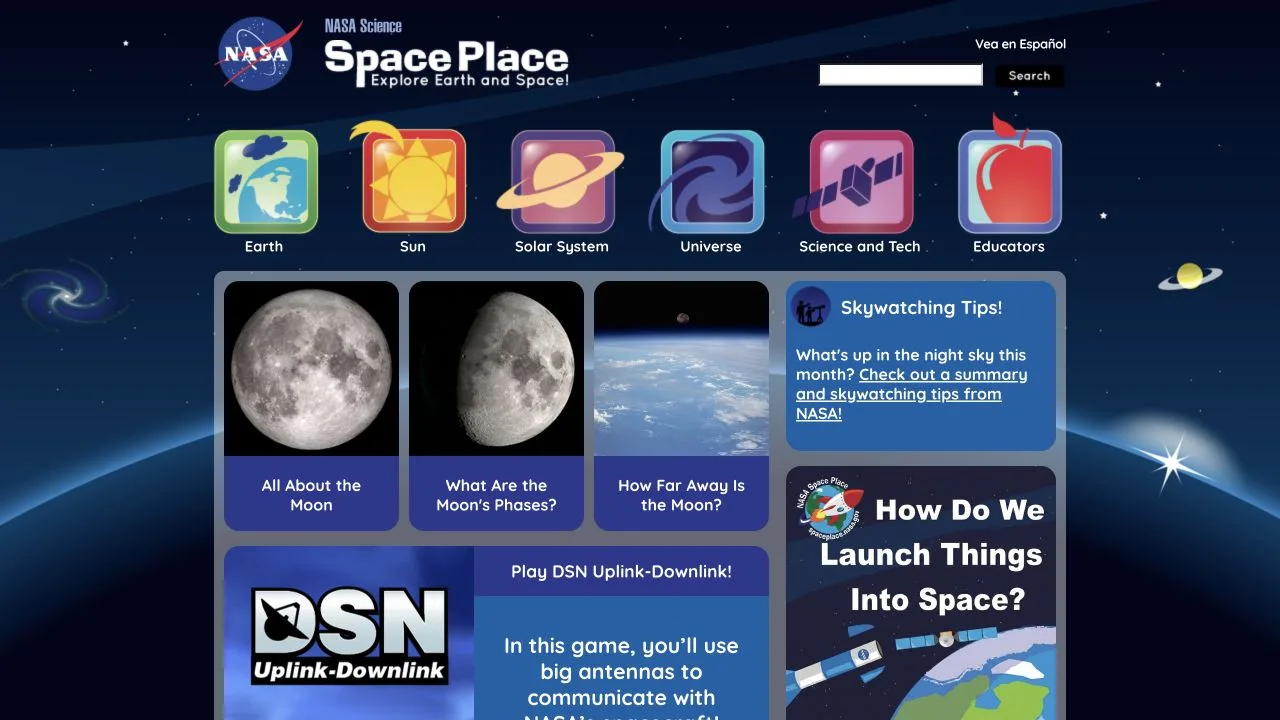
Screenshot of NASA Space PlaceOpen full review ↗
Science95/100

NASA Space Place

Choose it when a child arrives with a question about planets, Earth systems, or space.

Best fit: Space and Earth questions with articles, games, and activities.

Worth weighing: The wide topic range means younger children may need an adult-selected starting page.

Editorial note: NASA Space Place turns space and Earth science into short articles, games, activities, and visual explanations. It works particularly well when a child arrives with one question and wants several ways to explore it, from a quick read to a hands-on follow-up.

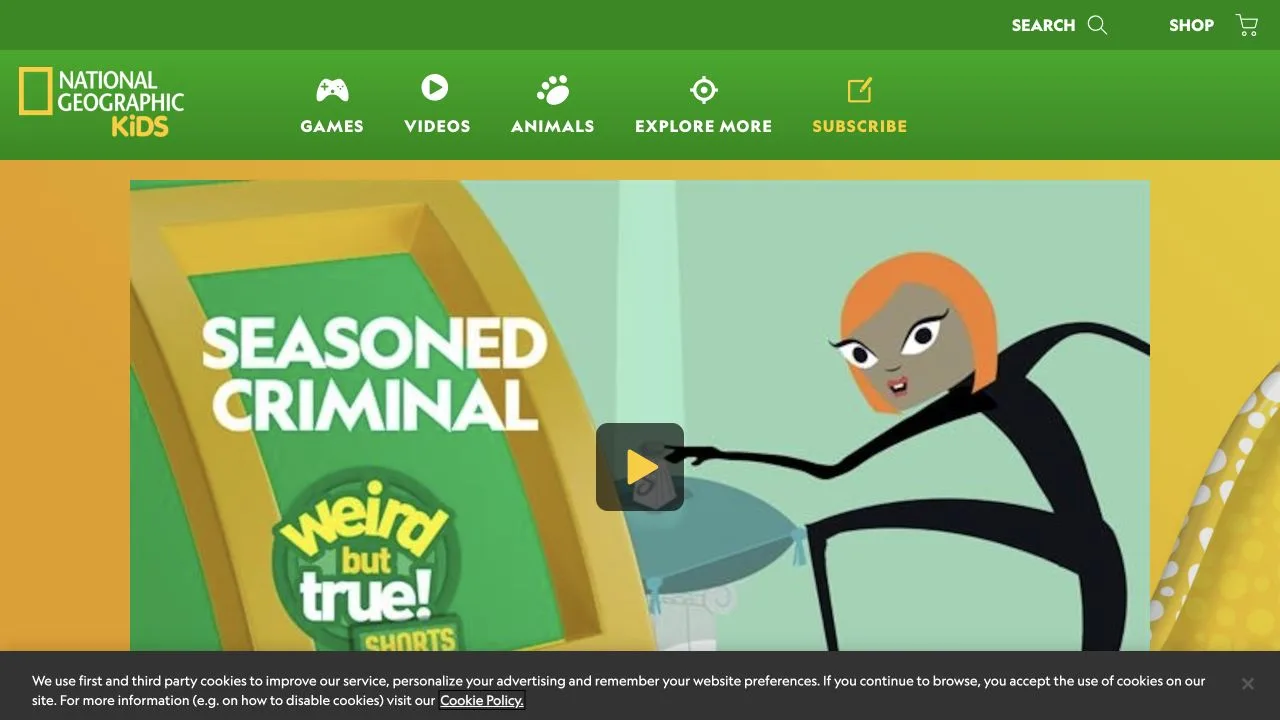
Screenshot of National Geographic KidsOpen full review ↗
Science88/100

National Geographic Kids

Choose it when the child wants to browse widely and follow an interest trail.

Best fit: Visual browsing around animals, nature, geography, and factual explainers.

Worth weighing: Short facts are a starting point; deeper research needs another source.

Editorial note: National Geographic Kids is a strong browsing destination for children who learn through animals, nature, geography, and short factual explainers. Its appeal is the mix of visual material and topic breadth, though the best family use comes from choosing one question rather than letting the child drift through an endless feed.

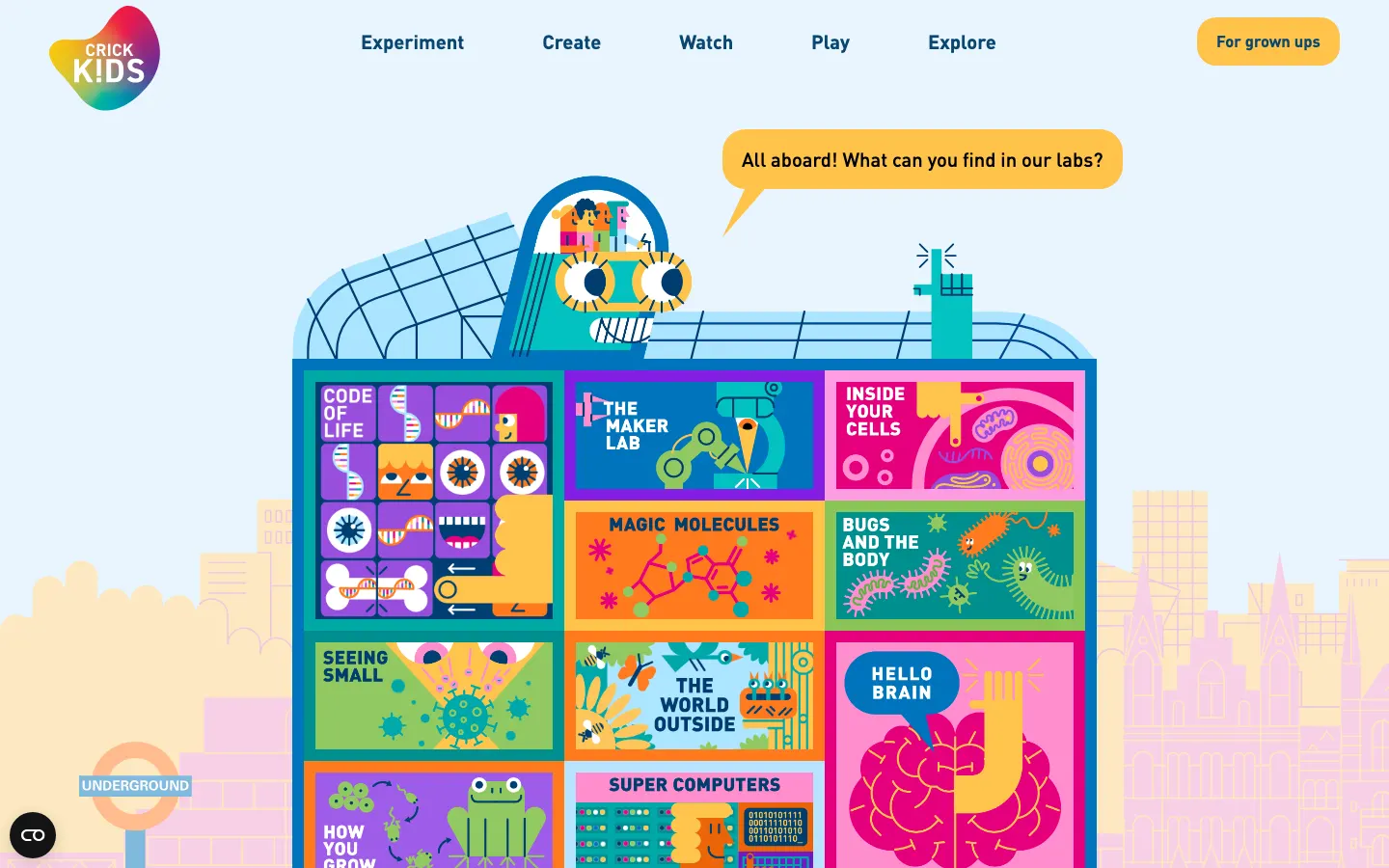
Screenshot of Crick KidsOpen full review ↗
Science86/100

Crick Kids

Choose it when an adult can help connect a child’s question to a real research institution.

Best fit: Biology and life-science questions connected to research and discovery.

Worth weighing: Some topics and language may suit older children better than independent early readers.

Editorial note: The Francis Crick Institute’s children’s science site with experiments, quizzes, crafts, and family activities. It is listed under Science and Experiments & projects for ages Children and families; activity-specific. Children and families can use it through a website. In the directory, it is best approached as a children’s learning resource for Children and families; activity-specific, with science and experiments & projects as the main learning context and creativity, family learning, games as useful starting signals.

For parents and teachers

Make the first session easy to finish.

Preview one activity, check the current age and privacy information, and decide what “done” looks like before a child starts. A useful coding resource should fit the child’s attention, device, language, and context—not only its subject label.

Questions parents ask

Before you choose